Camping Stoves
Esbit Medium Solid Fuel Stove Review: Light, Simple, and Built for Short Trips
A galvanized steel folding stove that weighs 6.1 ounces, holds its own in a breeze, and costs around $15. Here is what the hexamine fuel asks of you in return.
Introduction
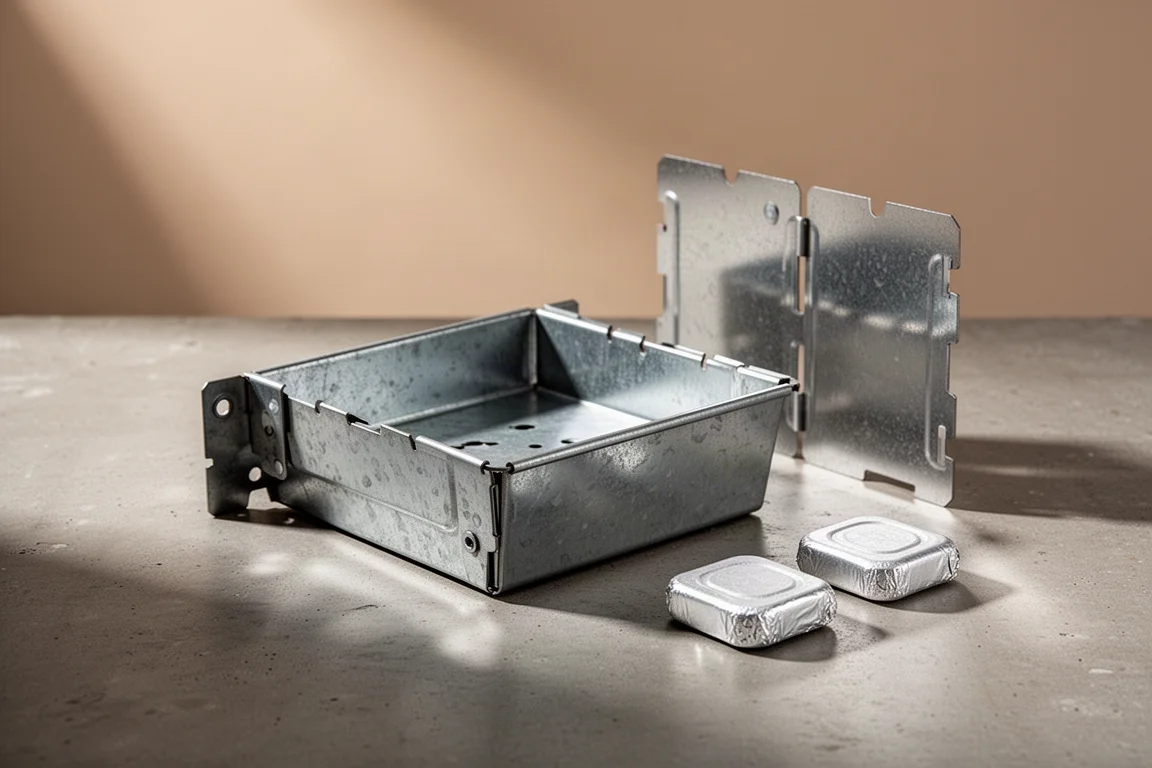
The Esbit medium solid fuel stove is a folding camp stove built around hexamine fuel tablets. It is made from galvanized steel, measures roughly 3.25 by 4.5 inches, and sits about one inch deep when closed. Esbit offers the stove in three sizes, small, medium, and large, and this is the middle of that range. On paper the three sizes differ by little more than an inch from smallest to largest, yet that difference changes how much cookware the stove can comfortably hold.
At around $15, this is one of the least expensive ways to boil water outdoors, and one of the lightest. The hardware is not where the trade-offs live. The fuel is, and the fuel comes with handling considerations worth understanding before you buy.
Who This Stove Is For
Esbit is a German company, and the original design behind this stove dates to the 1930s, before World War II. Since then the format has been used by civilians, military forces, rescue organizations, and humanitarian efforts, as well as by backpackers, campers, and people assembling survival and preparedness kits.
For backpacking, the medium stove makes the most sense on short trips of one to two days. It is a genuinely light system, and for ultralight travel across a night or two, very little beats it on weight. Longer outings are a different conversation: you have to carry more fuel, the tablets occupy space in a pack, and there is no way to adjust the flame once the fuel is lit.

That said, plenty of people backpack exclusively with solid fuel stoves and are perfectly happy doing so. The deciding factor is not the stove itself but the kind of trip you take. If your days are short, your pack is stripped back, and you mostly need hot water rather than a slow-simmered meal, this format fits neatly. If your trips run longer and you want control over heat, a canister stove is the more practical companion.
Design and Build Quality
The stove is folded galvanized steel with no sharp edges, and it feels well manufactured for the price. Unfolding takes a little effort. The panels sit tight against each other, so you generally need a fingernail to pop the side open before the rest follows.
The legs move through multiple stages. They lock straight up and down, fold inward, and then close flat, which is what makes the stove so compact when packed. At its highest point, the pot supports sit roughly two and a half inches above the ground. The burner plate is where the fuel goes, and it is wide enough for large tablets, though smaller hexamine tablets work just as well. A ring of air holes surrounds the plate, and the front of the stove matches the back.
A windscreen panel clips into place quickly, and the side walls are adjustable. Run them wide for larger pots and pans, or bring them in for small cups and pans. The whole stove weighs 6.1 ounces, and that figure includes two 27 gram fuel tablets stored inside it. In total, two large tablets fit at the bottom with room for two smaller tablets above them.
Main Strengths
Wind protection is the standout quality. In a breeze of roughly nine miles per hour, the flame stayed aimed straight at the pot instead of being pushed sideways, and rotating the stove so the windscreen faced the wind took a second. That kind of stability matters more than most specifications suggest, because a solid fuel tablet has no valve to compensate when conditions turn.
Setup and breakdown are quick, the fuel ignites readily with a lighter in most conditions, and hexamine performs well at high elevations and in sub-zero temperatures. The stove also accepts hexamine tablets from other manufacturers, in any size, so you are not locked into a single supply source. Two 27 gram tablets ship in the box.
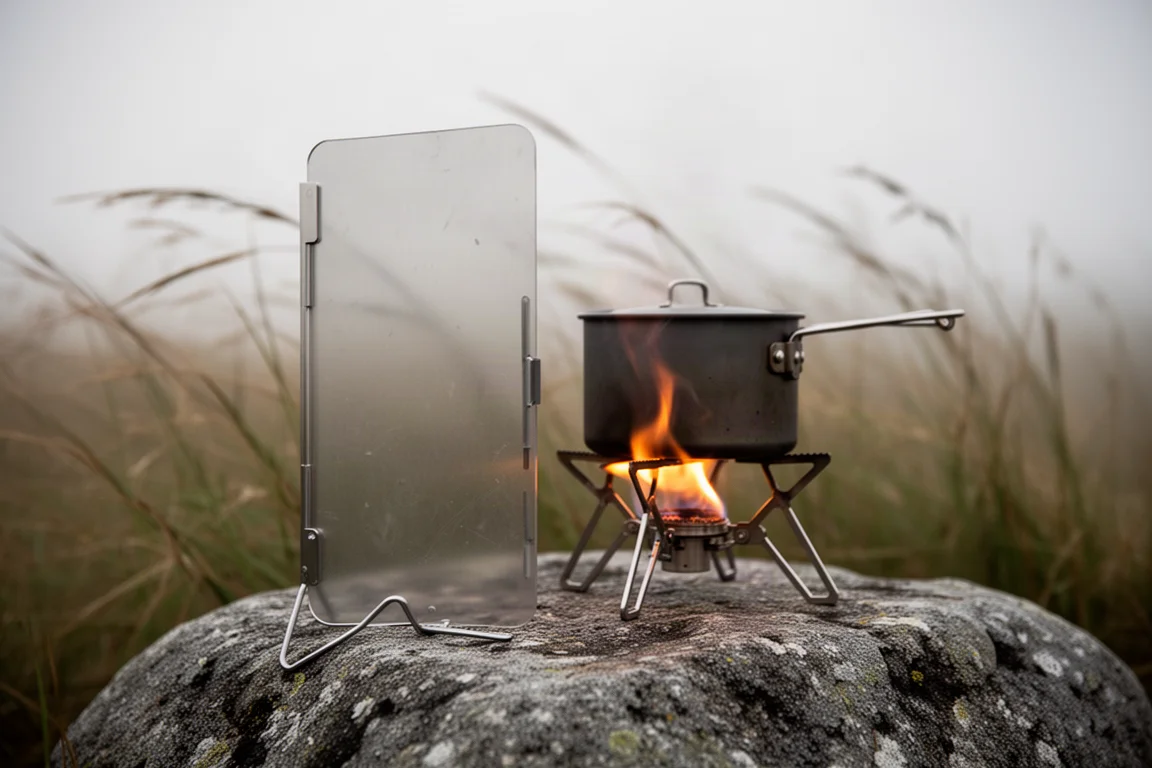
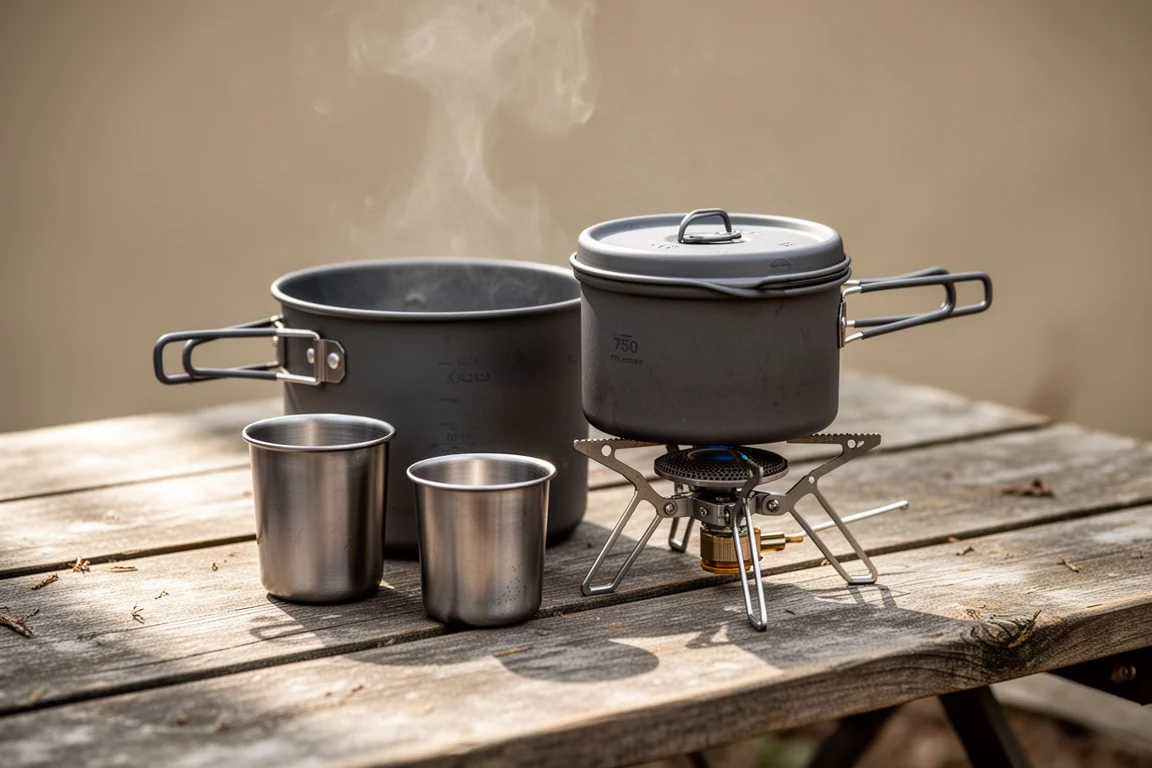
The burner plate is generous enough that cookware choice stays flexible. A 750 millilitre pot sits perfectly on the supports, and so does a small titanium cup. Larger pots and pans work too, as long as the legs are unfolded straight up and down. That adjustability is the reason the medium size is such a useful middle ground between the small and large versions.
Fuel, Burn Time, and Heat Control
Hexamine is a slow, steady fuel. Esbit rates the included 27 gram tablets at around 12 minutes of burn time, and the same tablets have been observed burning for well over 25 minutes straight. In a timed test, plenty of fuel remained at the 12 minute mark; by 15 minutes the tablet was still alight but no longer producing much usable heat. Smaller hexamine tablets cost considerably less and still deliver a good amount of burn time, which makes them the sensible everyday choice.
What you give up is control. There is no flame adjustment, no simmering, and no way to dial the heat down once the tablet is lit. It lights, it burns, it finishes. If you need boiling water in a hurry, a canister stove is the better tool. On longer trips where controlled burn times matter, the same applies. Where hexamine shines beyond cooking is as a fire starter, useful for getting damp-weather fires going when everything else refuses to catch.
Things to Consider Before Buying
The fuel is toxic. The manufacturer recommends gloves when handling it, and that guidance is printed on the box. Do not breathe the vapours. The smell is strong and distinctive, close to shrimp, and it carries through packaging, which is why the tablets are best kept sealed and then sealed again in a second bag. Wash your hands after handling them.
Soot is the other practical annoyance. Hexamine leaves a noticeable deposit on the stove and on your cookware, and the base of a pot turns properly black after use. Budget a little cleaning time and keep the stove away from anything pale.
Ignition is usually straightforward, but it can take several seconds of holding a flame against the tablet, and in windy conditions that becomes fiddly. It is worth having a sheltered spot or a spare hand free before you commit.
None of these issues are unusual for solid fuel, and none of them make the stove a bad purchase. They simply define how and when it makes sense to use one, and they are the kind of detail that is easy to overlook when you are shopping on price and weight alone.
Buying Advice
At around $15, the medium stove is a strong value and an easy one to justify as a backup or a dedicated short-trip kit. Buy it if you value low weight and total simplicity, and if your trips are short enough that carrying a handful of fuel blocks is not a burden. Pair it with smaller hexamine tablets for routine use and keep the larger 27 gram cubes for longer burns.
Practical habits make the experience better. Pack gloves, keep the fuel double bagged so the smell stays contained, and wash your hands after handling it. Match the cookware to the job: a 750 millilitre pot and a small titanium cup both sit well on the supports, while bigger pots and pans need the legs unfolded straight up and down. Because the walls adjust, one stove covers a wider range of cookware than its footprint suggests.
If you want to simmer, adjust heat, or spend several days out with fewer fuel blocks to carry, a canister stove is the more suitable choice. That is not a criticism of this stove so much as a description of what it is designed to do.
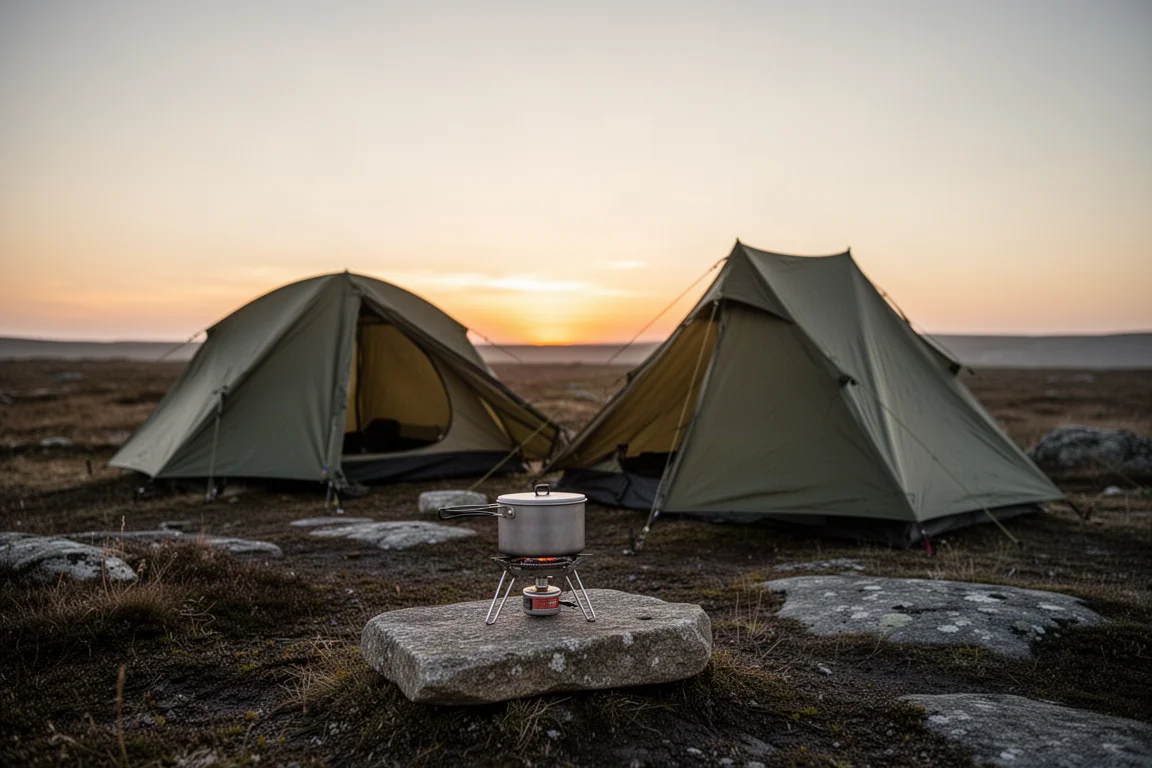
For buyers who already know they want a lightweight solid fuel setup, the medium size is the flexible pick within the range, and the low price makes it a low-risk addition to a pack or an emergency kit.
Conclusion
The Esbit medium solid fuel stove does exactly what it promises: it folds flat, weighs 6.1 ounces, shrugs off a breeze, and boils water on fuel that costs little and stores well. Its limitations are the fuel’s limitations, namely no heat control, a toxic tablet that needs careful handling, and soot on the pot afterwards.
For short trips, ultralight packing lists, and preparedness kits, those trade-offs are easy to accept, especially at this price. For longer journeys and cooking that needs finesse, look elsewhere. Judged on its own terms, this is a well-made, genuinely useful stove.
Product link
View more details for Esbit Medium Solid Fuel Stove
This product is mentioned in the review. Check the specifications, options, and compatibility before buying.
View more details for Esbit Medium Solid Fuel StoveFurther reading
Related Reviews
Camping Stoves
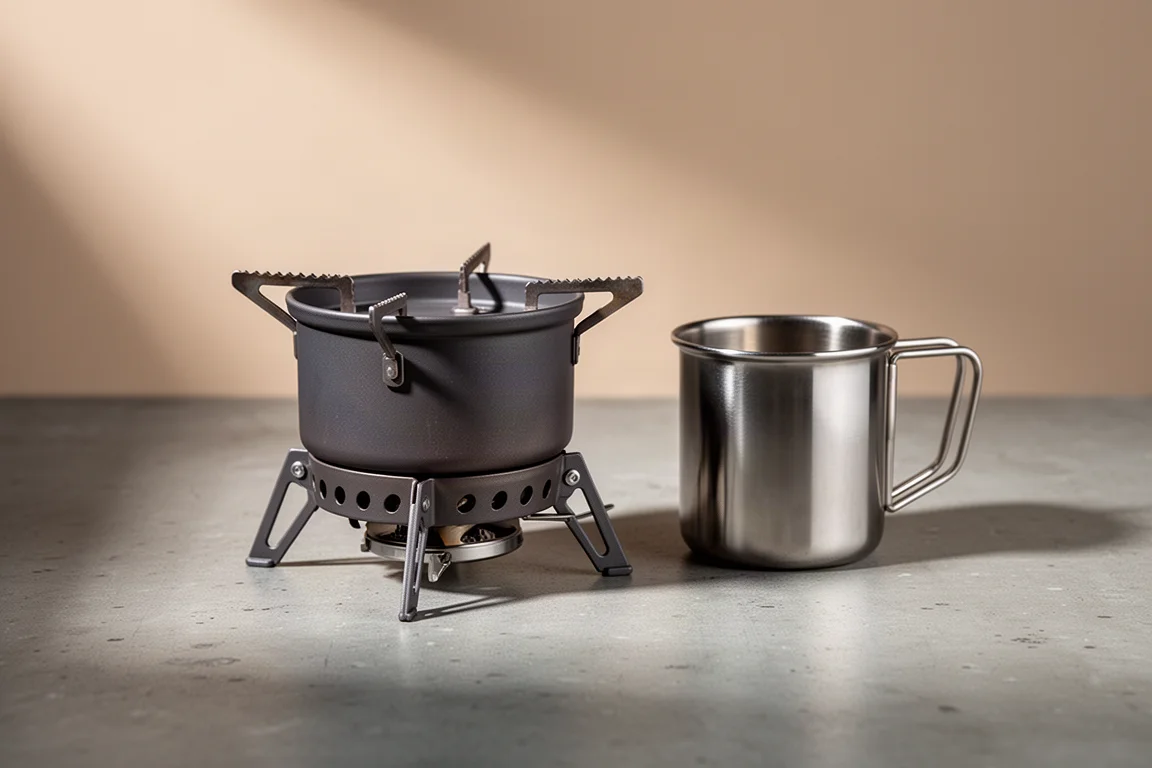
BCB Fire Dragon Mini Cooker Review: A Tiny Folding Stove With Real Trade-Offs
A palm-sized, fuel-flexible folding stove that heats water well enough, but brings flame control, stability, and fuel cost questions worth understanding first.
Camping Stoves
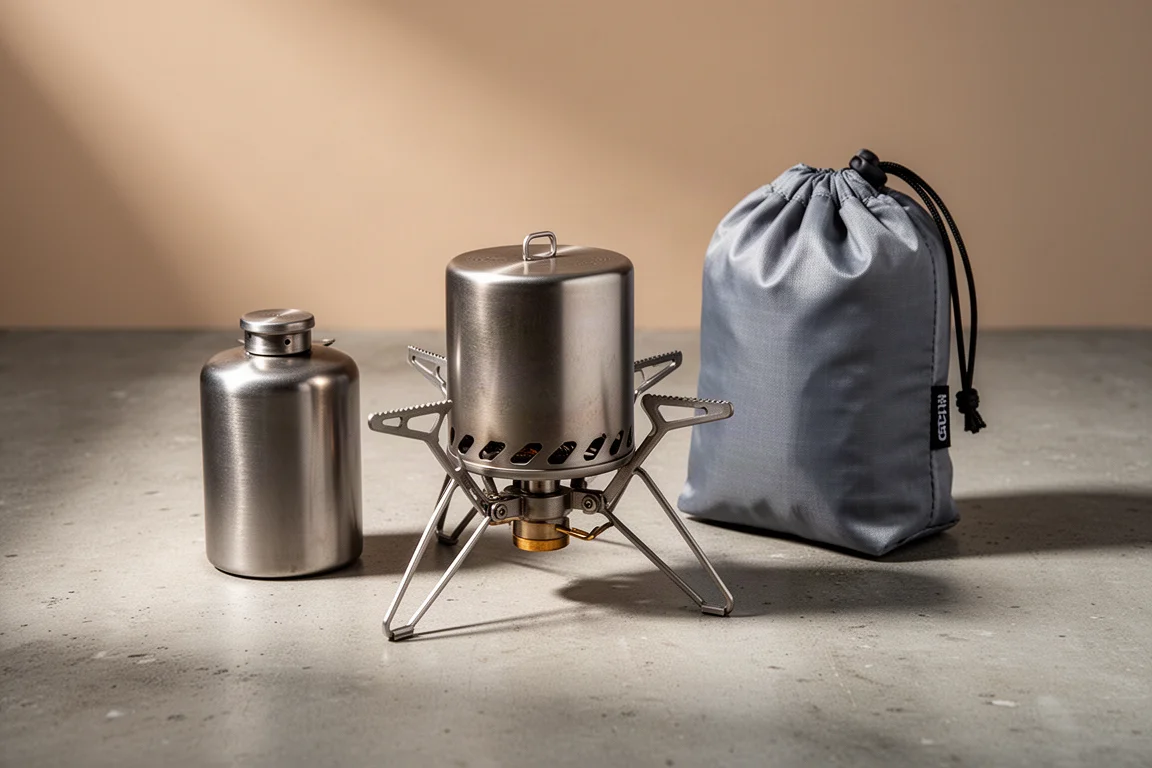
Boundless Voyage Titanium Alcohol and Wood Stove Review: Ultralight Cooking, Two Ways
A titanium alcohol and wood burning stove kit that weighs 4.5 oz complete, boils two cups of water in about 10 minutes, and costs $36.
Camping Stoves
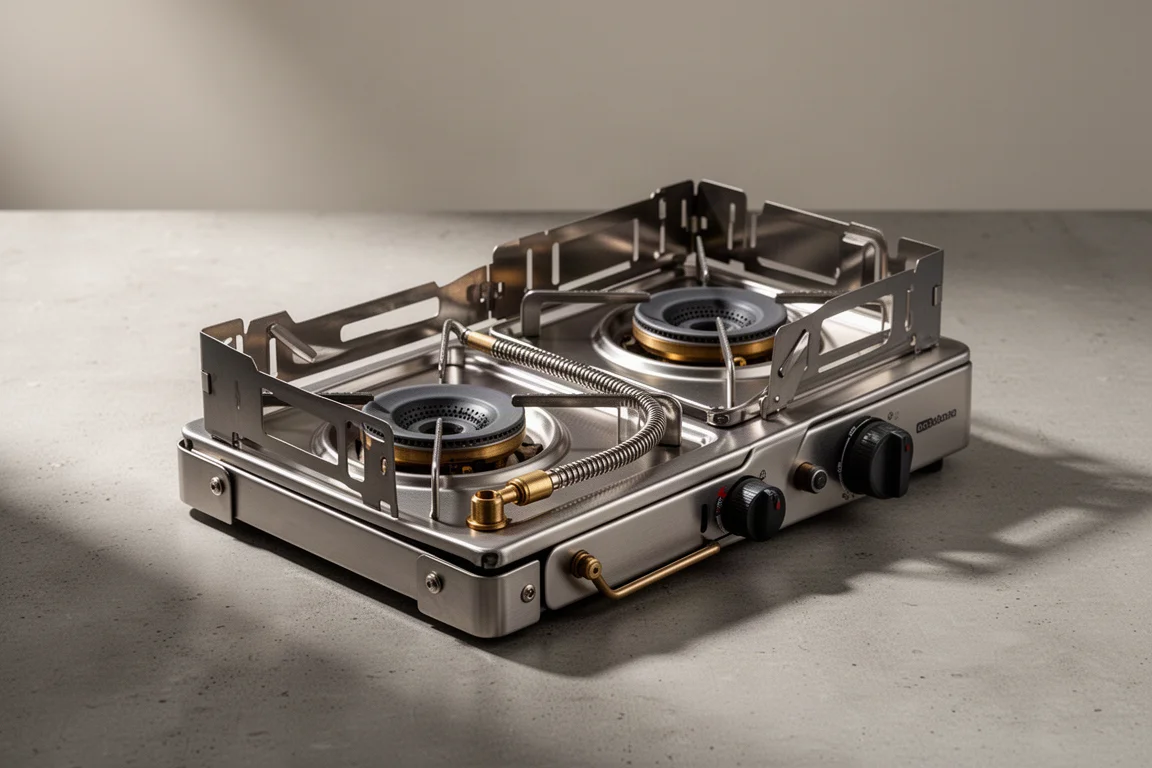
BRS 32 Dual Burner Stove Review: A Folding Two-Burner That Packs Down Flat
A detailed look at the BRS 32, a slim folding dual burner camping stove that expands into a stable cooking platform for around $60.