Aquarium Medications
Endich Copper Power Review: A Safer, More Stable Copper Treatment for Ich and Velvet
A practical look at Endich Copper Power, a copper quarantine medication that is less toxic to fish than many alternatives and holds therapeutic levels for longer.
Introduction
Copper-based medications have long been a first choice for treating external parasites such as ich and marine velvet, and they are a standard part of quarantining new fish before they join an established display tank. The catch is that copper only helps when it is dosed accurately. Some formulations are easy to overdose, and others slip below the therapeutic range because the copper precipitates out of the water.
Endich Copper Power was built around both of those problems. It is dramatically less toxic to fish than many other copper medications, which makes it possible to run at much higher concentrations, and it precipitates extremely slowly, so a therapeutic level holds for longer without repeated additions.
That combination of a wider safety margin and better stability is the main reason this product has become one of the most popular copper medications available. It also makes the treatment cycle far less fiddly than it used to be, which matters when a sick fish is waiting.
Who Endich Copper Power Is For
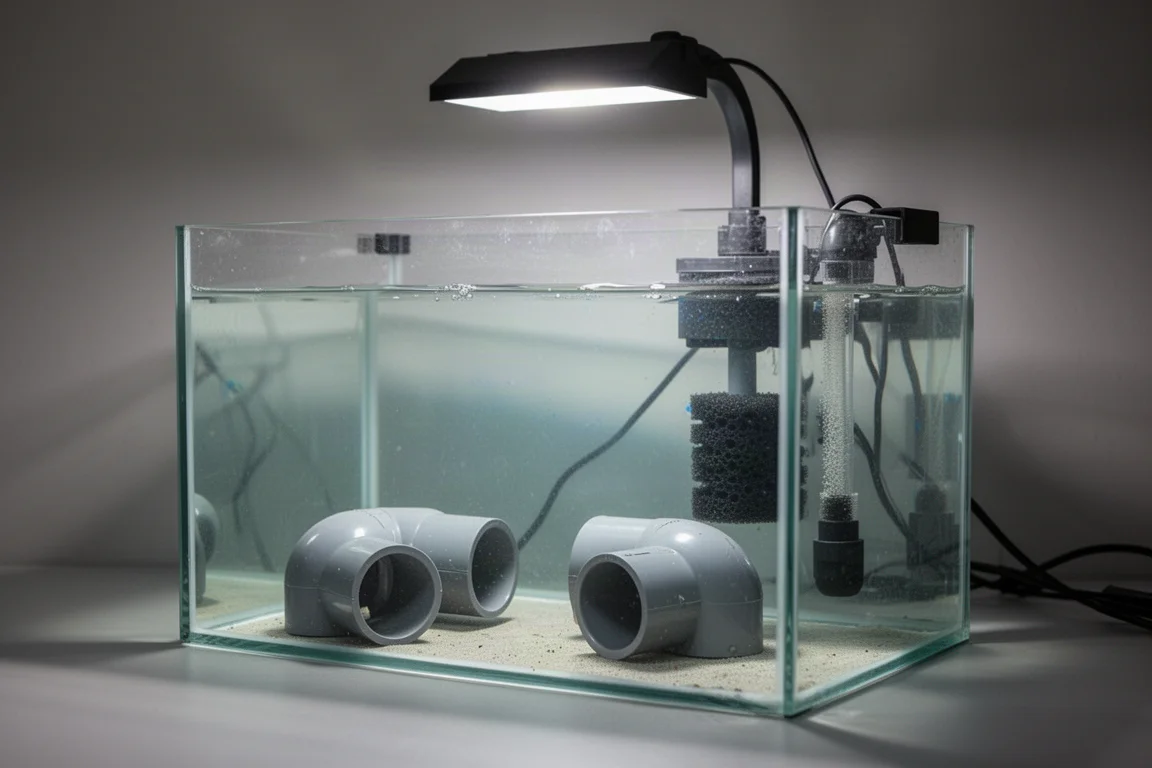
This is a treatment for marine aquarists running a quarantine system. It fits anyone introducing new fish who wants to avoid an accidental infection in the display tank, and equally anyone managing an active ich or velvet outbreak that needs to be cleared quickly.
The dosing headroom is the part most people notice first. A product that can be used at more than twice the concentration of a more toxic copper medication is a product with room for error, and a slow precipitation rate means the level measured today is likely to still be there tomorrow.
It also suits hobbyists who have already treated with copper and found that ich or velvet seems resistant. Because Copper Power can be run at a concentration beyond what other copper forms allow, it can deal with those tougher strains. At those higher levels it can also reach some types of fungus, which broadens its usefulness during quarantine.
Main Strengths
Dosing Flexibility and a Wider Safety Margin
The headline advantage is the working range. Copper Power can be run at up to 2.5 ppm, which is more than double what the more toxic copper medications permit. That higher ceiling is what gives it reach against stubborn parasite strains.
The range also works in the other direction. For sensitive fish species, a concentration as low as 1.5 ppm can still be effective. When fish are introduced to a quarantine tank running copper, the gentle approach is to begin at 1.0 ppm and work up to the full 2.5 ppm over roughly a week, letting the fish adjust as the level climbs.
Having that much distance between the minimum effective dose and the maximum tolerable dose is what makes the product comfortable to use, rather than a treatment where a small measuring mistake carries real consequences.
Stability That Cuts Down on Redosing
Precipitation is the quiet failure mode of copper treatments. Copper drops out of solution, the measured level falls, the dose stops being therapeutic, and the treatment has to be restarted from scratch. Copper Power precipitates extremely slowly, so once the target concentration is reached it stays active in the aquarium for a long time.
In practice this changes the routine. Instead of continually adding copper to hold a therapeutic level, the only additions needed are corrective doses after water changes. That is easier on the aquarist, and it is more cost effective across a treatment because less of the bottle is spent chasing a falling reading.
Things to Consider Before Buying
Testing Is Essential
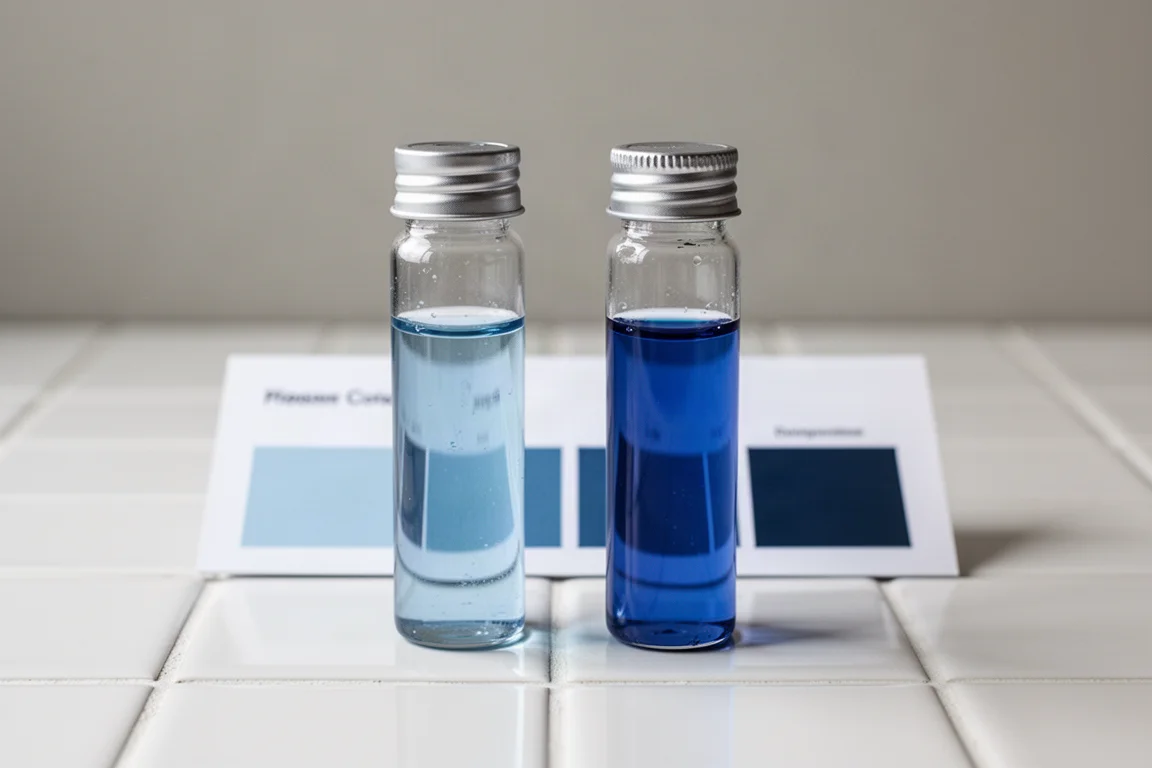
Copper treatment and copper testing go together. Without a reliable reading there is no way to confirm the level is therapeutic, and finishing a two week course only to discover the concentration was below target means starting over.
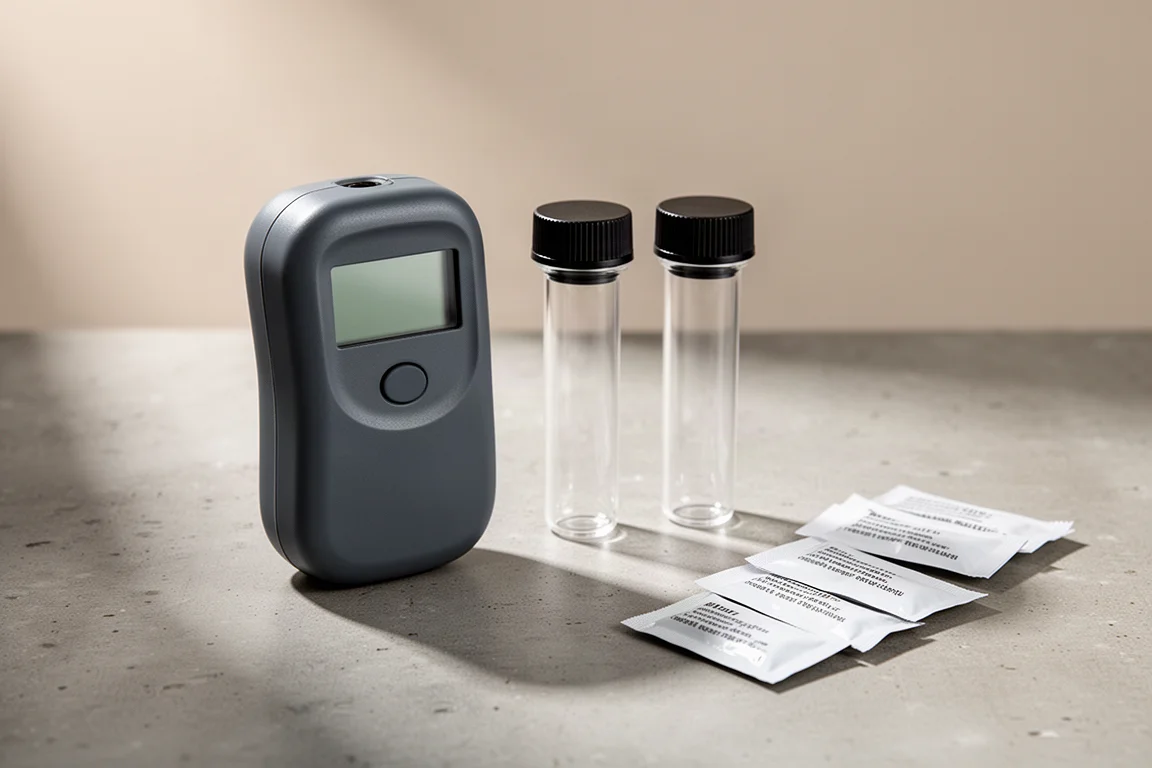
A test kit with a range wide enough for the higher doses is the sensible match. The Hanna Copper Checker reaches up to 5.0 ppm, which covers the band Copper Power is designed to run in, and a test takes less than two minutes across three straightforward steps.
Treatment Length and Water Changes
A typical copper treatment runs for 14 days, and the countdown only starts once the concentration has actually reached the therapeutic level. Periodic testing through the whole period is the way to confirm the level is holding where it should be.
Water changes complicate that picture. If a water change is done to bring ammonia down, or for any other reason, the removed water takes copper with it, and a corrective dose of Copper Power is needed to return the tank to the therapeutic level. Budget for that when planning how much product a single treatment will use.
Buying Advice
Copper Power is sold in three sizes: a 4 ounce bottle, a 16 ounce bottle, and a one gallon jug. The dosing math is simple. One ounce treats 20 gallons of water, so at the maximum dosage those sizes cover approximately 80 gallons, 320 gallons and 2,560 gallons respectively.
For a single quarantine tank and one round of treatment, the small bottle is the practical entry point, since the remainder stores well and the upfront spend is low. The mid size suits a fish room running a couple of tanks at once, or anyone planning repeated quarantine cycles through the year. The gallon jug is aimed at larger setups, or at hobbyists who know they will be treating many fish over a long stretch and would rather buy once.
Whichever size you choose, judge the cost across a full treatment rather than on the sticker price alone. The stability of the product means less is wasted topping up a falling copper level, which is part of why it works out cheaper per treatment than medications that demand constant readjustment, and why it remains one of the most popular copper medications on the market.
Conclusion
Endich Copper Power does three things well that matter during a copper treatment. It is far less toxic to fish than many alternatives, it can be dosed high enough to handle resistant parasite strains and some fungus, and it holds a therapeutic level for a long time without babysitting. The trade-offs are equally clear: it still requires disciplined testing, and water changes still call for a corrective dose.
For anyone quarantining new fish, or clearing ich or velvet from a display tank, that is a sensible balance. Buy the size that matches the gallons you actually treat, keep a wide range copper test kit on hand, and raise the level from 1.0 ppm toward 2.5 ppm at a pace the fish tolerate.
Product link
View more details for Endich Copper Power
This product is mentioned in the review. Check the specifications, options, and compatibility before buying.
View more details for Endich Copper PowerFurther reading