Snowboarding
Endeavor Scout Review: A Versatile Camber-Dominant All-Mountain Snowboard
The Endeavor Scout blends directional freeride performance with a surprisingly versatile park feel. Here is how it rides in powder, park, and on hard carve days.
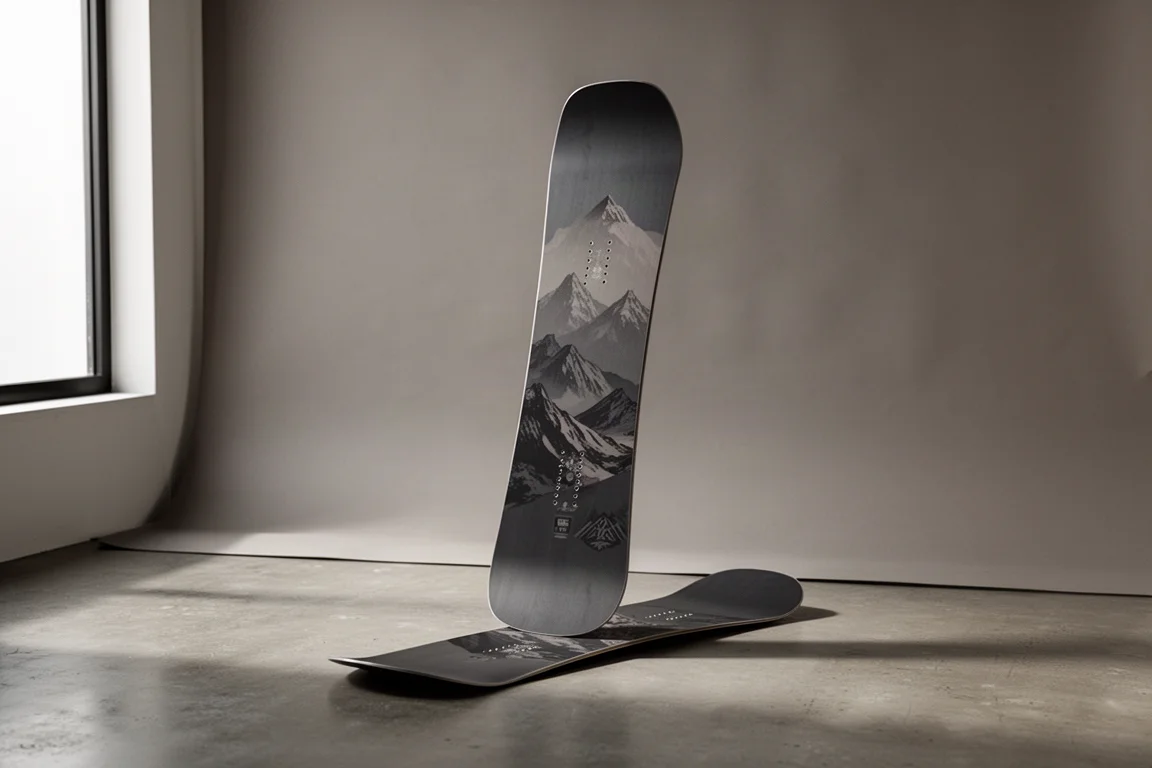
Introduction
The Endeavor Scout is a directional all-mountain snowboard that leans freeride without giving up everyday usability. Tested here in a 156 cm length, ridden by someone 5’10” and around 150 pounds, it positions itself as the kind of one-board solution that can handle powder laps, groomers, tree runs, and a spontaneous park session in the same day.
This review breaks down the construction, how it actually feels on snow in soft snow, park, and carving, and who should realistically put it on their shortlist.
Who the Endeavor Scout Is For
The Scout is a directional all-mountain board with a noticeably longer nose than tail outside the contact points, paired with a 12 millimeter taper that narrows the tail relative to the nose. The result is more surface area up front, which helps keep the nose up in soft snow and reduces rear-leg fatigue. Interestingly, it runs a centered stance with no setback, so on hard pack it feels somewhat twinnish, which keeps it playful later in the day.
It is also fairly wide for its length: the 156 comes in at 26 centimeters at the waist. That significant overall surface area adds float in powder and, as covered later, opens the door to more aggressive edge angles on groomers.
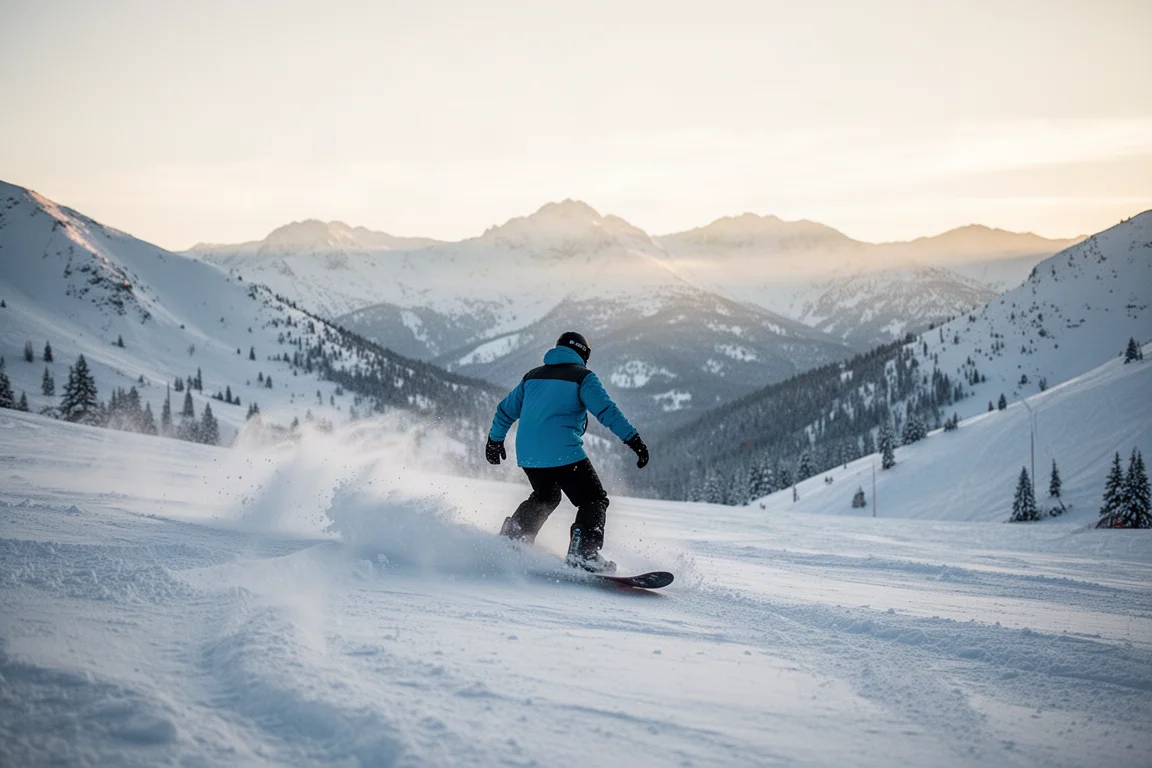
Riders looking for a dedicated powder deck or a freeride specialist should look elsewhere, but if you want a well-rounded board that still performs genuinely well in soft snow, the Scout fits that brief. Overall, it suits intermediate to advanced riders best.
Main Strengths
The profile is camber dominant, essentially full positive camber with a small rocker blend starting a few inches out from the nose contact point. That blend helps turn initiation and mellows things out on hard pack without giving up the precise, energetic, powerful feel expected from positive camber.
Two construction details stand out. First, the urethane sidewalls, marketed as smooth ride sidewalls, use the same material as skateboard wheels and do a strong job damping vibration through choppy or variable snow before it reaches your ankles and knees. Second, the inertia carbon rods milled into the core from tip to tail, described as being like a pressed carbon fishing pole set into the core, add snap and pop while keeping the board lightweight.
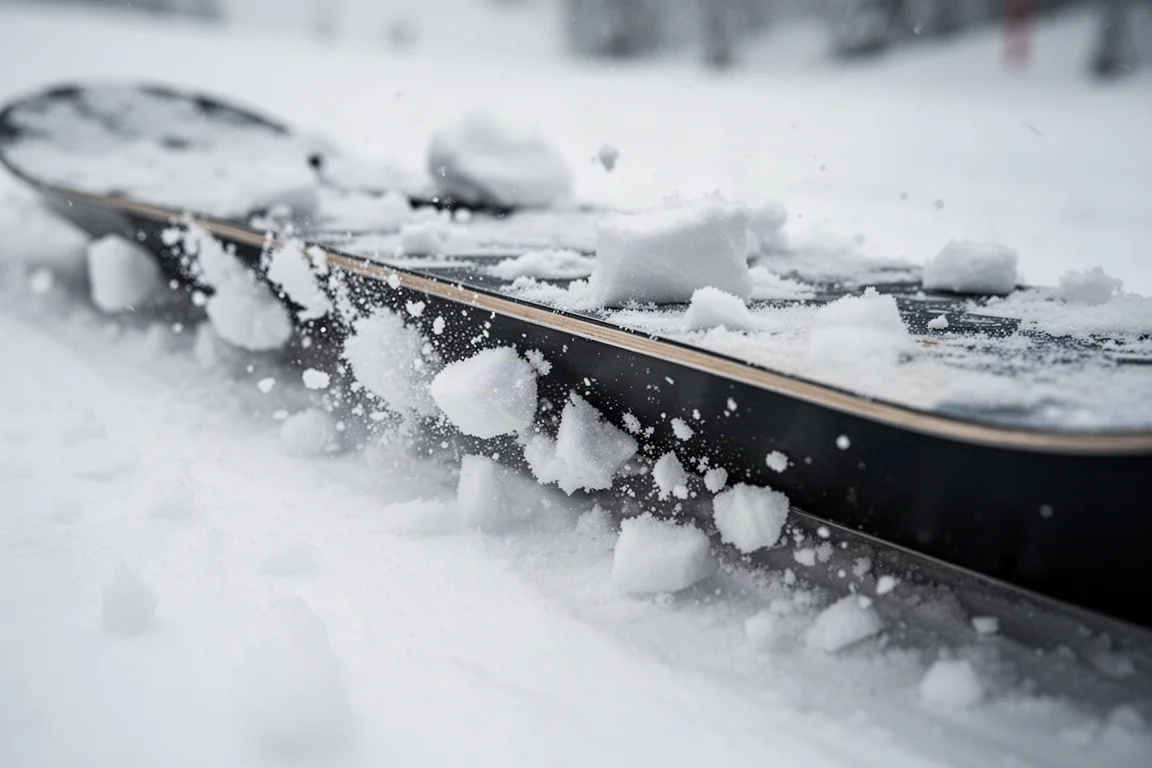
The flex sits around a middle-of-the-road park flex: versatile, stable, and notably snappy. Loading the board produces a quick, springy response that was noticeable from the first lap, whether boosting off rollers, natural features, or park jumps. It is also equipped with The Channel mounting system, compatible with major binding manufacturers and, with Burton EST bindings, offering unlimited stance width and angle options. A sintered base rounds out the spec: harder, faster, and more durable than extruded base material, though it does need regular waxing to maintain consistent glide.
Things to Consider Before Buying
In powder, the directional shape, taper, and width work together well. Riding with weight centered through roughly five laps over 8 to 10 inches of fresh snow, there was little need to actively work to keep the nose up. It is not as nimble as more powder-specific boards, such as more directional designs or boards with an exaggerated swallowtail, but for a well-rounded all-mountain deck, it handles soft snow comfortably.
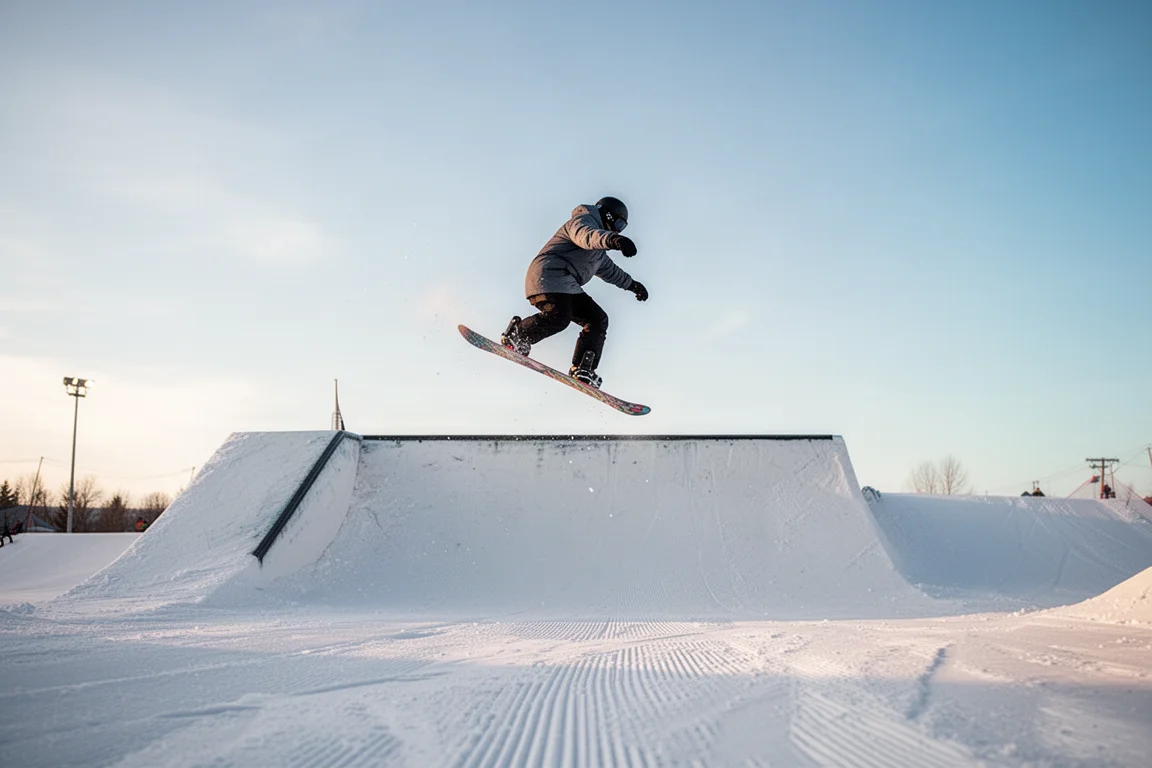
In the park, the Scout feels capable and comfortable. It can step up to bigger jumps with stability for landings and handles larger rail features and slopestyle-style gaps. It is a touch aggressive and stiff for the most technical rail tricks, and the stiffer torsional flex makes fine-tuned adjustments on smaller features harder. The directional shape also means watching the extra nose length on takeoffs and rail entries, which may take a little getting used to.
Buying Advice
As a carver, the 26 cm waist width allows aggressive edge angles, which suits technical euro-carve-style turns and riders with larger boot sizes. Edge-to-edge transitions are slightly slower than a narrower board, but the width still feels natural. The damp feel and stiff torsional flex keep the board confident and chatter-free at higher speeds, even in variable, choppy groomer conditions.
The one quirk is the tight 7-meter sidecut on the 156, a little below average. At slow and moderate speeds it is genuinely fun, throwing you into tighter turns, but at high speeds you want to be measured about how much weight you commit, or the board will pull you into a tighter arc than expected.
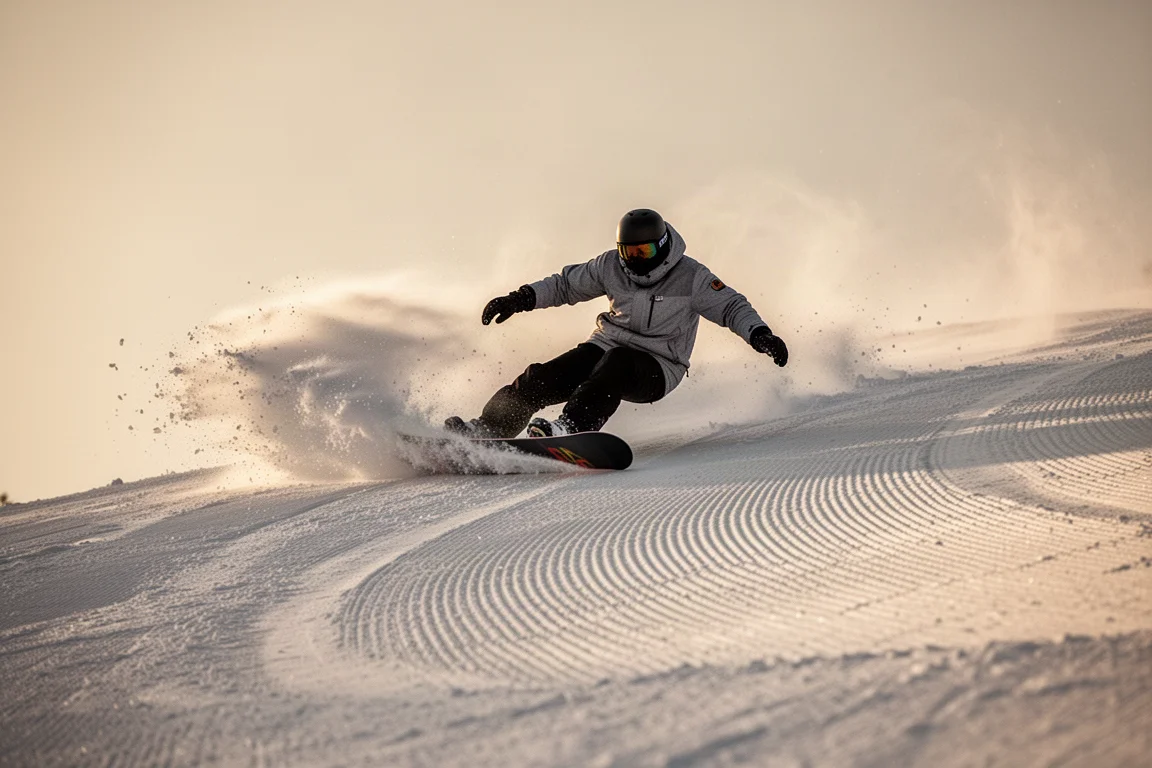
If the Scout is on your list, it makes the most sense as an aggressive-leaning one-board quiver for an intermediate-to-advanced rider who values versatility and an energetic flex over powder-specific nimbleness.
Conclusion
The Endeavor Scout earns its place as a freeride-leaning all-mountain board with real range. The two biggest highlights are its overall versatility across powder, trees, groomers, and park, and that snappy, springy, energetic flex that shows up everywhere you take it. If you want a single board to explore the whole mountain with, the Scout is a confident, capable choice.
Product link
View more details for Endeavor Scout
This product is mentioned in the review. Check the specifications, options, and compatibility before buying.
View more details for Endeavor ScoutFurther reading
Related Reviews
Snowboarding
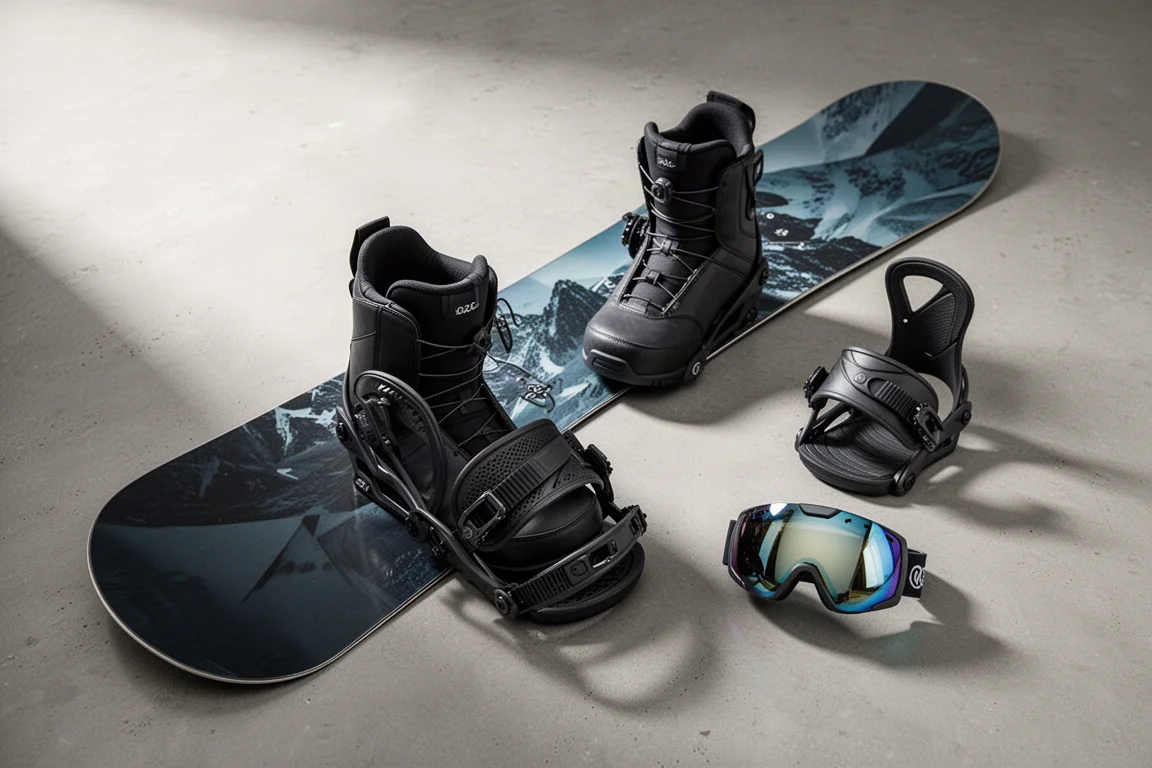
2025 Snowboard Gear List: Five Picks That Earned Their Place on the Mountain
From Zeiss-lens goggles to a hybrid step-in binding, here are five pieces of 2025 snowboard gear that held up across a full season of riding.
Snowboarding
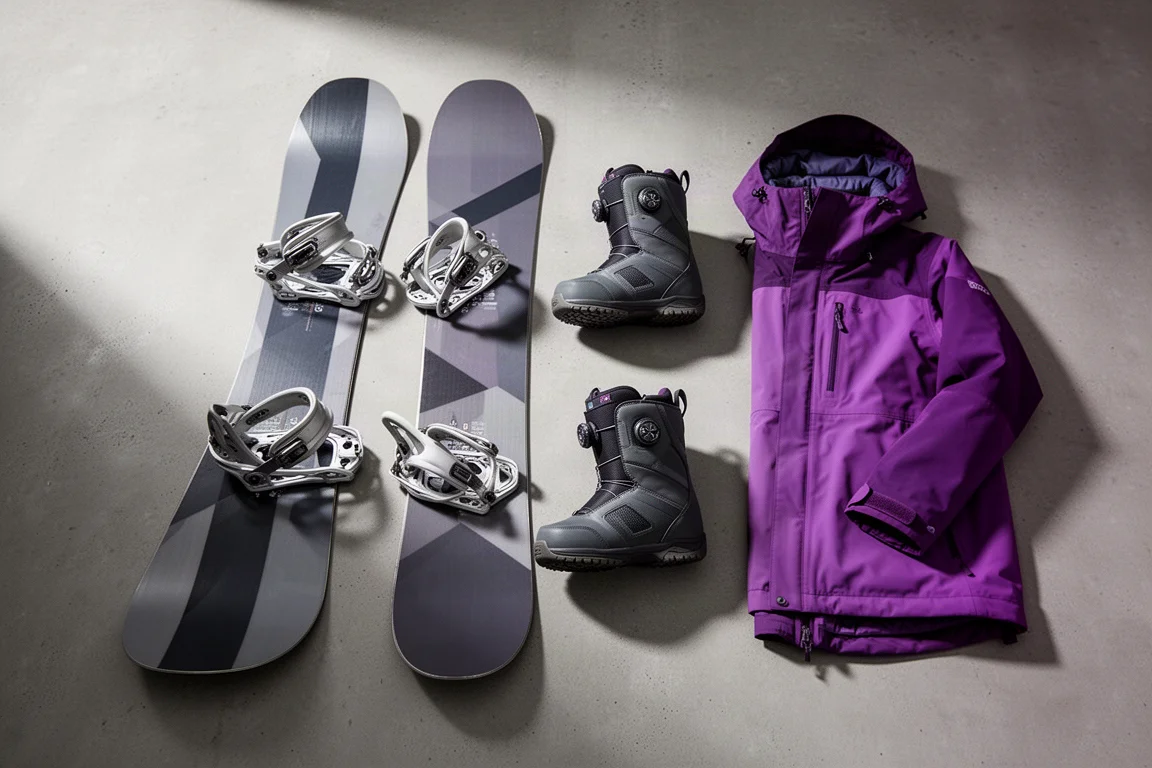
2026 Snowboard Gear List: Boards, Bindings, Boots and Outerwear Worth a Look
A season-ready snowboard setup built from the bottom up: base layers, Strafe outerwear, Ride and Union boots, Union bindings, and two new Capita boards.
Snowboarding
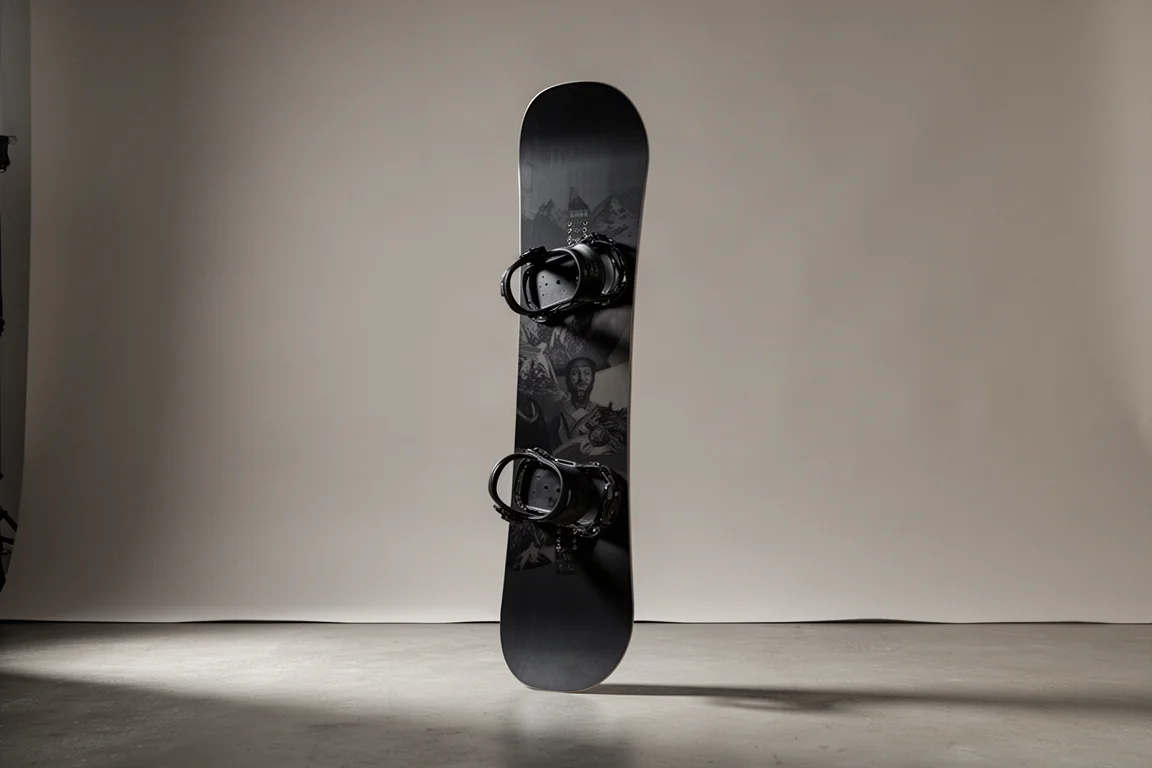
32 Cold World Review: A Playful Hybrid Camber Board for Park Laps
The 32 Cold World blends classic camber underfoot with flat nose and tail sections for a predictable, butter-friendly ride aimed at intermediate park riders.