Skis
Elan Wingman 82 CTi and Wingman 86 CTi Review: Two Carving Skis Compared
Elan's Wingman 82 CTi and Wingman 86 CTi share a wood core, carbon rods, and an asymmetrical metal laminate. Here is how the two widths differ and who each one suits.
Introduction
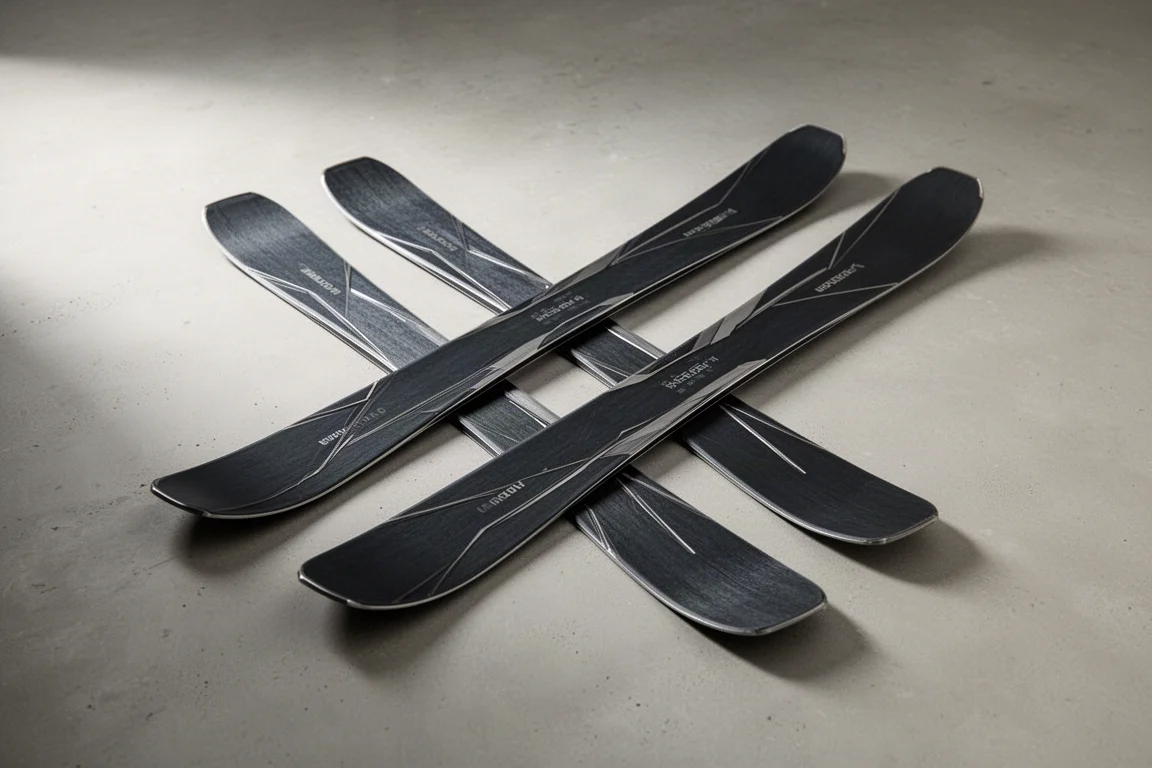
Elan’s Wingman CTi line includes two models that sit very close together: the Wingman 82 CTi and the Wingman 86 CTi. They share a build, a shape concept, and a general personality. The meaningful difference is width, and that single number changes where each ski feels most at home. The 82 is the quicker of the two edge to edge. The 86 handles softer snow a little better and leans slightly further toward all-mountain territory.
Having two skis this similar is genuinely useful. Instead of choosing between two different design philosophies, you are choosing between two versions of the same idea, and you can pick the one that matches the snow you actually ski and the turns you actually like to make.
Shared Construction and Shape
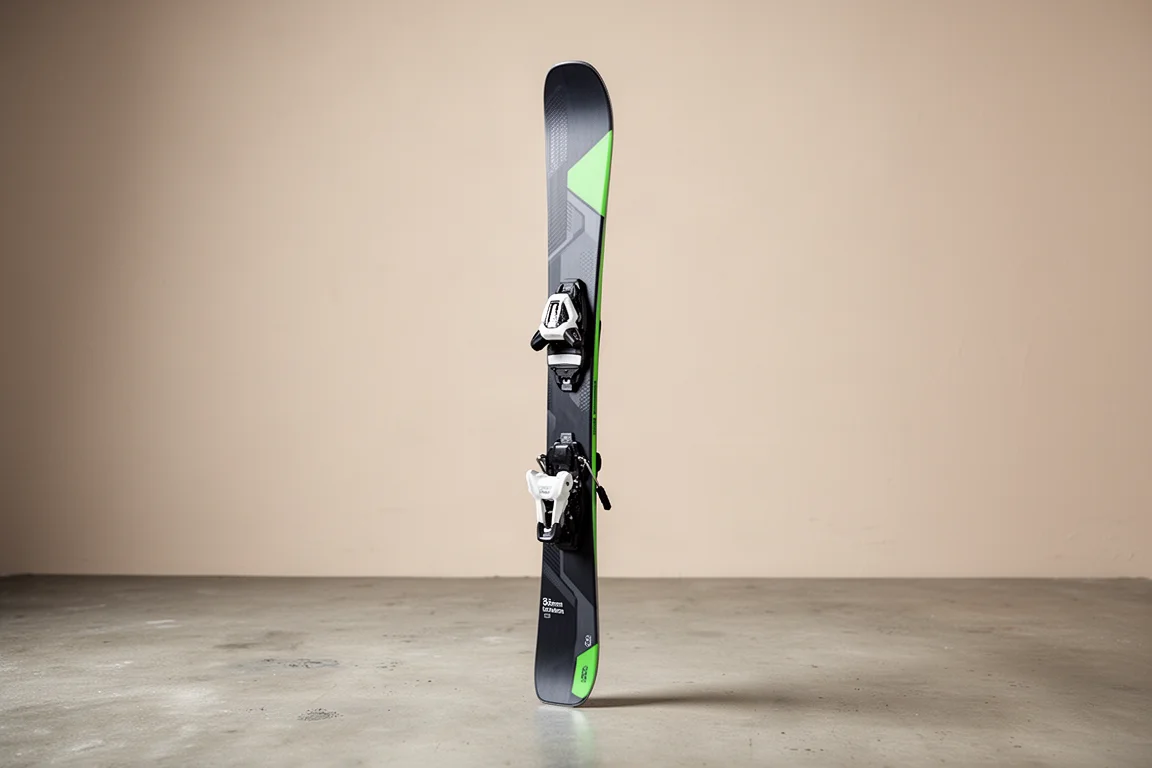
Both skis are built on a tube-light wood core with carbon rods running through the length of the ski. Those carbon rods are a signature part of Elan’s current designs, and they contribute a smooth, damp feel without adding much weight.
The Amphibio profile is what makes these skis left and right specific. The right ski carries an asymmetrical titanal laminate: metal along the inside edge, full width under the foot, and again along the inside edge in the tail. The shape follows the same idea, with a little more rocker along the outside edge. That asymmetry is less pronounced on the Wingman skis than on Elan’s Ripstick models, but it is still there, and it still matters. Clicking in with the wrong foot on the wrong ski will not be much fun.
At 178 cm, the Wingman 82 CTi weighs in at just under 1,700 grams, which is light for a ski with metal in the laminate. The flex is smooth rather than punishing: supportive enough for aggressive skiing, but with enough suppleness to bend underfoot.
In terms of shape, there is no early taper. The side cut runs out toward the extremities, with a notable amount of tip rocker and some rocker in the tail. The splay is not extreme and the rockered sections are not especially long, so the skis keep a planted feel on groomed snow.
Elan Wingman 82 CTi: Quick Edge to Edge
At 82 mm underfoot, the Wingman 82 CTi reads as a wide carving ski. It is still versatile enough to take off trail, but if you are choosing this width, carving should be the thing you value most. Its 15.5 meter turn radius is small enough that, combined with a flex that is not overly stiff, the ski bends easily and comes across the fall line naturally. Turns link intuitively, and you can control your speed without letting the ski break free and skid.
Edge grip is a genuine strength. It is not as locked in as a giant slalom race ski, but it holds a carve and stays stable more convincingly than most skis in this category. What makes it stand out is that this stability comes alongside a playful, user-friendly side. An athletic intermediate with decent technique can get on it and enjoy it, and an expert will have plenty to work with.
Elan Wingman 86 CTi: The Wider Option
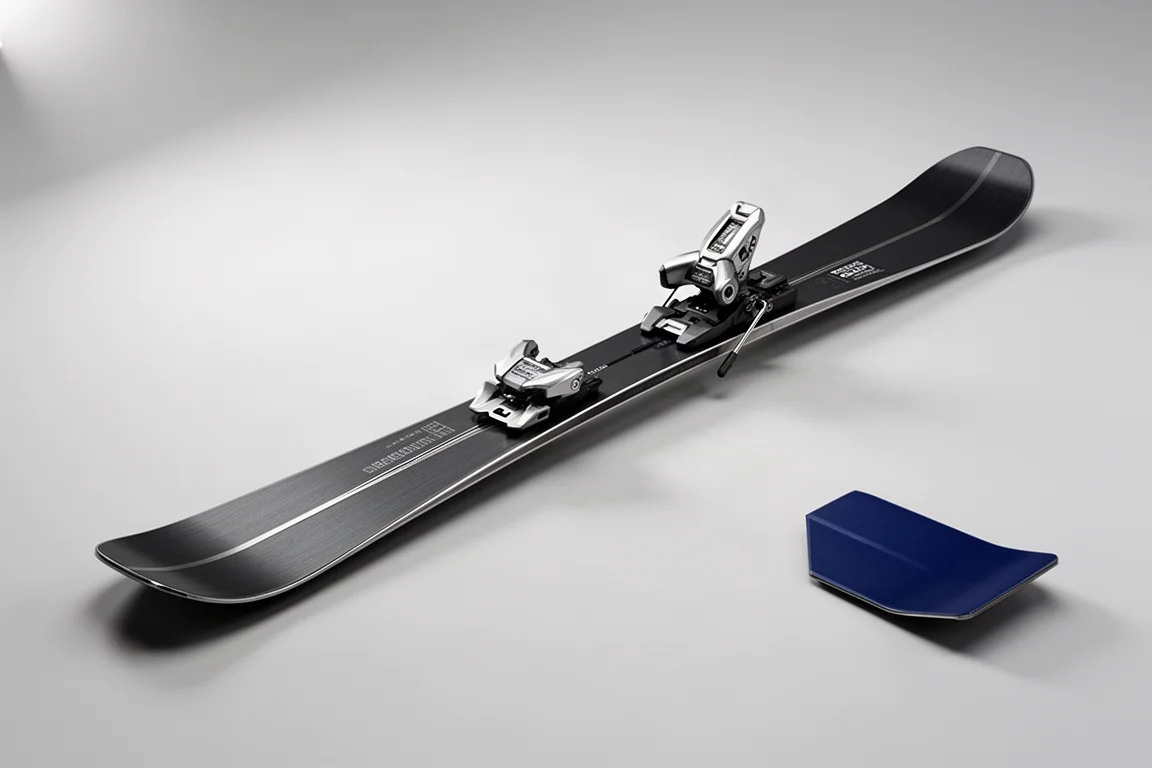
The Wingman 86 CTi uses the same construction and the same Amphibio concept, just a few millimeters wider. That extra width shifts the ski a little closer to all-mountain behavior, blurring the line between frontside and all-mountain, and it handles softer snow better than the 82. The trade-off is edge-to-edge quickness, where the narrower ski has the advantage.
Everything else carries over: the smooth, energetic feel, the asymmetrical metal placement, the carbon rods, and the left and right specific design.
On-Snow Character: Grip, Flex, and Turn Shape
What stands out most about both skis is how energetic and responsive they feel while staying smooth. That combination is harder to achieve than it sounds, and it shows up in the way the skis release out of a turn and set up the next one.
The flex pattern supports that. This is not the stiffest ski around, which means you can load it and feel it work, and it still holds up when you push it. On steeper terrain, the shorter turn radius helps: with a bigger-radius ski you can find yourself running out of room if you are not committing fully, while the Wingman 82 CTi stays manageable while still delivering plenty of power.
The shape adds to the stability. With no early taper, the side cut extends through the extremities, so the ski keeps a solid platform through the arc. Tip rocker and a touch of tail rocker help the ski stay loose enough to be forgiving when you are not perfectly balanced.
Who Each Ski Suits Best
The Wingman 82 CTi is the pick for skiers who put carving first. If most of your days are on groomed runs and you want a ski that feels quick from edge to edge, snaps through turns, and does not require a race background to enjoy, this is the more natural choice.
The Wingman 86 CTi suits skiers who want the same smooth, energetic character but a little more room to work with when the snow softens or when the day drifts away from the groomers. It is still a carving-oriented ski, just with a slightly wider comfort zone.
Both skis are approachable for an athletic intermediate with solid technique, and both have enough headroom for advanced and expert skiers.
Binding Setup and Buying Advice
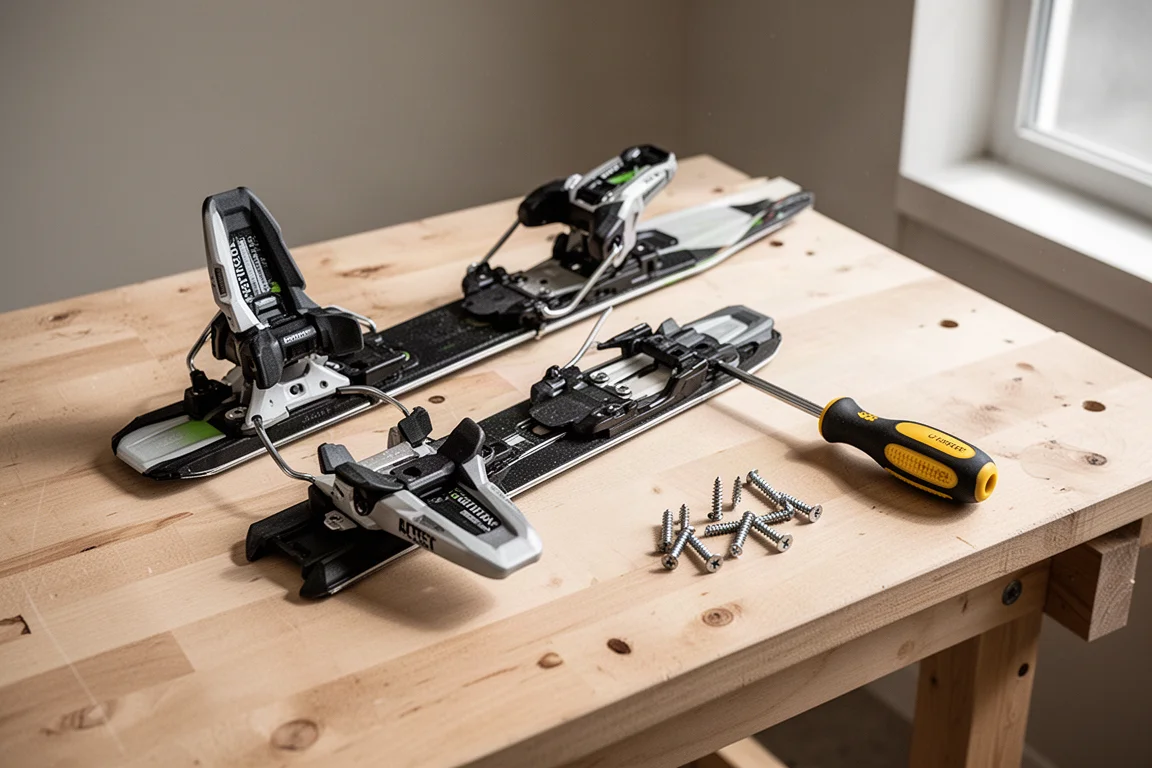
Neither ski comes with a system binding, and that is a feature rather than a limitation. You can choose the alpine binding you prefer and mount it flat to the ski, which generally means better snow feel and a lower center of gravity underfoot.
If you are stuck between the two, the decision comes down to one question: which do you want more, edge-to-edge quickness or a little extra width for softer snow? Answer that honestly and the choice is straightforward. If carving is the priority and your days are mostly groomed, take the 82. If you want a bit more width underfoot for mixed conditions, take the 86. Either way, remember that the left and right skis are not interchangeable, so make sure they are mounted and clicked in correctly.
Conclusion
The Wingman 82 CTi and Wingman 86 CTi are close relatives, and that is the point. Elan built the same smooth, energetic ski in two widths so skiers can fine-tune the fit. The 82 CTi is the quicker, more carving-focused option, with a 15.5 meter radius, strong edge grip, and a light build for a ski with metal in it. The 86 CTi keeps the same character and trades a little edge-to-edge speed for more capability in softer snow. Pick the width that matches the snow you ski most often, and both are easy to feel confident about.
Further reading
Related Reviews
Skis
Armada Anti Matter 82 W Review: A Light, Approachable All-Mountain Carver
Armada's Anti Matter 82 W pairs a lightweight Karuba and carbon build with an easygoing all-mountain shape, aimed at intermediates through lighter-footed advanced skiers.
Skis
Armada Anti Matter 88W Review: A Light, Playful 88mm All-Mountain Ski Plus Two Alternatives
The Armada Anti Matter 88W returns unchanged in spirit from its Reliance 88C days, and it remains one of the most versatile 88mm skis around. We also look at the Nordica Santa Ana 87 and Anti Matter 92 W as alternatives.
Skis
Armada ARV 100 vs Atomic Bent 100: Which 100mm Freestyle Ski Should You Buy?
Two of the best all-mountain freestyle skis of the season compared: one leans playful and park-ready, the other holds up better everywhere else.