Ski Reviews
Elan Ripstick Lineup Explained: Choosing Between the 88, 96, 102, 108, Women's Models, and Playmaker 111
A practical guide to Elan's updated Ripstick collection, from the 88 to the 108, the women's range, and the surfy Playmaker 111.
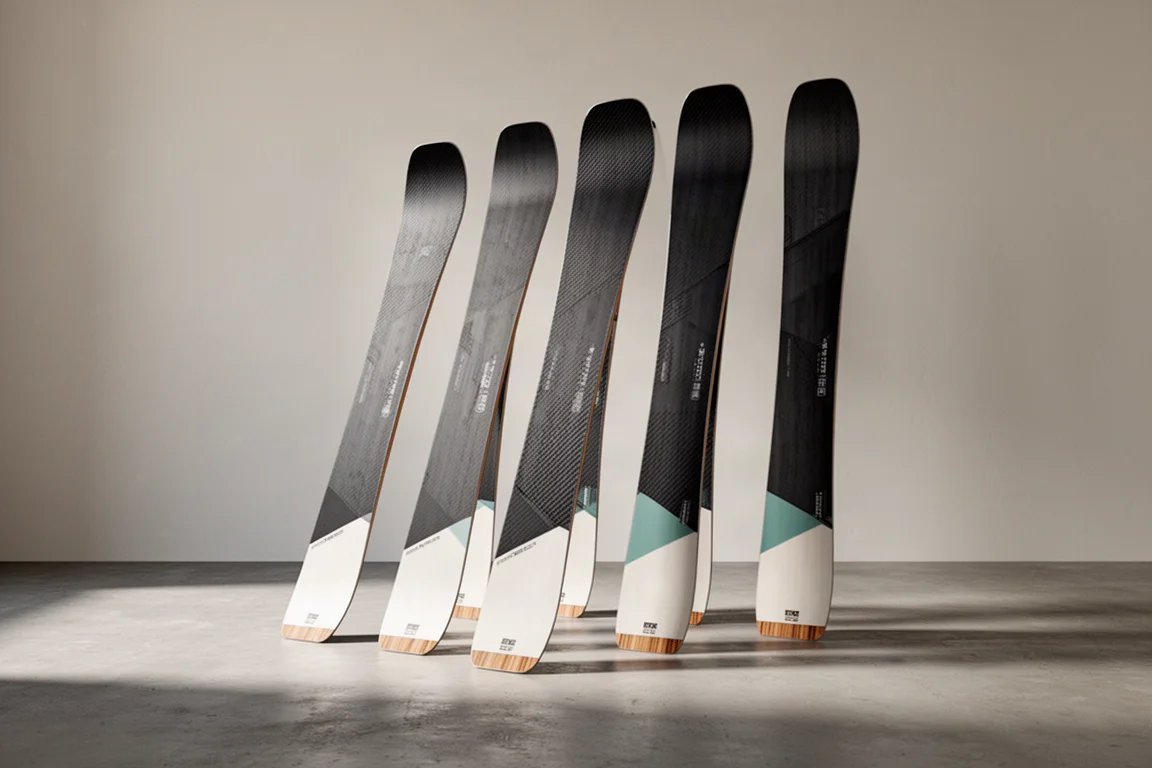
Introduction
Few all-mountain ski families have shaped the market the way Elan’s Ripstick collection has. Since the first widely successful Ripstick arrived for the 2020/2021 season, the formula of a lightweight, easy-skiing chassis with a big performance envelope has been chased by plenty of other brands. The latest generation aims to keep everything that made the originals popular while giving stronger and heavier skiers more to work with.
Why the Ripstick Line Matters
The core idea behind the Ripstick has always been accessibility without giving up top-end performance. An advanced intermediate can step on any Ripstick and have a great day, while an expert skier will be hard-pressed to out-ski it. That versatility, plus an intuitive, predictable feel from the first turn off the chairlift, is what made the line a template for much of the modern all-mountain category.
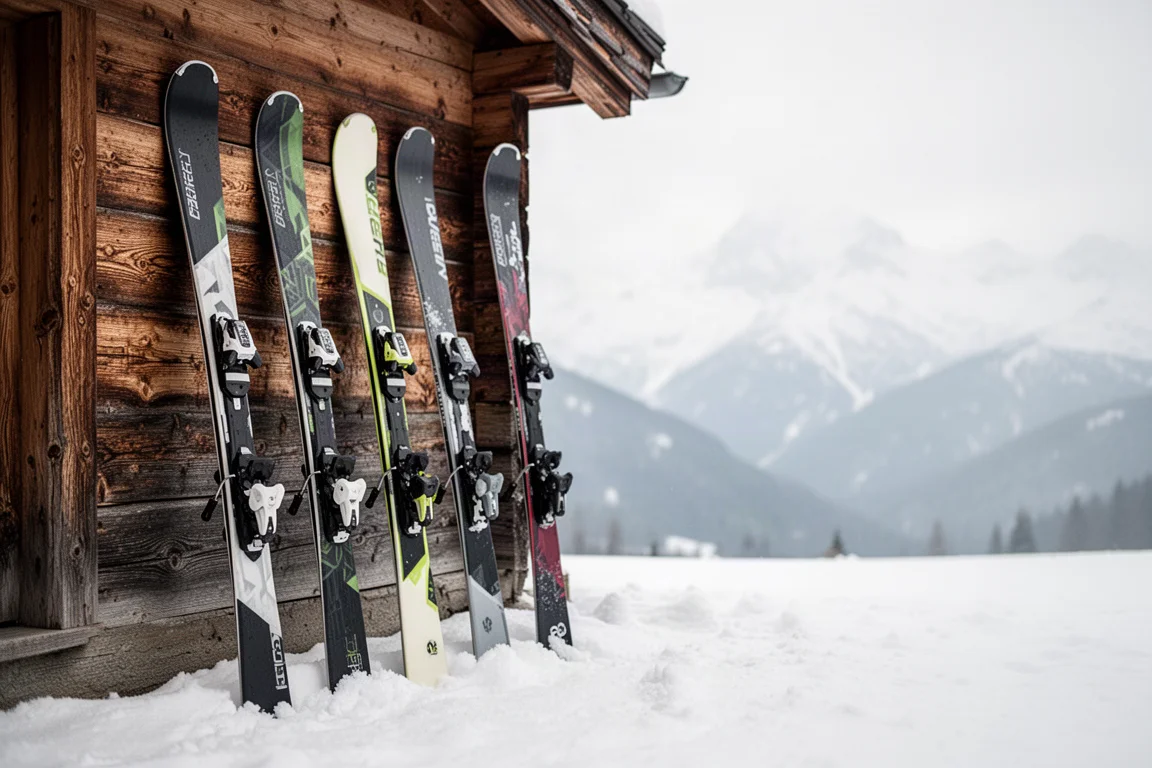
A key part of that feel comes from the construction philosophy. Where many competitors lean on titanal metal laminates, Elan uses carbon rods instead. The result is a lighter ski with a smooth, easy flex that can be carved, thrown sideways, and skidded without punishing the skier. Skidding turns, in particular, is an area where these skis genuinely excel, staying balanced rather than chattering and bucking through the transition.
What Changed for the Latest Generation
The newest Ripstick update focused on a few clear goals: keep the lightweight, approachable character, but raise the performance ceiling. Tip stability was strengthened so the ski feels more solid at the front, and the tail was beefed up so turns finish with more authority. Expert skiers can drive the skis harder than before without the design becoming more demanding at low speeds.
Several specific construction changes made this possible. The ski moved from a traditional box construction to a trapezoid 3D shape, which makes it easy to get into a turn while staying rock solid underfoot. The carbon rods remain the backbone of the design, but they now sit lengthwise underneath the core rather than in a diagonal weave on top, which reduced vibration, cut down the tinny acoustic chatter the old skis were known for, and made the whole ski quieter. Flax fiber was added in the tip to control vibrations naturally, the tuck tip was slightly narrowed to avoid being knocked off line in chundery snow, and the sidecut was refined so the ski feels more cohesive from tip to tail.
The sizing also changed. The old run of 164, 172, 180, and 188 was replaced with new lengths that fill the gaps, including sizes in the mid-170s and around 182, better fitting both lighter skiers who found the old lengths ski short and bigger skiers who wanted a touch more stability. On a practical note, these skis measure true to their stated length along the running surface.
The Men’s Ripstick Range
The men’s collection now spans four proven waist widths: 88, 96, 102, and 108 mm. The 88 and 96 carry over their established, market-tested footprints, while the 102 and 108 fill gaps the old range left open. As a family, the new skis share far more consistent personalities than before, so you can move across the range and always know what you are getting.
Elan Ripstick 88
The narrowest ski in the line is a natural fit for the East Coast and other hard-snow regions. It keeps the approachable, lightweight Ripstick character and rewards skiers who spend most of their time on groomed runs and firm corduroy, while still handling mixed snow thanks to the updated tip and tail construction.
Elan Ripstick 96
The 96 has long been the heart of the collection and remains the benchmark of the family. The latest version performs better than the earlier black editions, with a stronger tip, a more solid finish to the turn, and the ability to handle much more input from expert skiers, all without losing the effortless low-speed manners that made it famous.
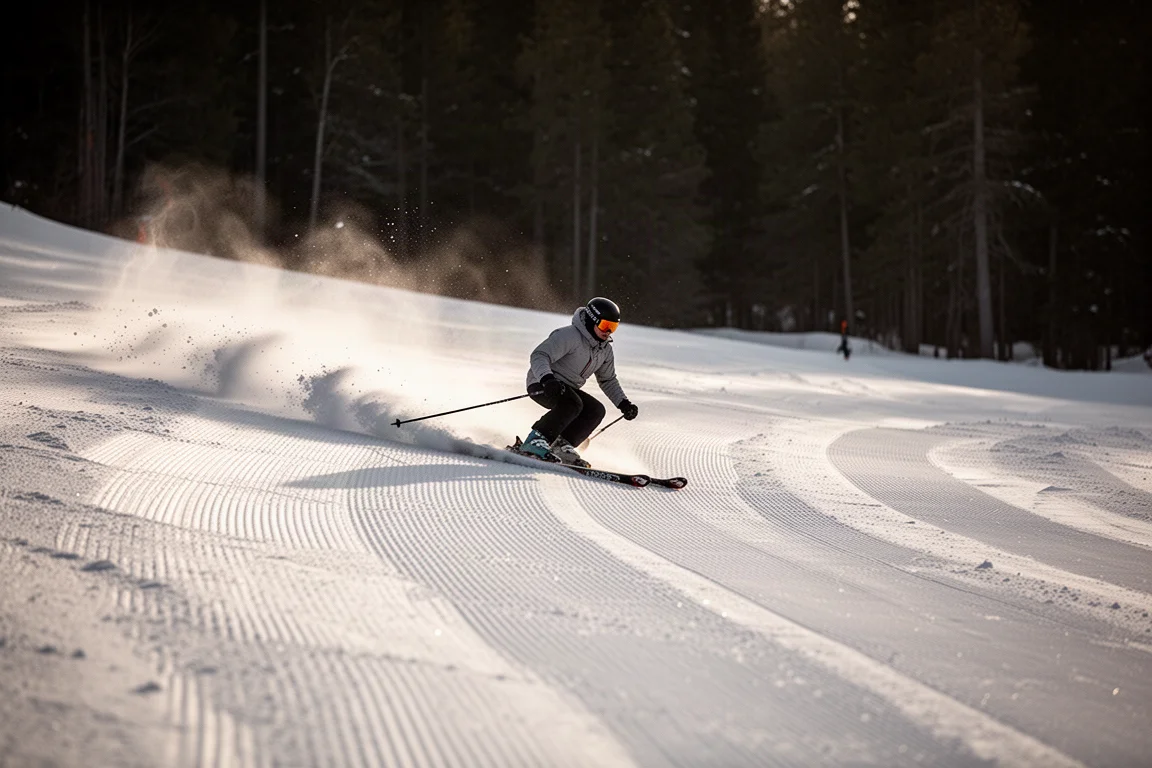
If you want one ski to cover the whole mountain, this is still the default answer in the lineup. It carves when you want it to, smears through tight trees when you need it to, and stays quiet and composed when the snow gets variable.
Elan Ripstick 102
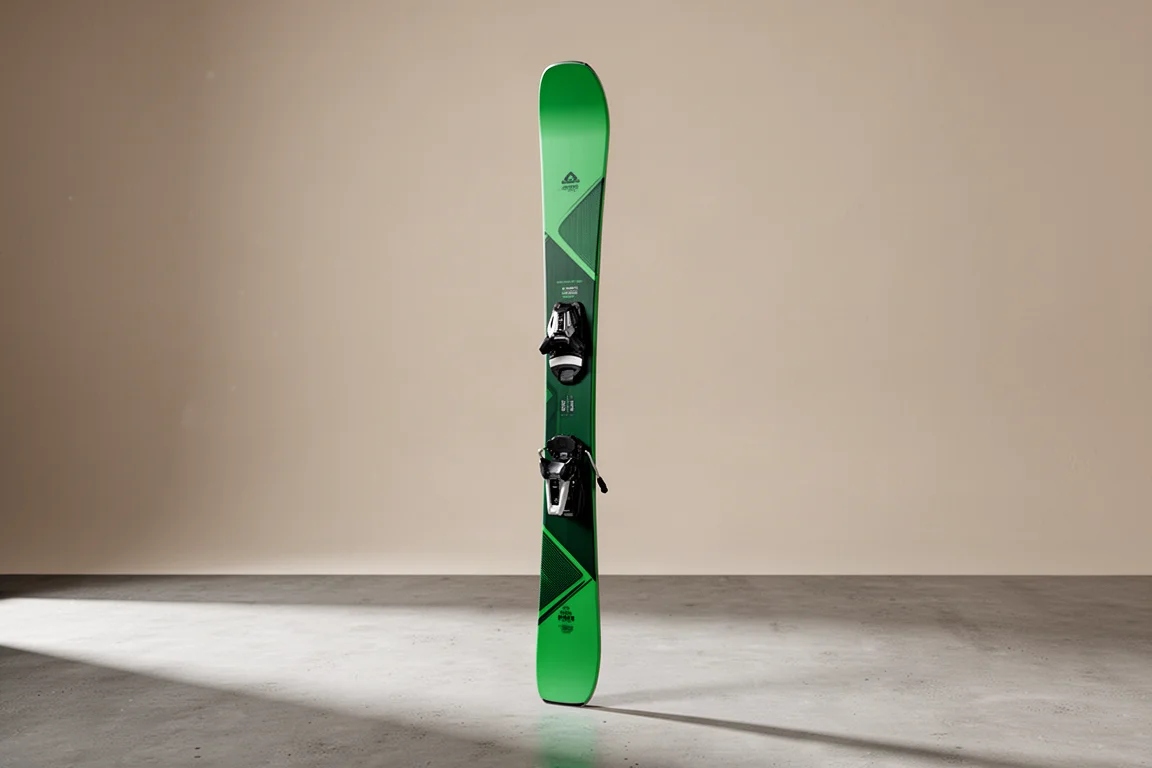
The new 102 fills the space between the all-mountain core and the powder-oriented end of the range, and it is a strong candidate for best new addition to the collection. It takes the same construction and feel and puts it on a footprint that sells well and skis well in more territories, making it a versatile pick for skiers who want more float than a 96 without stepping all the way to a big mountain ski.
Elan Ripstick 108
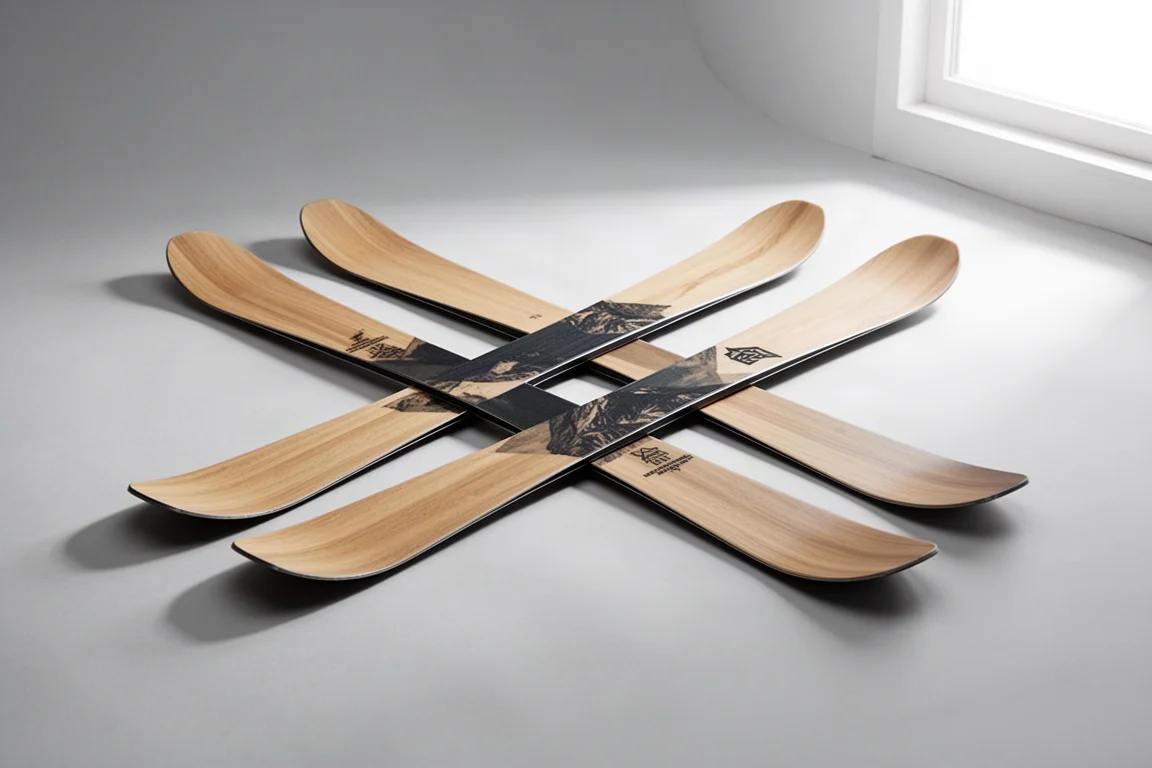
At 108 mm underfoot, this is the powder-day ski of the Ripstick family, and its rocker profile helps it float well without punishing you once things get tracked out. For most skiers, even those heading to Alaska or riding the powder highways regularly, it is a genuinely capable choice; if you truly need a dedicated pow stick, the Playmaker 111 covers that niche.
The Women’s Ripstick Range
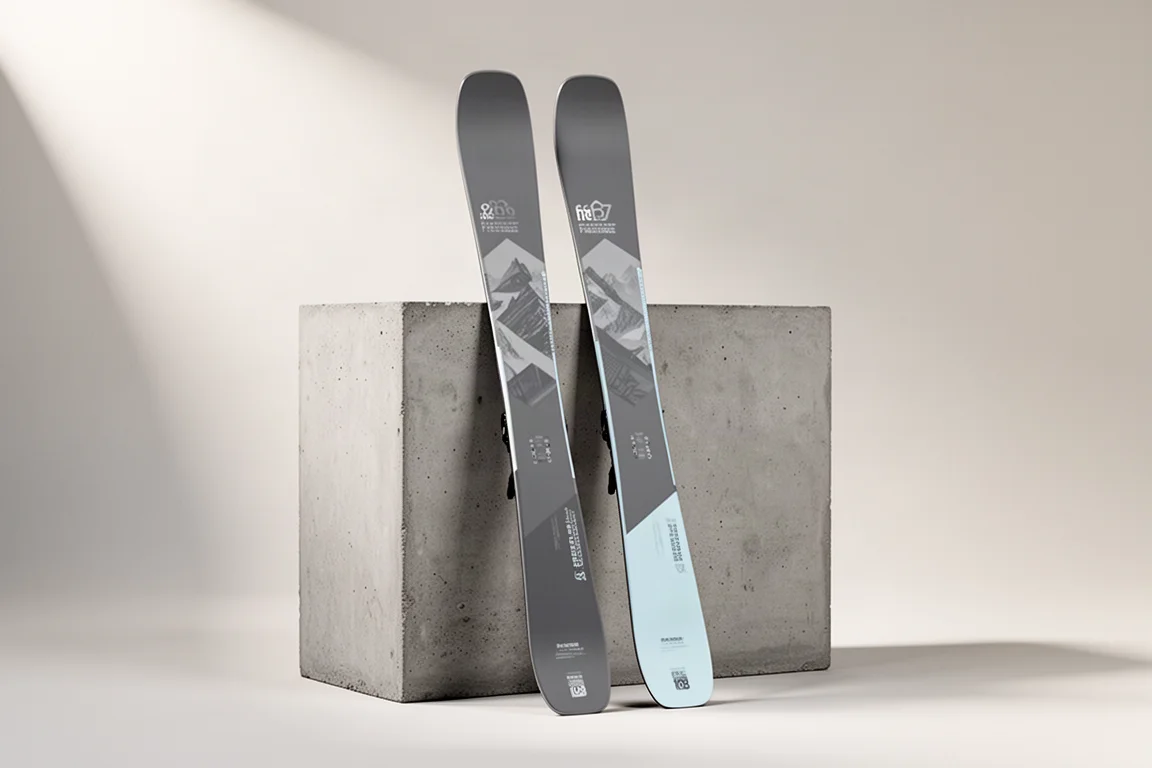
The women’s lineup mirrors the men’s collection with its own proven footprints: 88, 94, 100, and 106 mm. Each model carries the same carbon-rod construction, updated trapezoid shape, and quieter, more damp feel as the men’s skis, tuned for lighter skiers who still want a big performance envelope.
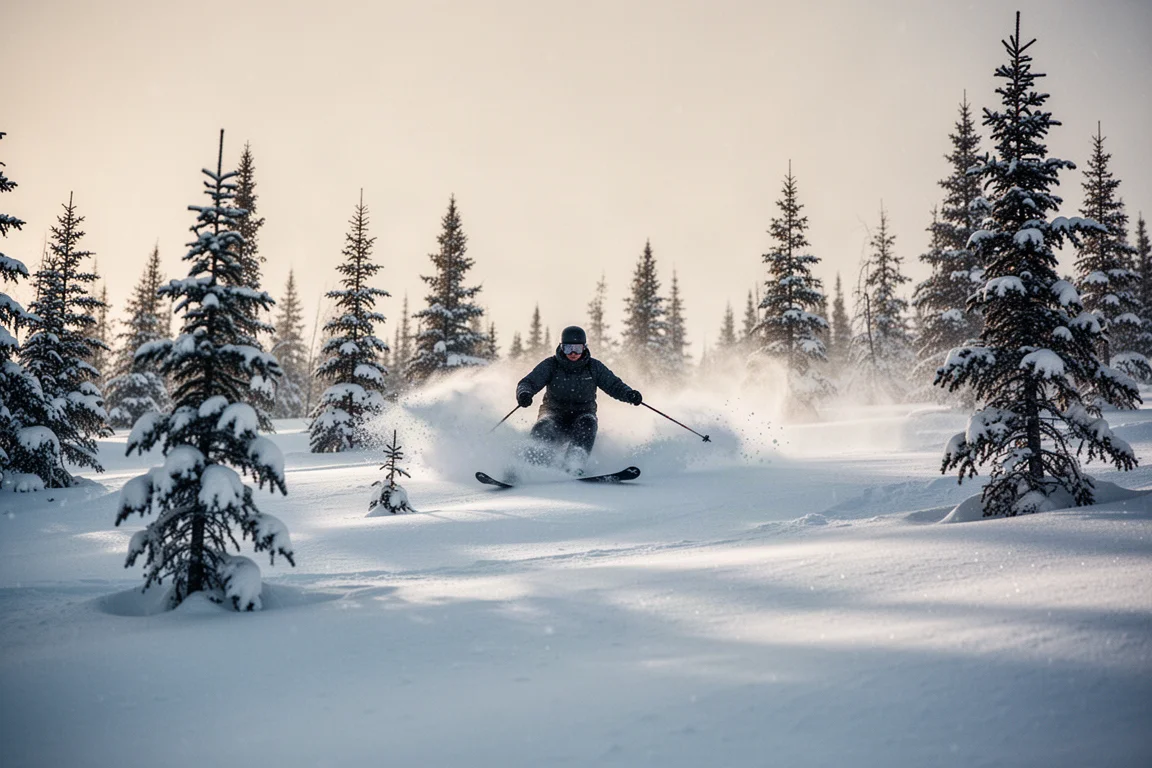
The emphasis throughout is the same: skis that are easy to figure out quickly, predictable as speed increases, and confident-building for a wide range of abilities.
Elan Ripstick 88 W
The women’s equivalent of the 88 is a hardpack and mixed-snow specialist. It suits skiers who spend most of their day on groomed terrain and want a lightweight, intuitive ski that still finishes turns with authority.
Elan Ripstick 94 W
The 94 W is the anchor of the women’s range, just as the 96 is for the men. It balances carve performance with enough width for soft snow and crud, and it inherits the improved tip stability and stronger tail of the new generation.
Elan Ripstick 100 W
The 100 W brings a market-proven footprint to skiers who want more float for soft snow days. It is a natural one-quiver pick for resorts that see regular refreshes and for skiers who drift toward the trees when it snows.
Elan Ripstick 106 W
At the wide end of the women’s collection, the 106 W is the powder-oriented option. Like the men’s 108, it floats well in fresh snow thanks to its rocker profile and stays manageable when the mountain gets chopped up.
The Playful One: Elan Playmaker 111
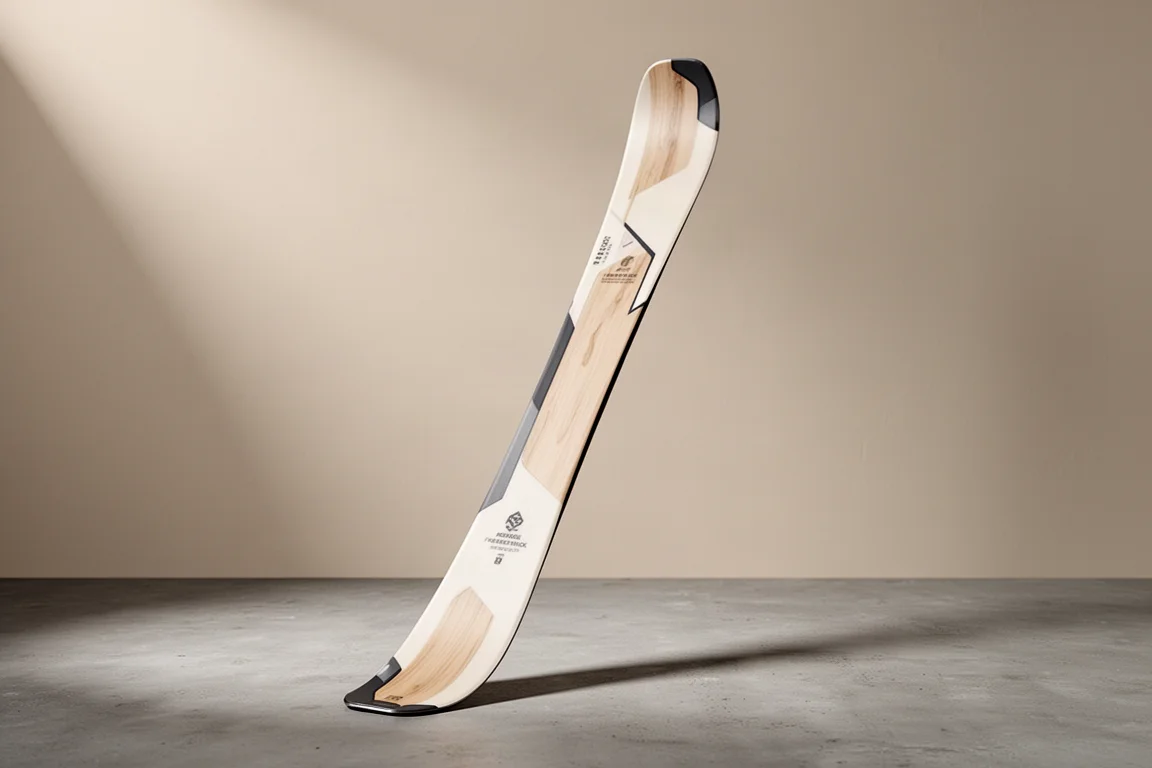
Not part of the Ripstick family, but a direct beneficiary of its success, the Playmaker 111 is Elan’s entry into a surfier, more playful space. It shares the trapezoid 3D shape that makes the Ripstick easy to get into a turn while staying solid underfoot, and it is the ski Elan points to for riders who want the widest platform in the range, whether that is deep snow or a jibby, slashy style. The development process was notably quick, with the footprint essentially finalized on an early draft after initial shape tinkering.
How to Choose the Right Width
Start with where you actually ski. If your season is dominated by firm snow and groomers, the 88 or 88 W makes the most sense. If you want one ski for everything and occasional fresh snow, the 96, 94 W, or the 102 sits at the sweet spot of the line. Skiers in snowier regions, or those who prioritize powder-day performance over carve precision, should look at the 100 W, 106 W, or 108.
Length is worth a moment of thought too. With the updated size run, there is now a genuine option in the mid-170s for skiers who found the old 172 ski short, and sizes around 182 for bigger or more aggressive skiers who wanted a little more stability than the old 180.
Finally, remember that these skis are deliberately not the most demanding skis on the market, and that is a feature. The design brief was to push top-end performance up without making the ski harder to ski, so do not size up or pick a wider ski out of a sense that you need to keep up. Pick the width that matches your typical day, trust the length you would normally choose, and let the forgiving character do the rest.
Conclusion
The latest Ripstick collection is a rare case of a brand improving a proven product without alienating the skiers who loved it. The men’s 88 and 96 and the women’s 88 W and 94 W keep their market-tested footprints while gaining tip stability, a stronger finishing tail, and a quieter ride. The new 102, 108, 100 W, and 106 W round out the range with more useful widths, and the Playmaker 111 extends the brand into playful, surfy territory. For skiers who want versatile, intuitive all-mountain skis that reward both lazy days and aggressive ones, this lineup deserves a spot at the top of the demo list.
Further reading
Related Reviews
Ski Reviews
Armada Antimatter 108 Review: A Freeride Ski Built for Speed and Deeper Snow
The Armada Antimatter 108 carries over the beloved Declivity X 108 shape with new construction that adds compliance in soft snow and composure in crud, aimed squarely at strong, aggressive skiers.
Ski Reviews
Armada Antimatter 92 vs Invictus 92: Two All-Mountain Skis Compared
A closer look at two Armada all-mountain skis, one playful and nimble, the other composed and smooth, to help you pick the right one for your skiing.
Ski Reviews
Armada Antimatter 92W Review: A Smoother Take on a Proven All-Mountain Footprint
The Antimatter 92W keeps the trusted Reliance 92Ti footprint but softens the ride with a new metal construction, making it more versatile in softer snow without losing on-trail grip.