Ski Reviews
Elan Ripstick 96 (2026): First Impressions of the Regular and Black Edition
Elan rebuilt the Ripstick 96 line with new construction and a revised shape. Here is how the regular and Black Edition versions felt across groomers, bumps, and variable snow.
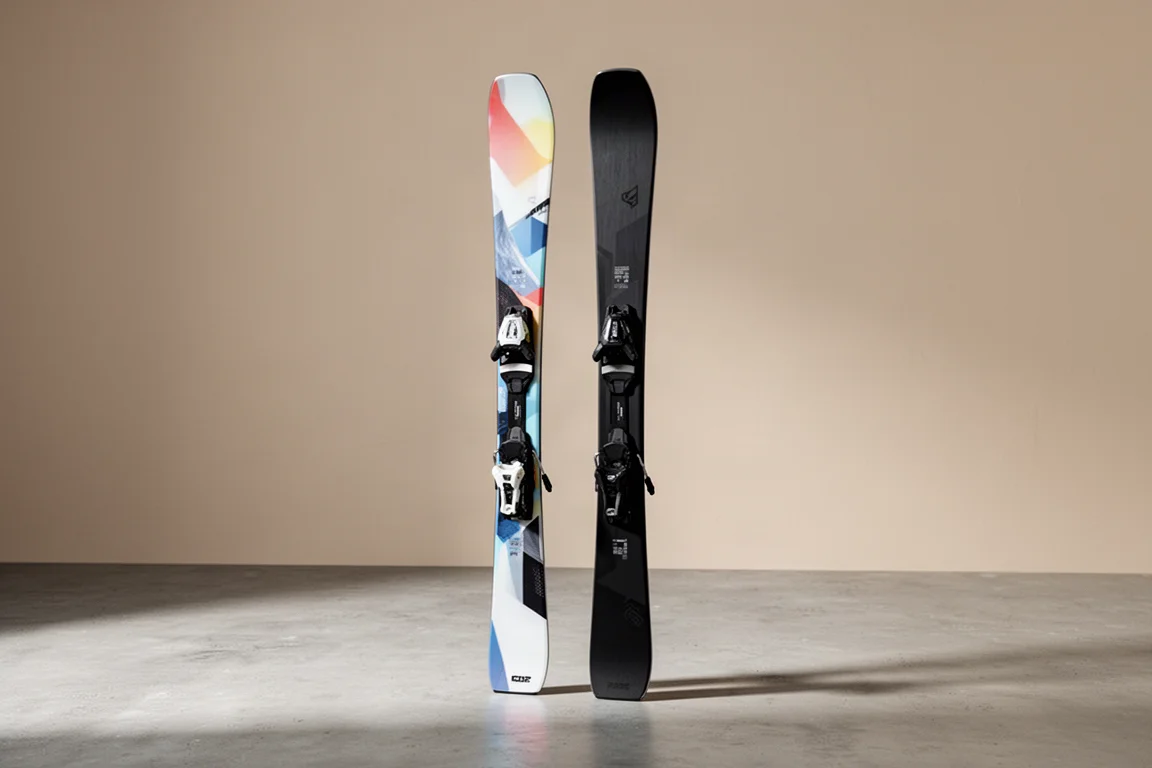
Introduction
The Ripstick 96 has been one of the most versatile all-mountain skis on the market for years, and Elan has just rebuilt the entire line with new shapes and construction changes. We spent a day on snow at Waterville Valley with the new regular Ripstick 96 and the Black Edition to see what has actually changed and which version suits which skier.
The short version: the new line feels smoother and more composed than the previous generation, and both versions remain impressively light and quick for an all-mountain ski. The differences between the regular and Black Edition are real, though, and they matter depending on what you want from the ski.
Construction and Shape Changes
The main construction change is that the carbon tubes have been moved below the core, with some flax added into the tip. The topsheet is also beveled, which Elan says improves durability. The overall goal seems to have been a smoother, more refined ride, and on snow that goal appears to have been achieved.
The shape has changed too: the tip is slightly narrower and the tail is slightly wider than before. On groomers, the ski does not rip you into a turn quite as aggressively as the old version. You have to dictate the turn a bit more yourself, and the kicked-out tail helps you finish turns nicely. It is a subtle change, but noticeable.
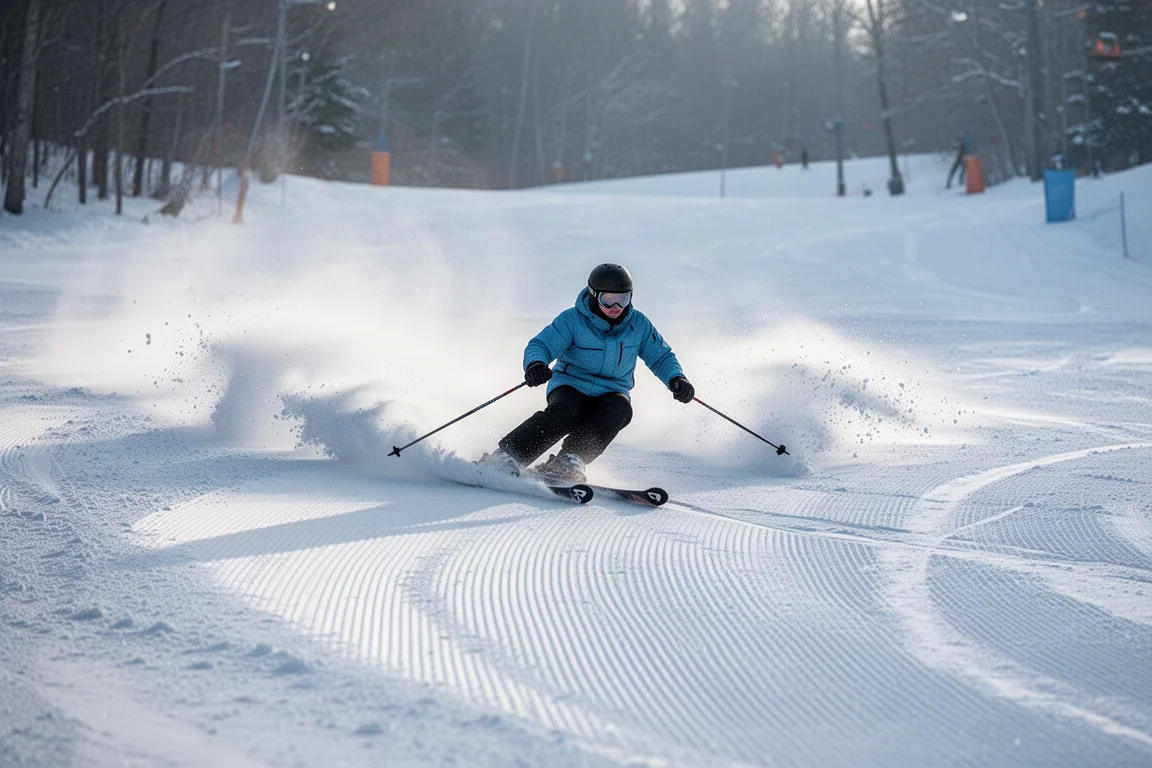
Length measurement has also changed for the new line. Skis in this family have typically measured roughly 1 to 1.5 cm short of the stated length, so a 175 may ski close to a 180 from the previous generation.
On-Snow Impressions: Ripstick 96
The things that have always made the Ripstick great are still here: ease of use, a round turn shape, and an easy flex that makes the ski simple to bend. It still loves short, quick, energetic turns, and in short to medium radius turns it is as engaging and confidence-inspiring as it gets.
The most important change is in edge angles. The old 96 operated best at a high edge angle, either locked into high-angle groomer carves or held flat for wiggling through trees. The new version works comfortably at variable edge angles, which opens up a much wider range of turn shapes and styles in between.
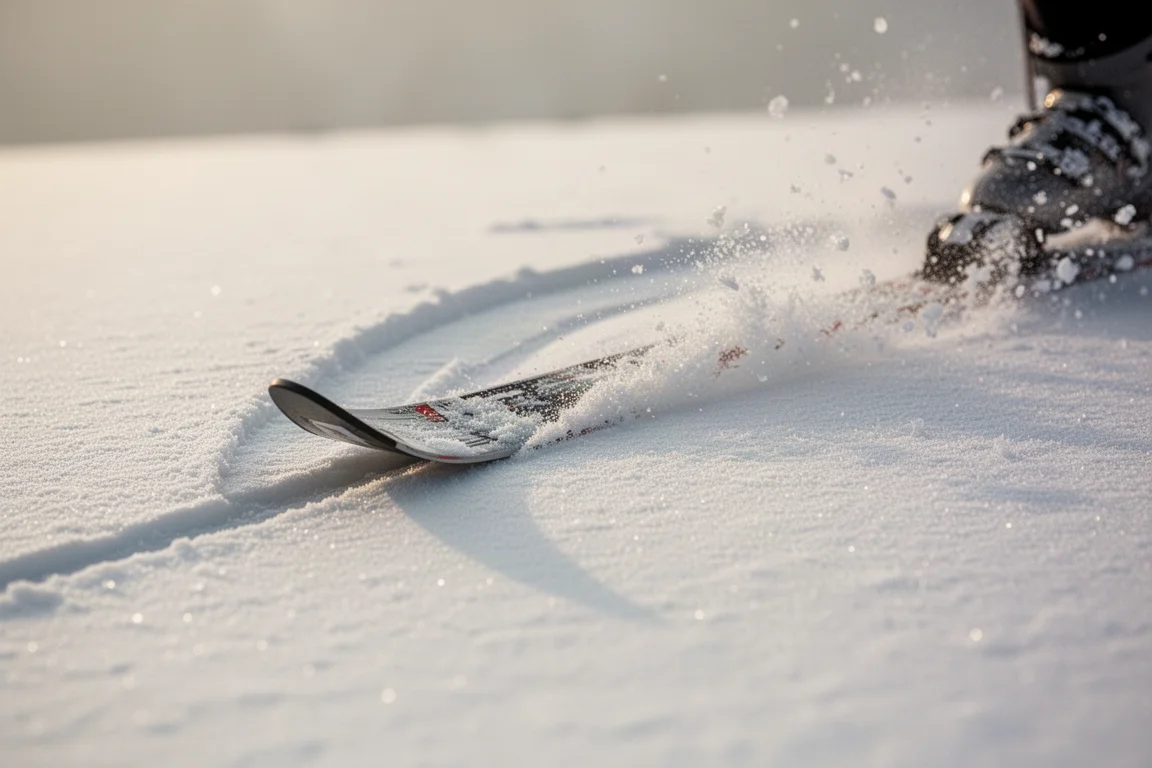
For heavier skiers there is still some shovel flutter on firmer snow, particularly at higher speeds and on steeper, firmer pitches. That said, testers reported less tip flap and chatter than on the previous version at the same effective length, and the ski stayed remarkably composed even when pushed hard. Off-piste on firm, icy surfaces with a thin layer of wind-blown soft snow on top, the ski felt extremely stable with the weight kept forward.
Playfulness and All-Mountain Versatility
This remains the defining character of the Ripstick 96: it is a genuinely fun ski. It is exceptionally flickable for a directional ski, quick edge to edge, and easy to swing side to side in steeps, trees, moguls, and playful terrain. It is not a twin tip or a park ski, but it is playful enough for a park-curious intermediate to jump off rollers and pop small tricks.
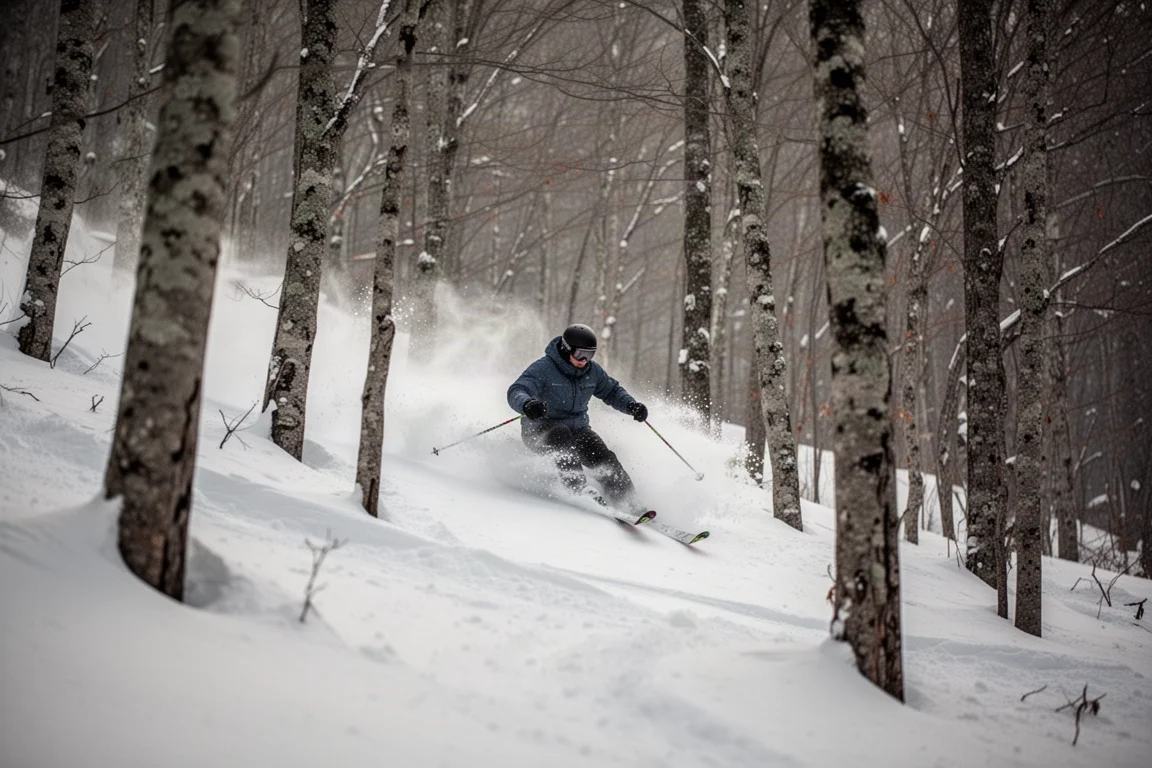
The carbon tubes still deliver noticeable pop out of a turn, and the ski stores enough energy in small terrain features to generate speed easily. The other big takeaway from testing: far more skiers should probably be on a ski like this. Put an intermediate on it and they will have a great time, then push it hard and it holds up.
Black Edition: The Bump Test
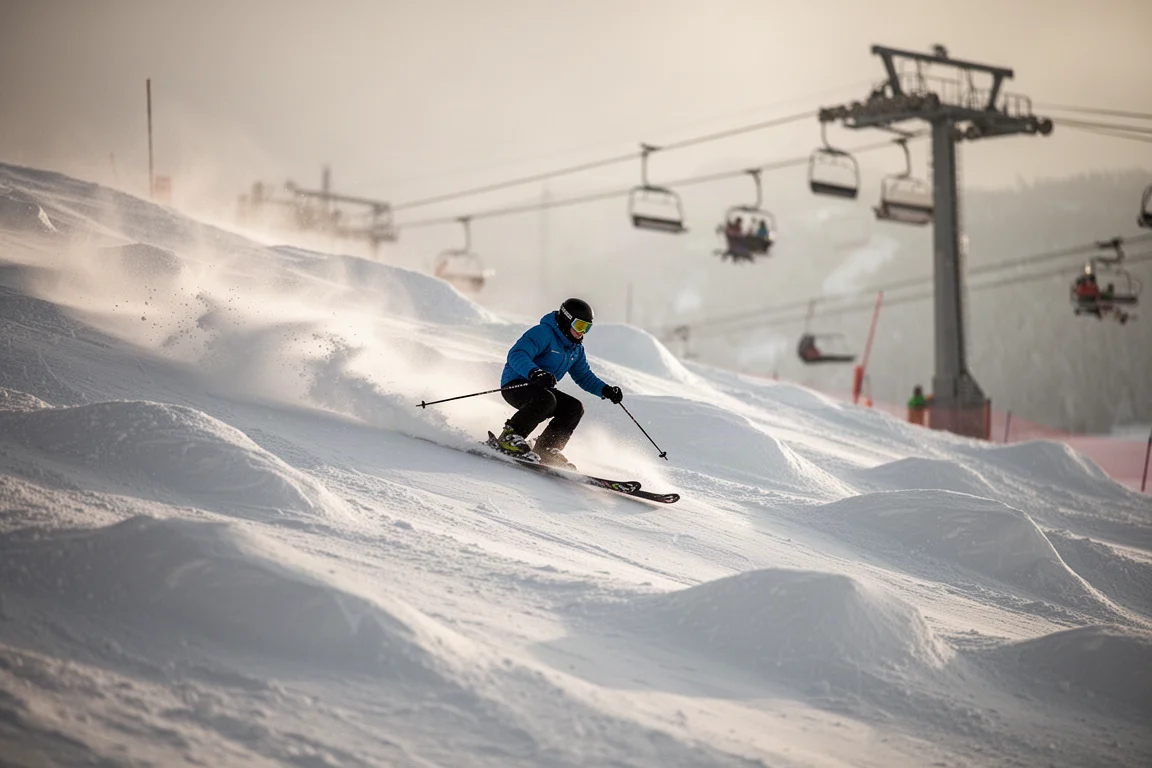
Both versions are genuinely light. Even the Black Edition stays under roughly 1,800 grams, and both skis are quick edge to edge. The Black Edition has a stiffer tail, which keeps you honest in moguls: get back on your heels and it reminds you to stay forward and engaged.
In tight, manicured mogul lines the regular 96 felt quicker and more forgiving, which for most skiers is effectively better. The Black Edition, however, was always the stronger choice for skiers who wanted more stability from the same DNA, and it still lets you let it run down a pitch with real confidence.
One important caveat: neither version is a metal-clad charger. If you go from soft snow into a firm patch mid-carve, it will not hook up like a two-sheet-of-metal ski. But that is not what this ski is for. It is built to engage easily, release easily, and have a good time doing it.
How the Two Versions Differ
Testers who have skied the Ripstick line for years came away split on which version they now prefer. Several found the regular 96 is now robust enough that they no longer feel the need for the extra stiffness of the Black Edition, especially with the reduced tip flap making it easier to bend and ski at their weight.
Others make a simple quiver argument: if the Ripstick were your only ski, the Black Edition earns its keep with the added stability for everything from groomers to crud. If you own other skis, the regular 96 is the more playful, flickable pick. Both are happy answers, which says a lot about how capable the new line is.
Conclusion
The new Ripstick 96 line smooths out the biggest complaint about the previous generation, its narrow sweet spot at high edge angles, while keeping the light weight, pop, and versatility that made the original popular. Choose the regular 96 for playful all-mountain skiing and quick turns, and the Black Edition if it will be your one-ski quiver and you want a bit more stability underfoot.
Further reading
Related Reviews
Ski Reviews
Armada Antimatter 108 Review: A Freeride Ski Built for Speed and Deeper Snow
The Armada Antimatter 108 carries over the beloved Declivity X 108 shape with new construction that adds compliance in soft snow and composure in crud, aimed squarely at strong, aggressive skiers.
Ski Reviews
Armada Antimatter 92 vs Invictus 92: Two All-Mountain Skis Compared
A closer look at two Armada all-mountain skis, one playful and nimble, the other composed and smooth, to help you pick the right one for your skiing.
Ski Reviews
Armada Antimatter 92W Review: A Smoother Take on a Proven All-Mountain Footprint
The Antimatter 92W keeps the trusted Reliance 92Ti footprint but softens the ride with a new metal construction, making it more versatile in softer snow without losing on-trail grip.