Everyday Carry
Everyday Carry Roundup: 13 Pieces of EDC Gear Worth Knowing About
From modular key organizers and travel-friendly multi-tools to premium fixed blades, these 13 items cover a complete everyday carry setup.
Introduction
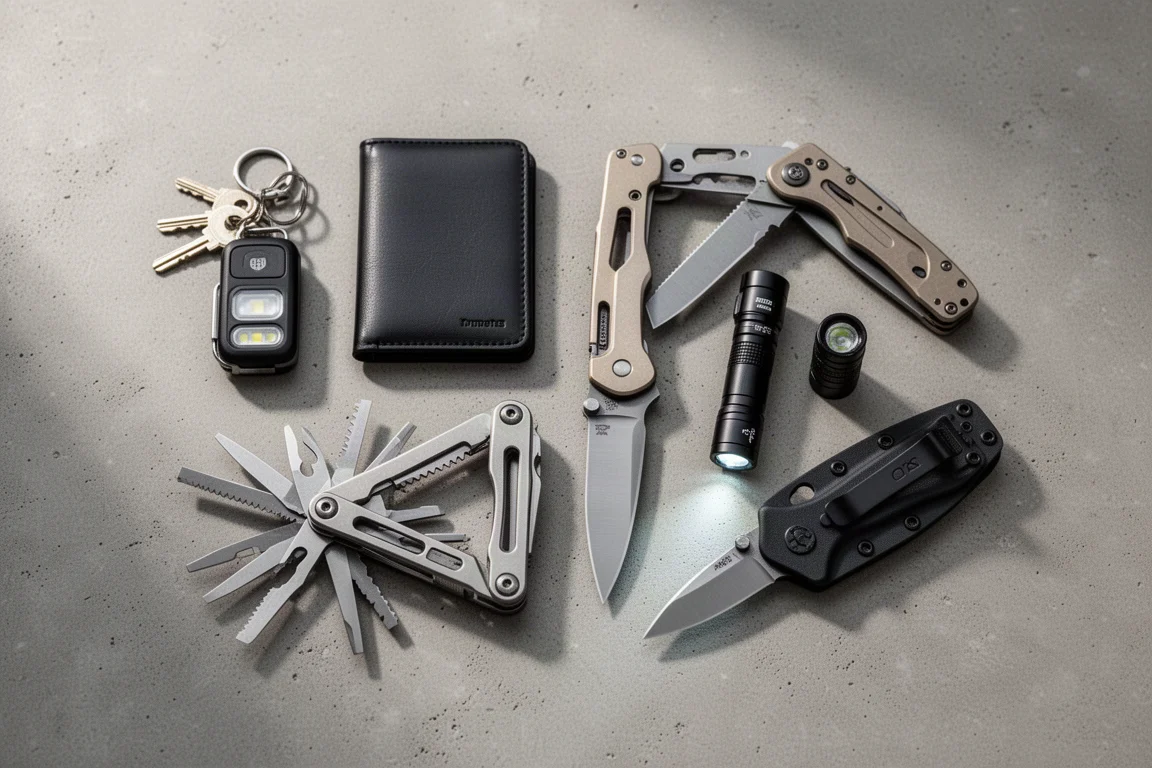
A good everyday carry is less about owning a lot of gear and more about the right few pieces that earn their spot every day. This roundup covers a full practical setup: a modular key organizer, a wallet, small tools, folding knives, flashlights, multi-tools, and fixed blades. Some picks are budget-friendly, some are premium splurges, and each one has a clear reason to be carried.
Core Carry: Keys, Wallet, and Small Tools
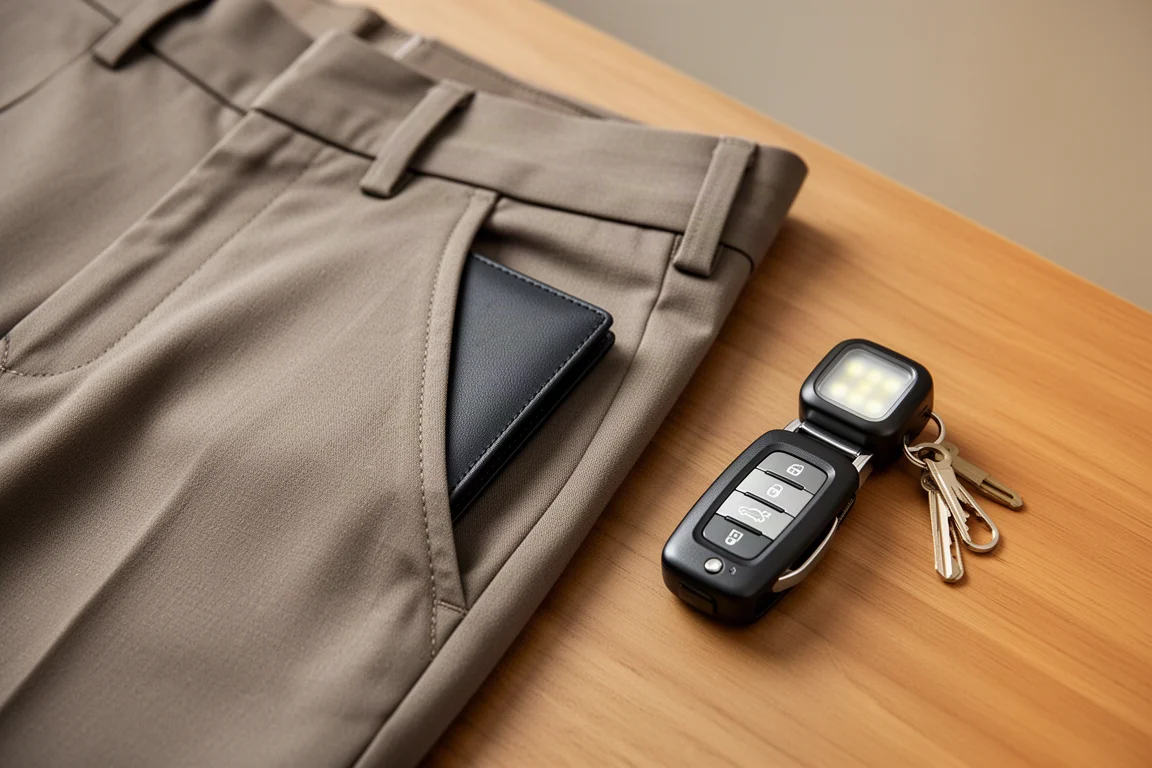
Most everyday carries start with three items: keys, wallet, and phone. The key side of this setup is built around the Keyport Pivot 2.0, which holds six keys and supports a deep carry pocket clip, a belt clip option, and a modular Pocket Flare light with three modes that serves as the primary flashlight. A tritium key fob on the car keys makes them easy to find in the dark.
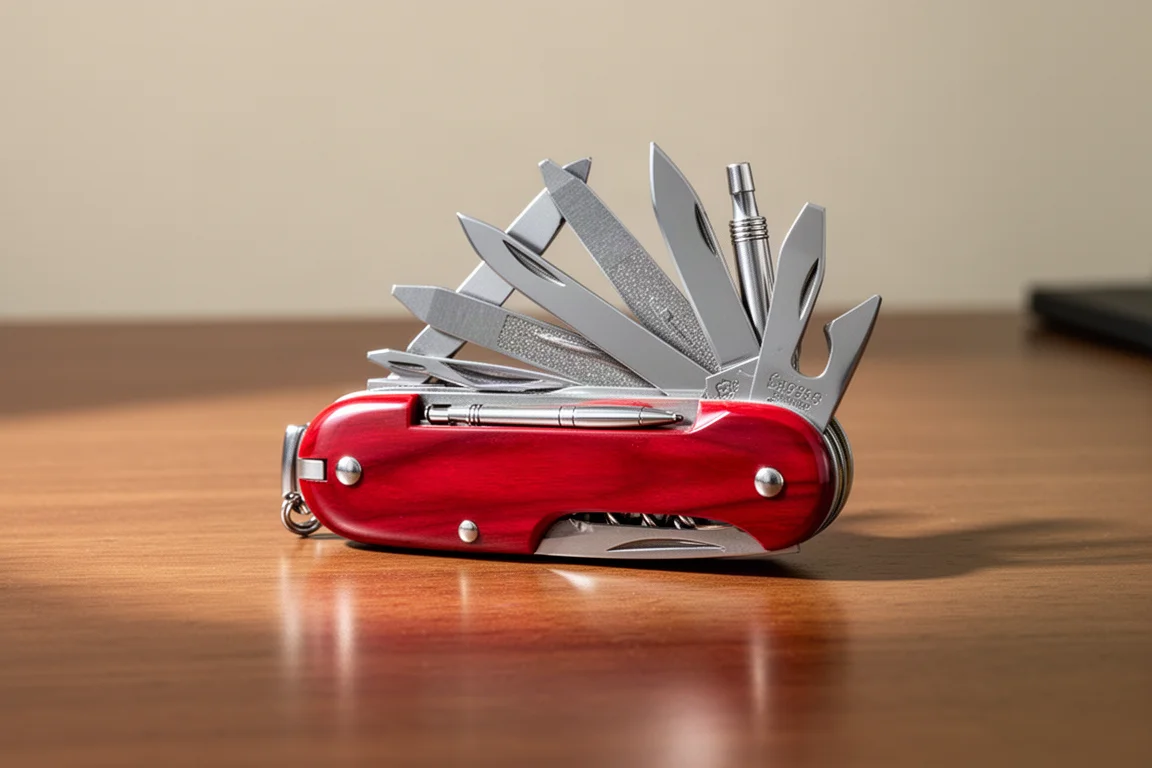
On the same organizer sits a Victorinox MiniChamp, chosen over the smaller Rambler because the size difference is barely noticeable while the extra components and backup pen come in handy regularly.
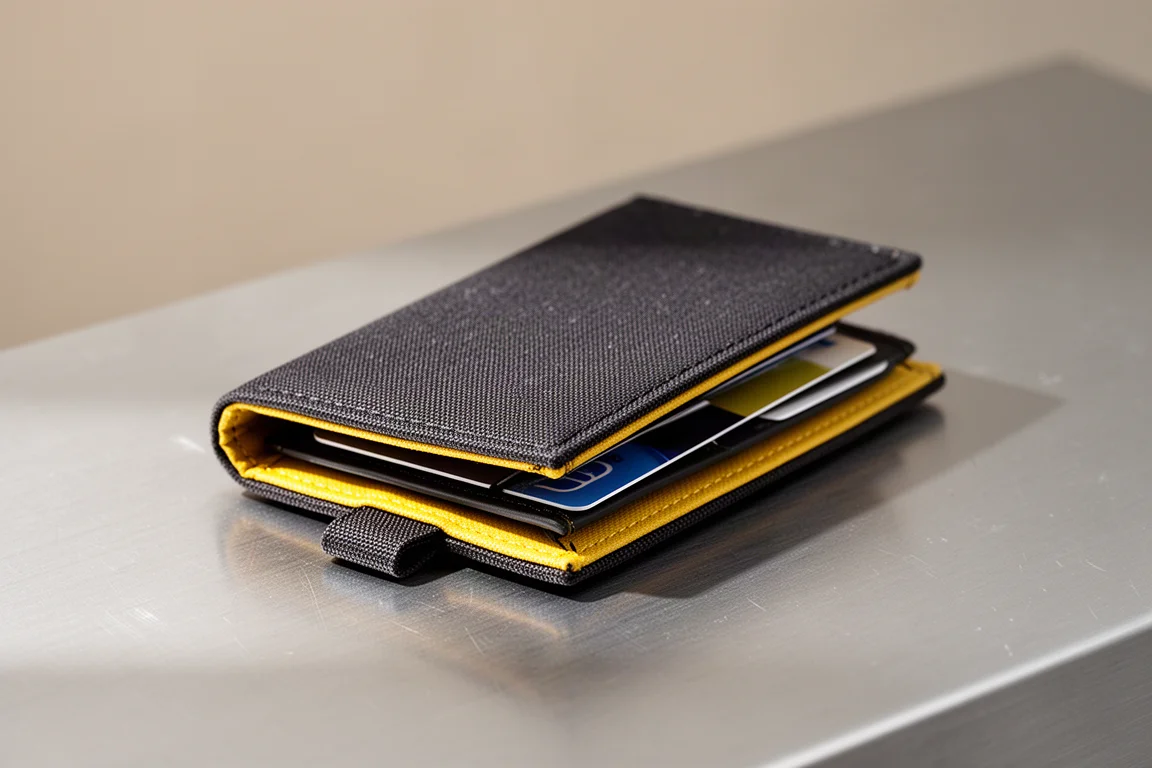
The wallet is the Lock B Sidekick 2.0, a collaborative design refined after customer feedback. Version 2.0 adds yellow interiors, slightly adjusted and more secure pockets, an attachment tab underneath, an optional shock cord closure, and RFID blocking, all while staying under $30.
Flashlights: Power and Versatility
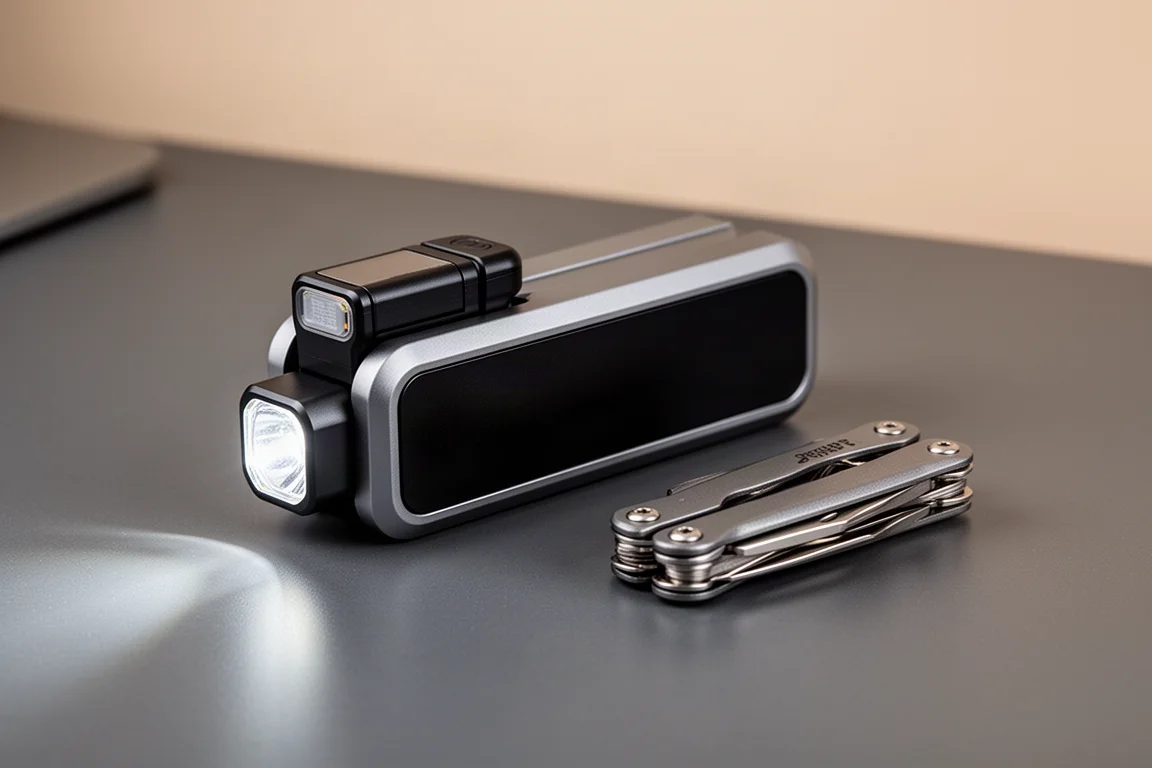
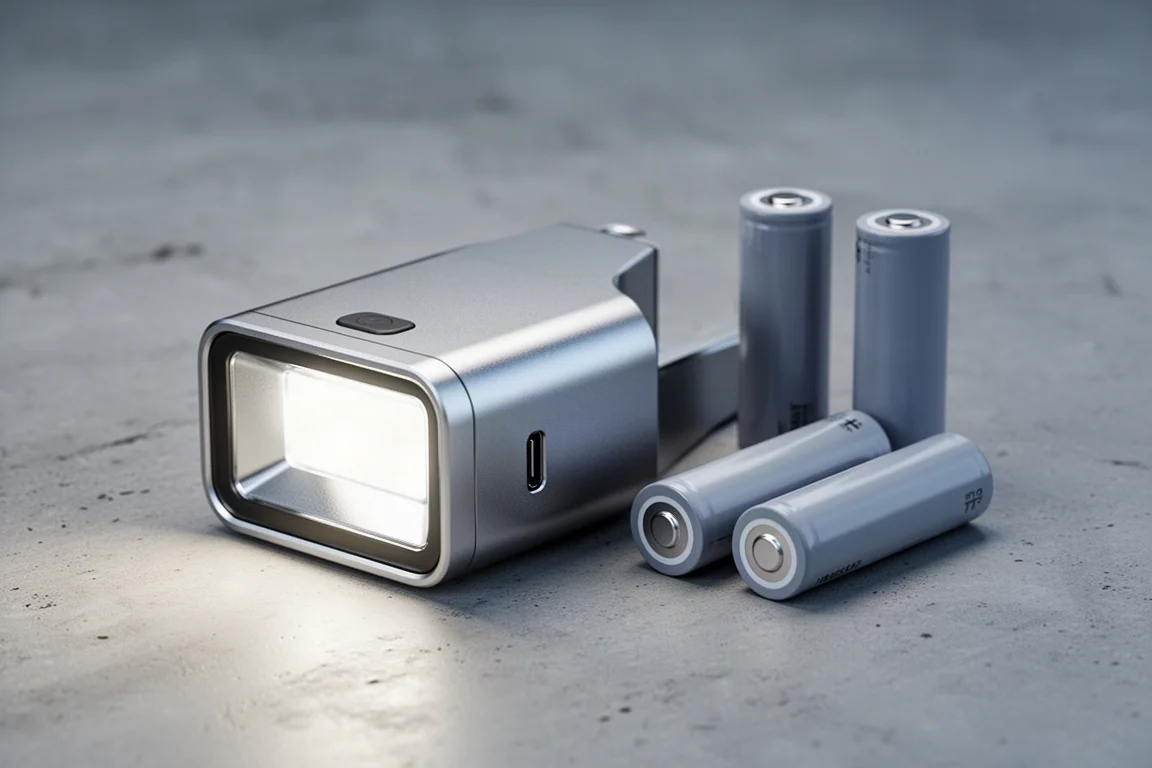
Three flashlights rotate through this carry, one in the car, one in a backpack, and one by the nightstand. The Loop Gear SK05 Pro earns its multiple placements by doubling as a very large power bank: 8,000 mAh with the two included batteries, which swap quickly so you can rotate in freshly charged 18650s instead of waiting for a recharge. It charges a phone fast, often restoring 50 to 60 percent over a short walk. It is expensive, around $150 for the version with the cool finish, but the power bank feature is what makes the price justifiable. Waiting for a sale is a reasonable strategy.
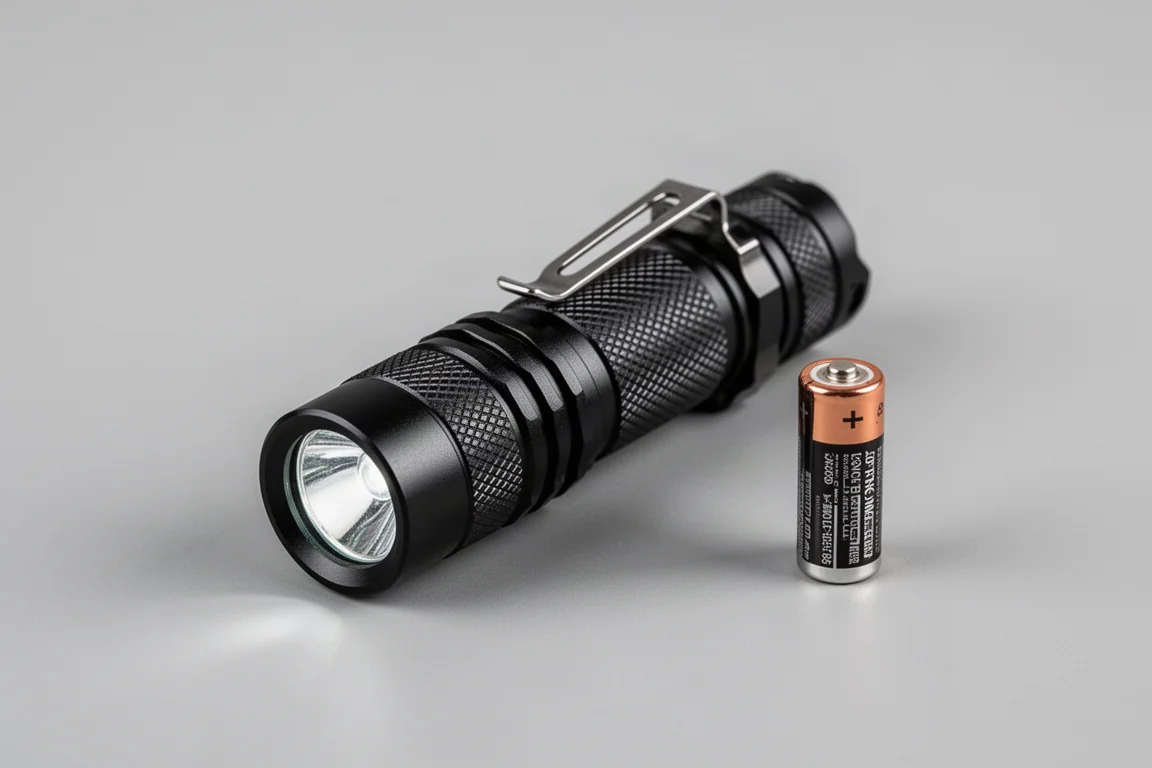
For a pocket-friendly option built on a standard AA battery, the Acebeam TAC AA 2.0 stands out. It reaches 900 lumens max with over 31,000 candela, making it a true tactical light in its higher modes. It offers six selectable modes, a reversible pocket clip, tailstanding, included diffusers, and a charging cable, with the flexibility to run standard AAs.
Folding Knives: Carry and Collection Pieces
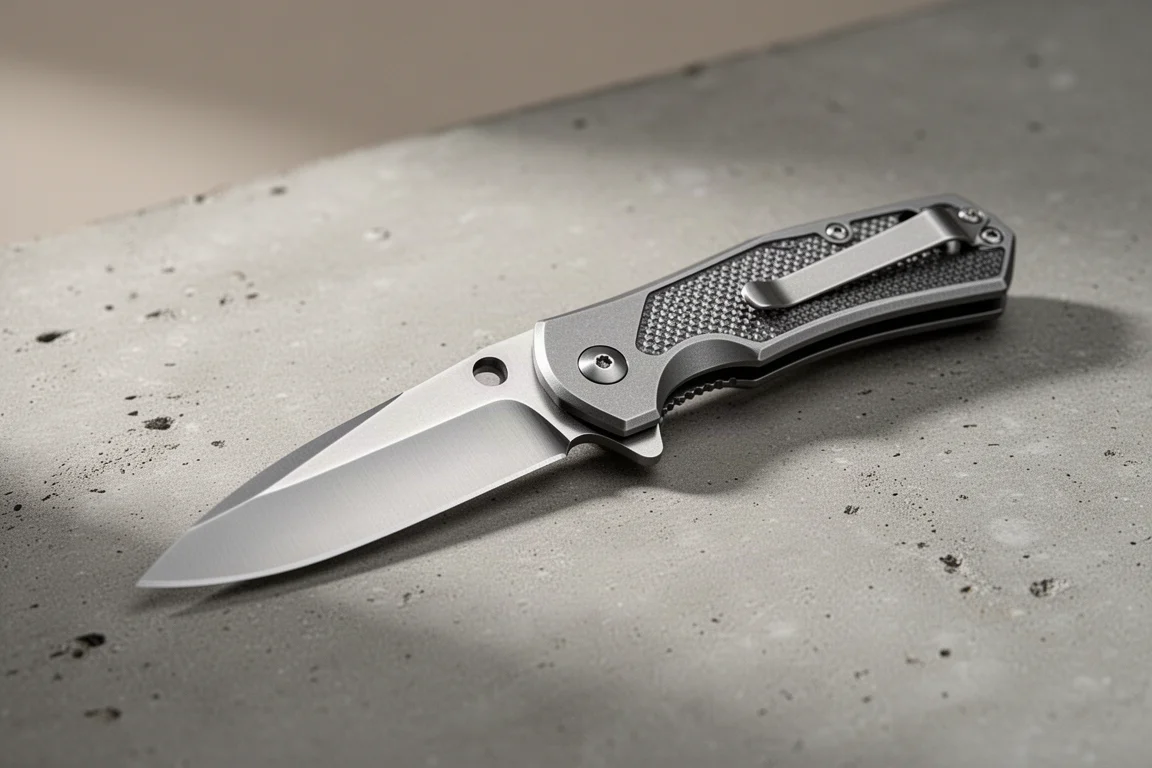
The Akaso Knives Solstice, designed by Andrew Demko, is a long-time favorite. It pairs an S35VN blade of nearly four inches with a titanium frame, and the extra blade length works well for reaching into tight spaces or holding it like a craft blade. It is compact enough to store inside a wallet or organizer, and it even works well as a steak knife since the long blade keeps food away from the pivot.
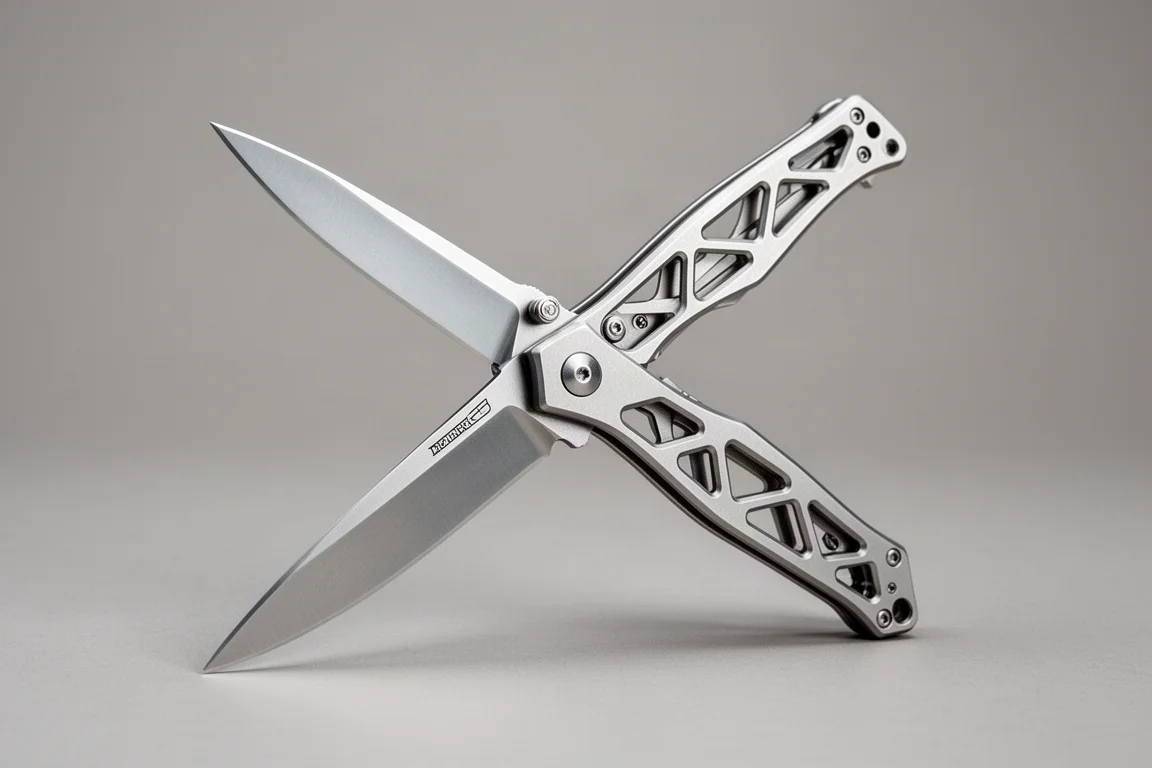
The WE Knife Reasun, a collaboration with designer Sam (Raven the Pirate), is a collector’s knife in the best sense. It features a hollow ground blade with a hand satin finish, comes razor sharp, runs on washers, and has excellent handle texturing, beautiful milling, a comfortable clip, and an outstanding handle shape. It is not a hard-use workhorse; it is a knife for people who love knives and want something that looks and feels exceptional.
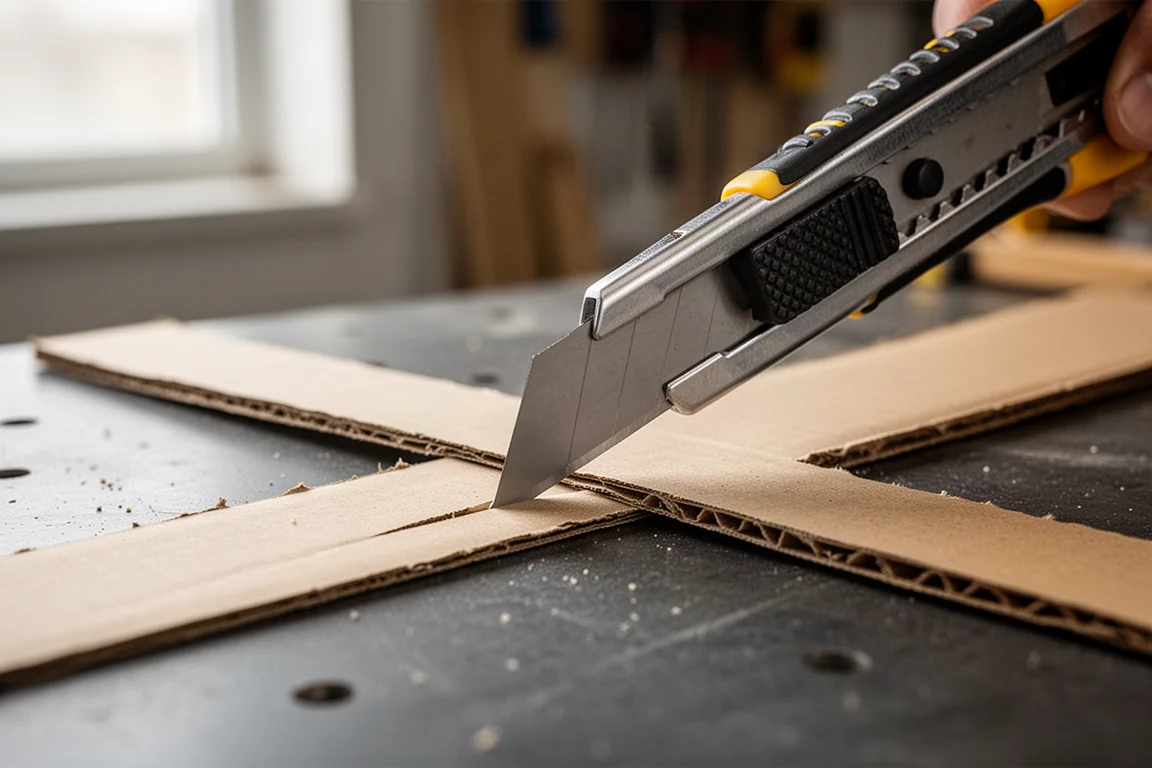
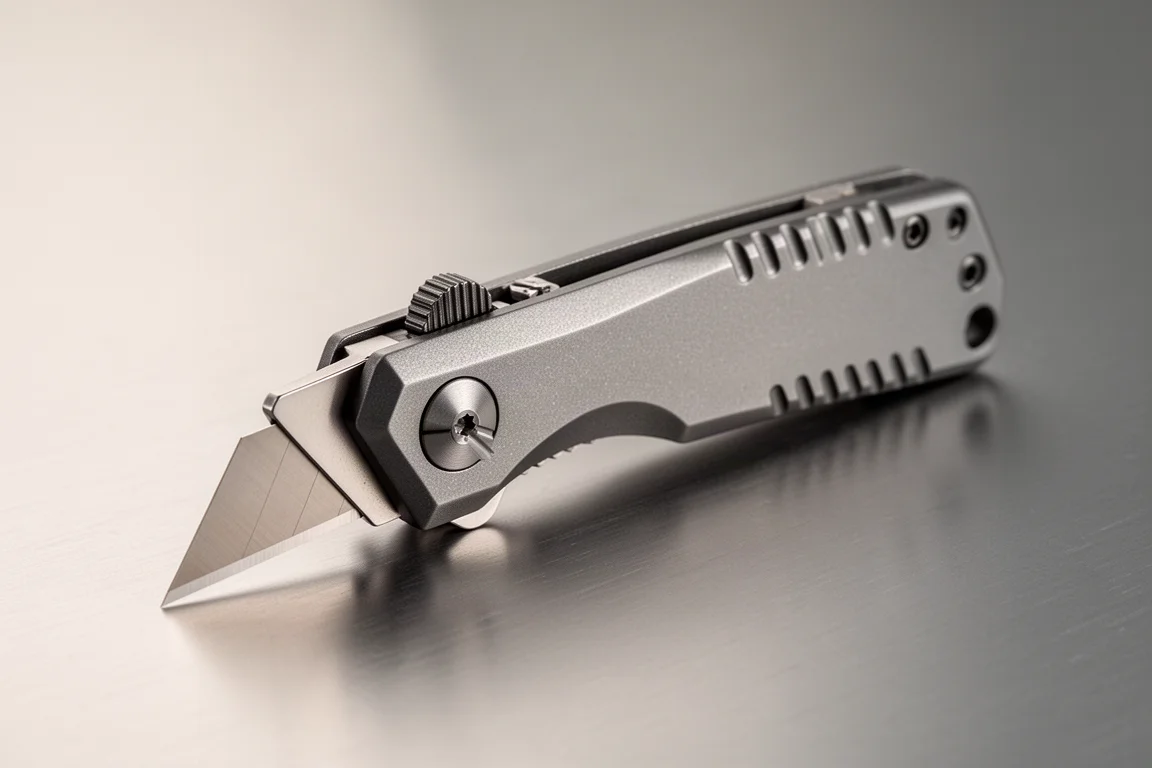
The Tyrant Ultra is a premium utility knife for people willing to splurge without giving up the ability to work hard. It accepts utility blades by default, and the entire blade mechanism can be removed and swapped for available D2 blades. Blade play is literally zero despite the many potential play points, the thumb stud doubles as a hand rest, and the jimping is excellent front and back. Blades measure under three inches from tip to frame. The regular model starts around $160 and climbs from there with options like skiff bearings, backspacers, and different anodizations, so it is admittedly a luxury purchase rather than a necessity.
Multi-Tools: What Earns Pocket Time
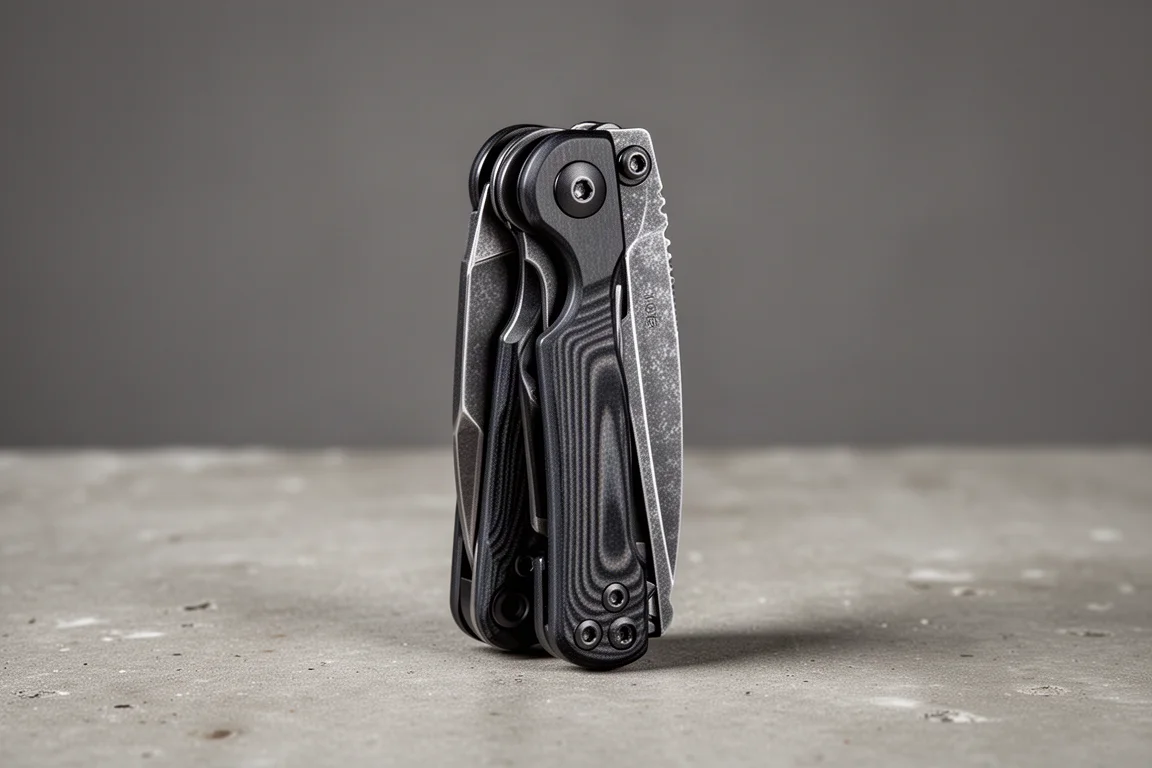
The Leatherman Wave Alpha is the odd one out. At $200 with no pocket clip and several frustrations, it is hard to recommend, especially since Leatherman no longer includes the sheath and bit kit that once made the value case for the Arc line. The Leatherman Arc is still enjoyable to carry, particularly when modified with a standard 1/4-inch driver, stick-on scales that have held up without peeling, and a magnetic ferro rod mounted under the scissors. But with no accessories included anymore and a higher price, it is a buy only if you want specifically what it offers.
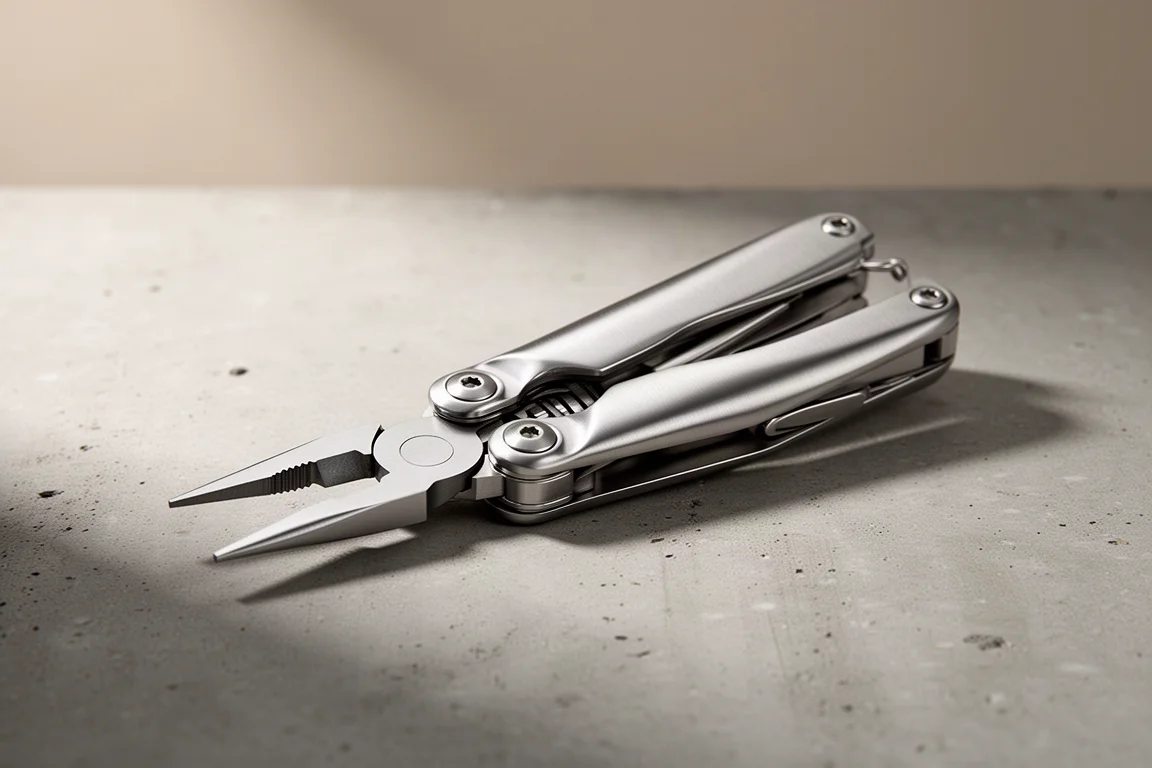
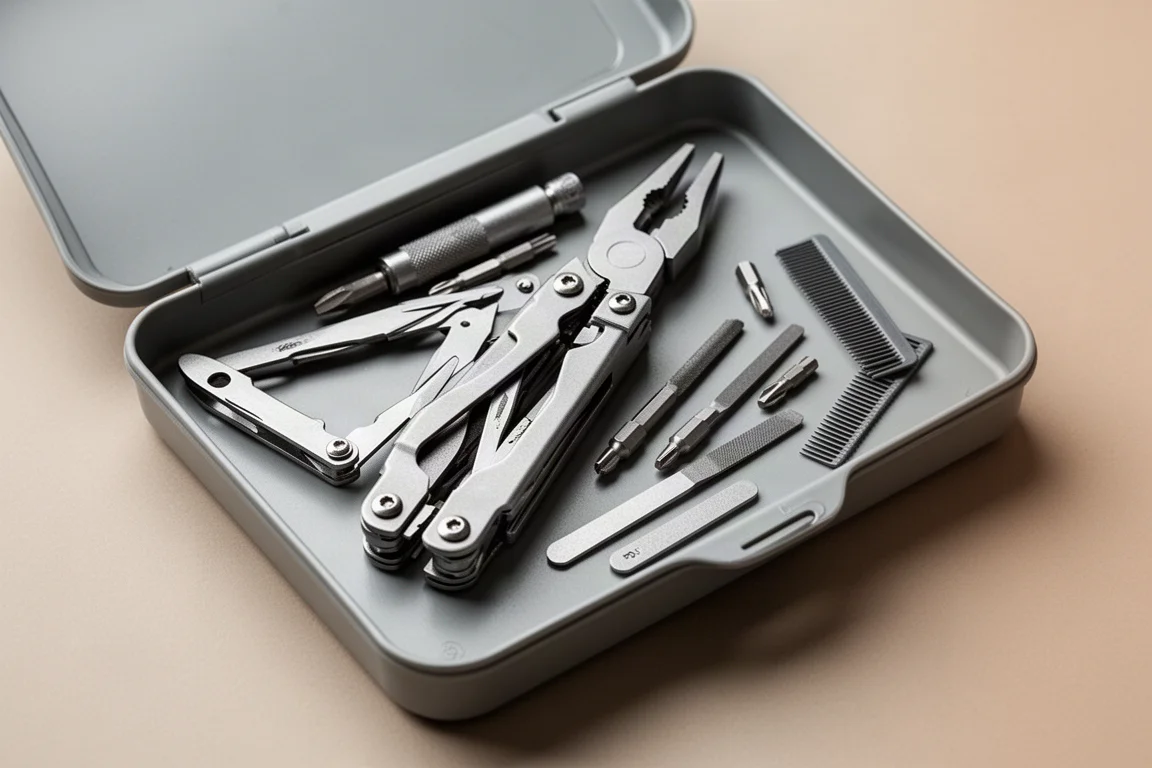
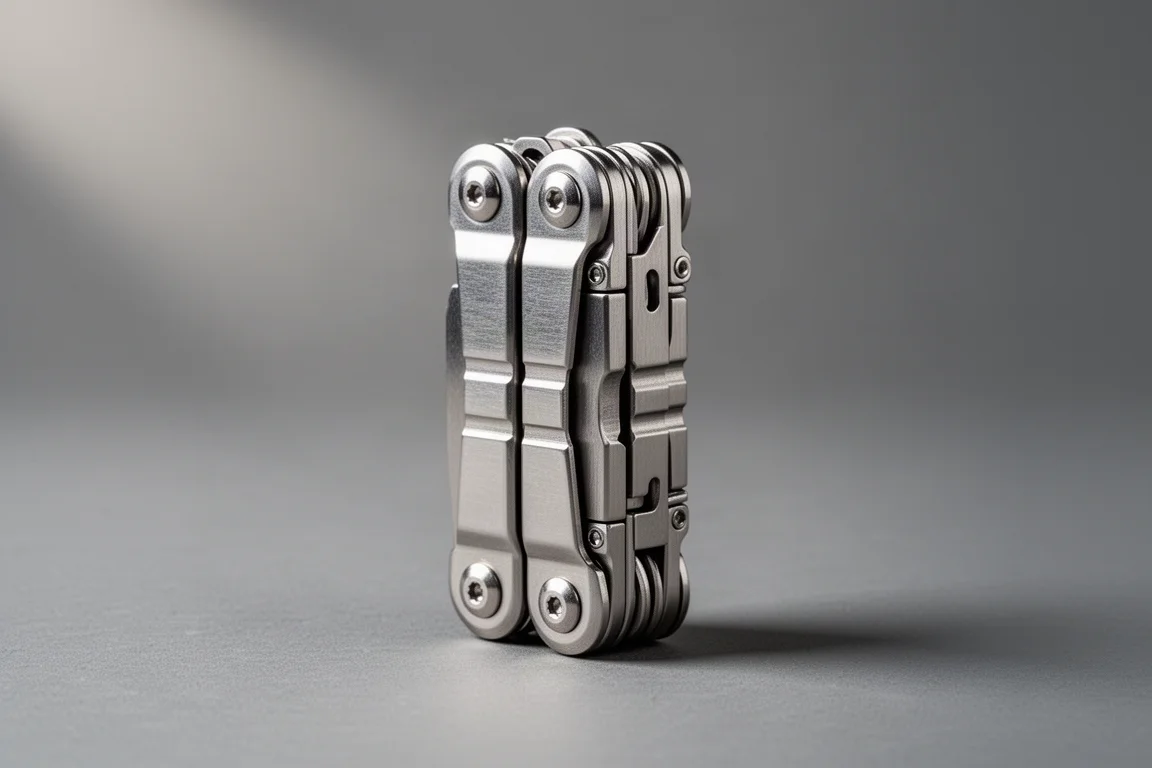
The Roxon Flex remains irreplaceable for one specific reason: travel. Its fully modular design has passed through airport security nine times with inspections but no real problems, provided scissors and the can opener are stored separately in a small holder inside the bag and the T-shank holder is left unloaded. The frame costs around $40 to replace and individual implements are under $10, so any lost or damaged part is a low-stress fix. Compared with other modular systems that start around $120, building only the tools you want here is both cheaper and, frankly, better executed.
EDC Fixed Blades: TJ Schwarz Overland Series
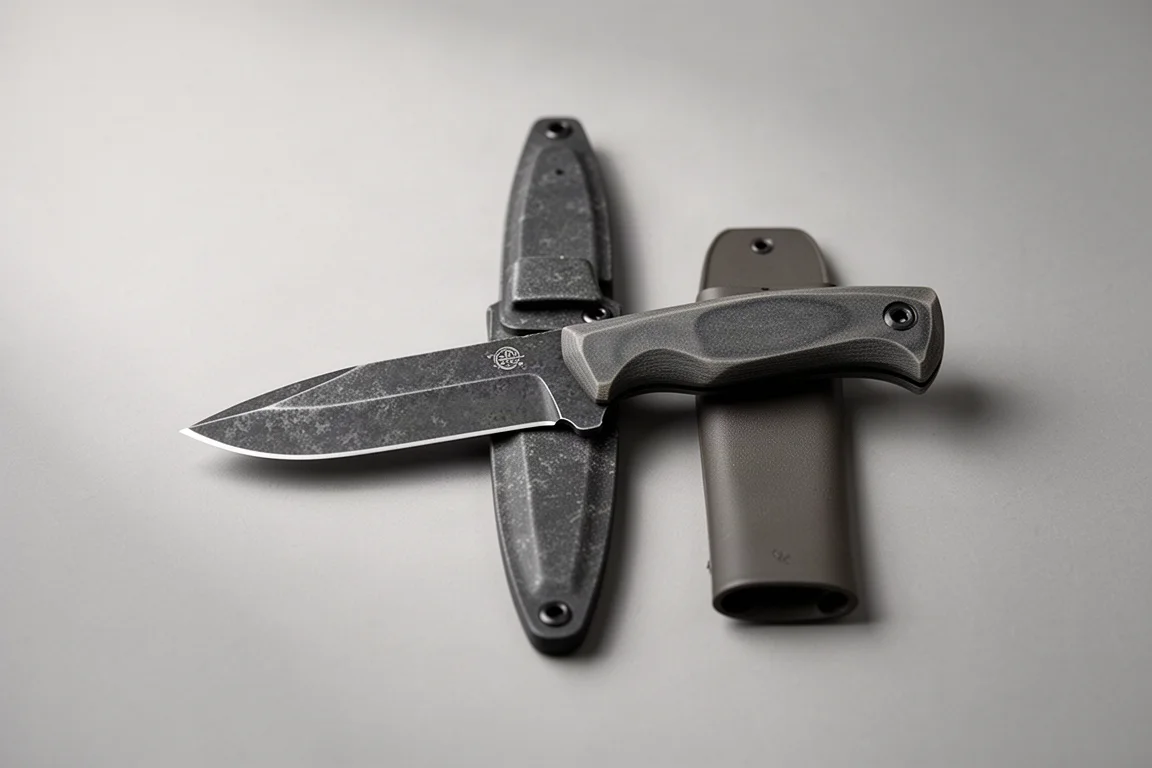
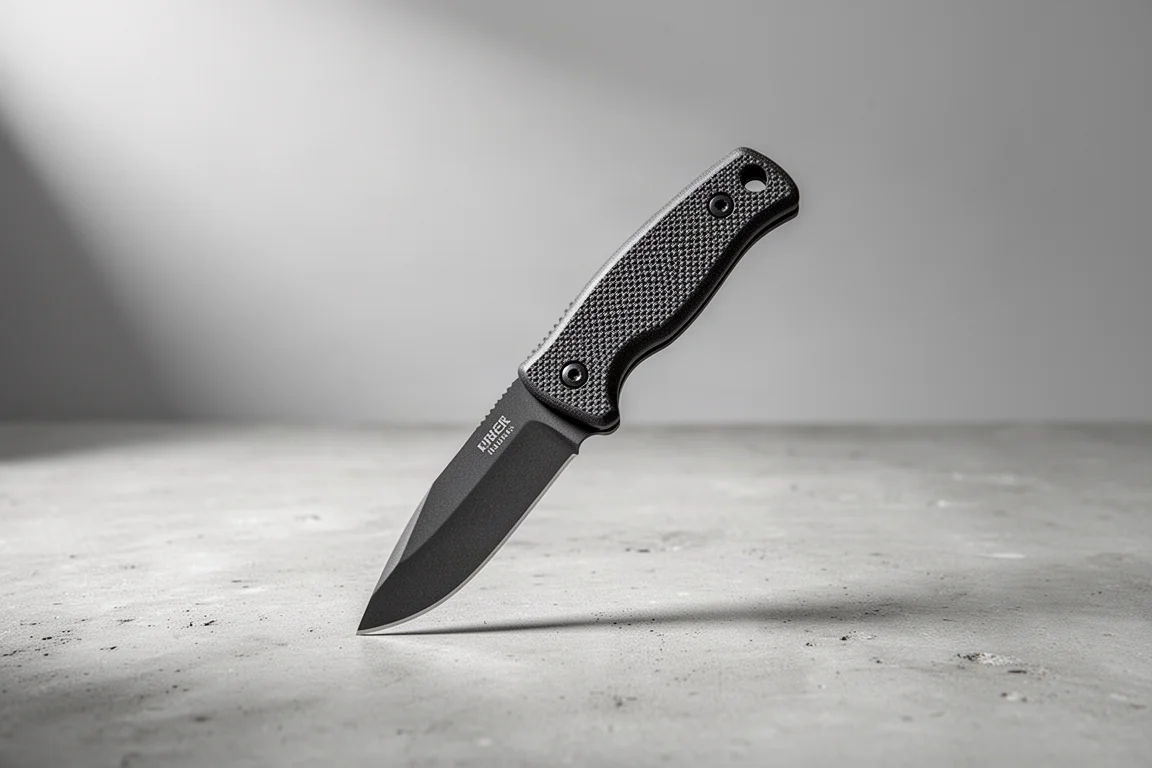
The TJ Schwarz Overland X and Overland Sport are the two most-carried fixed blades in this setup, and expectations were genuinely upended. The larger Overland X was assumed to be the clear winner, but the small Overland Sport kept getting picked up instead. They are distinct knives that each do different things better: the X is the better choice as a pocket chef’s knife thanks to its size.
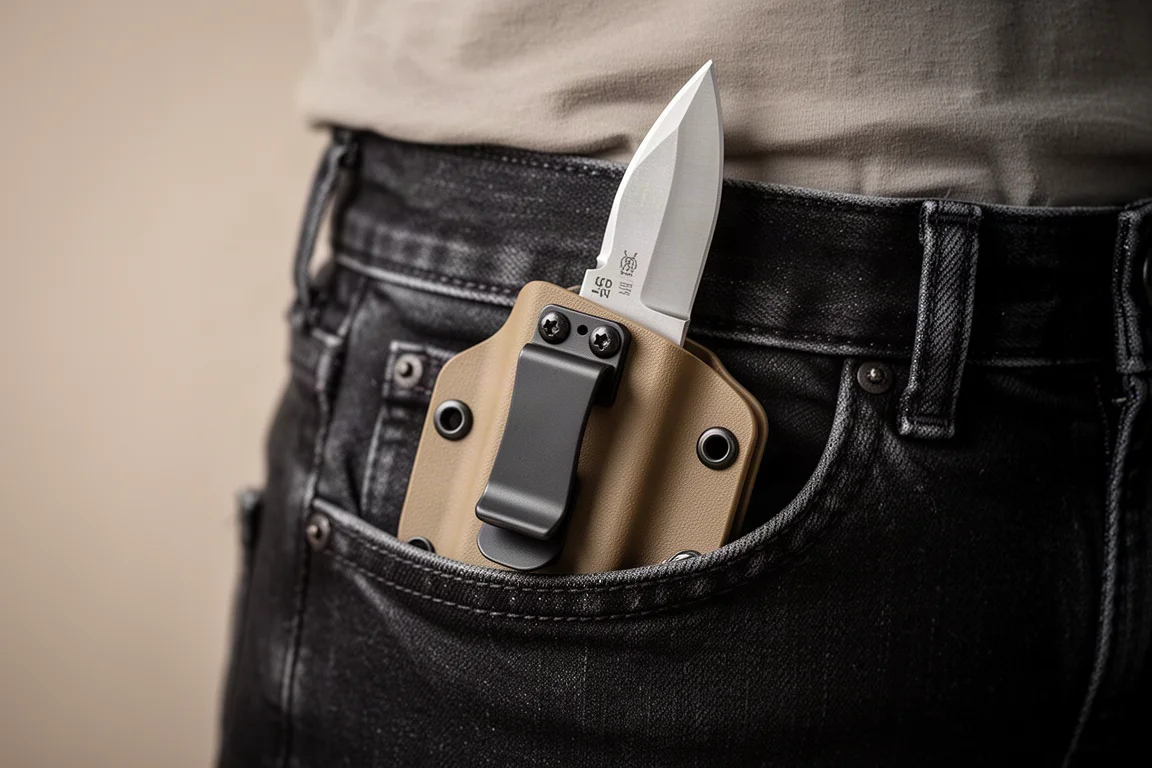
Both feature a PVD coating over MagnaCut steel, whose natural corrosion resistance, toughness, and edge retention make them genuine one-and-done purchases. The sheaths deserve special mention: tension dialed nearly to perfection, an UltiClip included, and half-inch attachment spacing that works with nearly every clip on the market. At roughly $250 to $300, these are not an easy leap for everyone, but among the best EDC fixed blades available, easily top-five material.
How It All Gets Carried
The wallet and keys share the front left pocket, with the key organizer dangling in the pocket corner next to the wallet. The right pocket carries either a multi-tool or a fixed blade, and with a slightly positioned mag pocket, occasionally both. On office days, the multi-tool sometimes stays home entirely in favor of a folding or fixed blade. The guiding principle is simple: carry to be of use. Being prepared to offer help, not prepared for danger, is what justifies the pocket weight.
Buying Advice
Start with your actual daily problems rather than the premium end of the market. A solid core of keys, wallet, and one dependable light covers most needs, and the Lock B Sidekick 2.0 plus the Acebeam TAC AA 2.0 show that excellent gear does not have to be expensive. Save the splurges for categories you use constantly. If you travel often, the Roxon Flex is arguably the single most practical pick here. If knives are your joy, the Solstice and the Overland series justify their prices through daily enjoyment. One thing to avoid: paying premium multi-tool prices in a market where included accessories have quietly disappeared.
Conclusion
A good EDC setup reflects how you actually live. This one leans into modularity, travel practicality, and a few well-chosen premium pieces, but the advice applies at any budget: carry what you enjoy and what makes sense to you. Every item here earned its pocket time through real use, and any of them can anchor a capable everyday carry of your own.
Further reading
Related Reviews

Everyday Carry
Everyday Gear That Deserved a Second Look
A roundup of solid everyday carry items: watches, pens, a pencil, a knife, and a smart ring that each earned a place on the table.

Everyday Carry
KORE Tactical Bifold Wallet Review: A Durable Everyday Carry Option
A close look at the KORE Tactical Bifold Wallet, a reinforced nylon wallet with magnetic closure and room for cards, cash, and IDs.

Everyday Carry
Krabby Wallet Review: A Slim, Simple Carry That Has Stood the Test of Time
A closer look at the Krabby Wallet, a slim canvas and elastic design with a loyal following and a simple, functional approach to everyday carry.