Travel Gear
Ecuador and Galapagos Travel Gear Roundup: 8 Pieces That Earned Their Place
Two and a half weeks traveling Ecuador and the Galapagos out of a 30 liter pack. Here are eight gear picks that worked, plus the trade-offs to know before buying.
Introduction
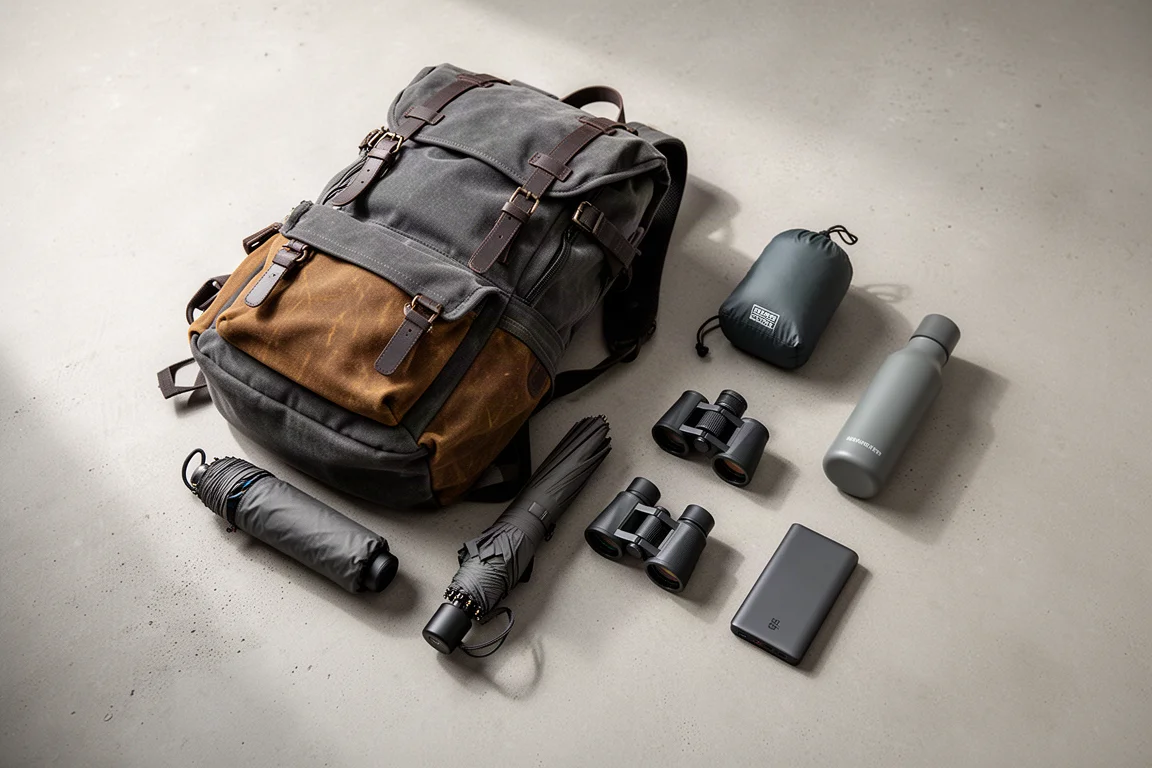
A two and a half week trip through Ecuador and the Galapagos is a proper stress test for travel gear. The route covered cold, rainy days at high elevation in Quito, humid and sunny conditions on the islands, and constant movement between boats, taxis, and public transportation. Everything had to fit in a 30 liter backpack, which means every item earned its spot or stayed home.
This roundup covers eight pieces that proved themselves on the trip, including a few last-minute additions that turned out to be excellent decisions, along with the honest trade-offs for each.
The Pack: Mystery Ranch Mission Rover 30L
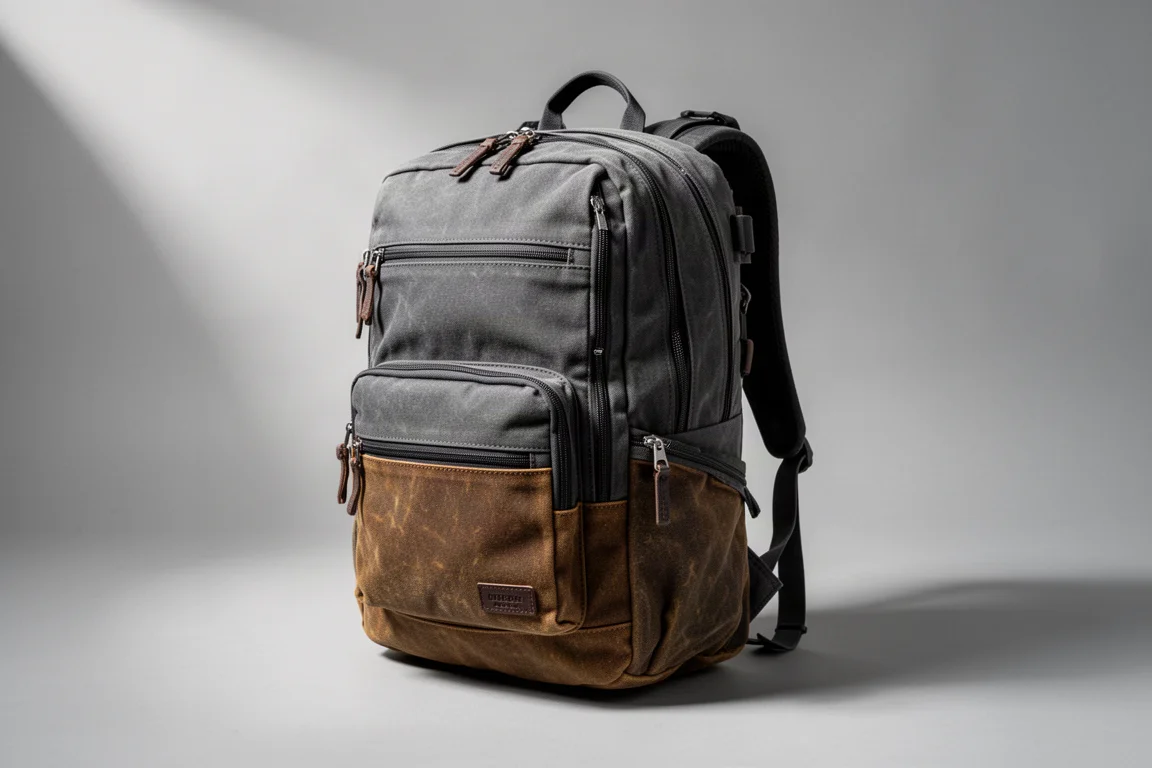
The Mystery Ranch Mission Rover 30L handled the whole trip as the primary bag. It offers plenty of pockets, packs easily, and stays organized, and the rugged build quality stands out immediately. The external waxed canvas fabric is a genuine highlight, giving it a durable, characterful look that held up well across a range of climates.
The main downside is weight. At roughly three and a half pounds, or 1.6 kilograms, it is heavy for a 30 liter pack. There is also no external water bottle pocket, just two handles on the outside of the bag. Two workarounds solved that: attaching a bottle to the side handle with stretchy rubber bungee straps and a top carabiner, or using a carabiner to hang a larger bottle from the top. The bungee solution holds the bottle better with two straps, though it is slightly inconvenient to remove. The bag’s bottom shoe pocket also worked well for storing a day pack when needed.
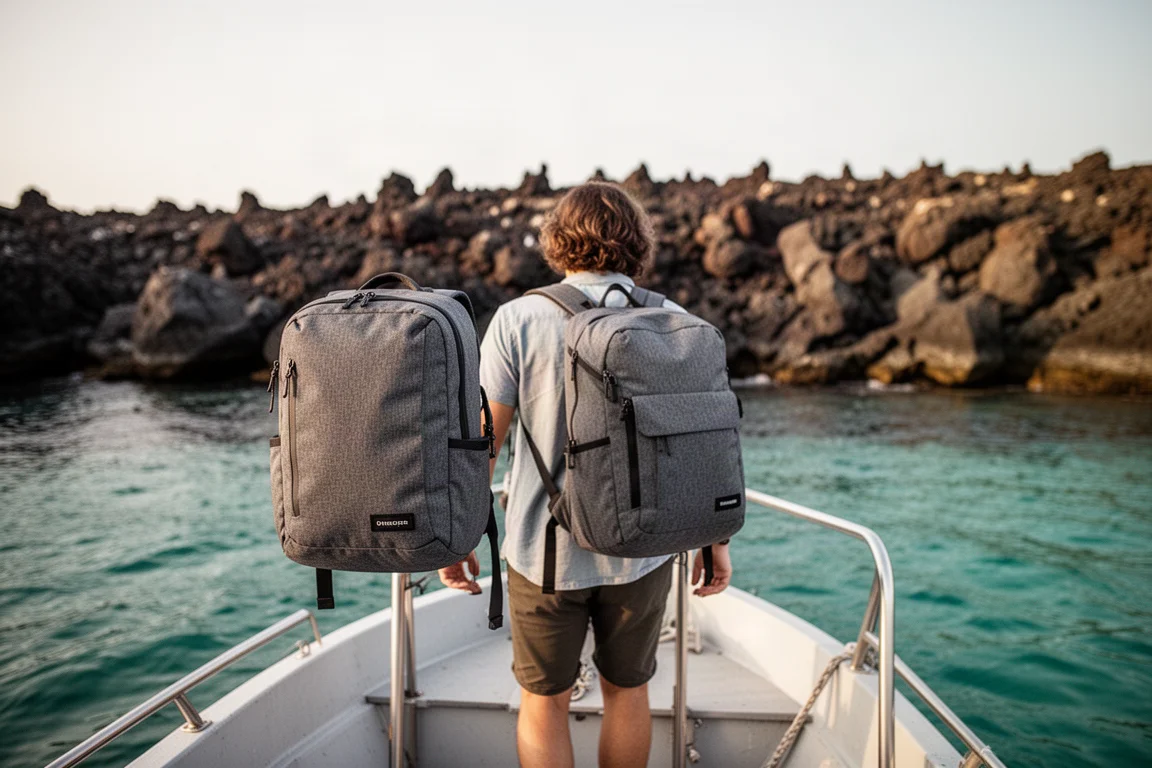
If you value organization, durability, and character over minimum weight, this pack is easy to recommend.
The Day Pack: Osprey Ultralight Waterproof Stuff Sack
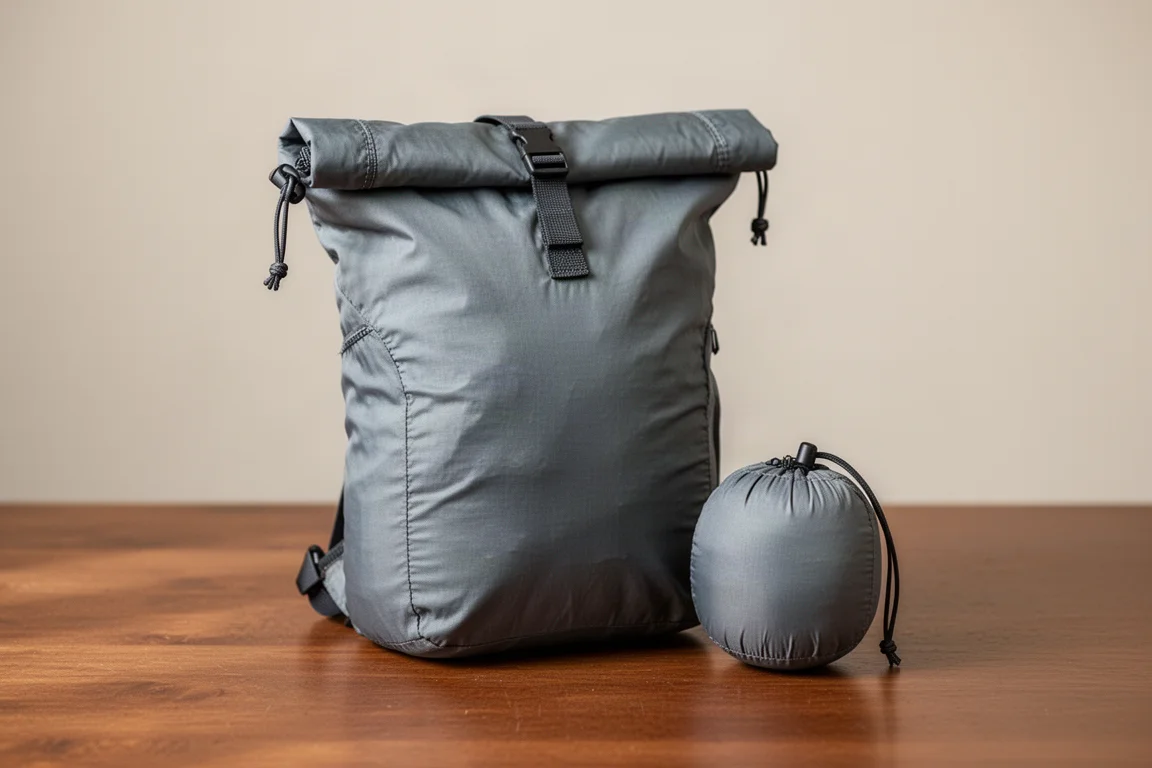
Being on the ocean constantly called for a day pack that was more waterproof than a standard packable bag, and the Osprey Ultralight Waterproof Stuff Sack delivered. The packability is hard to beat: it compresses into its own tiny pouch, which doubles as the interior pocket. It is lightweight, durable, fully waterproof with sealed seams, and uses a roll-top closure.
Compared with the Matador Freefly it replaced, this one is slightly smaller, noticeably lighter, packs down smaller, and costs less. The only real downside, common to most packable day packs, is the lack of structure, so it looks a bit floppy when not fully loaded. Any wrinkles from being stuffed in its pouch work themselves out after carrying it around.
Clean Water Anywhere: Grayl UltraPress
The Grayl UltraPress has become a fixture in this packing setup, having also come along on a trip to Argentina. It is a little heavy, but in countries where tap water is not trustworthy, the ease and efficiency of pressing clean water on the spot is worth the weight penalty.
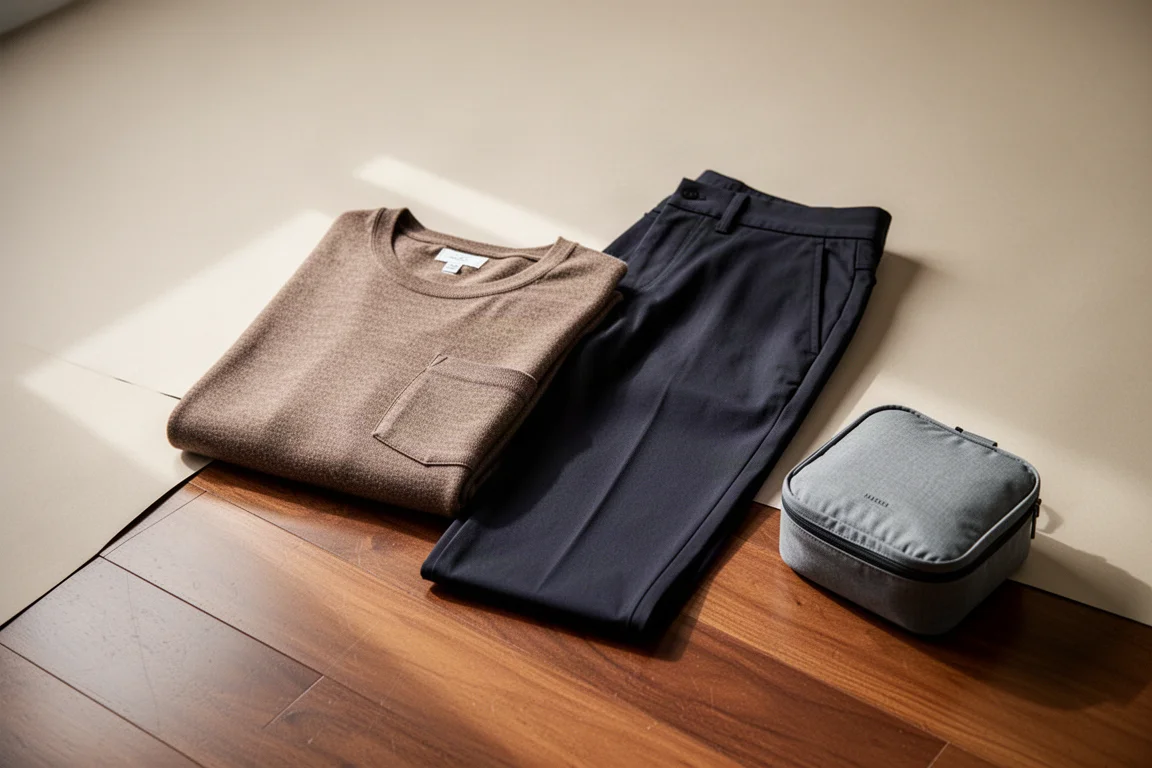
One cautionary note from the field: it is easy to leave behind. This one was accidentally left in a hotel in the Galapagos, so plan on an alternate bottle or a careful hotel checkout routine.
Wildlife Watching: Zeiss Mini Binoculars
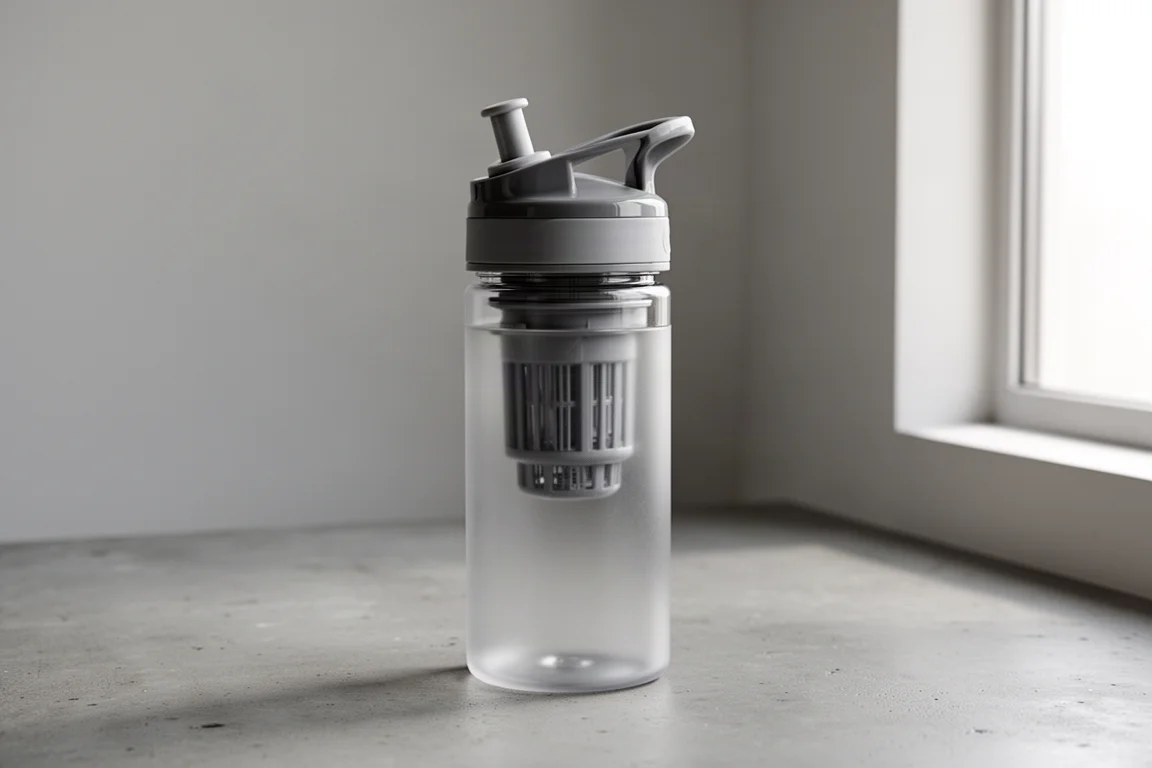
For a trip built around wildlife, compact binoculars were a smart last-minute addition. The Zeiss mini binoculars are small, portable, and surprisingly high powered for their size. The focus and eyepieces are easy to adjust, and the magnification matches a much larger full-size pair of Zeiss binoculars, with the lens aperture only five millimeters smaller.
They are small enough to pack up and drop into a pocket, which means they actually get used rather than left in the bag. The included hard case offers good protection but is a bit bulky, so swapping it for a softer pouch is a worthwhile tweak.
Rain Cover: Brawley Travel Windproof Mini Umbrella
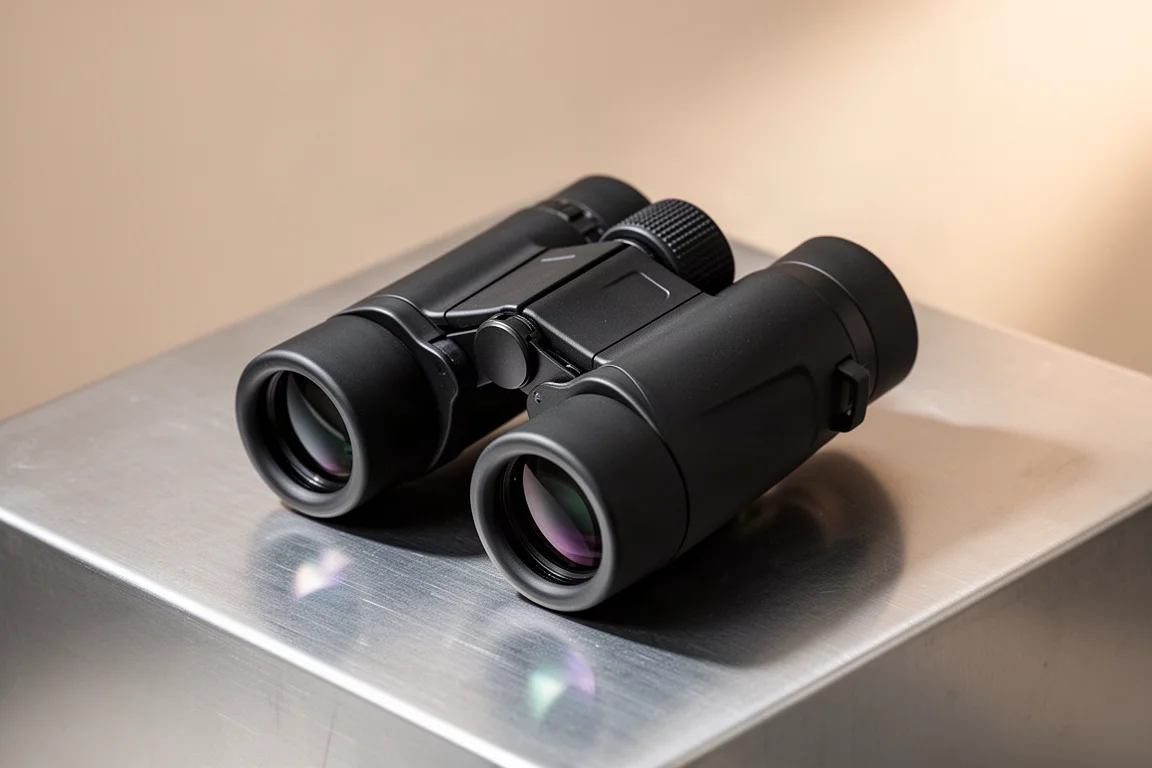
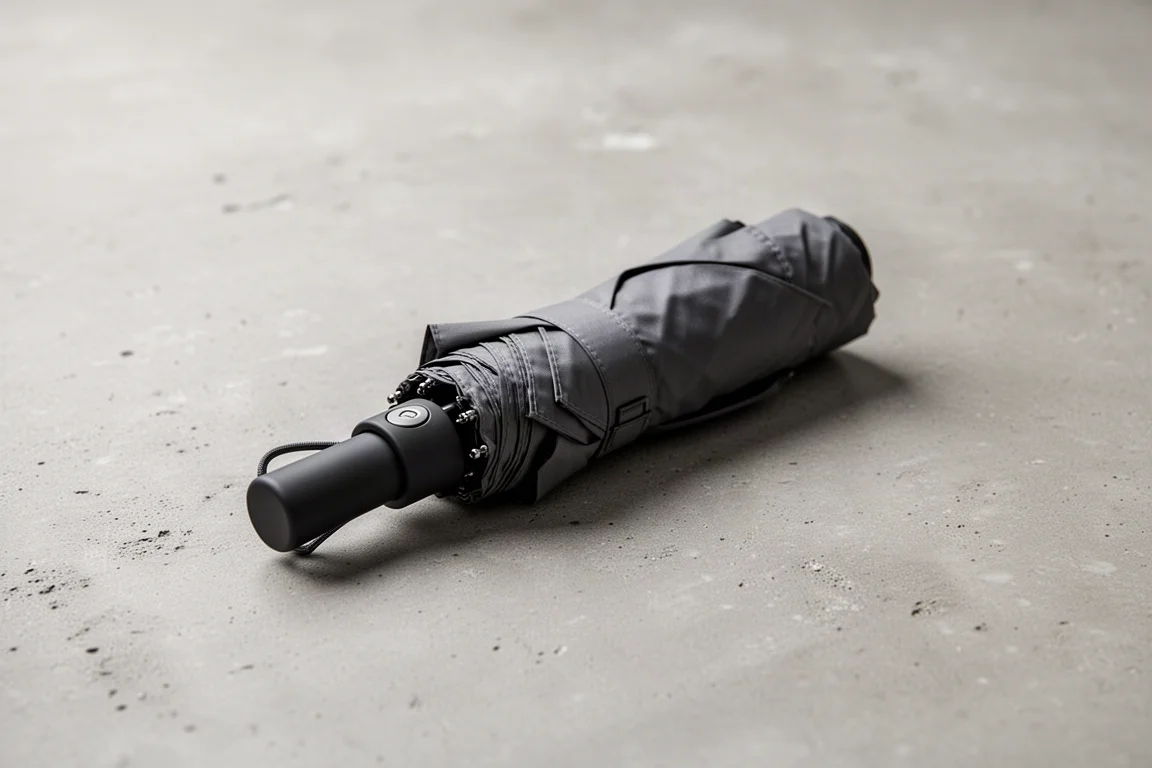
The Brawley Travel Windproof Mini Umbrella is smaller and lighter than any standard mini travel umbrella in the collection, and that size advantage proved its worth during more than an hour of standing rain in Quito. The design is unusual: the ribs have a slight bend in them, so you pop the canopy out and then unfold each individual rib to open it.
As long as you keep your shoulders tucked in, it performs nearly as well as a regular umbrella despite the tiny footprint. If size and weight matter more than maximum coverage, this is a trade worth making.
Merino Clothing: Unbound Merino Pocket Tee and Travel Pants
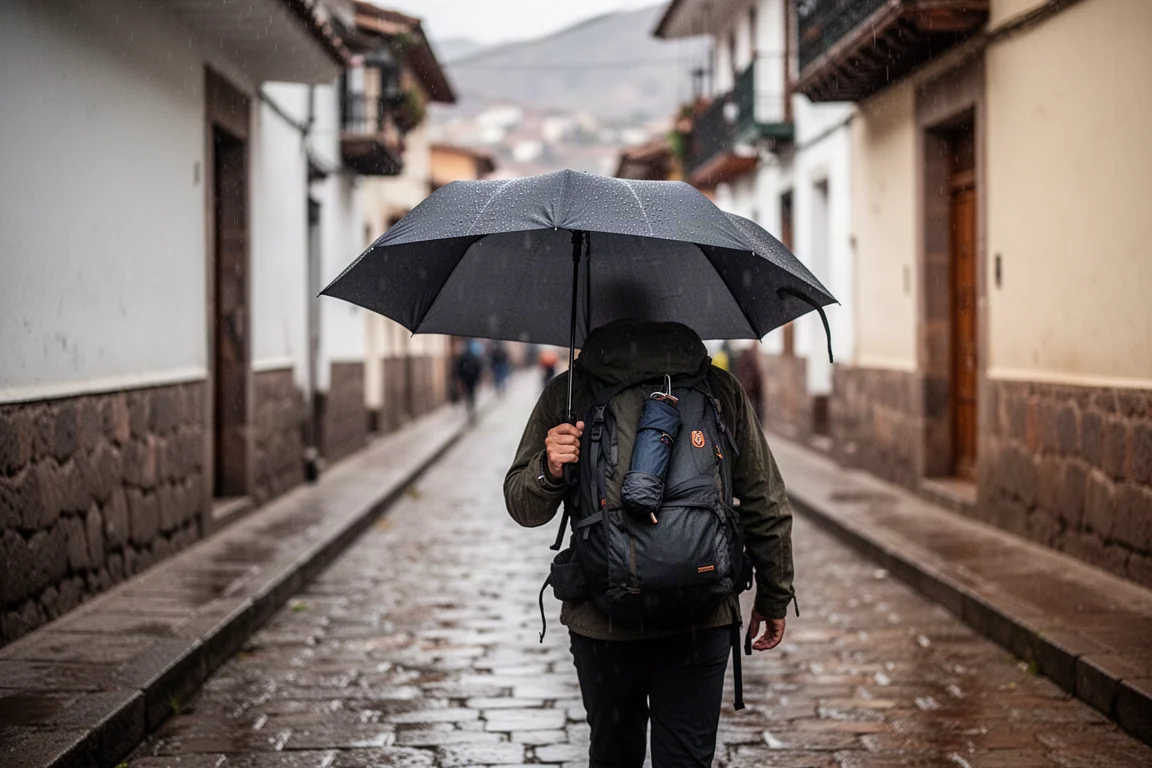
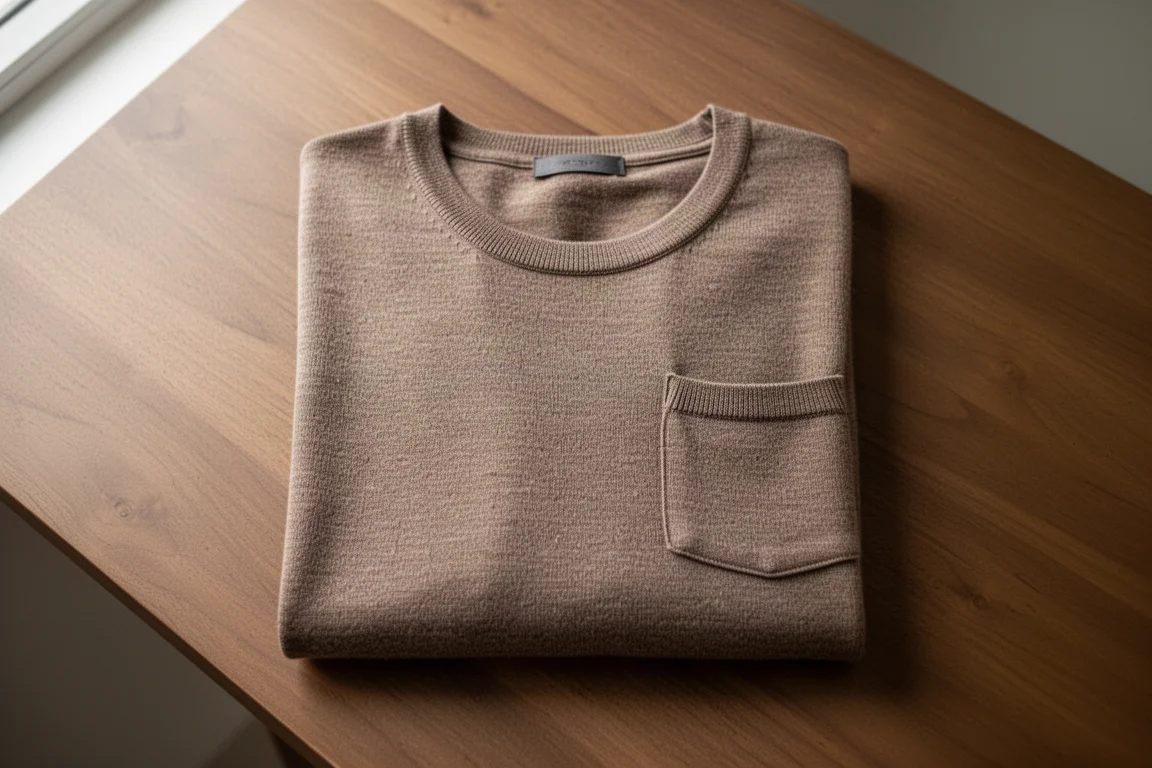
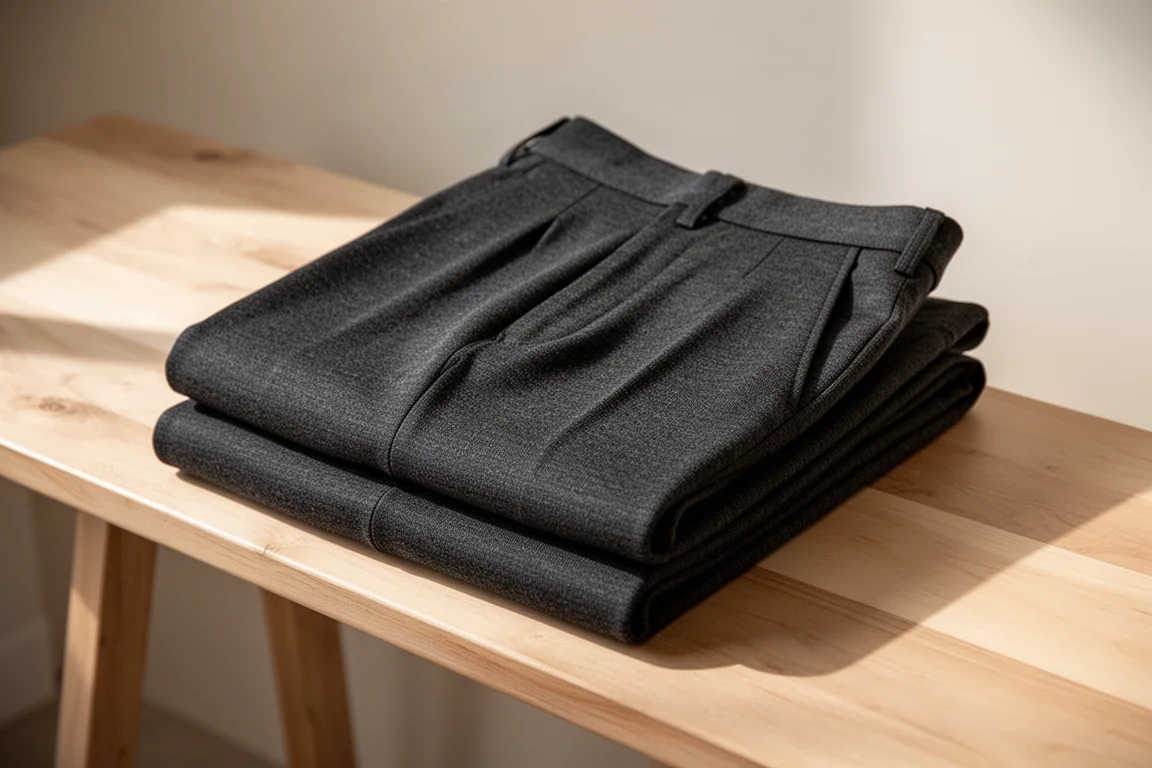
Slimming down clothing with merino wool paid off on this trip. The Unbound Merino Pocket Tee is 100 percent wool and, while there is a slight itch, it is noticeably better than many other merino shirts. The Unbound Merino Travel Pants are 95 percent merino wool and came across as stretchy and comfortable.
The real benefit of comfortable merino is the laundry situation. Because merino can be worn repeatedly without washing, the amount of laundry on the trip drops dramatically, which keeps packing minimal and travel days simple. For anyone who has written off merino because of itchiness, these two pieces are worth a second look.
Power: Nitecore NB10000
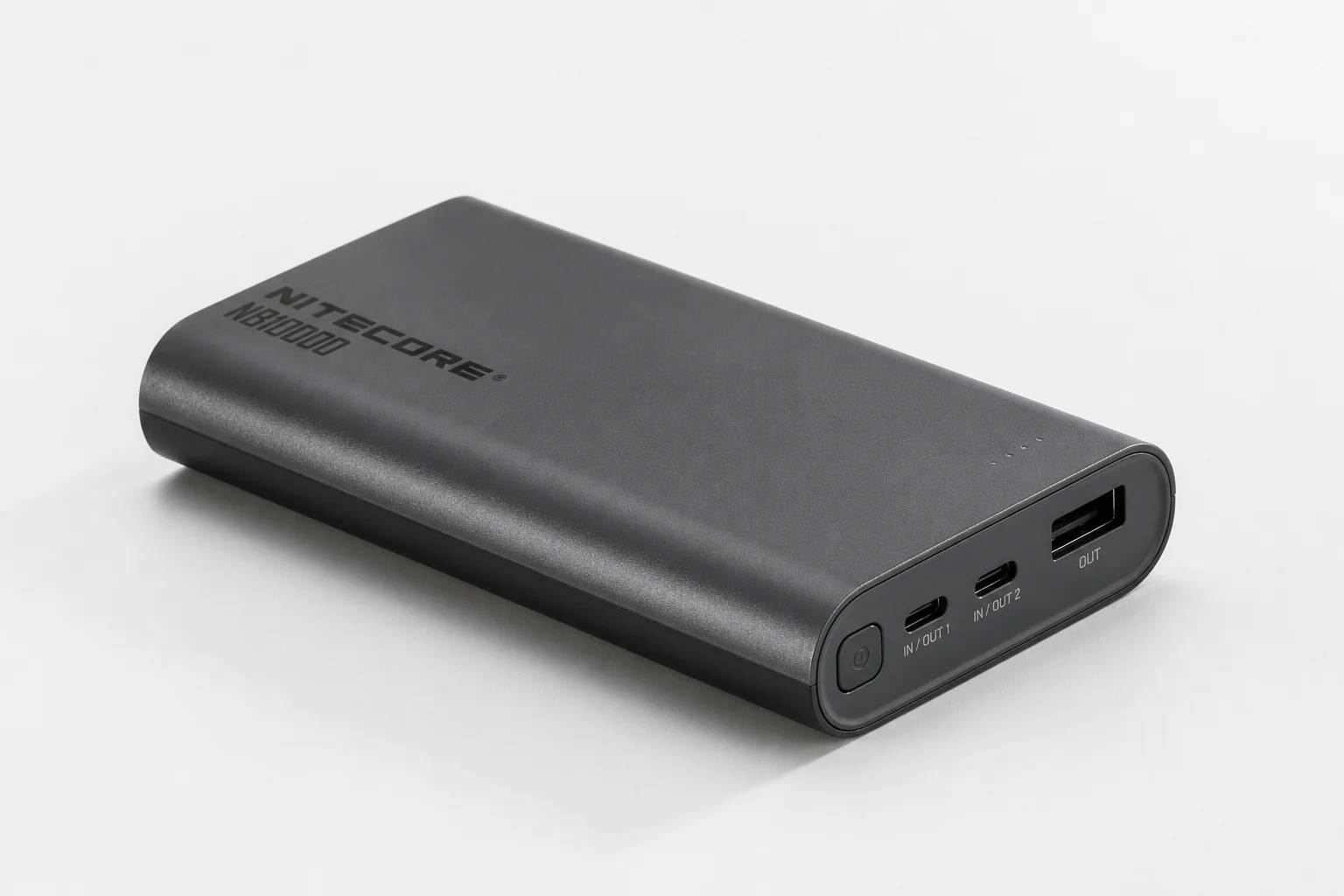
The Nitecore NB10000 battery pack completed its second long trip and still works great. This is exactly the kind of track record you want from a power bank: small, reliable, and proven across multiple international journeys. Ecuador uses the same plugs as the United States, so a travel adapter was not strictly necessary, though a long-held four-prong card adapter came along anyway out of habit.
Laundry and Toiletries Setup
The toiletries kit stayed mostly unchanged from the original packing list, with two useful choices. A liquid castile soap handled laundry duties, and a Raw Elements sunscreen worked best for the face. Instead of carrying a separate dry bag or scrubber, the waterproof day pack pulled double duty as a laundry bag: fill it partway with water and soap, push the air out, seal the roll top, and squish the clothes around.
One note on that technique: the hard seam at the top of the roll closure is a little thin, so it takes a few extra rolls to get a tight seal, and some leakage did occur. Doing it in a bathroom sink made that a non-issue.
Final Buying Advice
Every item here earned its place through real conditions: ocean crossings, mountain rain, humid island heat, and constant transit. If you are building a one-bag travel kit, the strongest starting points are the packable waterproof day pack, the merino clothing, and the water filter bottle, since those solve problems every traveler faces. The binoculars and mini umbrella are trip-specific upgrades that shine when your itinerary matches theirs, and the battery pack is a set-and-forget companion that just works.
Conclusion
Two and a half weeks out of a 30 liter pack across Ecuador and the Galapagos came down to choosing gear that does more than one job and packs down small. A few items, like the Grayl UltraPress, need careful handling so they do not get left behind in hotels, but overall this setup proved that a light, well-chosen kit can cover cold rain, tropical sun, and everything in between. Match each piece to your own itinerary and most of these picks will serve you just as well.
Further reading
Related Reviews
Travel Gear
12 Essential Travel Items That Make Every Trip Better
After traveling to over 150 cities worldwide, here are the practical items that have become indispensable for modern travel.
Travel Gear
Best One-Bag Travel Gear for Long Trips: 8 Essentials
A practical guide to the travel gear that proved its worth over 30 days of one-bag travel in Southeast Asia, from the pack to the power bank.
Travel Gear
Best Shoes for Camino de Santiago: Hiking Boots, Trail Runners, or Barefoot
A practical guide to choosing the right footwear for the Camino de Santiago, comparing hiking boots, trail running shoes, and minimalist barefoot options across different routes and seasons.