Travel Backpacks
EcoHub Travel Backpack Review: Two Budget Personal-Item Packs Compared
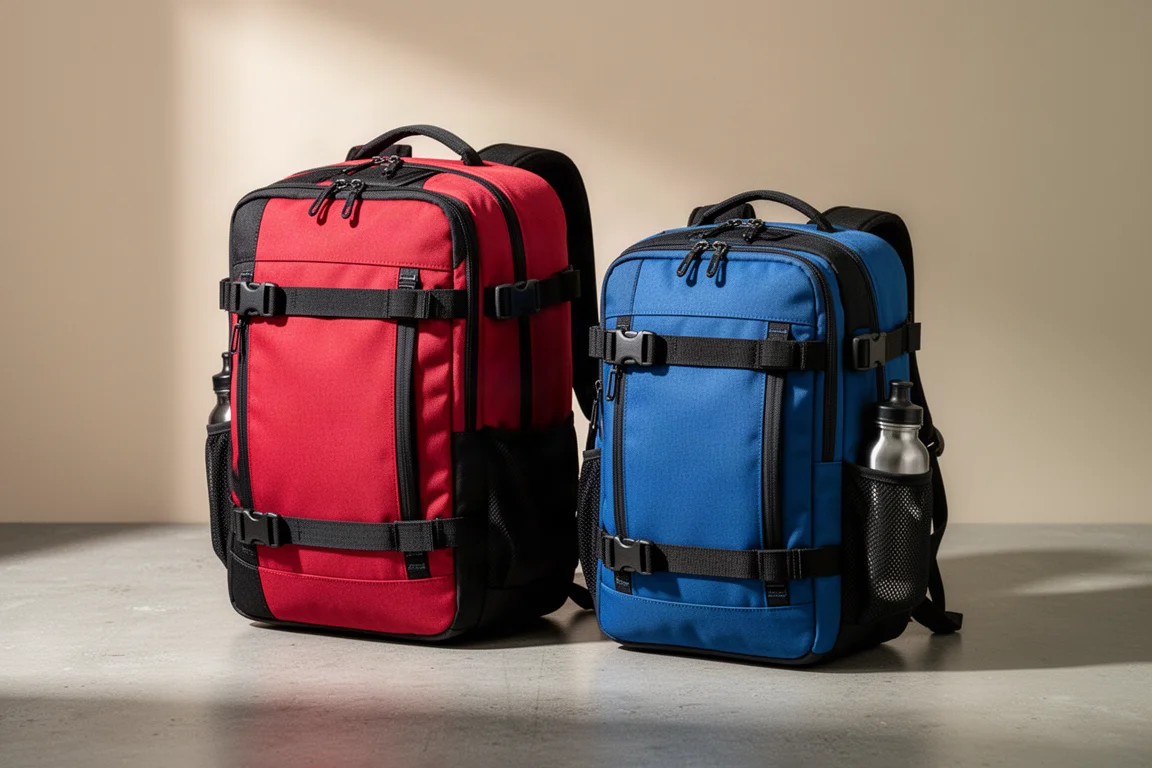
The EcoHub travel backpack comes in a 30L 18-inch and 25L 17-inch size, both built to squeeze the most usable space out of a personal-item footprint.
Introduction
Not every travel backpack needs to be expensive. The EcoHub travel backpack is a good example of a budget personal-item pack that does a genuinely useful job: it maximizes packable space, offers a lot of small-gear organization, fits under the seat on most airlines, and costs a fraction of premium travel packs. After testing both sizes on several flights, the takeaway is consistent: expect budget materials and a basic carry system, but a lot of practical volume for the money.
Two Sizes for Different Airline Rules
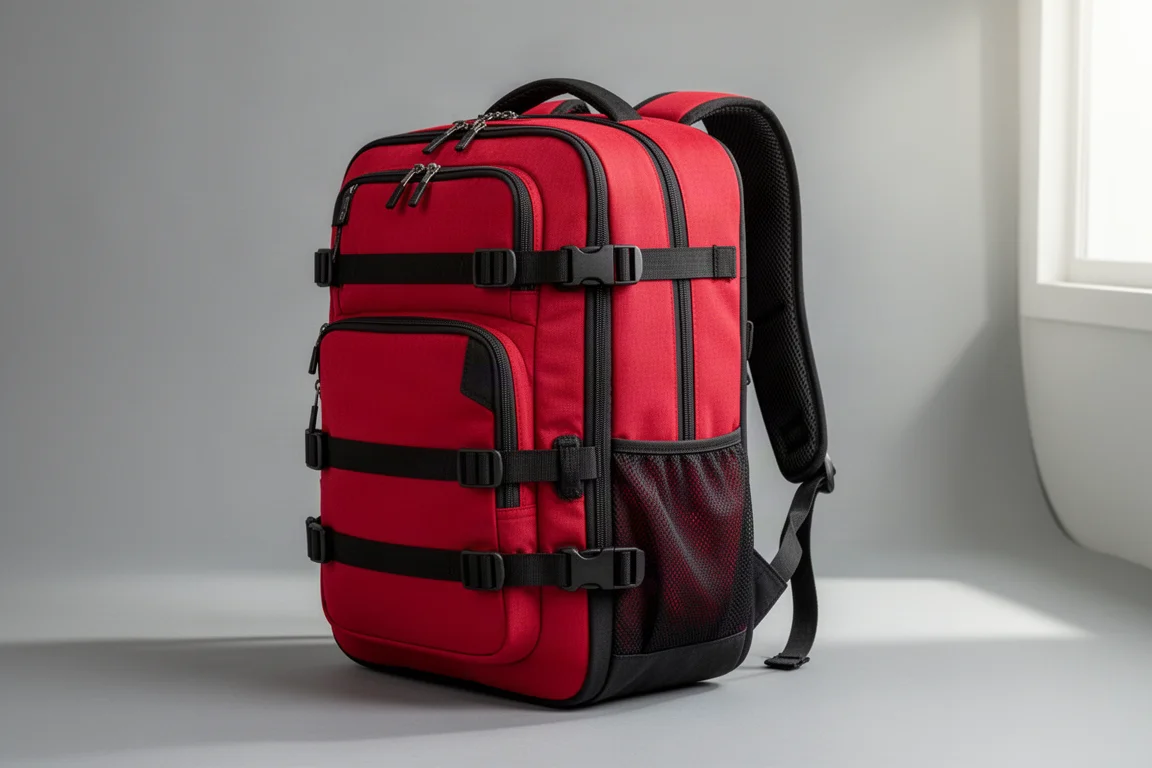
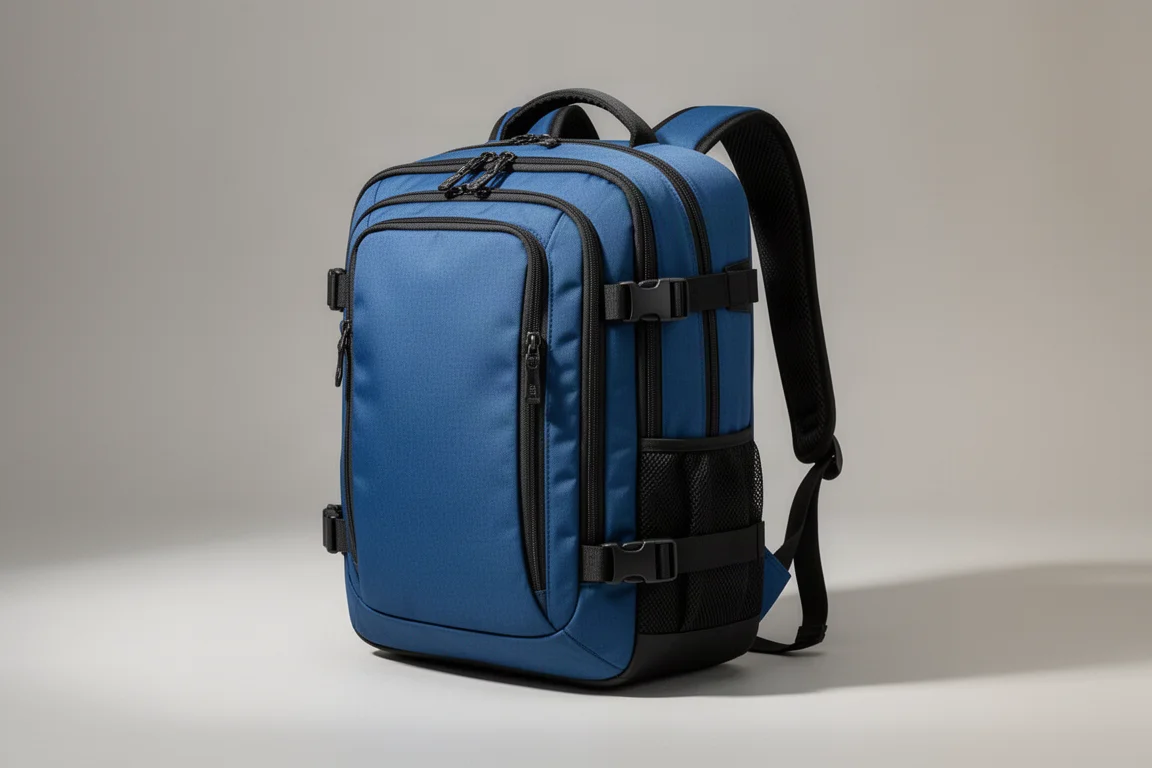
There are two size options, both personal-item sized. The larger red 18-inch version is listed at 30L, with dimensions that match the exact sizer of many budget airlines in the US such as Frontier and Spirit. The smaller blue 17-inch version is listed at 25L and works on more restrictive airlines like Alaska and JetBlue.
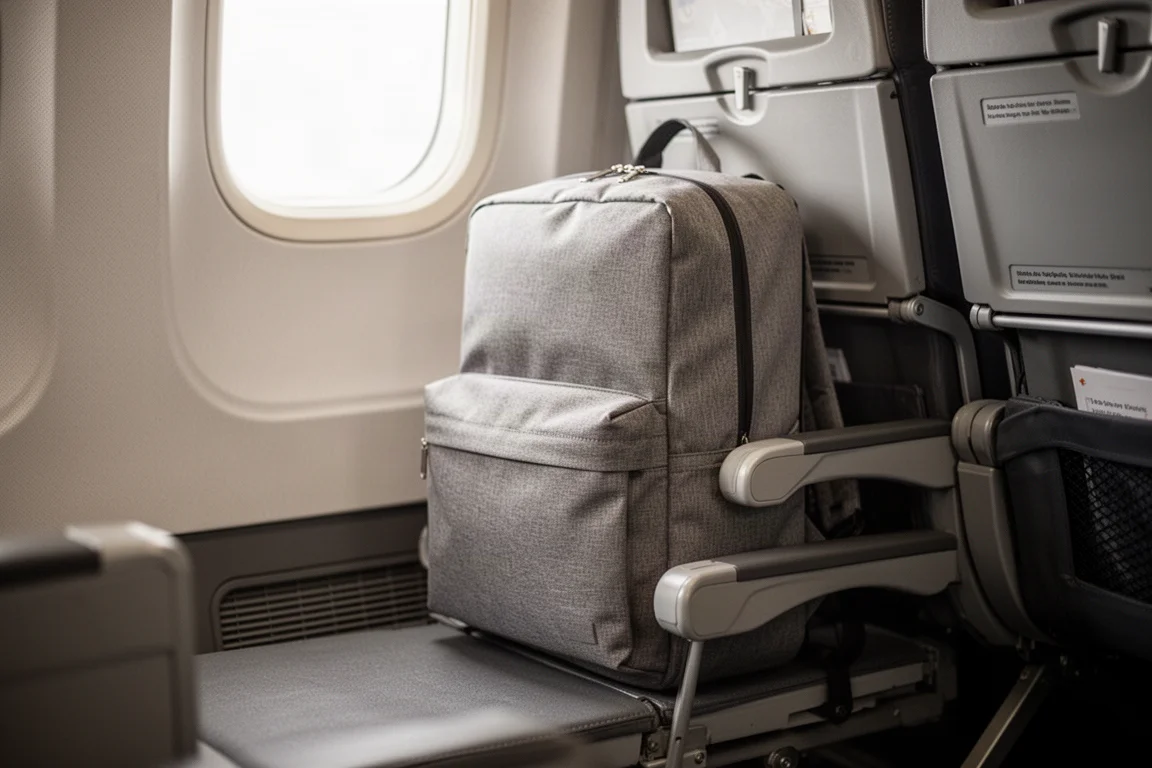
One practical caution: with almost as many bag-dimension policies as there are airlines, some carriers are stricter than either of these sizes can satisfy, so always check your specific airline and ticket. A soft-sided bag also helps at the gate, but only if you do not overpack it.
Capacity: What Fits Actually Inside
Measured with packing peanuts, the real numbers differ slightly from the labels. The 18-inch pack held roughly 32L when packed out, meaning the 30L listing is actually a touch conservative. The 17-inch pack only accepted about 22L despite the 25L label, so its estimate runs a bit high.
The rectangular shape is basic and boxy, but it is the best form for maximizing interior volume, and these are among the highest-capacity bags you can get for personal-item dimensions. The main risk is softness: pack the bag too fat and it may not slide into a strict sizer, so keep the depth under control.
Materials and Construction
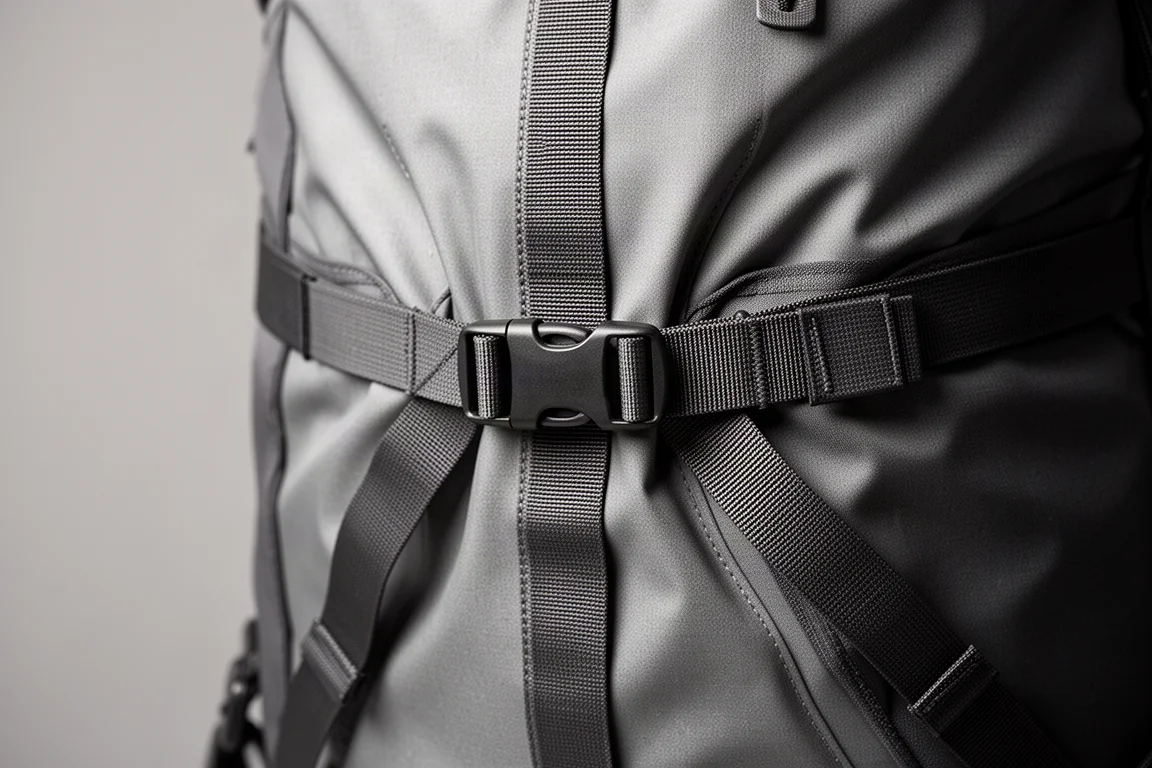
This is a budget backpack and the construction reflects it. The fabric is a midweight recycled polyester with SBS zippers and hardware, which are decent but not on the level of YKK. Compared with premium packs such as those from Peak Design or Pioneer Carry, the difference in quality is noticeable. That said, price is a trade-off, and if you just need a good pack to get you out the door, the EcoHub is more than sufficient.
Features: Front Pockets, Straps, and Hidden Storage
The feature set is identical across both sizes. You get two front pockets, a side water bottle pocket, four compression straps, a top slash pocket, a luggage pass-through sleeve, and a hidden secret pocket behind the back padding.
The top slash pocket is thin but large enough for small gear and electronics you want quick access to. One front pocket is a side-access slash pocket suited to thin items like books or magazines, while the other is nearly a full panel zip with divider sleeves and real volume of its own, big enough on the 18-inch bag to hold a light jacket. The stretchy mesh side pocket fits a one-liter Nalgene-style bottle on both sizes, and the four compression straps cinch the bag down into a personal-item sizer effectively. The secret pocket sits at the intersection of the luggage pass-through sleeve, making it nearly invisible and a good spot for a passport or travel wallet.
Interior Organization and Packing
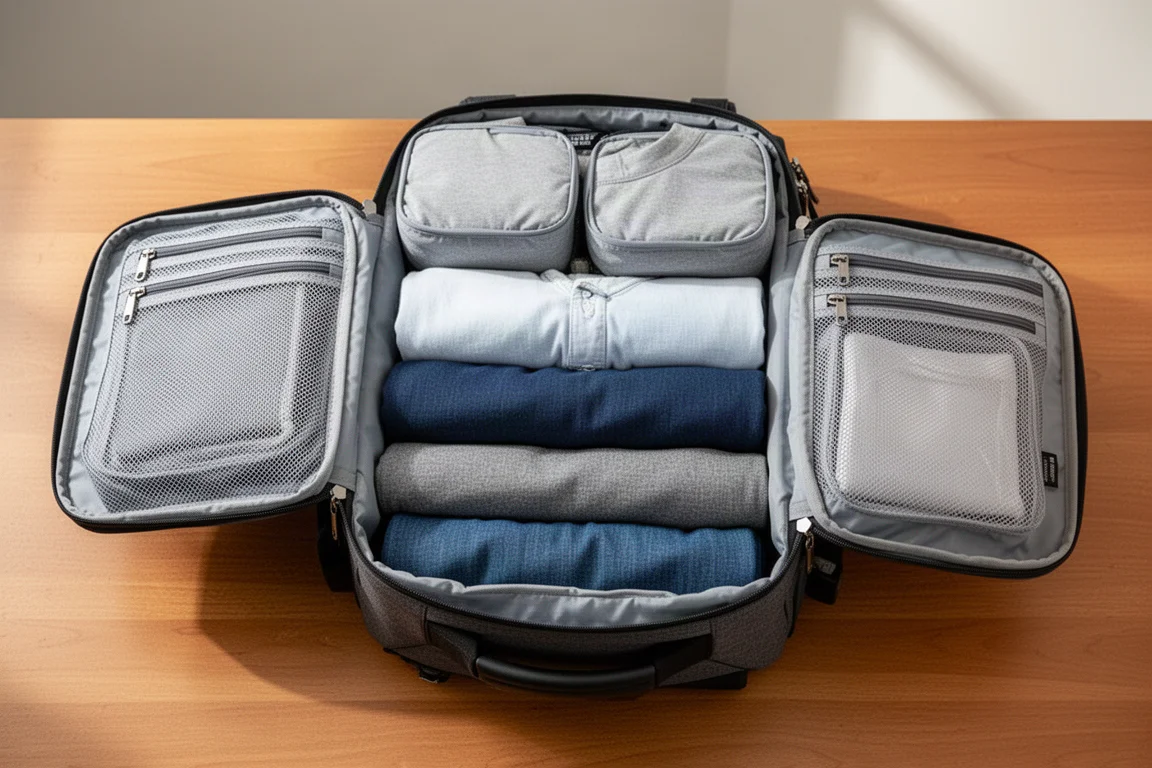
The interior is arguably the best part of this bag. A large clamshell zipper opens around the bag into a big rectangular main compartment, similar to a suitcase. Inside there is a stretchy luggage strap on the lid side, two mesh zipper pockets, a small stretchy gear pocket, and a battery pocket with a pass-through for a charging cable.
There is no dedicated laptop compartment, though the brand offers a very similar model that does include one, so heavy electronics users may want that variant. Packing cubes help organization: in the 17-inch pack, a medium compression cube plus a small cube oriented the other way, with a sweater and toiletry kit filling the rest, came to a fully packed weight of about 4.3 kg (9.3 lb). The 18-inch pack accepts the same cubes sideways or a medium compression cube straight, with room for a shirt, sling, and toiletries, coming to about 5.8 kg (12.8 lb) packed out.
EcoHub 18in 30L Travel Backpack
The red 18-inch version is the volume pick. It matches the sizer dimensions of many US budget airlines and, when measured, actually swallowed around 32L of packing peanuts. Its larger front pocket is deep enough for a light jacket, and it fits a medium compression cube plus small cube comfortably.
The catch is comfort. Because it shares the same thin straps and frameless design as the smaller version, the minor carry quirks get worse as weight goes up. If you choose this size, keep the load as light as you can.
EcoHub 17in 25L Travel Backpack
The blue 17-inch version is the pick for stricter airlines like Alaska and JetBlue. It is small enough that you simply cannot overload it, which keeps the squishy frameless carry manageable. Its real-world capacity measured closer to 22L, and it still holds a medium and small compression cube plus a sweater and toiletry kit.
If your priority is maximum carry-on flexibility under tight sizer rules and your loads stay modest, this is the size to get.
Carry Comfort and the Trade-Offs
The carry system follows the budget theme: simple open-cell foam shoulder straps with breathable mesh, the same material as the back padding. There is no sternum strap, no load lifters, no hip belt, and the bag is frameless, with a thin foam sheet as the only structure.
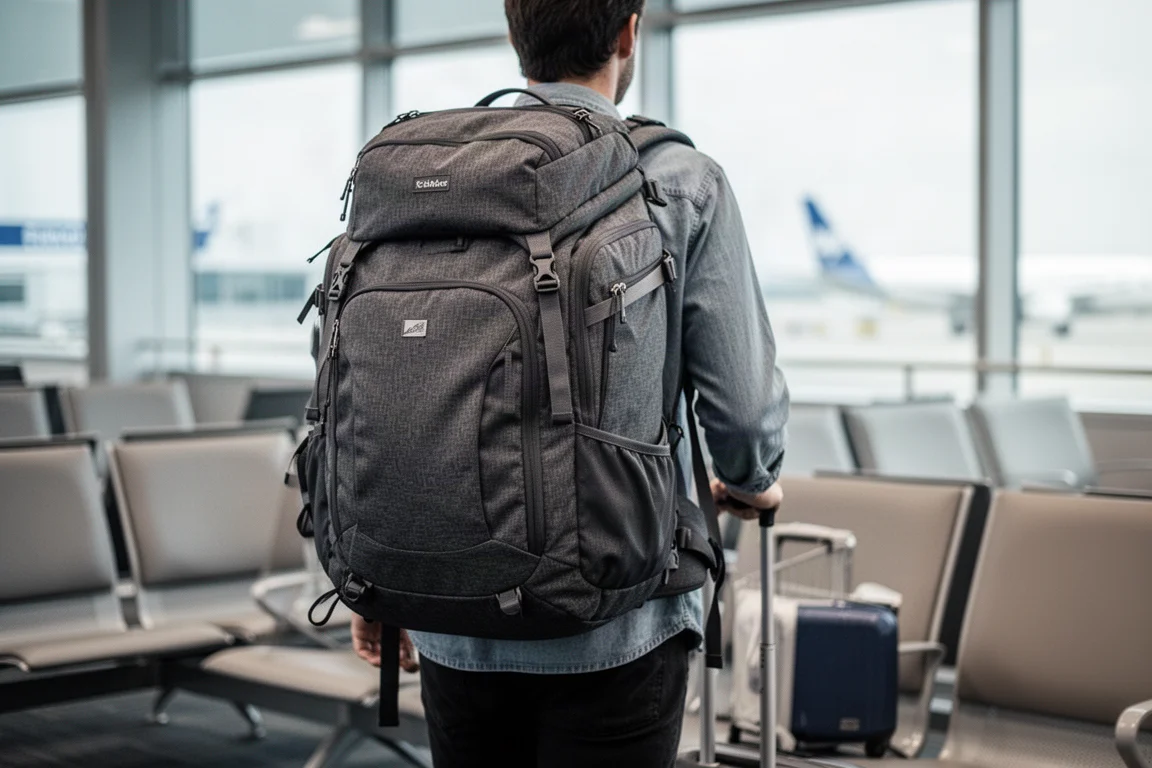
With light loads these bags carry fine. With heavy electronics or dense packing, the frameless design can produce a rounded back panel and pointy objects poking into your back, a problem that grows on the larger 18-inch size.
Buying Advice
Go into this purchase expecting an inexpensive bag with just enough features to get you traveling, and the EcoHub will not disappoint. If you expect premium materials, structural support, and the bells and whistles of a more expensive pack, you will be let down. Choose the 17-inch for restrictive airlines and lighter loads, and the 18-inch for maximum personal-item volume if you can keep the weight down.
Conclusion
The EcoHub travel backpack is a solid budget option for minimalist travelers. Both sizes pack a remarkable amount of gear into a personal-item footprint, the interior organization is excellent for the price, and the trade-offs, basic materials and a simple carry system, are exactly what you would expect at this price point. For travelers who just need a capable bag to get out the door, it is an easy recommendation.
Further reading
Related Reviews
Travel Backpacks
Outdoor Vitals Dakota UL Review: One 45L Pack for Travel and Backpacking
A practical look at the Outdoor Vitals Dakota UL, a 45 liter pack that opens like luggage, carries a laptop, and converts for trail use with a removable frame and detachable hip belt.
Travel Backpacks
Outdoor Vitals Koda UL Review: One Bag From Terminal to Trail
A hybrid travel and backpacking pack with a sleek carry-on shape and a frame tuned for all-day comfort under a real multi-day load.
Travel Backpacks
Outdoor Vitals Kota UL Review: One Pack for Flights, Cars, and Backcountry Camps
A close look at the Outdoor Vitals Kota UL, a travel-first backpack designed to stay comfortable under backpacking loads and still slide into an overhead bin.