Outdoor Gear
Eberlestock Bando Review: A Small Multi-Wear EDC Pouch
A close look at the Eberlestock Bando, a lightweight multi-wear pouch for everyday carry, with honest notes on capacity, comfort, and access.
Introduction
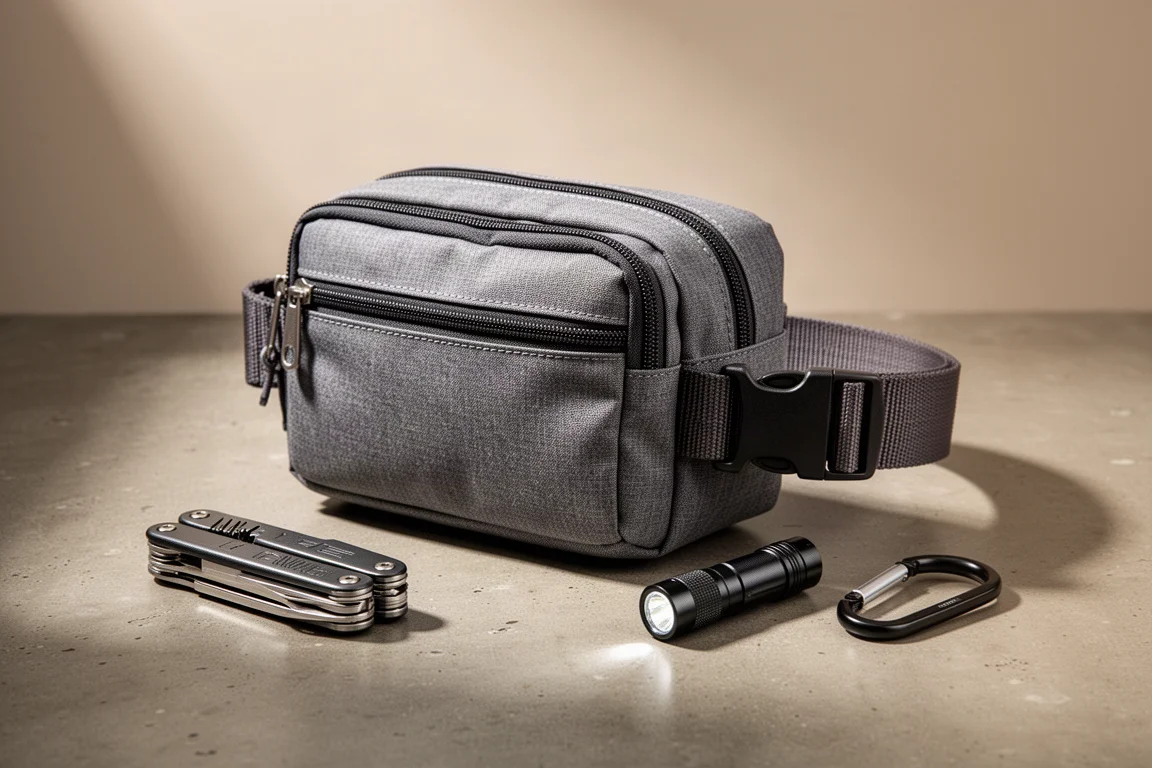
Eberlestock is a brand most often associated with hunting gear and tactical equipment, and the Bando is a deliberate step toward something more everyday. It is a small multi-wear pouch, named after the Bandelier area, that can be worn as a lumbar pack on the lower back, rotated to the front as a waist bag, or carried on the hip. With an extension strap, purchased separately, it can also be worn crossbody, though that is not the configuration it was designed around.
It is offered in two sizes. The standard version reviewed here is the smaller of the two, while an XL model adds noticeably more room. The standard size lists at $49 and the XL at $59. Both are aimed at everyday carry rather than dedicated outdoor expedition use.
Who the Eberlestock Bando Is For
The Bando is built around two ideas that do not always sit together: a low-profile everyday pouch and a rear compartment intended for concealed carry. The standard size is sized around subcompact firearms, while the XL version is intended for full-size models. You are not obliged to use that compartment for a firearm at all, and many owners will simply treat it as a flat, secure pocket for documents or a phone.
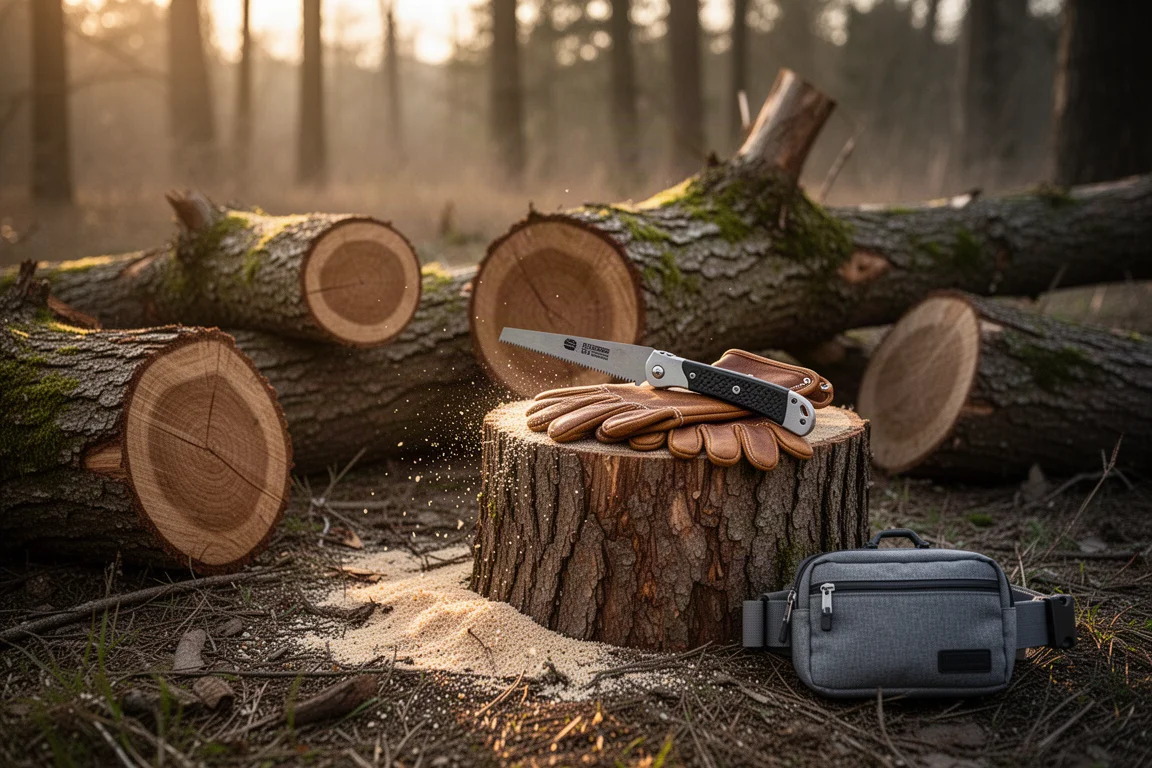
Beyond that, the pouch suits anyone who wants a small set of essentials off their body but still within reach. That means keys, a wallet, a phone, earplugs, a headlamp, a folding knife, or a small first aid item. It is also genuinely useful for working around a property or a piece of land, where you want your pockets empty while you bend, kneel, and move.
It is less suited to anyone who wants fast, one-handed access to what is inside, or who needs to carry a meaningful amount of gear. This is a small pouch, and its limits show up quickly once you start loading it.
Main Strengths: Construction and Weight
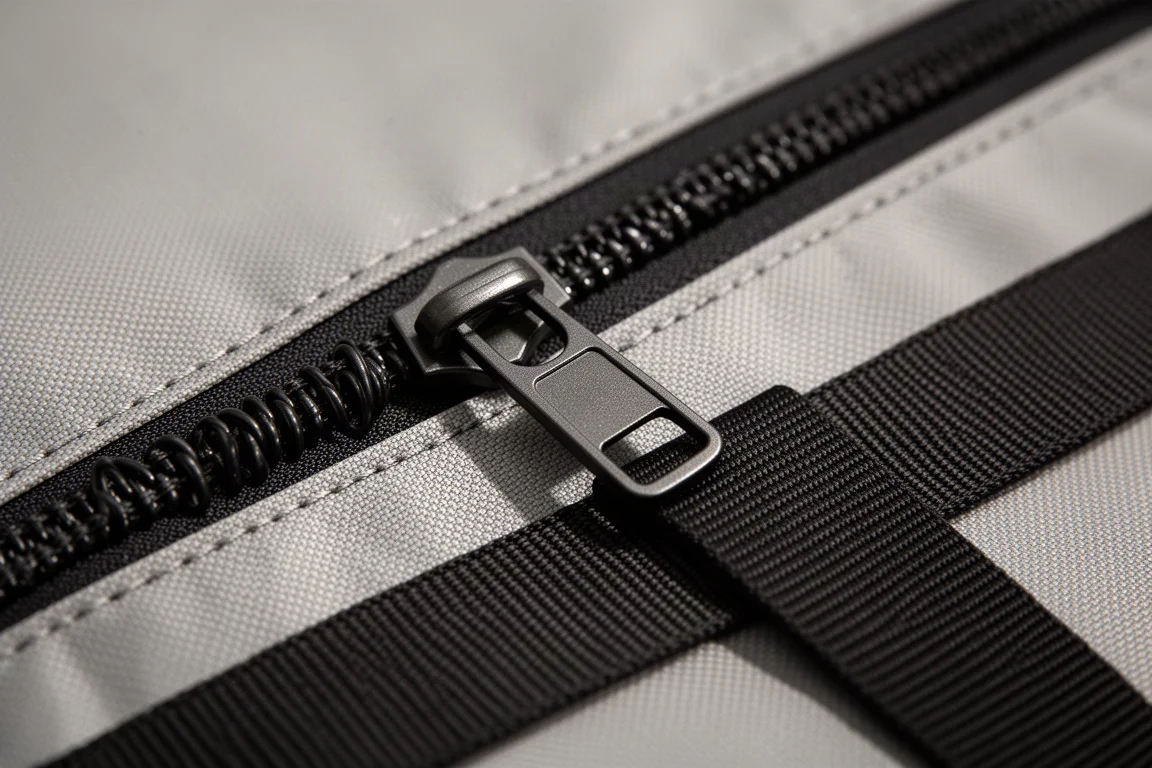
Construction is the strongest argument for this pouch. The stitching is clean and consistent, with no loose threads, and the overall build quality reflects the standard Eberlestock is known for. The hardware backs that up: the zippers are YKK, and the buckles are UTX, both of which are dependable choices for a pouch that will be opened and closed constantly.
Weight is the other standout. At 8 ounces, the Bando is light enough that you can wear it empty and forget it is there. That matters for a piece of gear you may keep on for hours at a time.
Comfort is better than the size suggests, largely because the load is so small. The pouch spreads weight evenly across the back, and when worn as a lumbar pack it sits comfortably and stays out of the way. The waist belt is fully adjustable and, once set, stays secure with no loose strap ends dangling.
Design, Materials, and Carry Options
Here the Bando gets harder to evaluate. Eberlestock does not publish the specific fabric used on this pouch, which is unusual for the brand, and that leaves a question mark over long-term durability that YKK zippers alone cannot answer. The material is clearly some form of nylon, and it feels more civilian than the heavier fabrics the company typically uses on its tactical and hunting lines.
The belt runs from roughly 31.5 inches to 44 inches, and it uses a simple, effective buckle. Adjusting it, however, is a slow process. Cinching or loosening the belt realistically means taking the pouch off, making the change, and putting it back on. There is nothing quick about it.
Carry position matters a great deal. As a lumbar pack it works well. On the hip it handles fine. Worn at the front as a waist bag, it is awkward either way you position it: ride it low and your leg catches the bottom edge when you walk, ride it high and it sits uncomfortably across the stomach. Crossbody wear requires the extension strap, and even then the pouch was not designed for that role, so comfort is limited compared with purpose-built crossbody bags.
Two design omissions are worth noting. There are no attachment points on the top or the bottom of the pouch, which limits how much you can expand or rig it. And the back panel has no ventilation or mesh, so sweat build-up is expected during hard use or on warm days.
Capacity and Everyday Use
The Bando measures roughly 9.5 inches wide, 5 inches tall, and 3 inches deep. On paper that sounds reasonable. In hand it is smaller than most people expect, and the honest framing is that this is a small pouch rather than a standard one, with the XL sitting closer to what many would call large.
There are three main pockets. A small front pocket takes a wallet and keys, plus small items like earplugs. The second pocket is the largest and handles a headlamp, a knife, earbuds, or a compact medical item. Inside that pocket there is a mesh sleeve and two smaller sleeves for organising, and along the lid there is a strip of elastic that Eberlestock intends for a tourniquet.
For working around a property, this layout is genuinely effective. Load your wallet, keys, phone, and gloves, put the pouch on your lower back, and your pockets stay clear while you bend and move. When you need something, you rotate the pouch to the front, open it, and get on with your day.
That said, the capacity ceiling arrives fast. A typical chest rig carries considerably more, and anyone planning to load this pouch heavily should plan around its dimensions rather than assume them.
Concealed Carry Considerations
The rear compartment is the feature that separates the Bando from an ordinary waist pack. It is a large, flat pocket lined with loop material so a holster can be attached, and there are two loops at the bottom for a trigger guard or similar retention. The zippers are two-way and fitted with pull tabs.
Access, however, is slow by design. There are two zippers to work, pull tabs that can tangle, and a flap of material at the top that gets in the way. Because the pouch sits against your body and the belt compresses it, drawing from this compartment takes deliberate effort. If quick access matters to you, this is not the pouch that delivers it.
There is a second, more practical concern. When the pouch is rotated from the back to the front, the zippers on that rear compartment have a tendency to work themselves open. For a compartment intended to hold a firearm, that is a meaningful drawback rather than a nitpick.
Used simply as a secure flat pocket for documents or a phone, the compartment is fine. Used as a carry system, it asks for more patience and more checking than most people will want.
Things to Consider Before Buying
Think carefully about how you intend to wear it. Lumbar and hip carry are where the Bando makes sense. Front waist carry is uncomfortable in both positions and looks dated, and crossbody wear needs an added strap and still will not match a dedicated crossbody design.
Backpack compatibility is limited. Worn at the front under a pack it is uncomfortable, and worn at the lumbar position the buckle digs in while the bottom of the pouch gets pressed by the pack itself. It pairs far better with a chest rig, or with a small hydration carrier, than with a traditional backpack.
Running is a mixed proposition. With light contents it is manageable, but anything heavy, such as a firearm, will bounce and shift noticeably. Walking and working are the natural use cases.
One more note for anyone researching this pouch: a good deal of the negative commentary online traces back to an earlier version whose belt did not match the stated length. On the current version the belt measures out to the claimed 44 inches. It is worth checking which version you are looking at before drawing conclusions from older feedback.
Buying Advice
The Bando makes the most sense as a light, well-built work pouch rather than as a tactical solution. If you want something to hold keys, a wallet, a phone, and a few small tools while you work outside, keep your pockets free, and sit comfortably on your lower back, it does that job well at $49.
If your priority is concealed carry, be realistic about the trade-offs. The compartment is functional but slow, and the zipper behaviour when rotating the pouch is a genuine concern. The XL version at $59 is the better starting point if you need room for a full-size firearm, or simply want a pouch that holds a normal amount of gear rather than a minimal one.
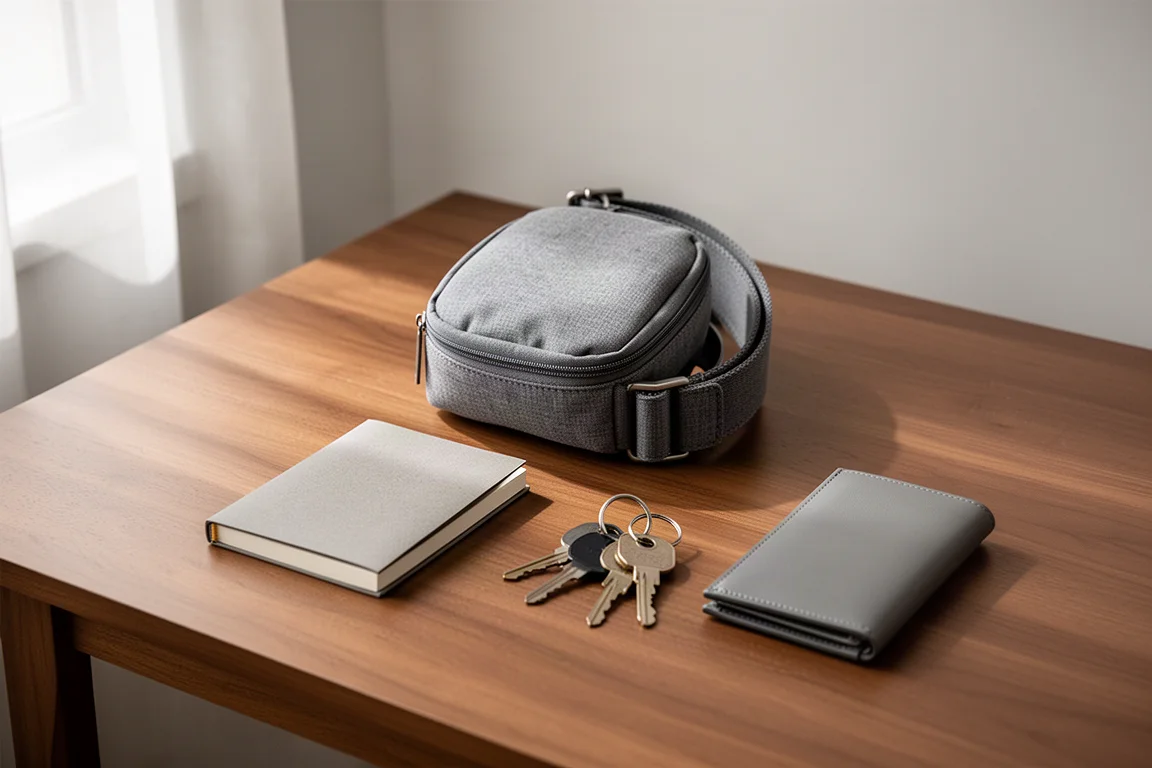
Either way, the strengths are consistent: precise construction, dependable YKK zippers and UTX buckles, and an 8-ounce weight that disappears on the body. The limitations are equally consistent, and they are all about size, access, and how you plan to wear it.
Conclusion
The Eberlestock Bando is an interesting product from a brand better known for hunting and tactical gear. It is very well made, very light, and comfortable in the positions it was designed for. It is also small, slow to access, and short on attachment points, and its rear compartment comes with caveats that matter if that is why you are buying it.
Buy it as a lightweight everyday work pouch and it will serve you well. Buy it expecting fast access or generous capacity and you will be disappointed. Match it to the job you actually have, and it is an easy recommendation at its price.
Product link
View more details for Eberlestock Bando
This product is mentioned in the review. Check the specifications, options, and compatibility before buying.
View more details for Eberlestock BandoFurther reading
Related Reviews
Outdoor Gear
Backpacking Gear Evolution: 100 Years of Technology Compared
We tested backpacking gear from 1925, 1975, and 2025 across a three-day hike in Yosemite. Here's how technology has transformed comfort, weight, and the outdoor experience.
Outdoor Gear
Best Affordable Hiking Watches: Five Rugged Options for Outdoor Adventures
Five durable hiking watches that balance ruggedness, functionality, and value for outdoor enthusiasts who need reliable GPS tracking and weather resistance.
Outdoor Gear
Best Backpack Coolers 2026: Five Practical Options for Outdoor Adventures
Five backpack coolers with distinct cooling capabilities, storage features, and design trade-offs to help you choose the right one for your outdoor needs.