Skis
Dynastar M3 118 Review: A Big Mountain Freeride Ski for Expert Skiers
A detailed look at the Dynastar M3 118, a full sidewall freeride ski with a poplar and polyurethane core, built for expert skiers in big mountain terrain.
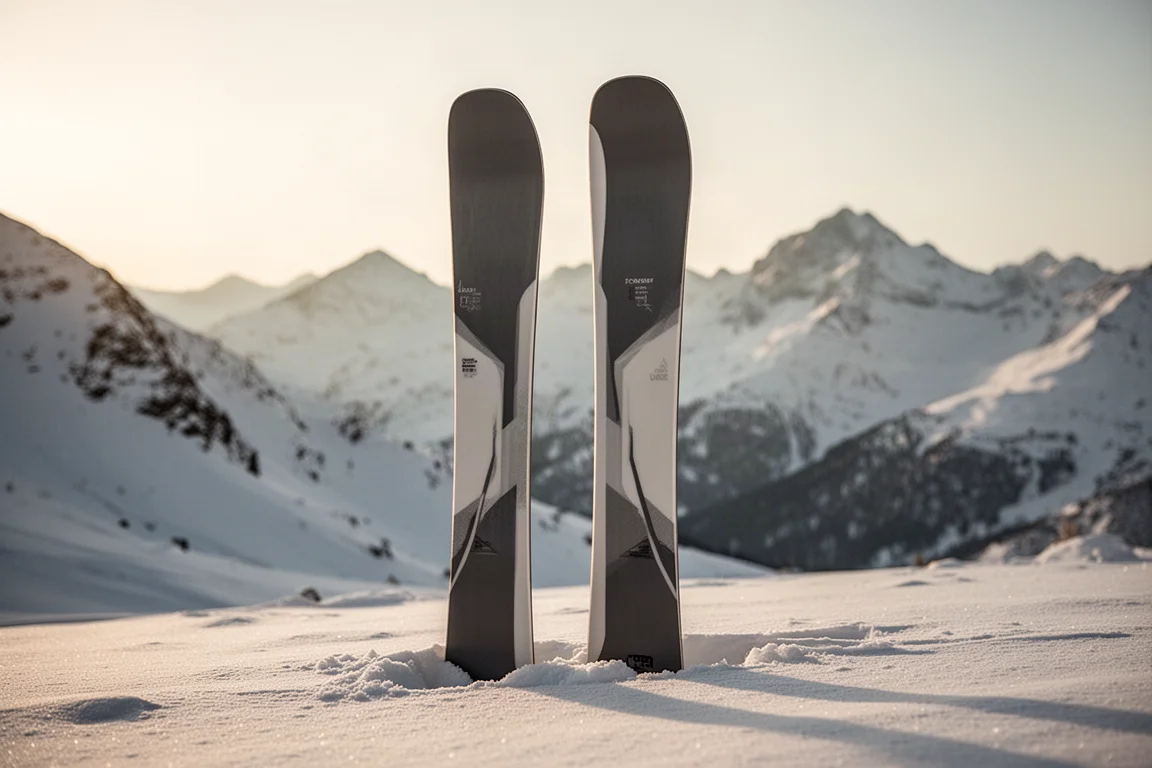
Introduction
The Dynastar M3 118 sits at the pointed end of the brand’s freeride range. It is built as a team pro model for big mountains, deep snow and technical terrain, the kind of huge faces where commitment is rewarded and hesitation is not. It is not a ski that tries to do everything well. It is a tool aimed at the most advanced and expert skiers, and it makes a certain amount of sense that Dynastar, a brand based in the Chamonix valley, would shape a ski this purposeful for the mountains it designs around.
That focus explains why a ski like this turns up at Freeride World Tour events and other big mountain competitions, and why it tends to end up under the feet of some of the most progressive and aggressive skiers around. A 118 mm waist, a full sidewall build and a 24 metre turn radius in the 189 cm length all point in the same direction: straighter lines, higher speeds and terrain that many skis would rather avoid.
This review covers what the M3 118 is built from, how its shape behaves on snow, who it genuinely suits, and what is worth weighing up before you commit to a ski this specialised.
Who the Dynastar M3 118 Is For
This is a ski for advanced and expert skiers who spend real time in big mountain areas. Think Jackson Hole, the Canadian Rockies and the larger European ranges, the places where a ski needs to hold an edge on firm, exposed terrain one run and stay composed through deep snow the next.
It is also a natural fit for competitive freeride skiing, where the terrain is steep, the entrances are technical and the line is rarely forgiving. The M3 118 is designed around that environment rather than adapted to it.
Where it makes less sense is for improving intermediates, for anyone who mostly skis groomed runs, or for riders who want maximum playfulness in the air. The build, the weight and the radius all favour speed and stability over easy, low-energy turning.
Construction and Materials
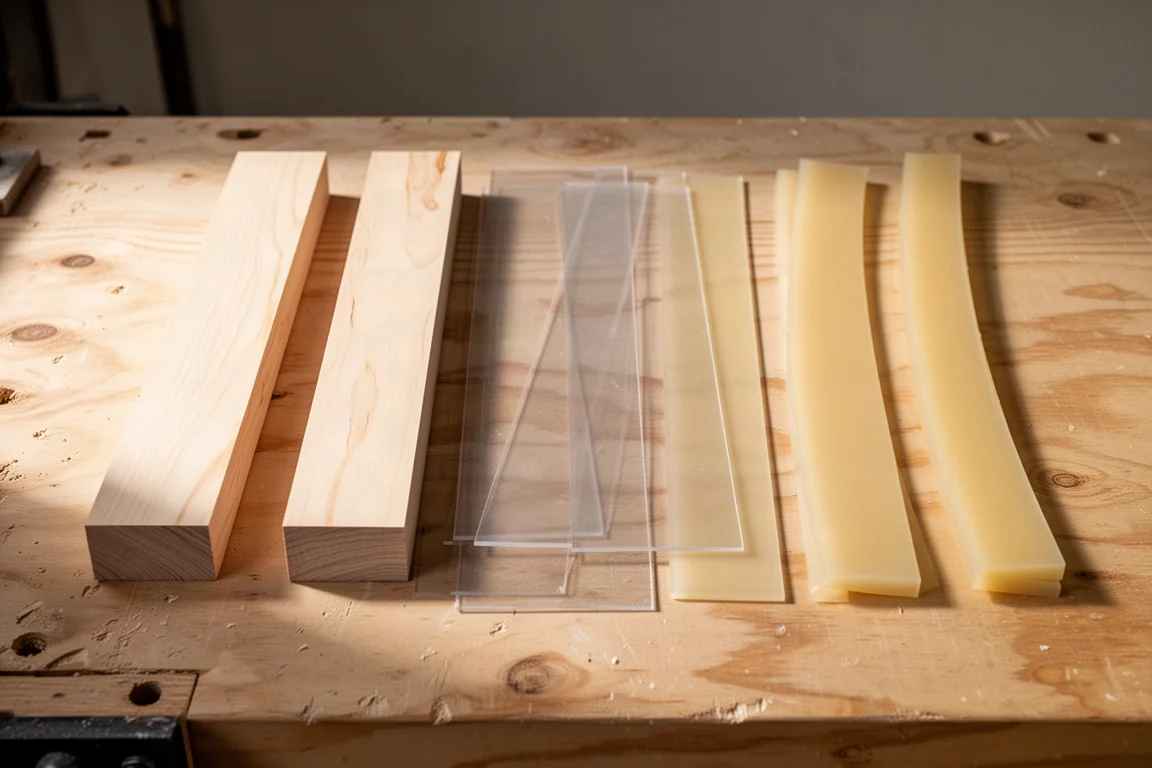
The core is a poplar hybrid wood core. Poplar is a light, energetic wood, and Dynastar pairs it with polyurethane that runs along the sides and extends into the ski. That polyurethane started out in the forebody of the ski and has since grown to form essentially the whole sidewall, reaching in along the edges. The material is not too far removed from what you find in a 120 flex ski boot, and it gives the ski a smooth, energetic feel while helping keep weight down, energy high and stability at a premium.
The poplar core is then wrapped in a fiberglass torsion box, a full fiberglass wrap that works like a sock around the wood. Because the fiberglass runs three-dimensionally, vertically along both sides and butting up against the polyurethane, the two materials combine into a stiffer blend. Anytime fiberglass is oriented vertically like this, it raises the stiffness of the finished product.
The result is a sturdy, full sidewall ski with a race-adjacent, top end heritage. It reads as more businesslike than playful, though there is still a good amount of character in the profile. The trade-off is mass. On the scale, the 189 cm length comes in at around 2,400 grams, so this is not a featherweight. That weight is deliberate. It is the kind of power you want in rugged terrain and at the speeds this ski is designed to run.
Full sidewall construction also means the edges are supported along their full length, which matters when you are asking a wide ski to hold on firm, technical ground rather than simply float.
Shape, Rocker, and Turn Radius
The profile is a mustachioed shape with a broad, positive camber section underfoot. That camber is a relatively recent arrival in freeride skis of this width, and it came from a practical problem. Full rocker works beautifully in deep snow, but it does not help much when the terrain turns sketchy. Upper level skiers wanted edge grip on technical ground, so camber underfoot returned to wide skis, and it is central to how the M3 118 performs.
There is decent tail rocker and good splay in the nose, though not dramatically more than other skis in this category. Taper plays a larger role in the story. The sharper tip shape lets you point a straighter line down the hill, which shows up in the numbers: the 189 cm length carries a 24 metre turn radius, a genuinely straight shooter. There is no pronounced bow in the tip taper, so the ski cuts through a turn rather than popping out of it.
The tail is a little different. It is somewhat wider and less dramatically tapered, rounder rather than sharp, which brings a touch more playfulness to the back end of the turn. The rocker is present but measured, not as exaggerated as on some other big skis, and that restraint is part of what makes the ski feel competitive rather than loose.
Performance in Big Mountain Terrain
On the terrain it was built for, the M3 118 comes into its own. The camber underfoot gives you something to stand on when the snow is firm and the exposure is real, and the full sidewall build keeps that edge engaged when you need it most. The tip taper and the long radius reward a skier who commits to a line and lets the ski run.
The weight is a genuine asset here. At around 2,400 grams in the 189 cm length, the ski carries momentum through variable snow and stays planted in rugged conditions. That mass, combined with the poplar and polyurethane core, translates into confidence and control when the surface changes underneath you, whether that is wind-affected snow, crust or old avalanche debris.
It is worth being clear about what this ski is not. The rocker profile is not as dramatic as some wide skis, so the M3 118 leans toward competitive, directional riding rather than a loose, surfy feel. For a skier who wants to charge a big face in control, that is the right trade.
Things to Consider Before Buying
The first consideration is weight. At 2,400 grams in the 189 cm length, this is a substantial ski, and you will feel it on the skin track and on long traverses. The payoff is stability and power in the descent, but it is a real trade rather than a free upgrade.
The second is skill. This is a ski for the most advanced and expert skiers, and it asks for a strong, deliberate technique. A less experienced skier will find the long radius and the mass harder to manage than a more forgiving freeride shape.
The third is terrain. The M3 118 needs space and gradient to make sense. If most of your days are spent on shorter pitches, groomed runs or terrain where quick, tight turns matter more than straight-line stability, a narrower or more playful ski will probably serve you better.
Finally, consider the camber. It is a deliberate choice that buys edge grip on technical terrain, but it does mean the ski behaves differently from a full rocker design in deep snow. Riders who prioritise pure surf in powder should weigh that against the performance gains on firmer, more demanding ground.
Buying Advice
The M3 118 is a specialist, and it is best bought as one. If you are an expert skier with regular access to big mountain terrain, whether that is a Western North American resort or a larger European range, this is a ski that will reward you with grip, stability and speed. It is built to be pointed downhill on serious ground.
If your seasons are mostly made up of shorter runs, softer snow and a mix of on and off piste, the same money will buy you a more versatile and more forgiving ski. There is no penalty in choosing something easier to live with when the terrain does not demand this much ski.
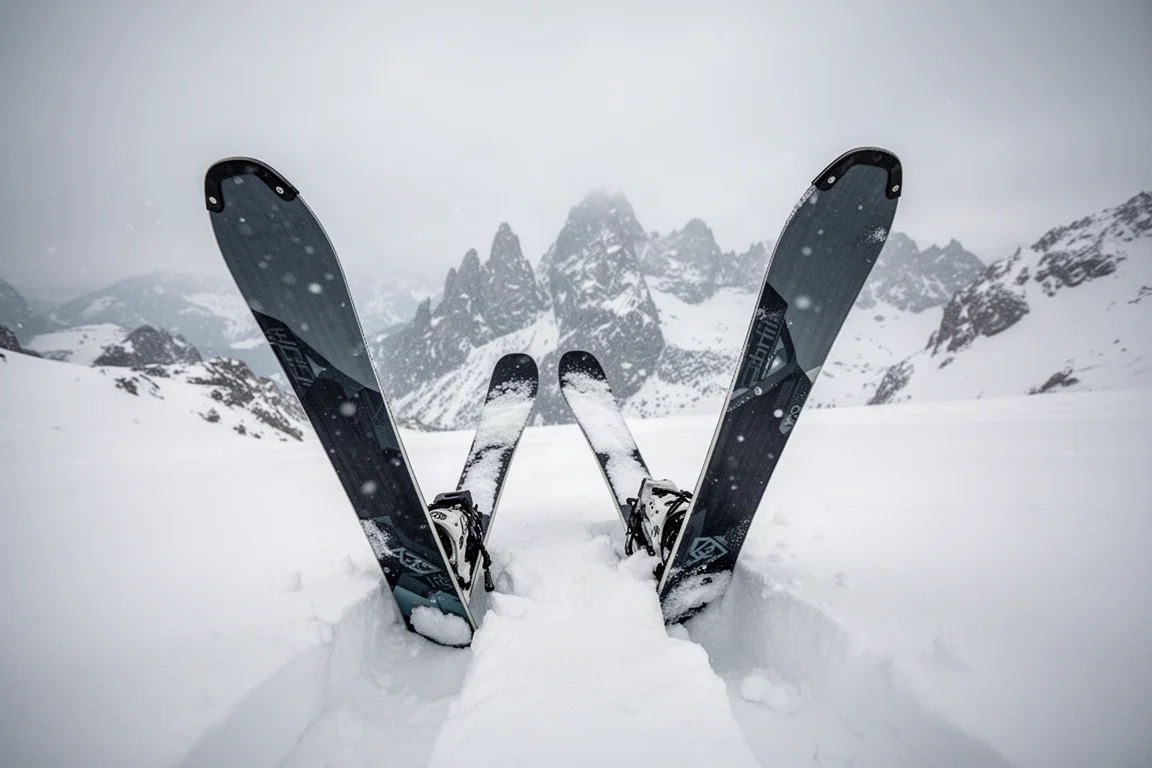
Buy with the terrain in mind rather than the spec sheet. A ski this directional is at its best when the mountain underneath it is big enough to justify the build, and it will feel like a lot of ski anywhere else.
Conclusion
The Dynastar M3 118 is a focused, high end freeride ski with a poplar and polyurethane core, a fiberglass torsion box and a full sidewall build. Camber underfoot, a sharp tip taper and a 24 metre radius in the 189 cm length make it a straight-line tool for big mountains, deep snow and technical faces. It carries real weight, and it asks for real ability, but for the expert skier it was designed around, that is exactly the point.
Product link
View more details for Dynastar M3 118
This product is mentioned in the review. Check the specifications, options, and compatibility before buying.
View more details for Dynastar M3 118Further reading
Related Reviews
Skis
Armada Anti Matter 82 W Review: A Light, Approachable All-Mountain Carver
Armada's Anti Matter 82 W pairs a lightweight Karuba and carbon build with an easygoing all-mountain shape, aimed at intermediates through lighter-footed advanced skiers.
Skis
Armada Anti Matter 88W Review: A Light, Playful 88mm All-Mountain Ski Plus Two Alternatives
The Armada Anti Matter 88W returns unchanged in spirit from its Reliance 88C days, and it remains one of the most versatile 88mm skis around. We also look at the Nordica Santa Ana 87 and Anti Matter 92 W as alternatives.
Skis
Armada ARV 100 vs Atomic Bent 100: Which 100mm Freestyle Ski Should You Buy?
Two of the best all-mountain freestyle skis of the season compared: one leans playful and park-ready, the other holds up better everywhere else.