Skis
Dynastar M-Free 100 Review: A Powerful All-Mountain Ski for Advanced Skiers
The Dynastar M-Free 100 brings hybrid core 2.0 construction, a stiff midsection, and a damp, quiet ride. Here is who it suits, and what to weigh first.
Introduction
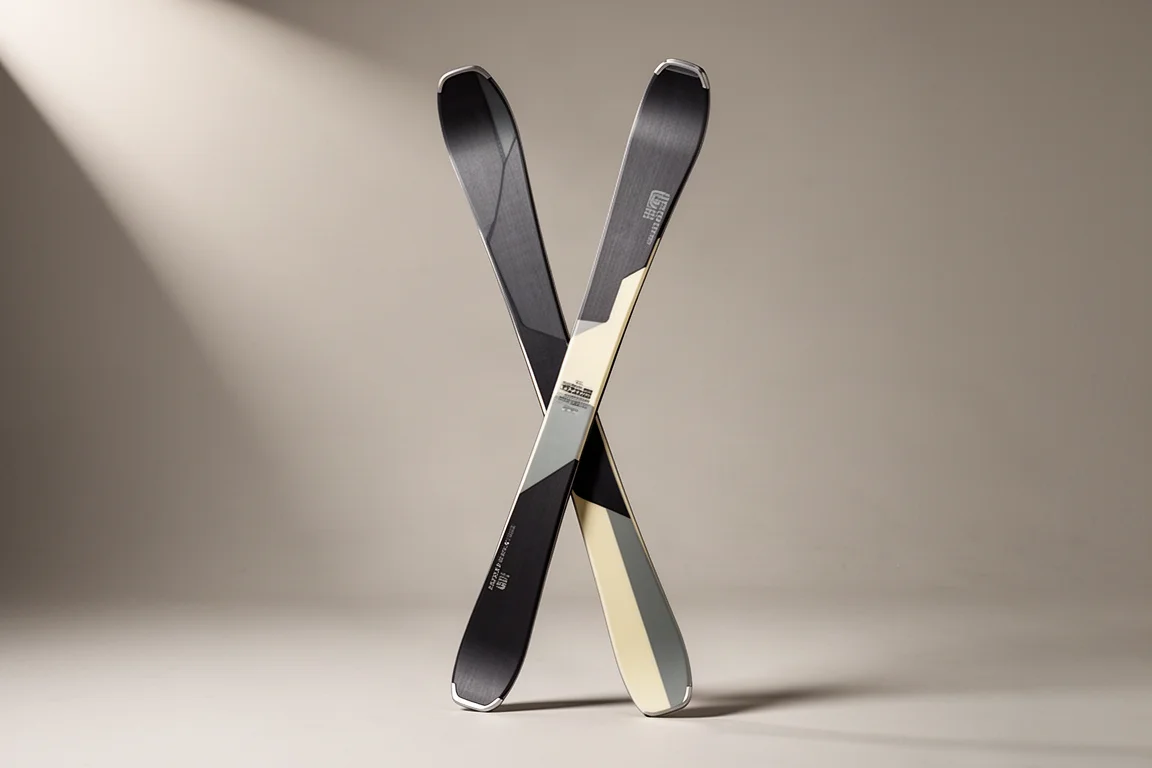
The Dynastar M-Free 100 is the successor to the outgoing M-Free 99 and the last ski in the line to adopt the brand’s hybrid core 2.0 construction. That generational change is the main story, because the previous ski was already a strong all-mountain option with a playful, tree-friendly personality. The new core adds a clear step up in energy, power, and smoothness without walking away from the shape that made the model work.
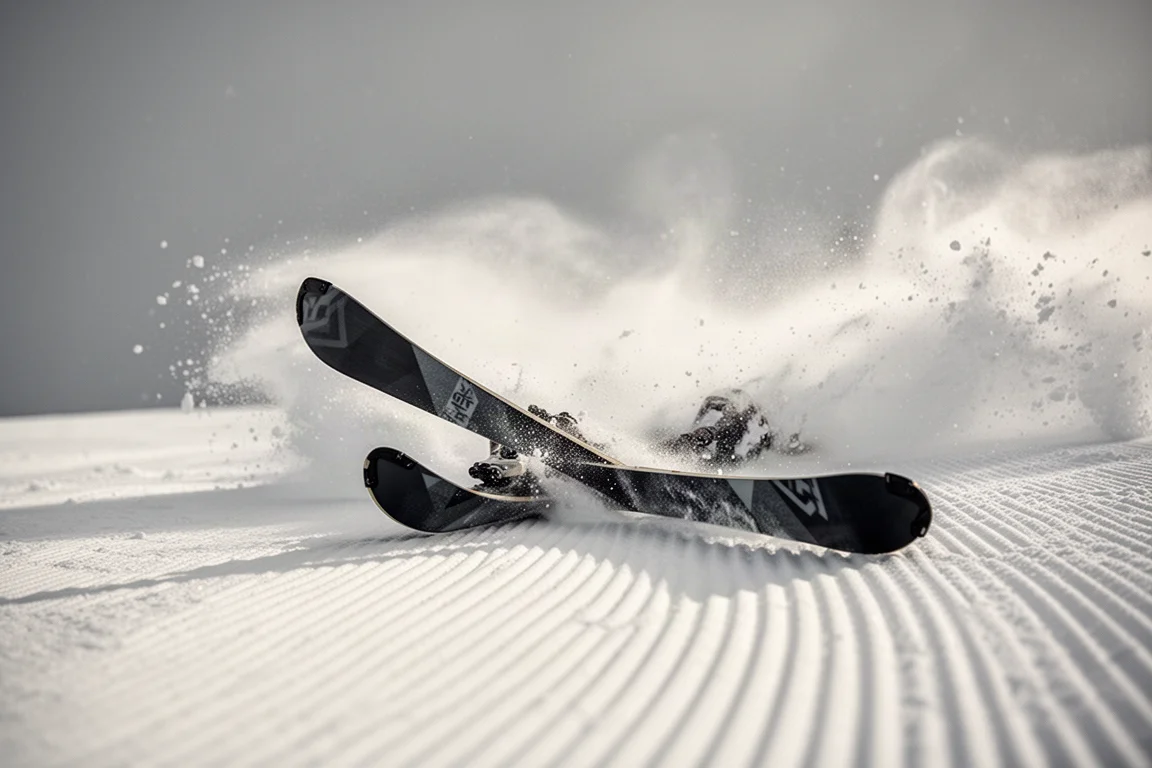
On snow, the M-Free 100 reads as a substantial, damp, and predictable ski. It rewards speed and commitment, holding a consistent flex through the turn and staying planted underfoot when the terrain gets chopped up or the snow gets variable.
The trade-off is worth stating early. This is a heavier and stiffer ski than the model it replaces, and it gives back very little at low speed or with gentle, relaxed input. The performance arrives when the skier does.
Who This Product Is For
This ski is aimed at advanced and expert skiers who move between terrain types rather than specializing in one. All-mountain, freeride, and park use all sit inside its brief, and the twin tip tail makes it a realistic single-pair option for skiers who want freestyle and freeride days covered alongside everyday resort skiing.
It also favors skiers who like a traditional, up-and-down turn shape rather than a drifty, surfy, or smeared style. The stiffness and the height of the camber underfoot push the ski toward a more directed, carved approach, and riders who pressure the front of the ski will get more out of it than those who prefer to pivot and slide.
Main Strengths
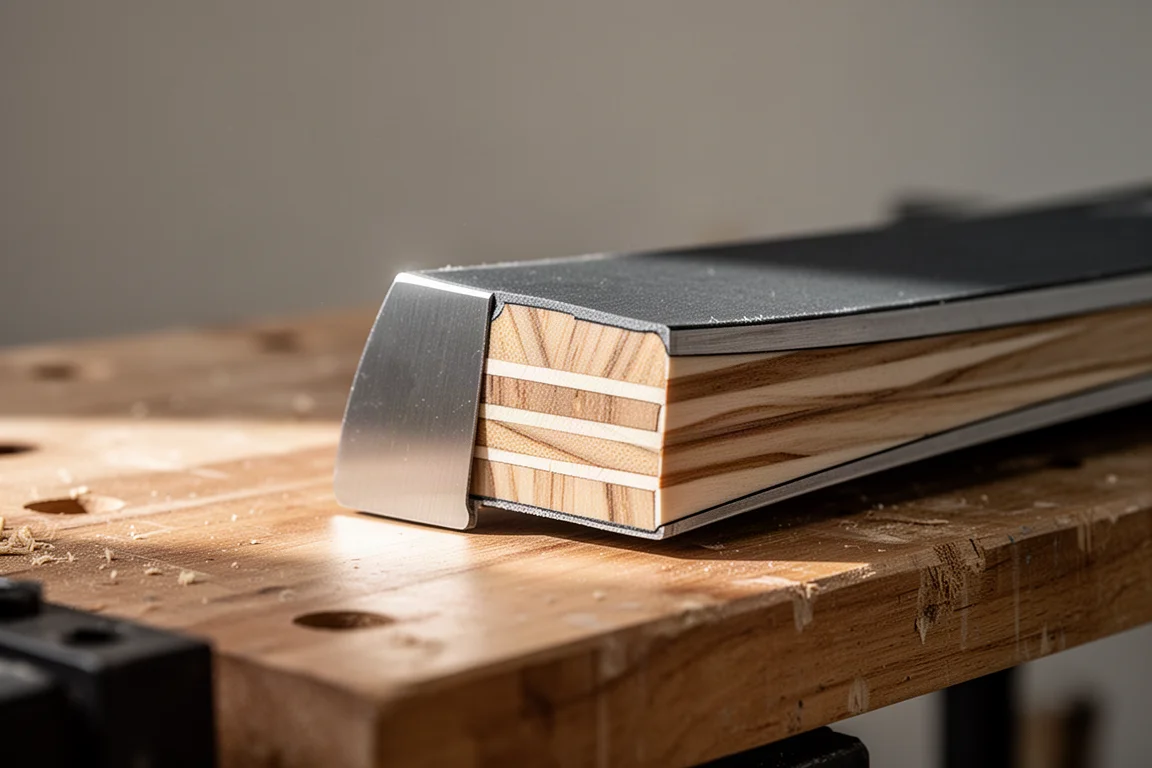
The hybrid core 2.0 construction is the headline. The core blends poplar wood with a lower laminate at the base and two upper layers that are milled and joined under friction rather than glued together as vertical stringers. That friction bond delivers a different level of energy and rebound, and it is paired with a thicker core profile than before.
Polyurethane is extended along the sides of the ski, a signature of this family of models. Running that material into the sidewalls adds smoothness and quietness while keeping the ski energetic, and it gives the M-Free 100 a distinctly damp, composed feel that is hard to mistake for anything else.
The flex is deliberately uneven in a useful way. Much of the softness sits in the very tips and tails, while the section underfoot is noticeably stiffer and more robust. That combination makes it easy to start a turn, gives you a powerful midsection to lean on through the apex, and then opens up into tail rocker at the end of the turn for a smooth carving finish. Despite the range, the ski feels consistent from edge to edge once it is engaged.
Flotation comes from the shape as much as the width. The tip uses a long rocker with an even taper, and the tail carries a long rocker with a decent amount of splay, which reads more like a freeride twin tip than a traditional freestyle twin tip. It is a supportive platform: fun to ski from a centered stance, yet stiff enough to pressure the tips and the tails when you want to drive it.
Things to Consider Before Buying
Weight is the first thing to accept. The 185 cm length comes in at 2,003 g, which makes this a burly ski. Some of that mass is the price of the polyurethane construction and the thicker core, and it is a large part of why the ski feels so planted.
The camber underfoot is tall and it resists compression. A ski that takes two hands to close means a lot of energy is stored in the profile, and that energy needs speed to come alive. On-snow feedback describes the ski as damp and heavy, taking a lot of energy to ski, performing better the faster you go, and liking to be pointed down the fall line.
That has a practical consequence: the M-Free 100 does not respond well to gentle input. Without a baseline of speed it will not feel naturally energetic or peppy, and it has a narrower low-speed range than the outgoing 99. This is an upper-end ski, and it asks to be skied that way.
Hard pack is also not its best surface. Packed powder suits it better than firm, icy conditions, and the long tail rocker means the ski is more at home in a freeride twin tip role than as a dedicated park twin.
Construction and Flex Profile
The M-Free 100 uses a poplar wood core with a three-part laminate stack: one lower laminate at the base and two upper layers milled and joined under friction rather than glued as vertical stringers. The core profile is thicker than on the previous generation, and polyurethane runs along the sides of the ski to add smoothness and quietness without dulling the energy.
The 185 cm length weighs 2,003 g and carries an 18 m turn radius, which sits in a middle range and is largely driven by the midsection. The flex is soft in the tips and tails and noticeably stiffer underfoot, with a long tip rocker and an even taper up front and a long tail rocker with decent splay at the back.
Positive camber underfoot is substantial and hard to compress by hand, which is the clearest signal of how much energy is built into the profile. The shape overall is curvaceous rather than straightforward, and every part of it contributes to the way the ski loads, releases, and finishes a turn.
How It Compares to the Ski It Replaces
The outgoing M-Free 99 was a genuinely fun ski: quick and playful in the trees, surprisingly energetic as a carver, and accessible across a wider range of speeds. Moving to the hybrid core 2.0 construction changes the emphasis rather than the intent.
The M-Free 100 takes the same all-mountain idea and pushes the ceiling higher. It is more powerful, more predictable, and smoother than its predecessor, with a stronger upper range and a firmer feel underfoot. The cost is the low end: the 99 had more to offer when you were not pushing hard, while the 100 wants a skier who is willing to keep the speed up.
Buying Advice
Buy the Dynastar M-Free 100 if you are an advanced or expert skier who wants one pair for all-mountain, freeride, and occasional park days, and you are comfortable skiing with speed and driving the front of the ski. The blend of a powerful midsection, flexible tips and tails, and a smooth, quiet ride is well judged for that use case.
Think carefully if you are an intermediate skier, if you spend most of your time on hard pack, or if you prefer a relaxed, low-speed style. The ski will not reward gentle input, and its low-speed range is narrower than the model it replaces.
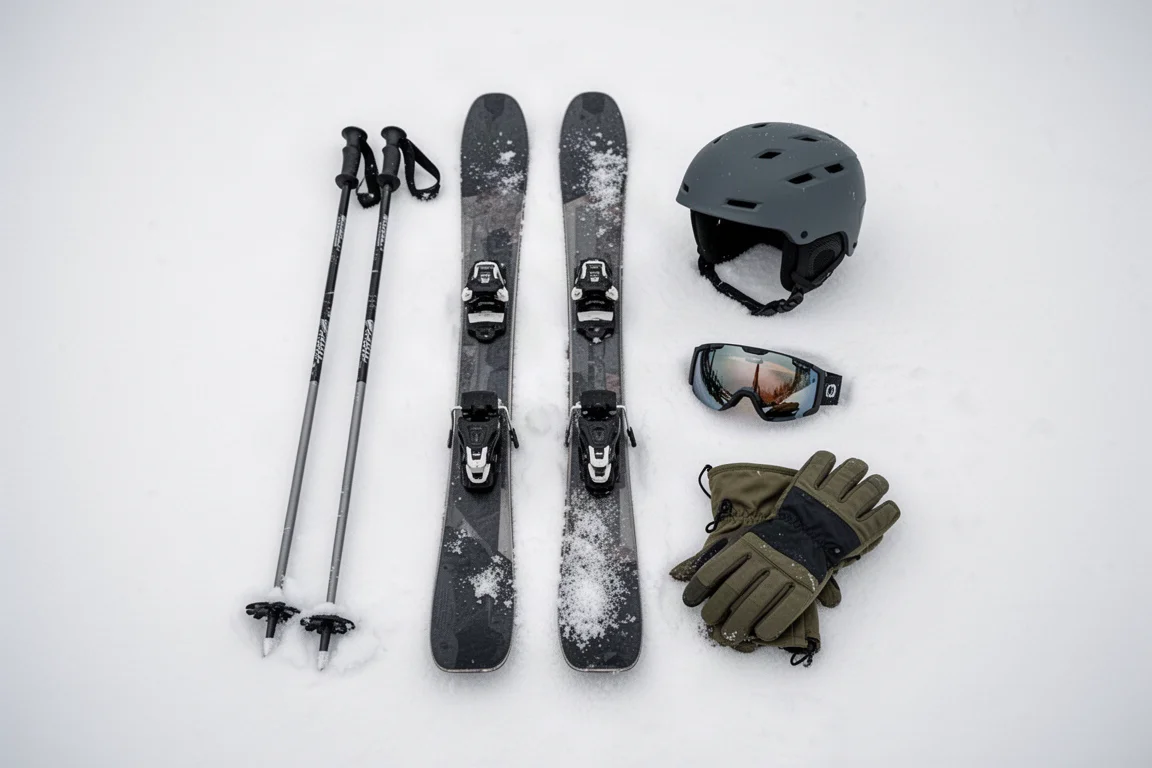
Length matters here too. The 185 cm is a substantial platform, and feedback on that size noted it can feel like a lot of ski, so it is worth matching the length to your weight, style, and the terrain you actually ski rather than defaulting to the longest option.
Conclusion
The Dynastar M-Free 100 is a confident step forward for a well-liked all-mountain shape. The hybrid core 2.0 construction brings more power, predictability, and smoothness, and the polyurethane sidewalls give it a damp, quiet character that stands apart. It is heavy, it is stiff, and it demands speed and commitment. For the right advanced or expert skier, that is exactly the point.
Product link
View more details for Dynastar M-Free 100
This product is mentioned in the review. Check the specifications, options, and compatibility before buying.
View more details for Dynastar M-Free 100Further reading
Related Reviews
Skis
Armada Anti Matter 82 W Review: A Light, Approachable All-Mountain Carver
Armada's Anti Matter 82 W pairs a lightweight Karuba and carbon build with an easygoing all-mountain shape, aimed at intermediates through lighter-footed advanced skiers.
Skis
Armada Anti Matter 88W Review: A Light, Playful 88mm All-Mountain Ski Plus Two Alternatives
The Armada Anti Matter 88W returns unchanged in spirit from its Reliance 88C days, and it remains one of the most versatile 88mm skis around. We also look at the Nordica Santa Ana 87 and Anti Matter 92 W as alternatives.
Skis
Armada ARV 100 vs Atomic Bent 100: Which 100mm Freestyle Ski Should You Buy?
Two of the best all-mountain freestyle skis of the season compared: one leans playful and park-ready, the other holds up better everywhere else.