Hiking Gear
Durston X-Mid 1 Tent Review: Lightweight Shelter That Handles Gale-Force Winds
A single-person ultralight tent tested in severe Welsh weather, including gale-force winds and rain. Impressive structural performance and practical features for long-distance hiking.
Introduction
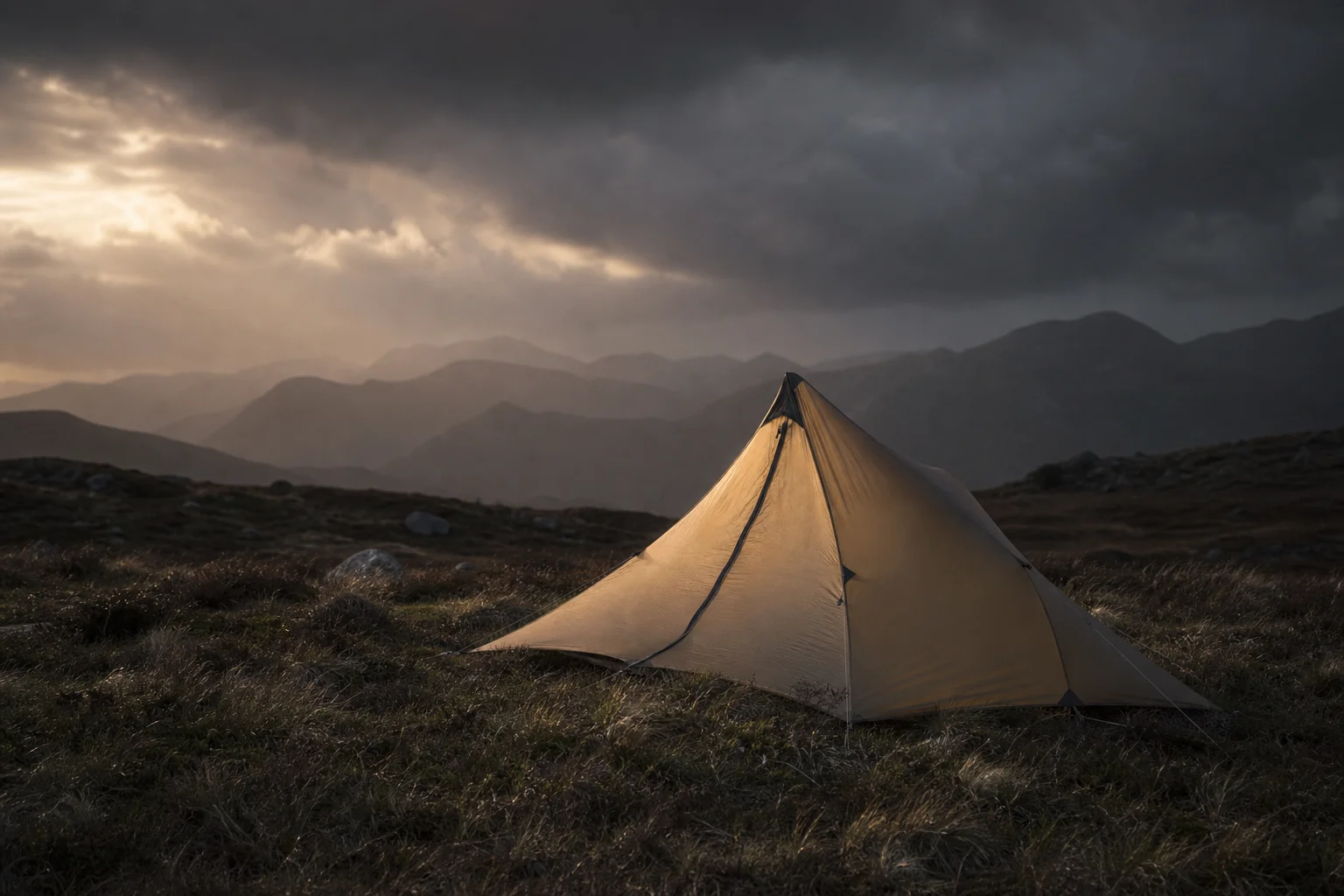
The Durston X-Mid 1 is a single-person ultralight tent designed for multi-night backpacking trips in variable conditions. This review documents its performance during a two-day test in severe Welsh weather, including gale-force winds and persistent rain.
Structural Performance in Severe Weather
The tent’s most striking feature is its structural integrity despite its minimal weight and apparent fragility. Initial setup required no guylines, with the tent standing upright using only trekking poles as the primary support structure. Wind speeds during testing ranged from 21 kilometers per hour on the first evening to sustained gusts of 42 kilometers per hour, with peak gusts reaching 65 kilometers per hour (gale force).
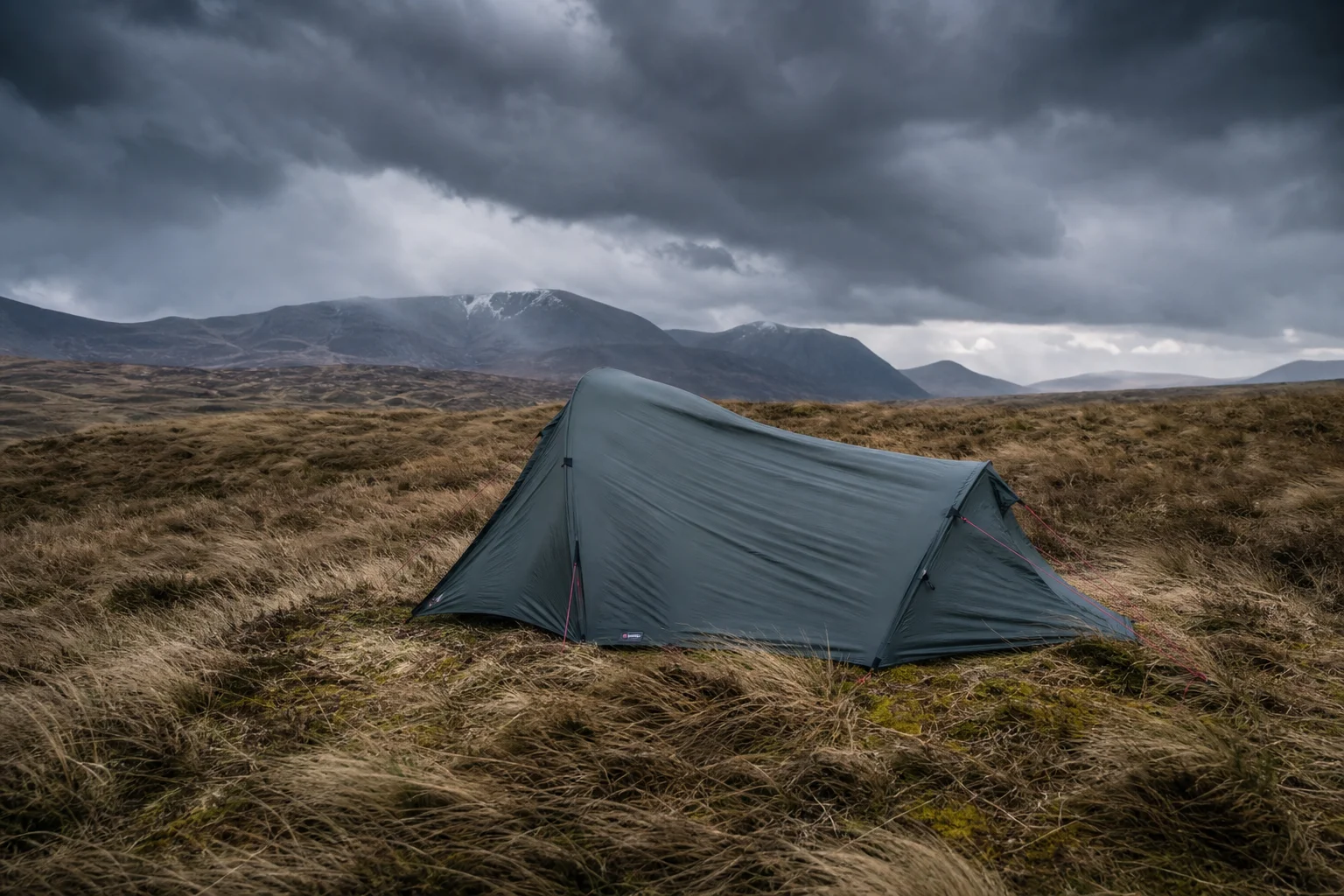
Throughout the night and into the following day, the tent remained completely stable. The poles showed no signs of stress or movement, and no guylines came loose despite the severe conditions. Even when guylines were deliberately removed during a controlled test in near-gale winds, the tent continued to stand without issue. This self-supporting design eliminates the need for additional anchoring in many situations, though guylines are still recommended for severe weather.
The tent’s frame uses trekking poles rather than dedicated tent poles, which means there are no rigid poles that can snap. The worst-case scenario is that the trekking poles themselves might fail, but this is unlikely in normal use.
Interior Space and Comfort
The tent offers surprising interior volume for a single-person ultralight shelter. Headroom is generous, allowing comfortable movement while seated. The vestibules are notably spacious, providing ample storage for gear and allowing the occupant to sit partially outside while remaining sheltered from rain.
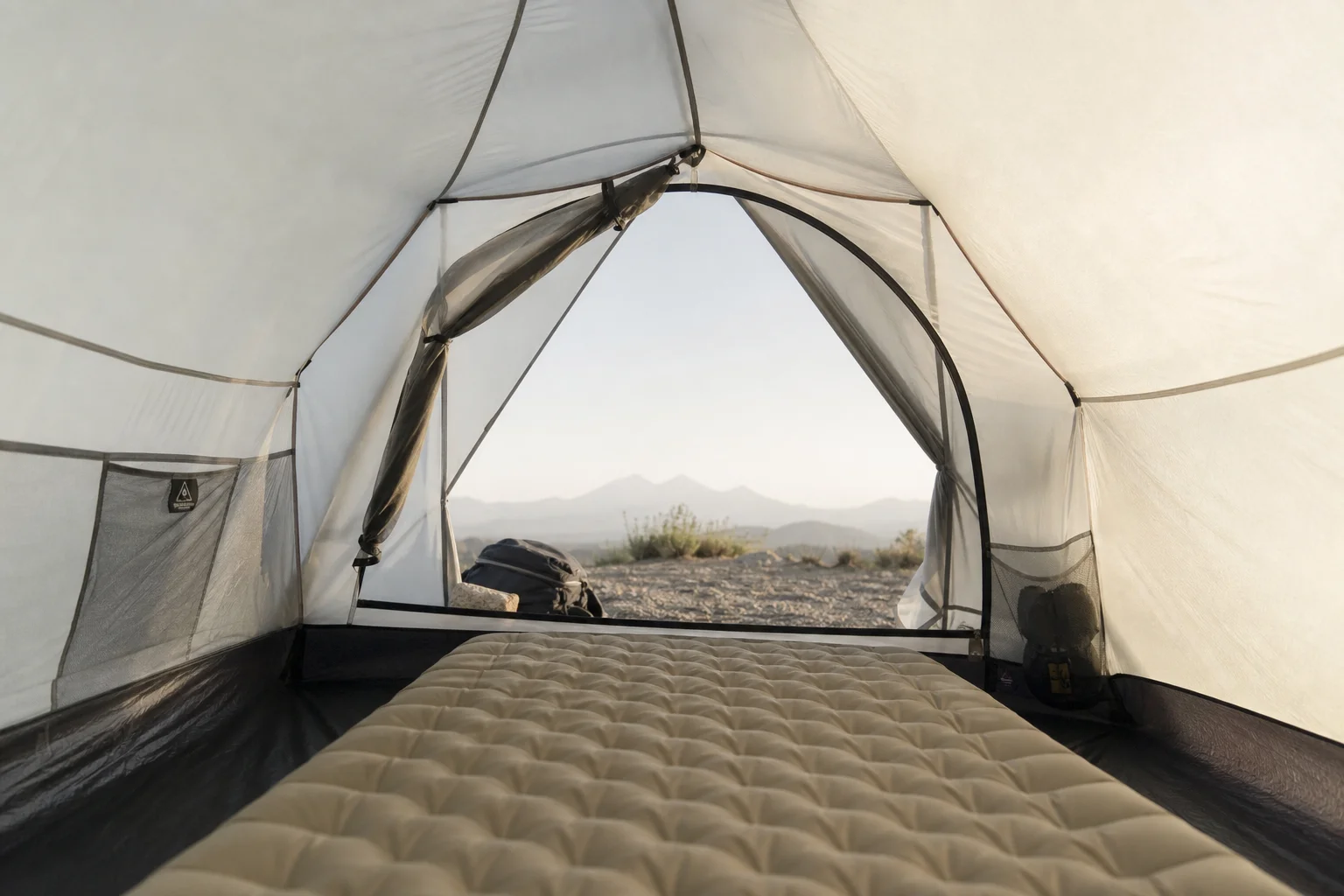
Temperature regulation was effective, with an interior temperature of 11.6 degrees Celsius compared to 10.6 degrees outside, creating a one-degree microclimate benefit. This modest warming is typical for ultralight shelters and reflects the tent’s minimal insulation properties. The thin floor proved durable during the test, with no water penetration despite being used without the optional ground sheet footprint. However, the manufacturer recommends using the footprint to protect the floor from punctures during extended use.
Weather Protection and Ventilation
The tent’s door design uses magnetic toggles to hold it open, which is convenient but does not withstand wind. The door must be clipped back during windy conditions. The company’s claim that occupants can sit in the rain without getting wet proved accurate, thanks to the two large vestibules that can be oriented to shelter from the prevailing wind direction.
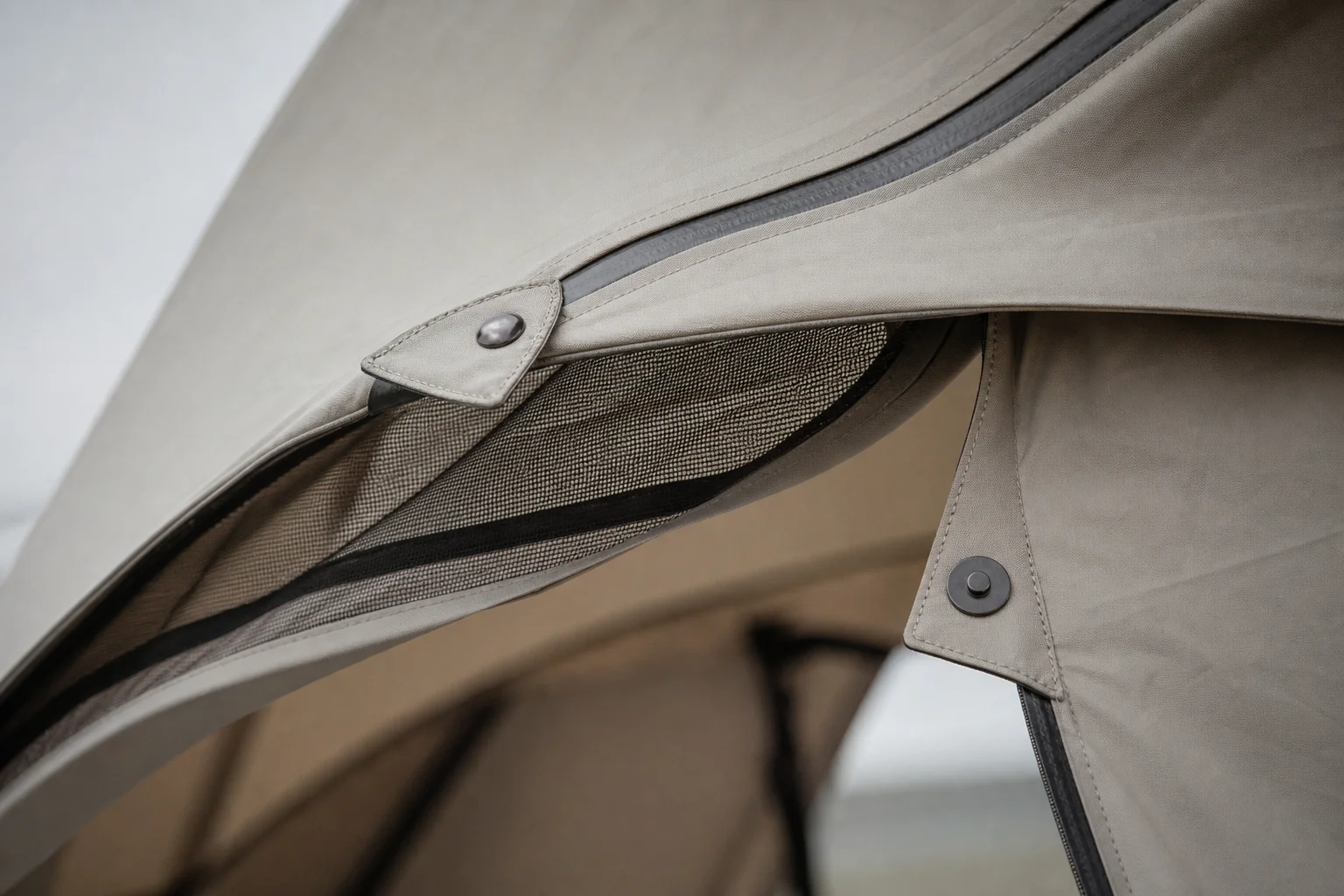
Ventilation is managed through adjustable vents at each end of the tent. During the first night, water spray entered through one vent when it was left fully open, but closing it resolved the issue. This is a minor trade-off between condensation control and rain protection, and is not unique to this tent.
Condensation and Moisture Management
Condensation accumulation was typical for an ultralight tent with minimal ventilation. When vents were closed to prevent rain spray, condensation formed on interior surfaces and gear stored in the vestibule. This is unavoidable in wet conditions and is not a design flaw specific to the X-Mid 1. Proper ventilation management and strategic gear placement can minimize the issue.
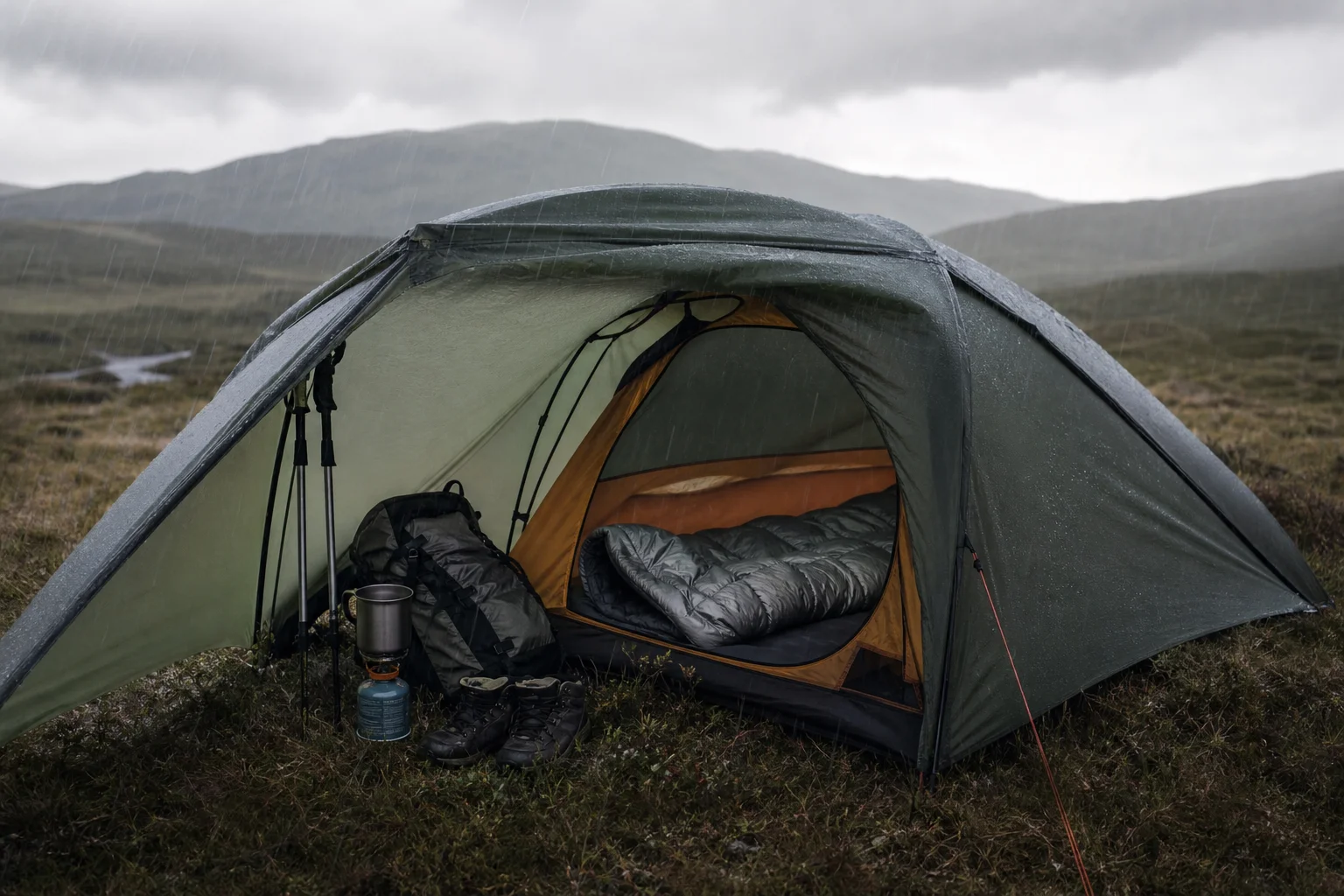
The floor remained completely dry throughout the test, even in heavy rain and with the door open. This is a significant advantage over some ultralight designs and suggests the floor sealing is effective.
Comparison and Overall Assessment
Compared to the Lanshan tent, the X-Mid 1 is easier to set up, structurally superior, and offers better rain protection. The main trade-off is aesthetic: the X-Mid 1 is more visible than the Lanshan, which some users may prefer for safety reasons while others may prefer the stealthier appearance of alternatives.
The tent performed exceptionally well in gale-force winds without requiring additional reinforcement or specialized pegs. Standard guylines and basic pegs were sufficient, and the optional Delta pegs and stronger guylines purchased for the test were not needed.
Conclusion
The Durston X-Mid 1 is a capable ultralight shelter that handles severe weather far better than its minimal weight and apparent fragility suggest. It is well-suited for UK backpacking, where variable conditions and strong winds are common. The spacious interior, effective weather protection, and self-supporting structure make it a practical choice for multi-night trips, provided users are comfortable managing condensation through ventilation and understand the trade-offs of ultralight design.
Product link
View more details for Durston X-Mid 1
This product is mentioned in the review. Check the specifications, options, and compatibility before buying.
View more details for Durston X-Mid 1Further reading
Related Reviews
Hiking Gear
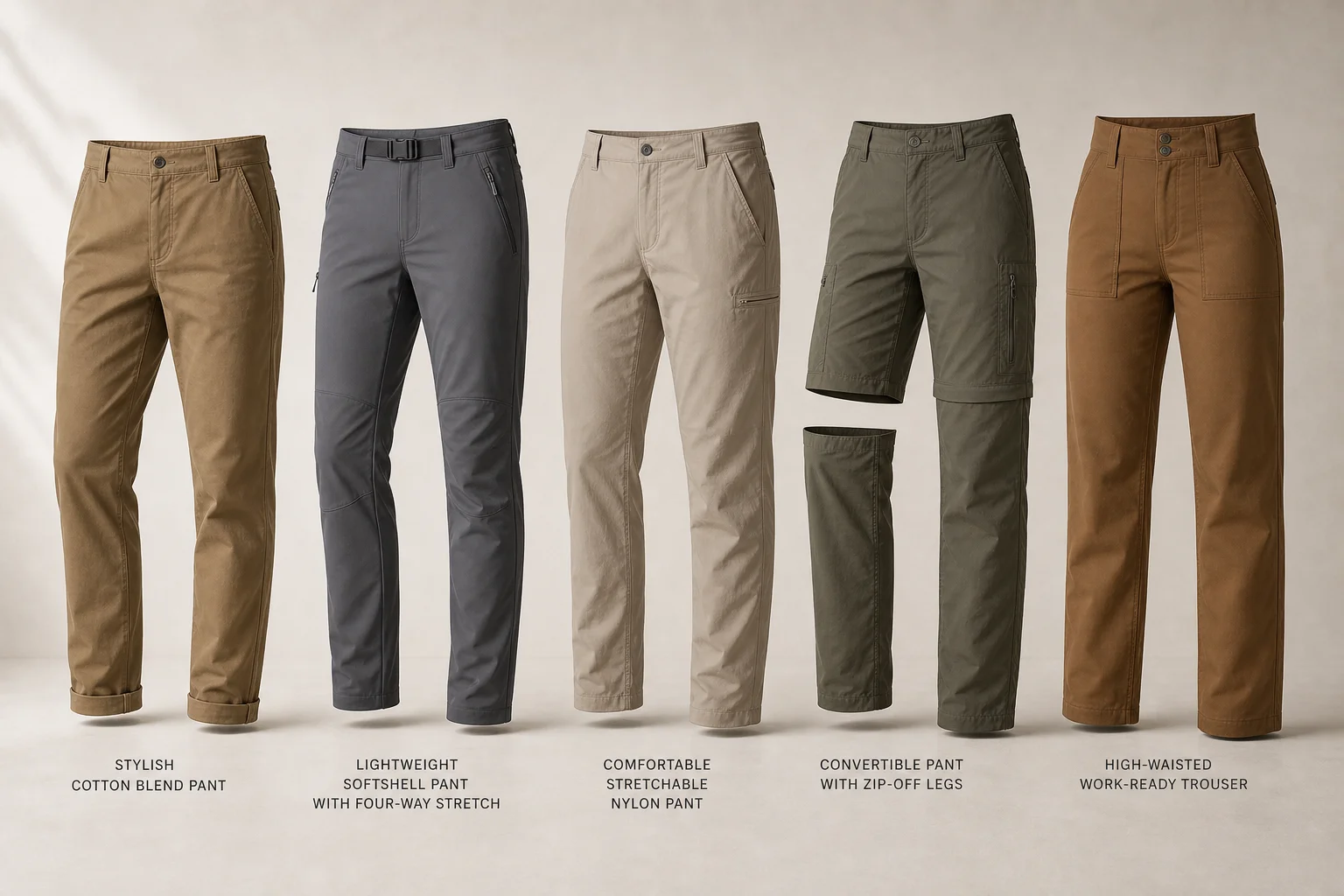
Best Hiking Pants on Amazon: Five Practical Options for Different Needs
A practical review of five hiking pants with clear strengths and trade-offs, from lightweight convertible styles to durable work-ready trousers.
Hiking Gear
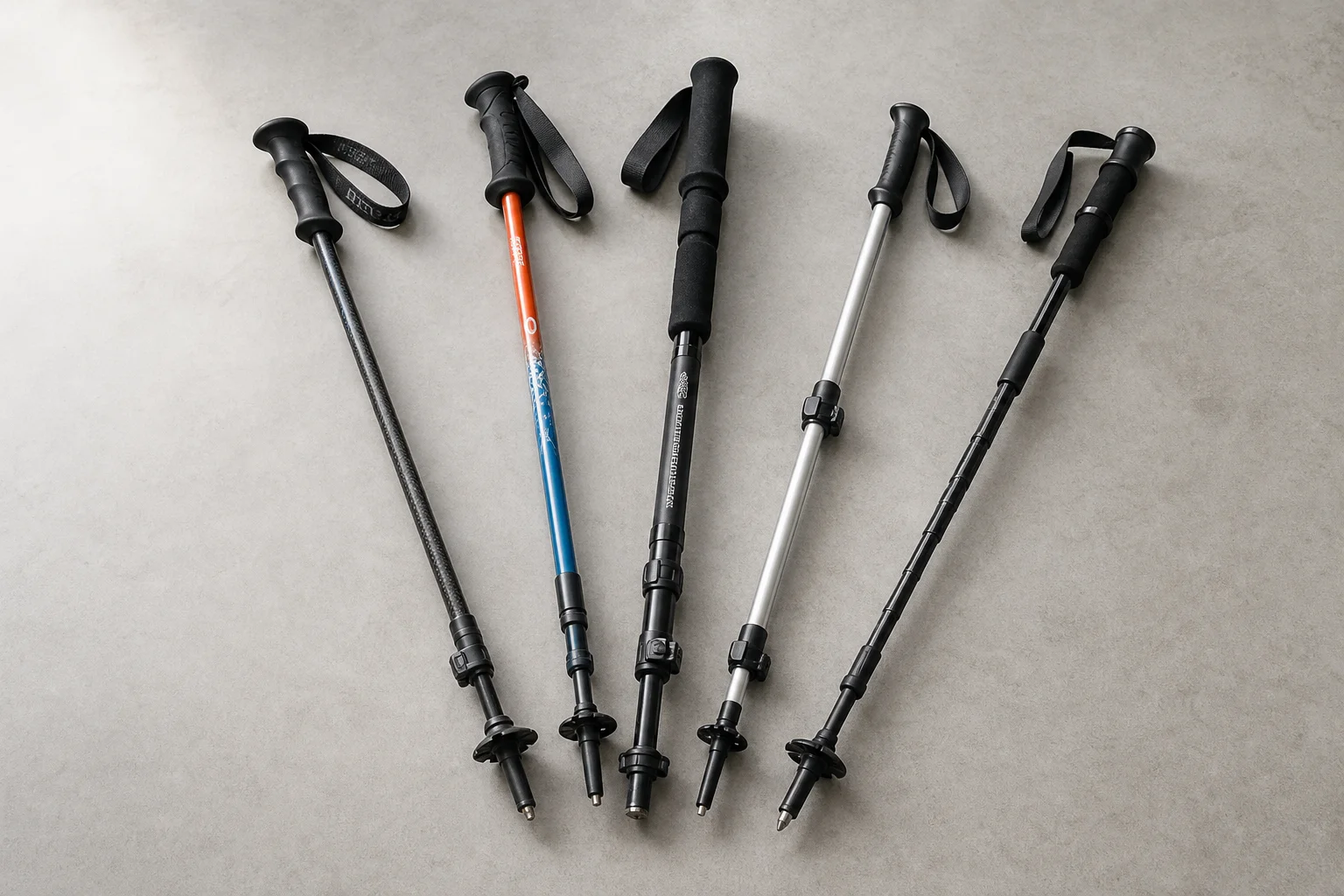
Best Hiking Poles 2026: Five Options for Different Trail Needs
A practical review of five hiking poles, from lightweight carbon designs to versatile all-terrain options, with clear strengths and trade-offs for each.
Hiking Gear
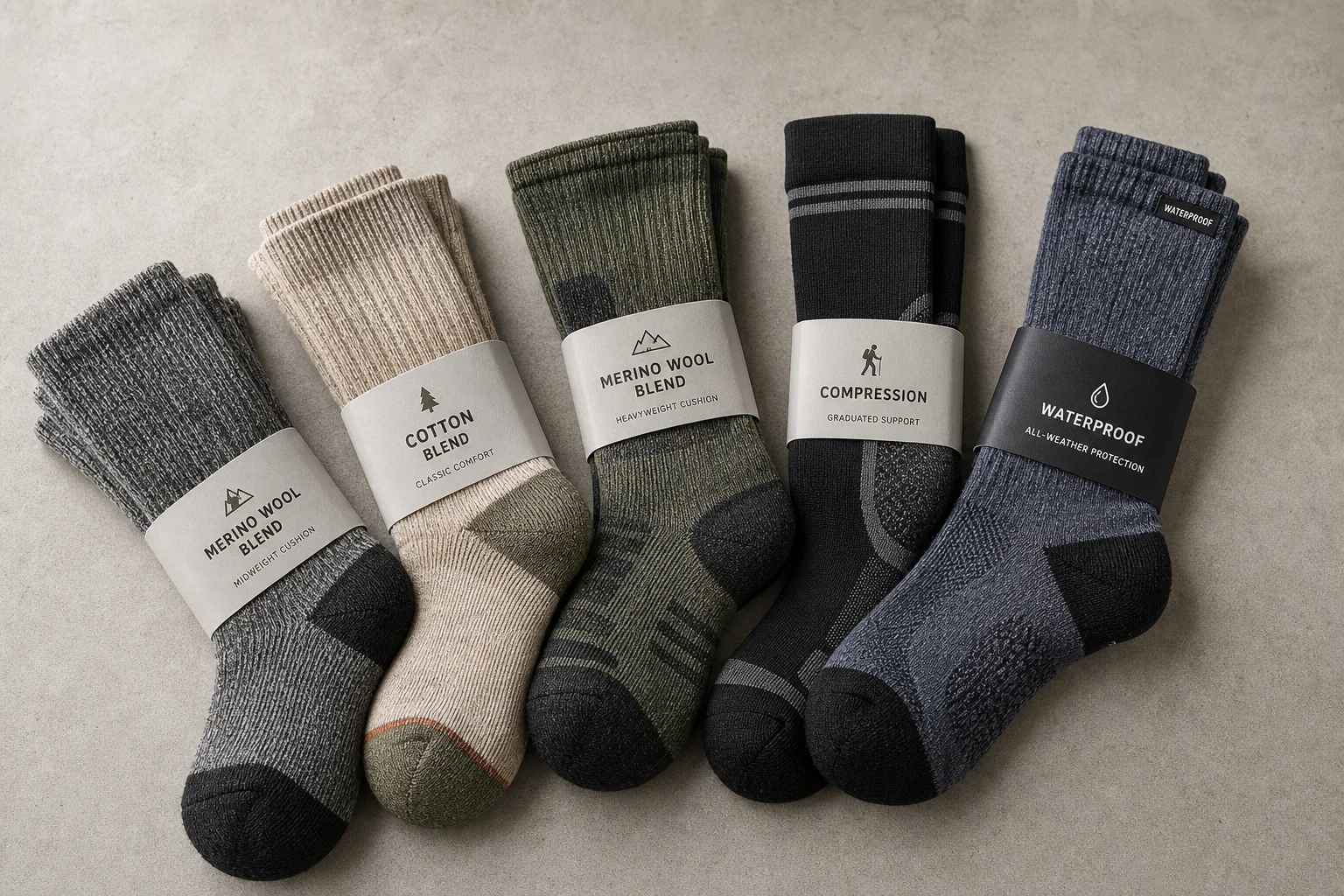
Best Hiking Socks 2026: Five Top Choices for Different Trail Needs
A practical roundup of five hiking socks, from lightweight merino options to heavy-duty compression styles, with clear guidance on which suits your outdoor activity.