Running Gear
Dublin Marathon Race Test: Two Race Shoes and Two Watches Put to Work
A full marathon test in wet, hilly Dublin: the Puma Fast-R 3 and ASICS Metaspeed Edge Tokyo on foot, and the Garmin Forerunner 970 against the Apple Watch Series 11 on the wrist.
Introduction
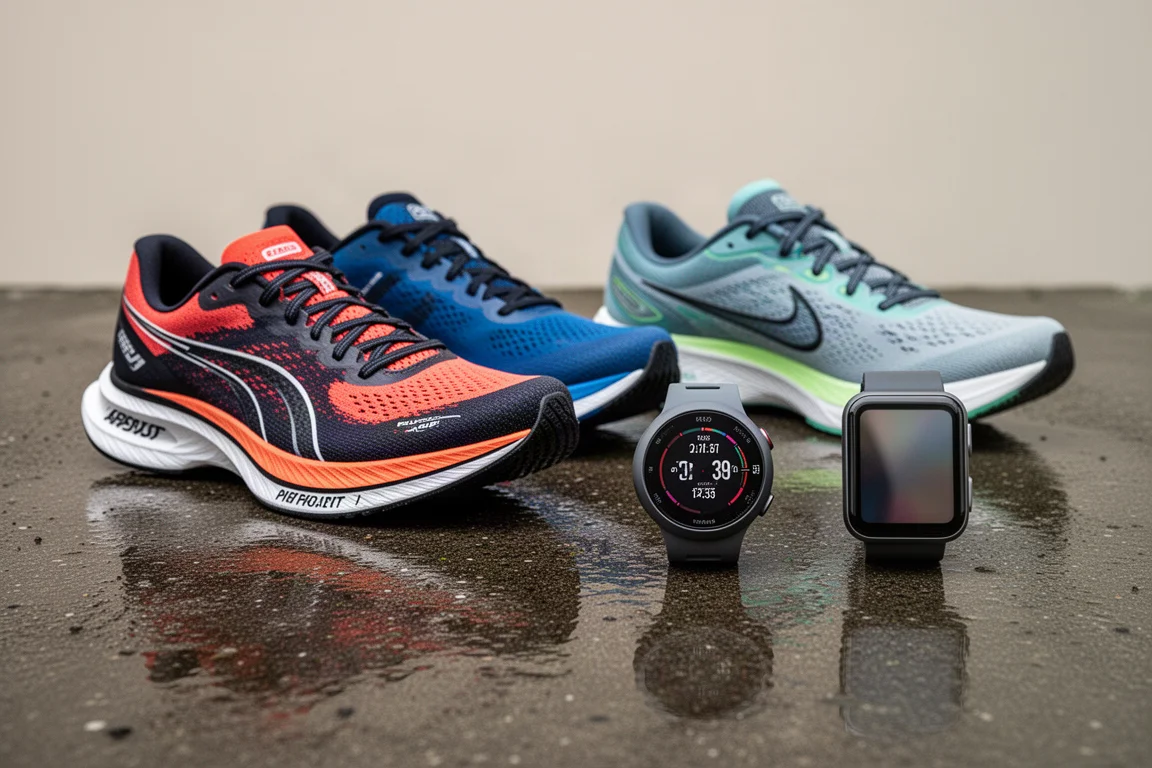
Racing a marathon is the ultimate gear test, and Dublin provided a demanding one: cold rain, a lumpy course, and headwinds that never really let go. On foot, the Puma Fast-R 3 delivered a new marathon PB just two weeks after the ASICS Metaspeed Edge Tokyo did the same at Chester. On the wrist, the Garmin Forerunner 970 and Apple Watch Series 11 went head to head on battery life, GPS, and heart rate accuracy over a full 26.2.
The Race Itself
Dublin is worth the trip for more than the course. The race falls on a Sunday before a national bank holiday, so the whole city carries on celebrating the next day. Post-race pubs fill up with runners and supporters, and the atmosphere is genuinely welcoming. The expo, however, was badly overcrowded even at 4 p.m. on Saturday, so arrive early if you go.

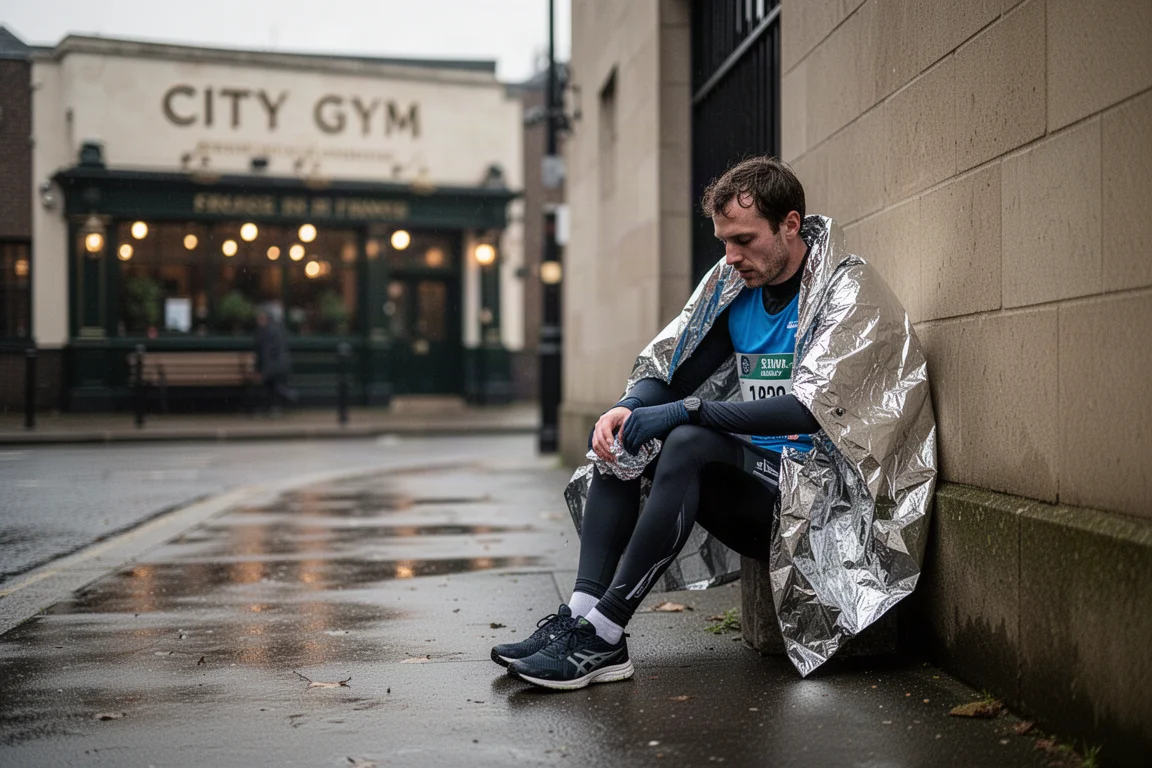
Race morning logistics need some attention: multiple start funnels send runners in different directions, so do not just follow the crowd. The baggage area sits uncovered, so in rain your kit will get soaked unless it is sealed properly. The blue start wave went off at 9:25, and runners sheltered around a nearby corner to stay warm, a real advantage.
The course itself is challenging. It is lumpier than your typical fast marathon, with hills arriving at unwelcome moments around miles 20 to 22, plus steady headwinds. It is not the kind of course where you find a perfectly consistent rhythm, but if you run the downs with discipline you can offset a lot of the climbing. Support from the crowds was excellent, loud and energetic even if not on the scale of the biggest city marathons. Aid stations were just about frequent enough, mixing paper cups with bottles, though water was not always available on both sides of the road.
The Puma Fast-R 3: A PB Day in Dublin
The Fast-R 3 earned a 2:50:24 marathon PB here, run at roughly 6:30 per mile for the full distance, just two weeks after a 2:50:23 at Chester. That alone says a lot about the shoe’s race-day credentials. It is light, punchy, and propulsive with a snappy response, and once locked into a midfoot stride it more or less disappears underfoot.

There is a real trade-off to understand. Compared with the Metaspeed Edge Tokyo, the Fast-R 3 is more aggressive and less protective: ground feedback came up strongly through the final six miles, and there was some foot fatigue by the end. The Edge Tokyo is softer, bouncier, and more comfortable, and for pure comfort it wins. On speed and efficiency, though, the two are about equal, with the Fast-R 3 working its lever-and-foam combination harder. The fit was spot on, and it is a shoe worth racing in again without hesitation.
The ASICS Metaspeed Edge Tokyo: Comfort With Equal Efficiency
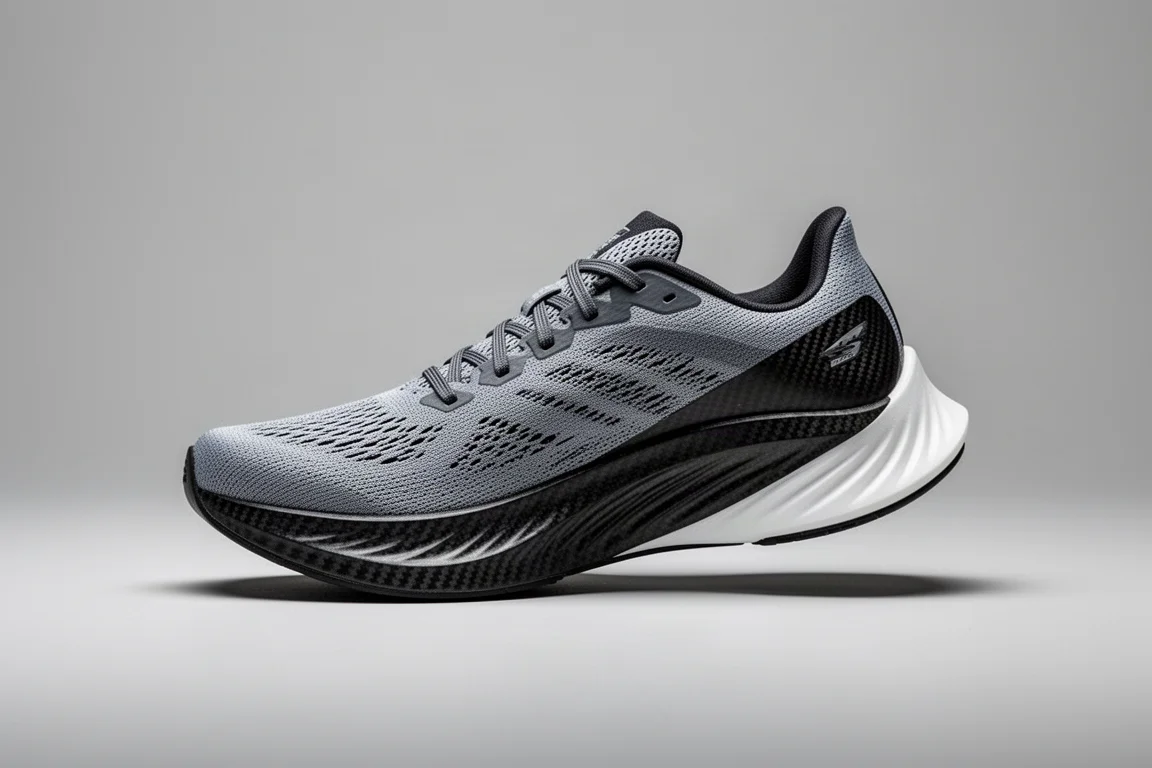
The Edge Tokyo was the shoe behind a 2:50:23 PB at Chester two weeks before Dublin, and it takes a clearly different path to the same result. Its ride is softer and more bouncy, offering noticeably more protection underfoot over the closing miles of a marathon.
If comfort is your priority on race day, this is the pick of the two. The trade-off is a slightly less aggressive feel, though the efficiency on offer is every bit the equal of the Fast-R 3. Runners who found the Puma’s ride too firm may respond better here, and the overall package makes it an easy recommendation as a marathon racer.
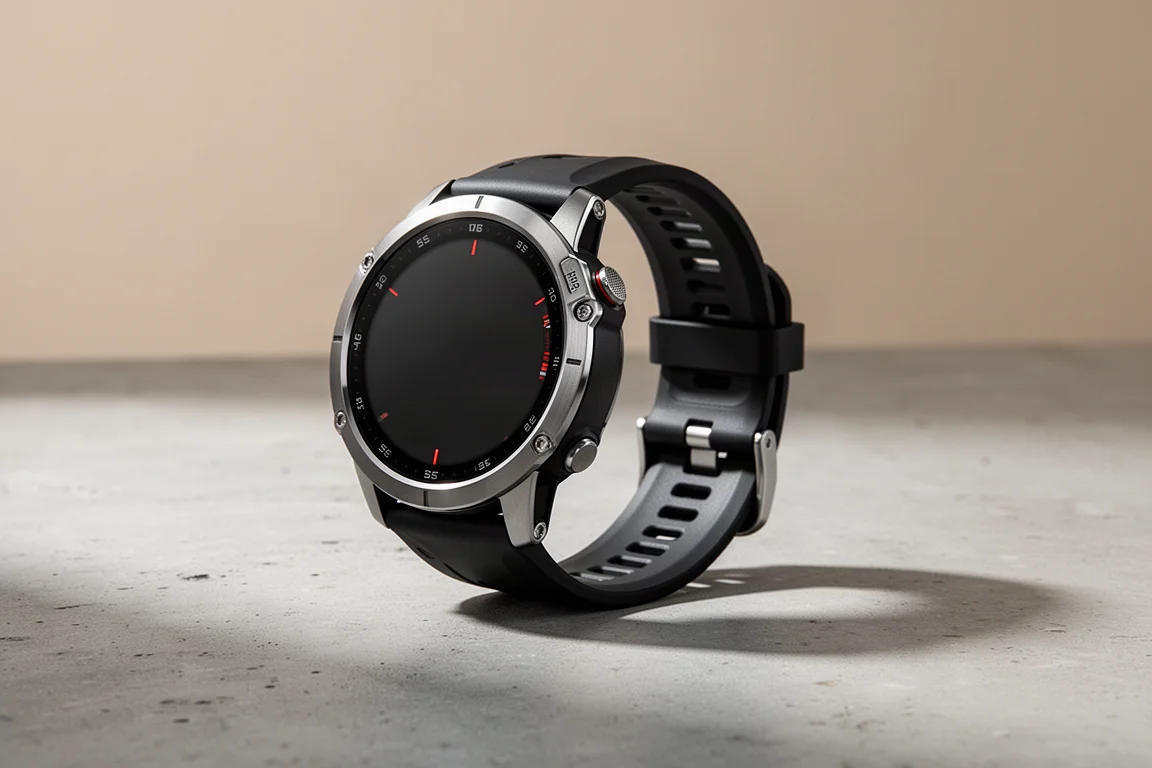
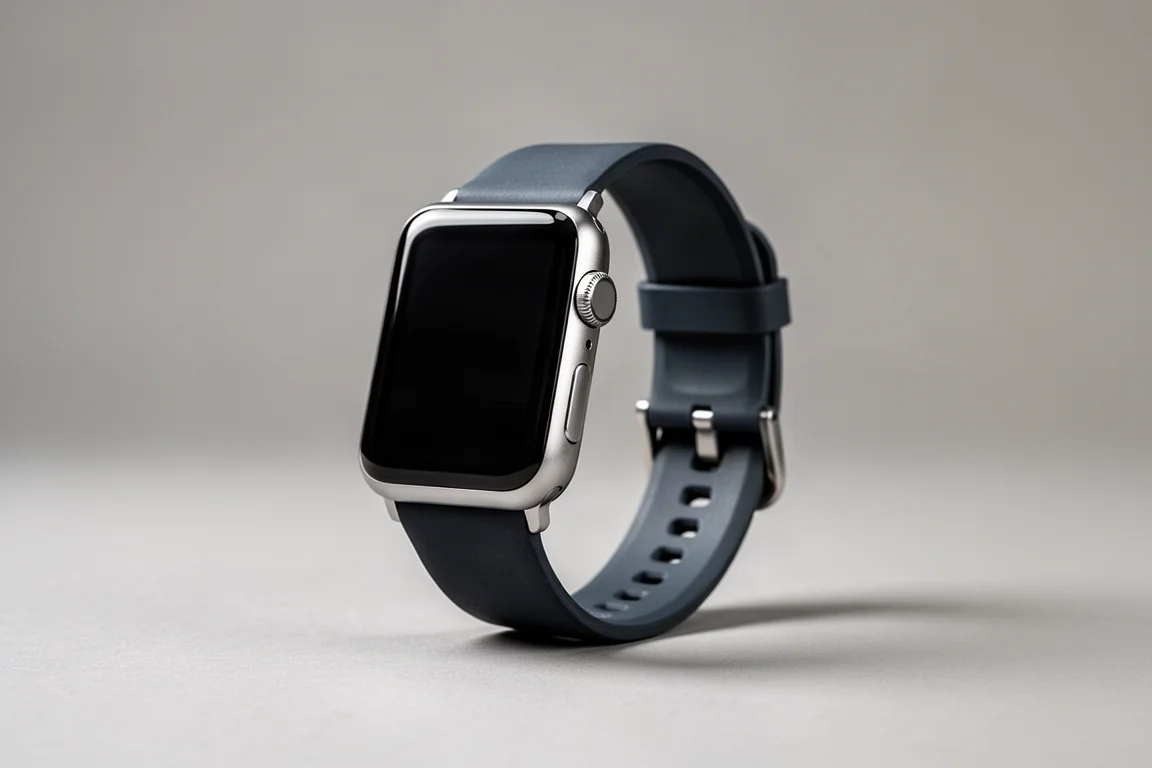
Watch Test: Garmin Forerunner 970 vs Apple Watch Series 11
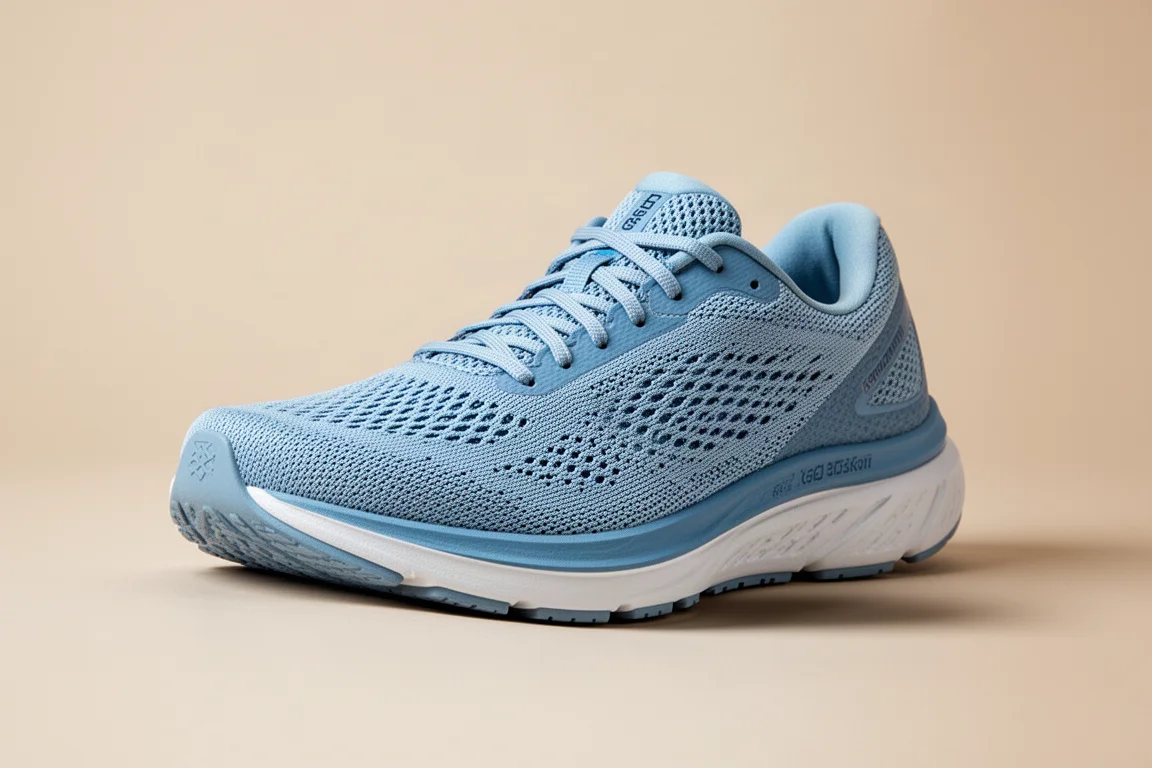
Both watches were taken off charge at 7 a.m. on race morning and run in maximum accuracy GPS mode with the screen at full brightness for the entire race. Over the marathon, the Forerunner 970 burned 10 percent of its battery, a strong result, finishing at 84 percent. The Series 11 burned 32 percent, finishing with 65 percent left, comfortably enough to carry through the rest of the day. Apple Watches of a few years ago would have struggled with a full marathon; this one handles it easily.
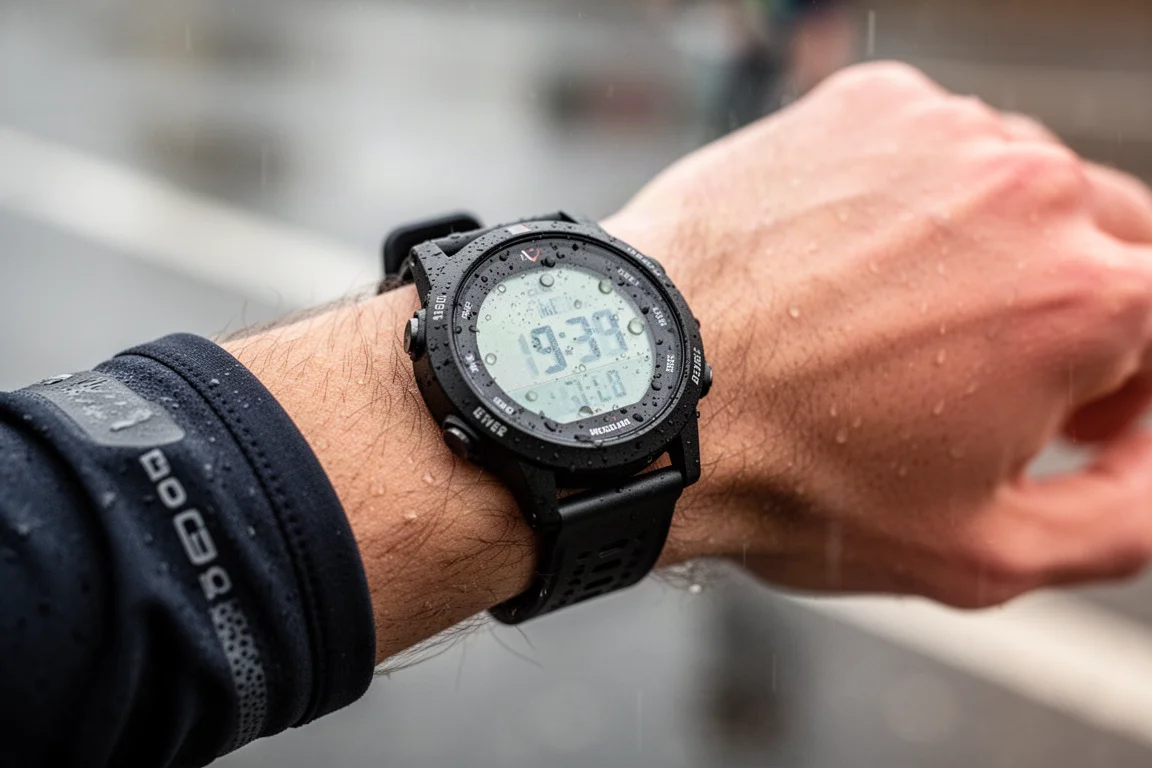
On GPS, the Series 11 held its own despite lacking dual-frequency support. It measured the race at 42.5 km against the Forerunner 970’s 42.4 km with dual-band GPS, proof that dual frequency does not automatically mean better accuracy. Real-time pace was solid on both, and both are reliable choices for racing a marathon, though Dublin is not a dense city, so busier urban courses are a different test.
Heart rate is where the two diverge slightly. The Series 11’s optical sensor matched the chest strap beat for beat for most of the race, but struggled in the final minutes with some high spikes that pushed up the max reading, though averages stayed level. It is good enough to race with, but for runners targeting heart rate zones precisely, a chest strap such as the one paired with the 970 remains the safer option.
Which Shoes and Watch Should You Pick
If you want the fastest, most aggressive marathon ride and do not mind some late-race foot feedback, the Fast-R 3 is a proven PB tool. If comfort matters more over the closing miles, the Metaspeed Edge Tokyo delivers a softer, more protective ride with equal efficiency. On watches, the Forerunner 970 is the endurance pick with outstanding battery burn and dual-frequency GPS, while the Series 11 is now a genuinely capable marathon companion with impressive GPS accuracy and mostly strong optical heart rate.
Pair any of them with realistic expectations: a lumpy, windy course will test your pacing discipline as much as your gear.
Conclusion
Dublin rewarded good gear choices in tough conditions. The Puma Fast-R 3 and ASICS Metaspeed Edge Tokyo both proved they can carry a runner to a PB in very different ways, and the Garmin Forerunner 970 and Apple Watch Series 11 both came through a full marathon with accurate GPS and manageable battery drain. Pick based on whether you value aggression or comfort underfoot, and whether all-day battery or everyday smartwatch versatility matters more on your wrist.
Further reading
Related Reviews
Running Gear
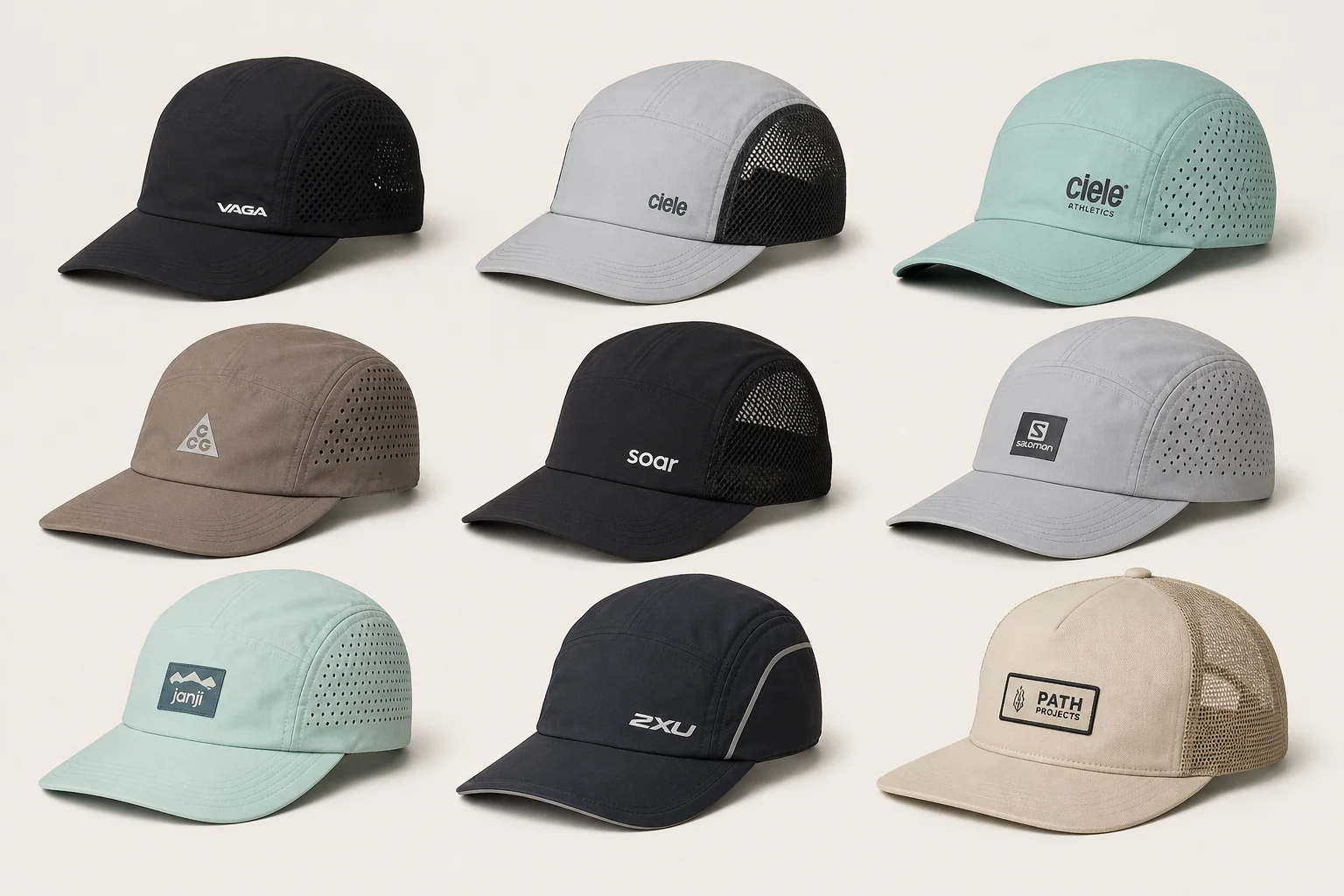
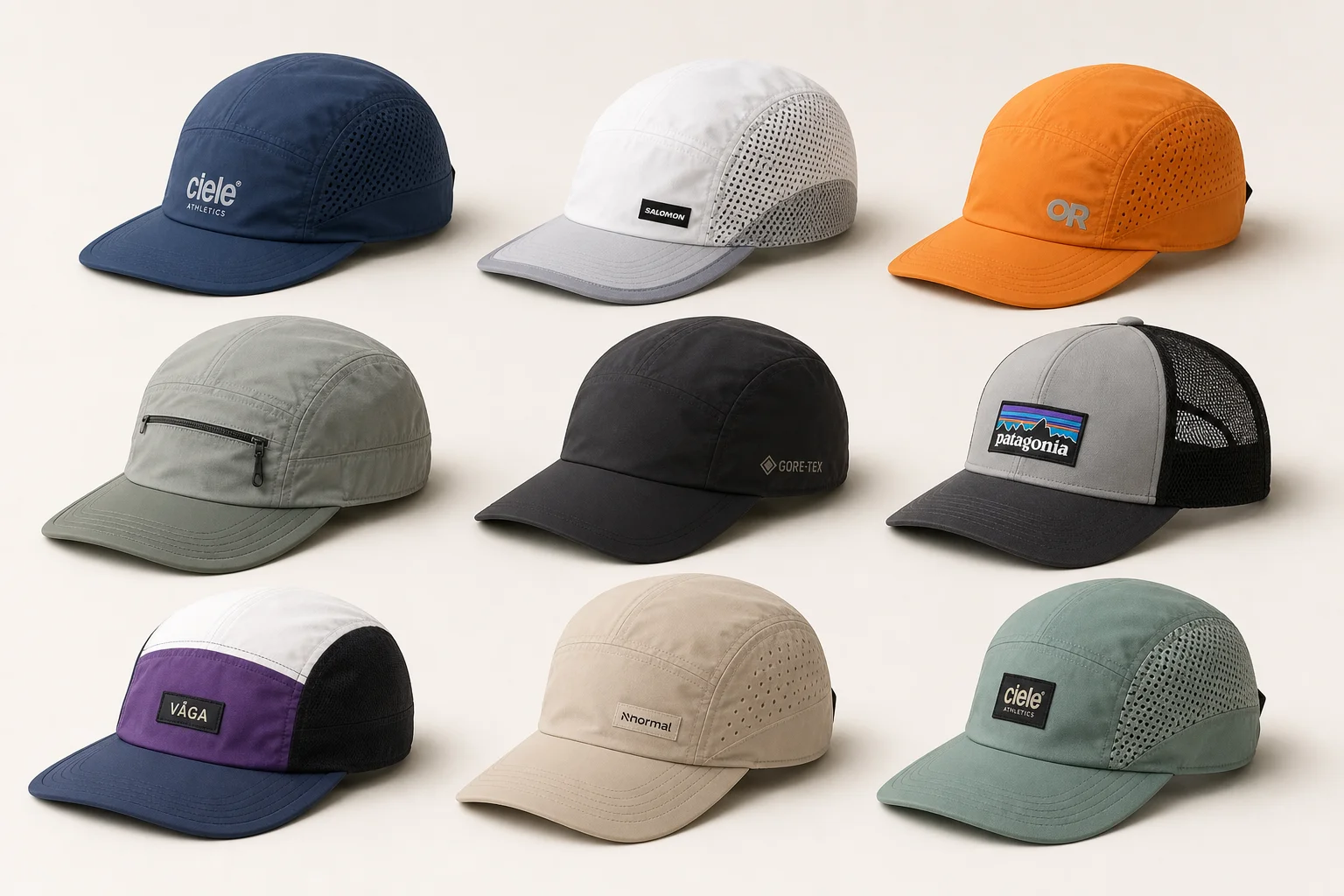
Best Running Caps 2026: Nine Tested Options for Summer and Winter
A comprehensive guide to nine running caps tested across different conditions, from lightweight summer options to waterproof winter choices.
Running Gear
Best Running Caps: A Guide to Summer and Winter Options
A comprehensive review of nine running caps for different conditions, styles, and preferences, from lightweight summer options to waterproof winter choices.
Running Gear
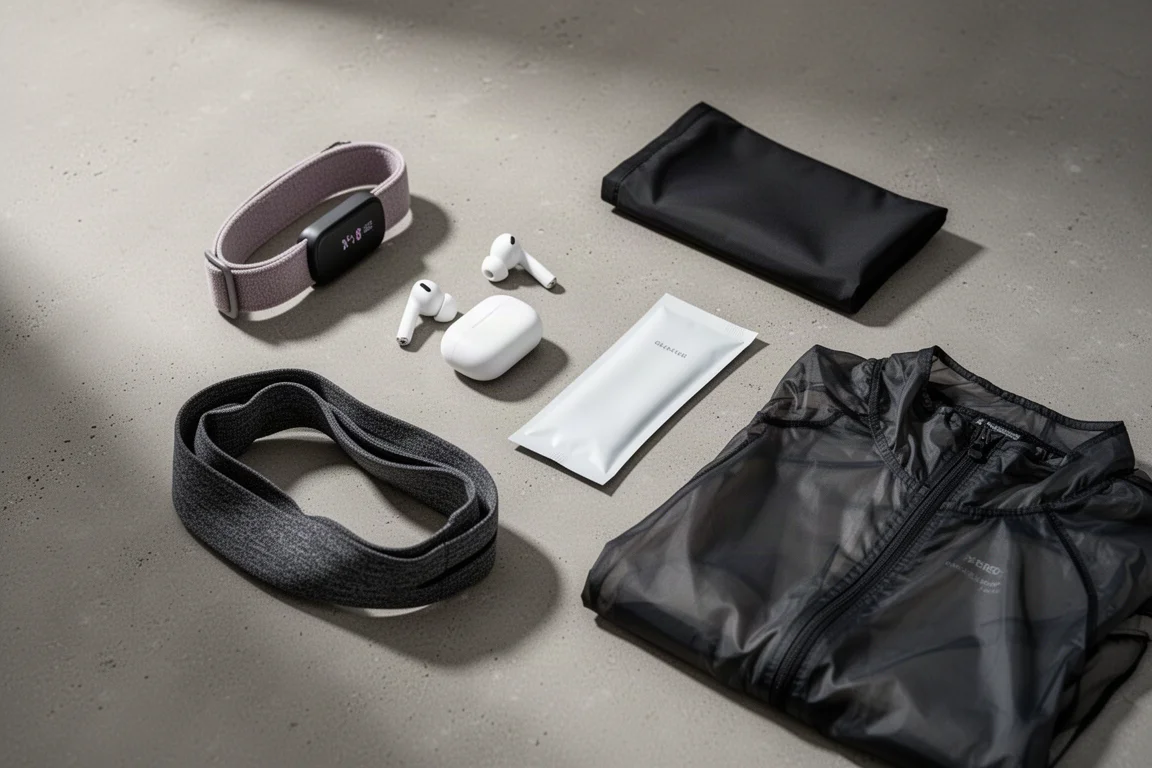
Best Running Gear 2026: Five Picks That Earn Their Place
Five running upgrades covering heart rate, audio, fuelling, carrying and weather protection, with the trade-offs worth knowing before you buy.