Hand Tools
Best Ways to Drive Dual Drive Nano Sockets: Wrenches, Ratchets, and Clever Workarounds
Dual drive nano sockets can be driven with ratchets, dedicated wrenches, bit drivers, and a few clever tricks. Here is a practical rundown of the options and their trade-offs.
Introduction
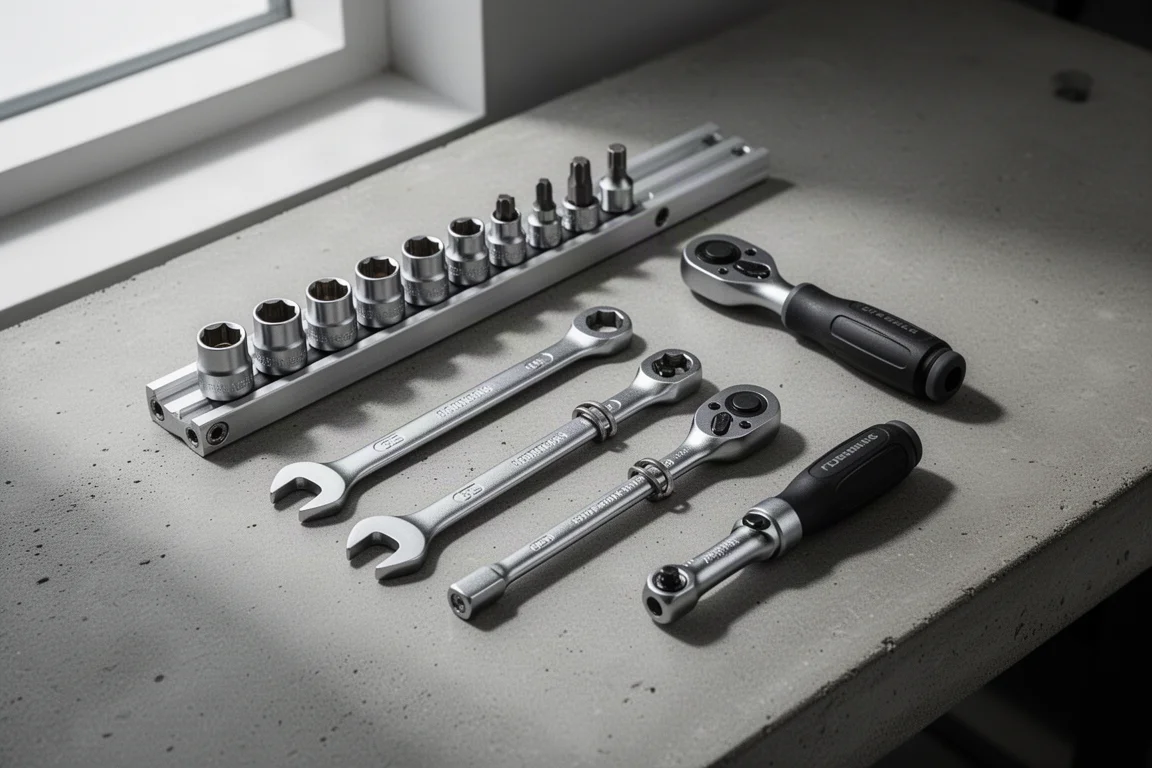
Dual drive nano sockets have quietly become one of the most useful categories of compact hand tools. The idea is simple: each socket has a conventional square drive on one end, so it works like a normal stubby socket, plus a wrench interface that lets a specially sized wrench retain and drive it. That gives you a very low-profile socket combination that sits somewhere between a wrench and a ratchet-and-socket setup.
The catch is that there are many ways to actually drive these sockets, and each approach has real trade-offs in cost, head size, and ergonomics. This guide walks through the main options so you can pick the right one for how you work.
What Dual Drive Sockets Are
Most dual drive sockets are impact-rated and come in 3/8-inch, 1/2-inch, and 1/4-inch drive varieties. The 3/8-inch version fits a standard 3/8-inch ratchet, and the 1/4-inch version fits a standard 1/4-inch ratchet. In practice, they can replace chrome sockets for many everyday jobs, with the obvious exception of deep sockets, which they do not replace.
The 3/8-inch size is the most common. The 1/2-inch variants from different brands differ noticeably: the Astro half-inch range spans 17 mm up to 30 mm, a wide range that suits the larger drive size. The 1/4-inch ones can also run on 11 mm wrenches.
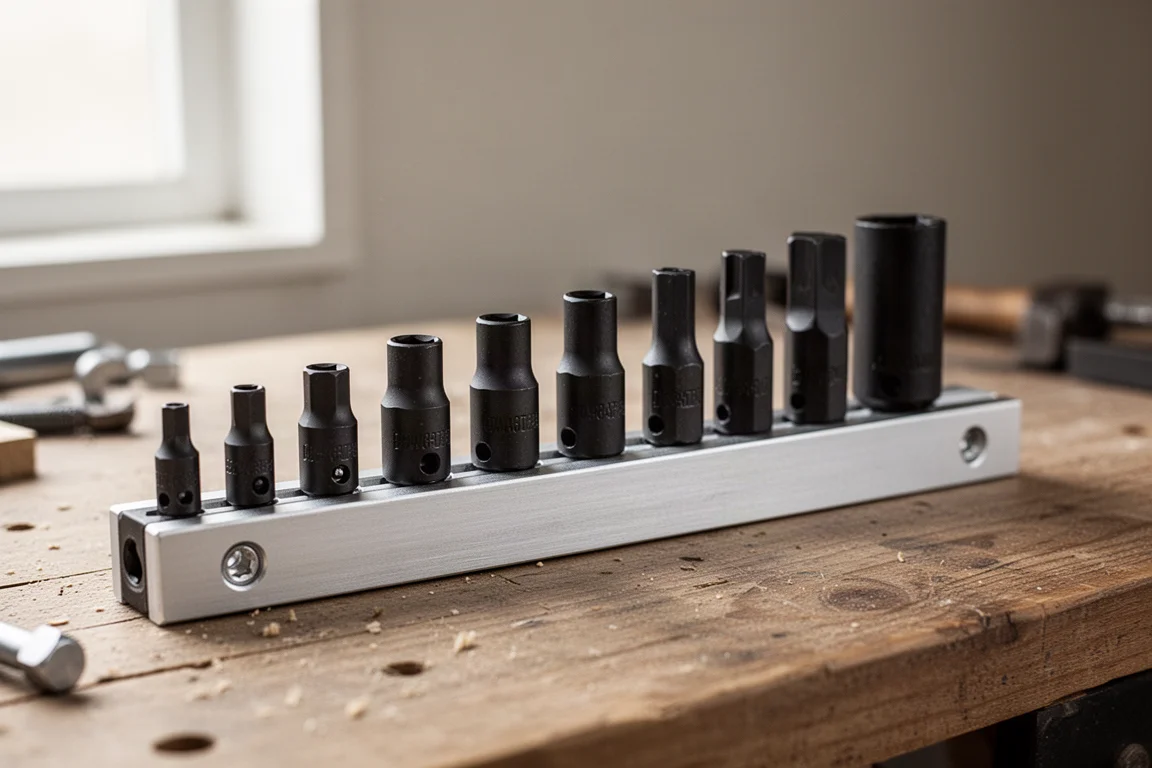
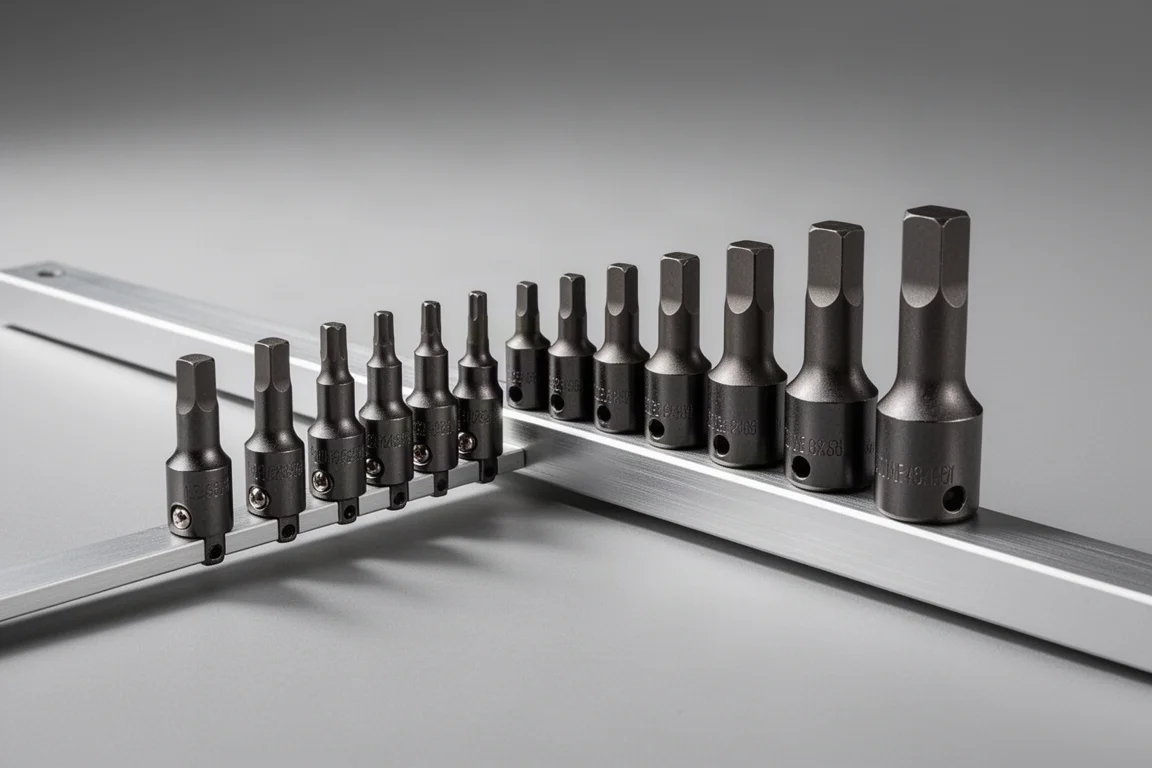
Astro’s ecosystem goes well beyond metric hex, too, with Torx, triple square, Phillips, straight blade, SAE hex, 12-point, and E-Torx options, and other brands including Vim, Quinn, and Chrome Cormo have since released their own nano sockets and drive tools.
The Entry Point: Astro Nano Sockets
The Astro Nano 6-19 mm dual drive socket set is a very accessible way into this ecosystem, at around $32 on sale. Pairing it with a conventional 3/8-inch ratchet is how many people use these sockets most frequently, and the combination of a low-cost socket set and a favorite compact ratchet is a genuinely strong introduction to dual drive tools.
Dedicated Dual Drive Wrenches
The Astro 17 mm Wrench
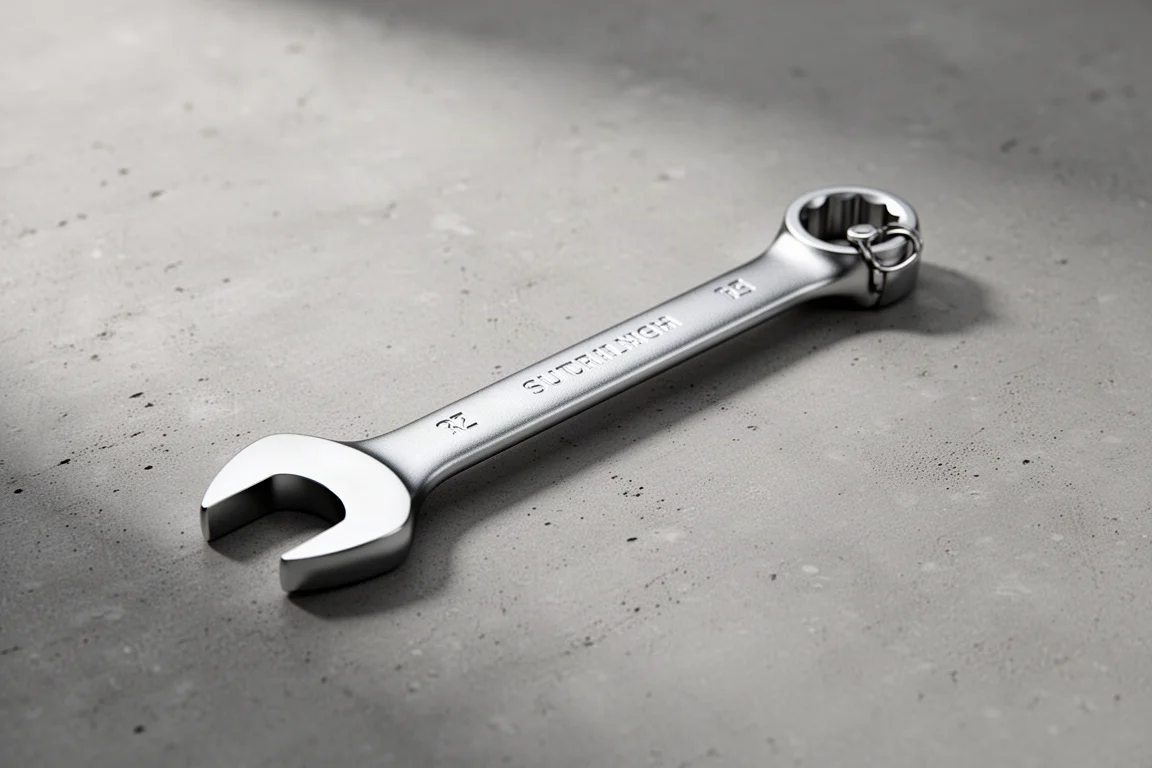
For the 3/8-inch sockets, Astro makes a 17 mm wrench with a built-in retaining ring that locks into grooves on the socket body. The result is a very low-profile combination that works well in tight quarters. It comes in two lengths: a short version around $22 and a long version around $25, both very reasonable.
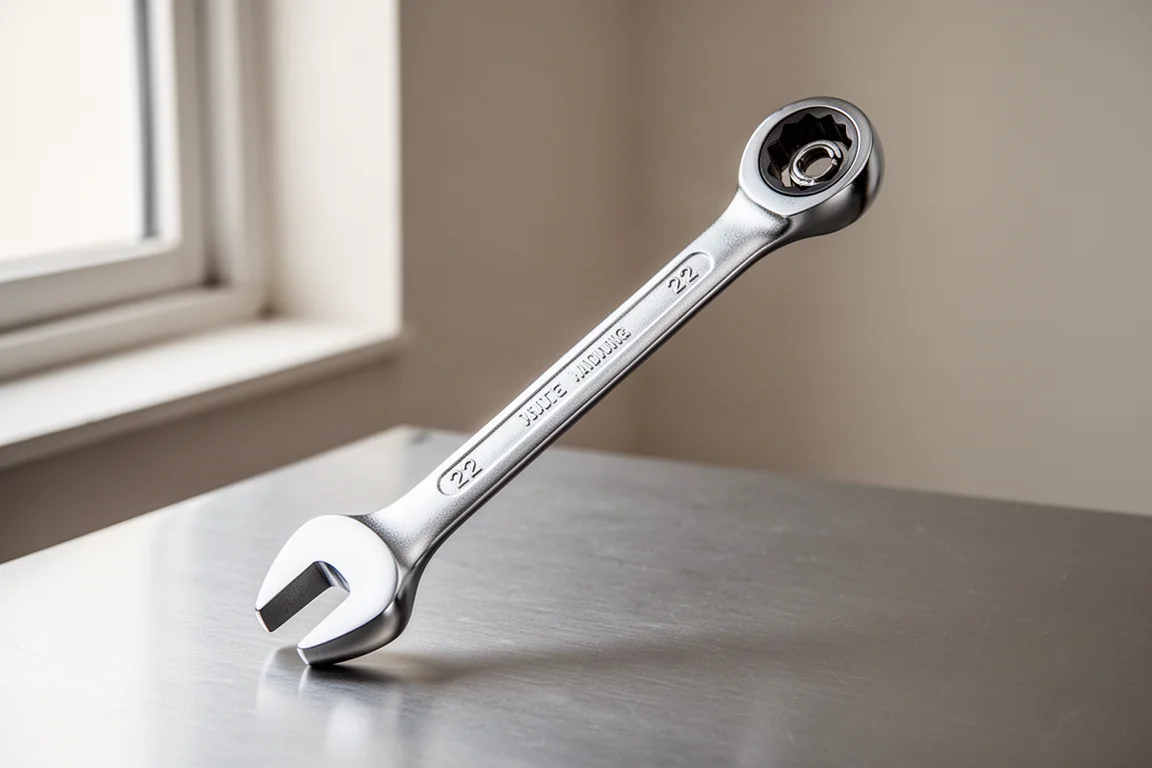
The Astro 22 mm Wrench
The half-inch sockets use a 22 mm wrench interface. Astro’s version again has a built-in retaining ring that locks the sockets on. The main limitation is the same as with the smaller wrenches: there is no reversing lever, so you flip the socket over to change direction.
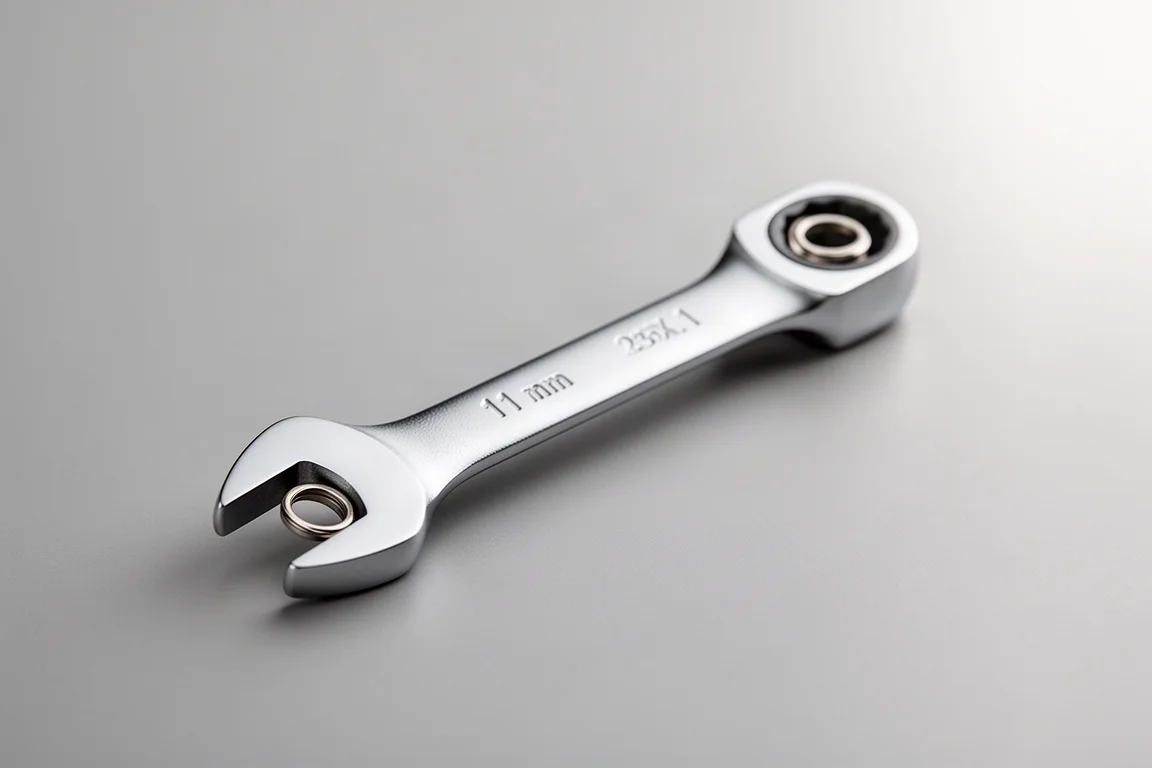
The Astro 1/4-Inch Wrench
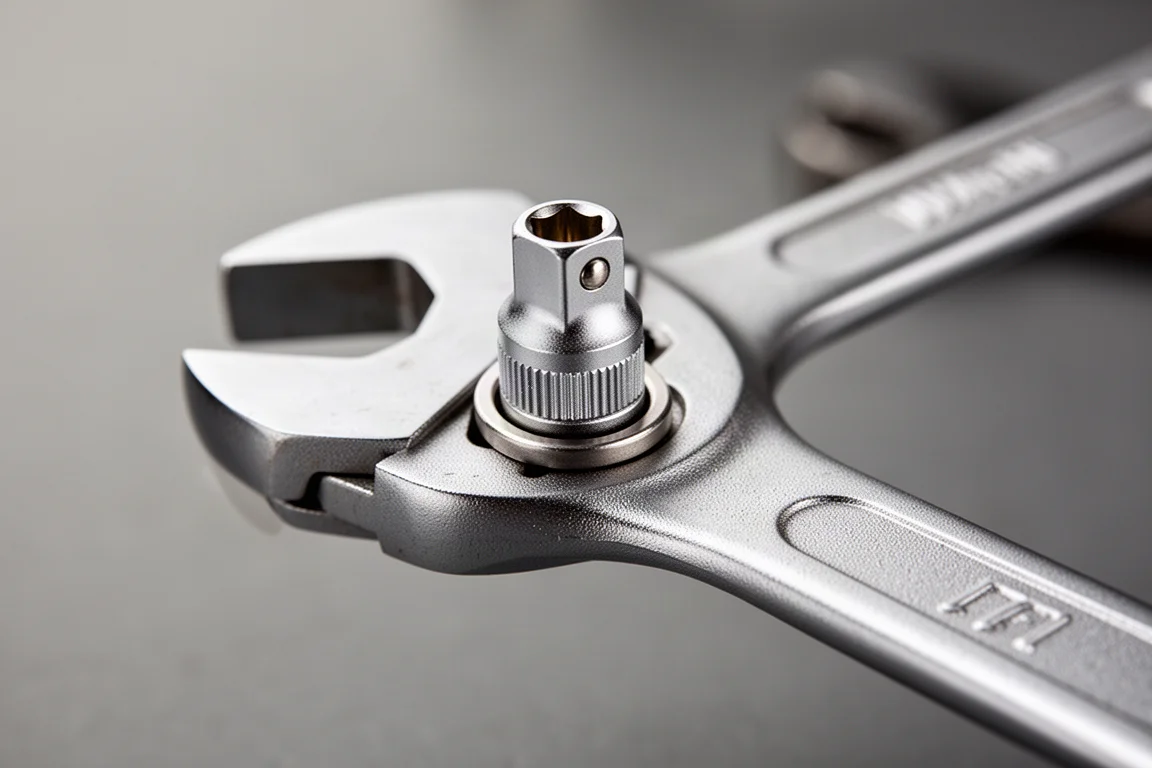
The quarter-inch sockets use an 11 mm wrench interface, and Astro makes its own version with the same retaining ring design. It is essentially the same tool scaled down, and it works nicely for compact fastening jobs.
The Reversing Lever Question
The lack of a reversing lever on the Astro wrenches is the most common complaint. Because these are flex-head designs without direction switches, you can occasionally back out a bolt and trap yourself in a spot where the ratchet cannot swing and the socket will not release from the fastener. Careful technique usually avoids this, and when a bind seems likely, a conventional ratchet with a reversing lever is the safer pick.
Not everyone considers this a dealbreaker. If you anticipate a bind, you simply choose a different tool for that job.
Reversible Alternatives
Matco Reversible Dual Drive Wrench
Matco makes a dual drive wrench with a reversing lever, in both short and long lengths, roughly equivalent to the Astro long version. The trade-offs are price, well over $100 compared to the Astro’s $25, and a slightly larger head, which can matter in the tight spaces where nano sockets shine.
Vim DDR FRA 100
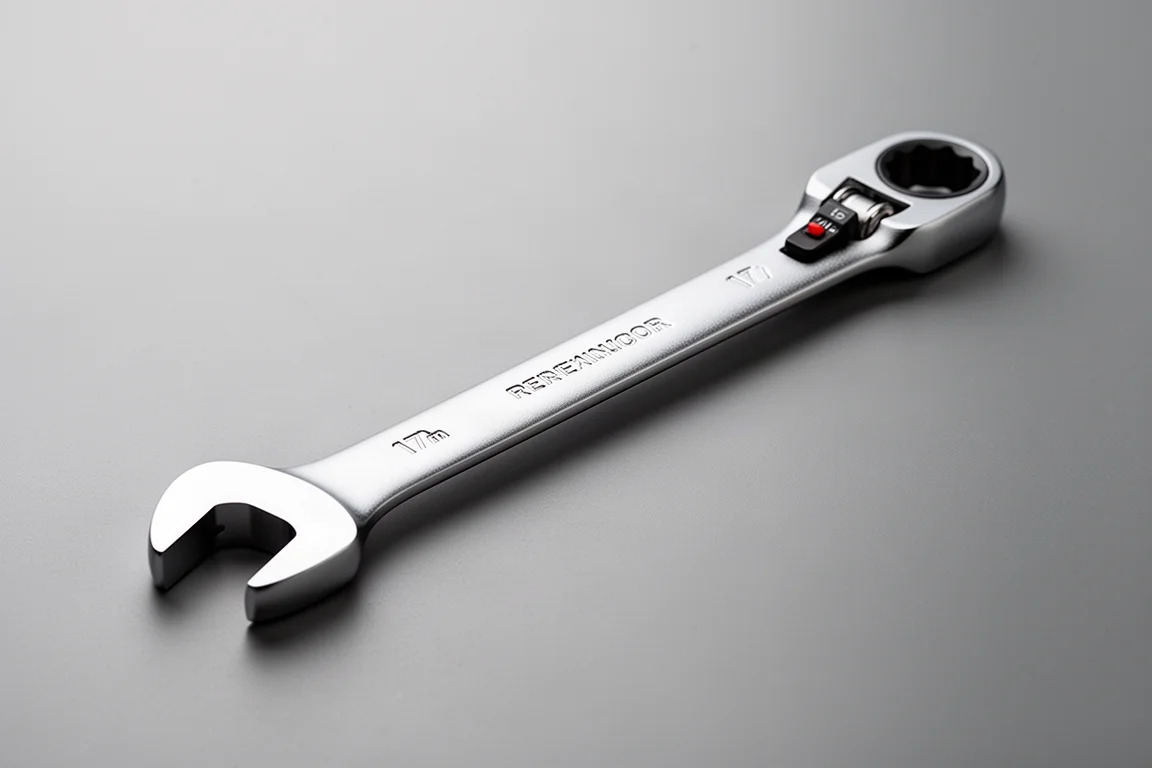
The Vim DDR FRA 100 is a three-piece set, around $120, covering the quarter-inch/11 mm, 3/8-inch/17 mm, and half-inch/22 mm combinations. Each piece has a female drive on the bottom, so you can attach any extension and build a reversible nano-compatible driver in whatever length you need. It is a clever idea with caveats: grabbing the female end of an extension is uncomfortable, and extensions are engineered for twisting torque rather than lateral load. It also introduces wobble that dedicated wrenches do not have.
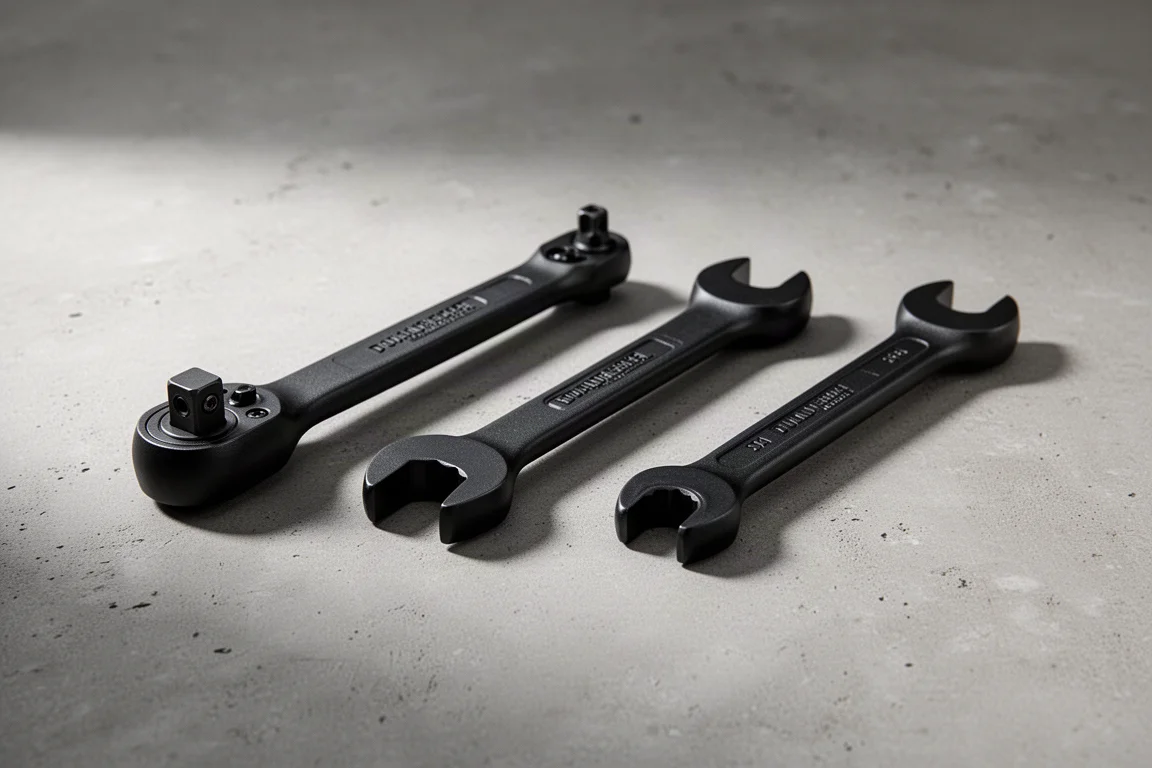
Vim Nora Wrench Set
Vim’s Nora wrenches follow a similar concept and can be paired with extensions for adjustable reach. They solve the reversing problem, but at a significantly higher price than the Astro wrenches you are effectively replicating, so they make the most sense as specialty tools rather than daily drivers.
Conventional Wrenches with Added Retention
Capri 17 mm Reversing Wrench
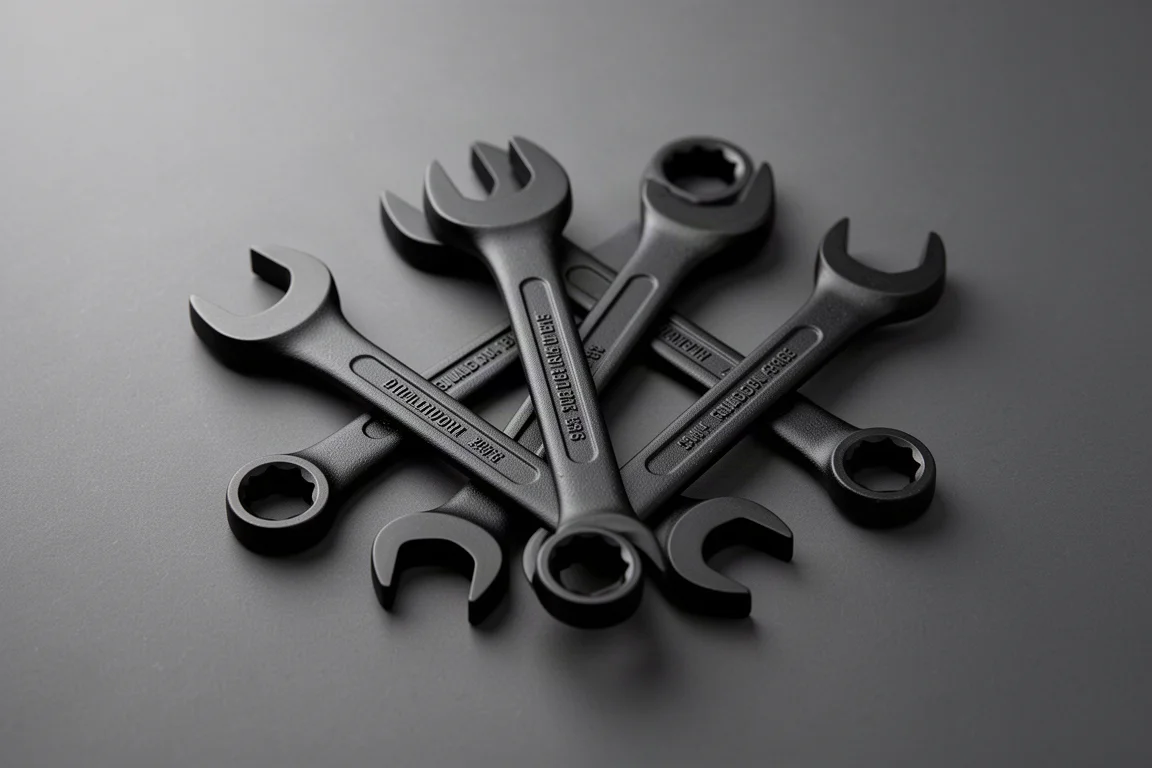
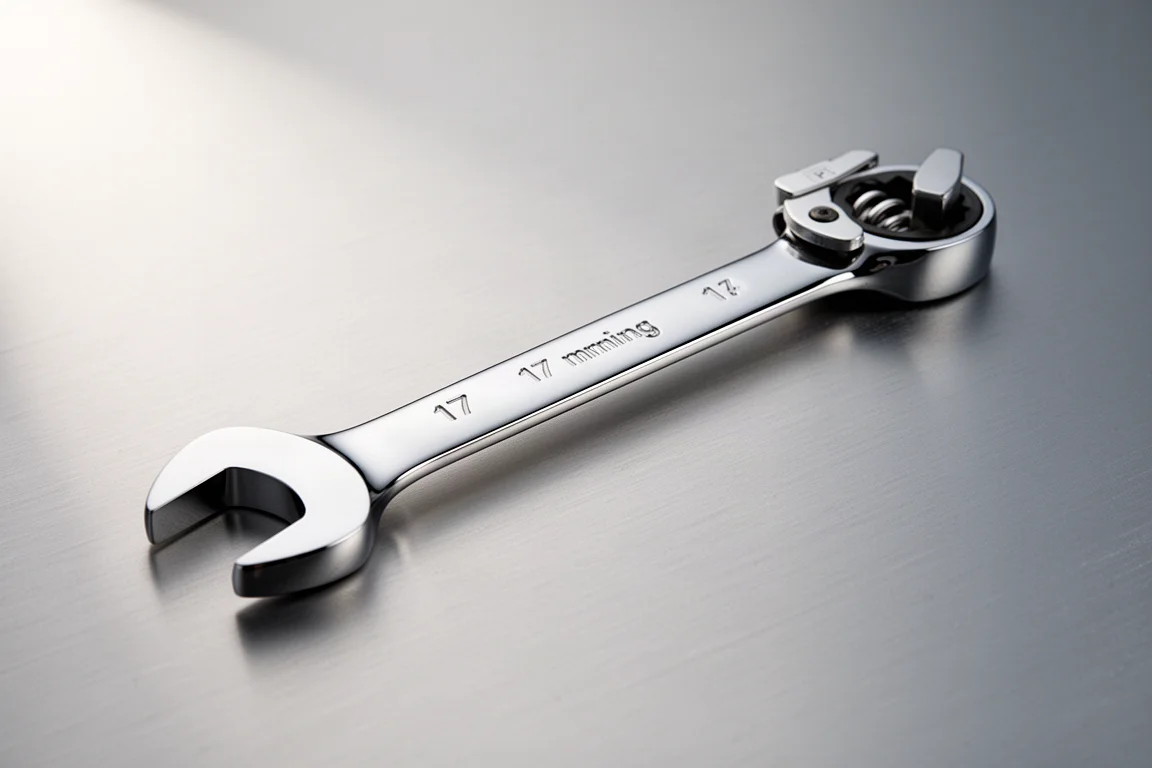
You do not actually need a dual drive-specific wrench. Any standard 17 mm wrench will accept a 3/8-inch dual drive socket, and a Capri 17 mm reversing wrench even has the reversing lever the Astro wrenches lack. The issue is retention: nothing locks the socket in place without an added clip or trick.
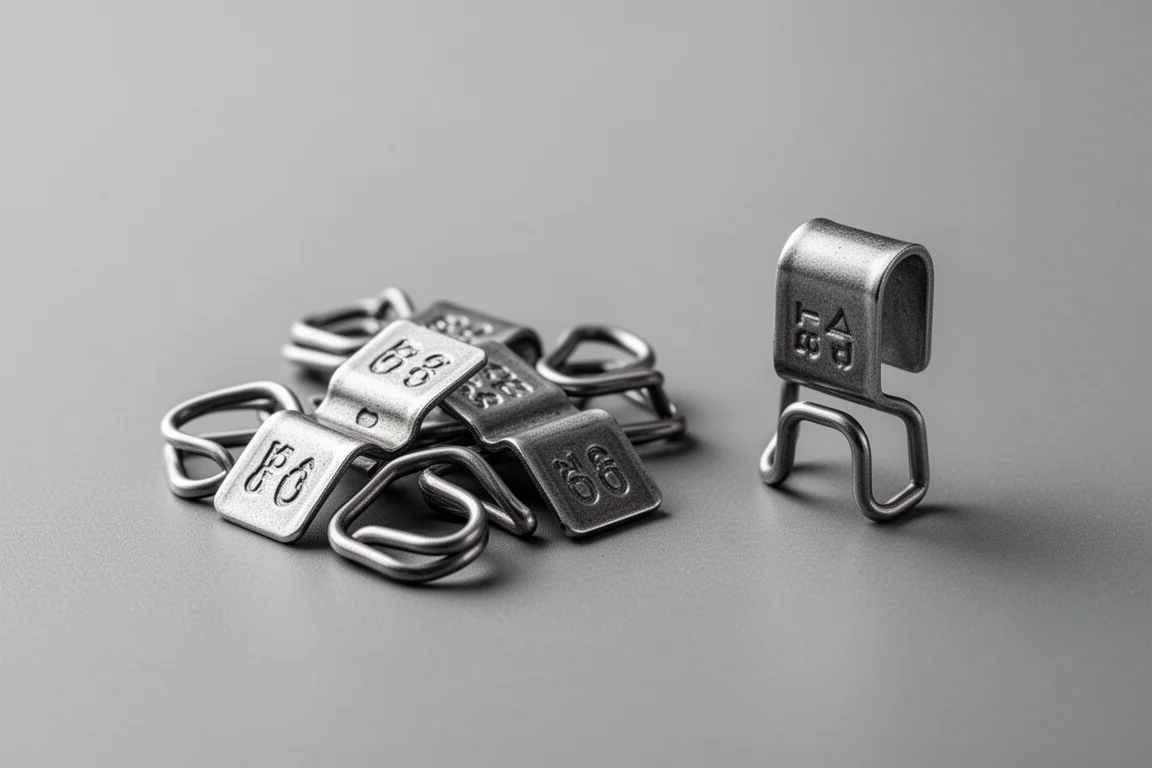
Ulsa Dual Drive Retainer Clips
Ulsa Tools sells small end retainer clips, around $27 for the set, that snap onto the socket and hold it tight in a standard 11 mm, 17 mm, or 22 mm wrench. They work noticeably better than most homemade solutions, which tend to leave the socket loose. This effectively converts any conventional wrench into a dual drive-compatible wrench.
The Paper Towel Trick
The old mechanic’s trick is free: wedge a small piece of paper towel into the wrench opening, press the socket in, and tear off the excess. It holds the socket surprisingly tight, still allows pass-through on the fastener, and works for both 17 mm and 11 mm interfaces. It is a perfectly serviceable alternative if you would rather not spend on clips.
Bit Drivers as an Everyday Option
Vessel Ratcheting Bit Driver
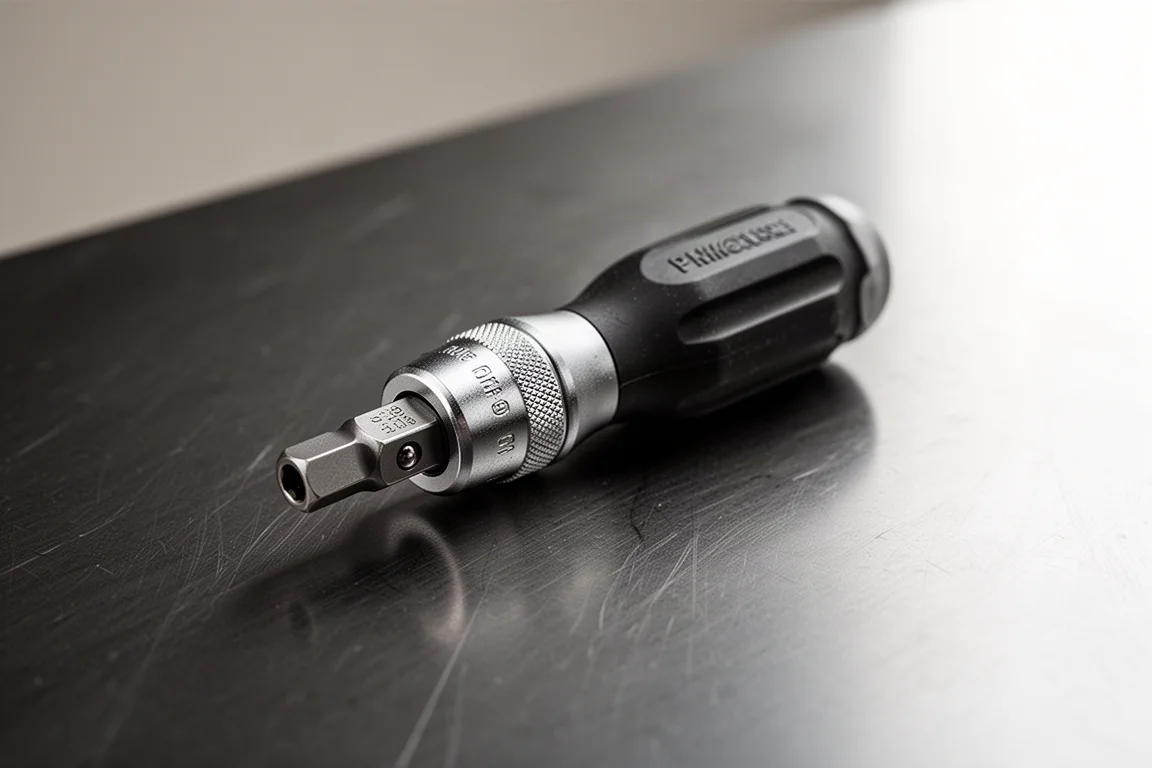
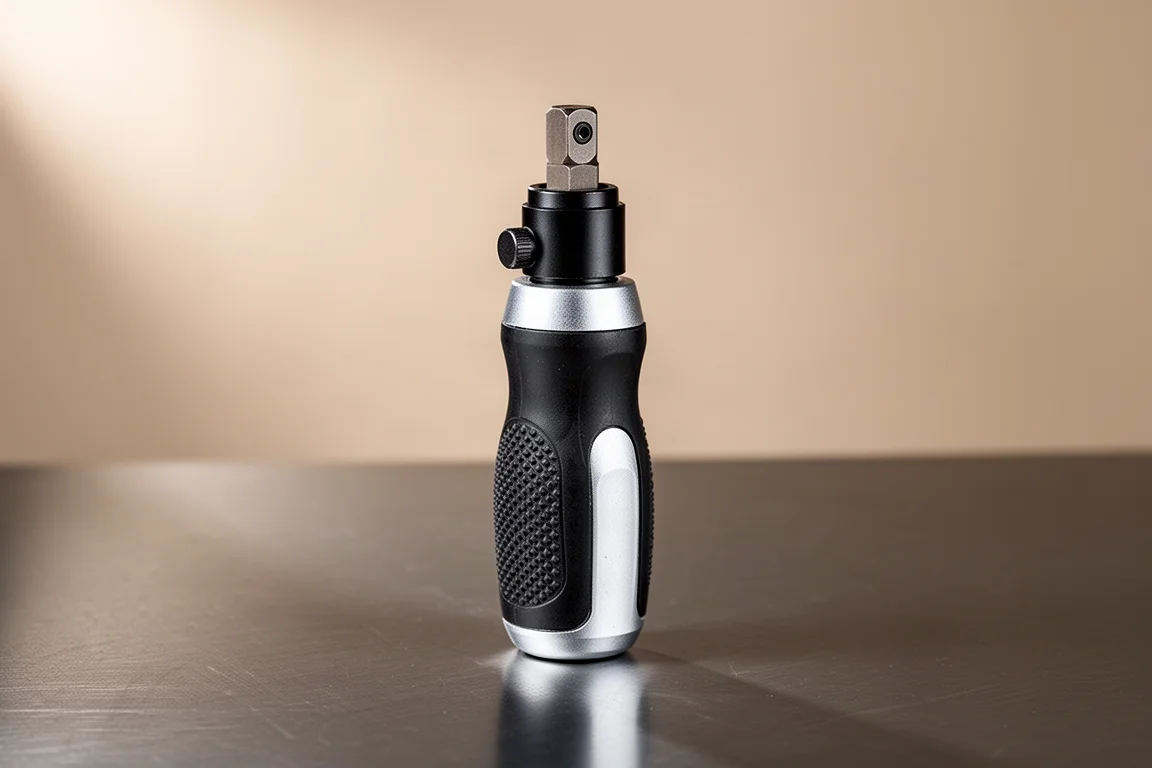
A quality ratcheting bit driver is another excellent way to run these sockets. A Vessel ratcheting bit driver accepts the quarter-inch interface and can lock into a central non-ratcheting position or ratchet in either direction. It has genuinely replaced nut drivers for many users, and you can also fit a 3/8-inch interface to run the larger sockets.
Verra Carousel Bit Driver
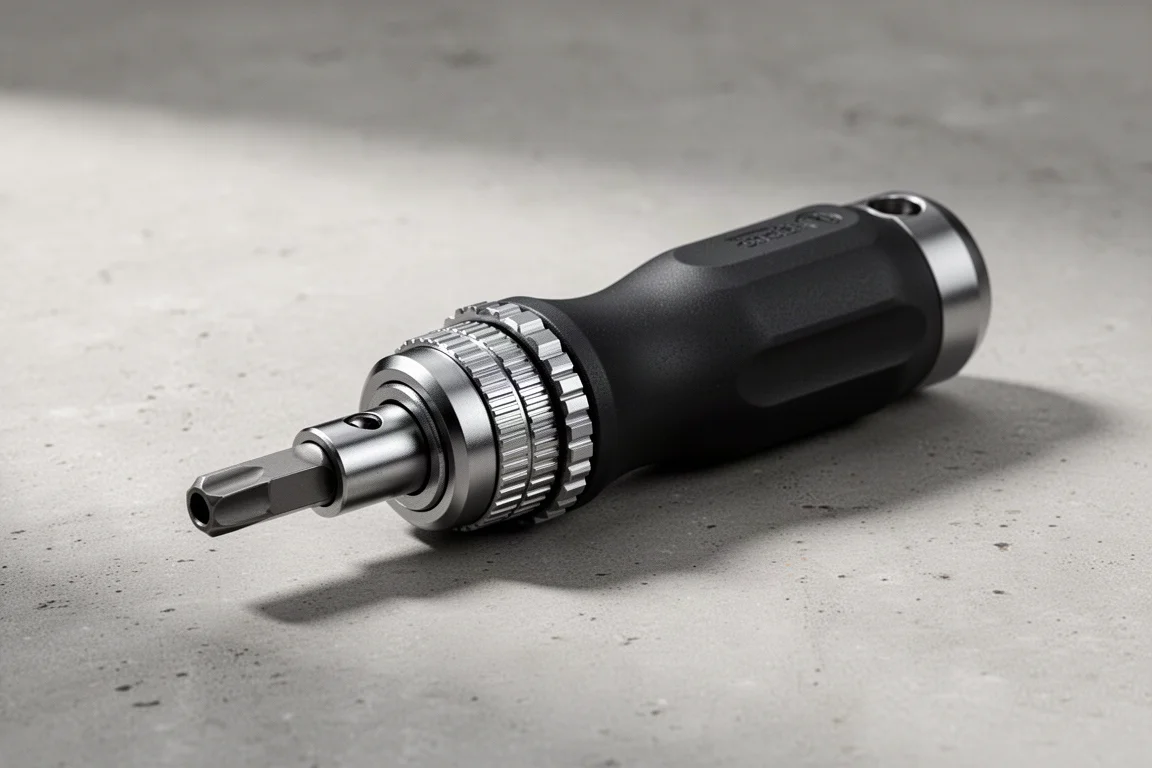
The Verra carousel bit driver adds two useful extras: a locking bit interface, which prevents bits or sockets from being left behind in an engine bay, and a removable shaft that lets it be used in impact guns for extra reach. Both features make it a strong companion for nano sockets and quarter-inch bits alike.
Choosing the Right Setup
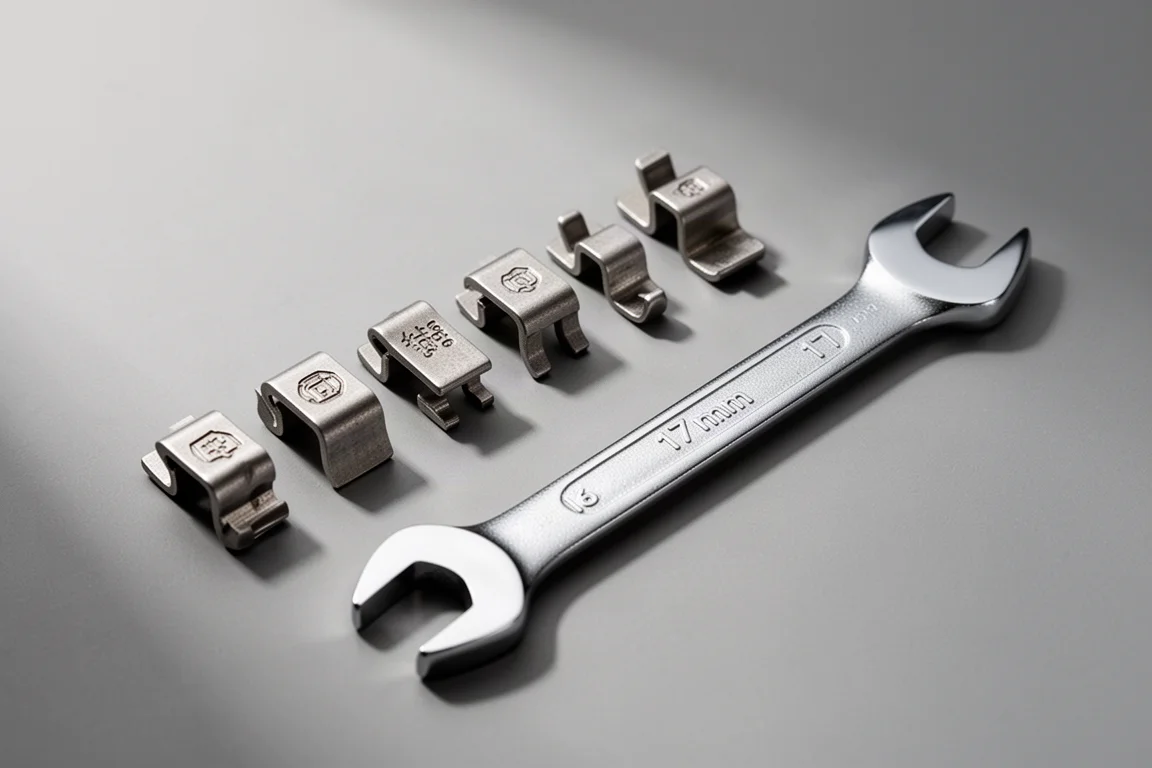
For most people, the sensible starting point is the Astro 6-19 mm socket set plus the matching 17 mm wrench, roughly $54 combined on sale, along with whatever conventional ratchets you already own. That covers the vast majority of use cases at minimal cost. If the missing reversing lever genuinely bothers you, the choices are the Matco reversible wrench, the Vim sets, or a standard reversing wrench paired with Ulsa retainer clips, and each involves paying meaningfully more for that one feature. Bit drivers round out the toolkit as a compact, always-handy driver for smaller sockets.
Conclusion
Dual drive nano sockets reward a small, well-chosen toolkit rather than one expensive do-everything solution. The Astro wrenches deliver the lowest profile at the lowest price, reversible alternatives from Matco and Vim add direction switching at a premium, and retainer clips or even a scrap of paper towel turn ordinary wrenches into compatible drivers. Match the tool to the job in front of you, and this ecosystem is genuinely hard to beat.
Further reading
Related Reviews
Hand Tools
Best Diagonal Cutters 2026: 16 Pliers Tested for Cutting Power and Durability
We put 16 diagonal cutters through nail, screw, drill bit, and hex key tests to find the best value picks for your toolbox.
Hand Tools
Best Hex L Key Sets 2026: Nine Sets Tested for Real-World Torque
Nine hex L key sets from budget to premium, tested for torque, fit, and durability. See which sets deliver real performance and which ones to skip.
Hand Tools
Best Locking Pliers 2026: Top Picks Tested for Grip and Durability
We tested 18 brands of 10-inch locking pliers for grip strength, jaw bite, build quality, and ease of release to find the best options for tough jobs.