Kitchen Gadgets
Driio Barista Maker Review: Café-Quality Milk Foam at the Touch of a Button
We put the Driio Barista Maker milk frother through four demanding tests, from dairy microfoam and latte art to plant milks and savoury chef-style foams.
Introduction
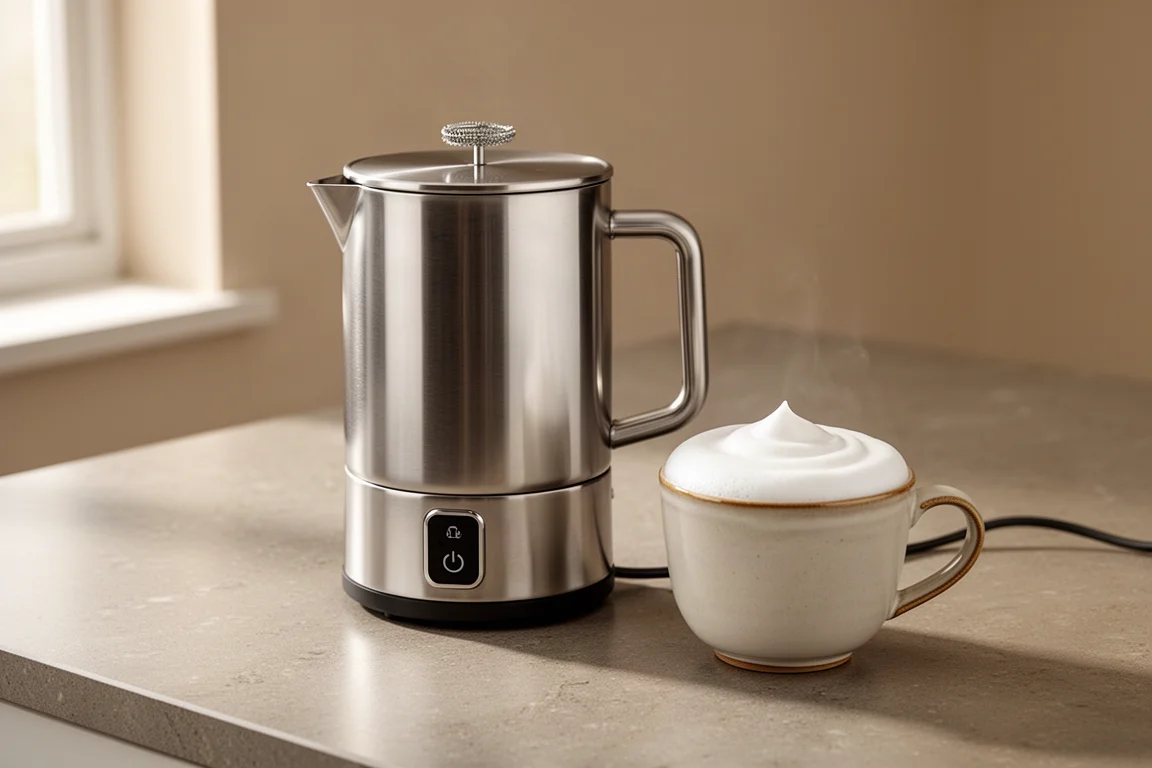
Milk frothers promise a lot and usually deliver a little: airy, coarse foam that collapses before your second sip. The Driio Barista Maker aims to change that with a fully automated, one-button approach to true barista-style microfoam. We got hands-on time with a prototype of this Kickstarter-funded machine and put it through four demanding tests, from full-fat dairy and latte art to oat, almond, cold infusions, and even savoury chef-style foams.
What Good Foam Actually Looks Like
Before judging the machine, it helps to know the target. Quality microfoam is judged on four things: taste, texture, consistency, and temperature. The foam should be silky and velvety, with bubbles so small they are barely perceptible, and served between 60 and 70°C (140 to 160°F). That temperature matters because gentle heat breaks lactose down into simpler sugars, making the milk taste naturally sweeter without scalding the proteins.
A steam wand on a bean-to-cup machine can get close, but it relies on practice and technique, and it naturally dilutes the milk with injected steam. The Driio claims to skip both problems entirely.
Test 1: Dairy Milk Microfoam
First up: full-fat cow’s milk. The process could not be simpler. Pour the milk in, select the milk type on the front panel, choose your foam style, and press start. We went for microfoam and let the machine do the rest.
The result was genuinely impressive. The foam poured with a soft, glossy layer, and the texture was smooth and velvety rather than the airy, shaving-foam-like result many home steam wands produce. The milk even tasted slightly sweeter, exactly as the science predicts.
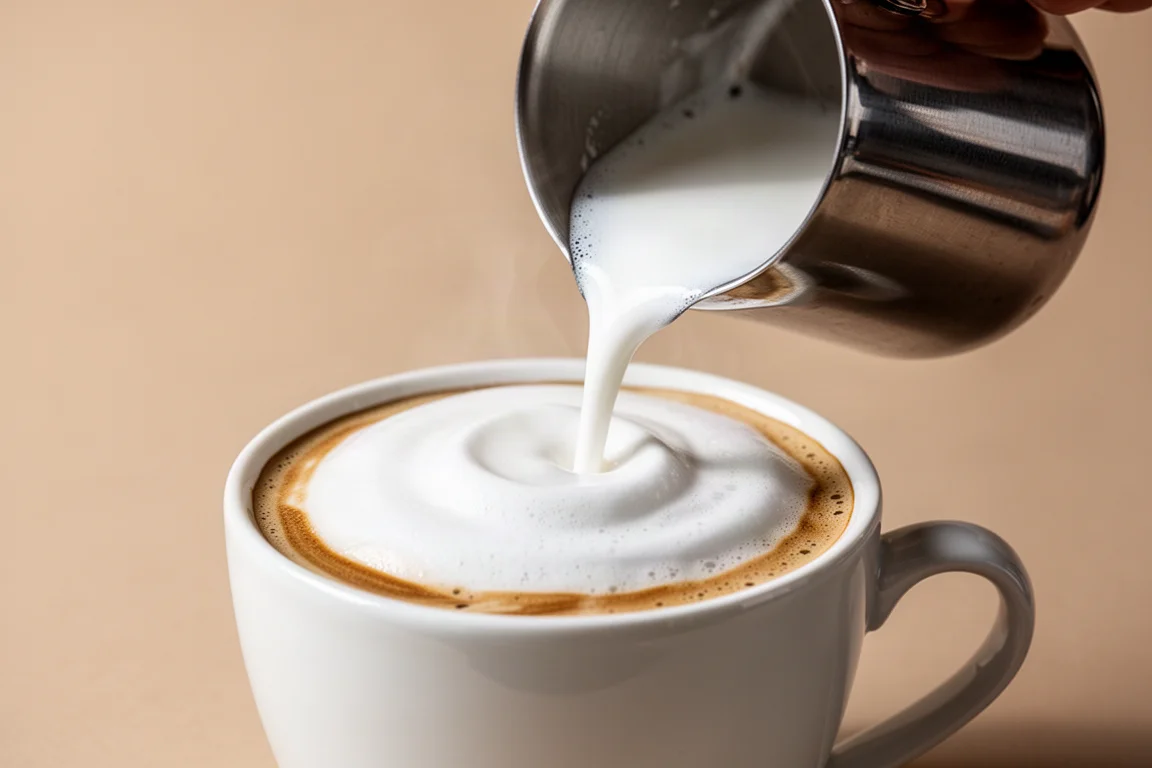
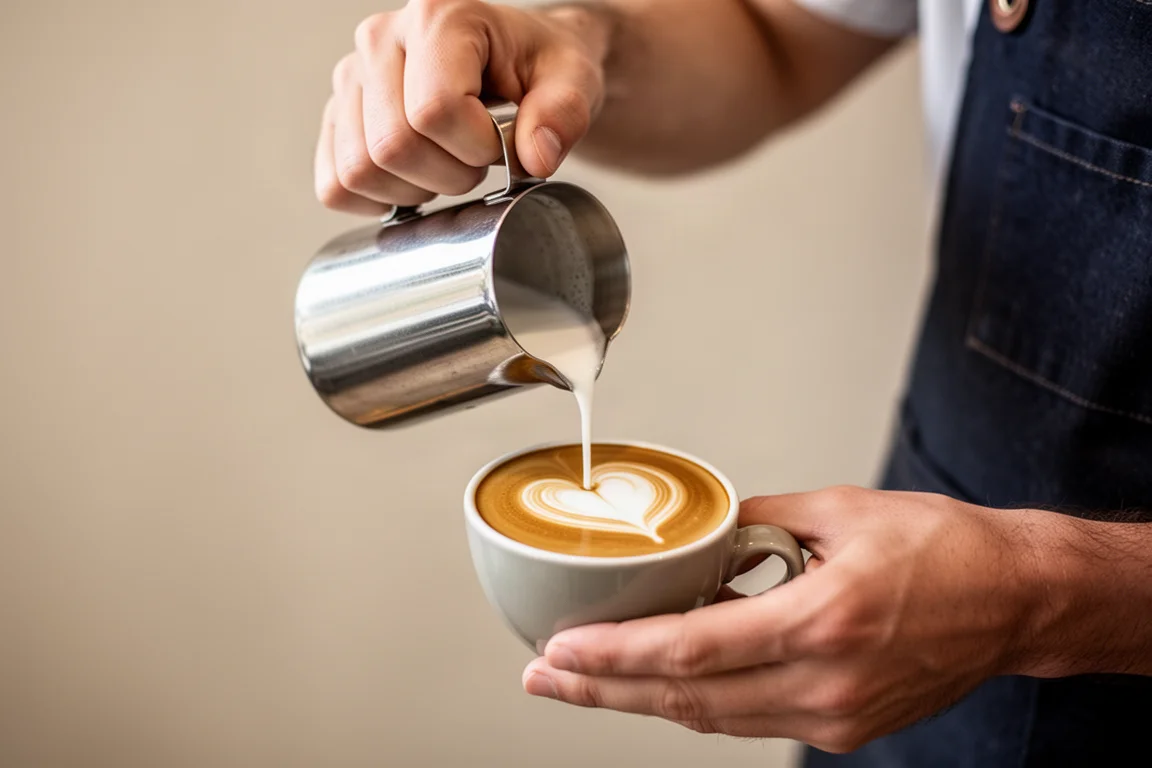
To make the test fair, we invited a professional barista to try latte art with the freshly frothed milk, having never seen the machine before. Her verdict: a glossy, silky, paint-like texture with barely any surface bubbles, an evenness and staying power she described as excellent. The fine-tipped jug pours directly from the machine, so there is no transferring between vessels, and the foam held its glossy finish on top of the coffee for a long time.
Test 2: Latte Art and Plant-Based Milks
Good microfoam needs to blend seamlessly with coffee and hold its structure well enough for latte art. The professional’s pour came out textbook clean. An amateur attempt with zero practice produced something recognisably heart-shaped, which says a lot about how forgiving the foam is to work with.
Next came plant-based alternatives. The machine offers a smart pre-programmed function that accounts for how the proteins and fats in different milks behave, selecting dedicated modes for oat, almond, soy, and coconut milk instead of the single one-size-fits-all setting most non-smart frothers use. Internally, a magnetic impeller runs a three-stage cycle: heat first, then a fast spin for frothing, slowing down as centrifugal action draws milk into the centre and chops large bubbles into microfoam.
We tested barista-style oat milk and it produced a glossy, workable foam that easily supported latte art in a larger cup. Judged against the Specialty Coffee Association scale, where an excellent microfoam scores 8 or above with bubbles under half a millimetre, the dairy results hit that target comfortably.
Test 3: Cold Infusions and Shakes
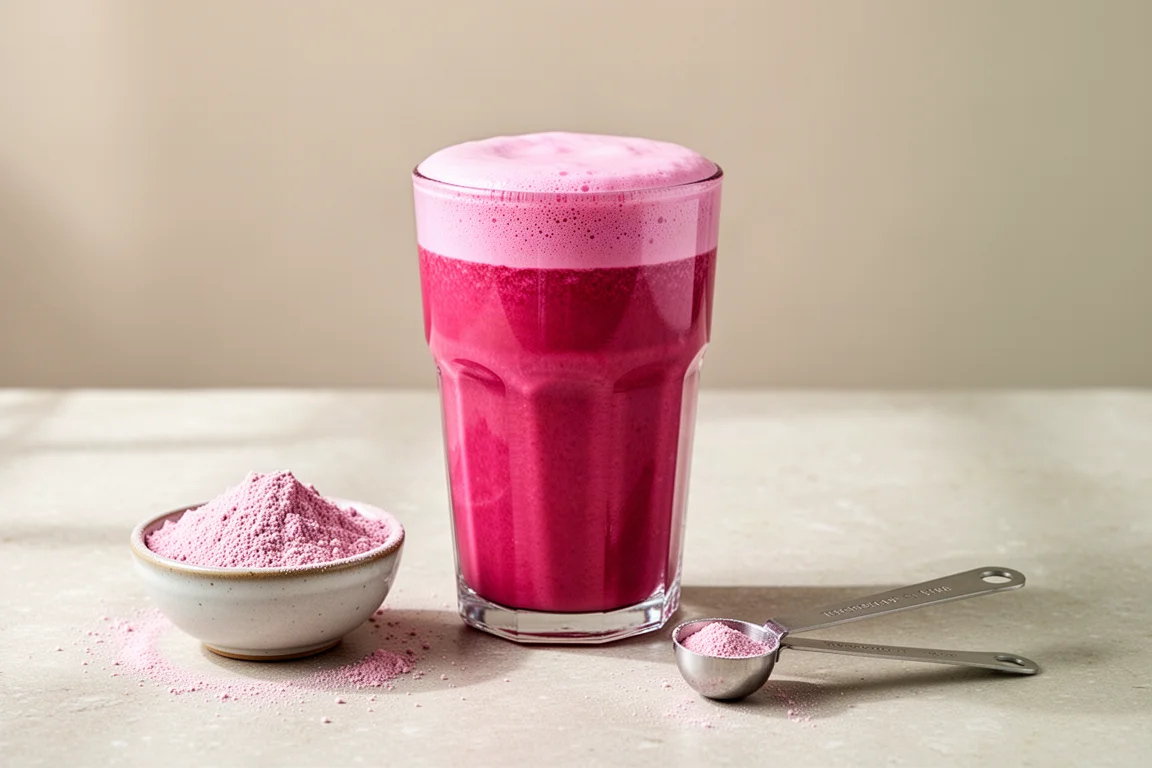
The third test swaps the impeller for a magnetic disc tip and switches to cold mode. This turns the machine into a cold-foam maker and blender for drinks like matcha lattes, turmeric lattes, chai, protein shakes, and flavoured latte mixes. We blended a beetroot and ginger latte powder with almond milk, and it combined fully with a lovely, even foamy head on top.
Cleaning and Everyday Practicality
One genuinely useful detail: the whole jug can be submerged in hot soapy water or put in the dishwasher, because none of the mechanical parts live in the jug itself. After frothing beetroot mixture, that is not a nice-to-have, it is essential. Operation is equally simple. There is no learning curve; it is a couple of buttons and done.
Going Cheffy: Savoury Food Foams
Beyond coffee, the machine opens the door to restaurant-style cooking. Infuse milk gently at around 50°C with garlic and hard herbs, strain, froth with a hot thick foam or cappuccino setting, and spoon the result over a chilled pea velouté or slow-cooked salmon. The silky, glossy milk finish adds a luxurious mouthfeel to savoury dishes, and the same approach works for sweet foams too: a little sugar and vanilla makes a dessert foam that is excellent alongside cookies.
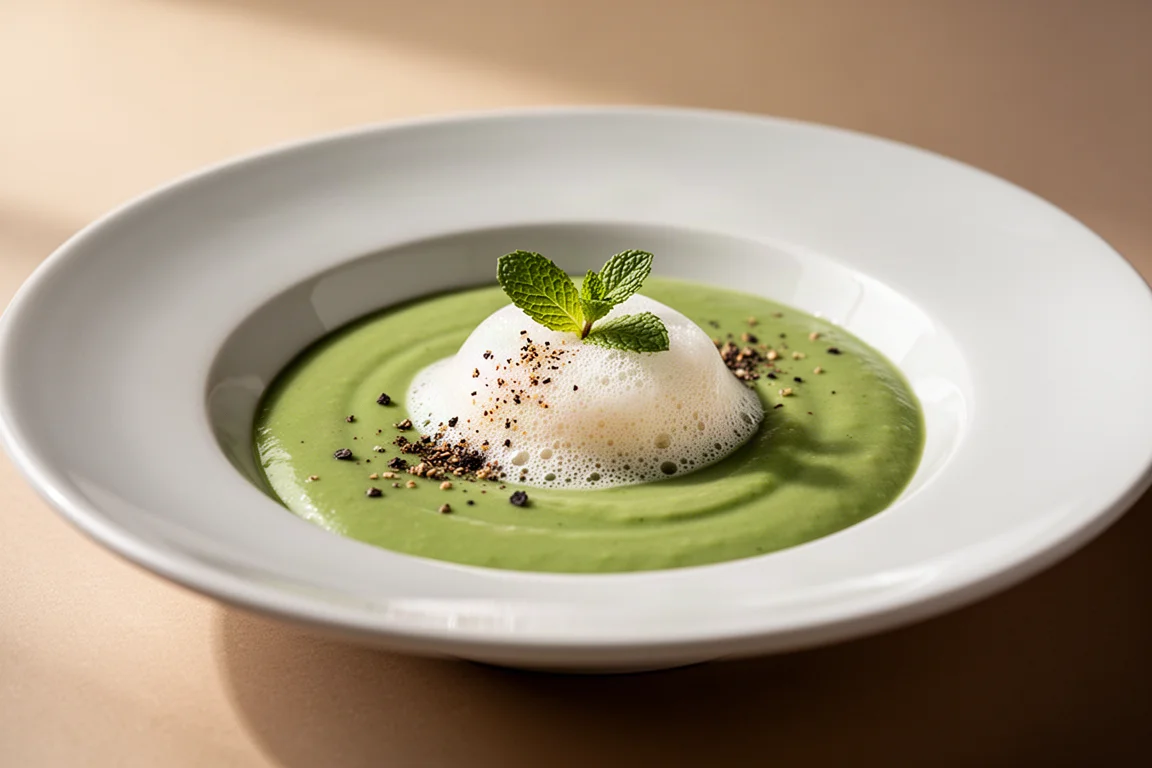
Without a machine like this, you would need to heat and whisk or blend by hand, which produces some foam but never true microfoam. One caution for savoury work: keep milk below 60°C, since hotter temperatures denature the proteins.
Price and Verdict
At the time of testing, the Kickstarter price was $99.99, which is notably competitive against other milk frothers that range from $120 to well over $200. The Driio frothed milk beautifully across every test, produced genuinely silky microfoam that impressed an impartial professional, and did everything at the push of a button.
If you want café-quality foam on your home flat whites without learning steam-wand technique, this is an easy recommendation to make. It does exactly what it claims, and it does it simply.
Conclusion
The Driio Barista Maker passed all four tests with credit: excellent dairy microfoam, capable latte art, smart handling of plant-based milks, and a versatile cold-foam mode that even extends into the kitchen. For around $100, it delivers a result that many far more expensive machines struggle to match.
Product link
View more details for Driio Barista Maker
This product is mentioned in the review. Check the specifications, options, and compatibility before buying.
View more details for Driio Barista MakerFurther reading
Related Reviews

Kitchen Gadgets
Kitchen Gadgets Tested 2026: Five Tools Worth Considering
A practical look at five kitchen gadgets, from egg shapers to peanut butter stirrers, with honest assessments of what works and what doesn't.
Kitchen Gadgets
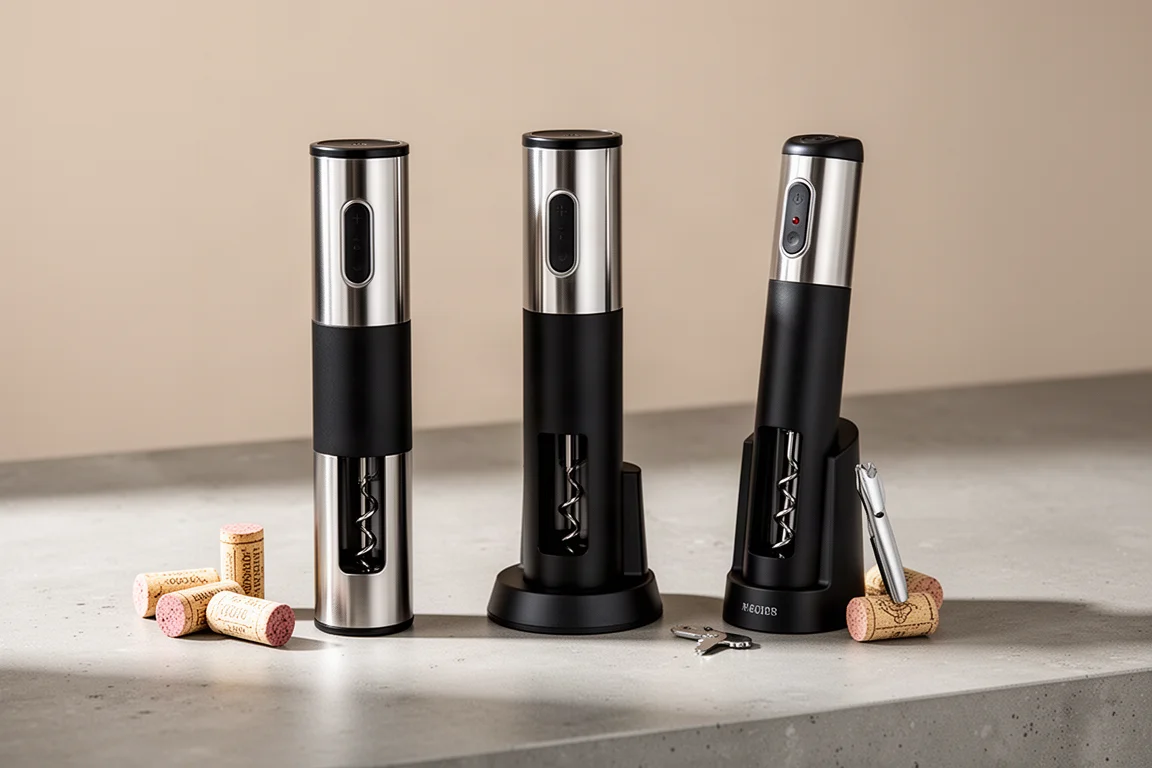
Best Electric Wine Openers: Our Top Picks From Eight Tested Models
We tested eight electric wine openers priced from $20 to $110 on hundreds of bottles. The Secura came out on top, with a Peugeot and a Rabbit model also worth knowing about.
Kitchen Gadgets
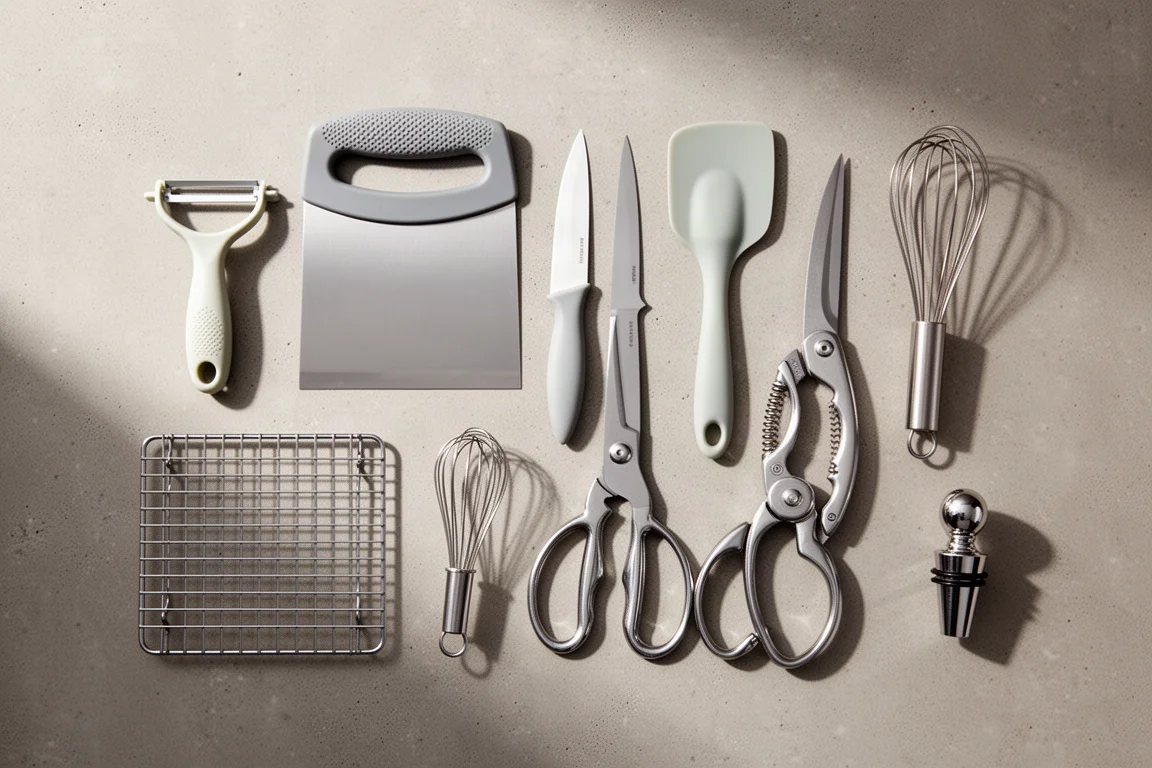
Best Kitchen Gadgets Under $15: Eight Small Tools That Earn Their Keep
Eight kitchen tools that cost less than $15 but perform like far more expensive gear, from a razor-sharp peeler to a champagne saver that really works.