Ski Reviews
DPS Wailer 107 Review: A Powder Tree Ski That Punches Far Above Its Weight
The DPS Wailer 107 earns a near-perfect score for powder performance, comfort, and build quality, with the Kaizen 112 as its closest rival in the lineup.
Introduction
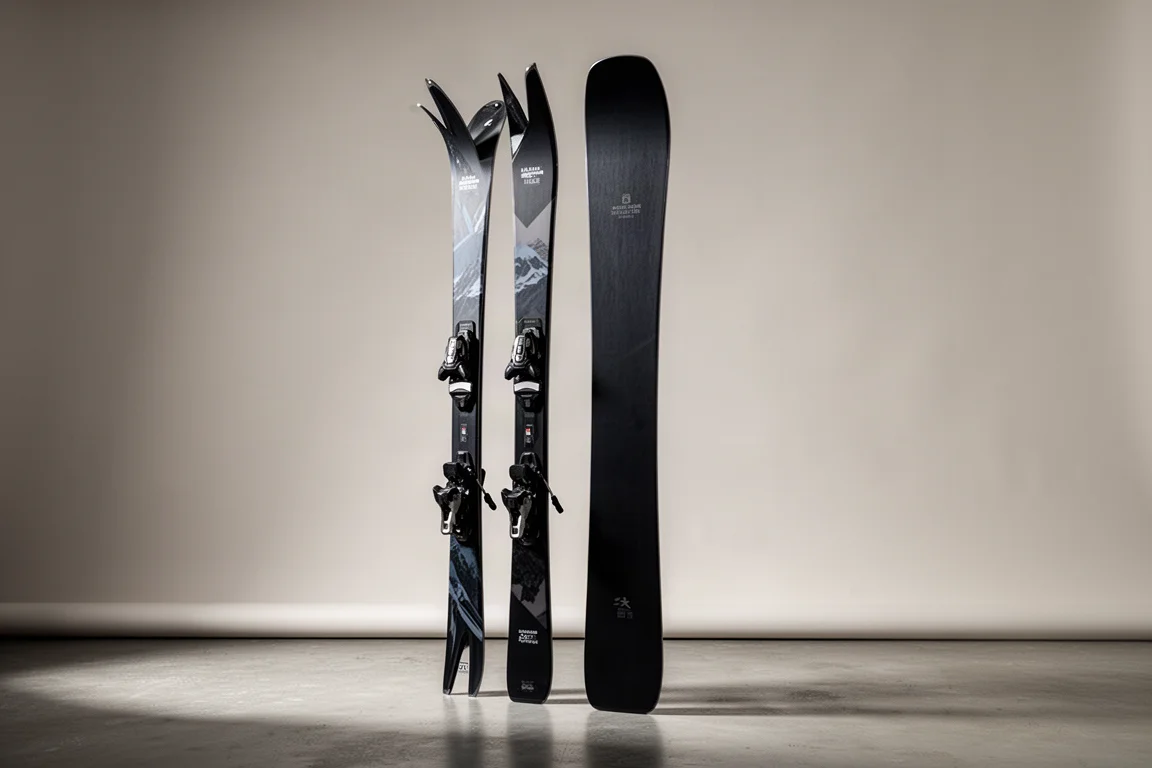
DPS sits firmly in the premium tier of ski brands, and the Wailer 107 is the model that keeps coming up in conversations about the best powder tree skis on the market. Tested here in a 184 cm length at a retail price of $1,295.95, it is unapologetically expensive. The question is whether the build quality and performance justify it. In short: it does, convincingly, and it earns one of the highest scores ever given to a ski in this category.
The Wailer 107 also shares the lineup spotlight with the DPS Kaizen 112, last year’s benchmark powder ski, which retails at $1,700. Understanding the differences between the two is the key to picking the right one for your skiing.
DPS Wailer 107: Construction and Build Quality
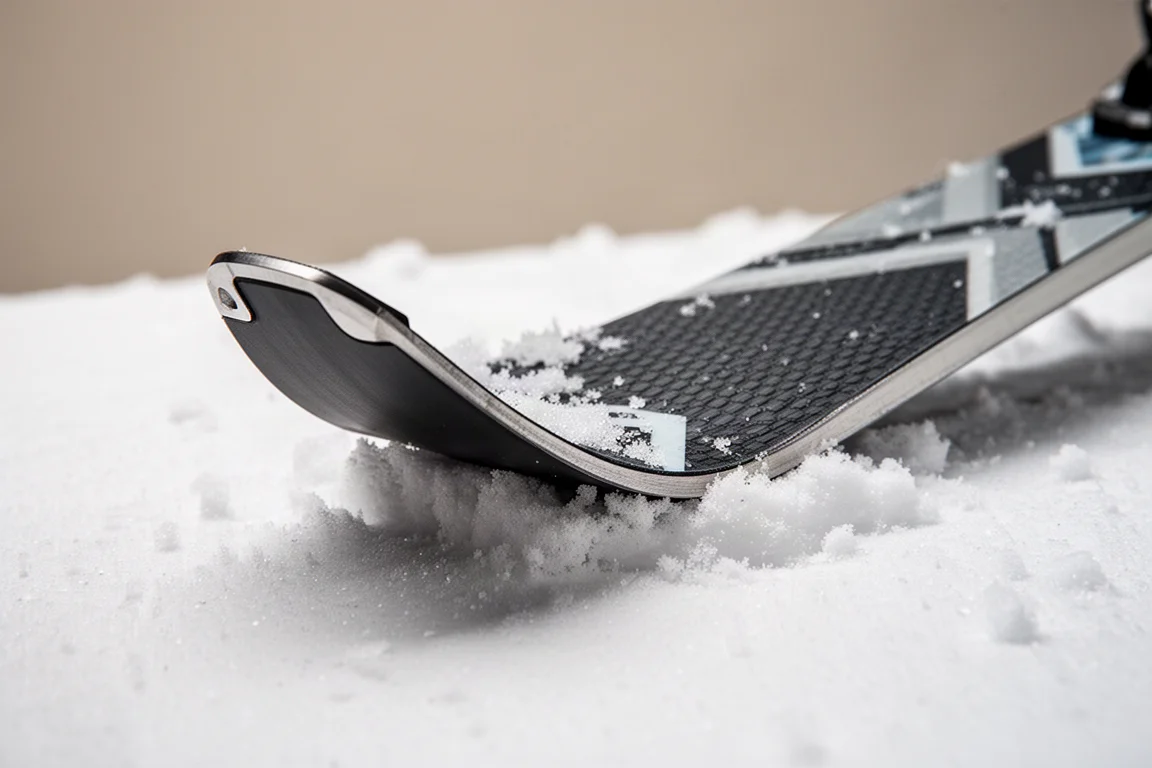
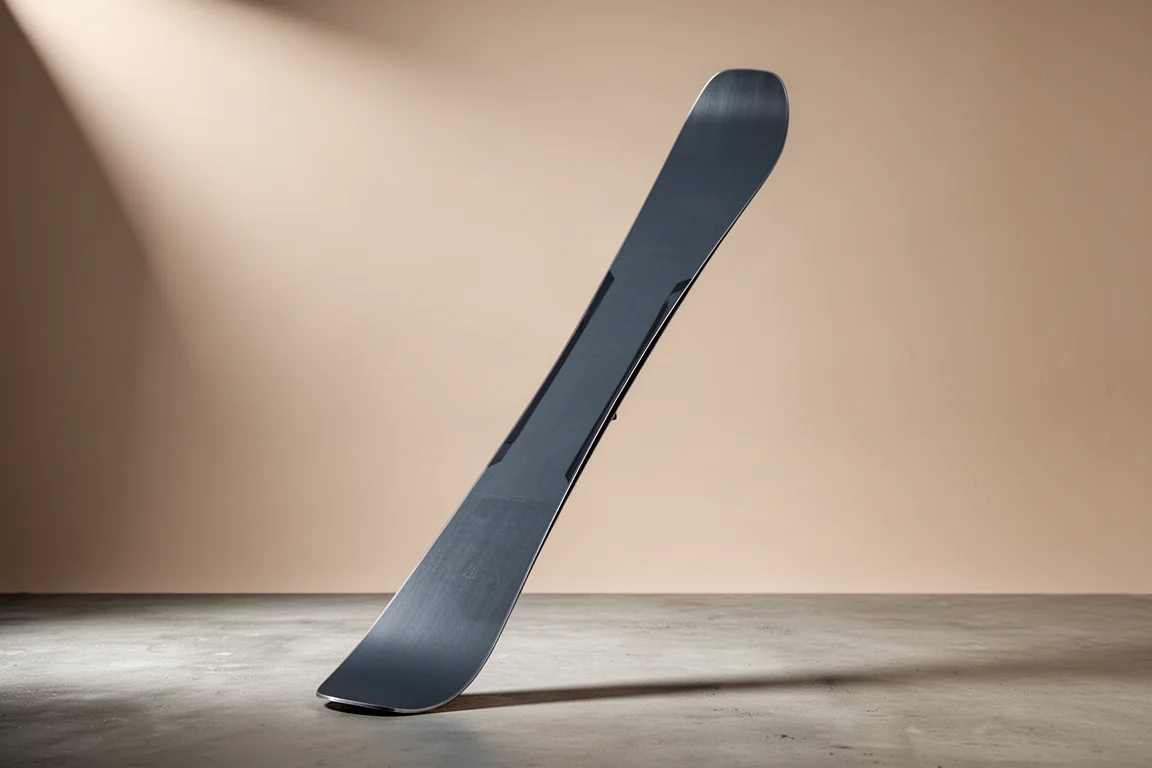
The Wailer 107 is built around a poplar wood core with a hybrid laminate that weaves fiberglass and carbon fiber together. That carbon integration is central to how the ski feels, giving it notable spring between turns. The construction also includes a carbon-reinforced composite binding platform with small raised islands where the bindings mount, a full wrap sidewall, and DPS’s HRC 48 steel edges.
Two details stand out for longevity. The steel edges have held up phenomenally well in real-world use, resisting damage better than other skis even when a core shot lands near the edge. And the World Cup race base comes with Phantom Glide pre-applied, which helps the ski push through heavy, wet snow far more easily than other similarly weighted skis. Skis ship with a QR code that registers the warranty, and DPS backs the whole package with a lifetime warranty.
DPS Wailer 107: On-Snow Impressions
First impressions were blunt: this may be one of the best skis of its type ever put on snow. It is designed primarily for powder skiing, especially in the trees and in technical, quick-turn terrain, and that is exactly where it shines. The 107 mm width underfoot pairs with a wider, aggressive tip splay that delivers flotation and a deeply satisfying powder turn without demanding you get thrown onto the back of your boots when the snow deepens.
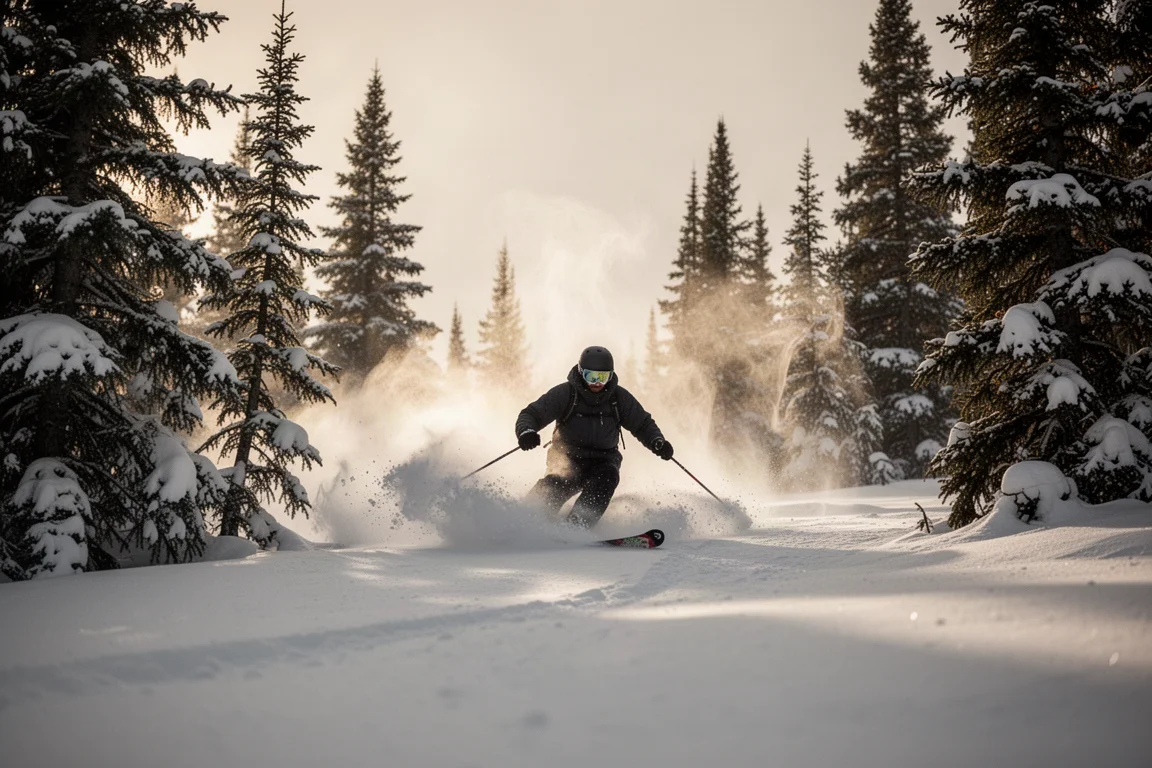
In chopped-up, tracked-out conditions where you are constantly transitioning between packed and fresh snow, that early splay is remarkably forgiving. The carbon hybrid construction also gives the ski real spring, making hop turns and dolphin-pumping through deep snow genuinely rewarding. Despite being a lighter ski, the Phantom Glide base treatment keeps it from hanging up in heavier snow the way some lightweight powder skis do.
One of the biggest highlights is comfort. This is among the easiest skis on legs, knees, hips, and back in the trees, with noticeably less strain through the quads, hamstrings, and knees than most skis of this width. It is not a cure-all, and proper boot fit still matters, but the ergonomics here are a genuine selling point for anyone who finds wider skis hard on the body.
How It Handles On-Piste
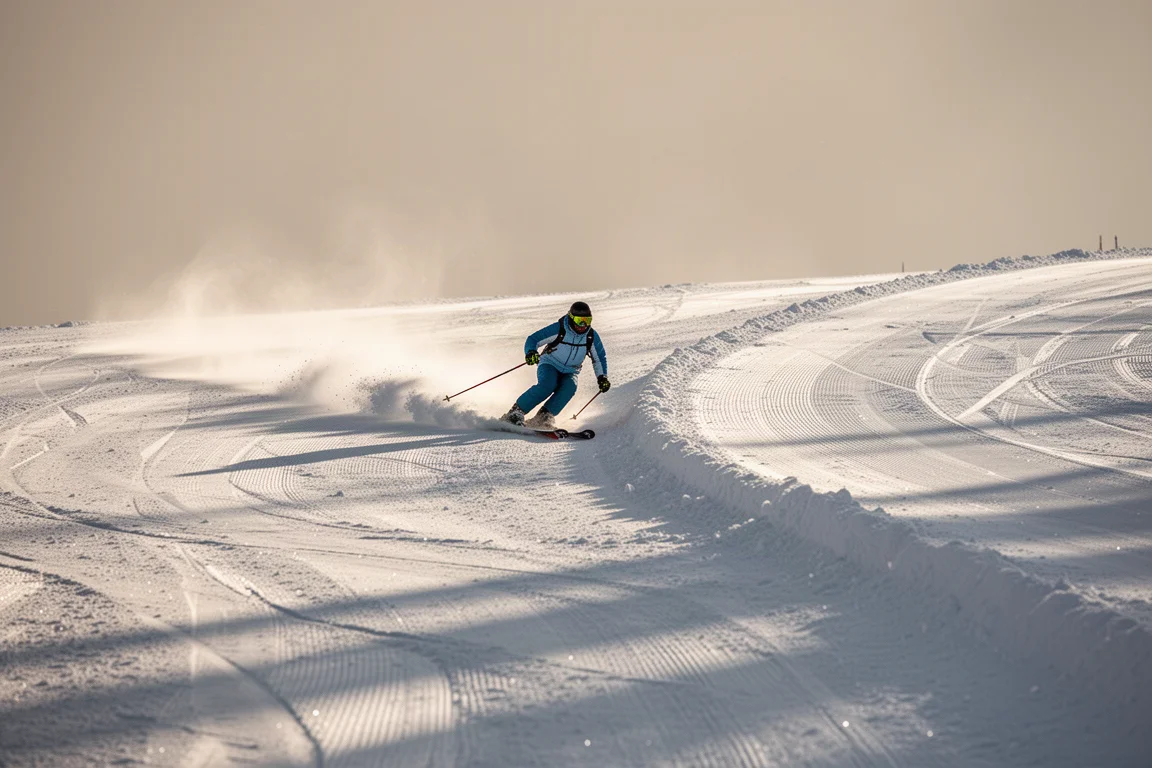
A 107 mm ski is never going to be a carving specialist, but the Wailer 107 can genuinely carve. Once the edges lock in, it feels phenomenal, springing from turn to turn with a smooth, lively character. More open turns work well too, and the ski makes carving fun rather than an afterthought, which is rare for this width. The obvious weak point is hard, icy boilerplate terrain, where any wide ski will feel the conditions. On a low-snow day with degraded groomers, though, you can still have fun on these, which says a lot.
Where it does not belong: heli-skiing in three to five feet of snow. It punches above its weight in a solid powder day, including fresh snowfalls in the nine-to-fifteen inch range, but for bottomless conditions you want something wider.
DPS Kaizen 112: The Closest Alternative
The Kaizen 112 was previously described as the best powder ski of its year, and it remains a serious contender. Compared directly with the Wailer 107, the Kaizen is more forgiving for redirection and a bit easier to throw around, which some skiers will prefer. It also costs more at $1,700.
The Wailer 107, however, slightly undercuts it on price and, despite being 5 mm narrower underfoot, carries a wider shovel that delivers more flotation and a more satisfying feel in deeper snow. For this tester, the Wailer’s shape is the preferred one, though skiers drawn to easier redirection may still lean toward the Kaizen 112.
Which One Should You Buy?
The honest con list for the Wailer 107 is short: the price, at close to $1,300, is the elephant in the room, and it is slightly less forgiving for redirection than the Kaizen. Everything else leans strongly in its favor. The build quality is exceptional, with no corners cut on the steel edges, carbon hybrid construction, Phantom Glide base, and the lifetime warranty.
If you are a skier who plans to keep a pair of skis for years and wants the most comfortable, capable powder tree ski available, the Wailer 107 is very hard to beat. If easier redirection matters more to you and budget is less of a factor, the Kaizen 112 remains a worthy choice. It scored a 9.8 out of 10, one of the highest ratings ever given, and the only real complaint was having to step onto other skis afterward.
Conclusion
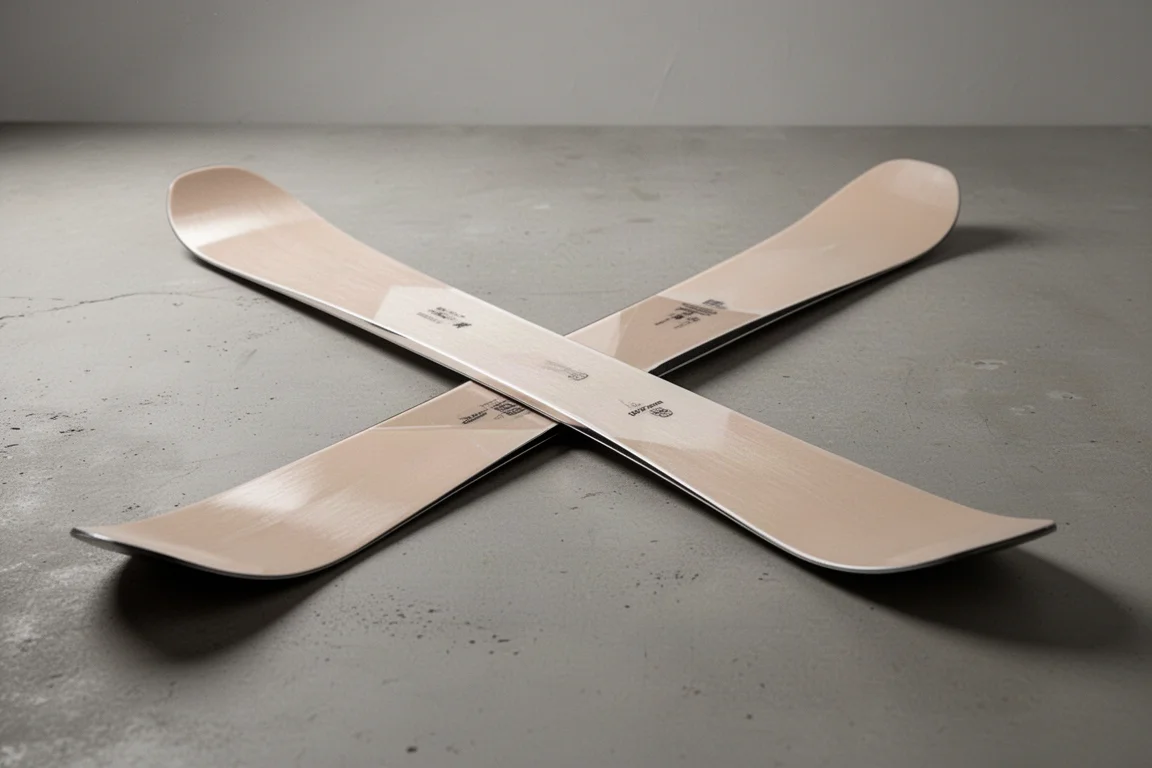
The DPS Wailer 107 delivers on every front that matters for a freeride ski: float and playfulness in powder, forgiveness in the trees, surprising carving ability on piste, and elite build quality backed by a lifetime warranty. The Kaizen 112 remains the pick for skiers who prioritize easier redirection. Both are premium-priced, but both back it up.
Further reading
Related Reviews
Ski Reviews
Armada Antimatter 108 Review: A Freeride Ski Built for Speed and Deeper Snow
The Armada Antimatter 108 carries over the beloved Declivity X 108 shape with new construction that adds compliance in soft snow and composure in crud, aimed squarely at strong, aggressive skiers.
Ski Reviews
Armada Antimatter 92 vs Invictus 92: Two All-Mountain Skis Compared
A closer look at two Armada all-mountain skis, one playful and nimble, the other composed and smooth, to help you pick the right one for your skiing.
Ski Reviews
Armada Antimatter 92W Review: A Smoother Take on a Proven All-Mountain Footprint
The Antimatter 92W keeps the trusted Reliance 92Ti footprint but softens the ride with a new metal construction, making it more versatile in softer snow without losing on-trail grip.