Skis
DPS Pagoda 100 RP Review: A Carbon Ski That Carves and Floats
A 100mm carbon ski with RP shaping, a three-wood core, and a consistent 15 metre turn radius. Here is who it suits and what to weigh before buying.
Introduction
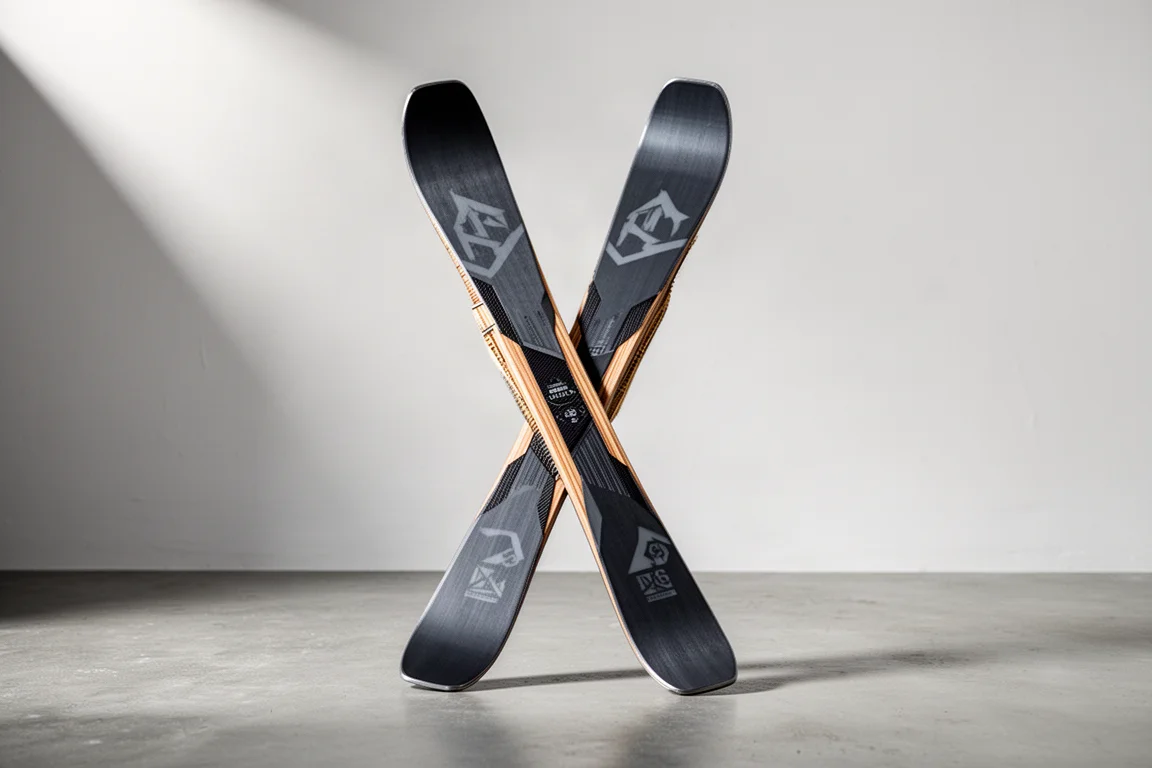
The DPS Pagoda 100 RP is a carbon ski built around a straightforward idea: keep a 100mm waist for soft snow, then shape the ski so it still feels eager on edge. It is a returning model, and it stands out as one of the more well-rounded skis in its class, with easy turning ability, strong energy out of a turn, high-end flotation, and a quality build.
What makes it interesting is the RP shaping. Regardless of length, the ski adheres to a 15 metre turn radius, which means the taper and rocker profile change across the size range to keep that arc consistent. There is positive camber underfoot, paired with pronounced rocker and taper toward the ends.
That combination is why a 100mm ski can feel more agile than its width suggests. The shorter turn shape is built into the geometry rather than added on top of it, so the ski feels eager to be on edge and quick to come around.
Who the DPS Pagoda 100 RP Is For
This is a ski for advanced and expert skiers. It rewards a rider who is comfortable on a carbon ski, willing to put it up on edge, and interested in making high edge angle turns. It holds tight to the snow when you ask it to, and it does not demand heavy input to complete a turn.
Riders who mix terrain through a season will get the most out of it. It has been used across spring snow and firm groomers, and it handles both without feeling like a compromise in either direction. It is also a genuinely easy ski to make subsequent short turns on, which matters in tight terrain.
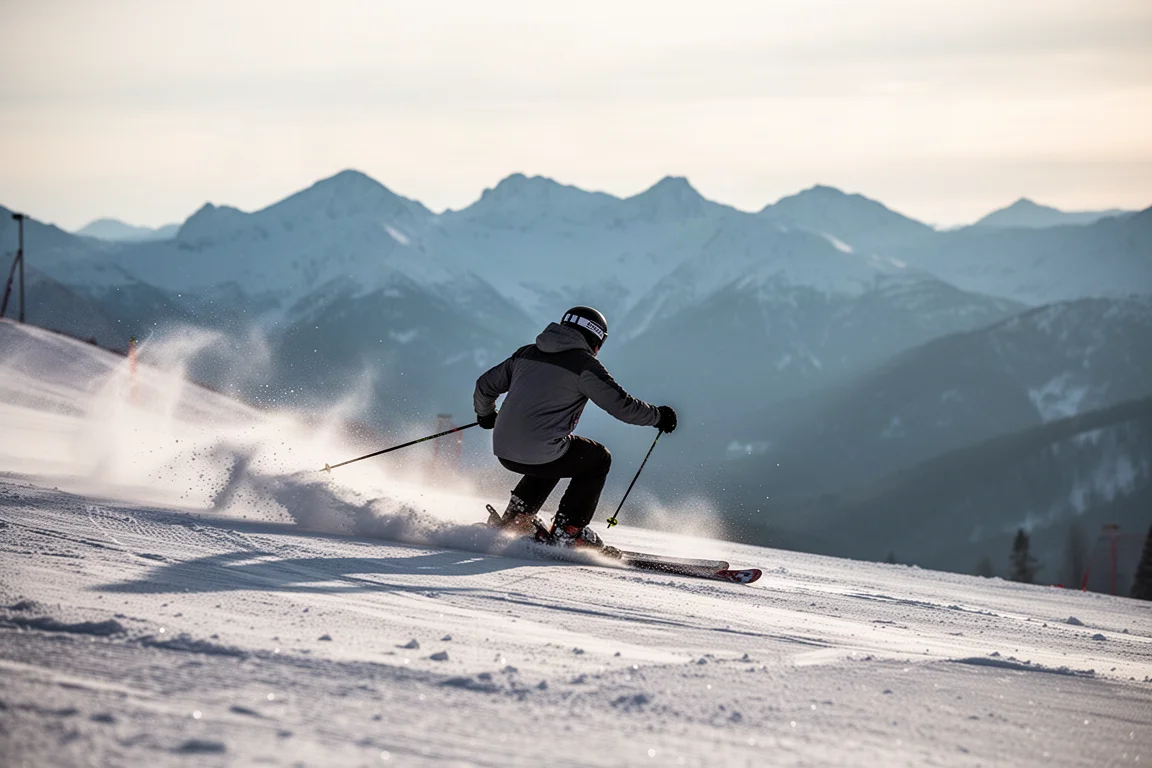
The ski assumes a certain level of skill. A strong intermediate who already carves confidently can grow into it, but the design is aimed at skiers who are not afraid of a carbon construction and who enjoy letting a ski come around underneath them.
Construction: Wood Core, Carbon, and the RP Shape
The core uses three different woods. The central section is a sandwich of paulownia on the bottom and ash on top, flanked by two strips of aspen. Paulownia keeps the weight down, ash contributes stability and strength, and aspen brings energy and a well-rounded character. Carbon laminates sit on the top and bottom of the ski, and that is where much of the ski’s personality comes from.
The result is a construction that mimics metal without the weight. Stiffness is excellent and consistent from tip to tail, the ski feels lighter and more energetic than a metal-laminate equivalent, and it is surprisingly damp for a ski with no metal in it. Between the woods and the carbon, chatter is taken out of the ride, and the ski has a feel of its own rather than the typical carbon signature.
The shaping deserves equal attention. Because the radius stays fixed at 15 metres across lengths, the ski has to change how it gets there. On longer lengths the shovel bends more dramatically, and the taper drops further toward the centre of the ski, with a similar approach in the tail where a touch of rise supports flotation before the taper begins. The widest points shift depending on size, and the whole design is a deliberate exercise in holding one turn radius across a full range.
Main Strengths on Groomers and Firm Snow
On firm groomers the Pagoda 100 RP is more engaging than its 100mm waist would suggest. It is eager to be on edge, it holds tightly to the snow, and it supports high edge angles without feeling vague or washed out. The energy stored through the turn releases cleanly, which makes repeated carved turns feel rewarding rather than like work.
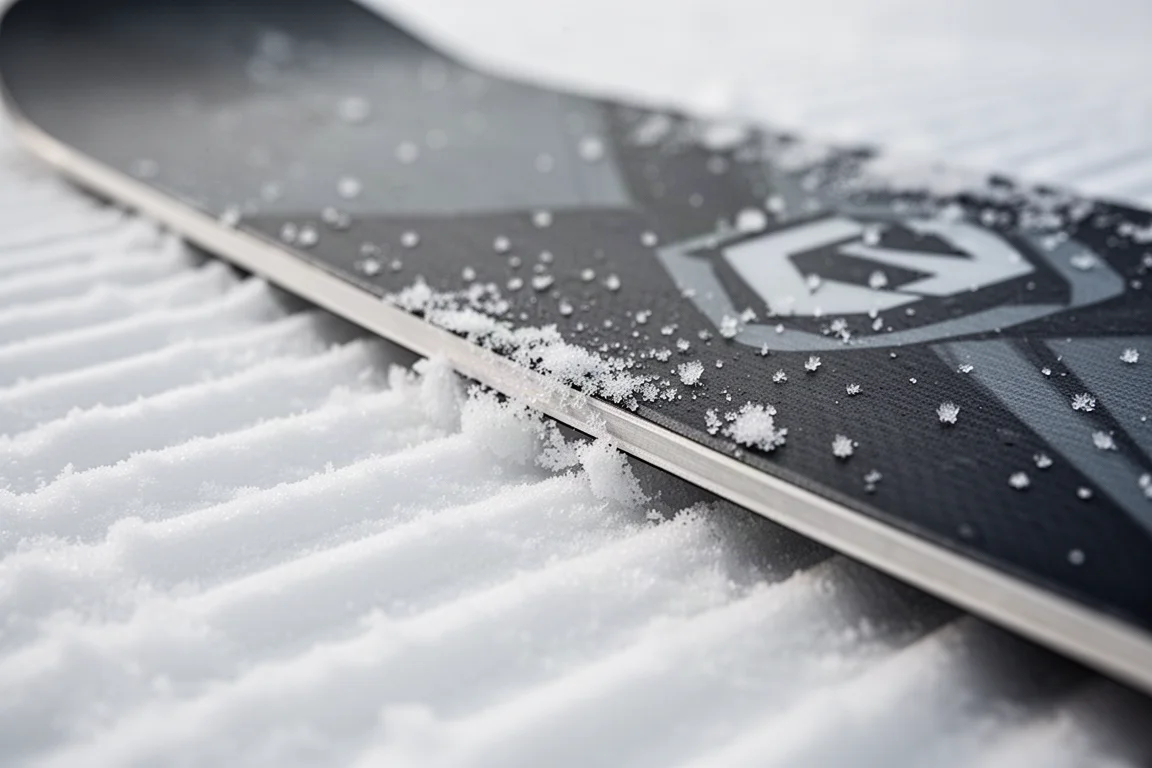
Part of that comes down to the consistent flex. Because the stiffness does not vary much from tip to tail, the ski communicates with the snow in a predictable way, and the edge pressure you build is the edge pressure you get back. Riders who like to feel a ski load and rebound will find a lot to like here.
It is also a stable platform for a shape with this much rocker. The positive camber underfoot keeps the contact point honest on hard snow, while the rocker and taper only come into play as the ski rolls and the terrain softens. That balance is what allows one ski to cover groomer days and soft days without feeling over-specialised.
Soft Snow, Trees, and Powder Performance
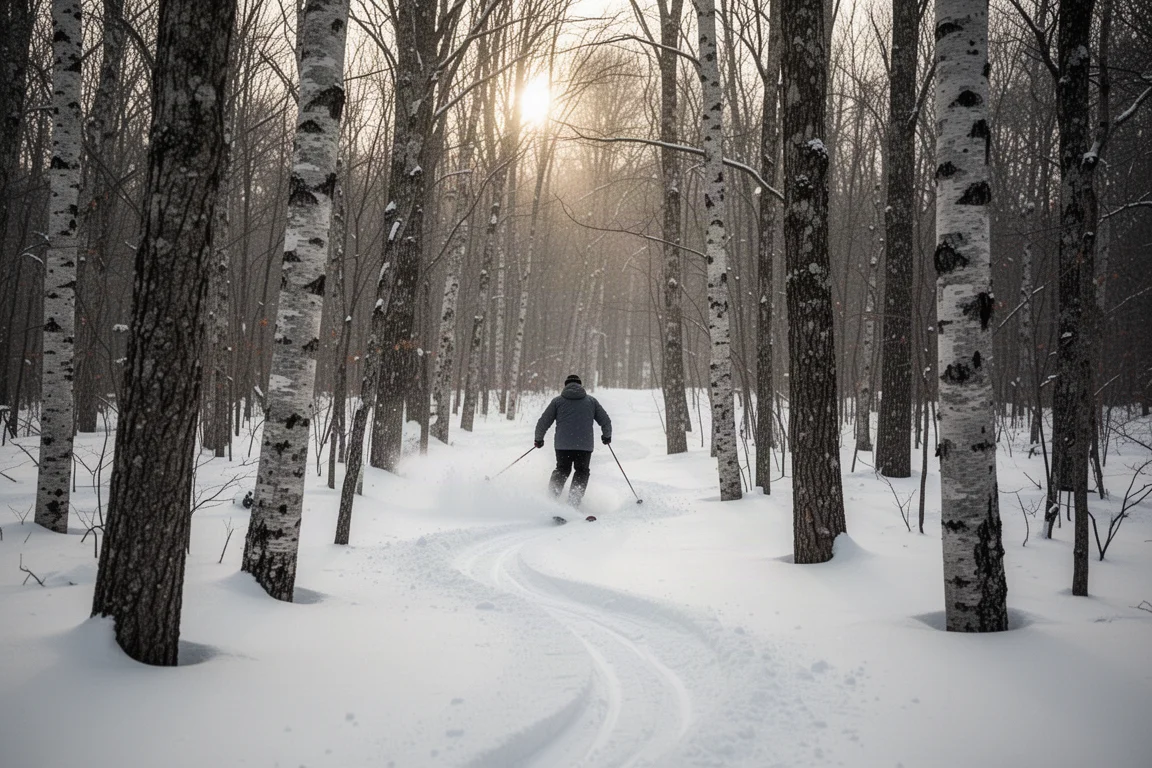
Where this ski becomes genuinely easy to live with is in softer snow. Flotation is high-end for the width, and the ski transitions into short turns without requiring a fight. In tight trees, the short turn shape is a real advantage, and making one turn after another in quick succession feels natural rather than forced.
On a powder day in the trees, there are few skis in this width that feel better suited to the task. The taper and rocker let the shovel stay up while the waist stays narrow enough to roll edge to edge, so the ski keeps its agility even when the snow gets deeper.
Things to Consider Before Buying
The carbon construction is a genuine consideration rather than a marketing detail. It gives the ski a distinctive feel that is lighter and more energetic than metal, and while it is impressively damp, it does not feel like a metal ski. Skiers who specifically want that heavier, quieter metal character should factor that in.
The turn shape is the other thing to weigh. A 15 metre radius with this much rocker and taper is a different proposition from a longer radius design with a more aggressive, direct feel. Riders who normally prefer a longer arc may need a few runs to adapt, even if the shape ends up being more fun than expected on snow.
Finally, the 100mm waist can sound wide for true all-mountain performance. In practice the RP shaping makes it more agile than the number suggests, but riders who spend nearly all their time on hardpack and want a dedicated carving ski should be honest about how they actually ski.
Where It Fits in a Quiver
This is a strong candidate for a one-ski or two-ski quiver for an advanced skier who splits time between groomers and soft snow. It covers firm conditions well enough to be the ski you grab on a cold, fast morning, and it has the flotation and manoeuvrability to be the ski you want when the snow softens or the trees fill in.
It is less of an obvious pick as a dedicated hardpack carver or as a pure deep-snow tool. It sits deliberately between those two poles, and it is at its best for the skier whose season genuinely looks like that mix.
Buying Advice
Before buying, match the ski to how you actually spend your days. If you are an advanced or expert skier who carves with confidence, enjoys a ski that comes around quickly, and wants one pair that handles groomers, spring snow, and soft tree skiing, the Pagoda 100 RP lines up well with that brief.
If your priority is a long-radius, aggressive groomer ski, or if you want the damp, heavy feel of metal laminates, look elsewhere. The strengths here are lightness, energy, consistency from tip to tail, and a turn shape that stays fun in tight terrain.
Because the radius is fixed at 15 metres across the size range, the differences between lengths come down to how the taper and rocker are scaled rather than to a changing turn shape. That makes the sizing decision about fit, terrain preference, and the snow you ski most, not about chasing a different turn character.
Conclusion
The DPS Pagoda 100 RP is a well-rounded carbon ski that earns its place through execution rather than novelty. The three-wood core and carbon laminates deliver consistent stiffness, a light and energetic feel, and surprising damping, while the RP shaping keeps a 100mm waist agile on edge and easy in the trees.
For advanced and expert skiers who want one ski that carves firmly, floats well, and stays playful in tight terrain, it is an easy recommendation to consider seriously.
Product link
View more details for DPS Pagoda 100 RP
This product is mentioned in the review. Check the specifications, options, and compatibility before buying.
View more details for DPS Pagoda 100 RPFurther reading
Related Reviews
Skis
Armada Anti Matter 82 W Review: A Light, Approachable All-Mountain Carver
Armada's Anti Matter 82 W pairs a lightweight Karuba and carbon build with an easygoing all-mountain shape, aimed at intermediates through lighter-footed advanced skiers.
Skis
Armada Anti Matter 88W Review: A Light, Playful 88mm All-Mountain Ski Plus Two Alternatives
The Armada Anti Matter 88W returns unchanged in spirit from its Reliance 88C days, and it remains one of the most versatile 88mm skis around. We also look at the Nordica Santa Ana 87 and Anti Matter 92 W as alternatives.
Skis
Armada ARV 100 vs Atomic Bent 100: Which 100mm Freestyle Ski Should You Buy?
Two of the best all-mountain freestyle skis of the season compared: one leans playful and park-ready, the other holds up better everywhere else.