Ski Reviews
DPS Lotus 112 Review: A Powder-First Ski Built for Rhythmic, Technical Turns
DPS moved the Lotus 112 out of the Kaizen line and rebuilt it with a full poplar core and dual carbon layers, making a more forgiving but deeply rewarding powder specialist.
Introduction
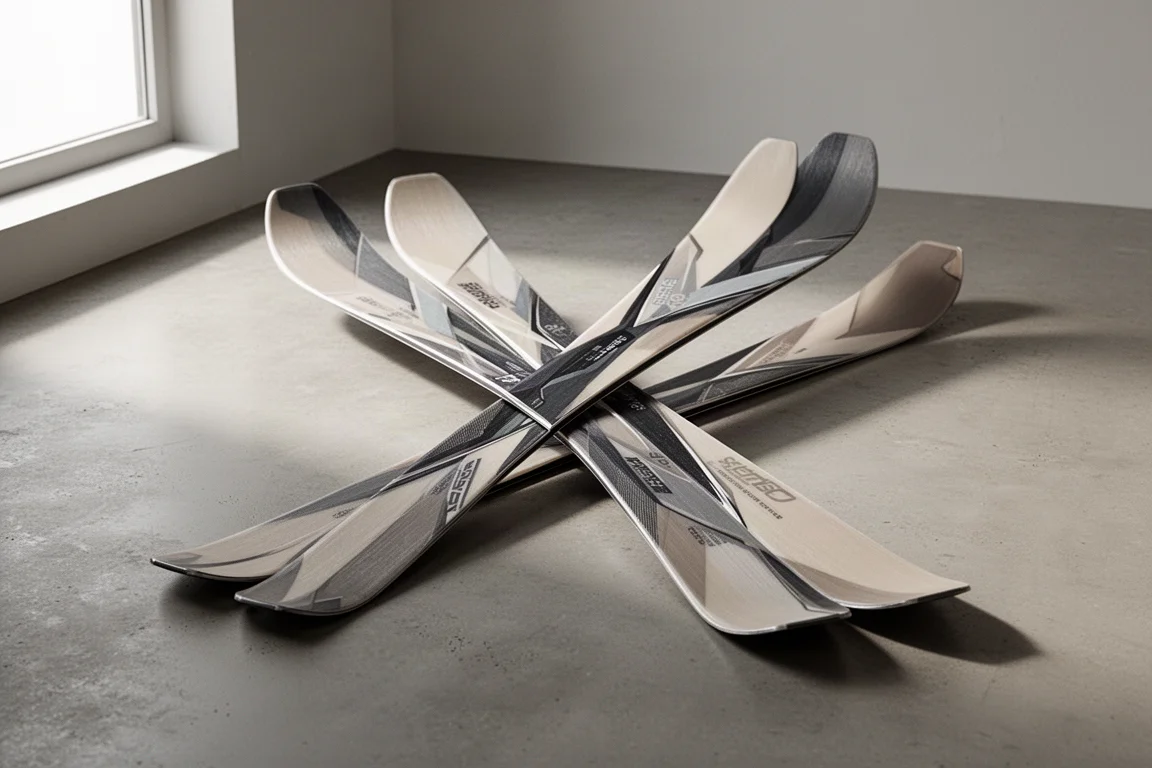
The DPS Lotus 112 enters 2027 with a new home and a slightly softer attitude. Previously positioned in the Kaizen division, the Lotus name now takes over what was the Kaizen 112, a move that places it more firmly in DPS’s powder-specific region of the lineup while Kaizen continues to focus on directional freeride. The change is more than a badge shuffle: the construction has been revised in ways that shape how this ski feels in deep, soft snow.
Who This Ski Is For
This is a ski for skiers who already know they want a powder specialist. The Lotus 112 is not trying to be everything to everyone. It is designed for riders who want a ski that responds precisely to their movements and rewards technical, consistent turning in soft snow, making rhythmic powder turns feel as simple as possible.
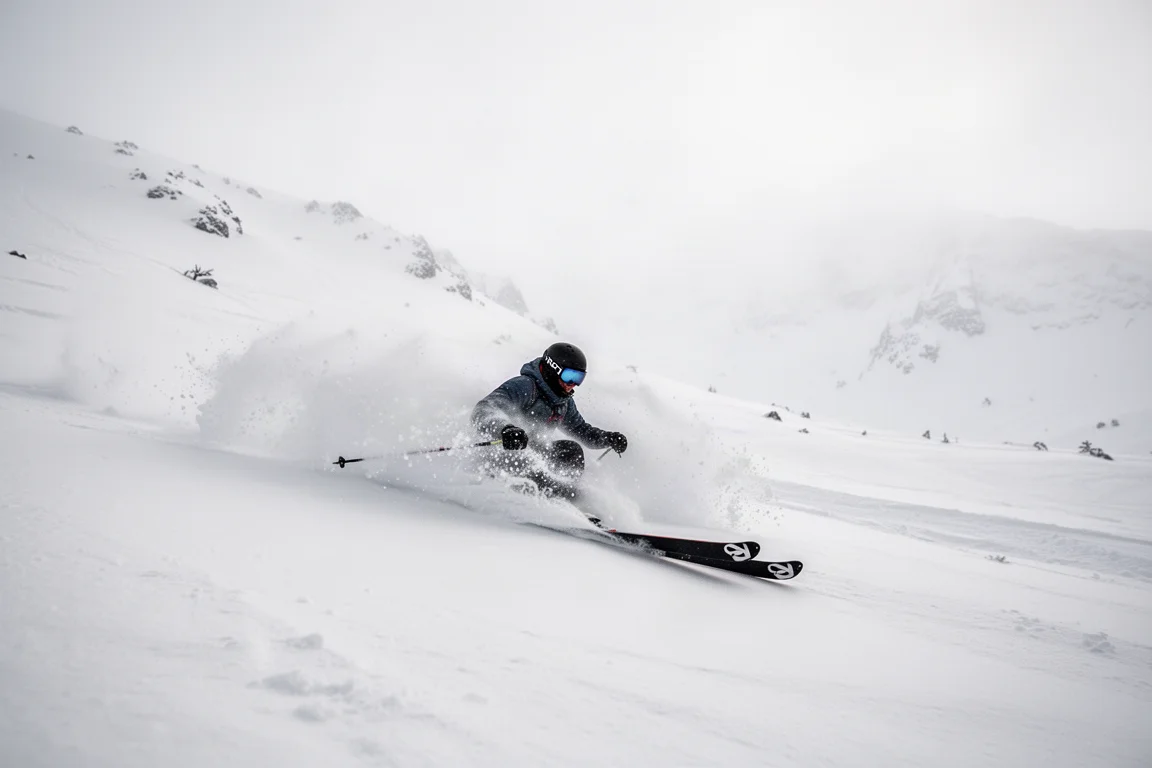
The 184cm version tested here carries a claimed weight of 2,024 grams per ski, and there is a lot of overall mass and volume simply because the ski is so big. That heft translates to a stable, planted feel when the snow is deep.
Main Strengths
The headline construction change is the move to a full poplar wood core, replacing the previous ash. In this application, poplar aligns better with the intended flex, especially in deeper and softer snow. Two sheets of carbon sit in the ski, and the previous third carbon layer, a secondary power plate, is gone. The result is a more forgiving construction without giving up the carbon character.
That combination is where the Lotus earns its high-end feel. You get genuine responsiveness and push-back from the carbon paired with the smoothness of poplar. The flex is round and even, never overpowering, and it actively supports an active, engaged skiing style.
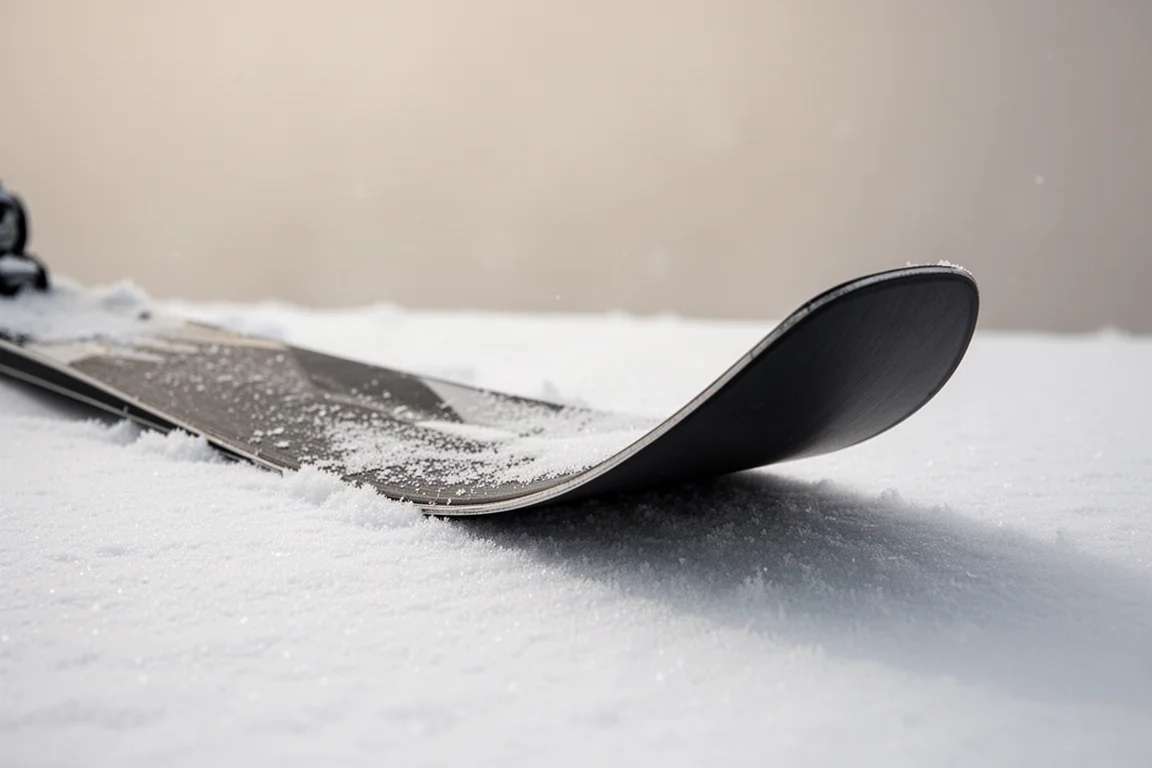
The shape is about as prototypically DPS as it gets. There is positive camber underfoot, but the camber pocket is short, because the tip rocker starts well down into the ski with a monster amount of tip splay between the tips. That geometry is flotation first and foremost. The widest point of the ski sits well down into the shovel, creating a ton of curvature that helps the ski stand up and out of deep snow.
The tail is deliberately different. There is not a lot of tail splay, which is good news for support: when you decamber the ski, the rocker starts well down into the tail but does not wash out. The taper, though, is on the dramatic side, with the widest point sitting roughly 8cm behind the binding platform. That shortens the effective edge and supports the short 15-meter turn radius, another signature DPS trait. In powder, that radius makes the experience feel like a carved turn, delivering both flotation and energy in one package.
Things to Consider Before Buying
This is a one-note ski in the best sense, but it is still one note. Outside of powder and soft snow, the applications are limited. The shape and profile make it a lot to get up on edge and bring around in a proper carve turn, even though it remains an easy and fun-turning ski.
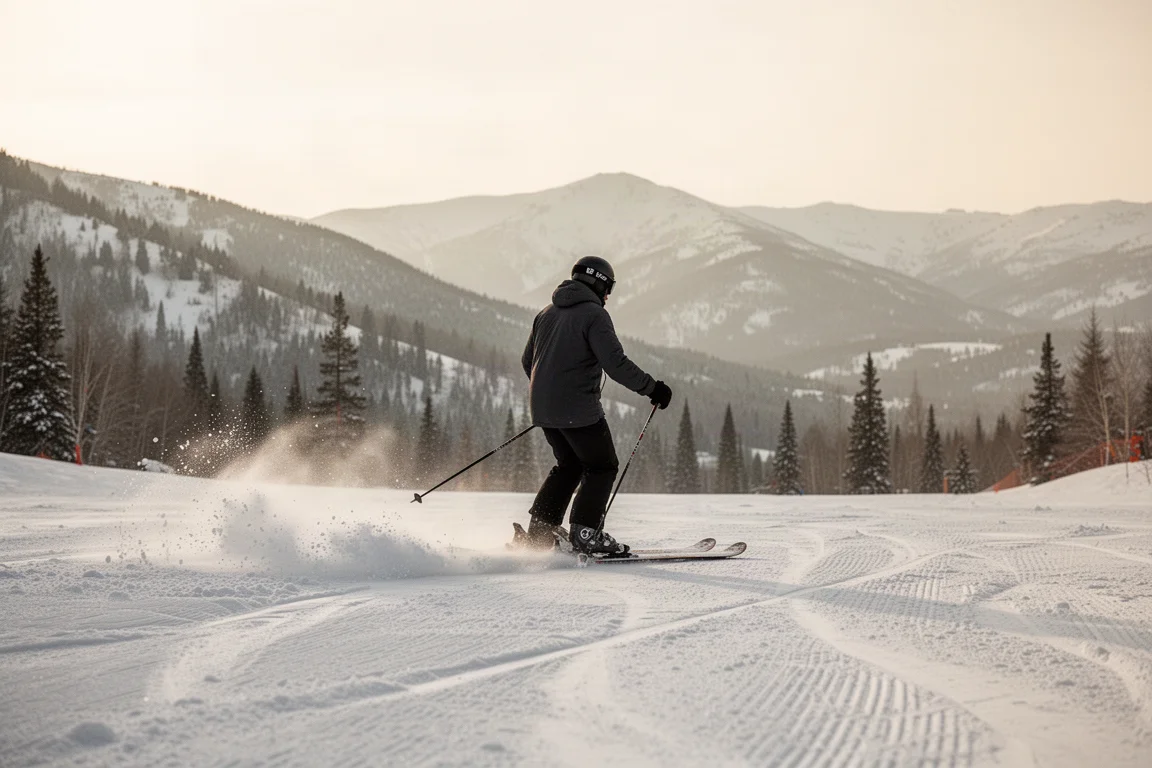
There is a caveat worth knowing: one skier took it out on a firm spring day and had a genuinely good time. So while it is firmly a powder tool, it will not fall apart entirely when the snow softens and the runs firm up.
The other consideration is price. This is a made-in-the-USA ski with a significant amount of carbon, and that commands a premium. The value case rests on a level of powder performance and technical reward that is genuinely hard to find elsewhere, but buyers should go in understanding what they are paying for.
How It Compares
In this width range, skiers often cross-shop the Salomon QST Blank or the slightly narrower Rossignol Sender 110. Those skis are each a bit more specific in different directions: the Sender leans freestyle-oriented, while the Blank carries a more all-round nature. The Lotus 112 sits distinctly on the powder-specific end of that spectrum. If your days revolve around deep snow and you want a ski that makes technical, consistent powder turns its entire mission, the Lotus is the more focused choice.
Buying Advice
Buy the Lotus 112 if you already know powder skiing is your priority and you want a ski that makes those rhythmic, technical turns feel effortless. Its high rocker and taper, short turn radius, and even flex with carbon snap make it one of the most technically rewarding and satisfying skis in the deep-snow category. It is not the highest outright performance ski on the market, but its powder experience is on a different level.
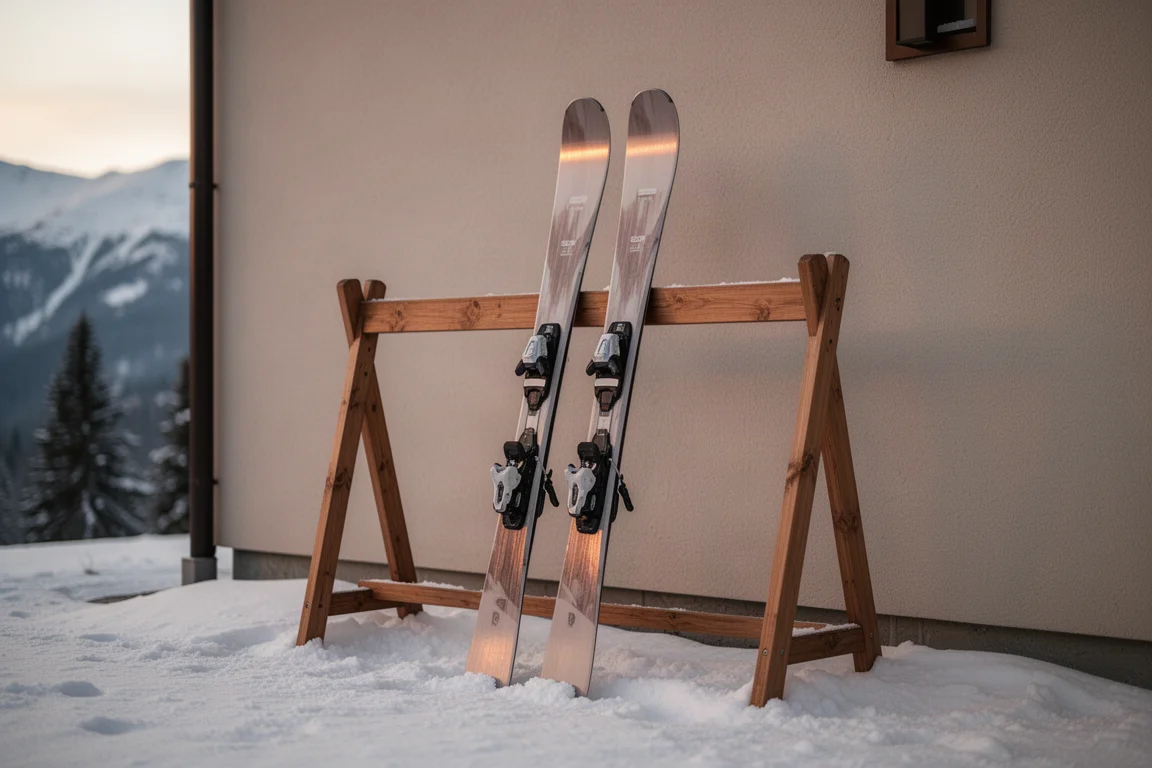
If you split your season between moguls, firm groomers, and powder, consider the alternatives in this range first. But if deep snow is the goal, the Lotus 112 delivers exactly what it promises.
Conclusion
The 2027 DPS Lotus 112 refines an already distinctive formula. The new full poplar core and two-layer carbon construction make it smoother and more forgiving, while the signature DPS shape, huge tip splay, tapered tail, and 15-meter radius make powder skiing remarkably easy and precise. For skiers who want a dedicated powder tool with a genuinely premium feel, it is an easy ski to recommend.
Product link
View more details for DPS Lotus 112
This product is mentioned in the review. Check the specifications, options, and compatibility before buying.
View more details for DPS Lotus 112Further reading
Related Reviews
Ski Reviews
Armada Antimatter 108 Review: A Freeride Ski Built for Speed and Deeper Snow
The Armada Antimatter 108 carries over the beloved Declivity X 108 shape with new construction that adds compliance in soft snow and composure in crud, aimed squarely at strong, aggressive skiers.
Ski Reviews
Armada Antimatter 92 vs Invictus 92: Two All-Mountain Skis Compared
A closer look at two Armada all-mountain skis, one playful and nimble, the other composed and smooth, to help you pick the right one for your skiing.
Ski Reviews
Armada Antimatter 92W Review: A Smoother Take on a Proven All-Mountain Footprint
The Antimatter 92W keeps the trusted Reliance 92Ti footprint but softens the ride with a new metal construction, making it more versatile in softer snow without losing on-trail grip.