Ski Reviews
DPS Koala 111 vs Lotus 112: Two Powder Leaning Skis With Different Personalities
The Koala 111 brings a creative, freeride-freestyle energy, while the Lotus 112 stays locked into a precise powder turn. Here is how they differ.
Introduction
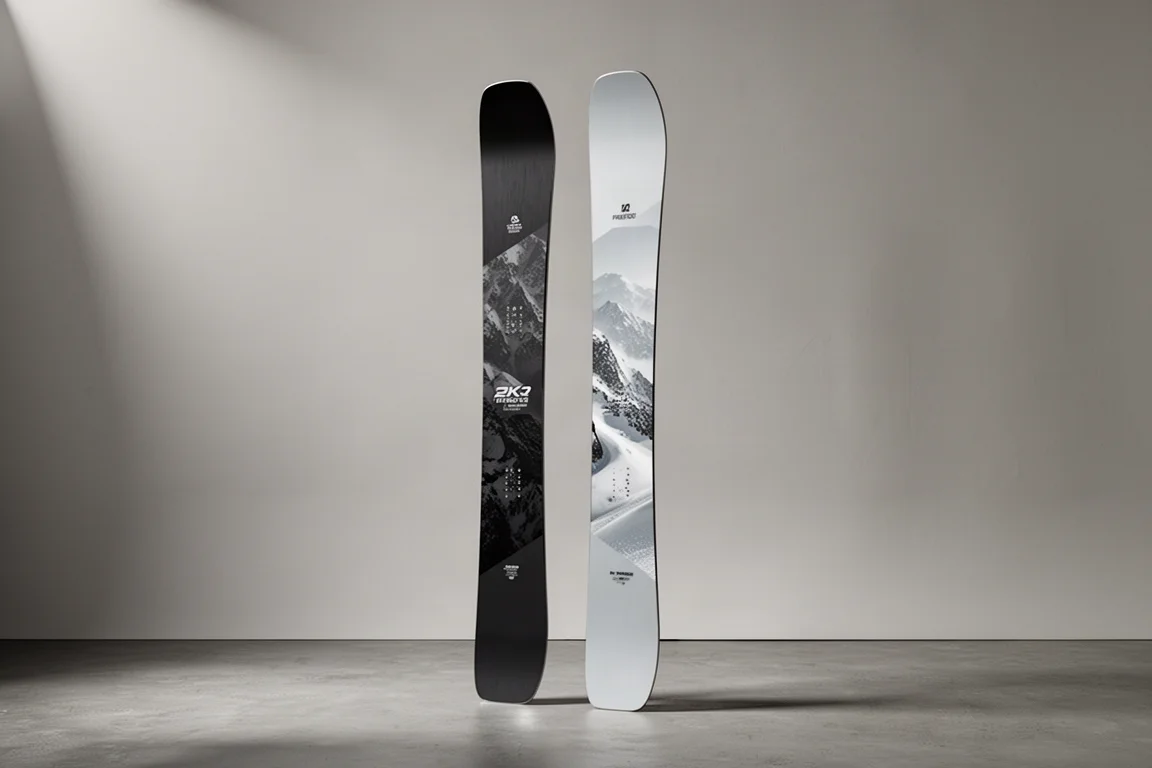
Within the DPS line, most skiers think of the Kaizen or the outgoing Wailer Lotus for powder, or Peace Works for all-mountain carving. The Koala line sits a little differently: it carries more of a youthful, progressive freeride and freestyle energy while still leaning on DPS’s construction know-how. The Koala 111 is a carryover model, so the shape, construction, profile, and graphics all match the previous year.
This roundup looks at the Koala 111 as the main test ski, and the Lotus 112 as the more established powder specialist for skiers who prefer a locked-in turn over free-form creativity.
DPS Koala 111: A Creative, Smear-Friendly Freeride Twin
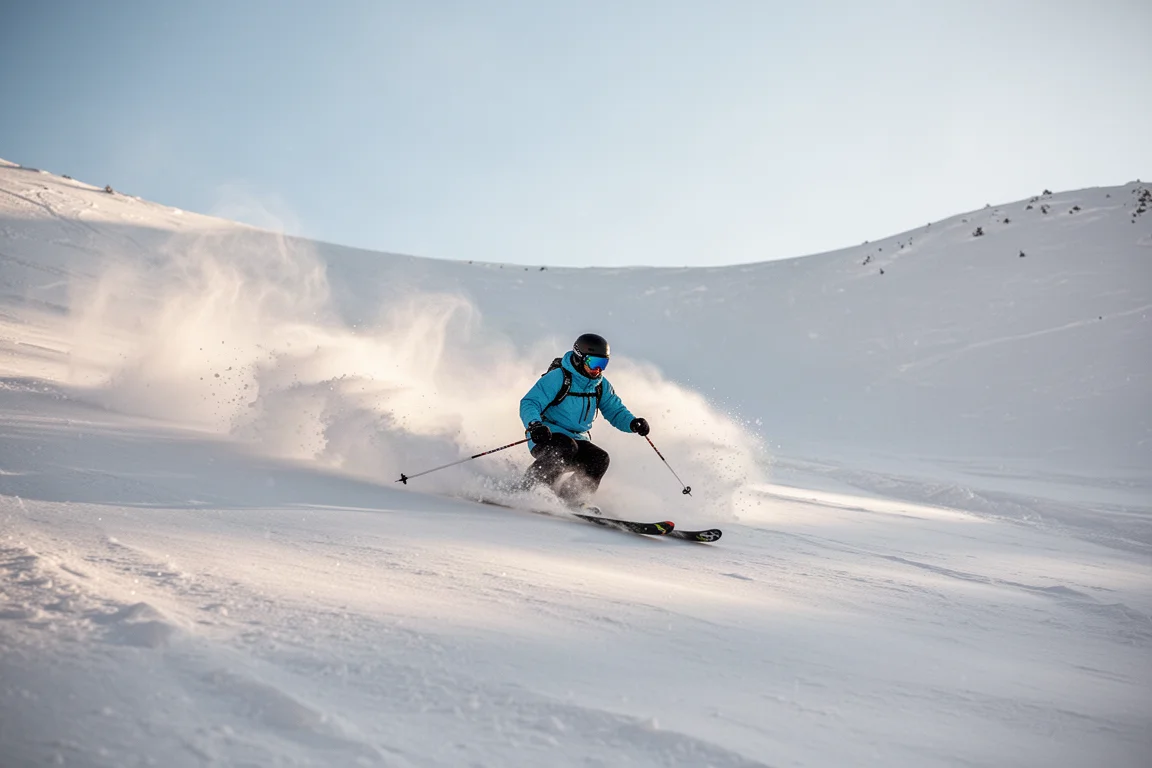
The Koala 111 is built around creativity rather than raw precision. It encourages a smeary, drifty, surfy style of skiing rather than demanding an energetic, rail-like turn. That personality makes it a fun, approachable ski for soft snow days where turn shape, style, and duration are up to the skier.
At 111mm underfoot, it has a clear soft snow and powder lean, which makes sense whether you are using it as a dedicated powder day ski or as an easily accessible backcountry or sidecountry option. There is a lot of room for success in both roles.
Construction and Weight
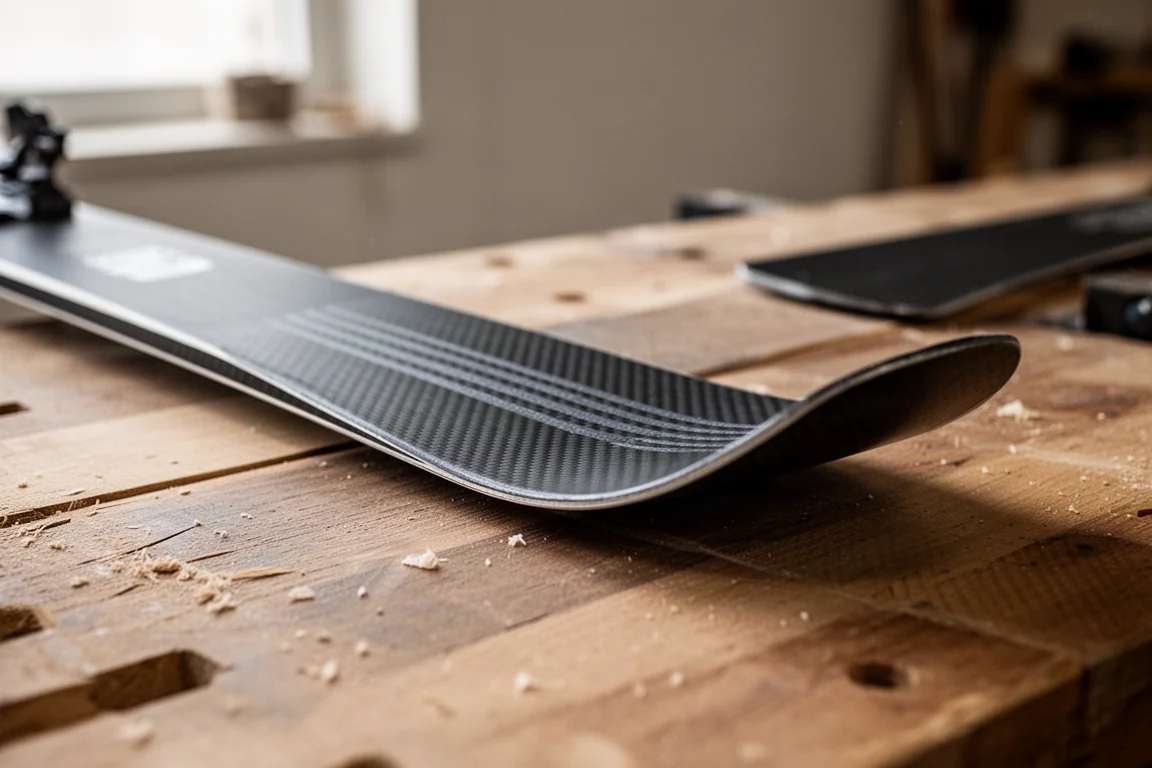
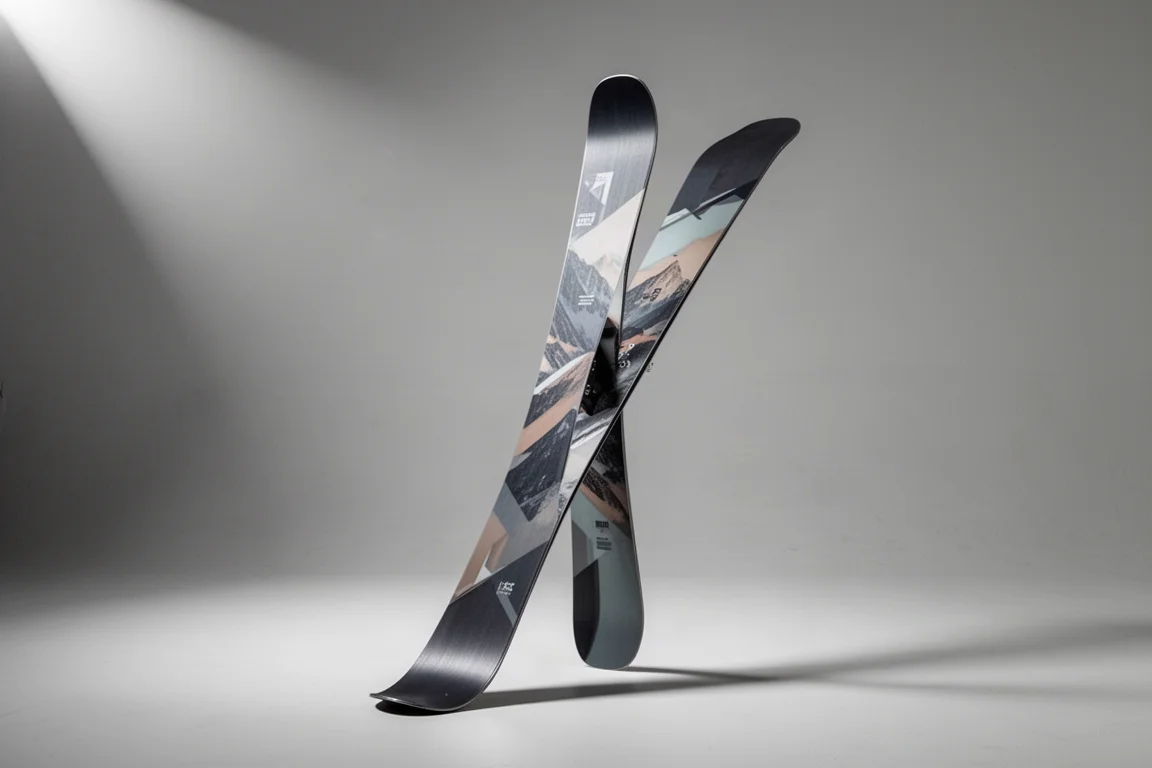
The ski uses a poplar wood core with carbon strips placed both above and below the core. That is not the full carbon construction DPS uses in the Kaizen or Peace Works, but it fits the ski’s purpose well: there is some pop thanks to the carbon strips, yet the flex is far easier to manipulate than on a ski like the Lotus 112 with its two sheets of carbon.
The tested 184cm ski weighs 2,040g on the scale, which is consistent with freeride twins in this range across brands, and perhaps a touch lighter than average. Flex is consistent and supportive throughout, with nothing overly stiff or unnecessarily soft standing out. That mix of support and playfulness is a big part of the Koala’s charm.
Profile and Shape
Underfoot there is a positive camber, though the effective edge is not terribly long and runs fairly straight through the middle. The 18m turn radius leaves room for creativity in turn shape, while a long rocker profile starting well forward keeps the ski up and out of the snow with relative ease. Taper is decent but not as extreme as on the Lotus 112, giving the Koala more freedom rather than locking it into a specific turn.
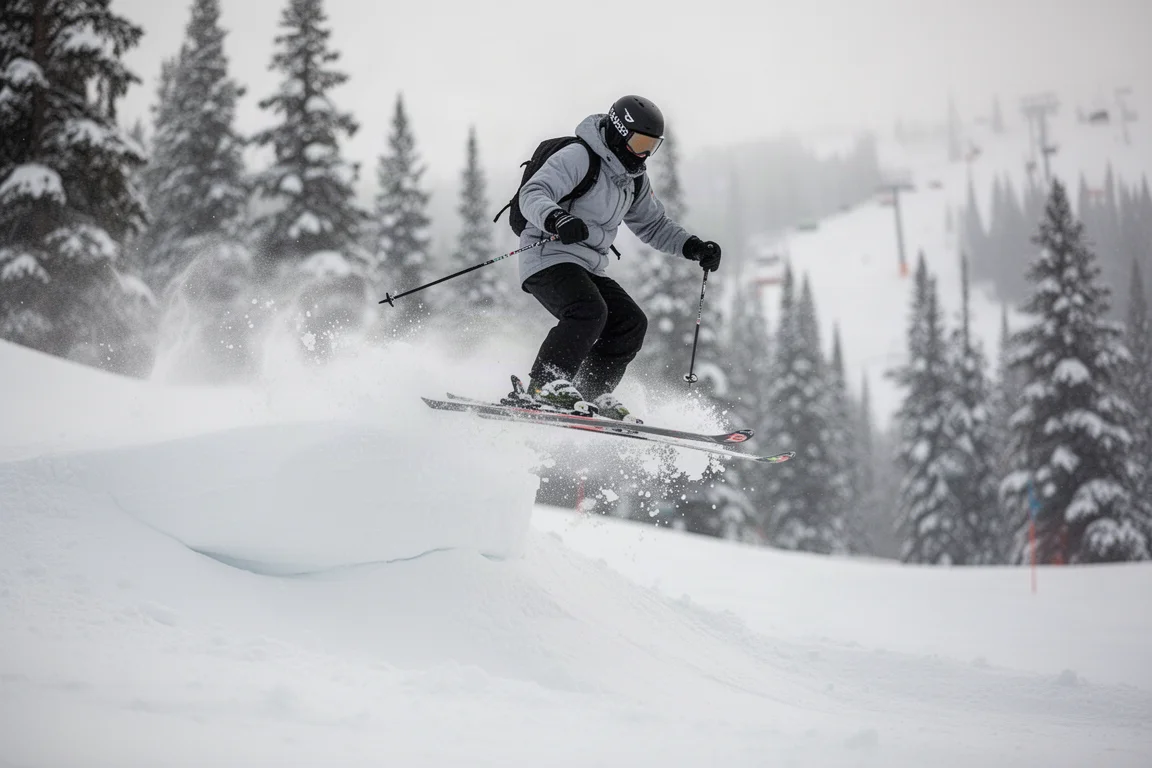
At the tail, the taper comes down low, aligns with the rocker length, and pairs with noticeable twin-tip splay. That tail supports freestyle use within natural hits and terrain features, landing in soft snow or previously skied lines rather than the park.
Who the Koala 111 Suits
Think of this as a ski for natural jumps at Snowbird or Alta style terrain: wind lips, cat tracks, and features inside the resort boundaries where landings tend to be soft or skier-touched. The ski has enough substance to handle those landings and carry you into the next level of skiing.
View more details for DPS Koala 111
DPS Lotus 112: The More Locked-In Powder Specialist
The Lotus 112 sits at the opposite end of the personality spectrum. With two sheets of carbon in the construction, it is stiffer and more precise, locked into a specific turn shape and style rather than inviting free-form manipulation of the flex. Its taper is notably deeper and lower than the Koala’s, which is part of what gives it that dedicated, powder-first character.
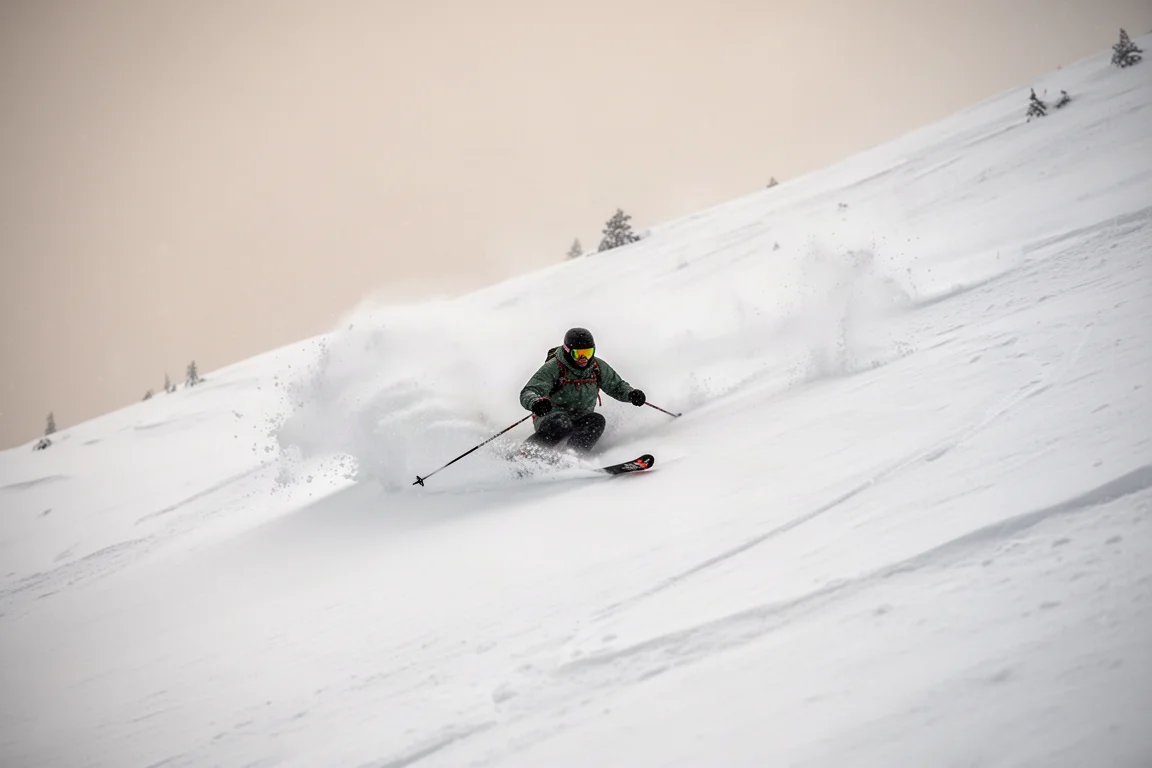
For skiers who know exactly how they want to ski powder and want a ski that delivers that turn predictably, the Lotus 112 is the more direct choice. It trades some of the Koala’s smearing freedom for commitment and precision in soft snow.
Overall Buying Advice
If your powder days involve playful lines, creative turn shapes, sidehits, and a surfy feel, the Koala 111 is the better match. If you want maximum powder performance with a precise, locked-in feel backed by more carbon, the Lotus 112 makes more sense. DPS covers a wide range from the Cassiar 79 through the Koala 103 and 111 up to the widest Lotus series skis, so it is worth matching the ski to how you actually ride.
Conclusion
The Koala 111 shows a versatile, creative side of the DPS line: a consistent, supportive freeride twin with a powder lean and genuine freestyle potential in natural terrain. The Lotus 112 remains the choice for skiers who want a carbon-rich, precision-oriented powder ski. Both make sense, as long as you pick the personality that fits your skiing.
Further reading
Related Reviews
Ski Reviews
Armada Antimatter 108 Review: A Freeride Ski Built for Speed and Deeper Snow
The Armada Antimatter 108 carries over the beloved Declivity X 108 shape with new construction that adds compliance in soft snow and composure in crud, aimed squarely at strong, aggressive skiers.
Ski Reviews
Armada Antimatter 92 vs Invictus 92: Two All-Mountain Skis Compared
A closer look at two Armada all-mountain skis, one playful and nimble, the other composed and smooth, to help you pick the right one for your skiing.
Ski Reviews
Armada Antimatter 92W Review: A Smoother Take on a Proven All-Mountain Footprint
The Antimatter 92W keeps the trusted Reliance 92Ti footprint but softens the ride with a new metal construction, making it more versatile in softer snow without losing on-trail grip.