Ski Reviews
DPS Carbon Piste Works 79 Review: A Short-Radius Carver With Real Speed
DPS enters the short-turn-radius carving niche with a lightweight carbon piste ski, but the mounting point and the price demand careful thought before you buy.
Introduction
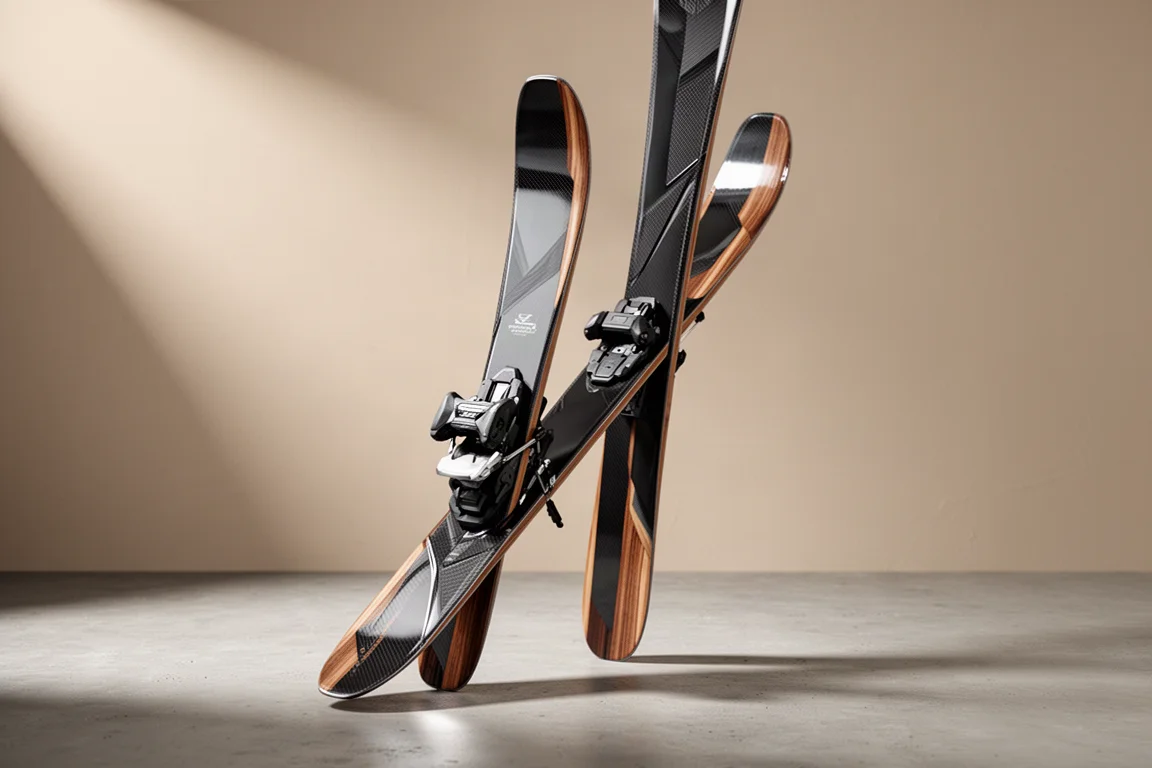
The DPS Carbon Piste Works 79 is an unusually focused ski. Instead of joining the crowded all-mountain market, DPS built something narrow, light and deliberately short in turning radius, aimed squarely at skiers who love quick, energetic turns on groomed and near-groomed terrain. It is also expensive, hand-built in America, and currently one of the rarest skis on snow, with only a handful of pairs in existence ahead of production.
This review covers how it skis, where it excels, and the trade-offs you need to weigh, including one mounting-point quirk that changed the entire on-snow verdict.
Specs and Build
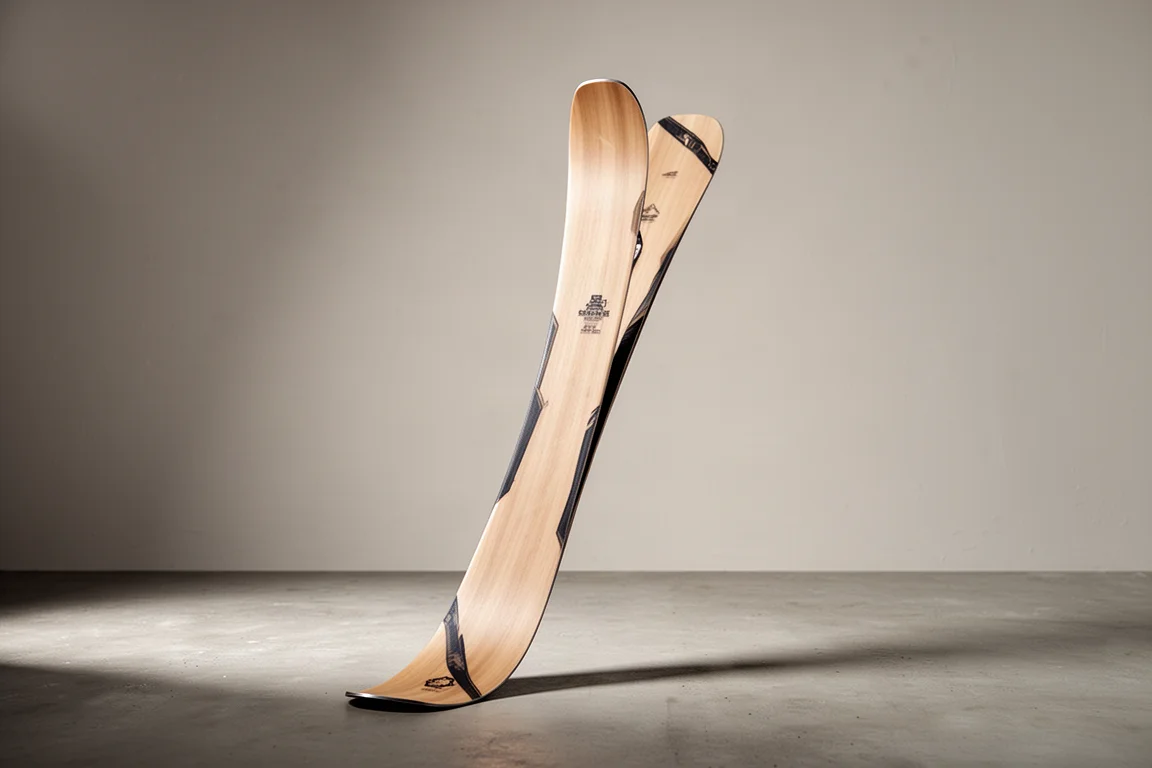
The tested pair was a 174cm, a length at the lower end of the typical range for this ski. Key numbers: 79mm underfoot, an aggressive 13.5m turn radius, and a very light 1,650g per ski. The construction is a wood core wrapped in carbon sheets on both sides, which is what gives it its springy character and its dampness at speed.
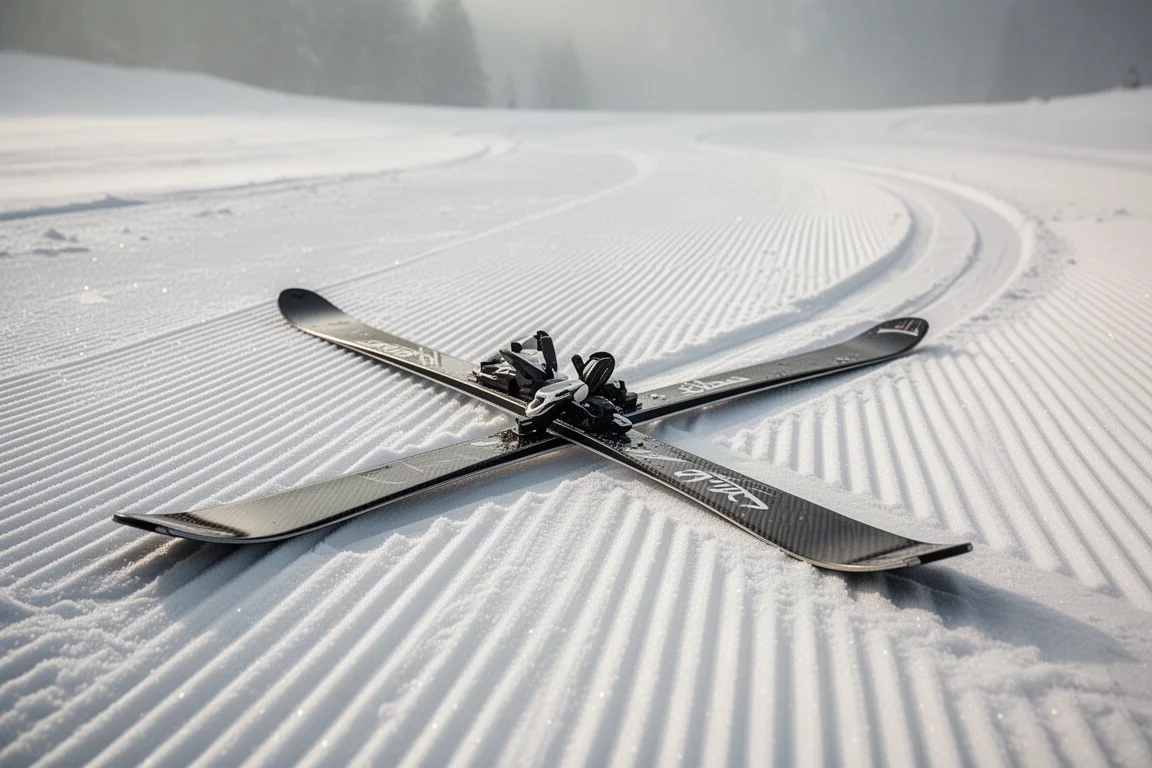
Visually, there is a lot of camber, and the ski feels coiled before you even step in. It is designed to pair with DPS’s own binding system, a lifted demo-style binding that pops in rather than slides, presumably to add leverage for carving.
One important note: this ski was developed in conjunction with Ted Ligety, and DPS has indicated a production version will follow. As a pre-release ski, availability is still limited and it has been listed on pre-order.
First Impressions and the Mounting Point Question
Here is the honest part: the first impression at the factory-recommended mounting point was not good. The ski felt narrow for its width class, hard to connect with the snow, and easy to overturn. It was unstable at speed, with side-to-side chatter that made it feel a little like skating on ice. The initial score jotted down was a 6.5.
Then came the turnaround. Moving the binding one click back on the demo binding, roughly half a centimeter behind the recommended line, completely transformed the ski. Mounted back, the chatter disappeared, the speed limit vanished, and the ski could be pushed to high GS and Super G speeds without complaint.
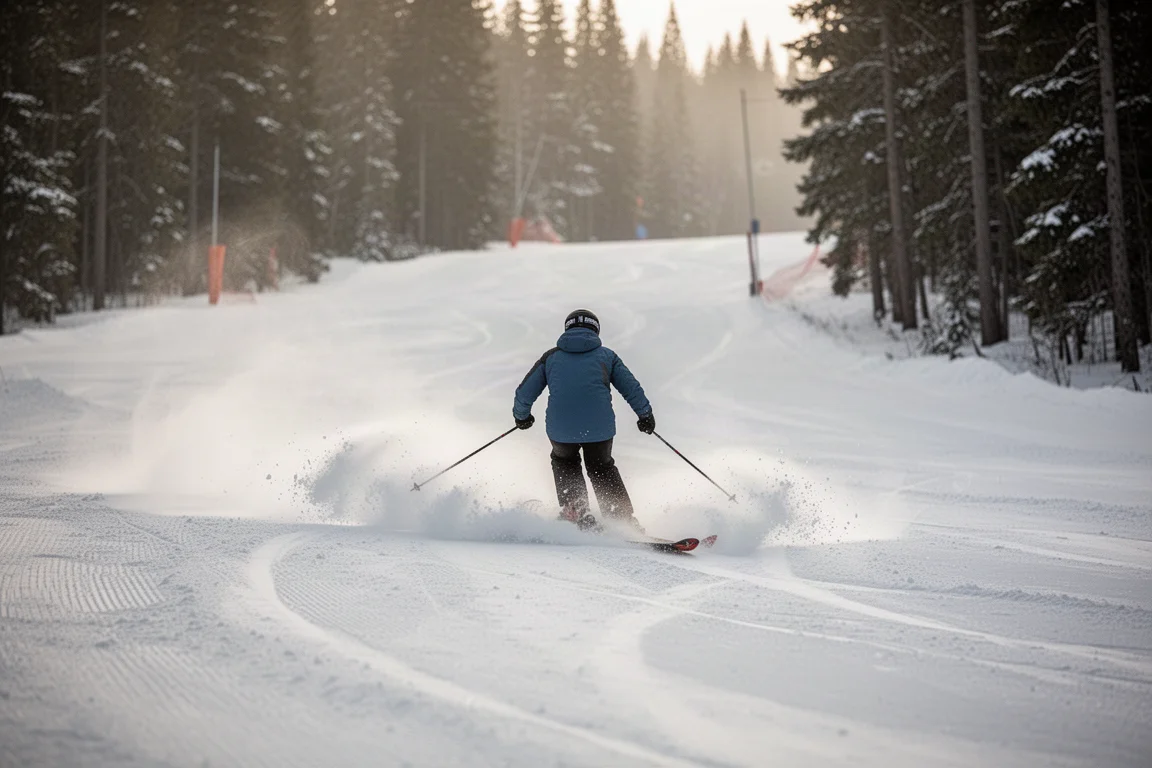
The rest of this assessment applies to the ski mounted one click back from recommended, because that is where it came alive: springy into and out of every turn, genuinely quick in moguls and trees, and surprisingly forgiving in tight, crowded sections where short-radius turns pay off.
What the DPS Carbon Piste Works 79 Does Well
The standout quality is energy. This is possibly the best ski tested for turning low-speed, low-energy cat-track skiing into something fun, because it generates and returns energy better than almost anything else in its class. On a small mountain, or anywhere without much steep terrain, that is a genuine superpower.
The second is stability at speed for a short-radius ski. The carbon layup keeps it remarkably damp when you push it, which is exactly where some rivals falter. It also complements a wider all-mountain ski or a powder ski well, carving out a real niche in a quiver rather than duplicating anything.
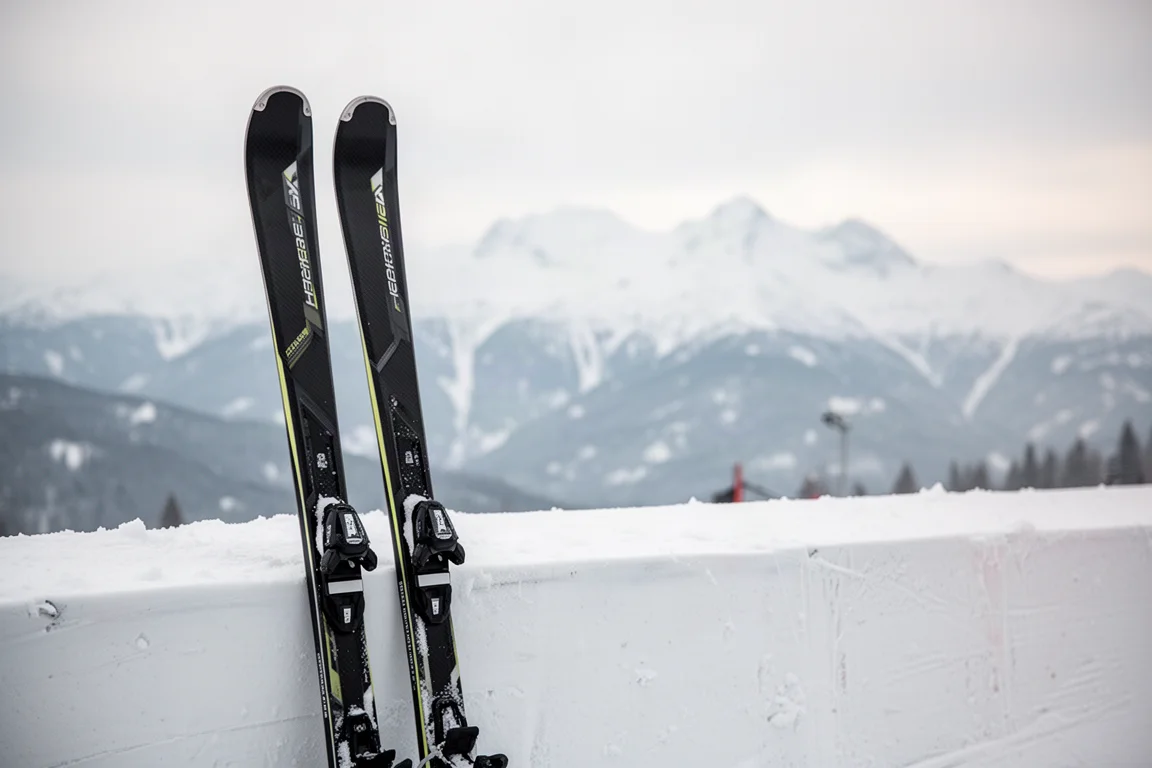
Turns feel rewarding rather than automatic. If you build pressure properly, the ski gives back more energy than you put in, and it makes you feel like a better skier than you might be. Moguls, trees, and playful little turns are all well within its comfort zone, especially on firm, well-groomed snow.
The Trade-offs
The mounting point is the first problem. Half a centimeter is a huge performance delta on this ski, and the stock line undercuts it. That is something future iterations should address.
The second is versatility, or the lack of it. This is a specialized carving tool, not a do-everything ski. It will not plow through crud or choppy snow the way a typical all-mountain ski does, and it offers very little flotation. Do not buy it expecting it to replace a wider daily driver.
The third is edge grip. Even mounted back, the ski does not always feel locked on rails through the center, especially on steeper terrain where firm edges matter. It is manageable with timing, but at this price it is a fair criticism.
Finally, the price. At $1,995 for the ski, and $380 to $430 for the recommended bindings depending on DIN size, a full setup can reach around $2,425. These are hand-built skis made in America, which justifies some of the cost, but $2,000 for a 79mm ski is a hard pill for most people.
How It Compares: Black Crows Mirus Cor
The Mirus Cor is the most obvious comparison, since it pioneered this short-turn-radius, playful-carving niche. The DPS goes after the same skier but handles speed noticeably better. Where the Mirus Cor’s flat tops can catch wind and it struggles to stay damp at high speeds, the Carbon Piste Works 79 stays smooth and composed when pushed.
If your priority is pure quick-turn fun at moderate speeds, the Mirus Cor remains a beloved option. If you want that same turn character without a speed ceiling, the DPS has the edge.
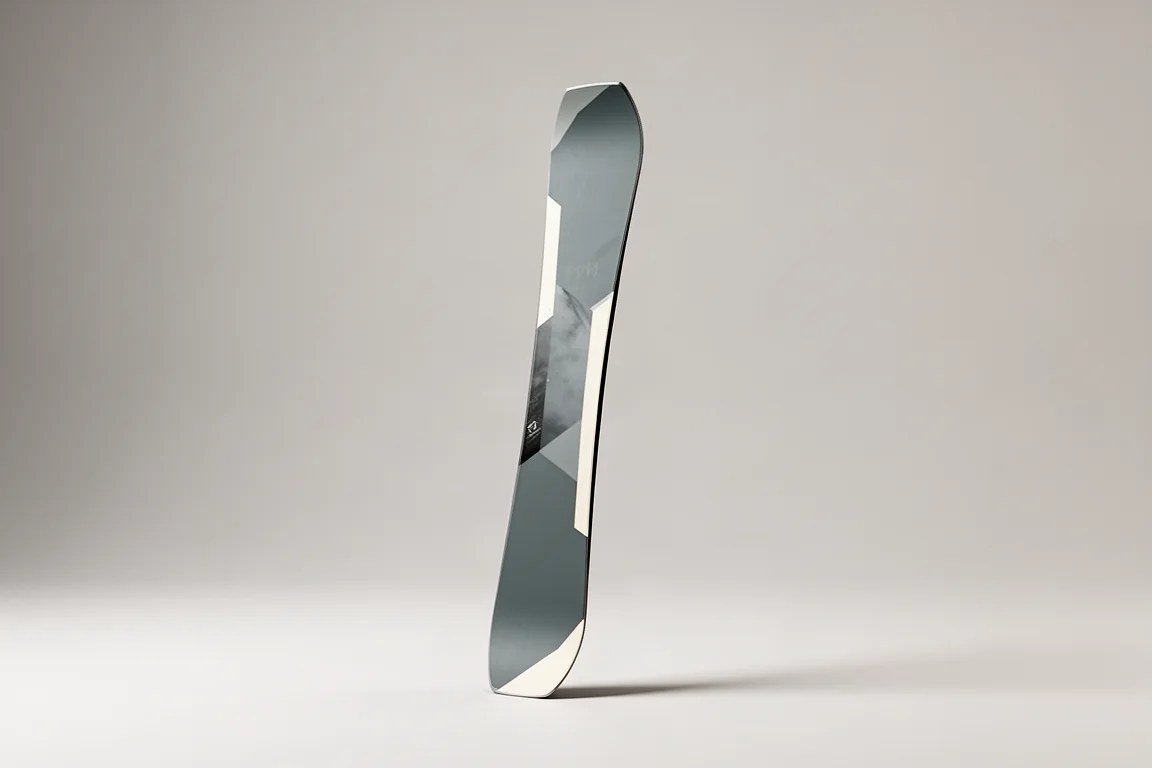
How It Compares: Black Crows Octo
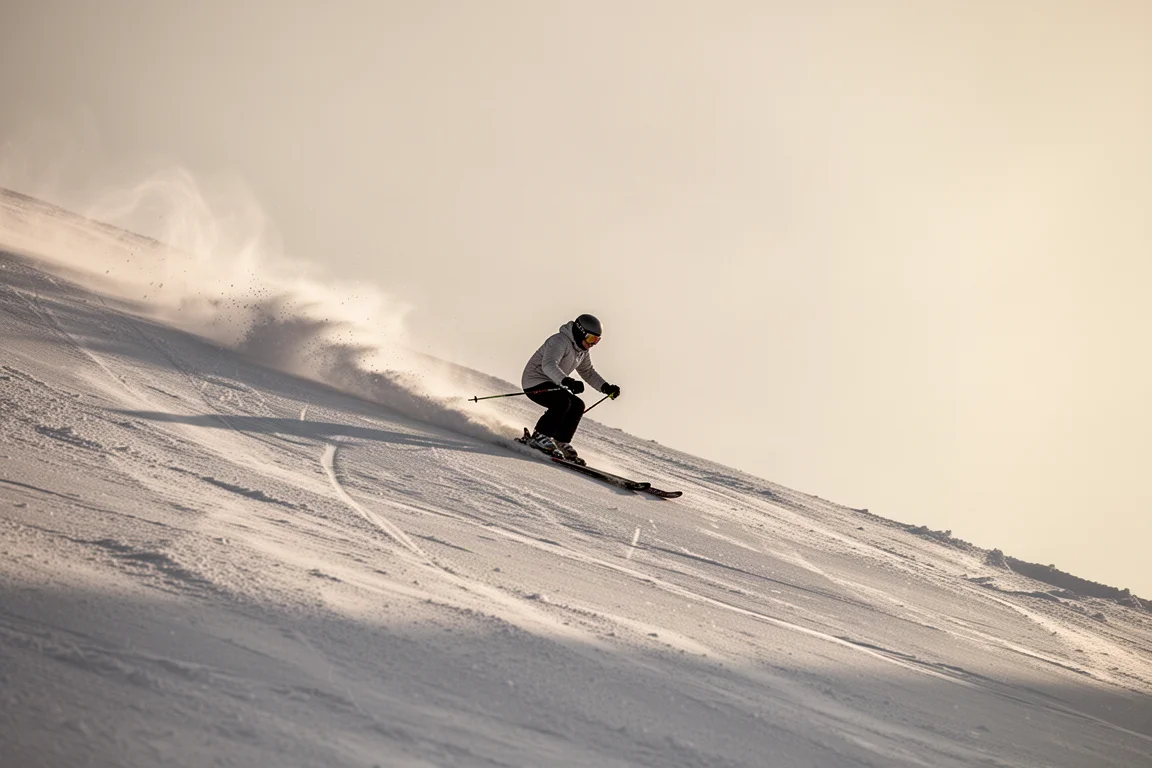
The Octo takes the opposite approach to edge grip. It is a firm, stable platform that feels locked on rails through the turn, which makes it easier to wash out a turn and re-grab when things go wrong. That is something the DPS does not match, particularly through the center of the ski.
The flip side is that the Octo has a lower speed threshold, with more chatter and wind sensitivity at high speed. If you want short-radius turns and big GS or Super G arcs in one ski, the DPS is currently the only ski that does both this well.
Buying Advice: Who Should Actually Pay $2,000 for a 79mm Ski
This ski earns its place for a specific skier: someone who savors quick turns, skis on smaller or well-groomed mountains, possibly with family or kids, and wants maximum pop and energy without needing to ski fast to have fun. For that skier, nothing does it better.
It is a poor fit for anyone wanting one ski to handle crud, powder, and everything between. And the value question is real: performance is excellent, but you are paying close to double what comparable short-radius skis cost for what is realistically a meaningful but incremental gain. If you plan to keep the skis for five to ten years, the math becomes easier to justify.
Scored purely on performance, this is roughly an 8.2 to 8.3 ski. Factoring in price and competition brings it to a solid 8 out of 10.
Conclusion
The DPS Carbon Piste Works 79 is a genuine piece of innovation: a short-radius carving ski with no speed limit, hand-built in America, and genuinely fun in a way few modern skis are. Mount it back half a centimeter from the recommended line, respect its limits off piste, and it is one of the most rewarding carving tools available. Just weigh the price honestly against what you actually ski.
Further reading
Related Reviews
Ski Reviews
Armada Antimatter 108 Review: A Freeride Ski Built for Speed and Deeper Snow
The Armada Antimatter 108 carries over the beloved Declivity X 108 shape with new construction that adds compliance in soft snow and composure in crud, aimed squarely at strong, aggressive skiers.
Ski Reviews
Armada Antimatter 92 vs Invictus 92: Two All-Mountain Skis Compared
A closer look at two Armada all-mountain skis, one playful and nimble, the other composed and smooth, to help you pick the right one for your skiing.
Ski Reviews
Armada Antimatter 92W Review: A Smoother Take on a Proven All-Mountain Footprint
The Antimatter 92W keeps the trusted Reliance 92Ti footprint but softens the ride with a new metal construction, making it more versatile in softer snow without losing on-trail grip.