Snow Pants
Dope Snow Pants vs 686 Standard Pant: Which Build Actually Holds Up
A side-by-side look at the Dope Iconic Snow Pant and the 686 Standard Pant, covering seam construction, waterproofing method, hardware, and real value.
Introduction
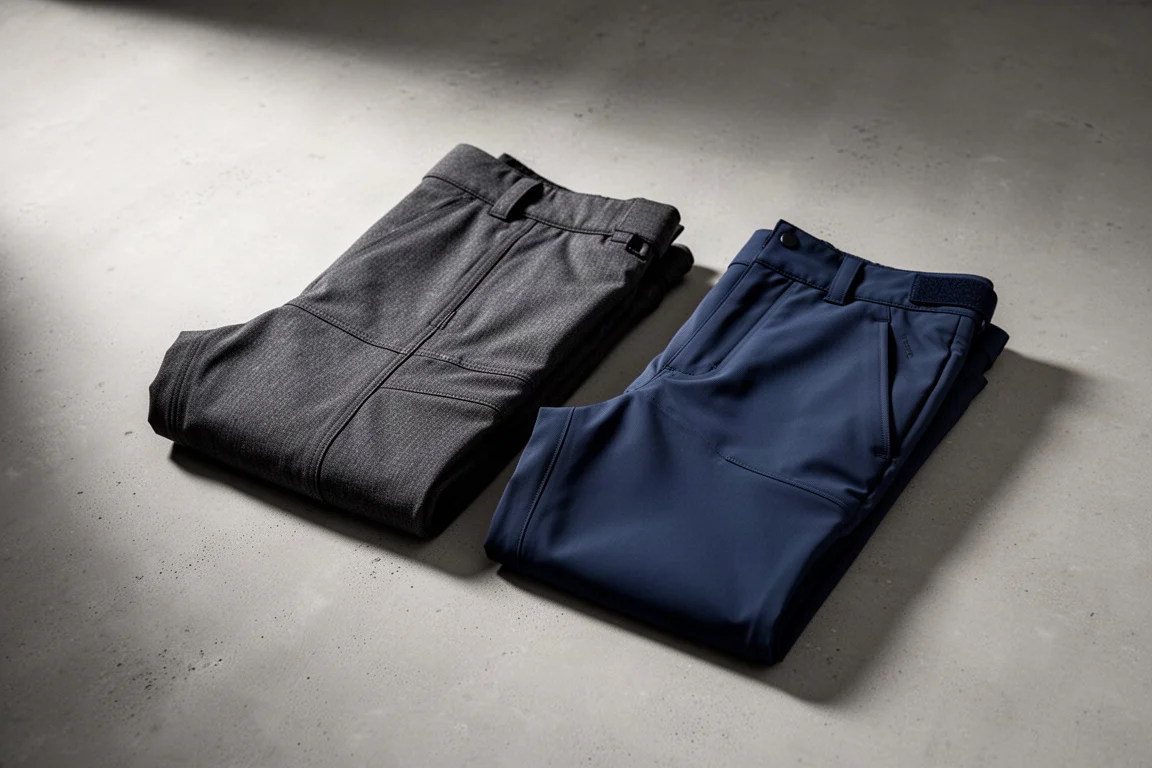
Snow pants sit in an awkward price bracket. Pay too little and the seams can give out mid-season. Pay too much and you may be buying marketing rather than construction. Two pairs make that tension easy to see: the Dope Iconic Snow Pant, sold direct for around $159, and the 686 Standard Pant, which sells for around $99.
Both are aimed at the same rider and both claim to handle winter conditions. The difference shows up in how they are assembled, how the waterproofing is applied, and how each one behaves when seams, pockets and cuffs are put under genuine stress.
How These Snow Pants Were Compared
The comparison focuses on four things that decide whether a pair of snow pants survives a season: seam construction, the method used to make the fabric waterproof, the hardware such as zippers, closures and cuffs, and how the material responds to repeated stress at the points that take the most abuse.
Price is part of the picture, but it is not the whole story. A lower price only counts as value if the build holds up over months rather than weeks.
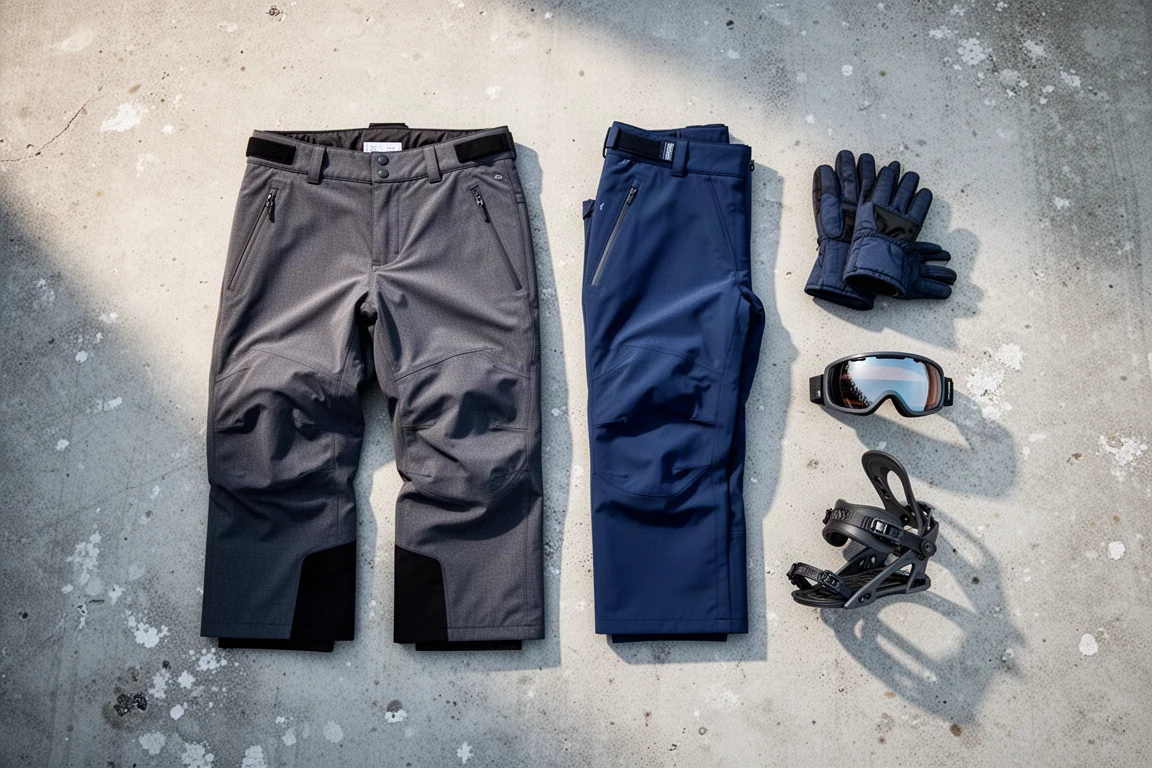
Riders who spend long days on lifts, in wet snow, or kneeling to strap in will notice seam and waterproofing failures long before anyone notices the styling. That makes construction the fairest basis for comparison here, and it is where these two pants diverge most sharply.
Dope Iconic Snow Pant: Build and Features
Dope and Montec operate under the same ownership, and Dope sells its pants directly rather than through retailers. The Iconic Snow Pant carries a 15K rating and was priced at around $159 at the time of this comparison, which made it the most expensive pair in this group.
Inside, the build leans on single-stitch seams throughout. The zippers carry no branding that identifies the manufacturer, and they appear to be produced specifically for Dope rather than sourced from a well-known hardware supplier.
A few design choices are harder to justify. There are flaps at the rear that suggest back pockets, but there are no back pockets behind them, which adds material and an extra seam without adding function. Seam tape is applied where a pocket would normally sit. One sensible detail does stand out: the internal liner and the insulation are joined with single-stitch seams so the layers stay together instead of bunching up. The insulation itself is a standard polyfill.
At the waist, a real elastic band is paired with Velcro closures and a drawstring that duplicates the job the elastic already does. The cuff uses a small storm cuff with two strands of rubber to grip over a boot, plus a clip for a lace.
Dope Iconic Snow Pant: Durability Notes
The rear pocket tab was the first failure point. Pulling on it removed a noticeable amount of material and left the surrounding fabric rough. Seams on the Dope pant separated more easily than the 686, though they held up better than the cheapest options in this group.
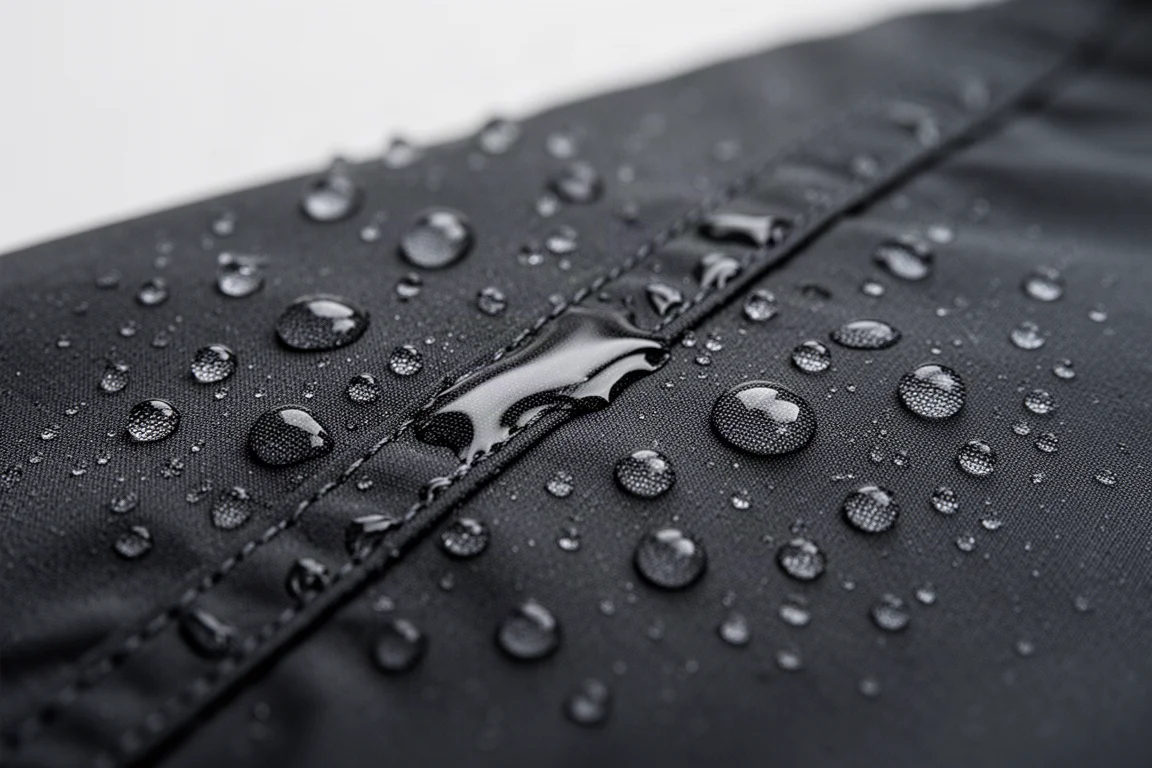
Water behaviour is more interesting than it first appears. After exposure, the top layer of fabric was wet while the layer beneath stayed dry, which looks like a success. The catch is how that result is achieved.
The water-repellent treatment on this pant behaves like a film pressed onto the surface rather than a finish worked into the fabric itself, closer in character to an adhesive layer. The same film material is used to tape the seams, and it is not applied in a way that suggests it was designed as a critical waterproof seal.
That construction carries a predictable risk. Because the waterproofing sits on top of the fabric instead of being part of it, moisture lingers on the outer layer and works at the bond between the film and the base material. Over time that bond can release, and when it does, water collects in the gap. The result is pooling, then separation of the layers, and the waterproofing fails before the fabric itself wears out.
686 Standard Pant: Build and Features
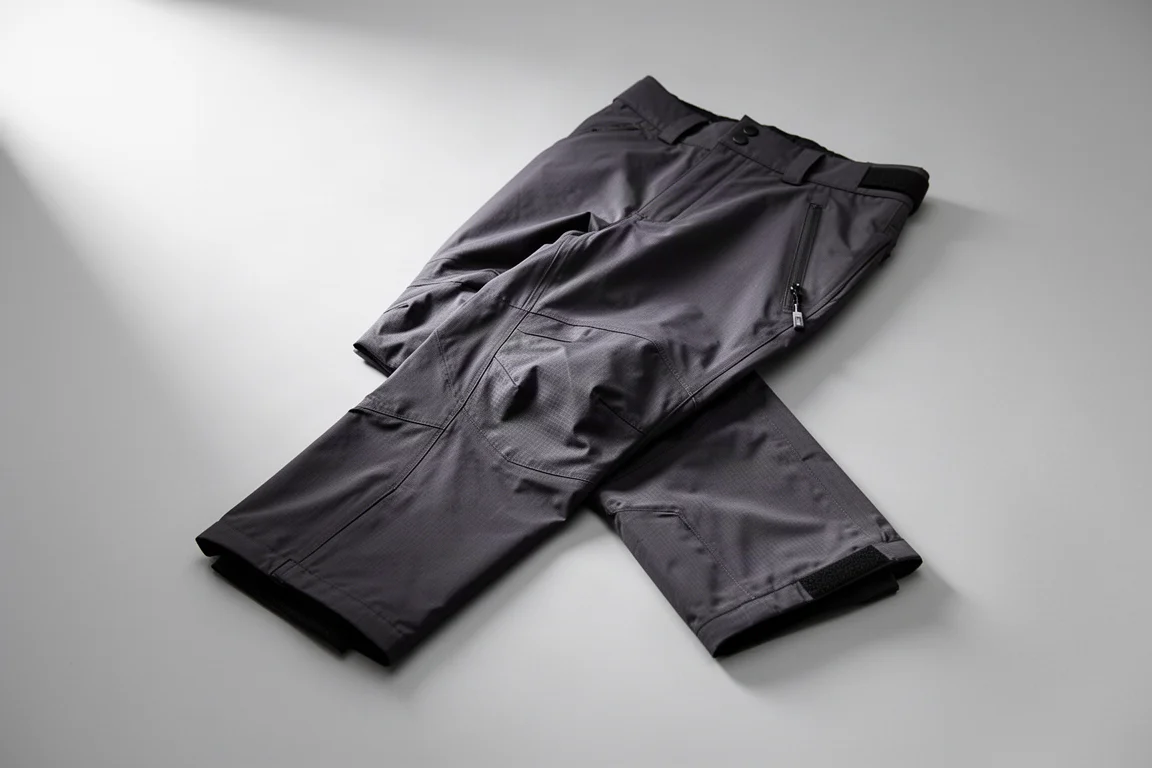
The 686 Standard Pant is the simpler proposition. It sells for around $99, roughly $60 less than the Dope pant, and it comes from a brand with an established presence in snow sports rather than a direct-to-consumer operation built on social advertising.
That lower price does not translate into a weaker build. Under the same handling that damaged the Dope pant, the 686 held its seams together and showed none of the material loss seen on the Dope pocket tab.
686 Standard Pant: Durability Notes
Seam strength is where the 686 separates itself. Under the same pulling and stress that opened up the Dope seams, the 686 stitching stayed intact. Nothing about the pant suggested it would struggle through a normal season of use.
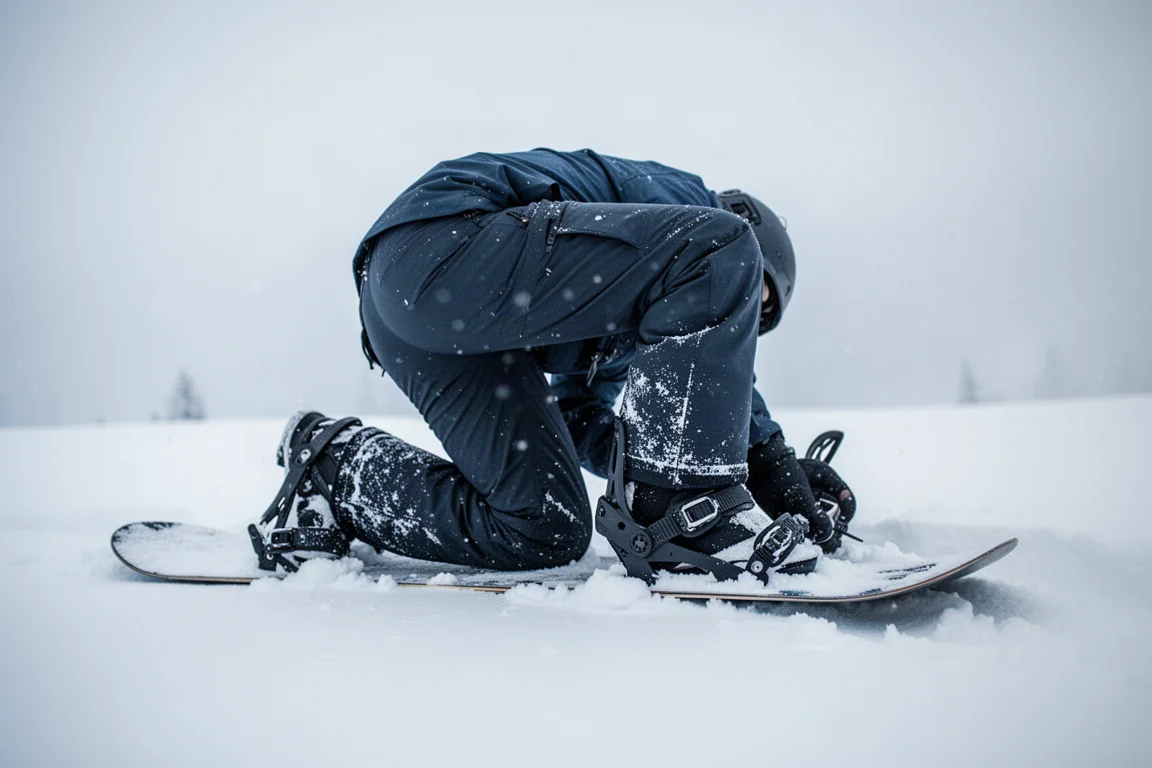
For a rider who wants one pair to last from the first snowfall to the last slushy day, that reliability is the whole point. The 686 is not the flashiest option and it does not arrive with a story about cutting out the middleman, but it does the basic job of holding together when it matters.
Waterproofing: What the Two Approaches Mean Over Time
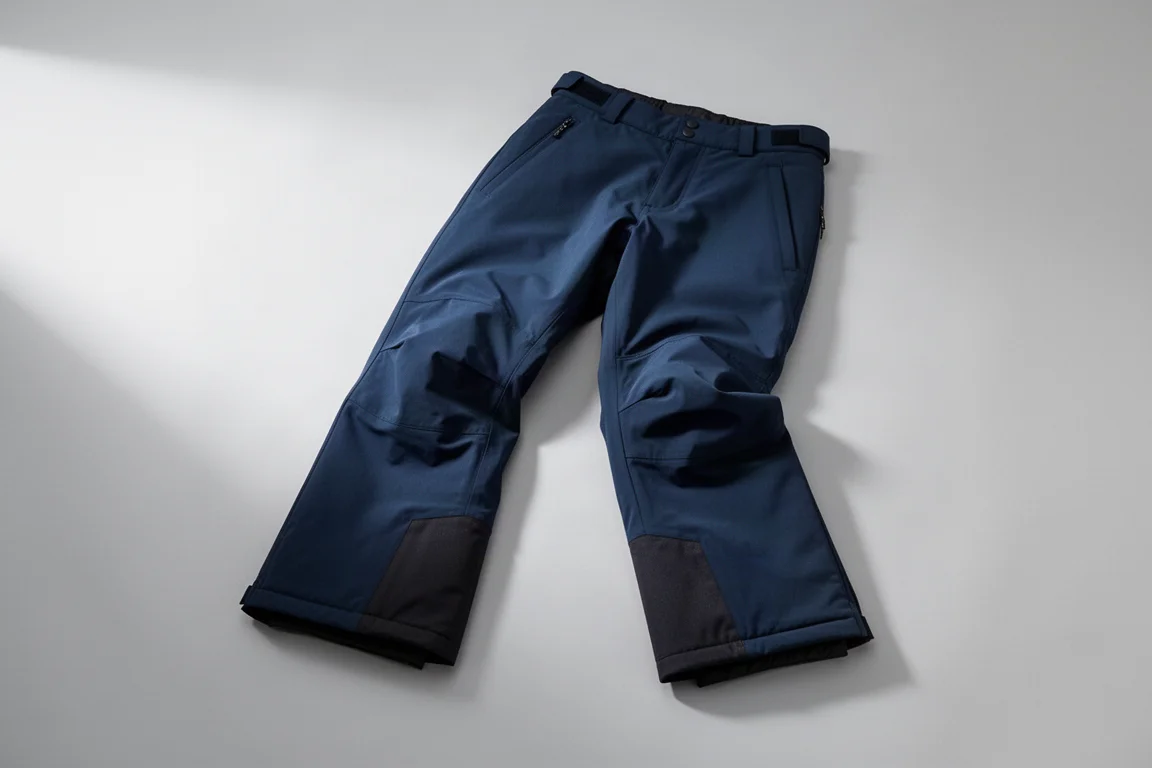
Waterproofing on snow pants generally takes one of two forms: a treatment integrated into the fabric itself, or a separate layer applied to the surface. The first resists wear because it moves with the material. The second depends on a bond that can weaken each time the outer layer gets wet and dries out again.
The Dope pant uses the applied approach. Its top layer stayed wet after exposure while the inner layer stayed dry, which is exactly how an applied film behaves at first. The problem is what happens next. Moisture that sits on that outer layer attacks the adhesive holding the film in place, and once the film lifts, water gathers in the space underneath instead of running off.
The practical takeaway is that a dry inner layer on day one is not proof of long-term waterproofing. What matters is whether the waterproofing is part of the fabric or sitting on top of it. This is also where price becomes misleading, because the more expensive pant in this comparison is the one carrying the construction risk.
Buying Advice
If the goal is a pair of snow pants that survives a full season of riding, the 686 Standard Pant is the better buy at around $99. Its seams resisted the same abuse that damaged the Dope pant, and there is no obvious weak point in how it is assembled.
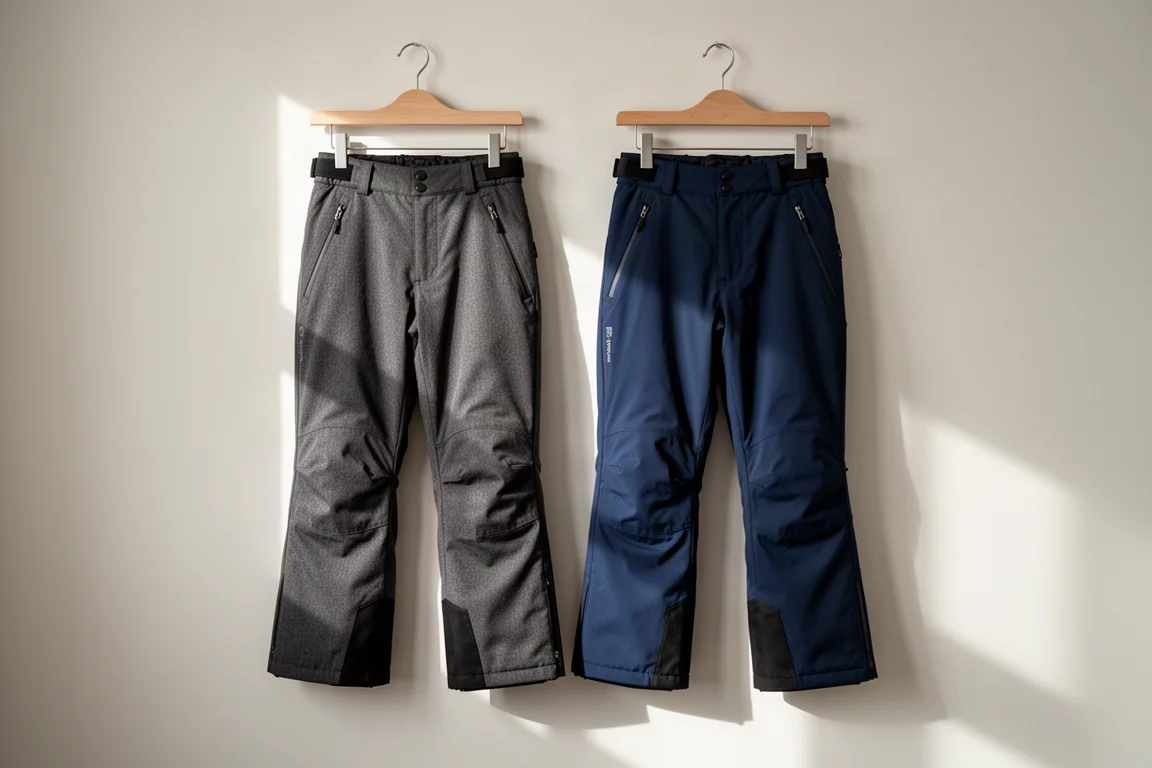
The Dope Iconic Snow Pant costs around $159 and is sold direct, which removes a retail margin but does not automatically produce a better product. Its single-stitch seams, unbranded zippers, decorative pocket flaps and surface-applied waterproofing all point to cost-cutting in the places that matter most for durability.
Riders who only need occasional use in cold, dry conditions may never notice the difference. Anyone who rides regularly in wet snow should weight seam construction and waterproofing method above styling and brand marketing, because those are the two things that decide how long a pair of snow pants lasts.
Conclusion
Two pants, two prices, one clear result. The 686 Standard Pant costs less and holds up better, while the Dope Iconic Snow Pant charges more for a build that puts its own waterproofing at risk of separating over time. Spending more only makes sense when the money goes into construction. In this comparison, it does not.
Further reading
Related Reviews
Snow Pants
Columbia Bugaboo 2 Pant Review: Thick Fabric and Taped Seams at a Mid-Level Price
A mid-level insulated snow pant with a thick shell, fully taped seams, and solid zippers. Here is where it earns its price and where the fit and features fall short.
Snow Pants
DC Division Pants Review: A 15K Shell With Details That Hold Up
The DC Division Pants pair a 15K waterproof and breathability rating with taped seams, waist cinches, and a pant-leg lift drawstring, at a closeout price of $109.
Snow Pants
Heartland Pant Review: Affordable Snow Pants That Stayed Dry
The Heartland Pant uses partially plant-based Sorona Aura fabric and kept water out completely in wet-weather testing, but its awkward cut and single stitching are real trade-offs.