Food & Drink
Does PDO Actually Make Food Taste Better? A Blind Taste Test of 8 Products
We put PDO-protected foods head to head with their cheaper alternatives: Jersey Royals, Parma ham, halloumi, Champagne and more.
Introduction
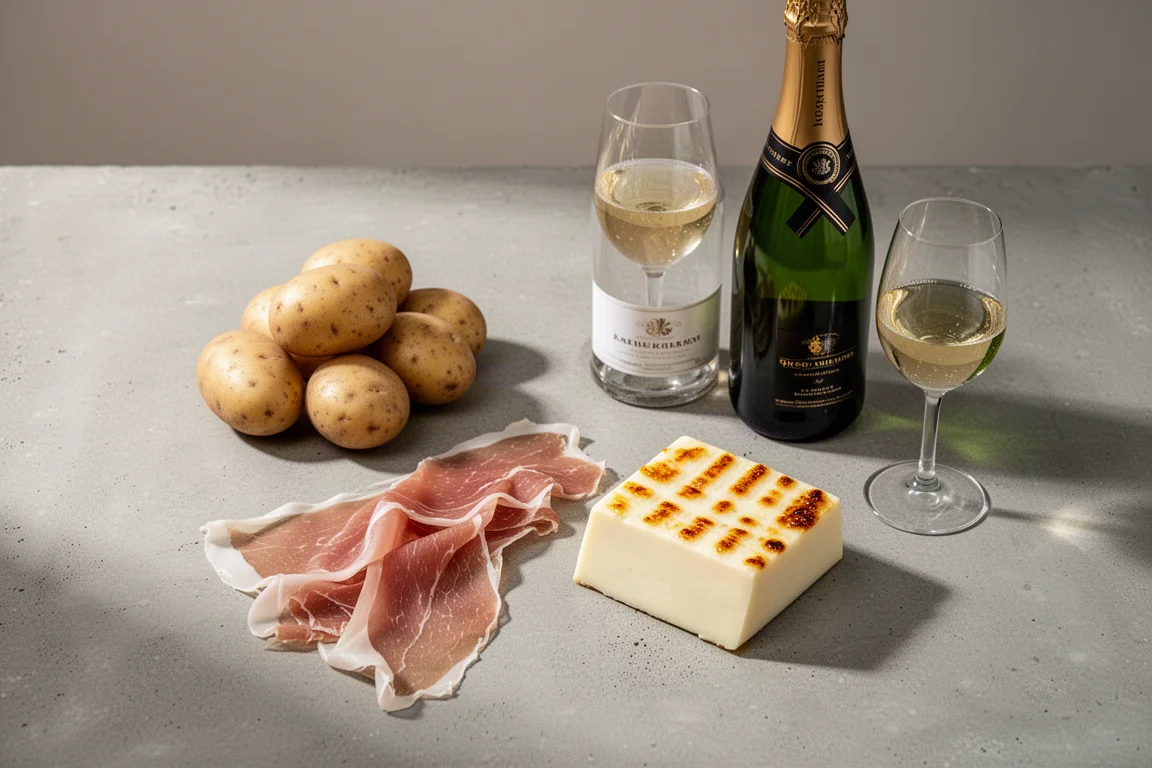
You have probably spotted three little letters on the packaging of foods you buy: PDO, or Protected Designation of Origin. It is a strict legal code that guarantees a product has been prepared in a very specific way, in a very specific region, using traditional methods. It also tends to make your wallet a little lighter.
The real question is whether those rules actually make food taste better, or whether you are simply paying a premium for a fancy label. To find out, we ran a blind taste test across four categories, pitting a PDO-protected product against a cheaper alternative each time. Here is how it went.
Round One: New Potatoes
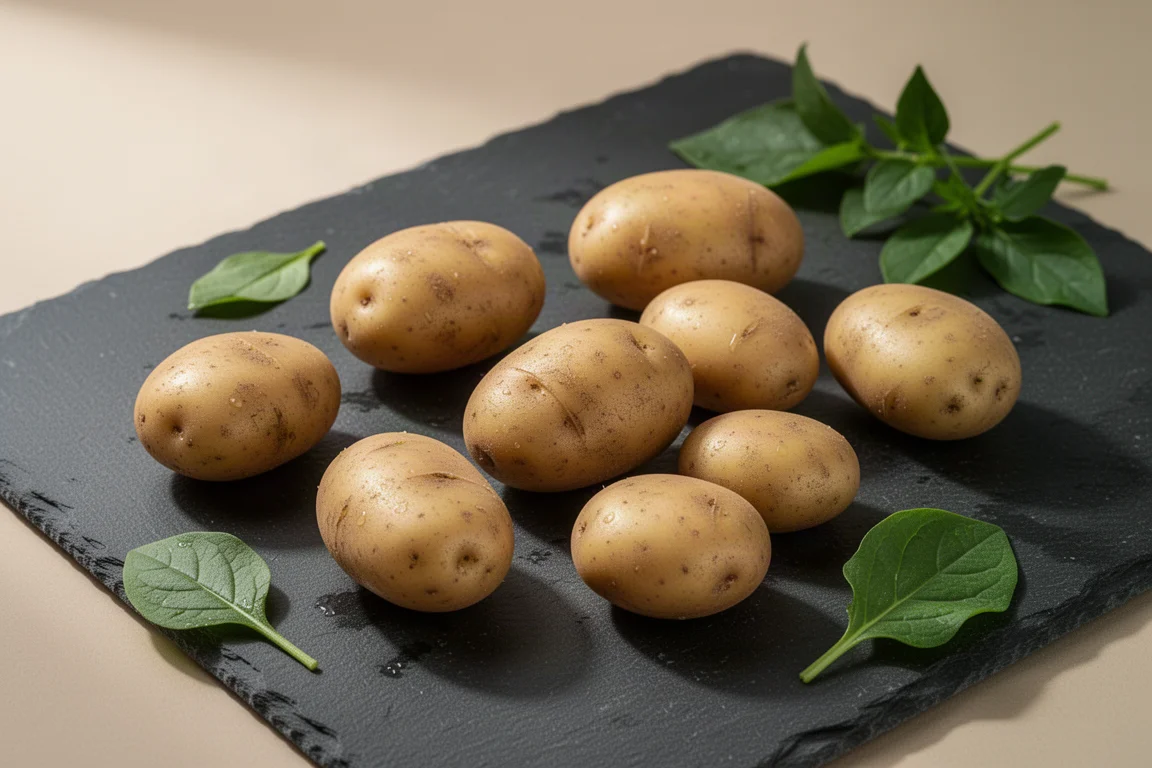
One of these samples was Jersey Royals, which hold a UK Designated Origin protection, essentially the post-Brexit equivalent of PDO. To be called Jersey Royals, the potatoes must be the International Kidney variety of Solanum tuberosum, grown in Jersey according to traditional practices, including the application of vraic, the local dialect word for seaweed used as natural fertiliser. That tradition of seaweed farming for fertiliser on the Channel Islands dates back hundreds of years; at one point, around 250,000 tons of seaweed a year were harvested from Guernsey’s shores alone.
Both samples were boiled, then tossed in butter, olive oil and seasoning. The tasters described one as slightly more floury and the other as waxier, with more bite and a buttery, almost hazelnutty richness. The verdict: the waxier, nuttier sample was the PDO potato. That is Albert Bartlett’s Jersey Royal Potatoes, exclusive to the island for over 140 years. Jersey’s steep growing slopes and southern microclimate make them typically the first new potato crop of the year, with that characteristic wafer-thin papery skin.
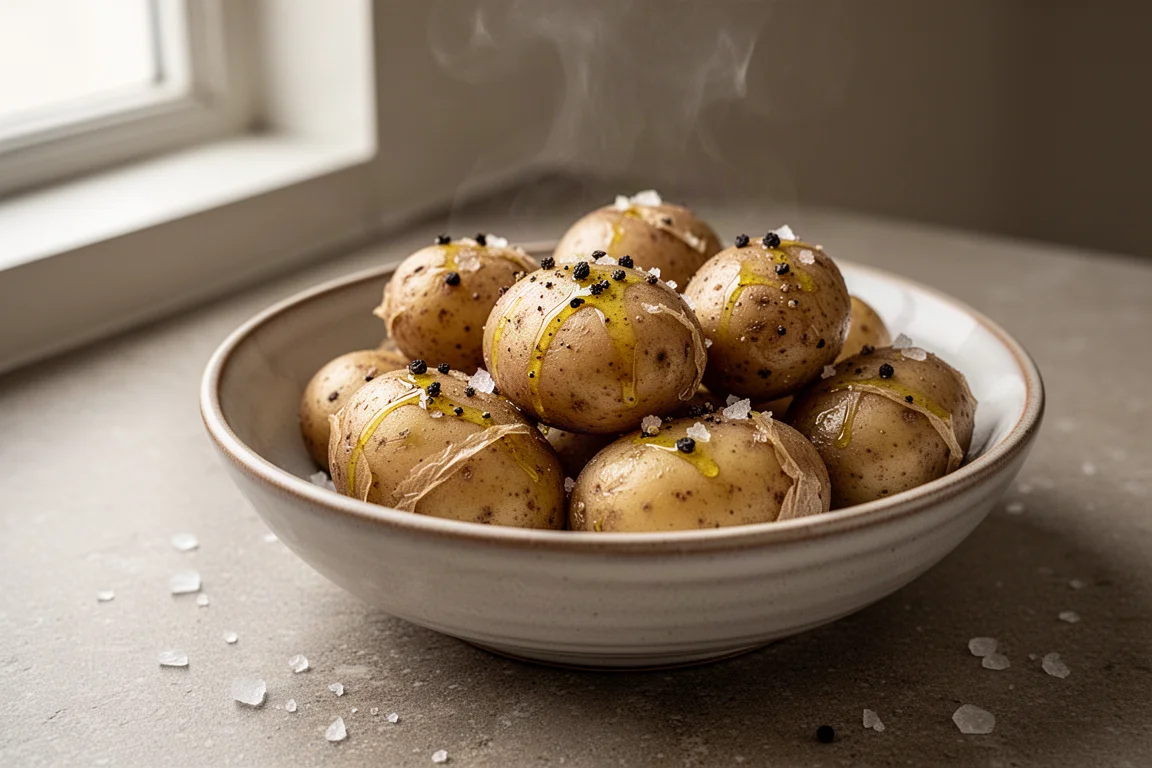
The alternative, Ocado Cornish New Potatoes, still benefits from Cornwall’s maritime climate and arrives freshly lifted rather than stored for months. They remain waxy, firm and subtly nutty, just not Jersey Royals. On price, Ocado’s Cornish New Potatoes come in at £3.33 per kilo versus £4 per kilo for the protected potatoes.
So does PDO matter here? For a potato salad where the potato is the star, arguably yes. In a stew, probably not. And Jersey Royals need very little done to them at all: let a good potato taste as good as it does.
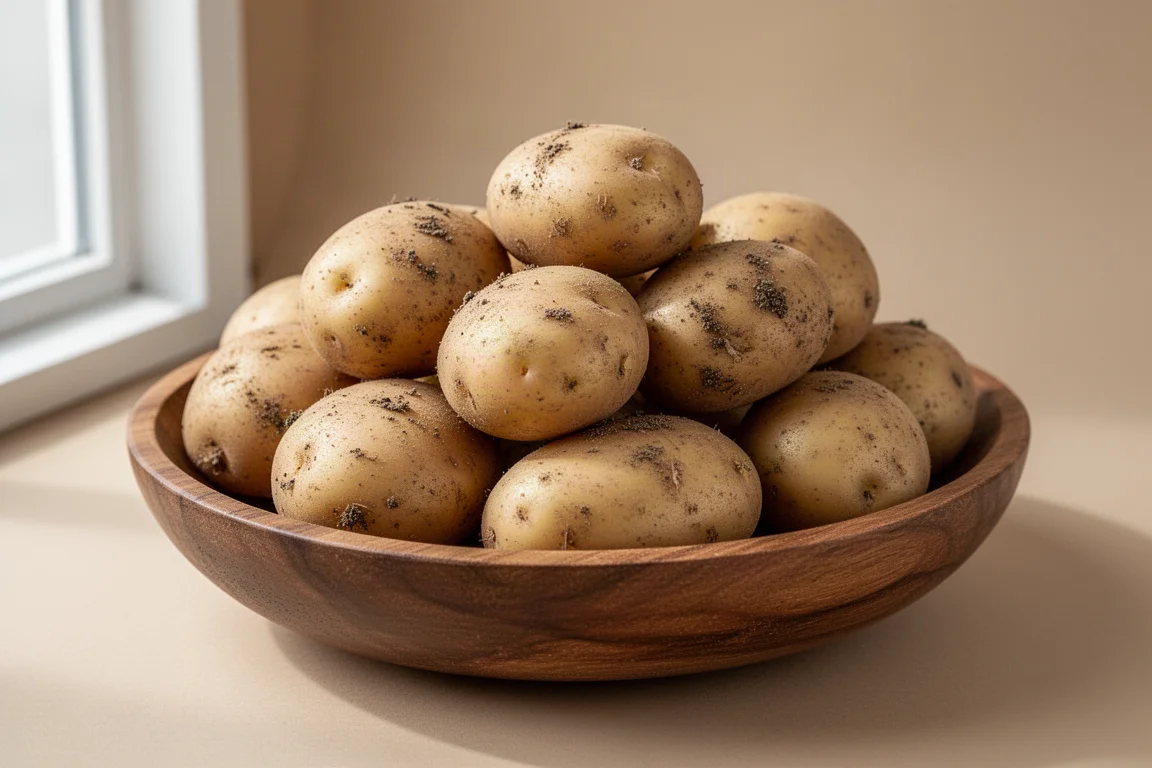
The cheaper option is far from a disappointment. It is a solid everyday new potato at a friendlier price.
Round Two: Prosciutto and Parma Ham
Both samples were prosciutto crudo, meaning raw ham. But only one was Prosciutto di Parma, made from pigs reared, fed, cured and packaged in Parma.
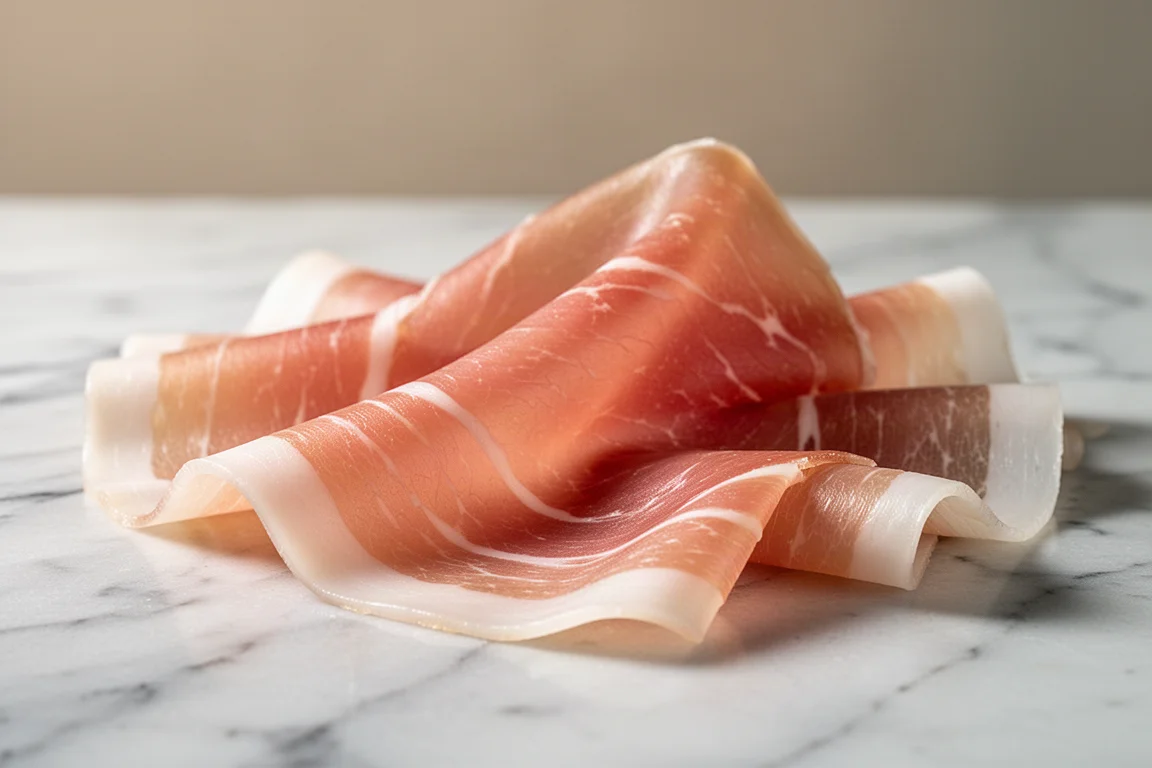
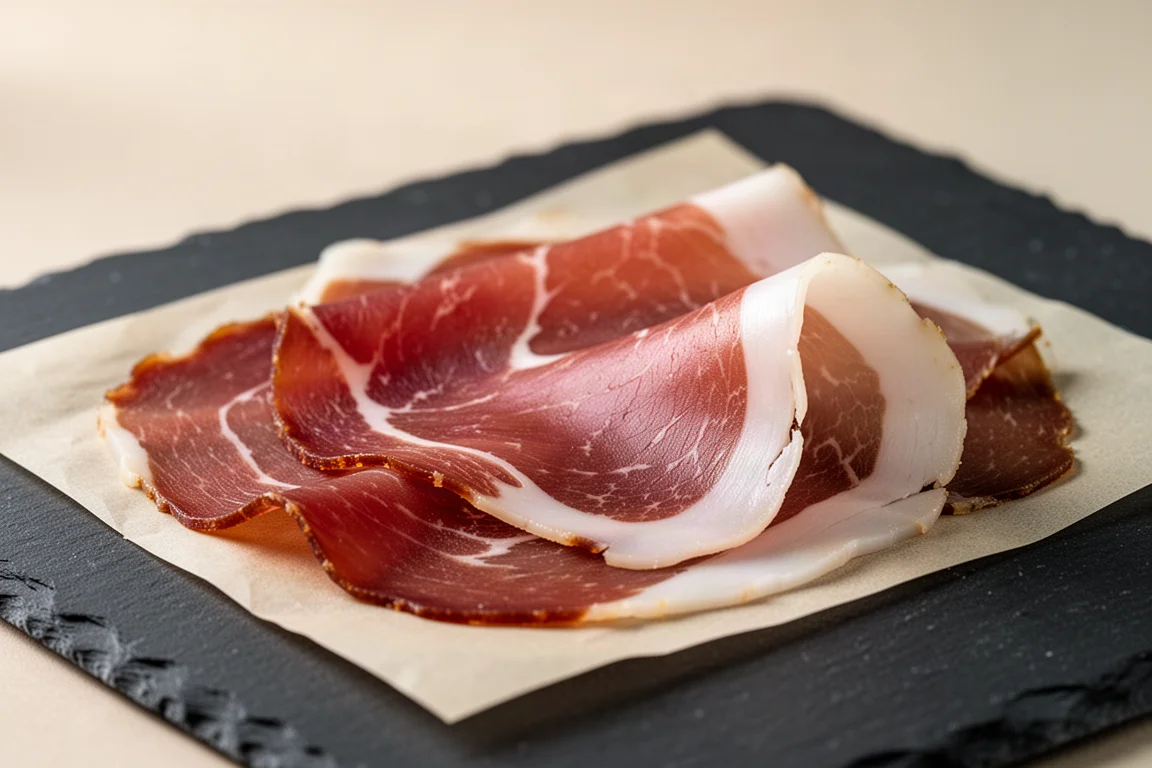
The tasters immediately noticed differences: one slice was darker with more fat marbling throughout, the other more consistent with fat running in lines. The sample they identified as “posher” had more dimensions, with the fat dissolving into something silky, while the other was saltier with a slight funk.
The rules behind Prosciutto di Parma are remarkably strict. There are nine million Parma hams sold a year from 160 producers. Pigs must be a certain heavy breed, at least nine months old, weighing around 160 kilos, and fed to a specific code. The legs are rubbed with salt, refrigerated for a week, re-salted, rested for 15 to 18 days, hung for 80 days to dry, then left in a cellar for at least 14 months. The whole process takes a year and a half. And the rules are enforced: a UK supermarket once sold ham from the correct pigs, reared and cured in Parma, but sliced and packed in Britain. After a six-year court case, it was ruled that this was not Parma ham.
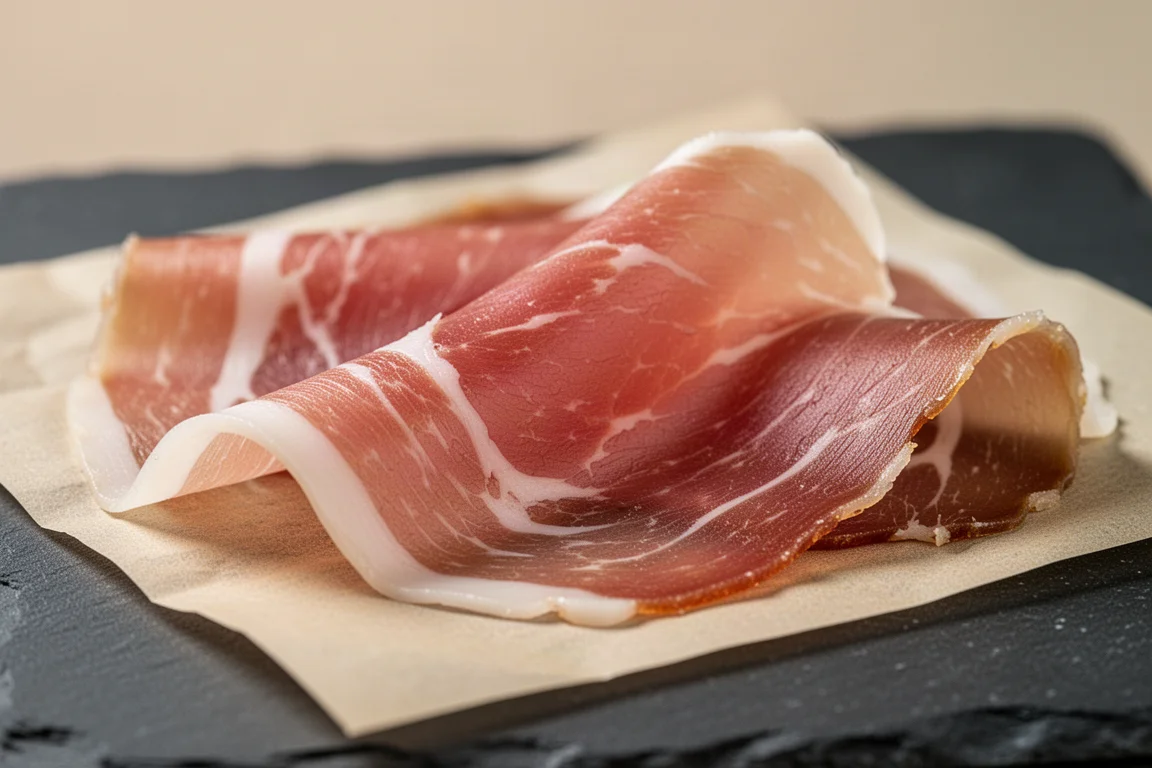
The PDO sample was correctly identified by the tasters’ palates, even if they second-guessed themselves on the answer sheet. It is Golfera Classic Prosciutto di Parma, at around £78 per kilo, a full £30 more per kilo than the alternative.
The non-PDO option is Golfera Classic Prosciutto Crudo, from elsewhere in Italy with different pigs and fat content, at around £48 per kilo. In this round, the difference was genuinely noticeable: you could taste it.
Round Three: Halloumi vs Grilling Cheese
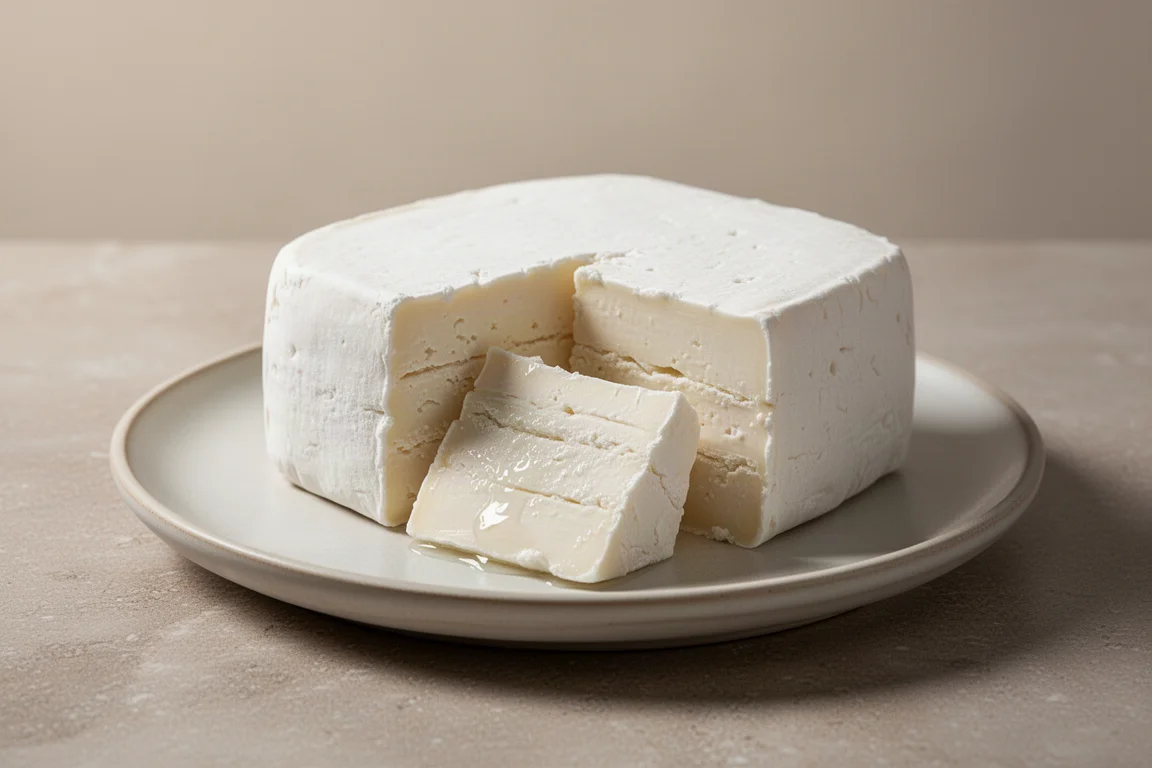
Here is something many shoppers do not realise: only halloumi produced on the island of Cyprus, according to the traditional recipe, can legally be marketed as halloumi. It is an EU-protected name.
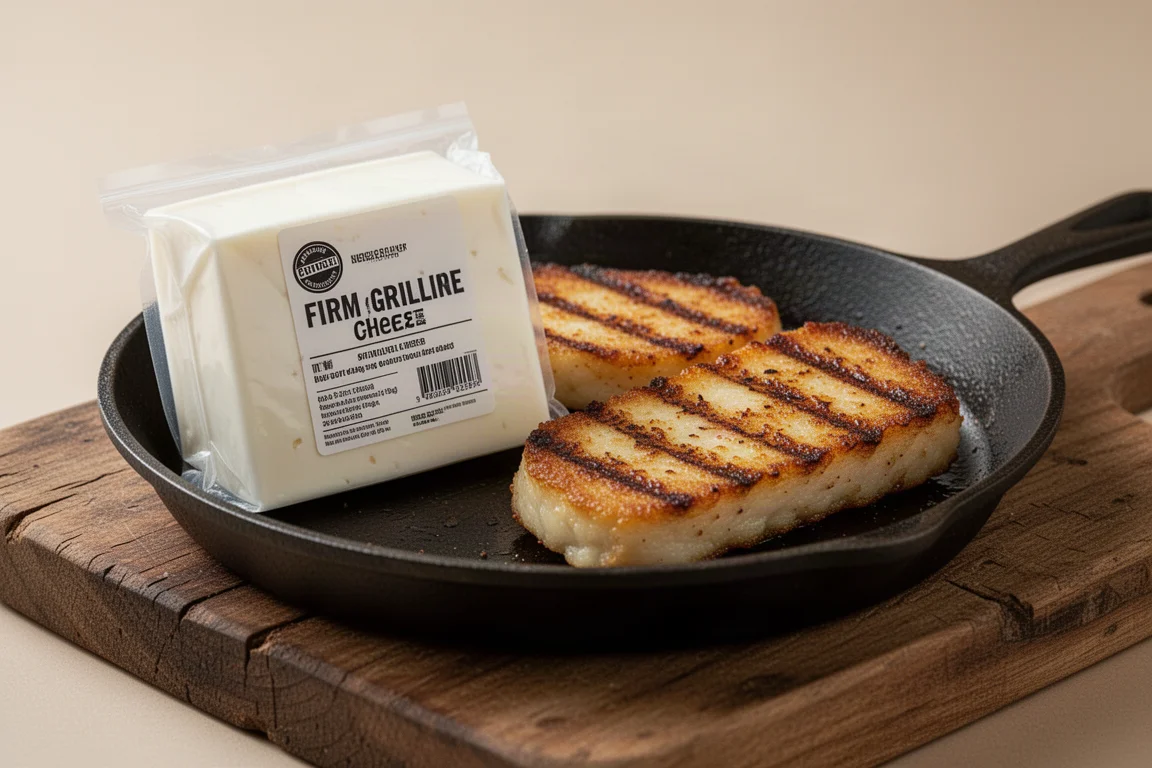
The tasters found this the widest gap of the day. One sample was creamier, saltier, squeakier and more solid; the other crumbled more and behaved differently in the pan. Good halloumi, once the moisture is out, develops a proper crunchy crust.
The PDO requirements are extensive. Cyprus Traditional Halloumi must be produced on the island using local or Cypriot crossbred animals. Even the animal feed must come from Cyprus, or at least 50% of the dry matter on an annual basis, meeting good agricultural practice and free from pesticides and contaminants. Traceability checks confirm the right ratio of sheep and goat milk.
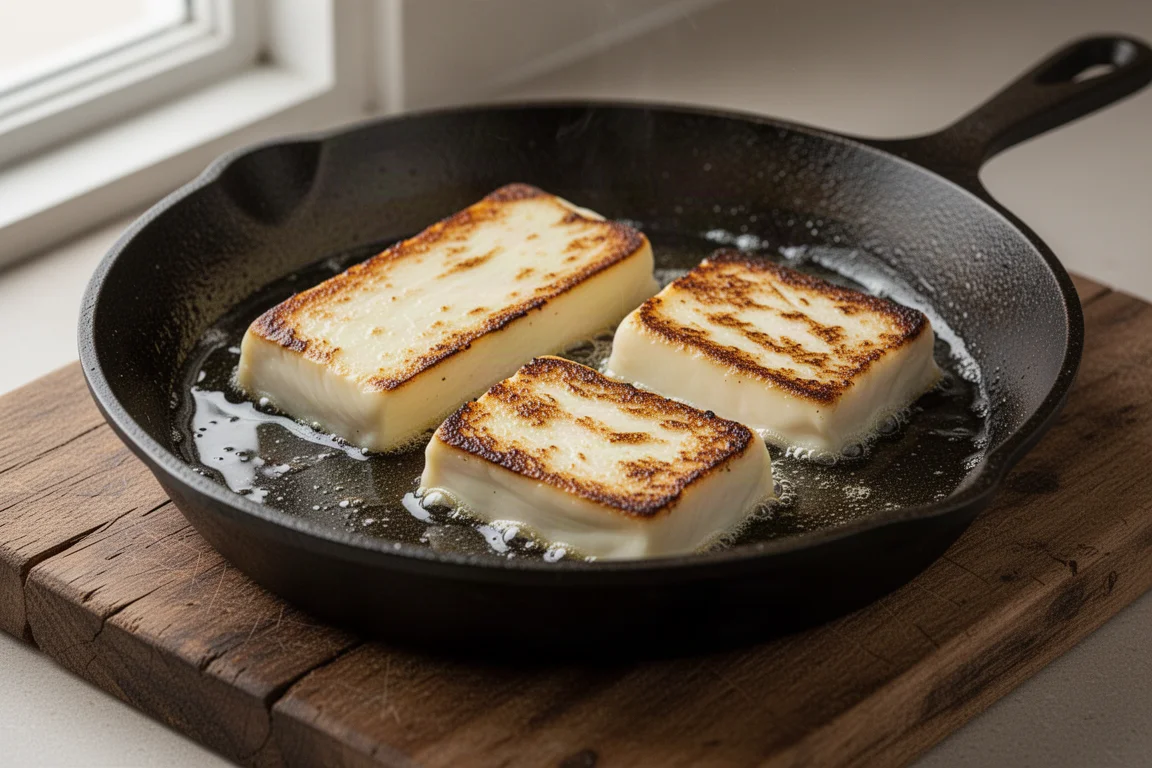
The PDO sample was Cyprus Traditional Halloumi, a product of Cyprus at £16.67 per kilo. The alternative, Midas Grilling Cheese, is a product of Bulgaria at £9.75 per kilo. Bulgaria has an enormous dairy industry and produces a huge amount of grilling cheese, applying lessons learned from Cyprus without using the protected name.
That makes the PDO version about 70% more expensive. Is it 70% better? The tasters did not think so. But it is about protecting a tradition, and the cheaper alternative only exists because those practices came first.
Round Four: Champagne vs Crémant
Champagne is not technically PDO but AOC, Appellation d’Origine Contrôlée, France’s own certification that actually predates the EU system, starting in 1935. If it is not made in Champagne using the traditional sparkling wine method, you cannot put Champagne on the bottle.
That method is demanding: a sharp acidic base wine goes into bottle with yeast and sugar for a second fermentation that creates the bubbles. Champagne must then be aged 15 months, 12 of them on lees with the dead yeast in the bottle, which gives those biscuity, brioche-like pastry notes. The bottles are riddled, turned a quarter-turn every couple of days so the yeast settles in the neck, then disgorged, topped with a dosage that determines sweetness, and capped.
Both samples here used the traditional method. The tasters found one fruitier, bubblier and more refreshing, almost more akin to a Prosecco, while the other was sharper, drier and slightly rosé-tinged in colour. The Champagne was correctly identified as the sharper, drier glass.

The Champagne was Perrier-Jouët, from Épernay, bought at £40 a bottle though it can retail at around £50. Champagne protects an enormous industry: 16,000 growers employing hundreds of people, plus 120,000 seasonal workers at harvest.
The alternative is Crémant de Bourgogne at £17 a bottle, less than half the price. It is its own AOC, made with Chardonnay, one of Champagne’s three main grapes, and the tasters found it delicious and perfect for an occasion. The lesson: it was not that one tasted better, just different.


So, Does PDO Make Food Taste Better?
The answer from this test is yes, you can often taste the difference, but it is not always better, and it is rarely cheap. The Jersey Royals and the Parma ham showed clear, describable differences. The grilling cheese was genuinely enjoyable at two-thirds of the price. The Crémant delivered much of the same craft for less than half the cost of Champagne.
There is no blanket rule. If the PDO product is the star ingredient, the premium may be worth it. If you are familiar with and happy with the alternative, that will do just fine. And the premium also protects traditions, regions and livelihoods, which is worth something beyond the plate.
Which PDO foods do you always commit to buying? Or does the label not bother you either?
Conclusion
PDO status is a guarantee of origin and method, and in a blind tasting those differences can show up on the palate. Jersey Royals, Parma ham and Champagne all earned their reputations in this comparison. But the alternatives proved that great eating does not always require the protected label, and knowing when to splurge is half the battle.
Further reading
Related Reviews
Food & Drink
Best Plant-Based Burgers From Major Chains: Six Options Rated
Six plant-based burgers from KFC, Leon, McDonald's, Burger King, Shake Shack, and Honest Burgers put to the taste test to see which fast-food options are actually worth ordering.

Food & Drink
Best Dark Chocolate for Less Sugar: Four Picks From 60% to 90%
Four dark chocolates that deliver more cacao and less sugar, from an everyday baking bar to an intense 90% pick.
Food & Drink
Four Kansas City Barbecue Sauces Worth a Spot on Your Table
We compare four very different Kansas City style barbecue sauces, from a classic sweet supermarket staple to three landmark restaurant sauces you can order online.