Drones
DJI Neo Tracking Speed After the Firmware Update: What It Can Really Follow
The DJI Neo was famously slow at following riders and runners. A firmware update changes that, and real testing shows where the new limits sit.
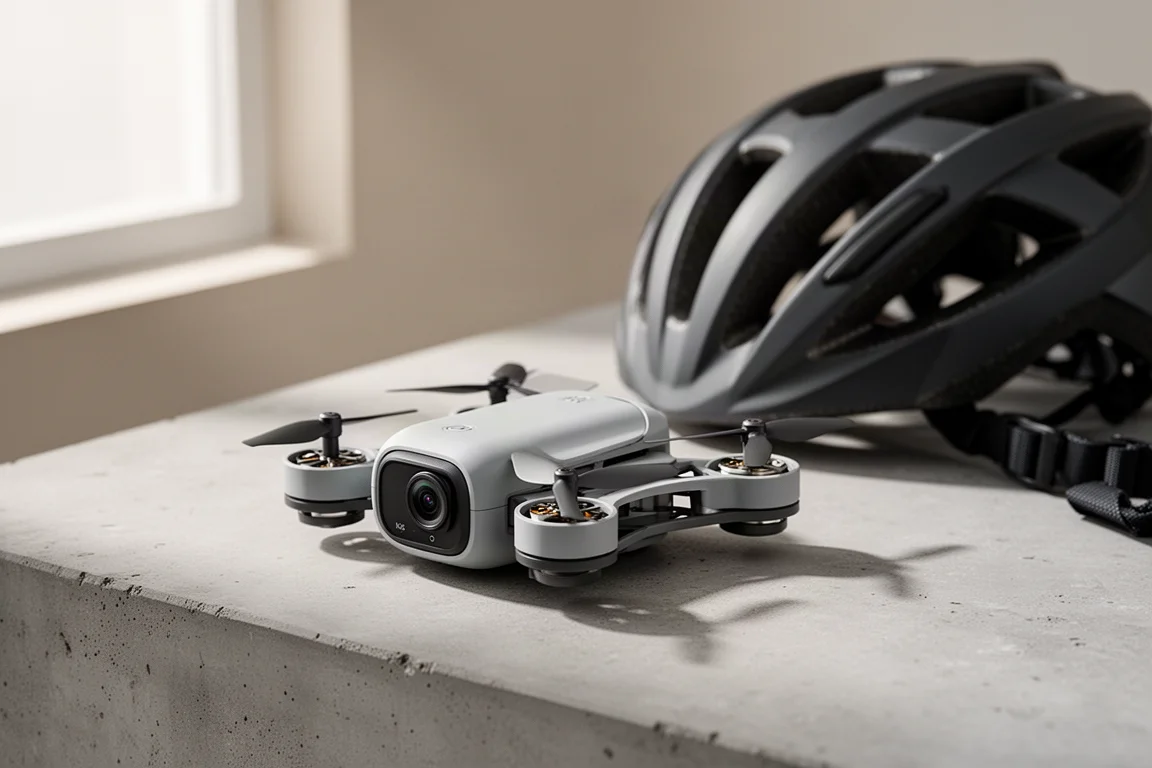
Introduction
The DJI Neo launched with one glaring weakness: it was painfully slow. For a drone that built much of its reputation on tracking you while running, cycling, or doing just about anything active, a follow speed of roughly 20 km/h (13 mph) was a serious problem. It could keep you locked in its frame, but it could not keep up with the ride. A firmware update now claims to have increased tracking speed, so we put it to the test to find out what the new limits actually are.
Why Tracking Speed Mattered So Much
Out of the box, the Neo’s original tracking performance was underwhelming. In plain flight mode with full throttle, it moved at roughly walking pace. In follow mode using a phone as the tracking target, it held on up to about 22 km/h in completely open space before starting to fall behind. With the RC 2 controller in sport mode, it topped out around 27 km/h, and in sport mode tracking it would eventually lose a rider sustaining more than about 26 km/h.
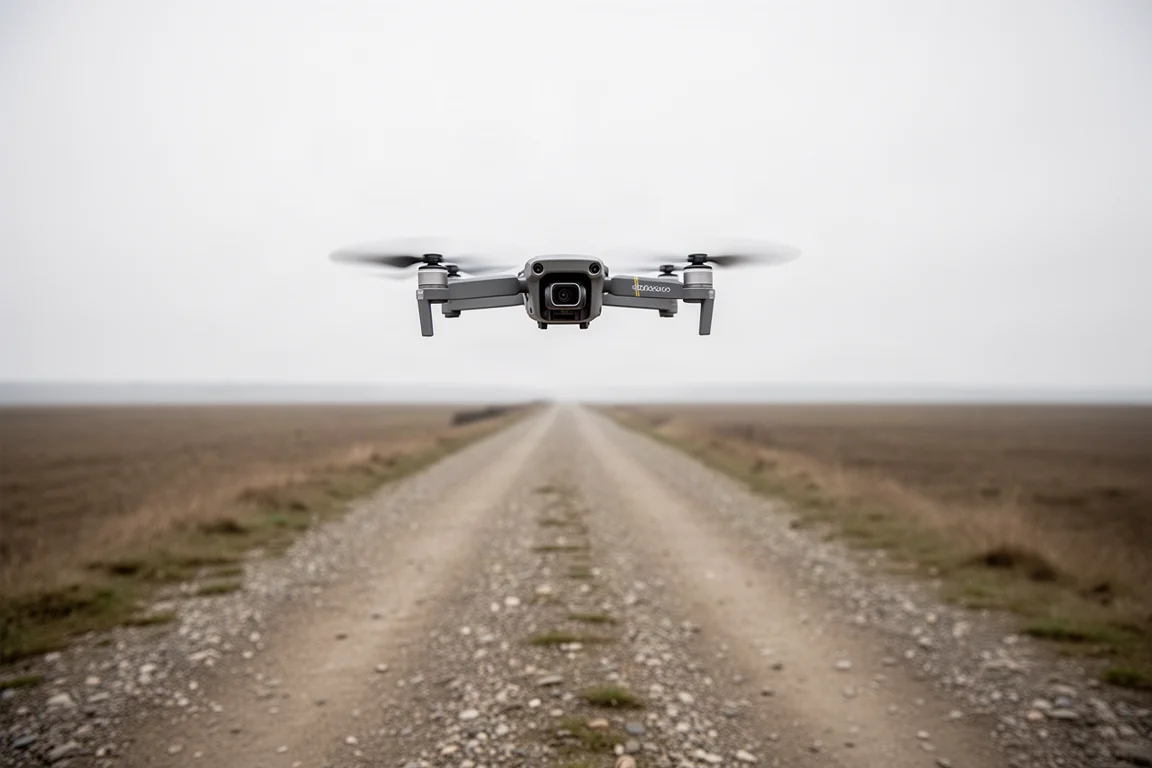
For a drone positioned as a hands-free action follower, that meant runners were fine, but anyone on a bike was out of luck. Competitors in this space could comfortably hold higher speeds, which made the Neo’s limitation hard to overlook.
Testing the Updated Tracking Speed
The firmware update arrived with a vague changelog: optimized positioning performance and increased flight speed during tracking. No actual number was published, so the only way to find the real limit was to repeat the same baseline tests on a straight, dead-end road where speeds could be measured consistently.
The results were immediately different. Following a rider downhill, the updated Neo held on through 20, 25, and 30 km/h without issue. It started to separate slightly around 34 km/h, and at a sustained 35 km/h it stayed with the rider but the gap visibly grew. The practical sustained limit sits somewhere around 32 to 33 km/h, which aligns with community estimates and is a massive improvement over the original 20 km/h ceiling.
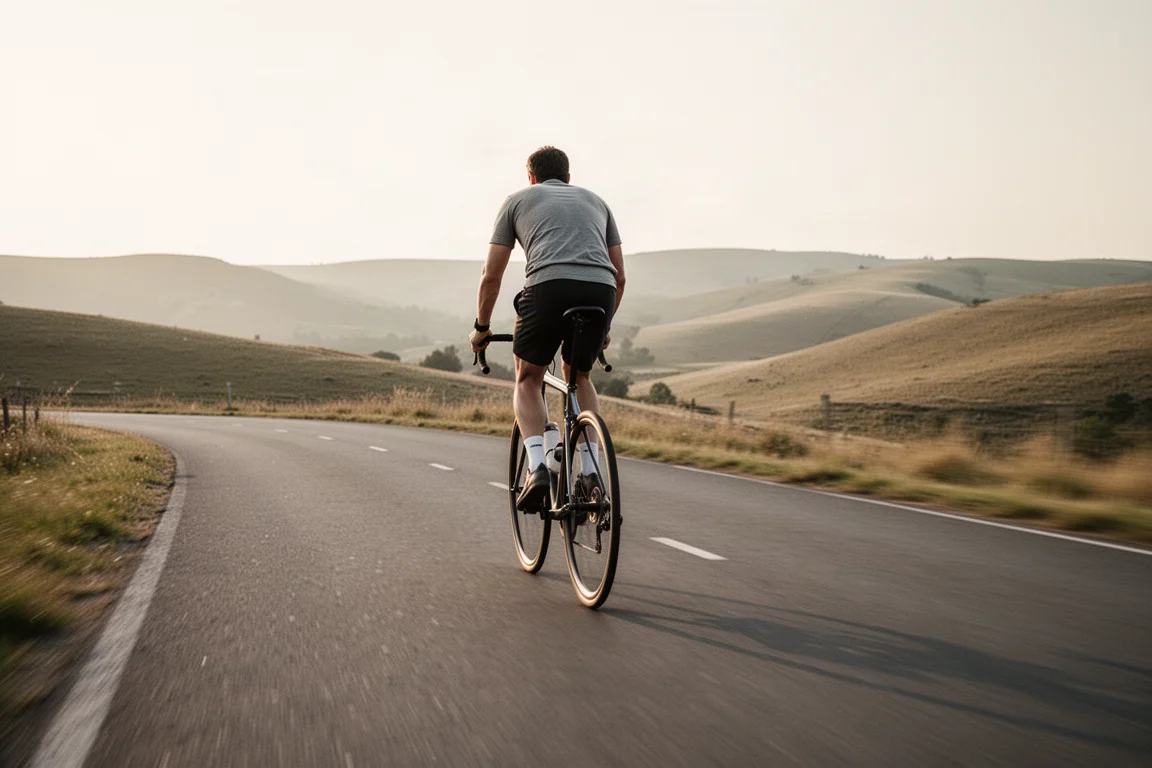
One odd finding: the RC 2 controller did not get any faster. In normal mode it still tops out around 20 km/h, and in sport mode around 28 km/h, actually slower than the tracking mode’s new ceiling. The update clearly targeted follow speeds rather than manual flight performance.
How It Handles Real Trails
Out in the trees, the updated Neo proved genuinely usable for the first time. It follows the rider’s ground track rather than cutting corners, which helps it survive twisty singletrack better than some rivals and often keeps it in the air longer as a result.
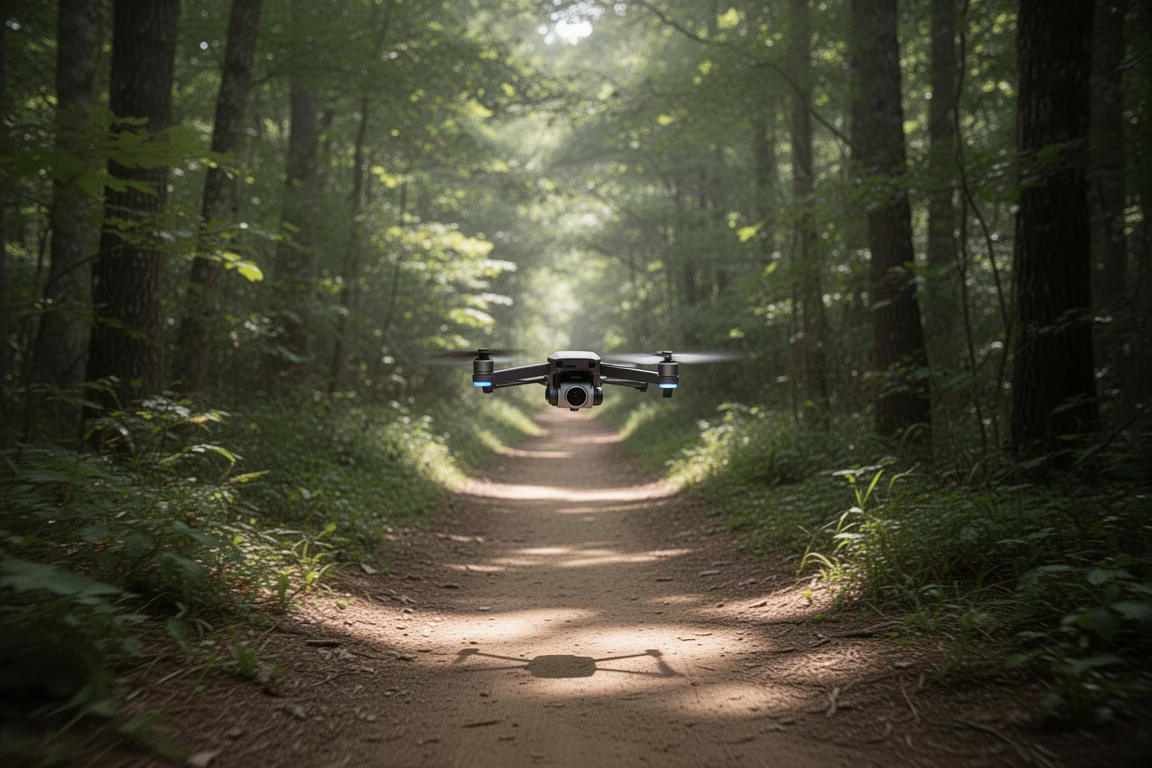
One important caveat: the Neo has no obstacle avoidance sensors. It commits fully to whatever line it is following, so on tight wooded trails it will eventually find a tree, a branch, or a bush. Riders who want a worry-free follow experience in dense terrain should factor that in.
Practical Drawbacks to Know About
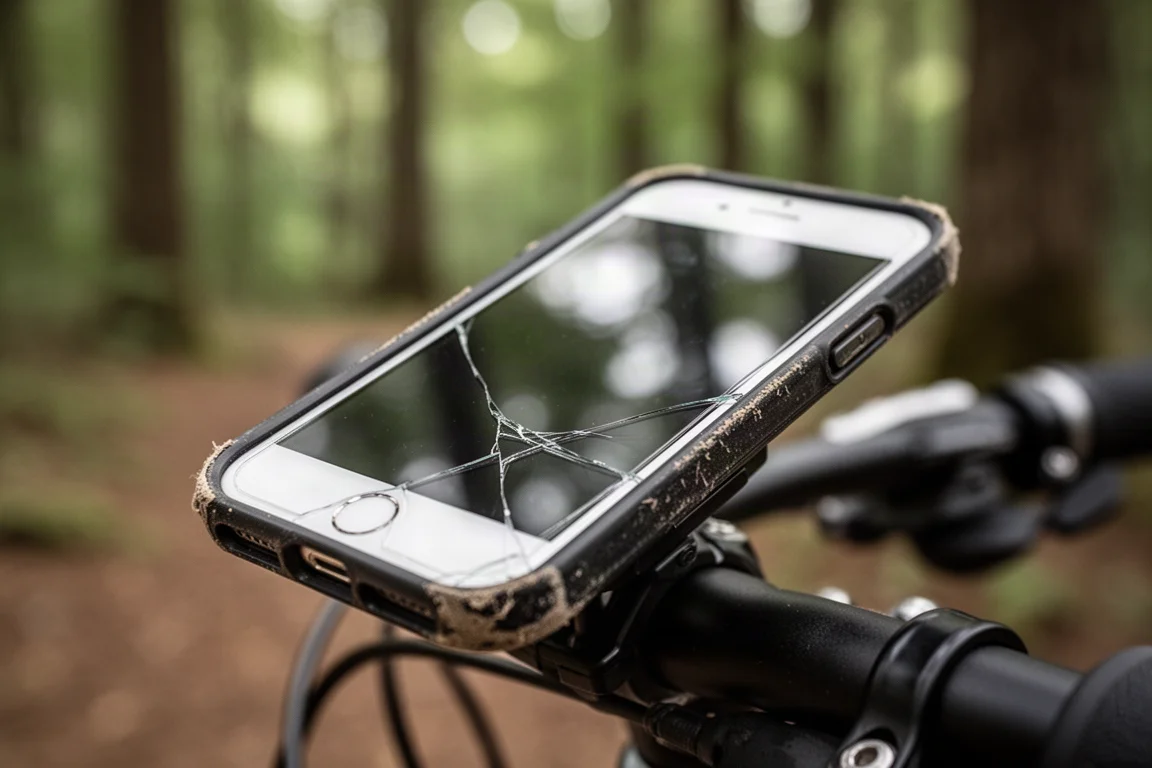
A few things have not changed. The Neo does not fold, so it does not fit brilliantly in a back jersey pocket. It works, but it is not elegant. Competitors that fold flat slip easily into running shorts pockets, which the Neo cannot match. Also worth noting: at this price point, around $199, the updated tracking speed makes it far more compelling than it was at launch, but the phone-mounted tracking target has its risks. During testing, a dropped phone met an unfriendly encounter with the ground, splitting the protective case in half. The phone survived; the case did not.
Buying Advice
If you mostly run, hike, or ride at moderate speeds under about 32 km/h, the updated DJI Neo now does the job it always promised. Cyclists who regularly push higher sustained speeds, or riders who want obstacle avoidance in dense woods, should still weigh the alternatives. And with the updated firmware, manual sport mode flying with a controller remains slow, so buy it for the follow capability, not for manual performance.
Conclusion
The DJI Neo’s firmware update transforms it from a frustratingly slow follower into a genuinely capable tracking drone for active use, with a real-world sustained follow speed in the 32 to 35 km/h range. It still does not fold, it still has no obstacle avoidance, and controller-based flight is oddly no faster than before. But for $199, riders and runners who stay under its new speed ceiling finally get the hands-free tracking experience the Neo was always meant to deliver.
Product link
View more details for DJI Neo
This product is mentioned in the review. Check the specifications, options, and compatibility before buying.
View more details for DJI NeoFurther reading
Related Reviews
Drones
Best Budget Camera Drones Under 3000: Five Practical Options for Video and Photography
Five affordable camera drones with HD video capability and stable flight performance, each suited to different needs and budgets.
Drones
Best Budget Drones Under $200: Five Practical Options for 2026
Five budget-friendly drones with GPS, 4K cameras, and FPV capabilities. Real strengths and trade-offs to consider before buying.
Drones
Best Drone Cameras Under $500: Five Options for Different Needs
A practical guide to five drones under $500, covering portability, flight time, camera quality, and key features to help you choose.