Drones
DJI Neo 2 Wind Test Review: How It Handles Strong Gusts
We put the DJI Neo 2 up in gusts between 40 and 50 km/h to see how it holds position, what the footage looks like, and where its limits are.
Introduction
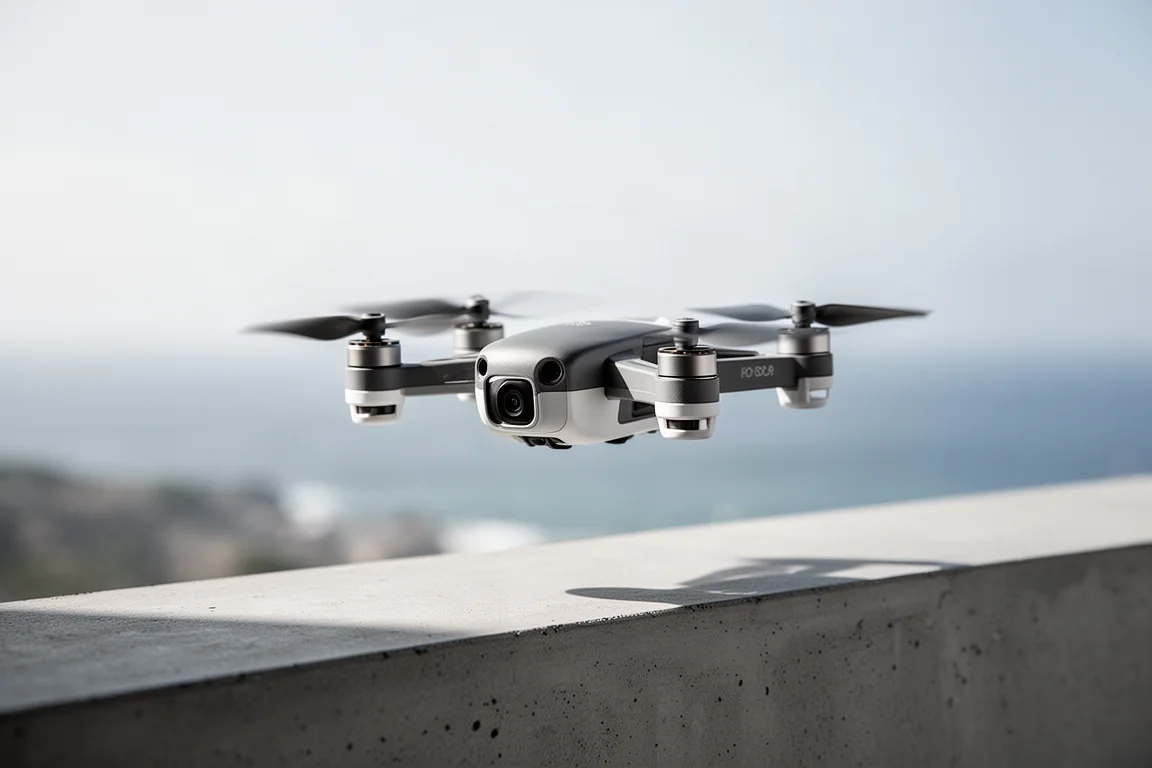
Most small drones are fair-weather flyers, so we took the DJI Neo 2 somewhere uncomfortable: a coastal ledge with winds gusting between 40 and 50 km/h. The goal was simple. See how well it holds position, whether the footage stays usable, and what you should know before pushing it into similar conditions yourself.
The short version: it copes far better than its size suggests, but wind eating your battery life is the real constraint.
The Wind Test Setup
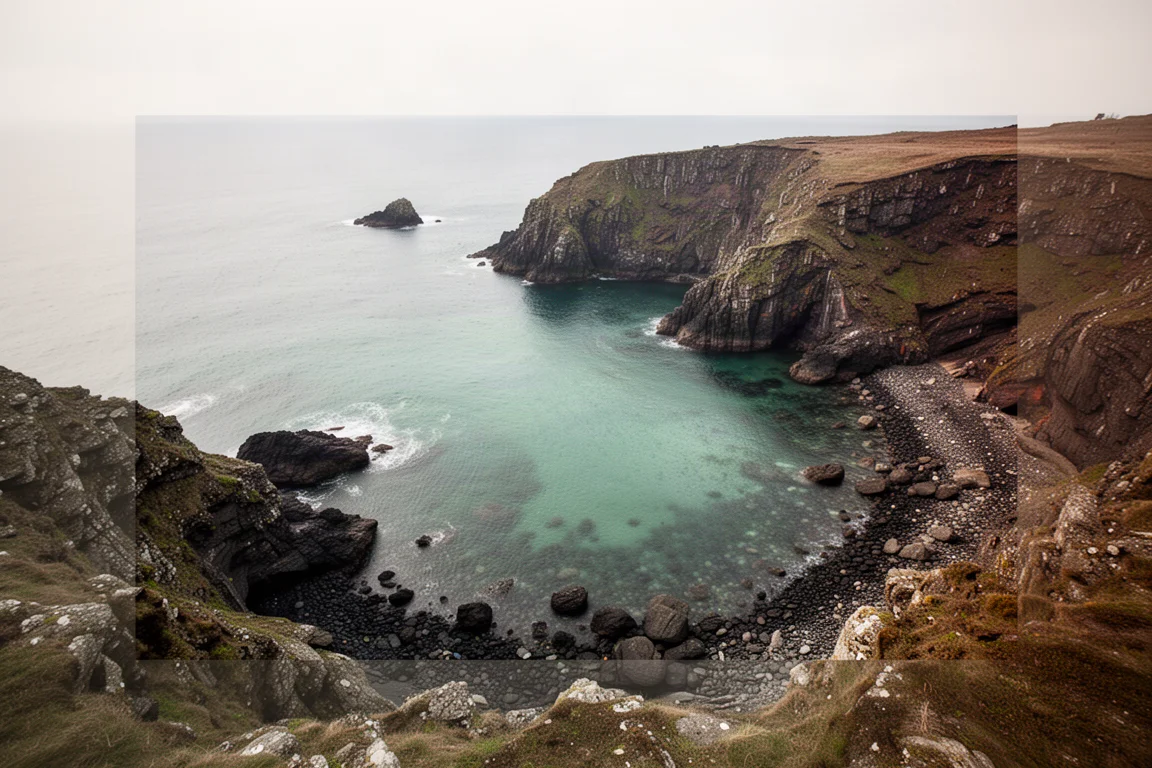
The test site was an exposed ledge with gusts measuring 40 to 50 km/h, right at the edge of what makes sense for a drone this size. Takeoff was deliberately into the wind, which is not something we would normally recommend, but it immediately showed what the Neo 2 is working against.
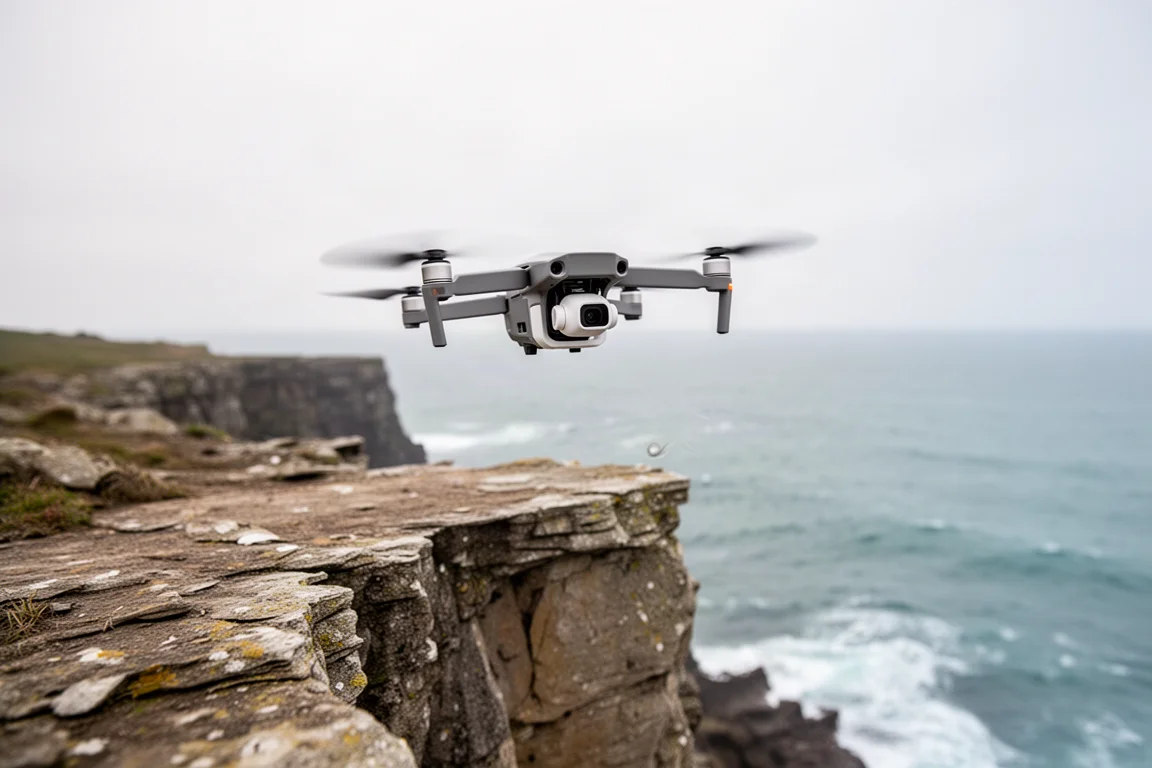
One setup note: the Neo 2 was flown in its normal configuration for this test. You can remove the upper portion of the cage to increase wind resistance slightly, but that changes how the drone handles, so we left it standard.
First Tip: Use Sport Mode
When the drone started struggling in the gusts, switching to Sport mode made the difference. In theory the Neo 2 should hold position in any flight mode. In practice, after years of wind testing, Sport mode is consistently where you want to be when the wind pushes back. It gave the drone enough authority to move forward and stay controlled instead of sliding around.
Image Quality and Stability
Despite the drone sitting visibly tilted into the wind, the footage itself held up well. Rock-stable framing, no obvious jello or drift, and the raw footage looked clean even in gusty conditions.
It is worth setting expectations: a drone this size does not have the full gimbal you would find on larger models like the Mavic 4 Pro or the Mini 4 Pro and Mini 5 Pro. When it has to tilt aggressively against a gust, you may get small bumps in the footage. In this test, though, it generally looked smooth.
Smart Position Holding in Real Wind
Left untouched, the Neo 2 stayed put using GPS. Close to the ground, it switched to a combination of its downward sensors and GPS, and it held position remarkably well even while visibly leaning into the wind.
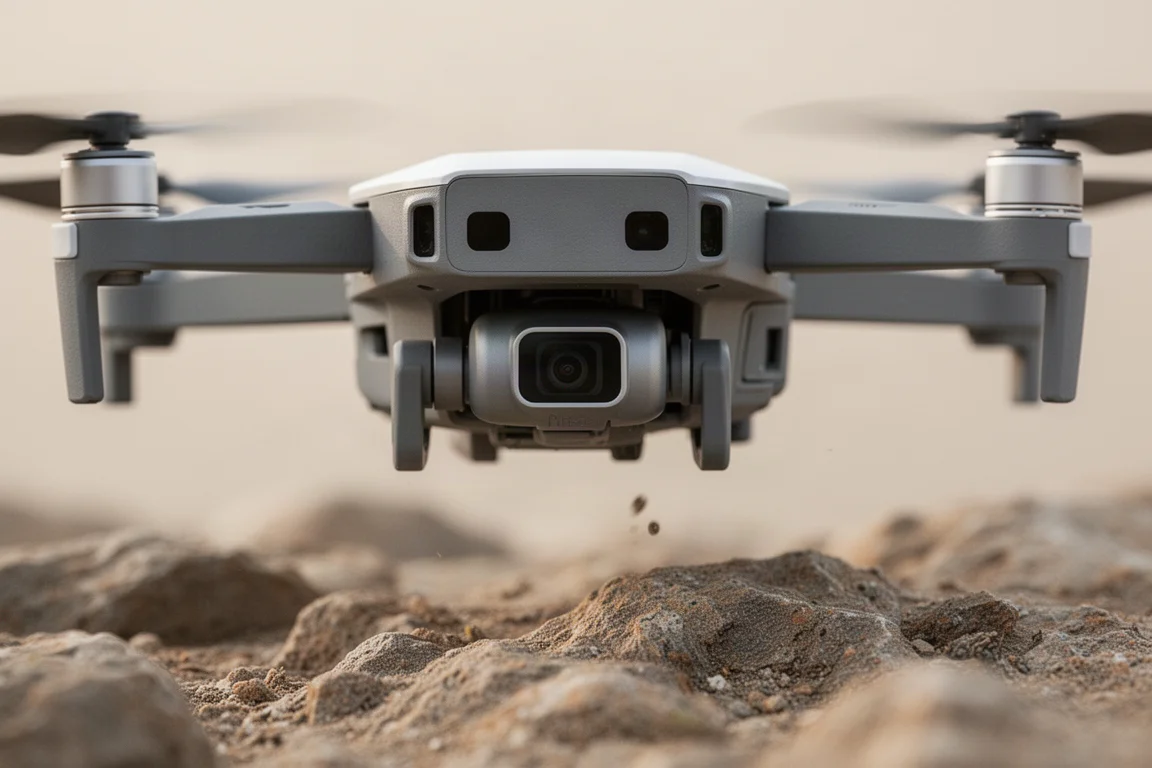
The wind warnings did appear at times, and the drone occasionally wobbled as it recalibrated, but it recovered on its own. Following a subject with the tracking features also worked, with only minor struggling, and obstacle avoidance remained available in normal mode.
What the Wind Rating Actually Means
The wind resistance number on the product page is the conservative figure. The practical rule is simpler: the only number that matters is the top speed of the aircraft. If the drone can fly faster than the wind, it can fight the wind. That applies whether it is flying at that speed itself or pushing against a gust.
Keep in mind that forecast wind conditions are measured at ground level. Conditions in the air will almost always be stronger, so factor that in when deciding whether to fly.
Battery Life Is the Real Limit
Here is the catch: after only about seven minutes of filming, the battery was already down to 45 percent, which works out to roughly 13 or 14 minutes of flight at most in these conditions. Flying out over open water with that kind of margin is not realistic, and we would never have made it back from the distant island that a larger drone reached earlier without issue.
Headwinds make it worse. Flying into the gusts, ground speed dropped to 14 to 16 km/h, while turning around with a tailwind pushed it back up to the low 40s in Sport mode. The drone also starts prompting you to return well before the battery is empty, building in a buffer for exactly this situation.
Practical Wind Flying Tips
If you get into trouble, the biggest tip is altitude management: the lower you fly, the lower the wind speed. Higher up, gusts are stronger. If the drone is struggling to get back from a distant rock, bring it in low and close to the water rather than climbing.
Second, use cover. Flying close to rocks or terrain shields the drone from the worst of the wind, and it was noticeably calmer when tucked in near the cliff face.
Landing in Windy Conditions
Two things matter on landing. First, switch back to normal mode before you get close to the ground, otherwise obstacle avoidance stays off in Sport mode and you risk clipping something on the way down.
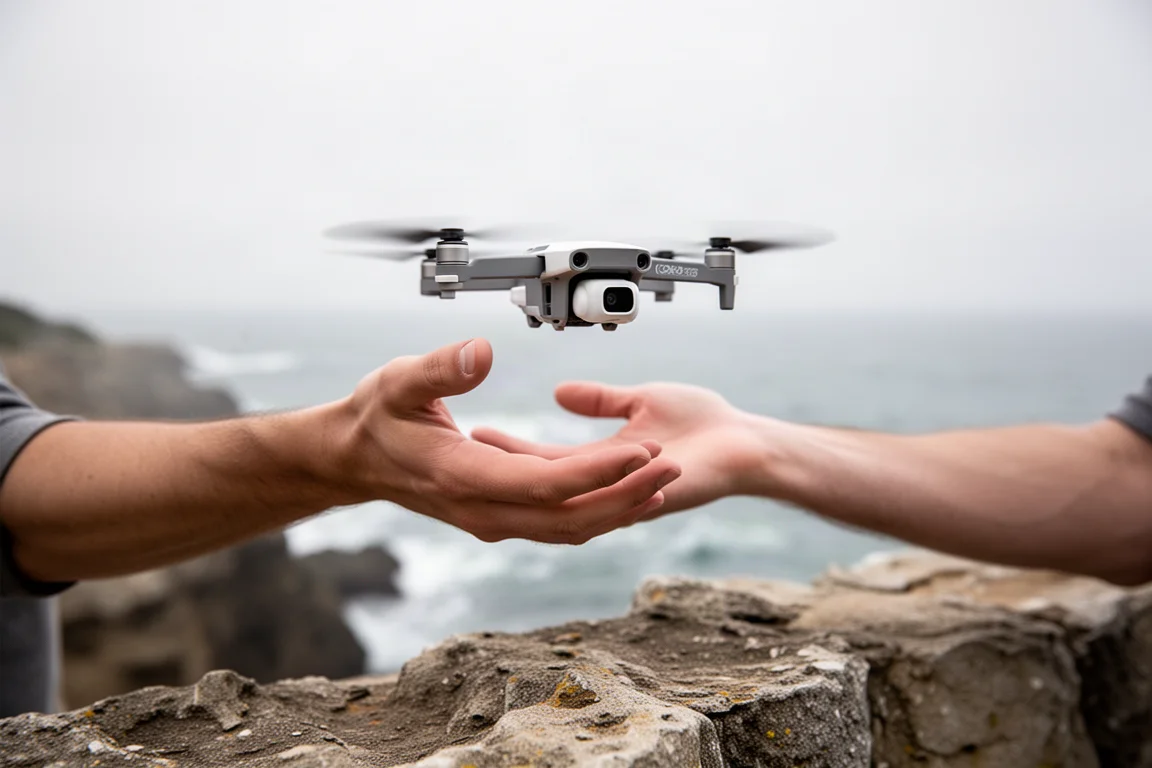
Second, do not let it land itself. A last-second gust can blow it over on touchdown. The safer method is to hover it at chest height, take your hands off the controls, then reach out, grab it, and flip it over to power it off. Despite persistent claims, flipping the aircraft over does not harm the motors; it is the safest way to get it out of the air. Just make sure the drone is hovering steady before reaching in, or it will climb away from your hand.
Conclusion
The DJI Neo 2 handled gusts between 40 and 50 km/h better than its size suggests, holding position reliably and producing clean, stable footage in the process. The real limitation is not stability but flight time, which drops sharply in strong wind. If you fly within its speed limits, keep the battery buffer generous, and use the Sport mode and low-flying techniques above, it is a surprisingly capable little drone for breezy conditions.
Product link
View more details for DJI Neo 2
This product is mentioned in the review. Check the specifications, options, and compatibility before buying.
View more details for DJI Neo 2Further reading
Related Reviews
Drones
Best Budget Camera Drones Under 3000: Five Practical Options for Video and Photography
Five affordable camera drones with HD video capability and stable flight performance, each suited to different needs and budgets.
Drones
Best Budget Drones Under $200: Five Practical Options for 2026
Five budget-friendly drones with GPS, 4K cameras, and FPV capabilities. Real strengths and trade-offs to consider before buying.
Drones
Best Drone Cameras Under $500: Five Options for Different Needs
A practical guide to five drones under $500, covering portability, flight time, camera quality, and key features to help you choose.