Drones
DJI Neo 2 vs Hover Air X1 Pro Max: Self-Flying Drones for Ski Tracking Compared
Two palm-sized follow drones put head-to-head on the same ski runs, in the same conditions, with ski tracking modes and the latest firmware.
Introduction
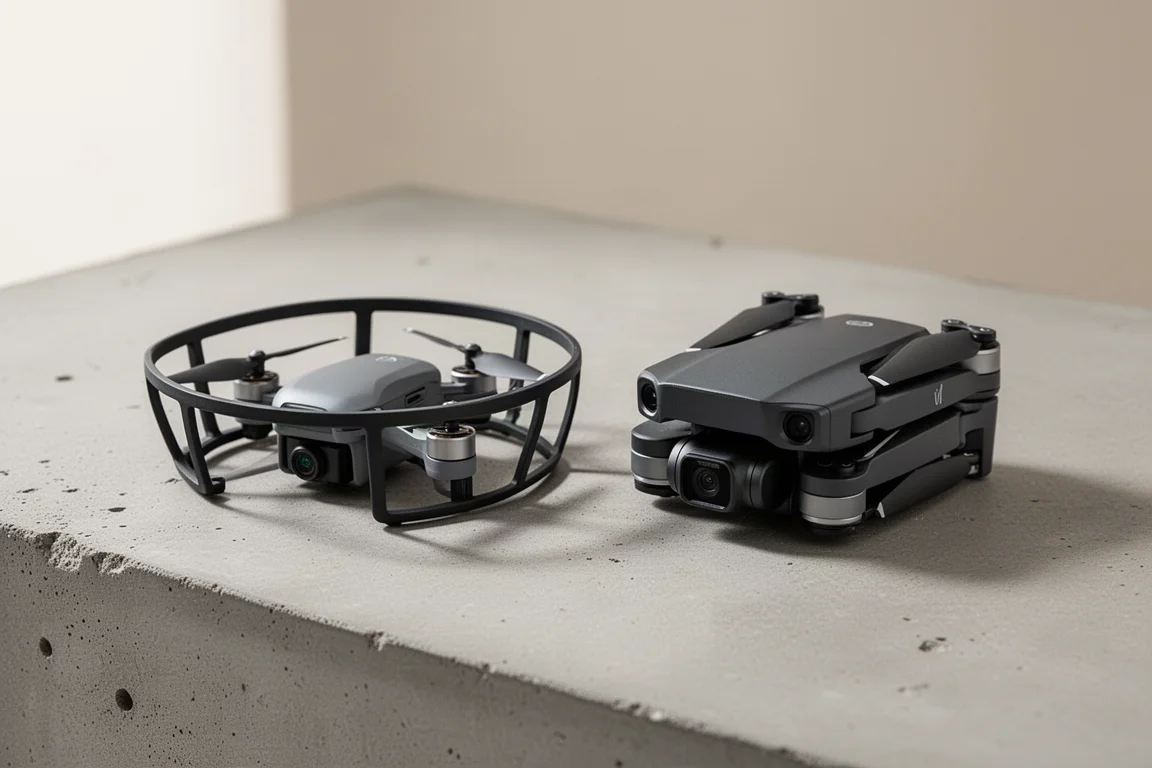
Self-flying follow drones promise hands-free footage, and nothing tests that promise quite like skiing. The DJI Neo 2 and the Hover Air X1 Pro Max are two of the most compact options on the market, and both offer a dedicated ski tracking mode. To see which one actually delivers, both were flown back-to-back on the exact same runs, in the exact same conditions, with the latest firmware and their respective ski modes enabled.
The result is a genuinely mixed picture: one drone produced some spectacular shots but repeatedly grounded itself, while the other stayed in the air far more reliably but lacked a bit of polish. Neither is a perfect ski companion, but one may fit your riding style better.
How We Tested: Same Run, Same Conditions
The comparison used a deliberately quiet, empty run as a controlled baseline, starting slow to see how each drone handled steady linked turns before ramping up speed around corners. Testing then escalated to steeper, more varied terrain, including narrow chutes and faster sections.
A key detail for skiers: the test location sat at roughly 1,980 meters, just below the 2,000-meter mark. Since many European ski areas top out around that altitude, this matters more than you might think when choosing between these two drones.
DJI Neo 2: Strong Footage, Fragile Reliability
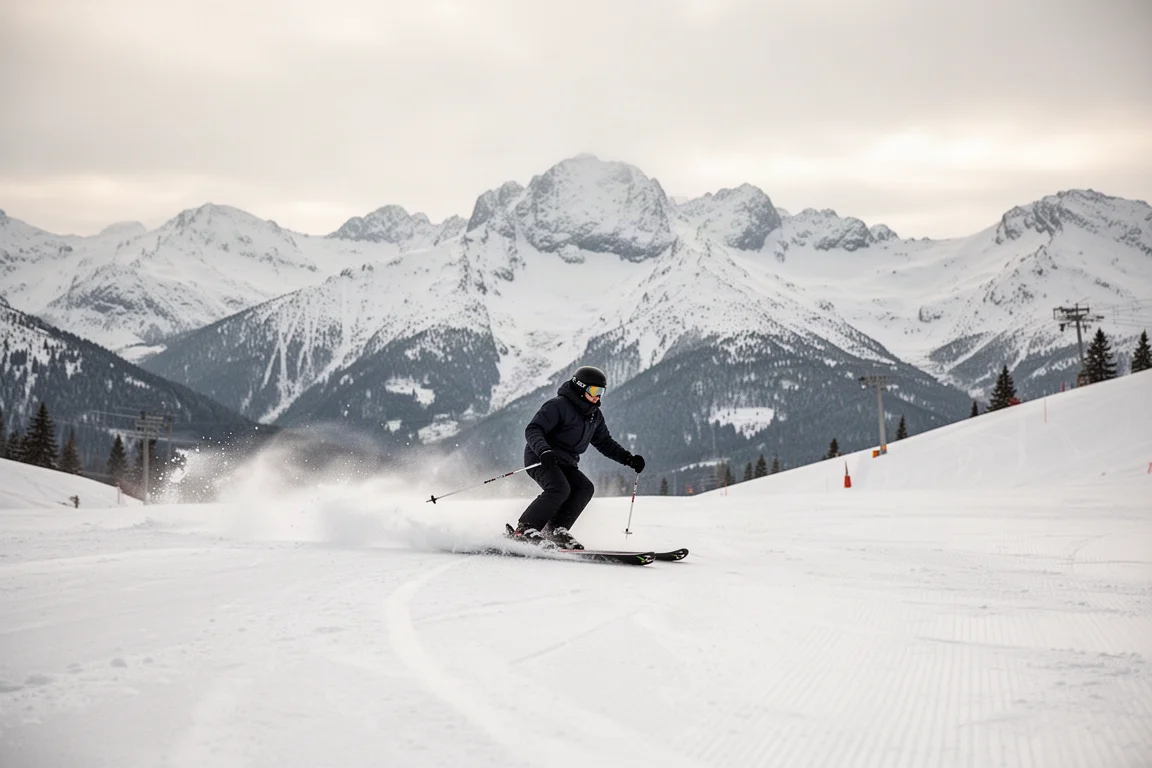
When the Neo 2 works, it works well. On a longer run through a snowy chute, it tracked from behind without issue, stayed high on the flatter sections, kept its distance nicely so the frame avoided constant left-to-right panning, and cleanly caught up after a 55 km/h section without hitting a ridge. It was the first drone of the day to complete an entire run from top to bottom without incident.
The Neo 2 also shines in front-tracking. On a slower run set to front-left positioning, it handled body rotations gracefully, repositioning around to the side as needed. Raising a hand to tell the drone to move in front of you works beautifully, and it produced genuinely gorgeous side-profile footage with the mountains filling the background. Landing in hand at the end of the run was trouble-free.
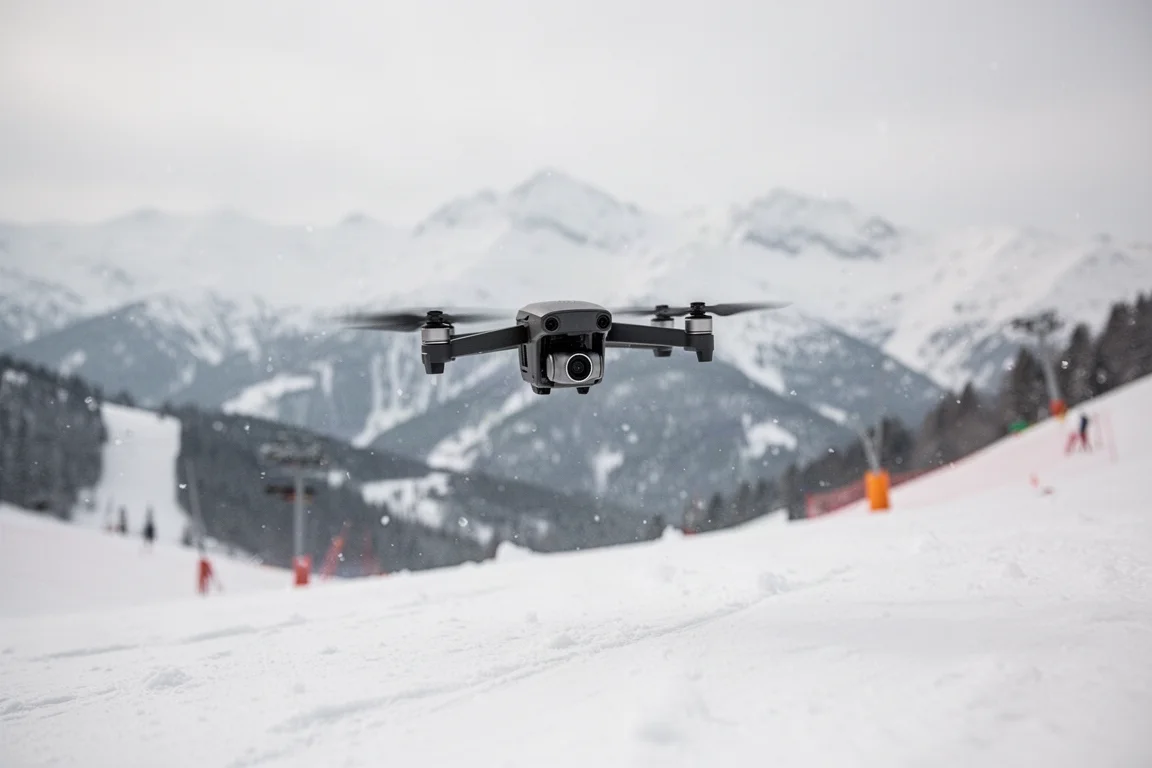
The downside is reliability. On its first attempt, the Neo 2 crashed almost immediately after the speed picked up, then repeatedly refused to take off, likely due to snow jammed inside the unit. Even after sitting at the lodge through lunch to melt out, it wandered, bobbed close to the ground, lost the skier entirely, detected collisions and landed itself mid-air, and eventually crashed several times in a row. Notably, the Neo 2’s maximum takeoff height is 2,000 meters, compared to a far higher ceiling on the Hover, though manual testing at 2,200 to 2,300 meters showed no altitude-related performance drop, so that spec likely was not the culprit.
One more limitation: DJI offers no beacon accessory, so if the Neo 2 lands or crashes away from you, recovering it means carrying a controller and hoping the drone is still airborne. Stuck hovering, phone Wi-Fi rescue is realistically only viable within about 100 meters.
Hover Air X1 Pro Max: Steady Hands Over Glamour
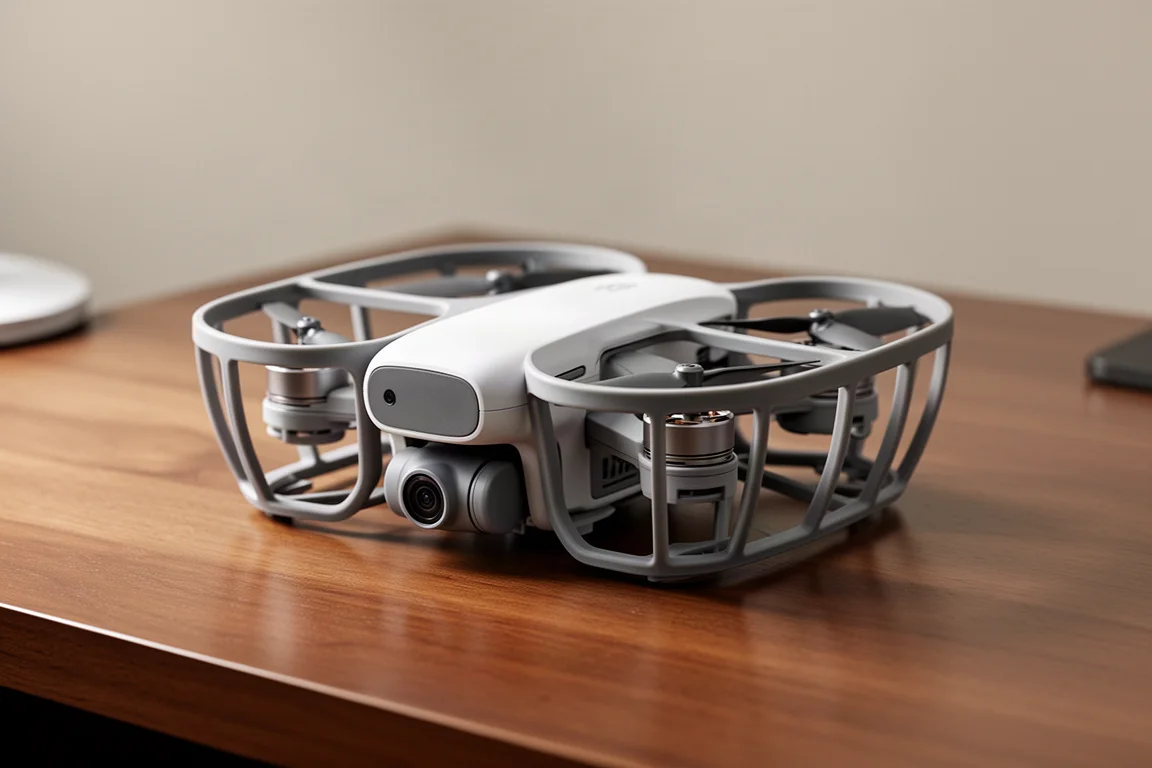
The Hover Air X1 Pro Max is the more dependable companion on the hill. It followed the first test run cleanly, tracking back and forth as expected, and while it fell back when the pace picked up to around 45 to 50 km/h, it kept catching up. Its altitude ceiling is far higher than the Neo 2’s, which removes any doubt about thin air at resort elevations.
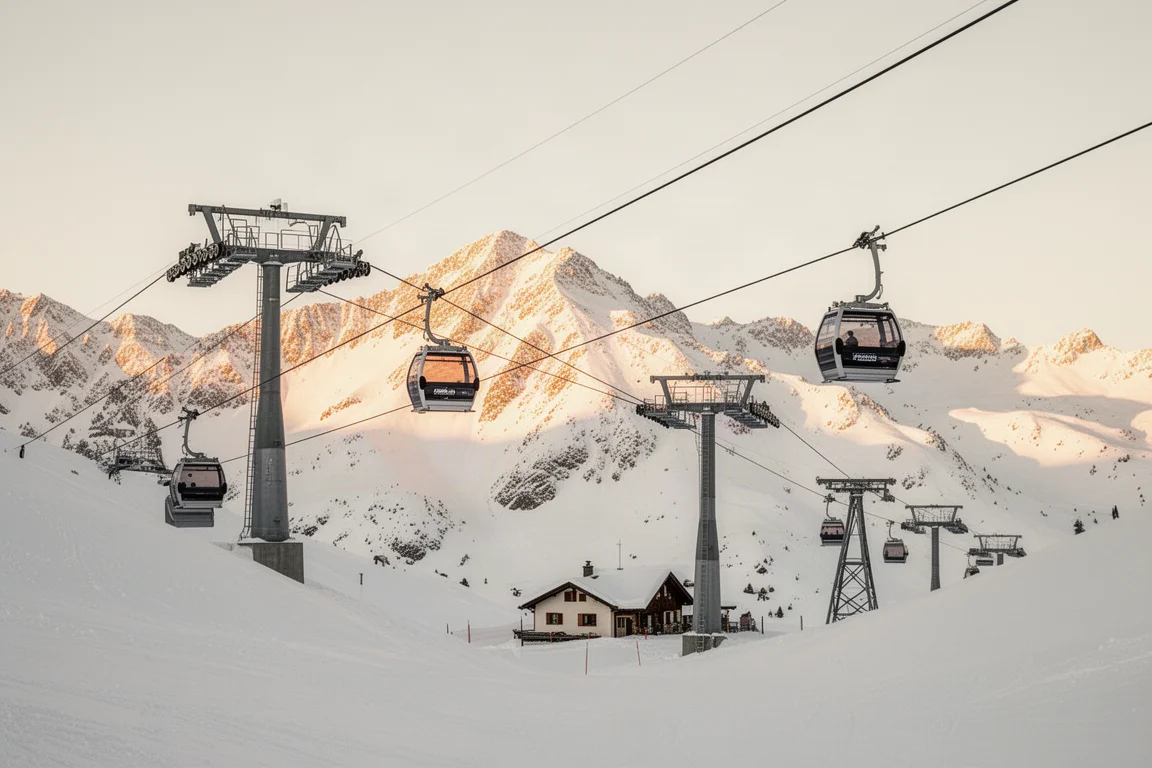
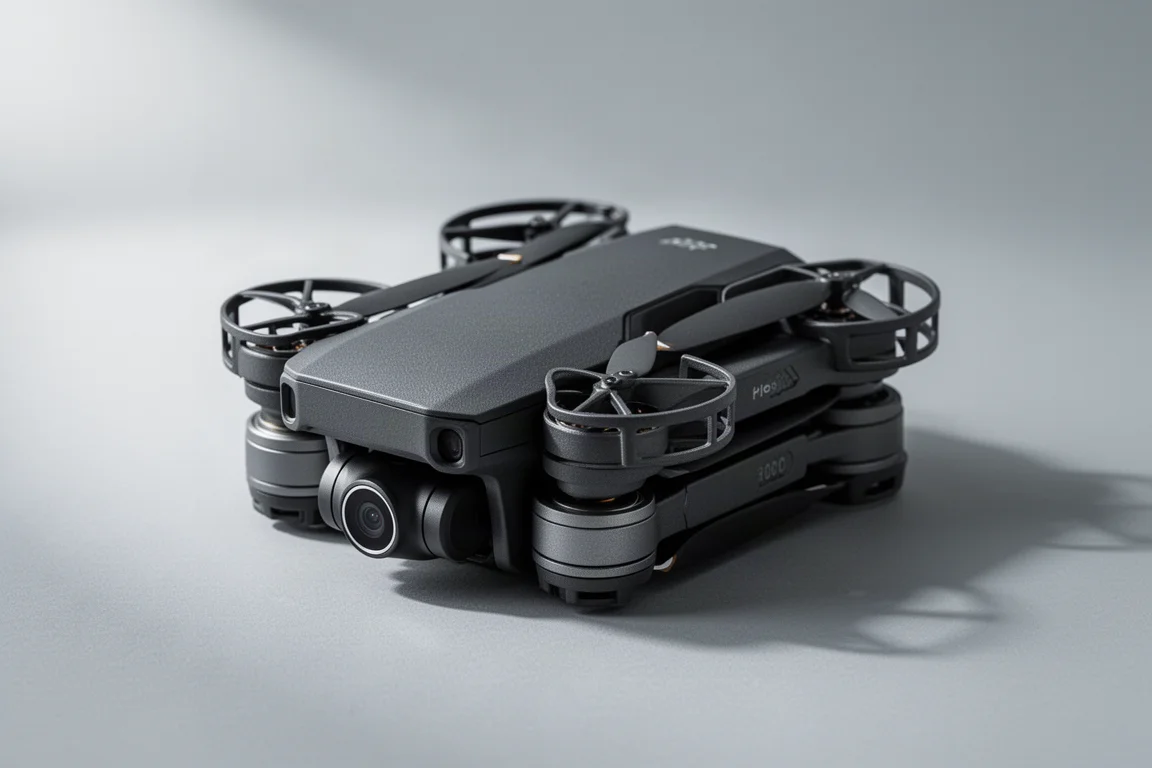
Its weaknesses are compositional rather than operational. In ski mode, the drone meanders back and forth with the skier’s line rather than holding a wider, steadier framing, and it sits closer and lower than the Neo 2 does, producing busier footage. Ski mode also locks tracking to the rear position, so front or side angles are off the table without switching to a different mode such as cycling. On one run, it even drifted into the back of the skier’s head, tumbled into a hood, and then rolled all the way down a chute.
On the flip side, it never crashed like its rival did, and Hover offers an optional beacon for locating and recovering the drone, which addresses the retrieval problem more elegantly than carrying a spare controller.
Practical Limits: Speed, Altitude, and Rescue
The honest takeaway applies to both drones: skiing with drones is mostly a recipe for hiking. Yes, you will get some successful runs, but you will also spend real time walking back up the hill.
Speed is the hard ceiling. The Hover Air X1 Pro Max tops out around 40 km/h in follow mode, so sustained faster skiing means losing the drone. Below that pace, such as in powder, trees, or slower traverses, it should have no issues. The “far and high” distance and height configuration proved the most successful setup across the board for both drones.
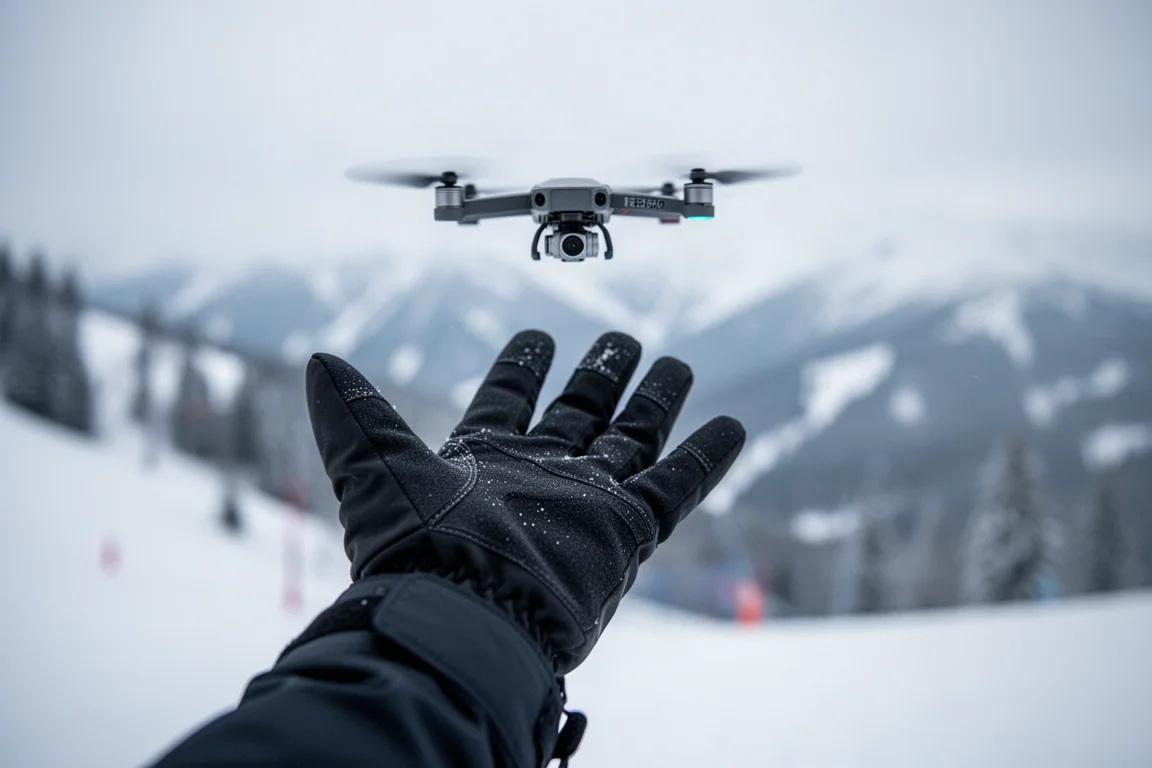
For rescue scenarios, the two ecosystems differ meaningfully. DJI has no beacon, so recovery depends on a paired controller and the drone still being airborne. Hover’s beacon works well, though you should notice the drone is gone before it drifts out of range.
Buying Advice
Choose the DJI Neo 2 if shot quality and framing flexibility matter most to you, you are comfortable carrying a controller for rescue, and you can tolerate occasional reliability hiccups in snowy conditions. Its hand-gesture repositioning and side-profile footage are genuinely impressive.
Choose the Hover Air X1 Pro Max if dependability is the priority. It is far more likely to complete your run, its altitude ceiling removes elevation worries at most resorts, and the beacon support makes recovering a lost drone far less stressful. Accept that its footage will be tighter and more meandering.
If you regularly ski faster than 40 km/h, be realistic with either choice: neither drone is built to chase high-speed carving for long stretches.
Conclusion
Neither the DJI Neo 2 nor the Hover Air X1 Pro Max is a flawless ski tracker, but they fail differently. The Neo 2 delivers the more cinematic frames when everything goes right, while the Hover Air X1 Pro Max is simply more likely to still be flying when you reach the bottom. Match the drone to your skiing speed, your altitude, and your tolerance for a bit of hiking, and you will get the better pick for your style.
Further reading
Related Reviews
Drones
Best Budget Camera Drones Under 3000: Five Practical Options for Video and Photography
Five affordable camera drones with HD video capability and stable flight performance, each suited to different needs and budgets.
Drones
Best Budget Drones Under $200: Five Practical Options for 2026
Five budget-friendly drones with GPS, 4K cameras, and FPV capabilities. Real strengths and trade-offs to consider before buying.
Drones
Best Drone Cameras Under $500: Five Options for Different Needs
A practical guide to five drones under $500, covering portability, flight time, camera quality, and key features to help you choose.