Drones
DJI Mini 5 Pro: The Weight Question Buyers Need to Understand
A closer look at the DJI Mini 5 Pro, why its weight is a bigger deal than it sounds, and what it means for buyers in the EU and beyond.
Introduction
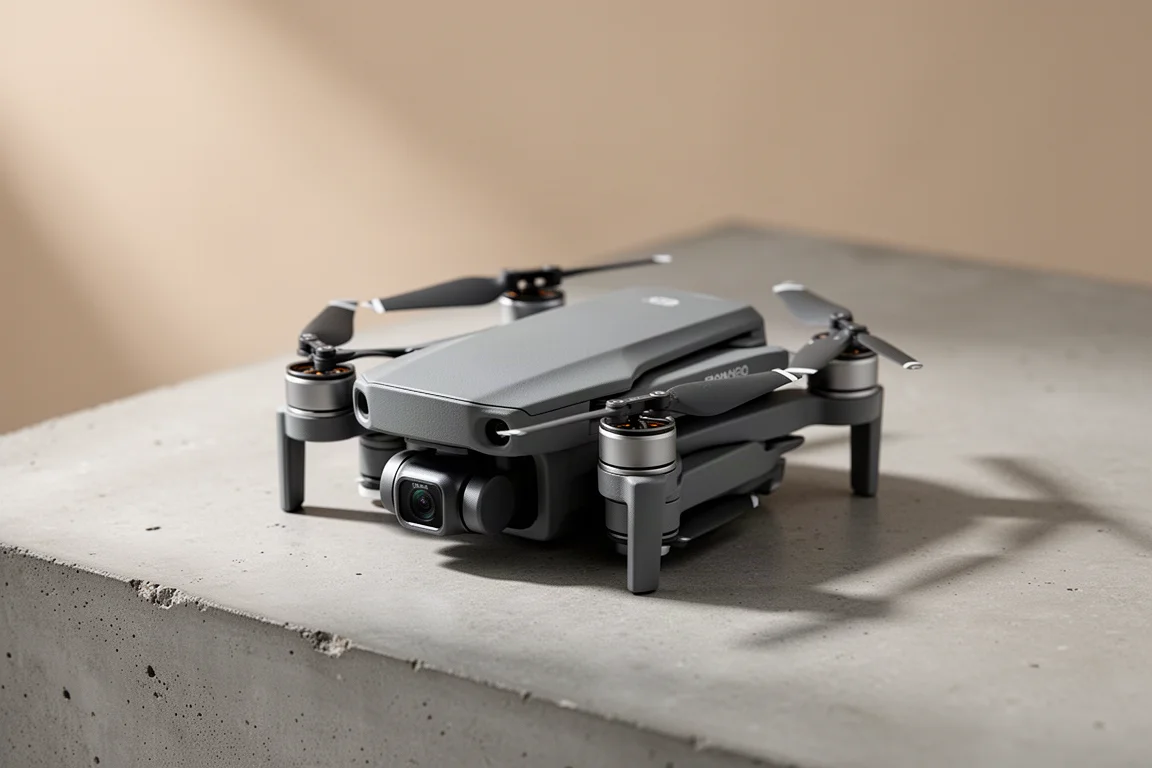
The DJI Mini 5 Pro is, by most accounts, a very capable little drone. But one detail has turned it into one of the most talked-about releases in the Mini series: it is not reliably below 250 grams. For a product line whose entire identity has been built on staying under that threshold, that is a significant shift, and it has real consequences for anyone planning to fly it, especially in the EU.
This piece walks through why the sub-250g class matters, how the weight discrepancy surfaced, and what practical buyers should do about it.
Why Sub-250g Matters So Much
The defining feature of the DJI Mini series has always been its weight. In many countries, drones under 250g can be flown without an additional license or without registering the aircraft. Over 250g, and the rules change: some countries require extra licensing, others require registration, and many require both.
The EU is the clearest example. A class label on the aircraft, issued through the EU regulatory body, is what allows a drone in the sub-250g category to be flown without an additional license. Under the framework that governs EU drone operations, that label is only valid if the aircraft genuinely complies with the weight and class requirements it claims. A sticker alone does not make it legal if the underlying hardware does not qualify.
The Weight Claims, in Detail
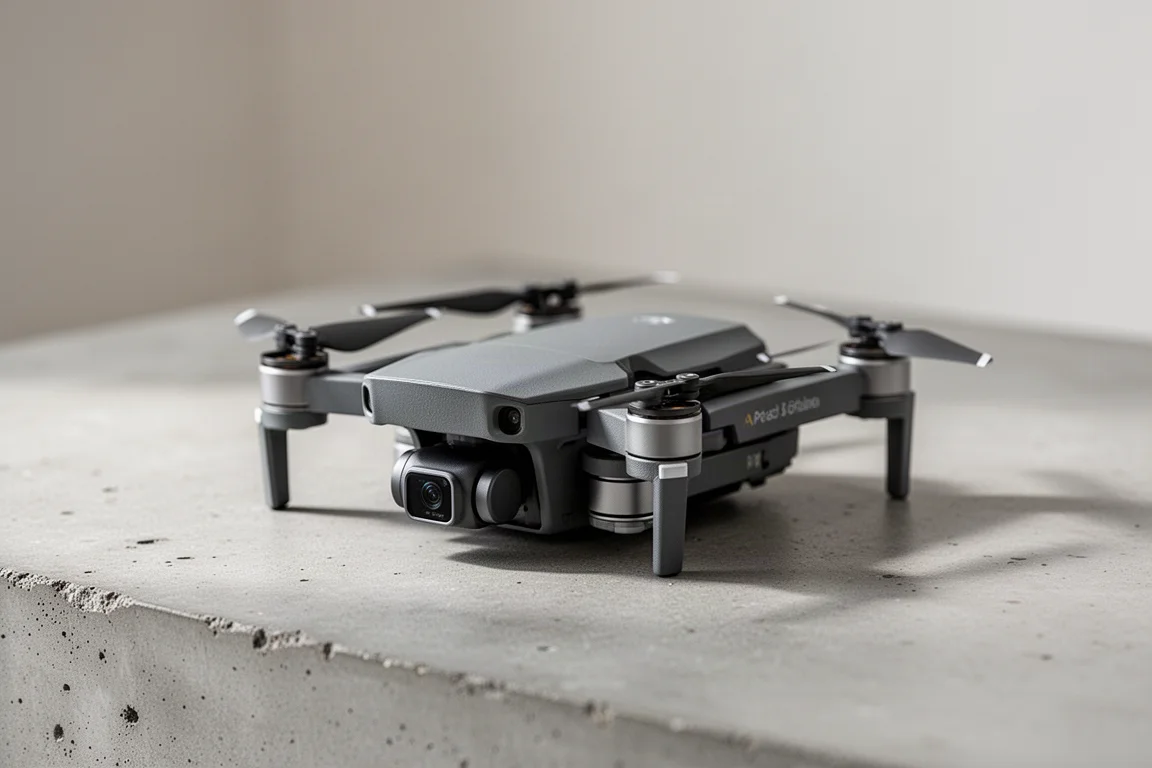
The claims around this drone’s weight are unusually vague for DJI. A class label on the bottom of the aircraft indicates it must be below 250g, not 250g exactly. Yet the official specification lists a takeoff weight of 249.9g, followed by a disclaimer stating the actual weight is approximately 249.9g plus or minus 4g.
That tolerance is the strange part. Modern drone manufacturing involves tiny, consistent components; a 4g variance is enormous at this scale. In the past, DJI Mini drones consistently came in around 245 to 249g with no such disclaimer. Heavier drones like the Mavic 4 Pro and Air 3S list exact weights, and even the 135g DJI Neo carries no variance warning. Precision for heavy drones but a plus-or-minus buffer for the light one is an odd combination.
Where the Extra Weight Comes From
Practical weigh-ins tell a consistent story. Consumers who have weighed their units report figures above 250g, while nearly every publicly posted example at or under 249.9g comes from review units distributed on launch day. No single component is solely to blame: the camera, gimbal, propellers, and battery have all changed compared with the previous Mini generation.
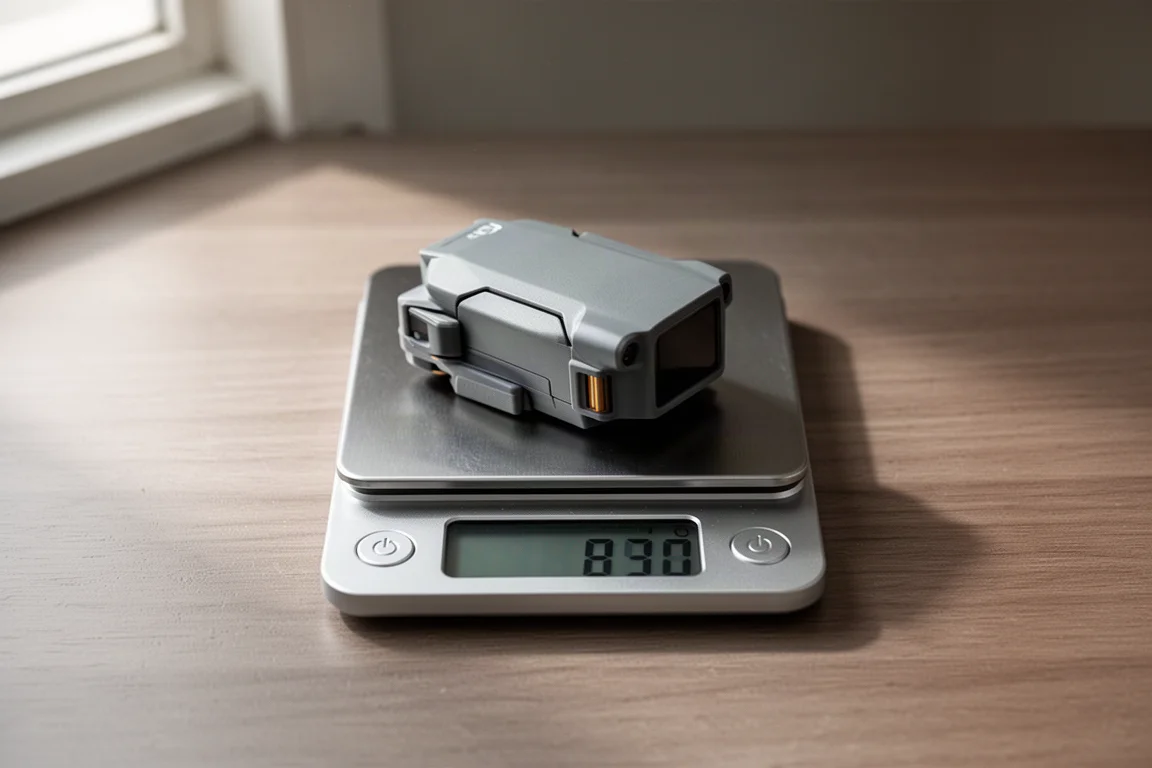
The battery is an interesting data point. The previous Mini battery weighed around 77g; the new one is roughly 70g. DJI shaved 7g out of the battery, yet the drone still lands over the limit, and the flight-time claims have stayed the same. Independent early flying suggests those claims are hard to replicate in practice.
What This Means for EU Buyers
If you fly in the EU without the licenses required for drones over 250g, an overweight Mini 5 Pro puts you in a different legal category entirely. The regulator’s own guidance is explicit: flying a drone whose class label does not match the aircraft can expose others to risk and leave you open to prosecution. In a crash, the practical difference between 249g and 253g is minimal, but the liability difference is not.
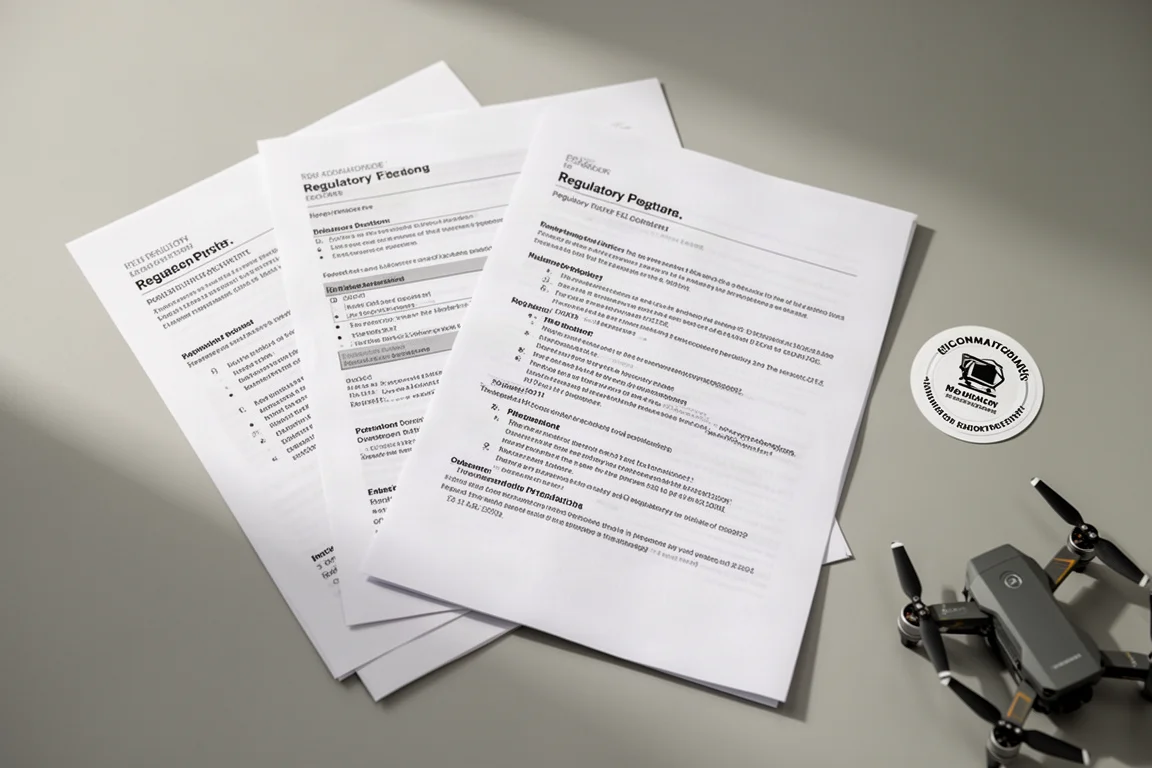
The issue also extends up the supply chain. Under the same framework, importers, retailers, and distributors are required to ensure drones meet the compliance level of their class labels, with dedicated guidance covering what happens when they sell non-compliant aircraft. The realistic expectation is that the class label will be revoked, which would make the drone unlawful to fly in the EU under the sub-250g exemption unless you hold the appropriate licenses. Flying it with the right licenses remains legal; the sticker simply stops doing the work people expected it to.
Buying Advice: Should You Still Get One?
As a piece of hardware, the Mini 5 Pro gets a lot right, and for pilots who already hold the licenses needed for heavier drones, none of this changes the flying experience. The complications arise for buyers who specifically wanted a Mini-class drone for its license-free, registration-free status in their country.
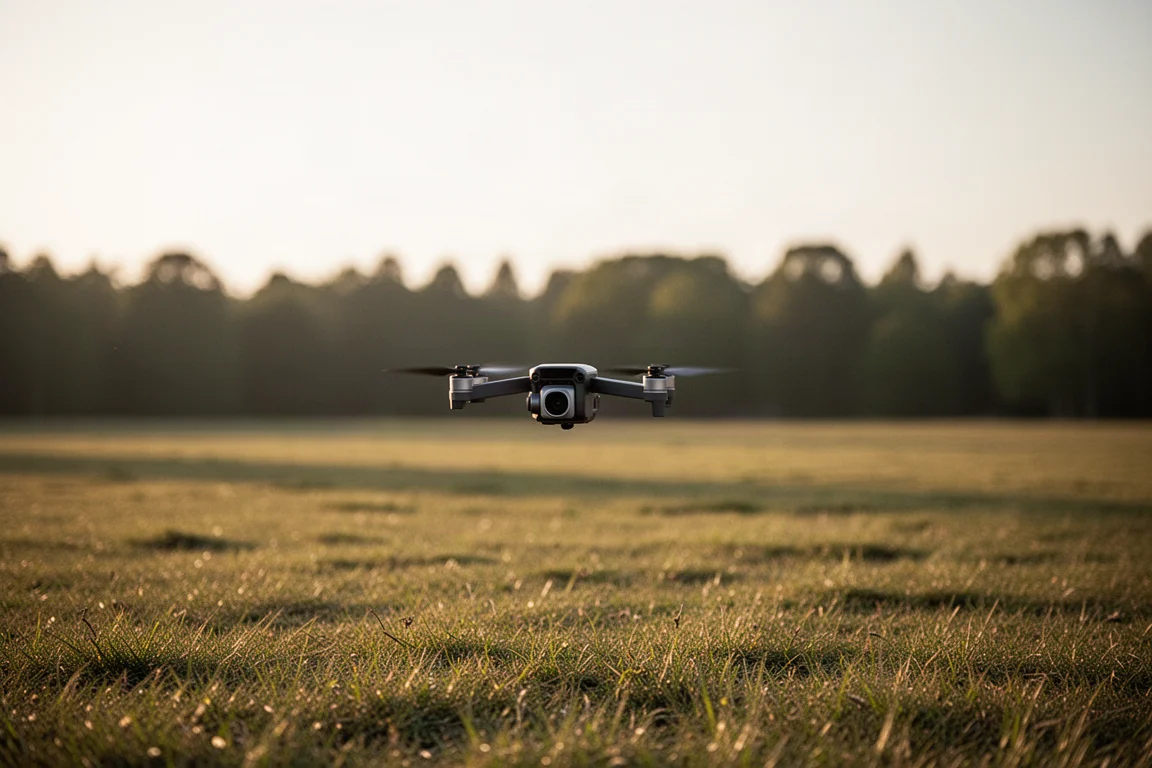
If you are in the EU and rely on the sub-250g exemption, treat the class label with caution until the certification situation is resolved, and confirm the current rules for your country before buying. If you are in the US, the domestic market situation means this drone is not widely purchasable there anyway, so the 250g question is largely academic for US buyers at this point.
If your travel plans take you across borders, remember that a drone over 250g now requires the same licenses and registration as any heavier model. Budget for that paperwork, or wait for clarity on the classification before committing.
Conclusion
The DJI Mini 5 Pro looks like an excellent drone held back by a classification problem that should have been solved with a few grams of engineering. For licensed pilots, it remains an appealing option. For anyone counting on the sub-250g exemption, the weight discrepancy turns a straightforward purchase into a legal question mark, and that is worth resolving before you spend your money.
Product link
View more details for DJI Mini 5 Pro
This product is mentioned in the review. Check the specifications, options, and compatibility before buying.
View more details for DJI Mini 5 ProFurther reading
Related Reviews
Drones
Best Budget Camera Drones Under 3000: Five Practical Options for Video and Photography
Five affordable camera drones with HD video capability and stable flight performance, each suited to different needs and budgets.
Drones
Best Budget Drones Under $200: Five Practical Options for 2026
Five budget-friendly drones with GPS, 4K cameras, and FPV capabilities. Real strengths and trade-offs to consider before buying.
Drones
Best Drone Cameras Under $500: Five Options for Different Needs
A practical guide to five drones under $500, covering portability, flight time, camera quality, and key features to help you choose.