Drones
DJI Mini 3 vs Mini 3 Pro: 18 Differences Worth Knowing Before You Buy
The DJI Mini 3 and Mini 3 Pro share a name and plenty of hardware, but the differences in sensors, tracking, video specs, and battery life add up to two distinct buying decisions.
Introduction
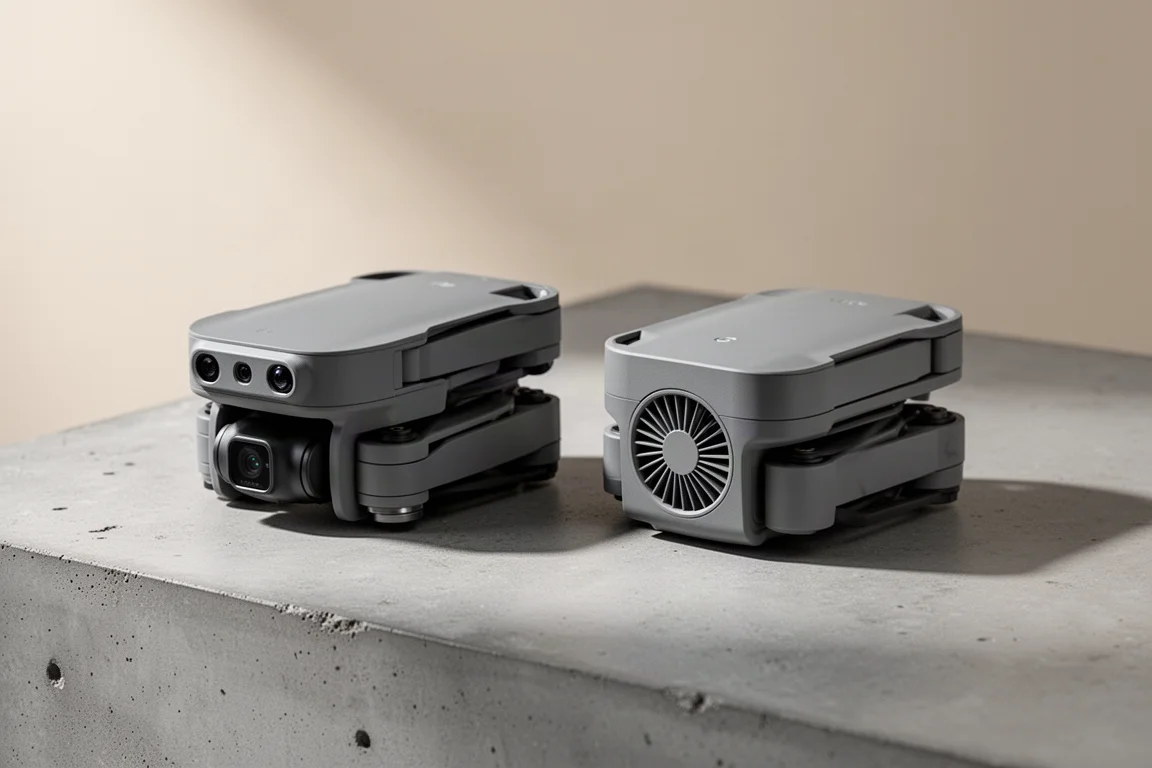
The DJI Mini 3 and Mini 3 Pro look like the same drone and share the same core platform, but there is far more separating them than the name suggests. Below are the differences that actually matter, from obstacle avoidance and tracking modes to video specs, transmission, and battery life, so you can decide which one fits your flying style and budget.
What Stays the Same
Both drones share the same folding body, the same camera sensor basics, and the same ground detection technology, which uses two downward sensors to help the drone judge its height above the ground so automatic landings are smooth rather than hard. Both shoot JPEG and raw imagery, and both support the same QuickShots pre-programmed flight paths such as Dronie, Orbit, and Helix, which fly a set route for you to capture a polished shot even if you are not confident flying manually. Both also accept both of DJI’s battery types and both remote control options, which makes accessories easier to share between the two.
Price and Remote Options
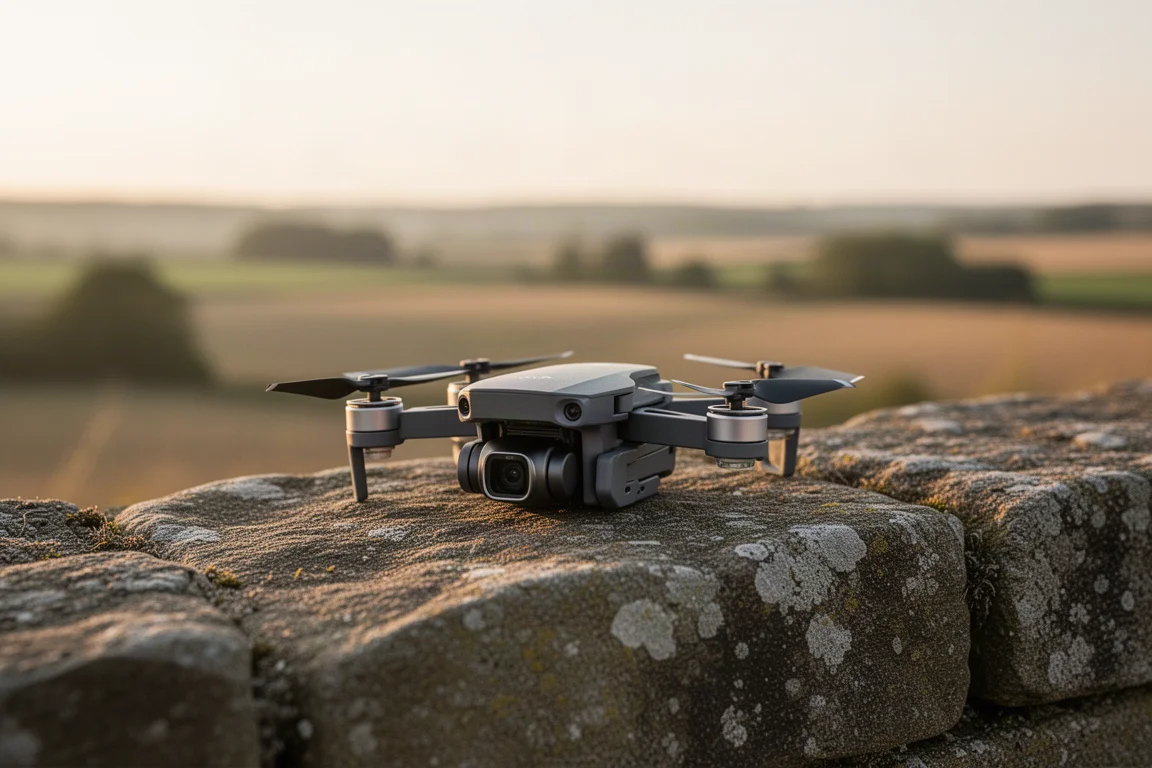
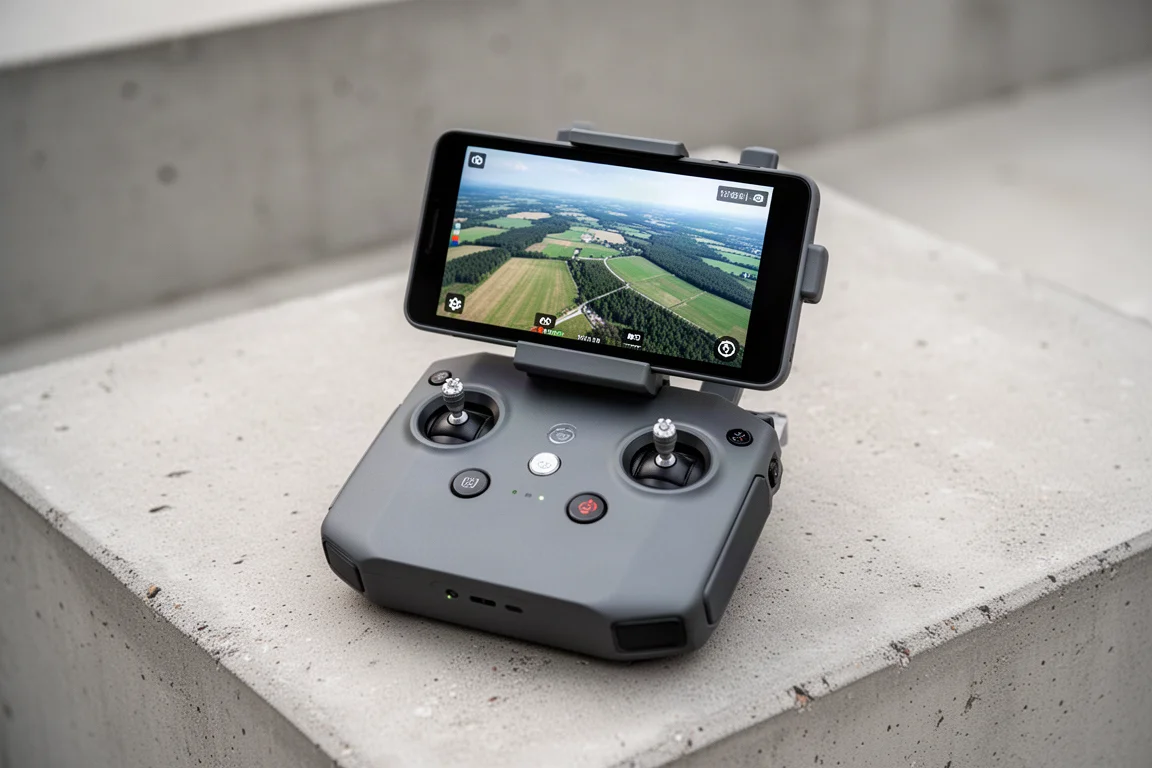
The DJI Mini 3 base unit starts at $469 while the Mini 3 Pro starts at $669, both without a remote controller, roughly a $200 gap. Each drone can be paired with either the DJI RC-N1, which uses your phone mounted on top, or the DJI RC, which has a built-in screen and works right out of the box with no phone required. The integrated-screen controller is the more convenient option if you want a fully self-contained setup.
Obstacle Avoidance Sensors
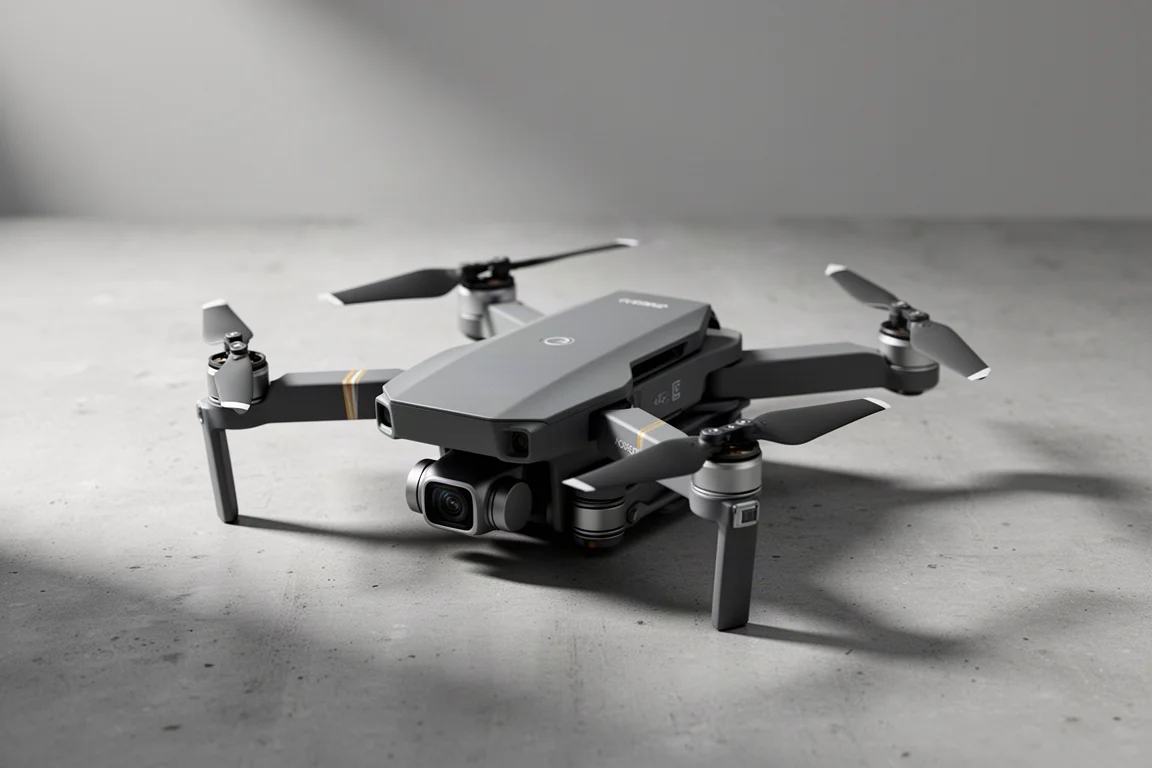
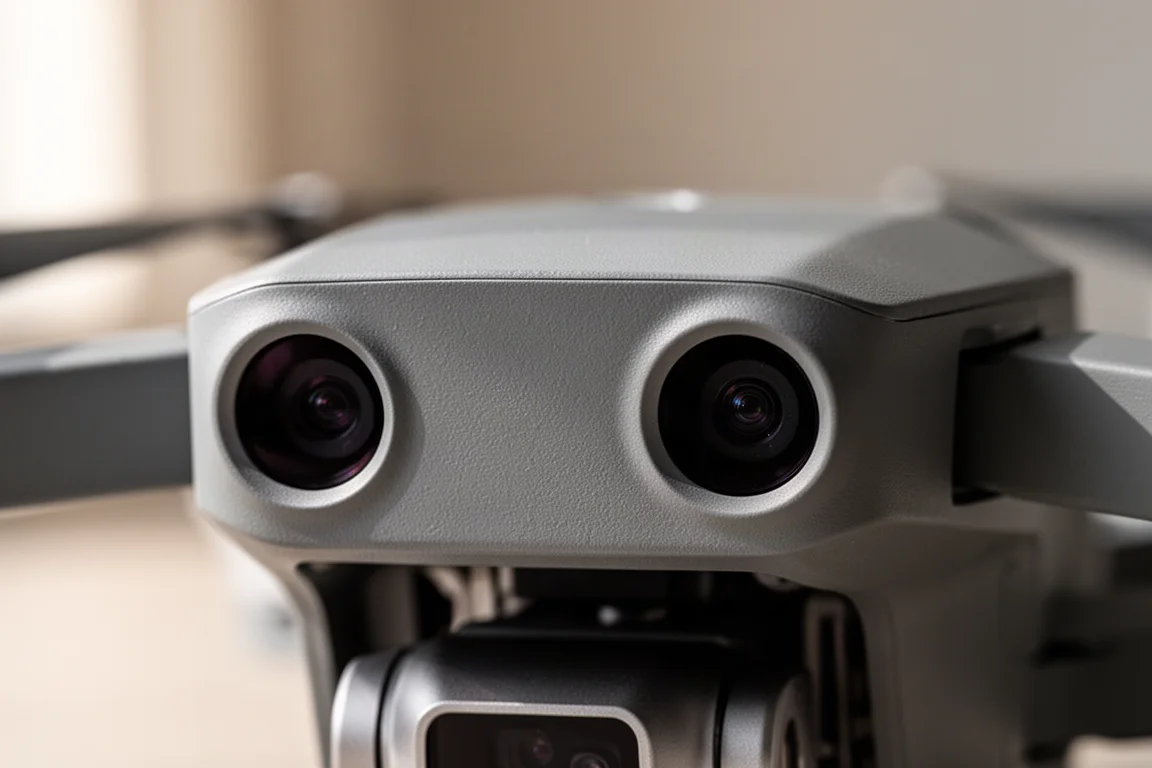
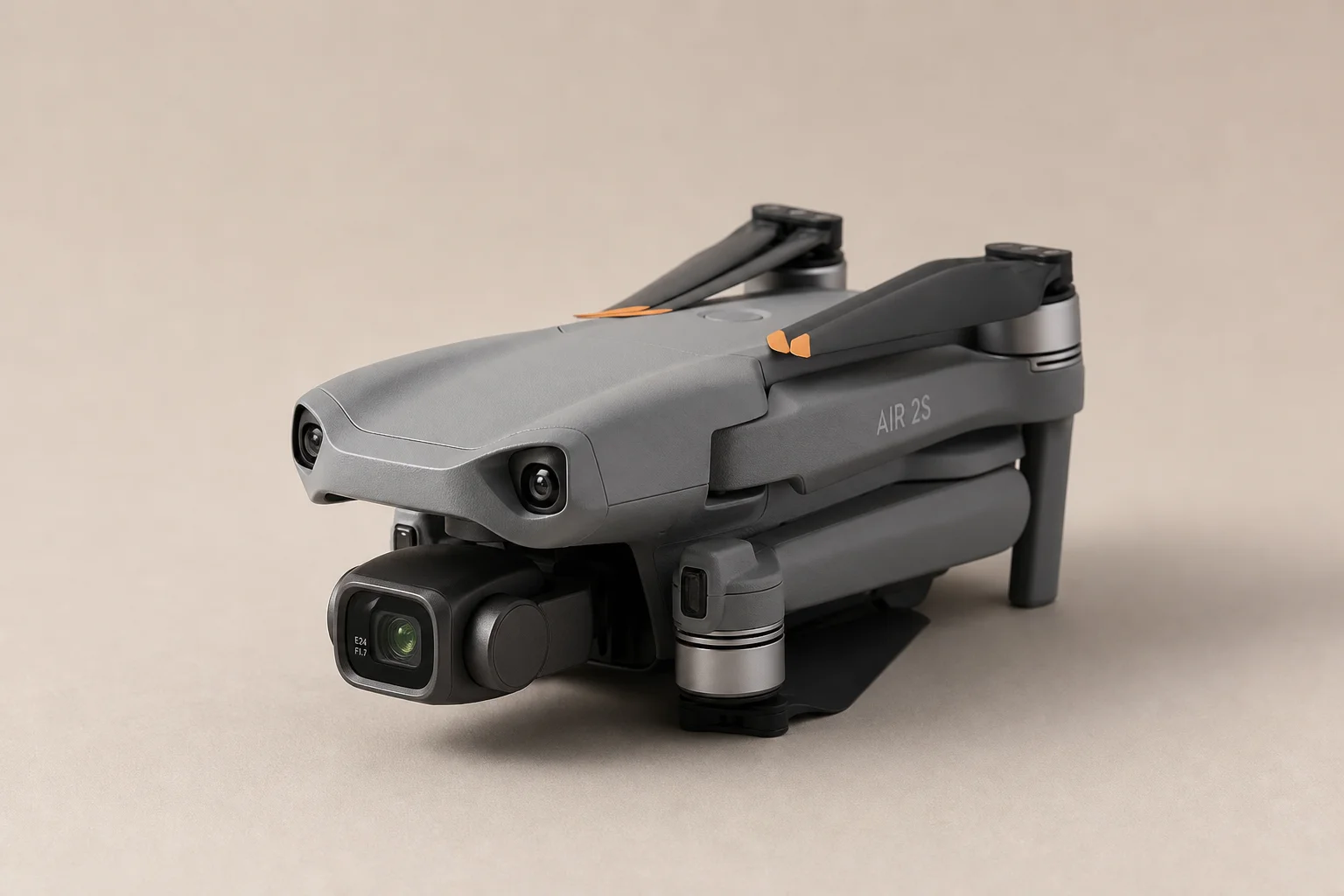
This is the biggest physical difference. The Mini 3 Pro has front-facing optical avoidance sensors, rearward-facing sensors built into the back of the airframe, and downward sensors that use image recognition to hold the drone over a spot. The base Mini 3 has none of these, only the shared ground detection dots for landing.
ActiveTrack and FocusTrack Modes
The Mini 3 Pro supports ActiveTrack, which lets you select a runner, cyclist, car, or boat on screen and have the drone follow behind while using its avoidance sensors to dodge obstacles. The base Mini 3 has no ActiveTrack function, though you can approximate it with QuickShots for short clips of roughly 15 to 30 seconds. It works well at walking or running pace, but it takes practice at faster speeds.
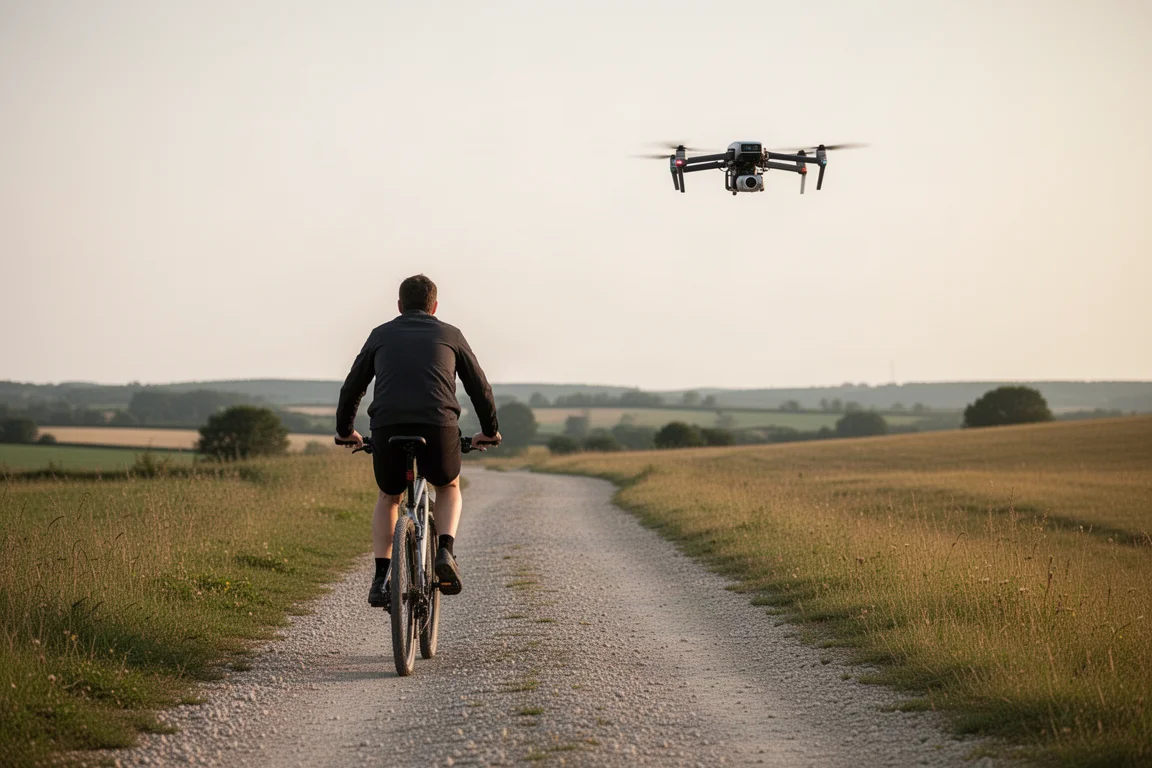
Both Spotlight and Point of Interest modes, which lock the camera on a subject while you fly the drone freely around it, are also exclusive to the Mini 3 Pro. The same goes for MasterShots, which generates nearly a dozen subject-focused clips you can drop straight into an edit as ready-made b-roll.
Color Profiles and Recording Options
The Mini 3 Pro can switch from Normal to D-Log for color grading, which unlocks 10-bit recording in that mode. It also supports switching between H.264 and H.265 encoding. The base Mini 3 offers none of these, recording only standard 8-bit output. Practically speaking, the H.264 versus H.265 choice matters little for most buyers, but the D-Log and 10-bit option is a real consideration if you plan to grade your footage.
Frame Rates and Slow Motion
The Mini 3 Pro tops out at 4K 60fps, while the base Mini 3 caps at 4K 30fps. For slow motion, the base unit reaches 60fps at 2.7K or 1080p, versus 120fps at 1080p on the Pro. Unless you shoot slow motion with a drone frequently, this alone is rarely the deciding factor.
Photo Features
Shared base resolutions are identical, but the Mini 3 Pro adds a dedicated 48-megapixel photo option and burst mode, useful for fast action like a skier launching off a jump. Both drones shoot raw, so you still have editing headroom on either model.
Hyperlapse and Asteroid
The Mini 3 Pro offers Hyperlapse, a moving time-lapse where you can set waypoints, altitude, and camera angles for smooth cinematic motion. The base Mini 3 lacks Hyperlapse entirely, and it also misses the Asteroid QuickShot, the one pre-programmed path the Pro includes that the base does not.
Transmission and Streaming Quality
The Mini 3 Pro uses DJI OcuSync 3.0 with a claimed range of 12 kilometers in FCC regions such as the US, while the base Mini 3 uses OcuSync 2.0 with a claimed 10 kilometers, halved in CE regions like Europe. In real-world flying, both are more range than most people will ever use. The more noticeable difference is streaming resolution: the Pro streams a 1080p live feed to your controller while the base streams 720p, which looks slightly softer when compared side by side. The Pro is also currently compatible with the higher-end DJI RC Pro controller, though that may change over time.
Batteries and Landing Gear
Both drones accept both battery types, including the heavier Plus battery. With the standard battery, the Mini 3 Pro manages 34 minutes of claimed flight time while the base Mini 3 gets 38 minutes, since it is not powering avoidance sensors. With the Plus battery, the Pro claims 47 minutes versus 51 for the base. In practice, expect roughly 80 percent of those figures; one warm-summer test on the Pro with the Plus battery yielded around 35 minutes. Note that Plus batteries are not sold in Europe, though they work in the drones anywhere. One final hardware difference: the base Mini 3 has small front legs that the Pro dropped, making the base slightly less tippy on the ground.
Buying Advice
If you fly in areas with trees, people, or obstacles, or you want ActiveTrack, MasterShots, Hyperlapse, D-Log, and the best video specs, the Mini 3 Pro justifies its higher price. If your priority is price, maximum battery life, and straightforward manual flying for social clips, the base Mini 3 covers the essentials remarkably well and saves you around $200.
Conclusion
The Mini 3 and Mini 3 Pro are closer siblings than their specs suggest, but the Pro’s sensor suite and creative flight modes make it the more capable all-rounder, while the base model is a lighter, cheaper, longer-flying option for pilots who fly deliberately. Match the drone to how you actually shoot, and both are easy to recommend.
Further reading
Related Reviews
Drones
Best Budget Camera Drones Under 3000: Five Practical Options for Video and Photography
Five affordable camera drones with HD video capability and stable flight performance, each suited to different needs and budgets.
Drones
Best Budget Drones Under $200: Five Practical Options for 2026
Five budget-friendly drones with GPS, 4K cameras, and FPV capabilities. Real strengths and trade-offs to consider before buying.
Drones
Best Drone Cameras Under $500: Five Options for Different Needs
A practical guide to five drones under $500, covering portability, flight time, camera quality, and key features to help you choose.