Drones
DJI Mini 3 Pro Wind Test: How This Compact Drone Handles High Winds and Wet Weather
A hands-on look at how the DJI Mini 3 Pro copes with gusts over 55 km/h, damp coastal conditions, and sport-mode flying near its limits.
Introduction
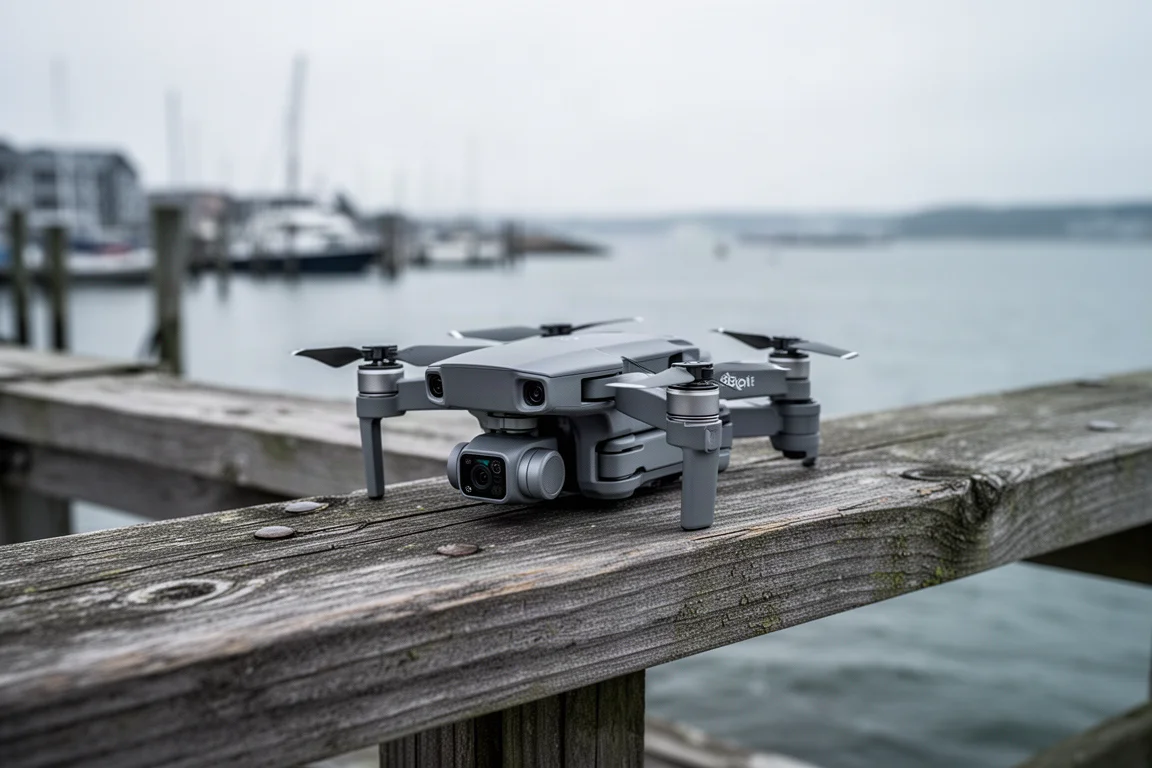
The DJI Mini 3 Pro promises a lot for its size: a sub-250g airframe, full obstacle sensing, and genuine camera quality. But the question that matters most for real-world flying is how it behaves when conditions turn ugly. To find out, this compact drone was flown in sustained winds measured at over 55 km/h along a windswept coastal pier, with spray, gusts, and damp weather all part of the mix. The results were genuinely impressive.
What the Wind Test Involved
The conditions were about as demanding as a small drone can face. Wind was measured at the end of the pier at speeds exceeding 55 km/h, and it kept building as the session went on. Rain joined in shortly after takeoff, adding moisture to the challenge. The drone was launched straight into it, and the very first impression was that conditions were “spicy” but manageable: the aircraft wobbled in gusts, then settled out and held position.
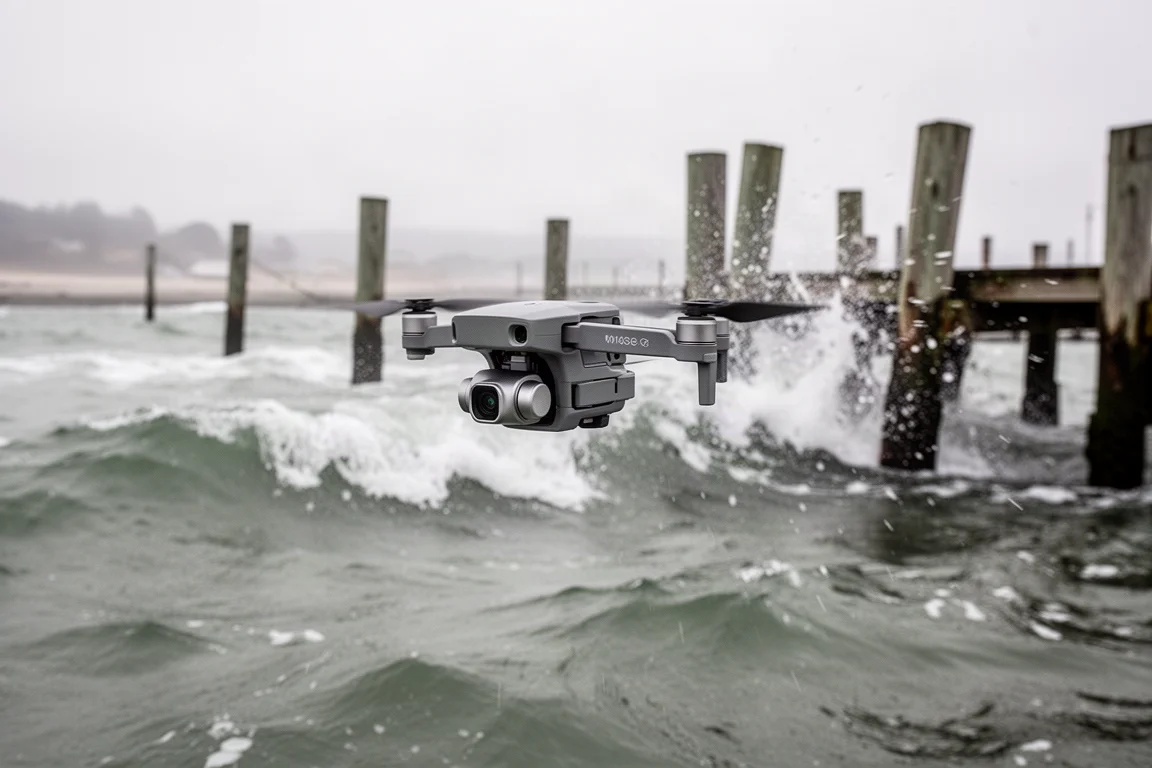
One detail worth knowing: below roughly 8 meters of altitude, the Mini 3 Pro switches from GPS positioning to its downward-facing optical sensors to hold its position. In this test, with no input on the controls at all, it simply sat in place near the ground while gusts rolled through. It also carries three sets of sensors, forward, rearward, and downward facing, which gives it a full picture of its surroundings in normal flight modes.
Speed Specs Explained: Sport Mode and Wind Resistance
DJI publishes essentially four speed figures for the Mini 3 Pro. There is the maximum flyable speed, split into Cine mode, Normal mode, and Sport mode, plus a maximum wind resistance speed. The way DJI structures its specs, the Normal mode speed matches the stated maximum wind resistance speed.
In practice, what matters is the maximum overall speed of the aircraft, which is roughly 56 km/h (about 36 mph) in Sport mode. As long as the wind stays below that figure, the drone retains headroom to push forward and make it back. During this test the gusts were right on the fringe of that limit, but there was still enough reserve to return safely, which is exactly how that speed ceiling should be used.
Sport mode does come with a trade-off: engaging it disables obstacle avoidance. With wind coming from the pier toward the beach, the flight path was deliberately chosen so there was always an escape route, never flying out to sea with the wind at the drone’s back.
Tracking and Orbit Performance in the Wind
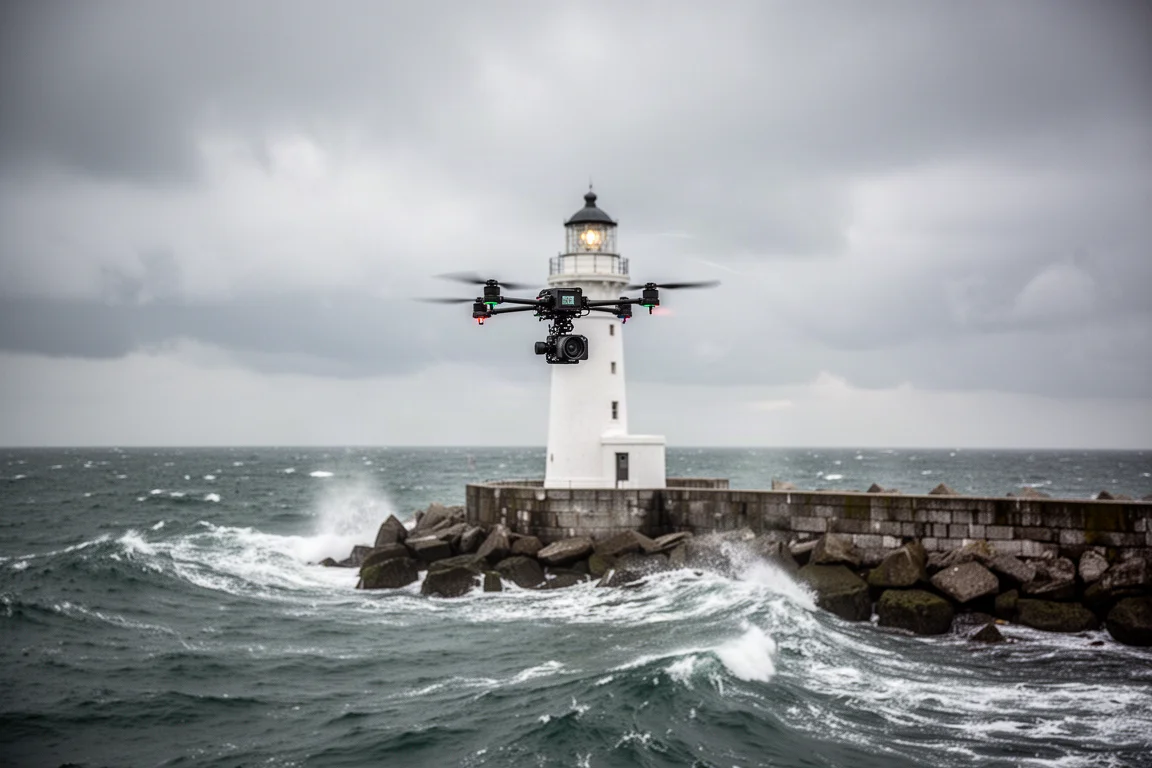
To push the flight further, the drone was sent to a channel marker lighthouse at the end of the pier and put into a Point of Interest orbit using the focus tracking modes. Flying with the wind on one side, then turning into it on the back of the orbit, the aircraft visibly slowed while fighting the headwind, but the footage itself gave no hint of the conditions. The gimbal stayed stable throughout, and the shot looked like it could have been shot on a calm day.
The orbit did drift slightly off the lighthouse as the turn brought it into the wind, losing a little of its lock on the subject, but it held on and completed the orbit without issue. One surprise: a weak antenna signal warning appeared at only around 700 meters of distance, less range than this drone is typically rated for, likely a side effect of the conditions. Manual tracking of people riding waves also worked well, with the aircraft staying perfectly stable while the subject was followed frame to frame.
There were a couple of software quirks worth noting. A “battery full load” message appeared a couple of times in these heavier conditions, and the strong wind warning icon was a near-constant companion. Neither grounded the drone, but both are worth expecting if you fly in similar weather.
Slow-motion capability adds real creative value here. Switching to 120 frames per second and running full speed downwind produced genuinely striking footage of waves and harbor traffic, and 4K recording handled the rest of the session without complaint. The flight was controlled with the newer DJI RC screen controller, though a standard remote has also been used with this drone without issues.
Getting Home Safely: Wind Tactics That Work
The most useful lessons from this test are about return strategy. The rule of thumb applied throughout: always fly out into the wind, never get yourself into a position where you cannot get back. With the wind blowing offshore, an out-and-back flight over open water would be a no-go; the wind direction in this test kept the beach and a second pier available as emergency landing options.
When the drone headed dead into the wind in Sport mode, it held around 23 km/h ground speed, slow but steady progress. Traversing across the wind, the same tactics a sailboat uses, paid off much better. And the single most effective trick: dropping low. Close to the water and sheltered by the breakwater, ground speed jumped to 50 km/h. The higher you fly, the more wind you deal with; the lower you are, the gentler the conditions.
Landing was equally undramatic. In Normal mode with the downward sensors engaged and 26 GPS satellites locked, the drone was brought in close, and simply turning it over by hand instantly stopped the props, the standard DJI behavior for a hand catch.
Should You Buy the DJI Mini 3 Pro?
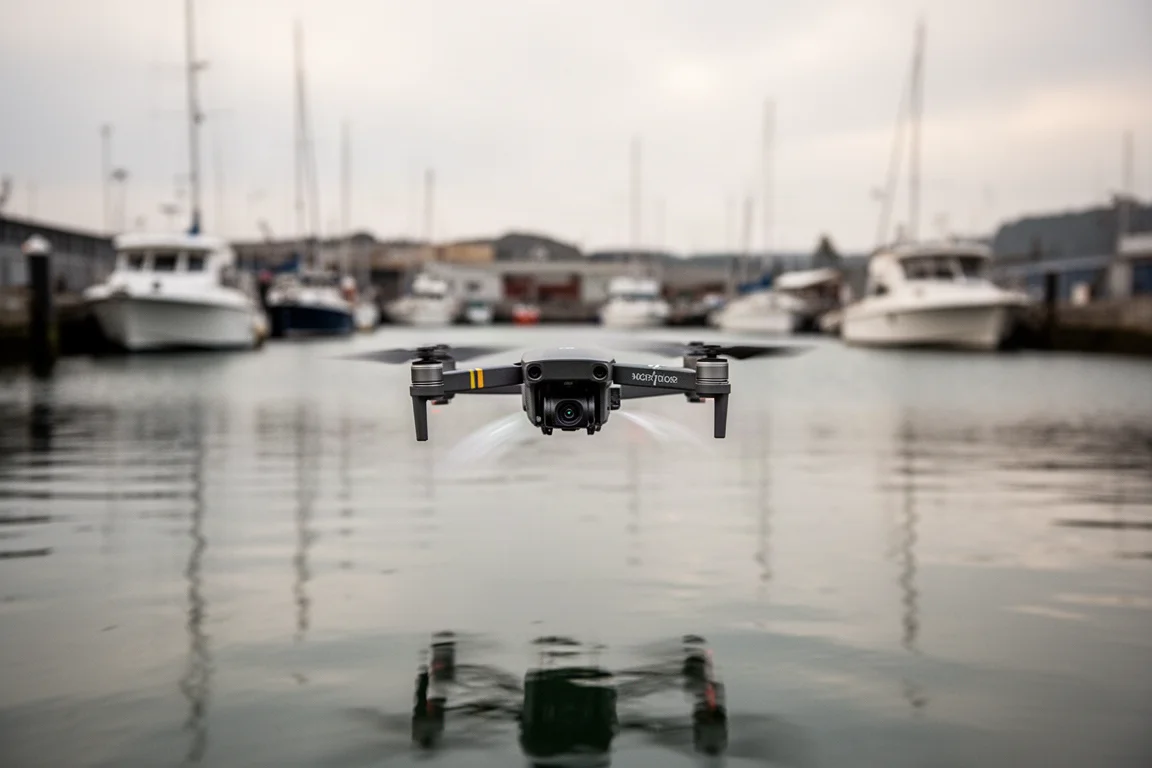
If your flying includes coastal areas, open fields, or anywhere weather can shift quickly, this test is reassuring. The Mini 3 Pro handled winds at or above its stated wind resistance figure without losing composure, kept gimbal footage steady, tracked subjects in gusty air, and returned home with margin to spare. The caveats are the ones any small drone carries: sport mode disables obstacle avoidance, gusts near the 56 km/h ceiling eat your safety buffer fast, and occasional warnings like the battery full-load message or a premature weak-signal alert can appear in rough conditions.
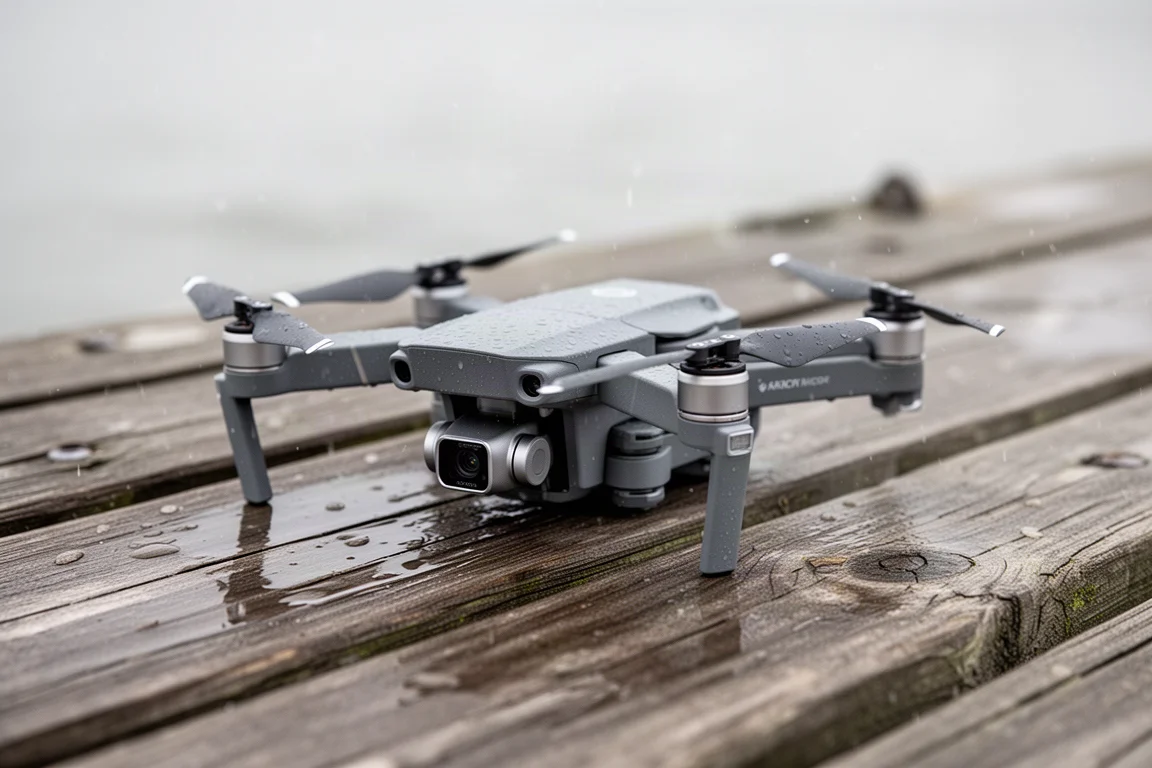
Fly it with the same discipline shown here, into the wind on the way out, low and sheltered on the way home, and it is a remarkably capable travel drone for its size.
Conclusion
The DJI Mini 3 Pro came through high winds, spray, and wet weather with its footage quality and stability intact. For anyone weighing whether a sub-250g drone can be trusted in real outdoor conditions rather than perfect ones, this flight makes a strong case that it can, provided you respect the wind, keep an escape route planned, and use its speed and sensor systems sensibly.
Product link
View more details for DJI Mini 3 Pro
This product is mentioned in the review. Check the specifications, options, and compatibility before buying.
View more details for DJI Mini 3 ProFurther reading
Related Reviews
Drones
Best Budget Camera Drones Under 3000: Five Practical Options for Video and Photography
Five affordable camera drones with HD video capability and stable flight performance, each suited to different needs and budgets.
Drones
Best Budget Drones Under $200: Five Practical Options for 2026
Five budget-friendly drones with GPS, 4K cameras, and FPV capabilities. Real strengths and trade-offs to consider before buying.
Drones
Best Drone Cameras Under $500: Five Options for Different Needs
A practical guide to five drones under $500, covering portability, flight time, camera quality, and key features to help you choose.