Drones
DJI Mini 3 Pro Downhill ActiveTrack Test: Can It Follow You Downhill?
A hands-on trail test of the DJI Mini 3 Pro's ActiveTrack, focusing on whether it can follow a runner downhill while keeping a consistent gap and avoiding obstacles.
Introduction
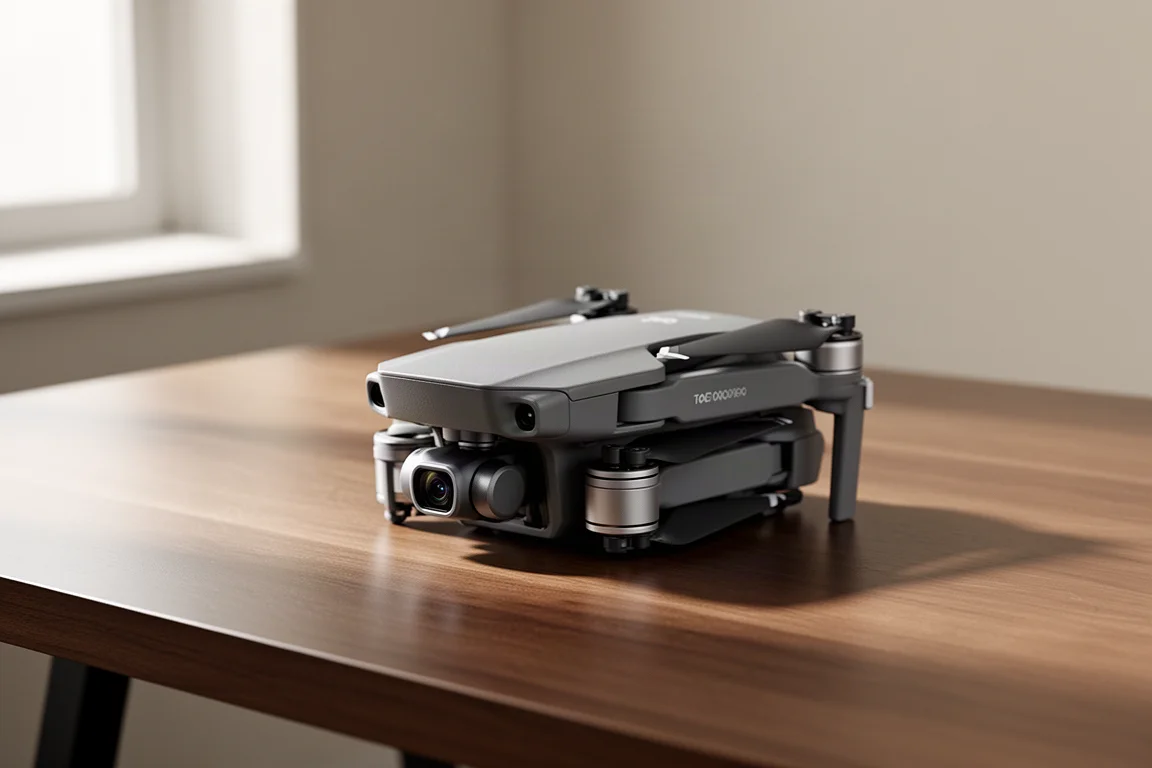
Older DJI drones have had a known weakness with ActiveTrack: some models simply flatline out at their zero elevation point, meaning their takeoff altitude, rather than descending along with the subject. That makes downhill tracking unreliable for trail running, mountain biking, or skiing footage. To see whether the DJI Mini 3 Pro handles this properly, one focused test put it to work following a runner down roughly 100 meters of hillside on a mix of old farm roads and brushy trail.
Who This Drone Is For
The DJI Mini 3 Pro makes the most sense for runners, vloggers, and outdoor athletes who want aerial footage without the burden of carrying gear. On this test it rode in a simple hydration pack with no closed compartments, over a run that came to about 12K in total, and it was not noticed at all. That is the real appeal: throw it in the bag, forget it is there, and pull it out when the shot matters.
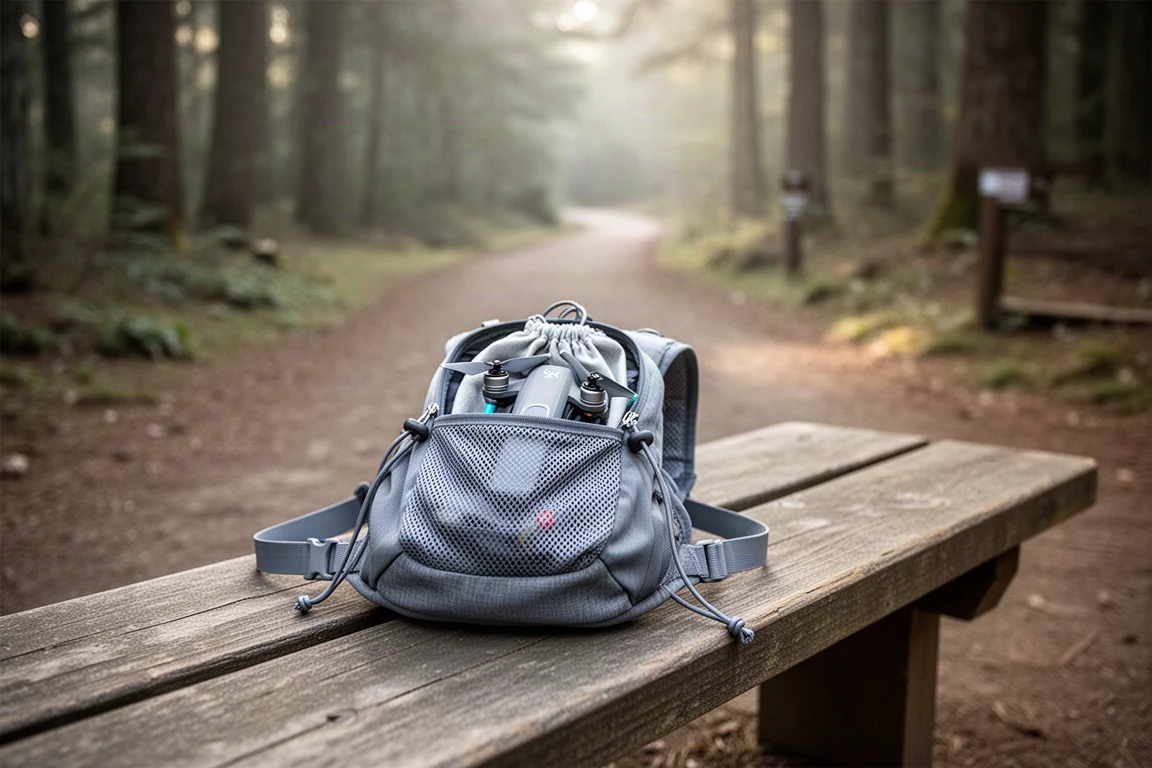
One practical tip for trail runners: keep the drone inside a super lightweight cloth bag tied off to the pack itself. That way, if it ever popped out of a mesh compartment, it would not hit the ground, and it also keeps things consolidated so the drone is not jostling around while you run.
Main Strengths
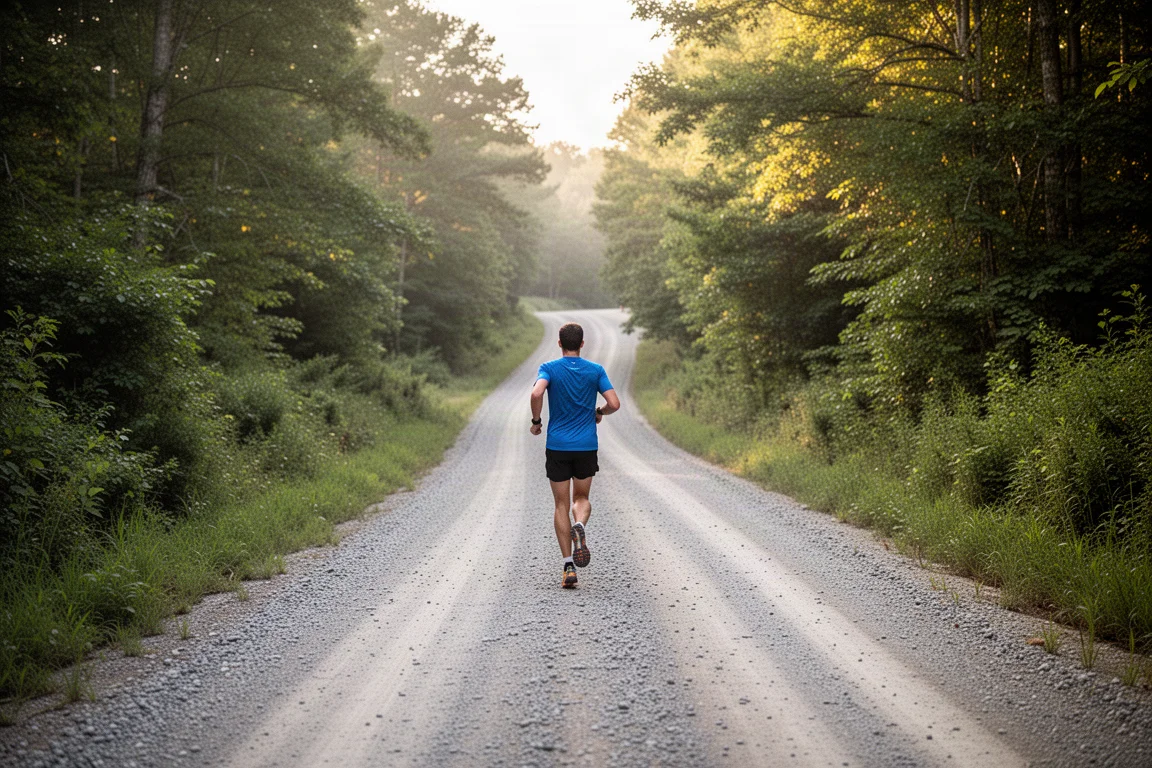
The headline result: the Mini 3 Pro tracked a runner downhill with no problem. The test used Trace mode, the default, which keeps the drone behind rather than off to the side. Once ActiveTrack was engaged and the subject selected on the DJI RC, the drone held a roughly constant gap during the descent, even as elevation dropped. By mid-test the altitude had fallen around 56 meters, and by the end the total descent measured about 86 meters, with the drone maintaining its relative position the whole way.
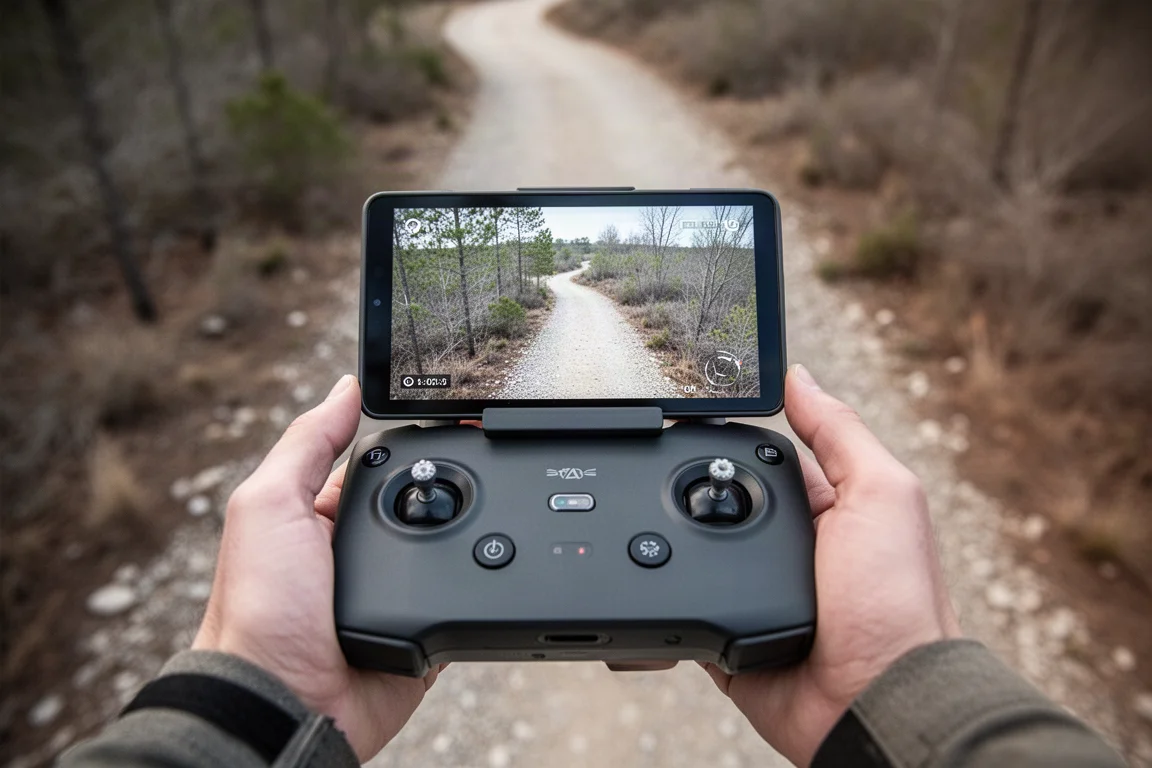
Even better, when the route turned uphill, the drone re-corrected and rose to maintain the same gap instead of dropping toward the ground and hovering there. On a steep climb that felt like 15 to 18 percent grade, it followed along and adjusted its altitude correctly. For downhill cycling, downhill skiing, or any sport where you are descending, this is exactly the behavior you want, and it is especially notable as the first Mini series drone to do it reliably.
Obstacle avoidance also worked during the test. The drone visibly moved around trees, and even handled a J-turn on a slick gravel section, although that maneuver is riskier since the Mini 3 Pro has no sideways obstacle avoidance sensors.
Things to Consider Before Buying
The biggest caveat is the lack of sideways obstacle avoidance sensors. On a narrow descending trail with trees close by, choosing Trace over Parallel is the safer call, since Parallel can put the drone off to the side where it has no sensors to help. There was also one moment of a false-positive obstacle bounce, likely the sun reflecting off trees, which briefly pulled the drone away from its line. On at least one occasion it drifted closer than desired while navigating around obstacles.
None of these quirks stopped the test from succeeding, but buyers who plan to fly in tight wooded terrain should expect occasional repositioning and plan their flight modes accordingly.
Buying Advice
If your main use case is self-tracking footage of downhill sports, the DJI Mini 3 Pro handles it well, and its tiny, lightweight folding design makes it genuinely practical to carry on long runs or rides. For technical descents, favor Trace mode, avoid routes that force sideways tracking near trees, and be mindful of strong sunlight glinting through the canopy that can trigger false obstacle detections.
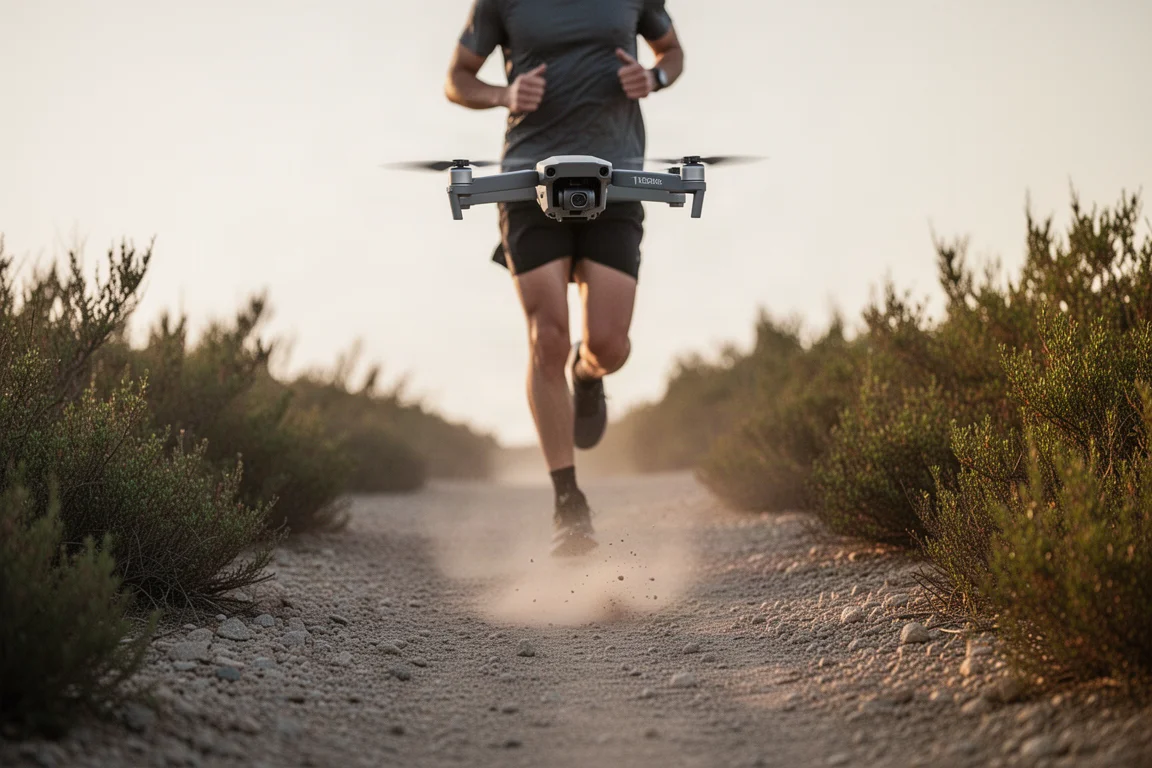
If you fly in wide-open downhill terrain, the limitations matter less, and the tracking behavior on display here is excellent.
Conclusion
The DJI Mini 3 Pro passed its most important ActiveTrack test: it followed a runner down roughly 86 meters of elevation, kept a consistent gap throughout, avoided trees along the way, and re-corrected its altitude when the route climbed again. For runners, cyclists, and skiers who want a follow-cam that works going downhill, it is a capable and easy-to-carry option.
Product link
View more details for DJI Mini 3 Pro
This product is mentioned in the review. Check the specifications, options, and compatibility before buying.
View more details for DJI Mini 3 ProFurther reading
Related Reviews
Drones
Best Budget Camera Drones Under 3000: Five Practical Options for Video and Photography
Five affordable camera drones with HD video capability and stable flight performance, each suited to different needs and budgets.
Drones
Best Budget Drones Under $200: Five Practical Options for 2026
Five budget-friendly drones with GPS, 4K cameras, and FPV capabilities. Real strengths and trade-offs to consider before buying.
Drones
Best Drone Cameras Under $500: Five Options for Different Needs
A practical guide to five drones under $500, covering portability, flight time, camera quality, and key features to help you choose.