Drones
DJI Mavic 3 Review: How It Handles Serious Wind
We flew the DJI Mavic 3 in gusts well beyond its rated wind resistance to see how the stabilization, zoom lens, and flight performance hold up in real conditions.
Introduction
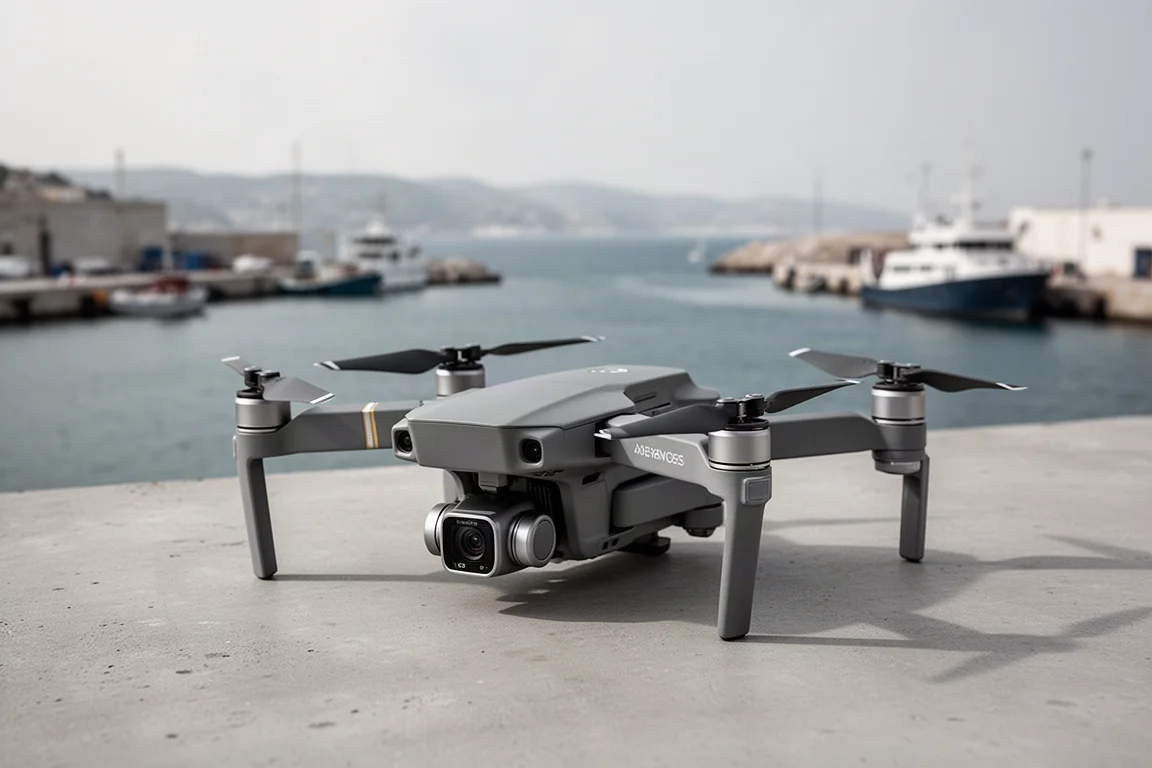
The DJI Mavic 3 is a large, confident camera drone, and its size pays off in the one condition that scares most pilots: wind. To find out how it really performs, we flew it in gusts measured at around 30 miles per hour, roughly 50 to 60 kilometers per hour, at a coastal harbor. That is well beyond the aircraft’s stated maximum wind resistance, which makes it a genuine stress test rather than a marketing exercise.
The unit used was purchased retail, fully updated, and this was its very first flight. Everything below reflects what happened in the air, not on a spec sheet.
Flying in 60 km/h Gusts
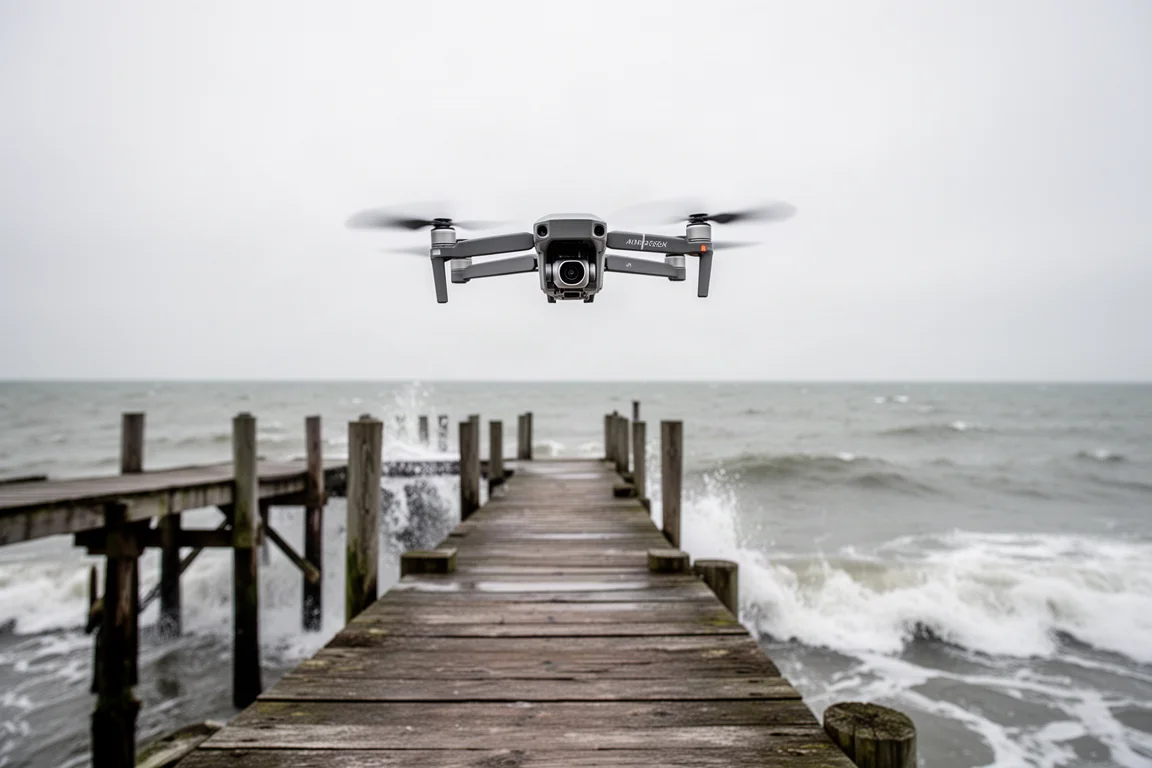
The headline result is simple: the Mavic 3 held its position remarkably well. In Normal mode, with full GPS signal, it stayed essentially stationary in the air even as gusts pushed past 60 kilometers per hour. The app shows a strong wind warning in these conditions, but it becomes background noise because the aircraft simply does not seem bothered.
Near the ground, the drone uses its downward proximity sensors to hold position, then switches to GPS above roughly eight meters. Launch and landing were both uneventful, with a clean automatic landing on low battery at the end of the flight.
Stability and Gimbal Performance
This is where the Mavic 3 genuinely impresses. Footage recorded at 5K30 to an SD card looked as if the drone were hanging motionless in the sky. There was no visible indication in the video that the wind was gusting past the aircraft’s rated limit. The gimbal stayed smooth through altitude changes, camera tilts, and pulls back for framing.
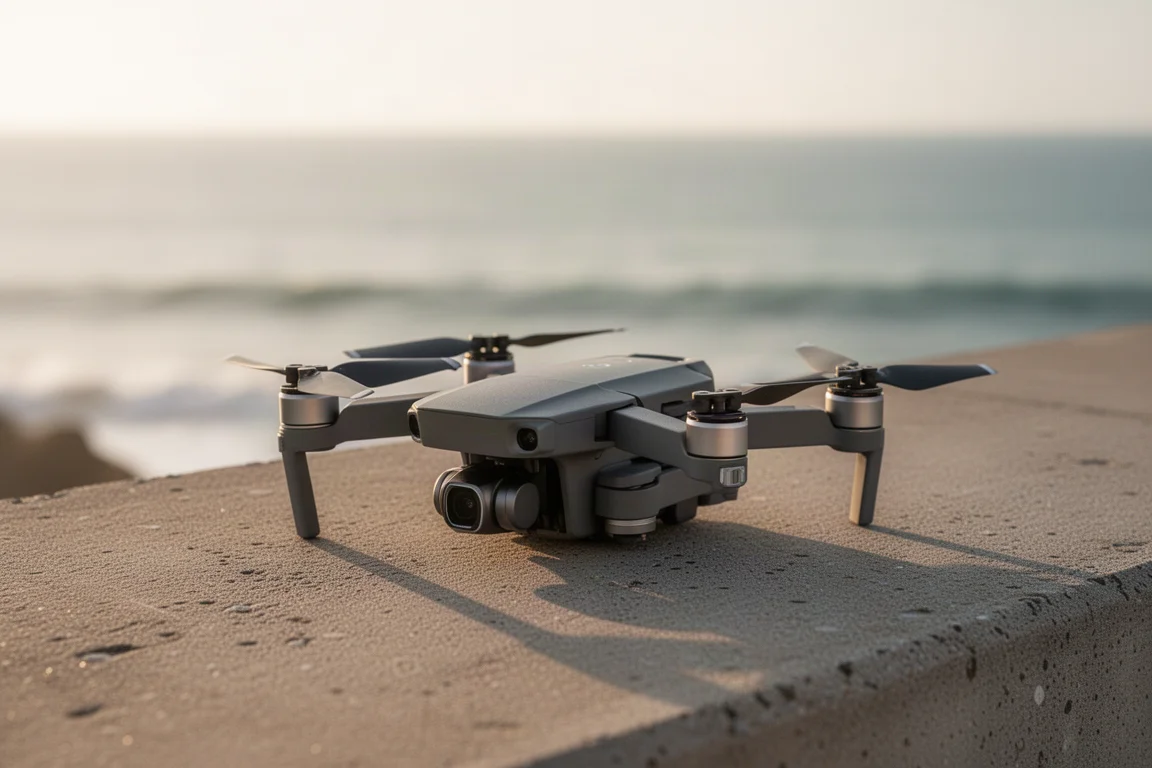
The airframe is also large and easy to see compared with smaller models like the Mini series, which helps with orientation and confidence when conditions get rough.
Speed, Sport Mode, and Getting Back
The maximum allowable wind speed for the Mavic 3 is listed at 43 kilometers per hour, and the test conditions exceeded that. What matters more, though, is the aircraft’s maximum airspeed: about 68 kilometers per hour. As long as you stay below that ceiling, the drone retains authority to fight its way back upwind.
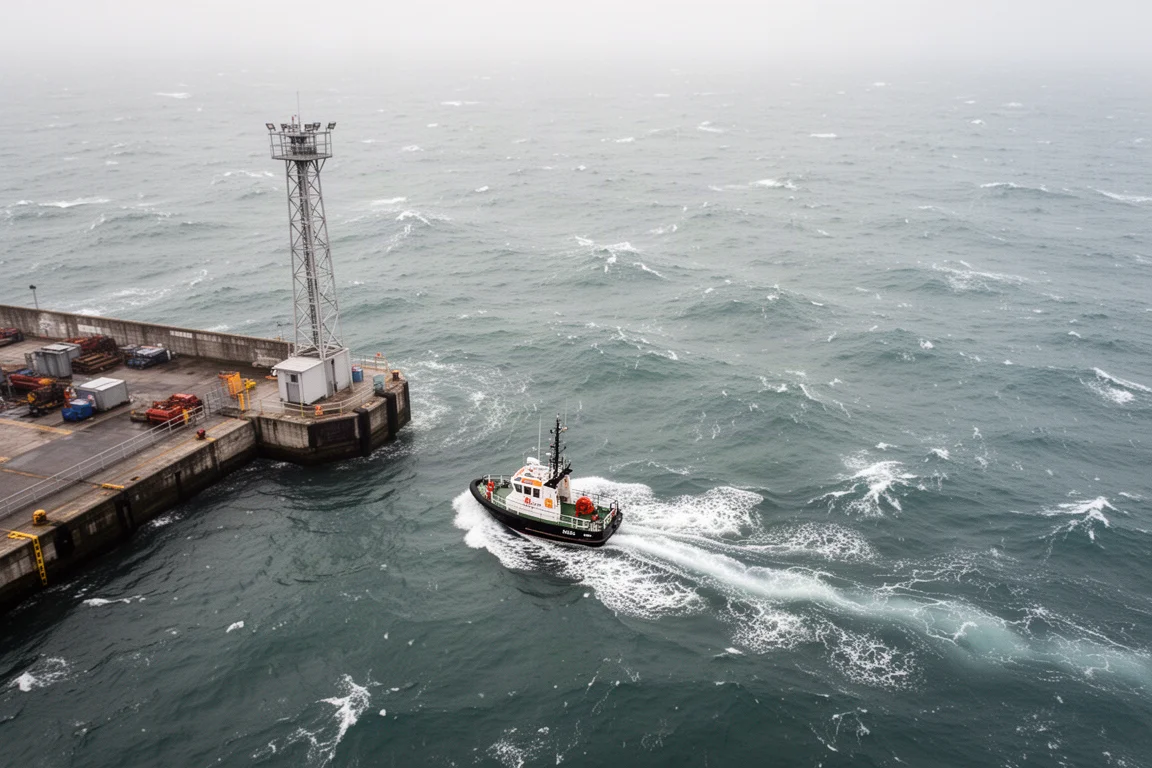
Sport mode proved this in practice, reaching around 20 meters per second to chase a fast-moving harbor boat into the wind. Control felt effortless, as if there were no wind at all. The aircraft maintained height, held lines, and returned home without any drama.
Zoom and Camera Capabilities
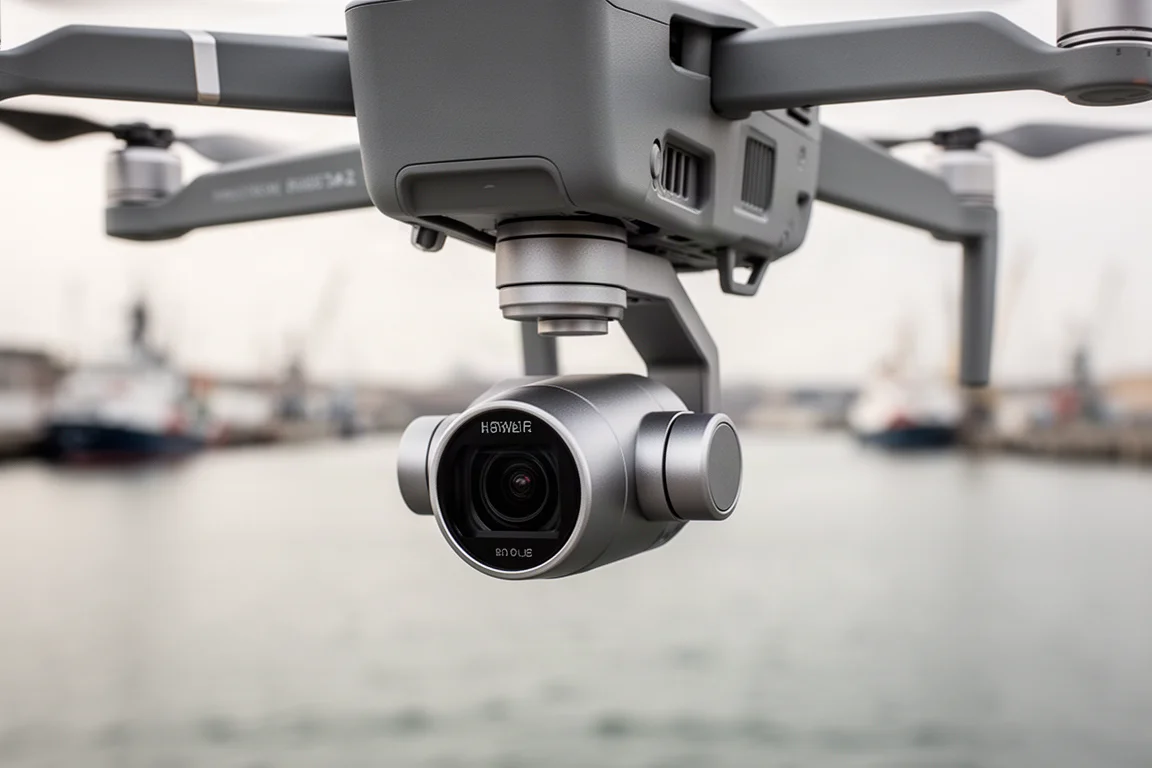
The dual-camera setup is a real highlight. The zoom system works like this: 1x is the main camera lens, 2x and 4x are digitally cropped on that main lens, and at 7x the drone switches to its secondary optical zoom lens. Beyond that, 14x and 28x are digital zoom, which is best avoided for quality reasons.
At 7x on the optical lens, footage of boats and harbor infrastructure looked clean and composed, even in gusty conditions. Slow motion is also on board, with 4K120 and 1080p120 options, and the results filled the frame with smooth detail.
One caveat: automated features were incomplete at launch. QuickShots and MasterShots were not available and were slated to arrive in a later update, so early buyers will need to hand-fly more than they might expect. Hand-flown footage in this wind still came out usable, but that is a lot of money for a drone shipping with features missing.
Battery Life Under Load
Fighting heavy wind drains batteries faster than calm-air flying. In this test, the drone used about 55 percent of the battery in roughly 16 minutes of aggressive flying, including sport mode runs into the wind. That suggests planning for shorter flights than the headline endurance figures when conditions are rough.
Safety Tips for Windy Flights
Three habits make flying in wind far safer. First, fly out into the wind and let the wind help you return, so a worst-case landing happens nearby rather than far downwind. Second, keep a speed buffer: in this test there was roughly a 10 kilometer per hour margin between the wind speed and the aircraft’s maximum airspeed. Third, if you get into trouble, get low. Wind speeds increase with altitude, so descending gives you a better chance of getting home.
Things to Consider Before Buying
The Mavic 3 is expensive, and the launch software picture matters. Core flight stability, camera quality, zoom, and slow motion all worked flawlessly on day one, but several automated shooting modes were missing and promised for a future update. Buyers who rely heavily on QuickShots and MasterShots should weigh that.
Buying Advice
If your priority is dependable, stable footage in challenging conditions, the Mavic 3 is hard to beat. It is a big, confidence-inspiring airframe with excellent stabilization and a genuinely useful optical zoom. If you mainly fly automated modes or want maximum value at launch, waiting for the software gaps to close may be the smarter move.
Conclusion
In gusts beyond its rated wind limit, the DJI Mavic 3 delivered tripod-stable footage, confident control, and an easy return home. It is a serious tool for serious conditions, with the main early caveat being unfinished automated features rather than hardware performance.
Product link
View more details for DJI Mavic 3
This product is mentioned in the review. Check the specifications, options, and compatibility before buying.
View more details for DJI Mavic 3Further reading
Related Reviews
Drones
Best Budget Camera Drones Under 3000: Five Practical Options for Video and Photography
Five affordable camera drones with HD video capability and stable flight performance, each suited to different needs and budgets.
Drones
Best Budget Drones Under $200: Five Practical Options for 2026
Five budget-friendly drones with GPS, 4K cameras, and FPV capabilities. Real strengths and trade-offs to consider before buying.
Drones
Best Drone Cameras Under $500: Five Options for Different Needs
A practical guide to five drones under $500, covering portability, flight time, camera quality, and key features to help you choose.