Drones
DJI Mavic 3 vs Skydio 2: Obstacle Avoidance and Tracking Compared
A focused comparison of two very different drones, testing how the Mavic 3's new sensor suite stacks up against the Skydio 2's autonomy in real-world obstacle and tracking scenarios.
Introduction
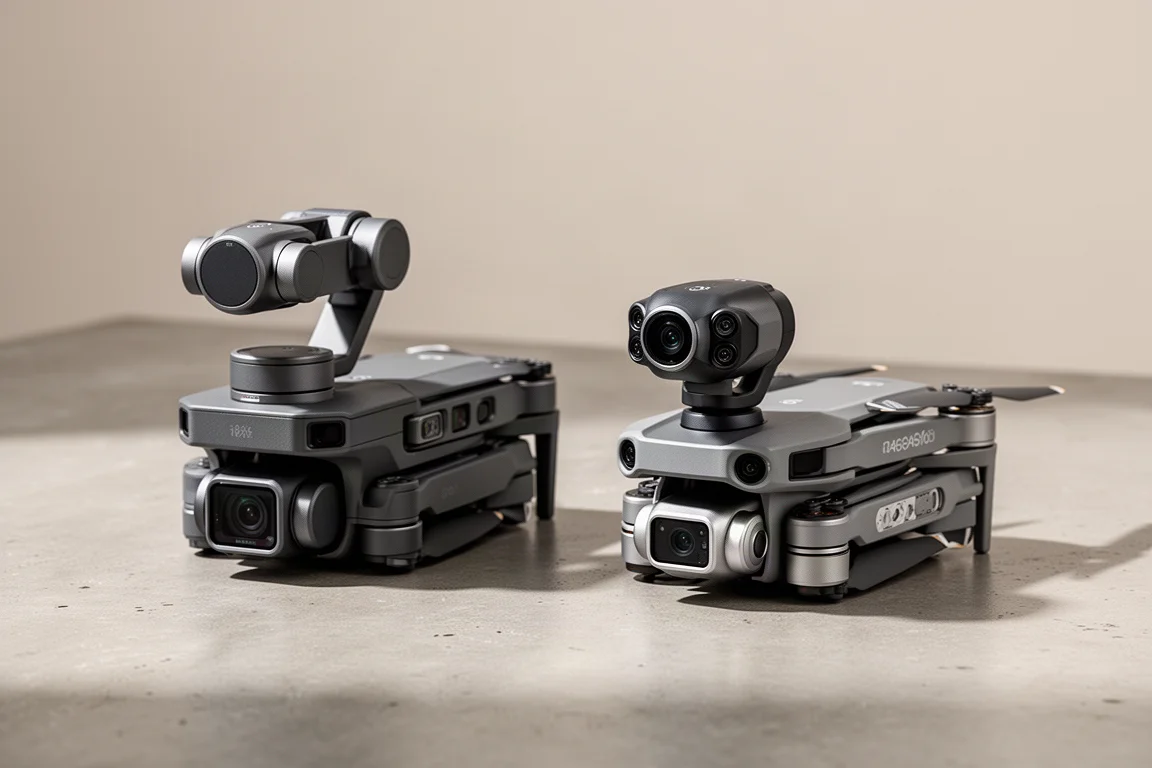
Choosing between the DJI Mavic 3 and the Skydio 2 used to be a choice between two opposite philosophies. Skydio builds drones whose entire reason for existing is autonomous tracking and obstacle avoidance, and it is exceptionally good at exactly that. DJI, on the other hand, has long made tremendous drones for aerial cinematography, but its track record with active tracking and avoidance has been weaker. The Mavic 3 is DJI’s attempt to close that gap with a much larger sensor array.
This comparison focuses specifically on obstacle avoidance and subject tracking, using real-world footage from production units. It deliberately skips the broader feature sets: in short, the Skydio 2 is very good at avoidance and tracking and mediocre at much else, while DJI drones remain strong for filming and have historically lagged in autonomy.
Sensor Hardware: Eight Versus Everything
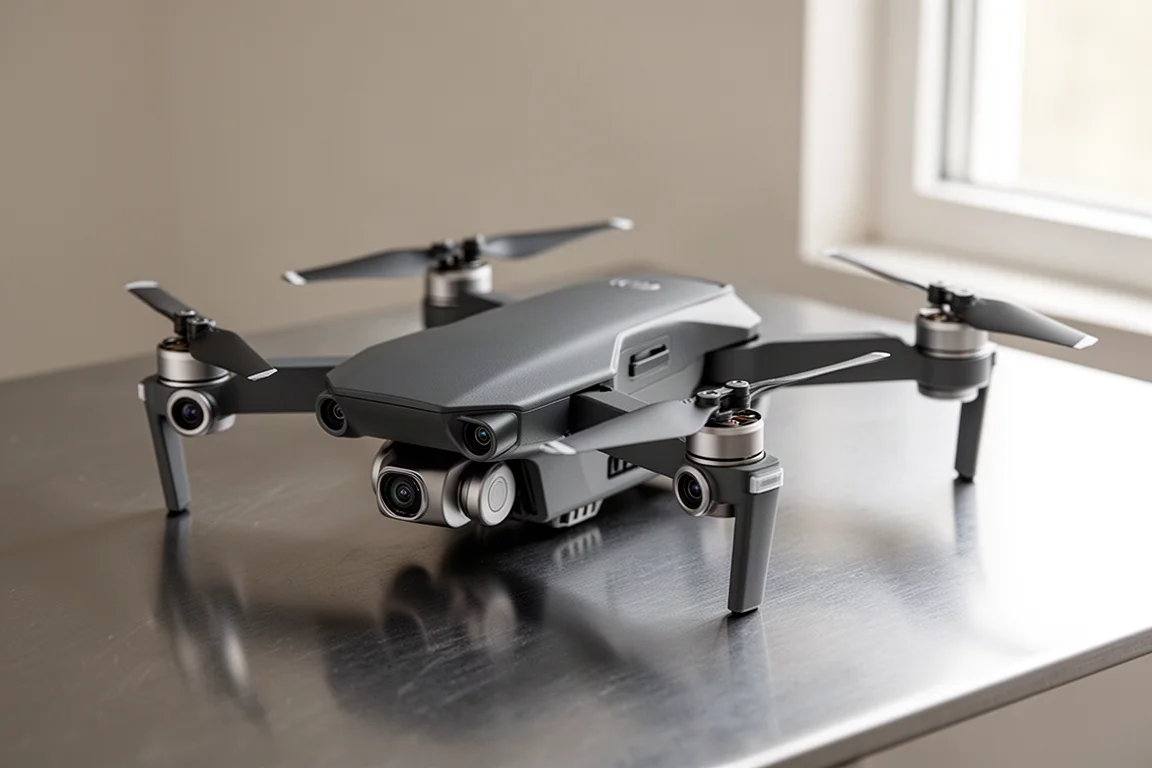
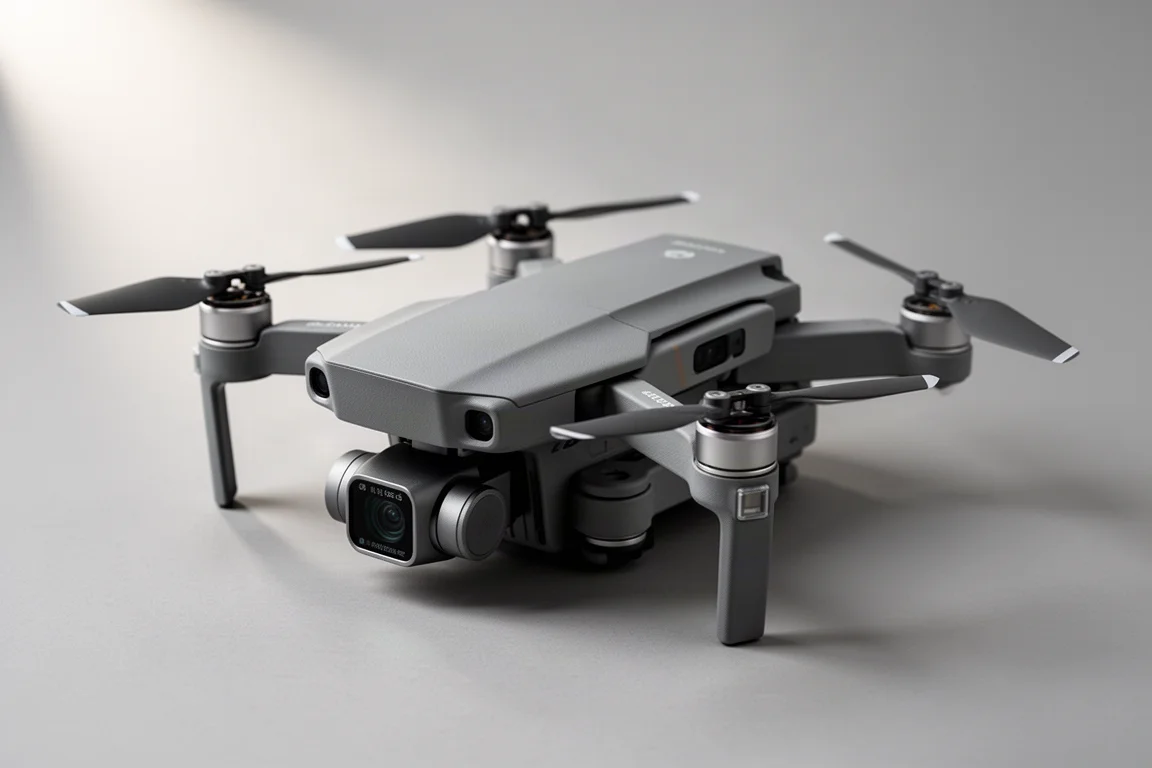
The Mavic 3 carries eight dedicated obstacle avoidance sensors: two on top, two facing rearward, two facing forward, and two on the bottom, with additional ground detection bits underneath. The Skydio 2 takes a different approach, with three sensors on top, three on the bottom, plus its nose camera doing much of the heavy lifting.
Here is the honest takeaway: the raw sensor count matters far less than how the system uses them. As the testing shows, that principle holds up in both directions.
Obstacle Avoidance: How the Mavic 3 Reacts
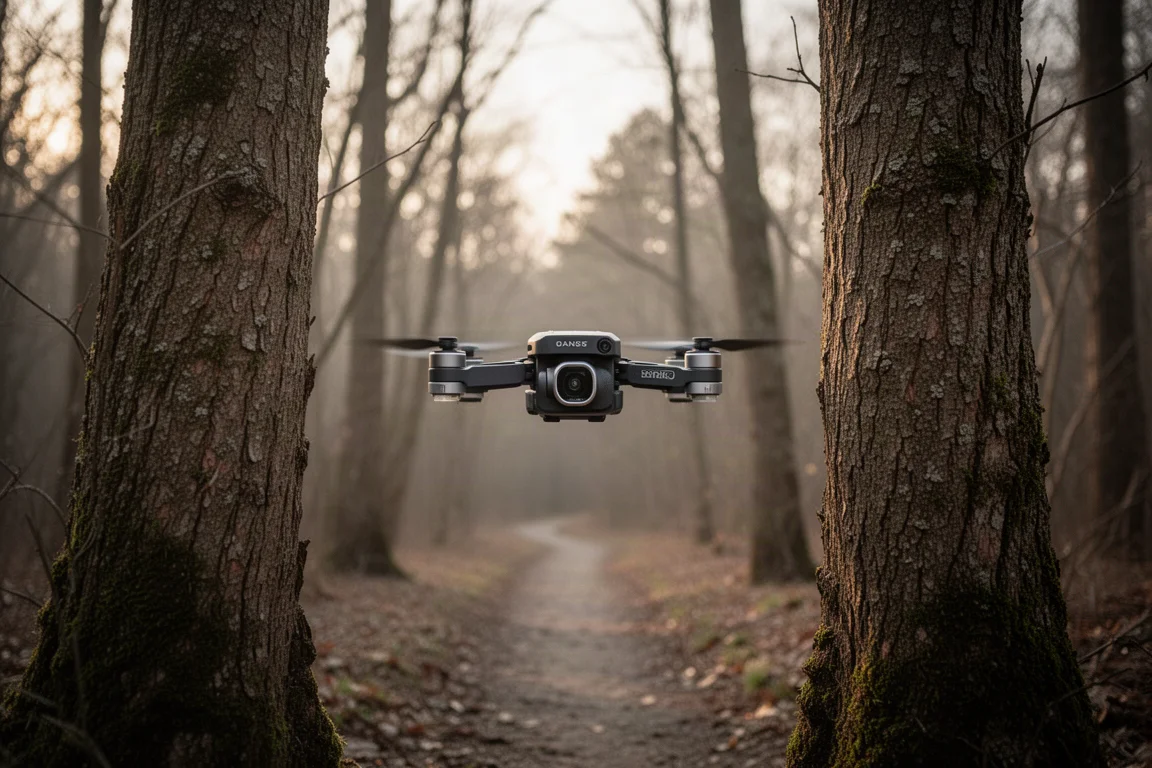
Asked to fly forward through a narrow gap between trees, the Mavic 3 initially resists, then finds a gap it feels comfortable with and pops through. Turn it around and try again, and it may instead climb above the trees, deciding that going over is the safer line, all while you keep pressing forward. In every scenario it consistently chooses one of two options: over or around.
Its caution scales with proximity. Once within roughly four meters of an object it slows to about 12 km/h, and below three meters it drops to around 10 km/h, roughly a brisk walk, regardless of direction. Notably, an earlier Mavic Air 2S was able to follow a cyclist at full cycling speed in the same setting, so the Mavic 3’s speed tolerance appears more conservative at this stage.
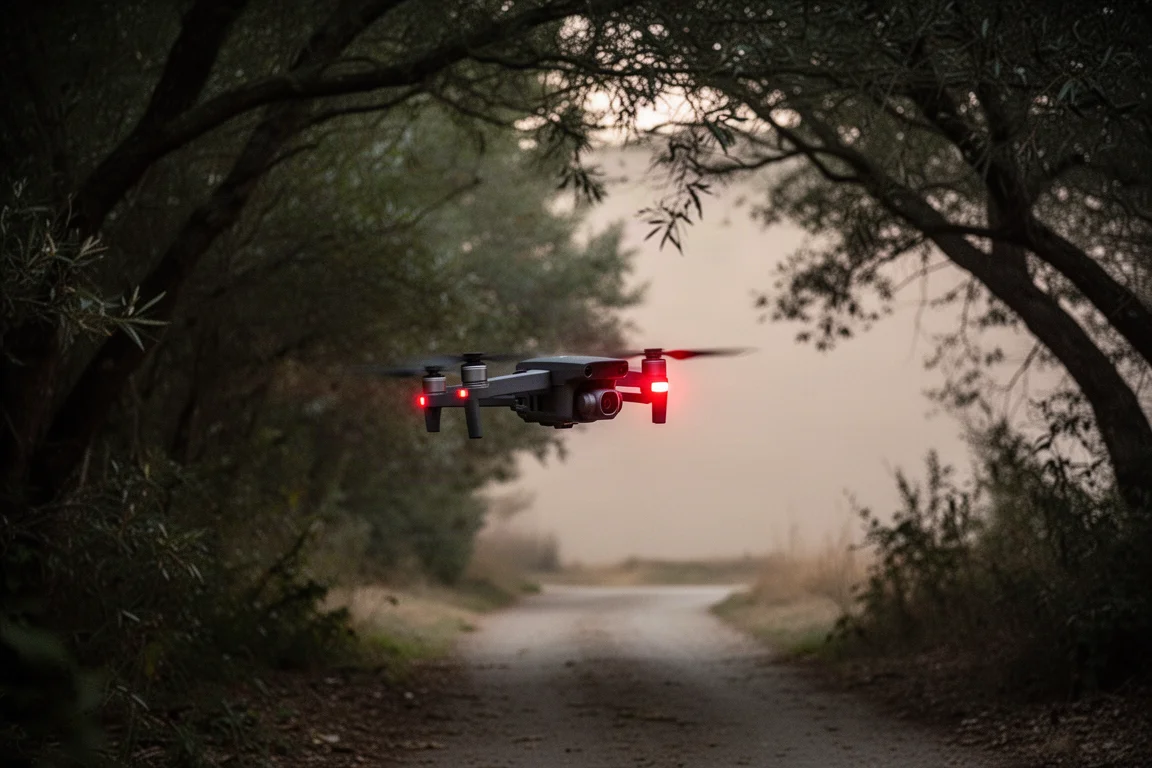
The drone handles trickier angles well too. Sliding sideways into branches makes it automatically drift forward around them, and flying up into thin, nearly bare branches is firmly refused, even in low dusk light with exposure pushed a full stop. The Mavic Air 2S, lacking top sensors, flew straight into those same branches and then into trouble. It is not entirely timid, though: pointed at a tight gap between a tree and a lamppost, it briefly hesitates, then swerves through at the last second, an amusingly similar quirk to Skydio’s “let’s send it” behavior in tight spots.
Tracking While Avoiding: The Speed Limit Problem
At launch, the Mavic 3 has no ActiveTrack. ActiveTrack 5.0 is slated to arrive in a January firmware update, so any tracking in this comparison was done fully manually, matching routes flown autonomously by the Skydio 2. ActiveTrack 5.0 promises three key upgrades: full obstacle avoidance across the entire drone during tracking, the ability to set which side or angle the drone follows from, and far greater distances and heights from the subject.
Manually, the story comes down to speed limits. Following a rider along a canal lined with trees, the drone crawls at 12 km/h until it pulls away from obstacles, then catches up at 20 km/h and tracks cleanly from the side with just the left stick held. Obstacle avoidance pop-ups nudge the drone around larger trees while it maintains its distance, producing a genuinely clean shot.
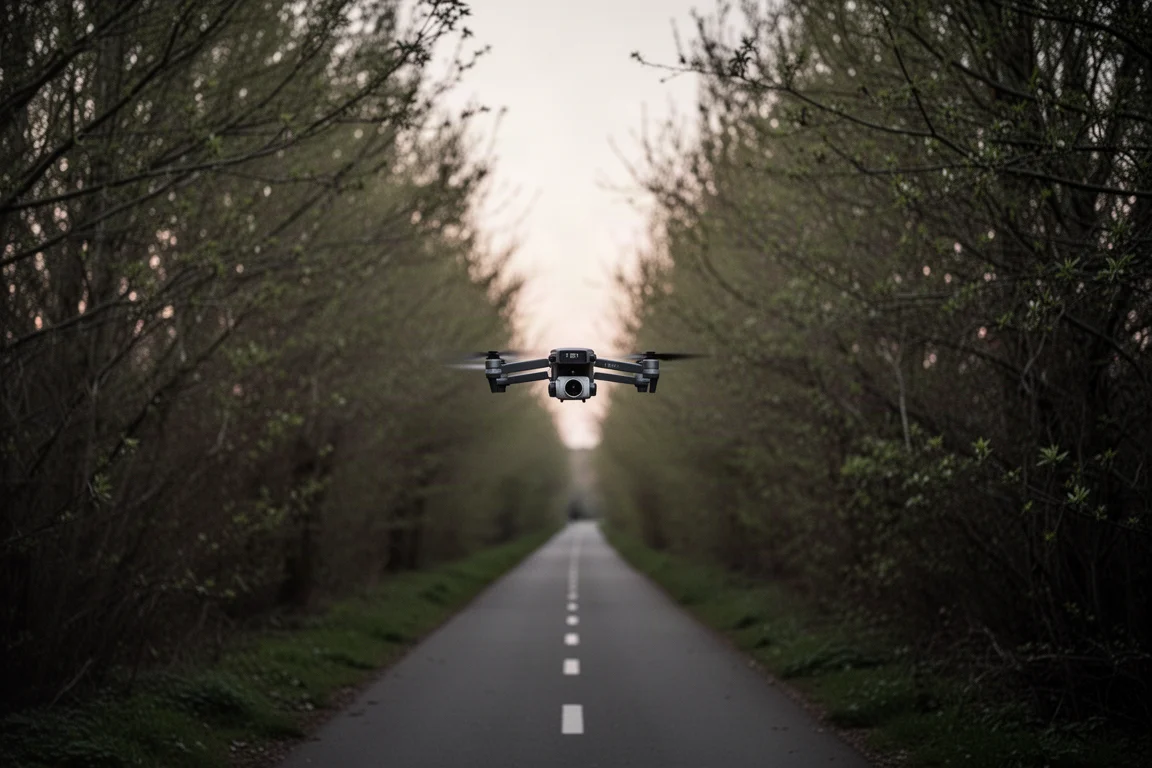
The problem shows up in the trees. On the same trail mentioned earlier, the drone maxes out near 8 km/h with sensors triggering on all sides, while the rider simply pedals away, even at an easy pace. The core issue is the avoidance bubble: DJI currently offers only three options (off, brake, or go around), and the Mavic 3 keeps a roughly three to four meter buffer before allowing full speed, compared to Skydio’s tighter one meter bubble that lets it move quickly as long as that bubble stays clear. DJI’s own launch footage shows the drone following a mountain biker at well above walking speed, so faster performance is promised, but today the speed tolerances are the main weakness.
Skydio 2: Autonomy in Its Element
This is where the Skydio 2 shows why it exists. Tap the subject once and it simply follows, with no further input. A rider cruising at roughly 36 to 40 km/h is tracked smoothly, turns are handled on its own, and when the rider stops and restarts, the drone catches up without hesitation, never coming close to hitting anything.
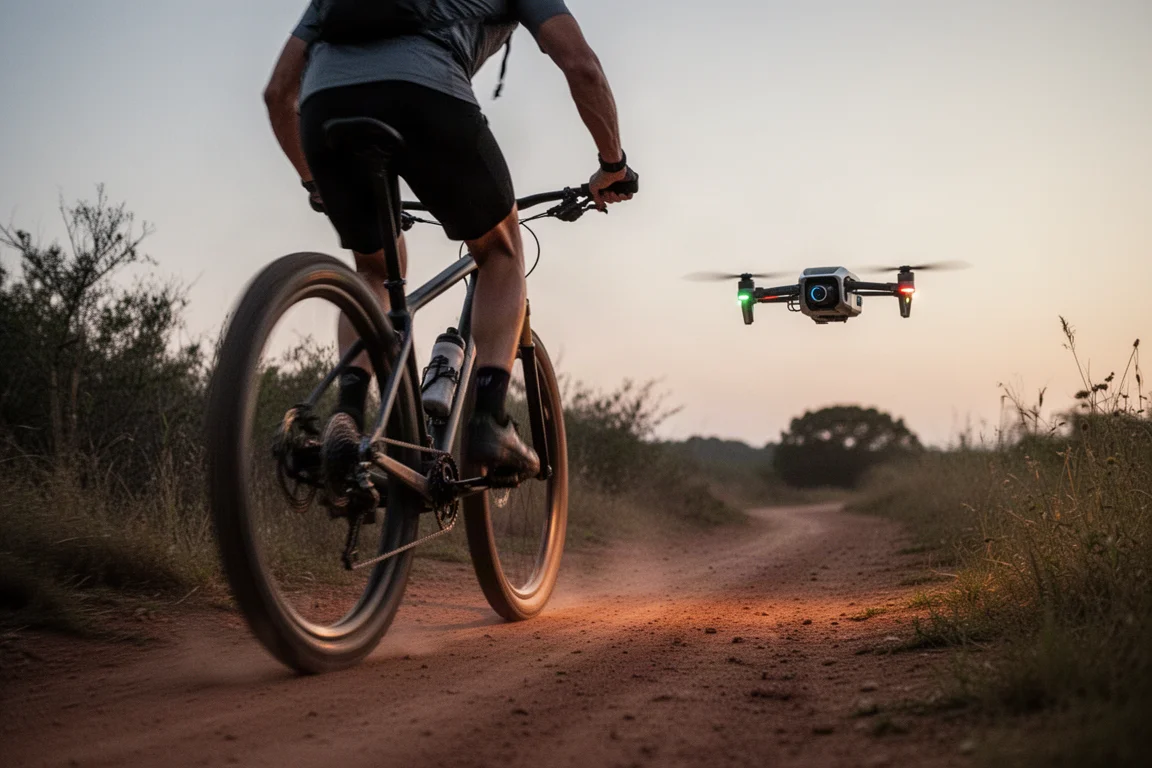
It is not flawless: when asked to follow from the rider’s left in a tight spot, it eventually decides that angle is not viable and falls in from behind instead. But that judgment, choosing a safe following position rather than plowing ahead, is exactly what makes it so effective. In short, it does its job without crashing into anything, and that is precisely what it excels at.
Advanced Return to Home: Already Here Today
One Mavic 3 feature available from day one is Advanced Return to Home. Traditional return to home flies up to a set altitude, crosses over, and descends. The advanced version picks the most prudent route between point A and point B instead.
Planted under tree canopy about 160 meters away, the drone declines to climb, exits through a side pocket in the branches, avoids larger clumps, turns toward home, and heads out. It is not perfect: arriving above the home point, it refused to descend through a blocked pocket and reported the site unsuitable for landing, requiring a manual landing. Backed up along a path about 40 to 50 meters, it correctly flew straight down the path rather than retracing out and back, though it ultimately exited above the trees after deciding the landing entry point was not viable. No crashes occurred in either case, and the behavior suggests DJI requires a fixed entry altitude for landing zones, an area with clear room for improvement.
One more caveat worth knowing: the zoom lens will not be used for ActiveTrack or any automated shot modes, only the main camera. That is a real downer, since a longer focal length produces a much stronger sense of speed in tracking shots, and DJI has run ActiveTrack on far lesser cameras for years.
Buying Advice
Right now, buyers still face the old trade-off: a superbly autonomous drone that is weak at everything else, or a superb all-around drone whose autonomy is still maturing. The Mavic 3’s obstacle avoidance is genuinely impressive and survived every deliberate crash attempt, even swerving around twigs in dusk light. If DJI can deliver even 80 percent of the Skydio’s autonomy once ActiveTrack 5.0 lands, it will suit a lot of people. Until then, if autonomous sports tracking is your priority, the Skydio 2 remains the safer pick; if you want a strong all-around camera drone and can wait for the January firmware, the Mavic 3 is the one to watch.
Conclusion
The Mavic 3 marks real progress for DJI in obstacle avoidance, with eight sensors, confident gap-finding, and advanced return to home already working well, held back mainly by conservative speed limits and the wait for ActiveTrack. The Skydio 2 still owns pure autonomy and tracking. A full head-to-head once the ActiveTrack firmware ships should settle which philosophy finally wins.
Further reading
Related Reviews
Drones
Best Budget Camera Drones Under 3000: Five Practical Options for Video and Photography
Five affordable camera drones with HD video capability and stable flight performance, each suited to different needs and budgets.
Drones
Best Budget Drones Under $200: Five Practical Options for 2026
Five budget-friendly drones with GPS, 4K cameras, and FPV capabilities. Real strengths and trade-offs to consider before buying.
Drones
Best Drone Cameras Under $500: Five Options for Different Needs
A practical guide to five drones under $500, covering portability, flight time, camera quality, and key features to help you choose.