Drones
DJI Mavic 3 vs Skydio 2: Real-World Autonomous Tracking Comparison
A back-to-back test of the DJI Mavic 3's ActiveTrack 5.0 and the Skydio 2's tracking, focused on object tracking and obstacle avoidance on a shared route.
Introduction
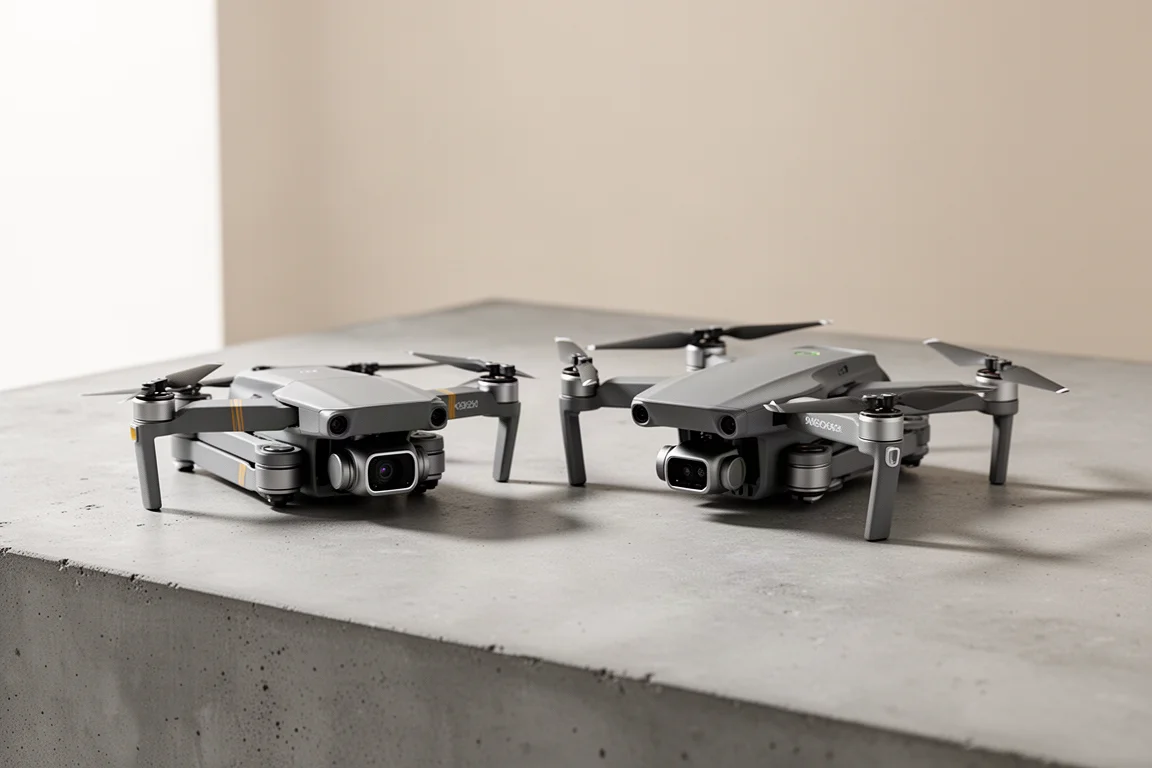
Autonomous tracking has two moving parts: the drone has to keep following the subject, and it has to avoid obstacles while doing it. To compare the DJI Mavic 3 and the Skydio 2 on those terms, both drones were flown back to back on the exact same route, in the same conditions, at the same time of day. The course started in an open field, rose slightly, turned around a building, and then descended into a tree-lined path where obstacle avoidance and tracking would be put under real pressure.
Both drones were personally purchased, and the testing was done during real activities rather than staged conditions, including riding alongside canals, which is simply part of the landscape in the Netherlands.
How the Two Drones Track and Avoid
Both drones rely on their own onboard sensors for tracking and avoidance. Neither uses GPS from a controller or phone to follow the subject; they visually track the person as an object and navigate using their sensor arrays.
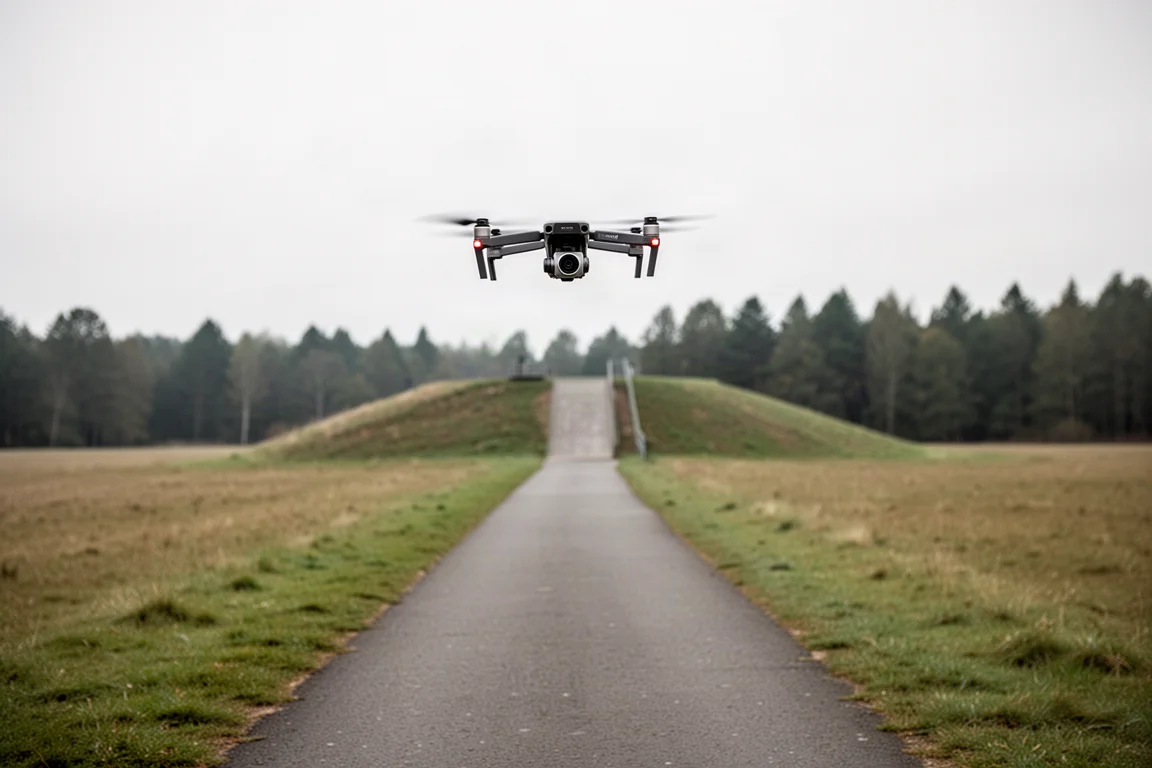
The Mavic 3 runs ActiveTrack 5.0 combined with APAS 5.0, DJI’s advanced pilot assistance system. Its sensor layout includes two rearward-facing, two upward-facing, two front-facing, and two downward-facing sensors, plus a ground detection sensor. Notably, the front and rear sensors are angled to also cover the sides, giving what DJI describes as a complete 360-degree field of view. ActiveTrack 5.0 also lets you choose the follow angle, such as in front or to the side, which was not reliably possible before.
The Skydio 2, on the market for over two years, uses three sensors on top, three on the bottom, and a front camera for subject tracking. It does not require a controller at all, though a phone is needed to set angles and positions. The Mavic 3 similarly needs a controller and phone with you, not for the tracking itself, but to access the settings.
A few setup notes from the runs: on the Mavic 3, obstacle avoidance must be used in normal mode, because sport mode disables it. The flight assistance setting was set to bypass, so the drone routes around obstacles rather than stopping. In ActiveTrack, the Mavic 3 can change orientation and altitude, but not the distance from the subject. Recording is limited to 4K 60 in this mode; the higher frame rate modes and the telephoto lens are unavailable.
The Crash and What Caused It
The Mavic 3 tracked well for most of the run. It repositioned to the chosen side, navigated gaps between trees, and even handled a U-turn maneuver cleanly. It briefly lost the subject only once, and it recovered. But two limitations kept making things riskier: the inability to push the drone further out from the trees, and the lack of a telephoto option, which forces the aircraft closer to the subject than a longer lens would require.
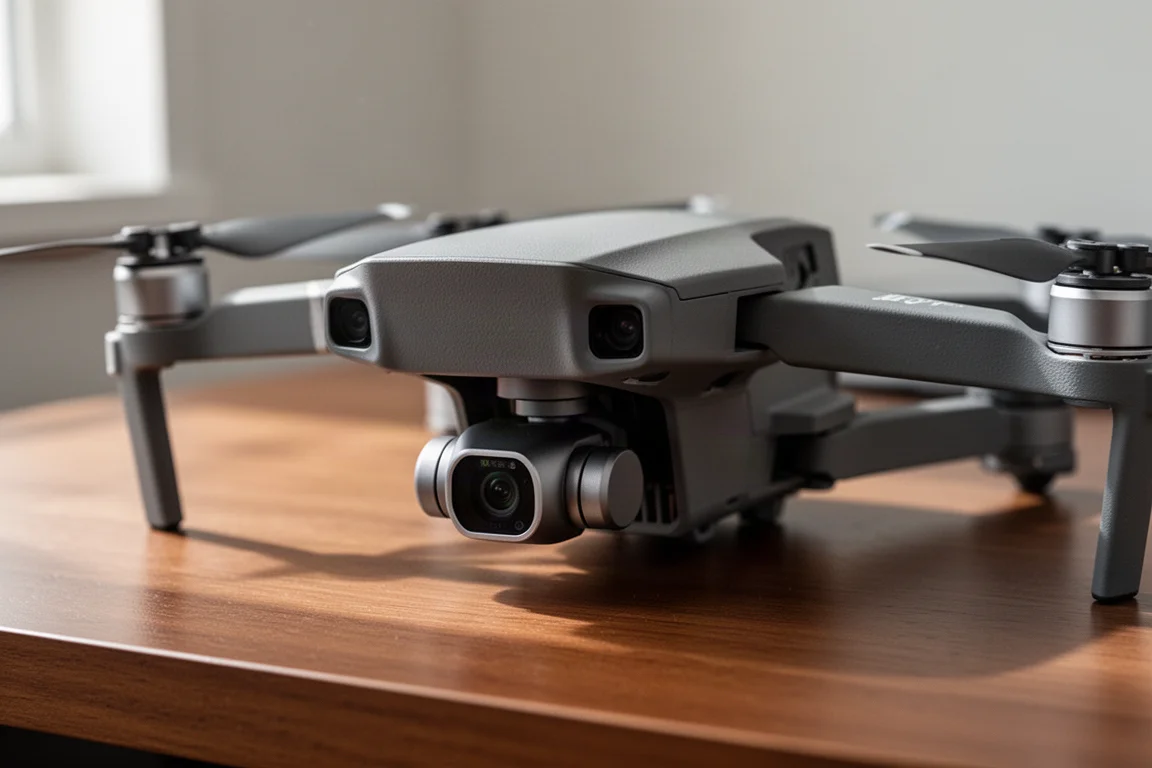
Near the end of the run, after clipping tree branches, the Mavic 3 stabilized and then attempted to catch up aggressively, flying straight into a tree trunk and ending up in a canal. The interesting detail is that both drones clipped small branches throughout the test and neither ever crashed directly from that; both are resilient and stabilize after contact. The problem with the Mavic 3 appears after it falls behind. In those moments it behaves more riskily, and the radar map seemingly fails to show the obstacle until the last second, which points to an algorithm or processing issue rather than a sensor limitation. That is exactly the kind of thing a firmware update could fix.
The drone was recovered from the cold water with a cracked gimbal, though no broken props.
Skydio 2 Tracking Performance
On the identical course, the Skydio 2 took a visibly smarter line through the trees, kept a wider margin around obstacles, and handled the same U-turn and front-position transitions without incident. It clipped branches at times too, but recovered and continued tracking. The distance from the subject can also be adjusted, which makes it easier to stay clear of tree lines in the first place.
That said, the Skydio 2 is not flawless. Over two years of use it has crashed once or twice, and it has occasionally lost track of the subject, the same way the Mavic 3 briefly did here. The bigger trade-off is image quality: footage from the Mavic 3 was noticeably clearer and cleaner than the Skydio 2’s output.
Which Drone Should You Pick
For obstacle avoidance during autonomous tracking, the Mavic 3 is legitimately the best drone DJI has made in that category, a title earned mostly by how poor past models were. Its failure mode here looked algorithmic and potentially fixable in an update, suggesting the ActiveTrack release may simply have been rushed ahead of schedule.
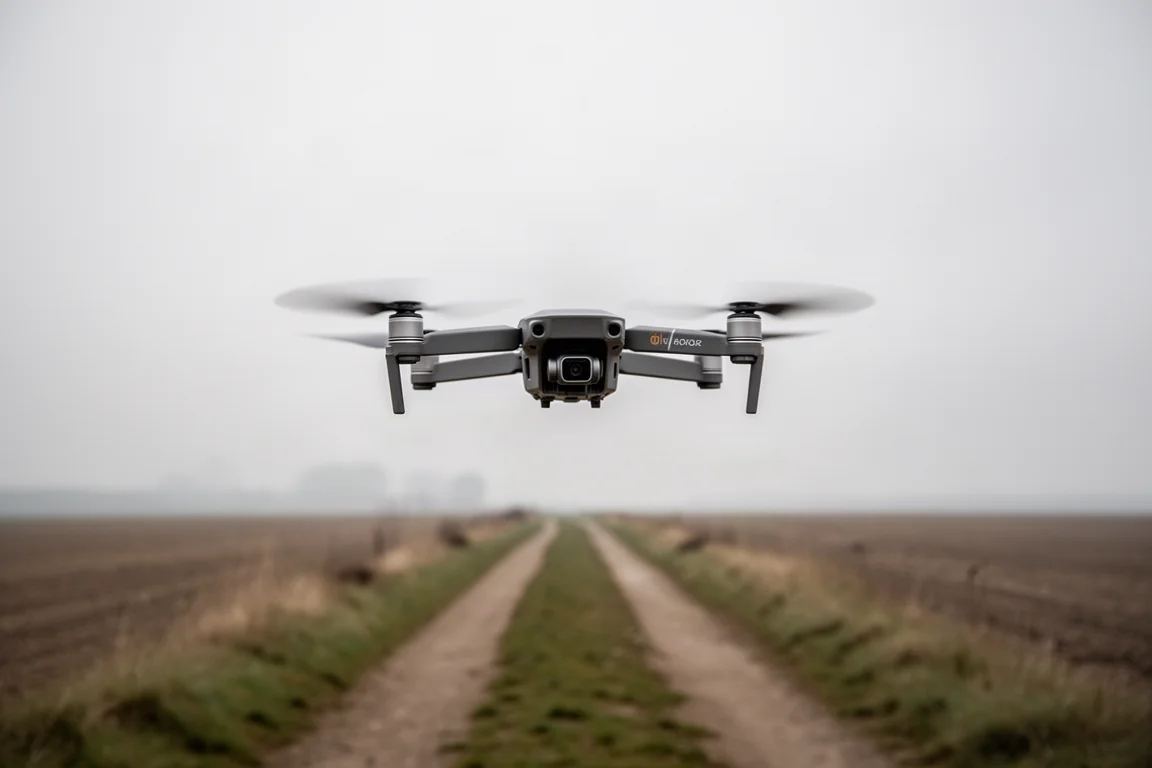
The Skydio 2 remains the stronger choice if tracking reliability and adjustable distance matter more than footage quality. The Mavic 3 is the better pick if you prioritize image quality and can accept the fixed follow distance and the riskier catch-up behavior until, and unless, a firmware update addresses it. If tracking behavior changes in a future update, a retest would be worthwhile.
Conclusion
On a shared course, the Skydio 2 delivered more dependable obstacle avoidance and tracking, while the Mavic 3 produced clearly superior footage but exposed a risky post-obstacle catch-up flaw. Choose based on what you value more: reliable autonomous behavior or better video quality.
Product link
View more details for DJI Mavic 3
This product is mentioned in the review. Check the specifications, options, and compatibility before buying.
View more details for DJI Mavic 3Further reading
Related Reviews
Drones
Best Budget Camera Drones Under 3000: Five Practical Options for Video and Photography
Five affordable camera drones with HD video capability and stable flight performance, each suited to different needs and budgets.
Drones
Best Budget Drones Under $200: Five Practical Options for 2026
Five budget-friendly drones with GPS, 4K cameras, and FPV capabilities. Real strengths and trade-offs to consider before buying.
Drones
Best Drone Cameras Under $500: Five Options for Different Needs
A practical guide to five drones under $500, covering portability, flight time, camera quality, and key features to help you choose.