Drones
DJI Mavic 3 Classic Wind Test: How It Handles Gusting 70 km/h Conditions
A demanding wind test of the DJI Mavic 3 Classic in gusts approaching 70 km/h, covering flight stability, automated modes, and what the advertised speed ratings really mean.
Introduction
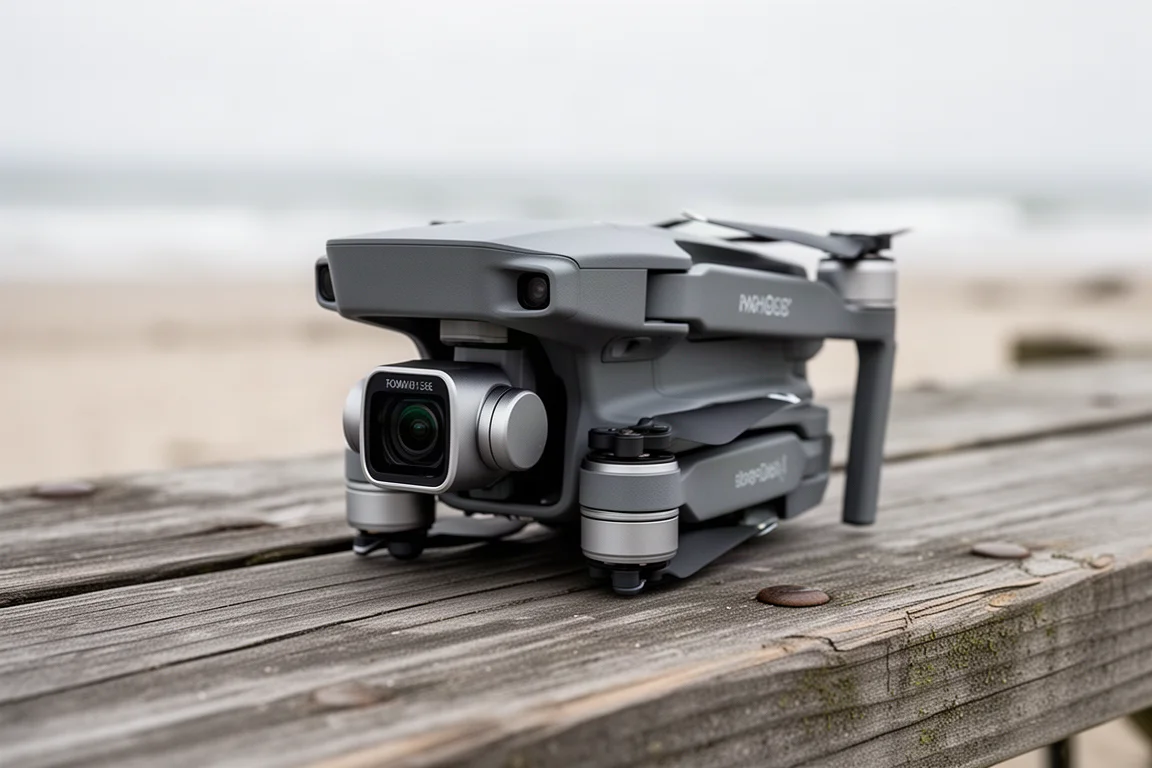
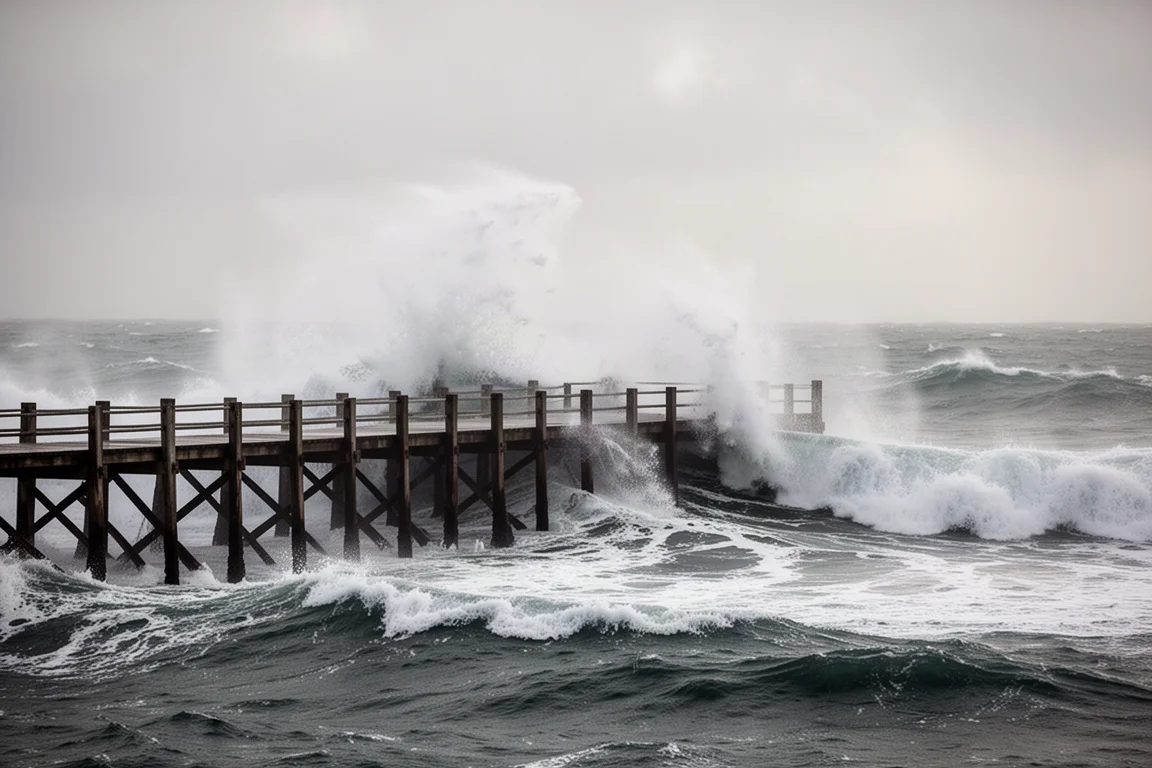
Wind tests are where camera drones earn or lose their reputation, and the DJI Mavic 3 Classic has now been put through one of the more demanding versions of that test. Gusts on this occasion were approaching 70 kilometers per hour, strong enough that waves were breaking over a pier and a tripod had to be abandoned for a camera set low on the ground. The conditions were described as the highest wind test attempted, and expectations going in were honestly low.
What followed was a genuinely instructive session: takeoff struggles, sport mode rescue, stable hovering once GPS locked in, automated tracking that held up, and a smooth landing just before a temporary flight restriction took effect. Here is what that performance tells you about the drone.
How It Handled the Wind
The opening moments were the roughest part of the entire flight. On lift-off, the drone immediately struggled, and the recommendation from the experience is clear: in extreme gusts, switch to sport mode quickly. Sport mode provides the extra authority needed to fight back against the wind and reposition the aircraft.
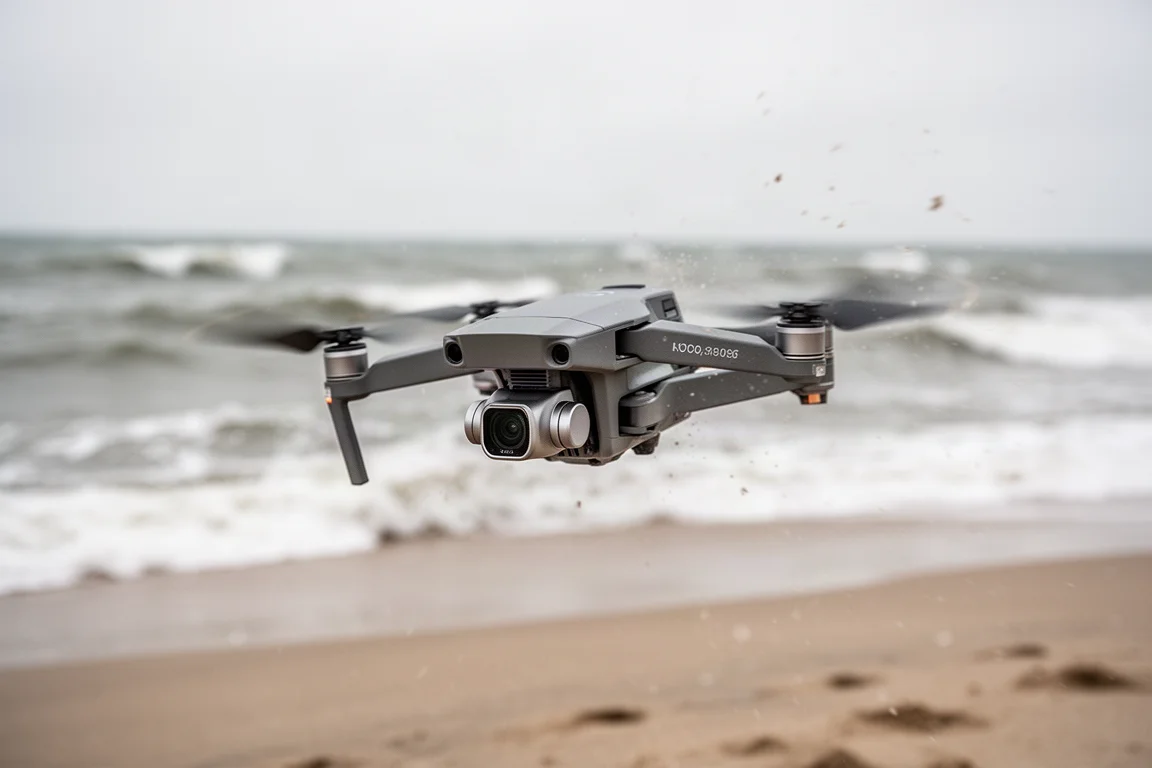
Once GPS locked in, the behavior changed dramatically. Using the downward optical sensors, the drone held its position remarkably still, with gusts nudging it around but the overall result described as better than expected. The advertised wind speed rating sits just below the sport mode top speed, and the practical guidance is that as long as the wind is roughly at or below your sport mode speed, you are in a workable zone. On this day the flight sat right on that edge, which made it spicy but survivable.
Flight Modes Under Pressure
There are three core advertised speeds across the Mavic 3 line: a normal speed, a wind speed, and a sport mode speed. The wind speed rating being below sport mode speed is deliberate, and in conditions like this one the drone had to stay in sport mode to hold its own.
Altitude matters in strong wind, because winds generally increase as you climb. Flying lower brought real gains, with wind speeds near the surface noticeably reduced and the drone becoming usable again after struggling at full left stick higher up. The lesson for anyone flying in marginal conditions: if the aircraft stops making progress, descend rather than push harder.
Automated Modes in Rough Air
This is where the test became genuinely impressive. Active Track worked in winds near 70 km/h, though it requires recording in 4K, the highest mode the feature supports on this drone. Locking onto a large moving ship, the drone followed it successfully while the operator moved around it freely.
A POI orbit around a distant lighthouse followed, and the resulting footage gave no hint that winds were blowing near hurricane levels. It was also possible to use the optical zoom, up to 2x and 3x, for a closer look at the incoming ship. One note: the Mavic 3 Classic has no second telephoto lens, which is reserved for higher-end Mavic models, so zoom here relies on the main camera rather than a dedicated tele camera.

Gimbal performance stayed clean throughout, with full gimbal control available and no visible problems even as gusts hammered the airframe.
Landing and Flight Time
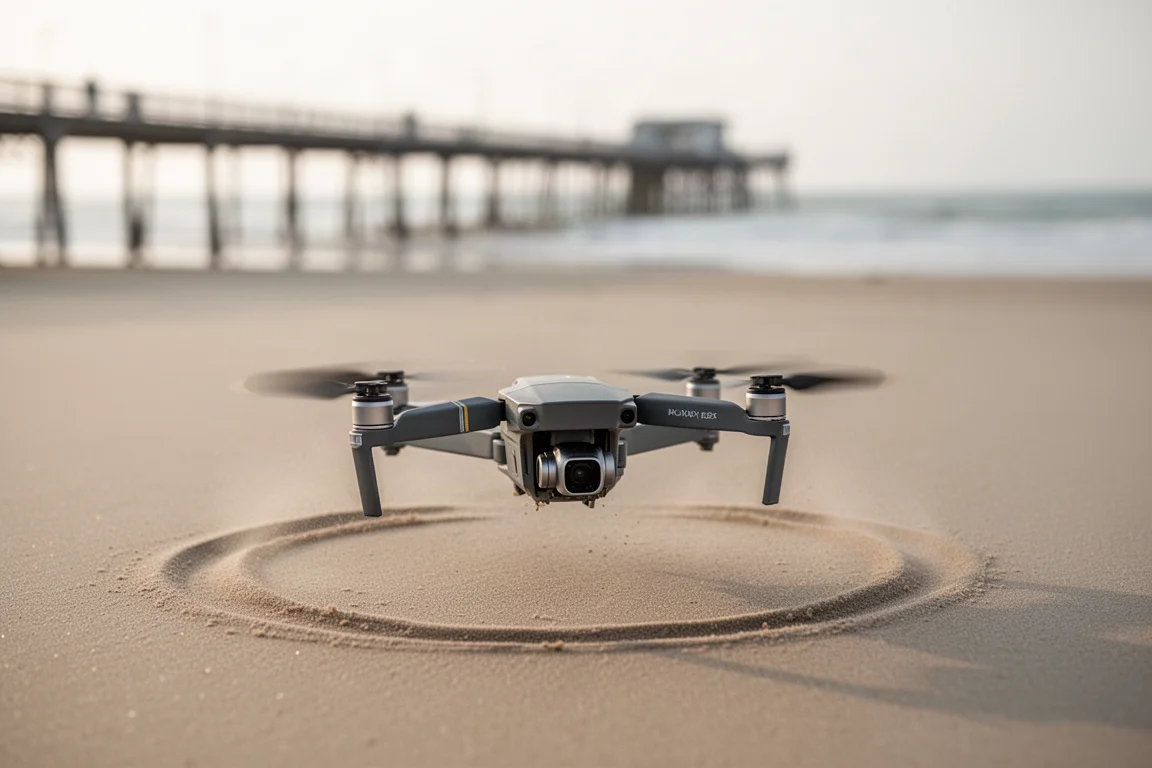
The approach to landing was deliberately cautious. With conditions rough over the pier, the pilot chose to land on the open beach instead, where the air was smoother and the touchdown could be watched closely. The landing was smooth and clean.
A detail worth noting for local flyers: a temporary flight restriction zone was set to take effect at 10:00 in the area, and the flight was wrapped up before it began, touching down at 9:59. The drone did well overall, with the verdict that it handled the wind just fine.
Buying Advice
For buyers, the picture from this test is straightforward. The Mavic 3 Classic is a strong choice if you want flagship-adjacent flight performance without the cost of the higher-end models that carry a second telephoto lens. It held position in extreme gusts, ran automated modes reliably, and delivered stable footage throughout. If your flying often involves coastal wind or open plains, the demonstrated margin in gusty conditions is a meaningful point in its favor. If you need a dedicated telephoto lens for long-range shots, the higher-end Mavic 3 variants are the ones that carry it.
Conclusion
The DJI Mavic 3 Classic came through one of the toughest wind tests it could plausibly face: gusts near 70 km/h, Active Track and POI modes working in the air, stable hover, clean footage, and a controlled landing. For a drone sitting below the top of the Mavic 3 range, that is a confident performance.
Product link
View more details for DJI Mavic 3 Classic
This product is mentioned in the review. Check the specifications, options, and compatibility before buying.
View more details for DJI Mavic 3 ClassicFurther reading
Related Reviews
Drones
Best Budget Camera Drones Under 3000: Five Practical Options for Video and Photography
Five affordable camera drones with HD video capability and stable flight performance, each suited to different needs and budgets.
Drones
Best Budget Drones Under $200: Five Practical Options for 2026
Five budget-friendly drones with GPS, 4K cameras, and FPV capabilities. Real strengths and trade-offs to consider before buying.
Drones
Best Drone Cameras Under $500: Five Options for Different Needs
A practical guide to five drones under $500, covering portability, flight time, camera quality, and key features to help you choose.