Drones
DJI Flip Review: Ambitious Follow Drone, Fragile Execution
A full tracking stress test of the DJI Flip reveals a drone that follows along, but struggles with speed, wind, and durability.
Introduction
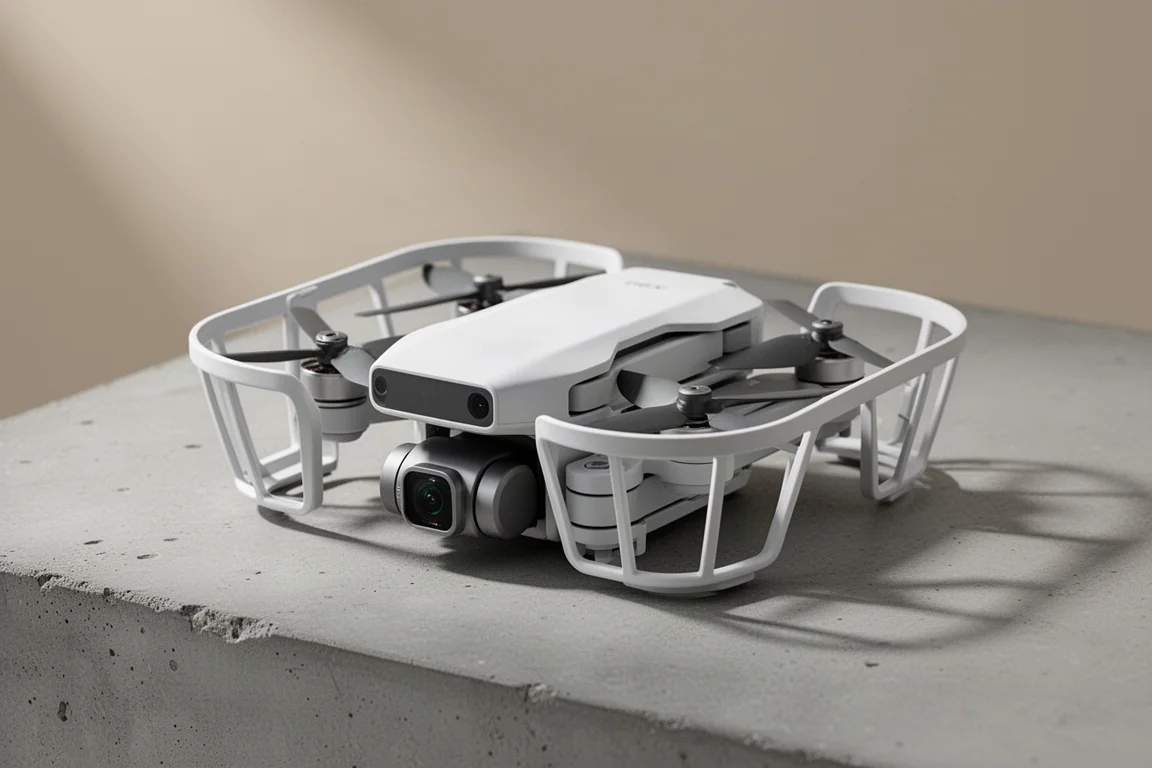
The DJI Flip entered its tracking stress test as one of the more interesting lightweight drones on the market: a fully enclosed prop design you can toss into the air from your hand, with no controller required. The test course is deliberately brutal. It includes a tunnel of thin tree branches that routinely takes down drones, a wide open transition section that sounds easy but trips up plenty of aircraft, a high-speed tracking stretch, and finally a run through deep woods.
The benchmark to beat is the Hover X1 Pro, which previously completed the entire course without a scratch. The Flip did not get close. It tracked, it followed, and it produced usable footage, but along the way it picked up damage that ultimately ended the test with a broken gimbal. Here is what that experience tells you about whether this drone deserves a place in your bag.
How the Tracking Works
The Flip offers three main ways to run subject tracking. The first, and the most liberating, is the fully standalone mode: no phone, no controller. You simply select follow mode on the drone and toss it into the air. This is the use case most people buy a drone like this for, and it works as advertised. The second option adds your phone as a preview screen, useful for framing and for changing settings on the fly, though the phone itself does not do the tracking. The third is one of the two optional controller accessories, which unlock additional tracking modes but change the whole point of a pocketable, hands-free drone.
In practice, standalone follow mode keeps the drone behind you and it does hold its angle reasonably well at moderate pace. But there is a major caveat: this drone has no obstacle avoidance in follow mode. It simply follows along, and anything in its path, from branches to weeds, is entirely your problem.
Speed and Distance Limits
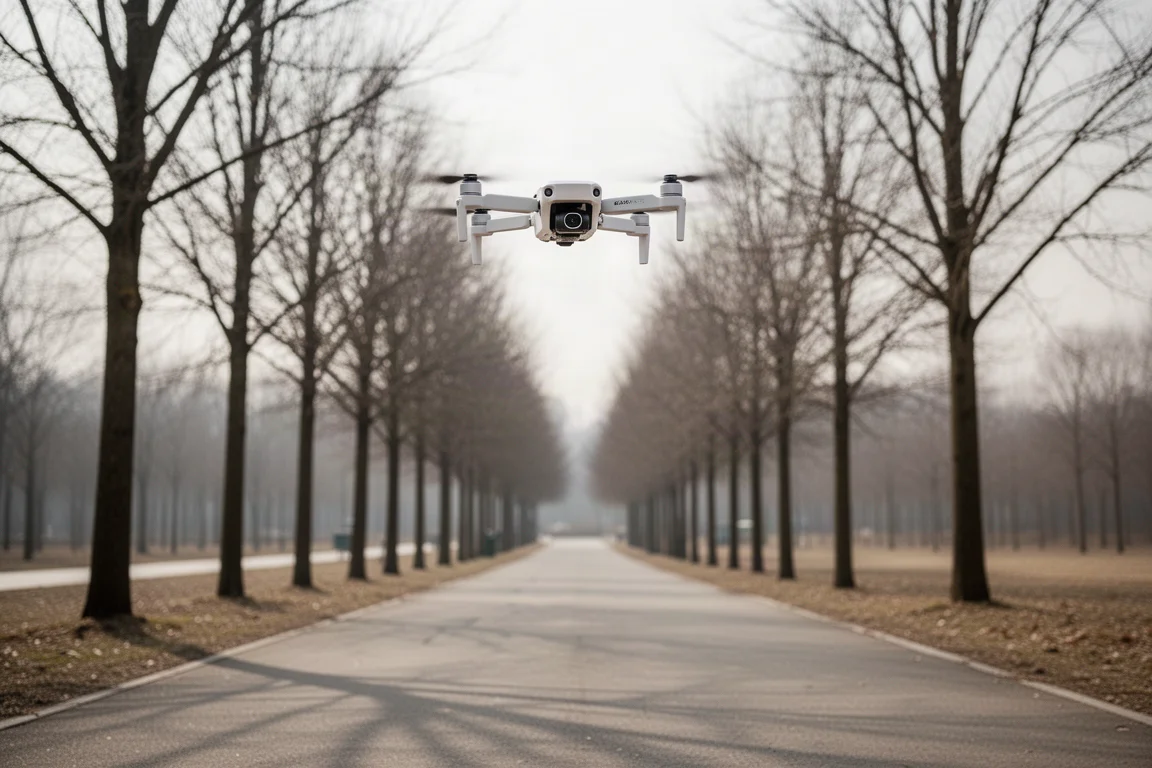
Speed is where the Flip shows its core weakness. Even flying manually, it is slow compared with most other DJI drones, and active tracking amplifies that. During the high-speed section, tracking held up to about 40 to 41 km/h, which is roughly the drone’s ceiling. At that pace it visibly struggled, falling behind, throttling down to catch up, and only rejoining after the rider slowed.
Distance is the other recurring issue. When the subject pulls too far ahead, the Flip tends to fade off rather than push hard to recover. It also has trouble in wind. The enclosed body catches air easily, so even a light wind made it look and behave far less stable than it should.
The side-offset Direction Track mode is a nice idea for cinematic framing, but it does not stay offset for long. As speed increases, the drone slides back behind the subject, ending up barely off-axis instead of properly to the side.
Durability and Crash Behavior
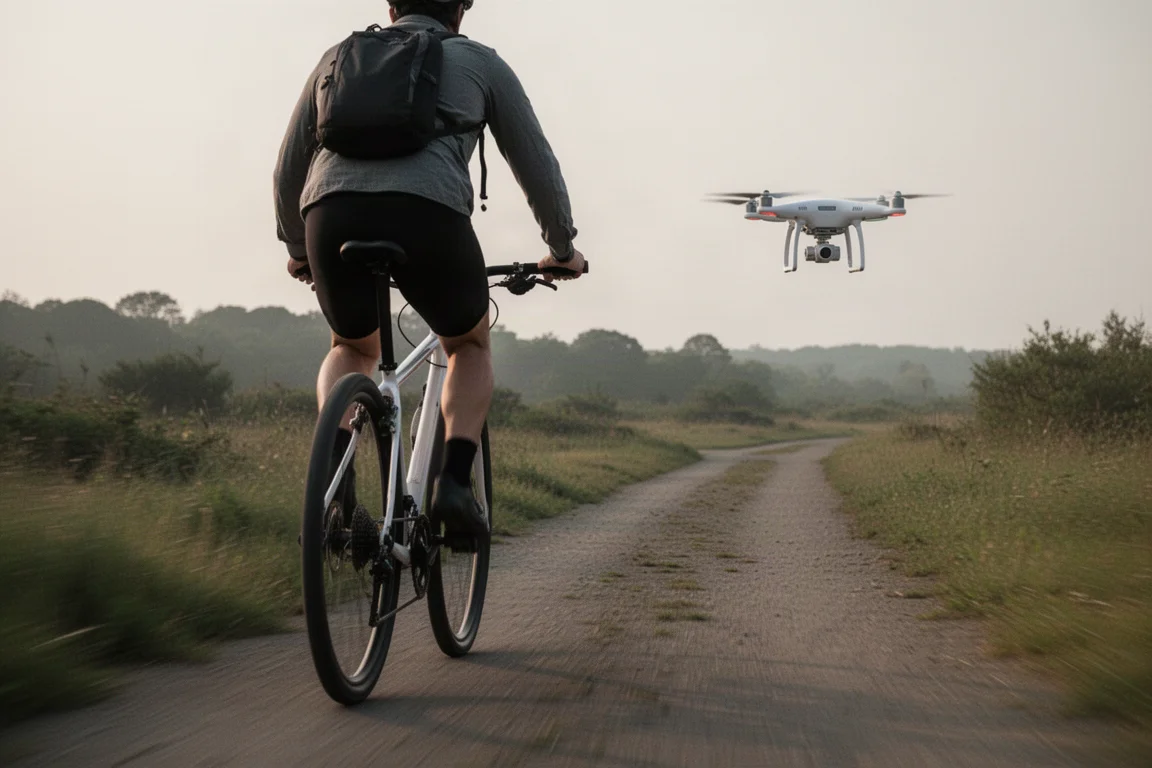
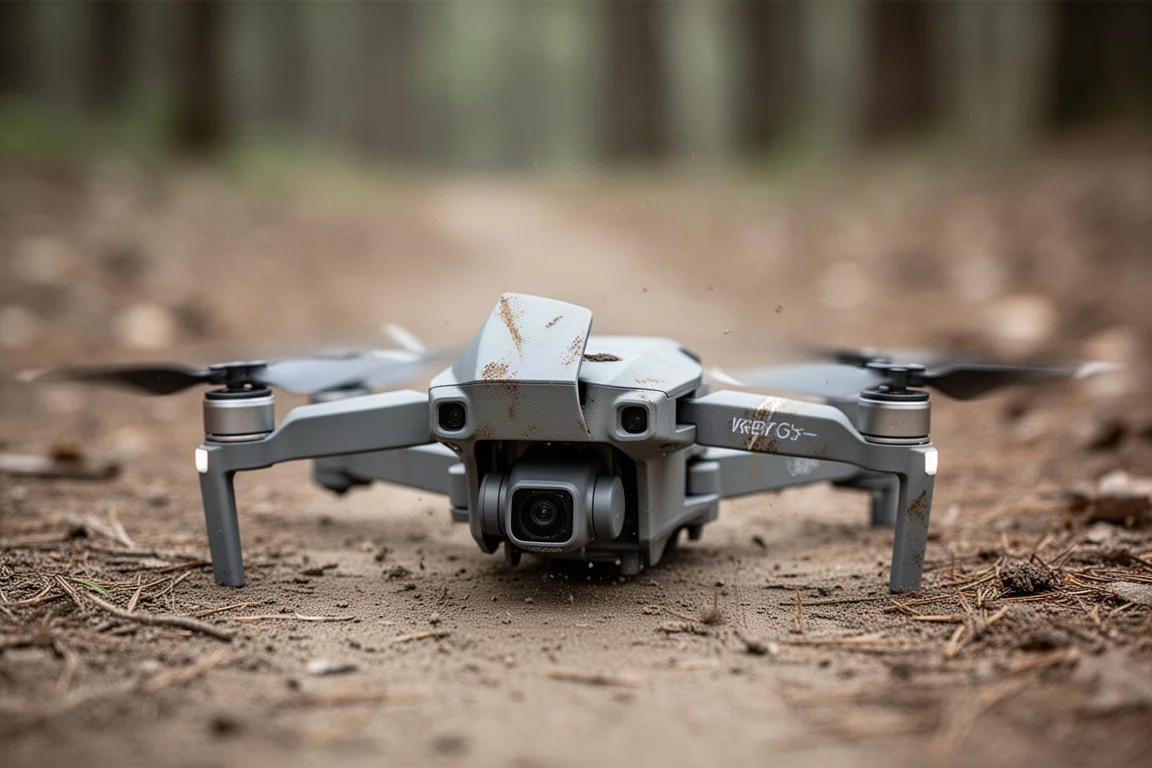
One selling point of the fully enclosed prop design is that you can crash it a lot and it should keep flying. The exposed front gimbal is the vulnerable part, but in theory the prop guards take the hit first. On a hard tree-lined stretch, the Flip did bounce off branches and keep going, which is genuinely encouraging for crash-prone use.
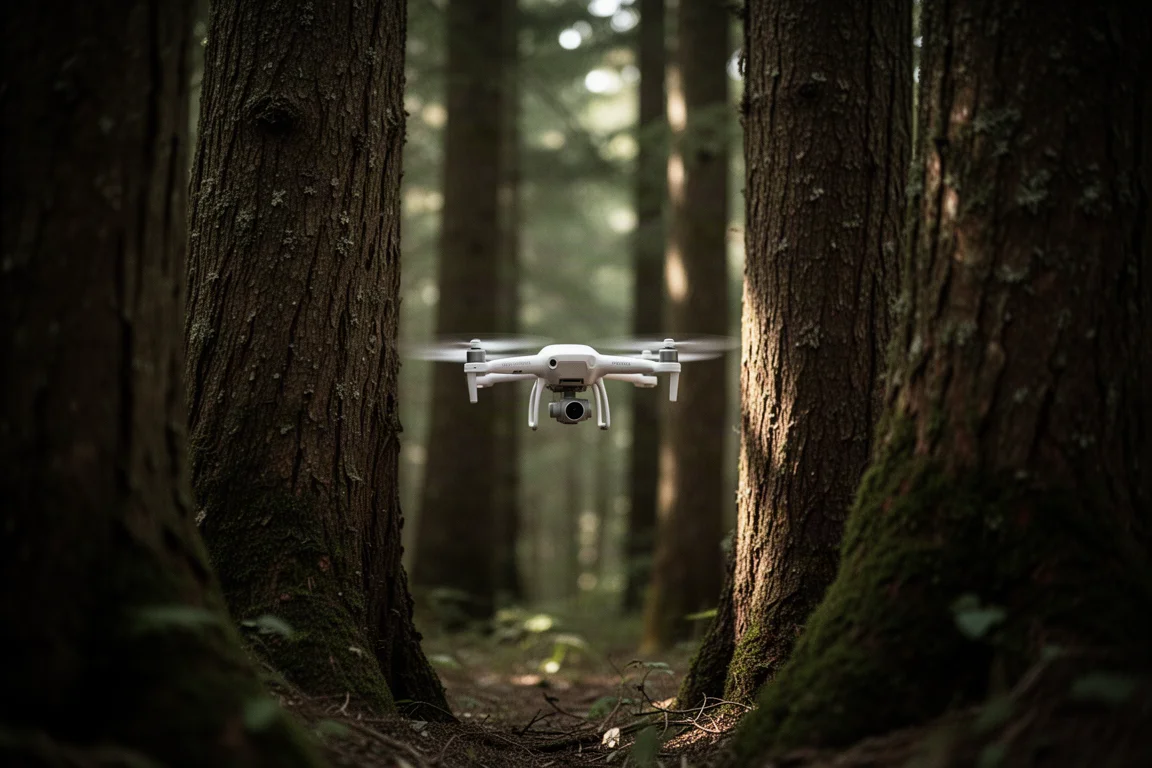
The woods, however, were its undoing. It first flew itself way up into a tree and needed a phone connection to rescue it, a lesson worth remembering: always pair your phone before risky flights so you can bring the drone back down manually. Then, on the deep woods run, it climbed inexplicably high, clipped branches, and picked up scuff marks. On the final attempt, it took a direct-enough hit that the gimbal came away visibly crooked, and after that the footage tilted for the rest of the test. For a drone whose whole pitch is forgiving crashes, that is a meaningful disappointment, especially against the Neo, which shrugs off impacts and keeps flying like it is riding a wave.
Things to Consider Before Buying
The Flip’s biggest strengths are real ones. The hand-launch, no-accessory workflow is genuinely convenient, the follow mode is usable at everyday cycling and jogging speeds, and the enclosed props make it far friendlier around trees and people than open-rotor drones. If your use case is casual, low-speed, wide-open-area footage, it can deliver.
But the weaknesses stack up. Tracking is only so-so, speed is the limiting factor in nearly every scenario, wind performance is poor, distance recovery is weak, Direction Track does not hold its position, and the gimbal proved fragile in a relatively soft crash. The lack of obstacle avoidance in follow mode means the drone cannot protect itself in anything other than open terrain. Taken together, it is a product that feels like it needed another design iteration before release, and it is hard to imagine this exact model getting a follow-up rather than being replaced by an evolved version elsewhere in the lineup.
Buying Advice
Buy the DJI Flip only if your priority is the simplest possible hands-free capture in open, calm conditions, and you are willing to accept modest speeds and treat the gimbal with care. If you expect to track at high speed, fly in wind, or fly anywhere near trees, other options in DJI’s range will serve you better. If you do buy it, pay for a care refresh plan and keep your phone paired for emergency recoveries.
Conclusion
The DJI Flip tracks, but it does not truly follow. It held a line at moderate speeds and survived several crashes, yet its slow top speed, wind sensitivity, weak distance recovery, and ultimately broken gimbal meant it fell well short of the standard set by its main rival. As a hands-free follow camera, it is a compromise; as a durable pocket drone, it still needs work.
Product link
View more details for DJI Flip
This product is mentioned in the review. Check the specifications, options, and compatibility before buying.
View more details for DJI FlipFurther reading
Related Reviews
Drones
Best Budget Camera Drones Under 3000: Five Practical Options for Video and Photography
Five affordable camera drones with HD video capability and stable flight performance, each suited to different needs and budgets.
Drones
Best Budget Drones Under $200: Five Practical Options for 2026
Five budget-friendly drones with GPS, 4K cameras, and FPV capabilities. Real strengths and trade-offs to consider before buying.
Drones
Best Drone Cameras Under $500: Five Options for Different Needs
A practical guide to five drones under $500, covering portability, flight time, camera quality, and key features to help you choose.