Drones
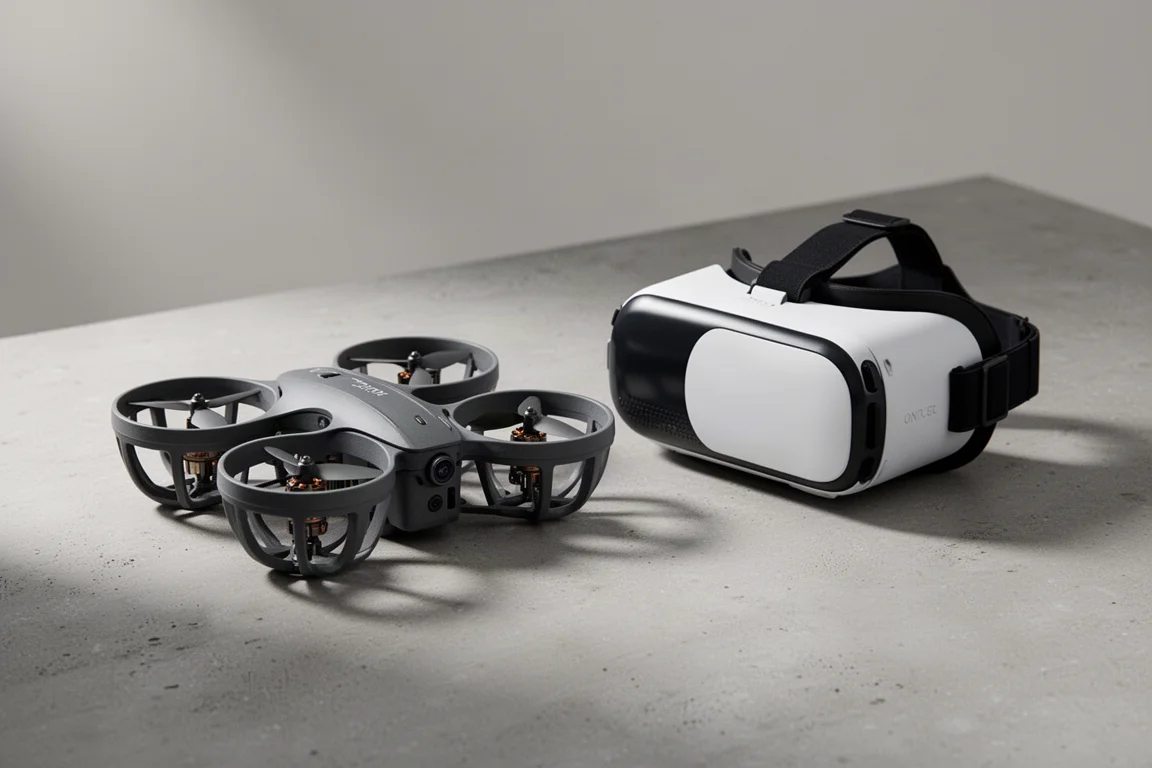
DJI Avata FPV and DJI Goggles 2: How They Handle High Wind
A close look at how the DJI Avata FPV drone and DJI Goggles 2 perform in sustained winds over 50 km/h, including stability, range limits, and practical flight tips.
Introduction
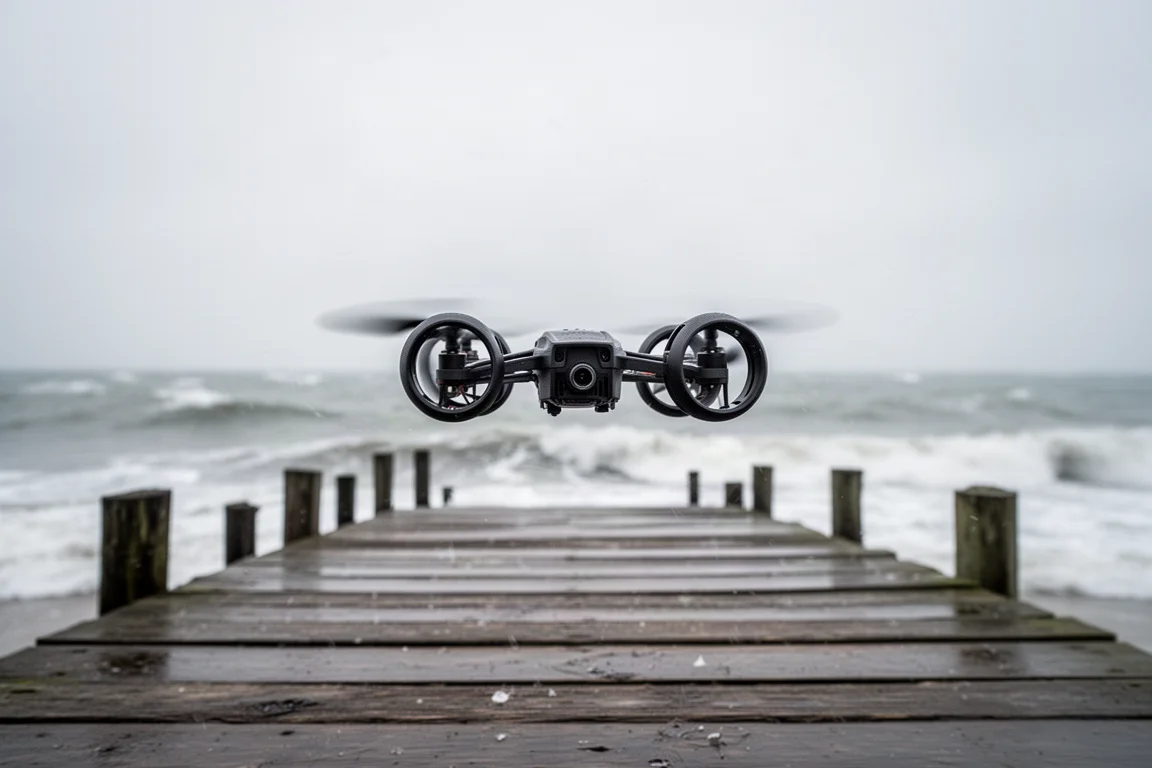
Most drone reviews are shot in forgiving conditions. This one was not. The DJI Avata FPV was flown in sustained winds measured at over 50 km/h, using two official weather sensors at either end of a coastal pier. That is brutal territory for any small drone, and it makes for one of the most honest stress tests you can put an aircraft through.
Flying in Winds Over 50 km/h
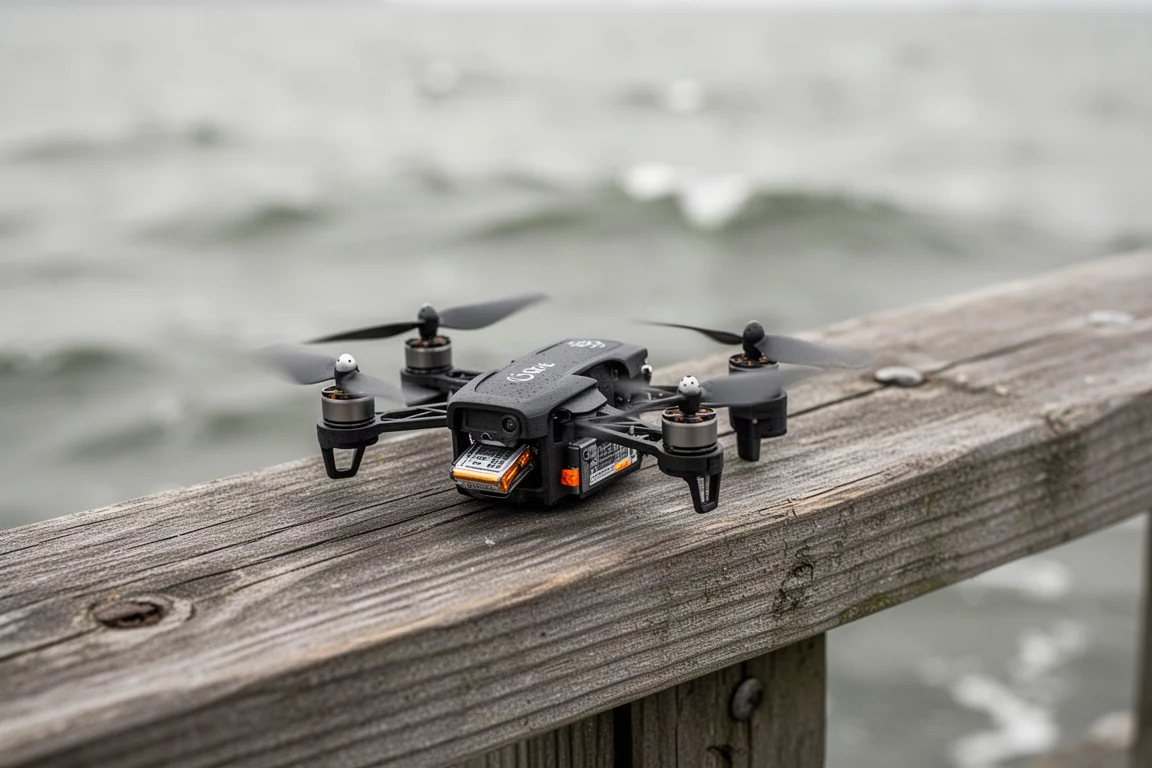
The Avata handles itself remarkably well in these conditions. Close to the ground it relies on downward optical and depth sensors to hold position, and once it climbs past roughly 8 meters it switches to GPS to stay put. Even with strong gusts pushing it around, the aircraft held its position with almost no drift, to the point where hands could come off the controller entirely and it would barely shift.
One thing worth understanding: the drone visibly tilts into the wind, sometimes approaching a 45 degree angle just to hold ground. That looks alarming in the goggles, but the aircraft remains easy and predictable to control throughout. Low over the water and around obstacles, control felt no different from a calm day.
Speed, Modes, and What the Wind Allows
In normal mode the Avata cruises around 7 to 8 m/s. Sport mode pushes that past 12 to 13 m/s even against the wind, with a stated ground speed ceiling of 50 km/h. Manual mode unlocks up to 100 km/h, but in winds this strong that is simply not worth the risk: counteracting every gust in full manual is a fast way to lose the aircraft into the sea.
There is also a behavioral quirk to know about. Unlike some other DJI drones, the Avata caps its speed in wind-assisted flight rather than using every bit of power available. Downwind runs top out at sport-mode maximums even when the aircraft could theoretically go faster.
Stability and Footage Quality Under Stress
The camera recording is where the Avata quietly impresses. In RockSteady mode, footage filmed circling a channel marker lighthouse in full crosswind came out genuinely smooth, with no jello or stutter despite the extreme attitude of the aircraft. HorizonSteady takes it further by leveling the horizon completely, which removes the tilt from the frame entirely, though it crops a significant portion of the image, so you need to fly a bit closer to your subject.
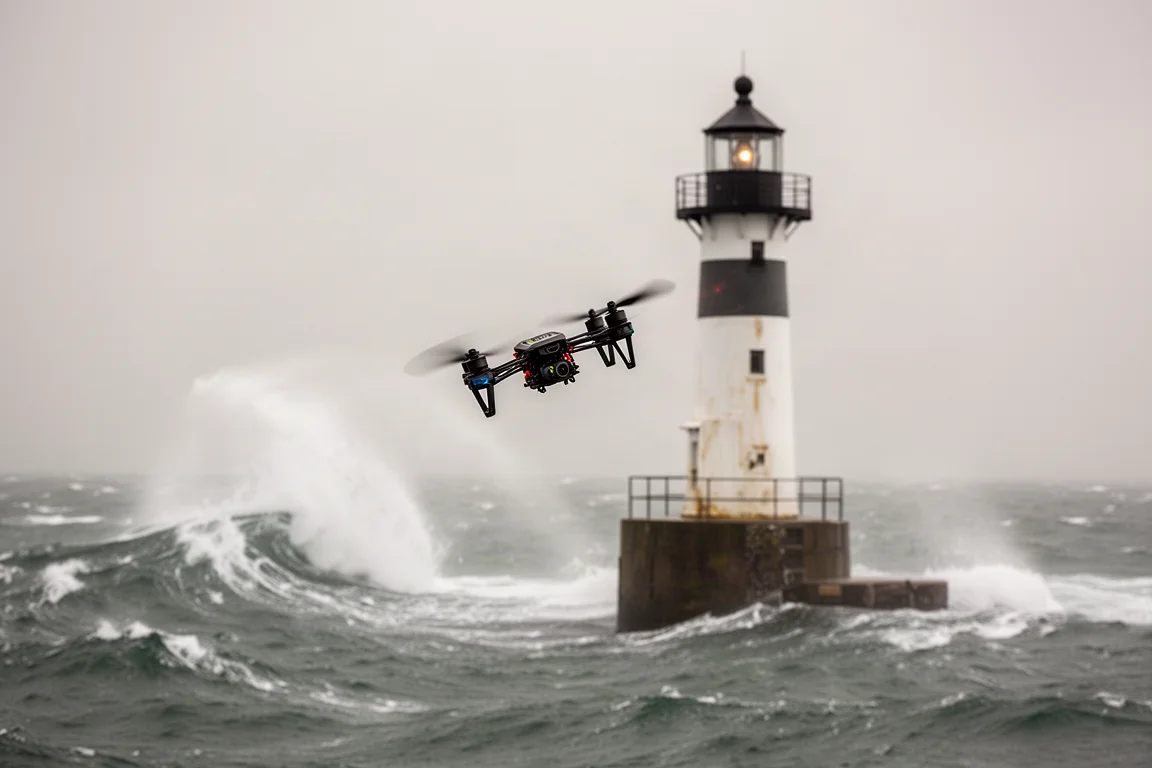
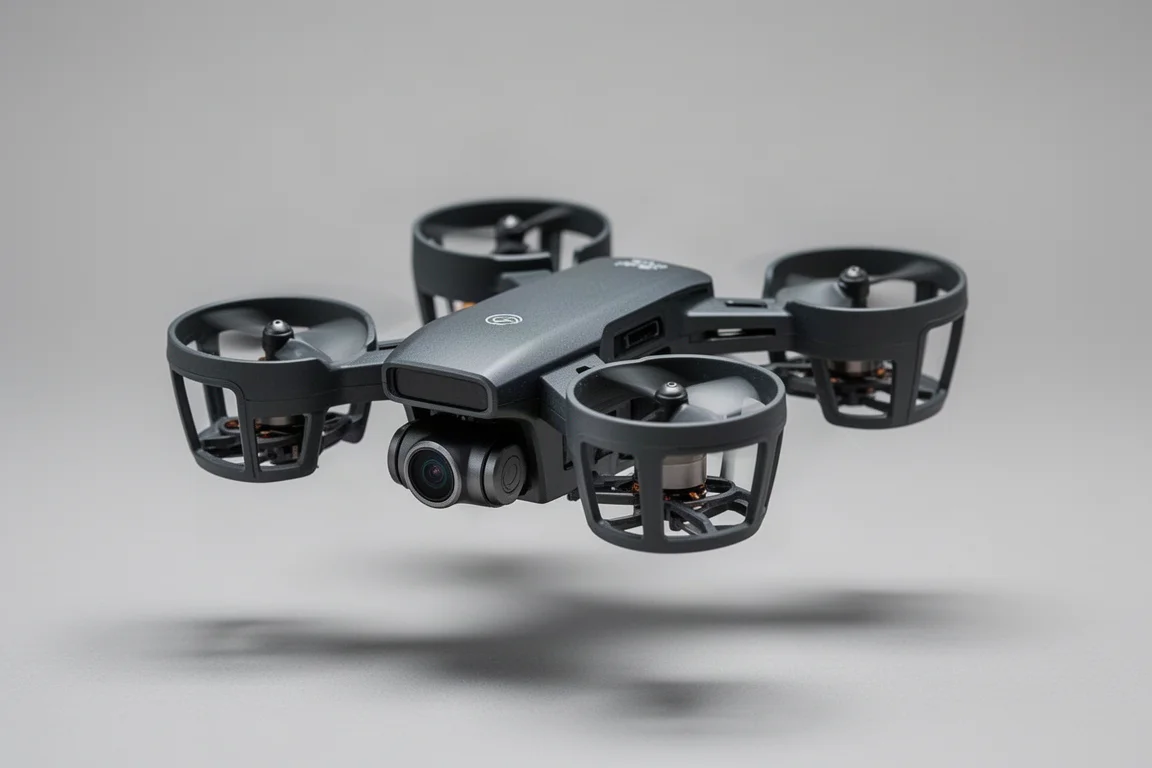
The gimbal also behaved normally throughout, tilting up and down without issue. The only framing caveat is that the bottom edge of the aircraft can creep into the frame depending on your wind angle, and even in calm conditions you cannot get a perfectly straight-down shot without the frame appearing.
DJI Goggles 2 and Range Limits
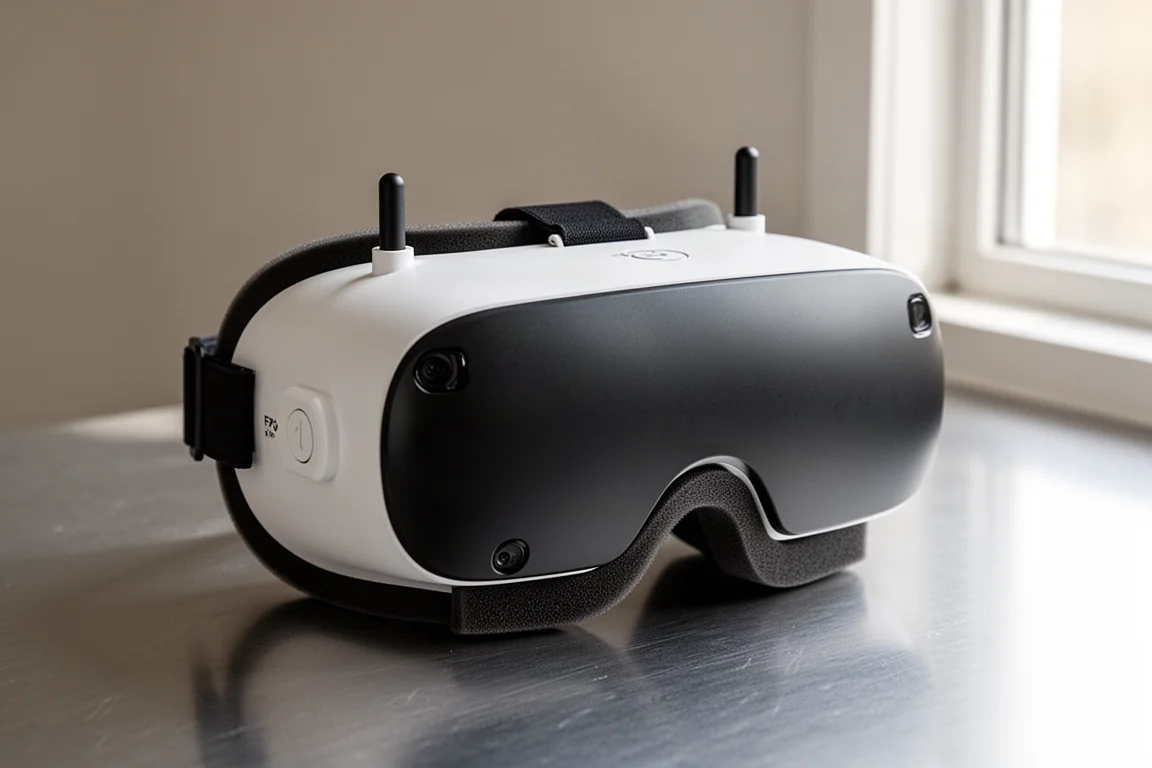
The goggles matter more than you might think in wind. Flying in the EU, the DJI Goggles 2 operate under stricter transmission rules, so range is capped at 2 km in theory and closer to 1 km in practice. Under FCC rules, as in the US, the range opens up substantially. Even so, signal degradation showed up regularly at distance, with the HD indicator flickering between orange and red, though control never felt compromised.
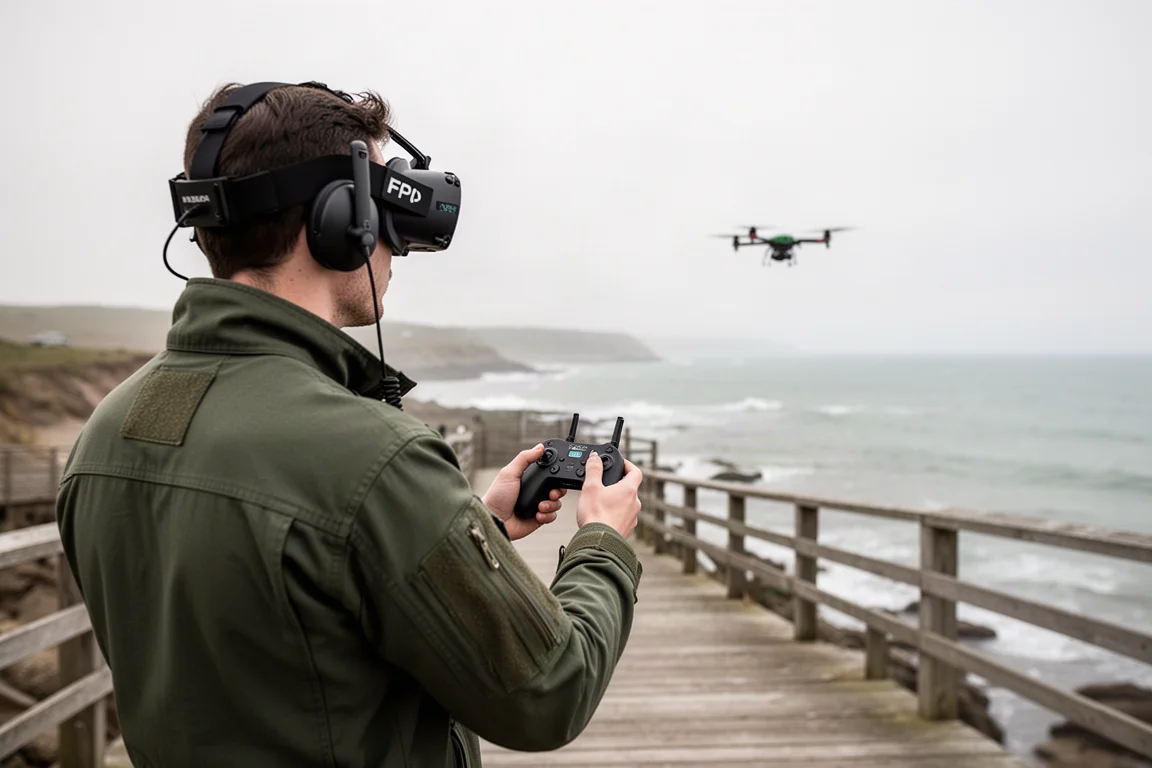
Swapping to the older Goggles V2 is an option for more range, but it makes features like in-goggle screen recording more cumbersome to work with. For most pilots, the Goggles 2 experience is worth that trade-off.
Practical Tips for Windy Flights
A few lessons from flying in weather like this are worth carrying into any windy session. Battery drain is significant: one flight started at roughly 90 percent and ended at 13 percent, with the wind doing much of the damage. Plan shorter flights than you think you need.
If you struggle to make it back, get low. Wind speeds decrease near the ground, so descending can buy you the headroom you need. And always define an out before takeoff, a place you know you can land if things go wrong.
There is also a surprising self-recovery story worth mentioning: during one sport-mode flight, a small quick correction combined with a strong gust flipped the aircraft completely. Rather than shutting off, it righted itself mid-air and continued flying, a fail-safe DJI has built into its drones for years.
Conclusion
The DJI Avata FPV proved genuinely capable in winds exceeding 50 km/h, with confident GPS positioning, smooth stabilized footage, and a remarkable ability to recover from an unexpected flip. The DJI Goggles 2 deliver a clean flying experience, with EU transmission limits being the main compromise for pilots outside the US. Together they make a strong FPV pairing for anyone willing to fly in less-than-ideal weather, provided you respect battery drain and always keep a safe landing option in mind.
Further reading
Related Reviews
Drones
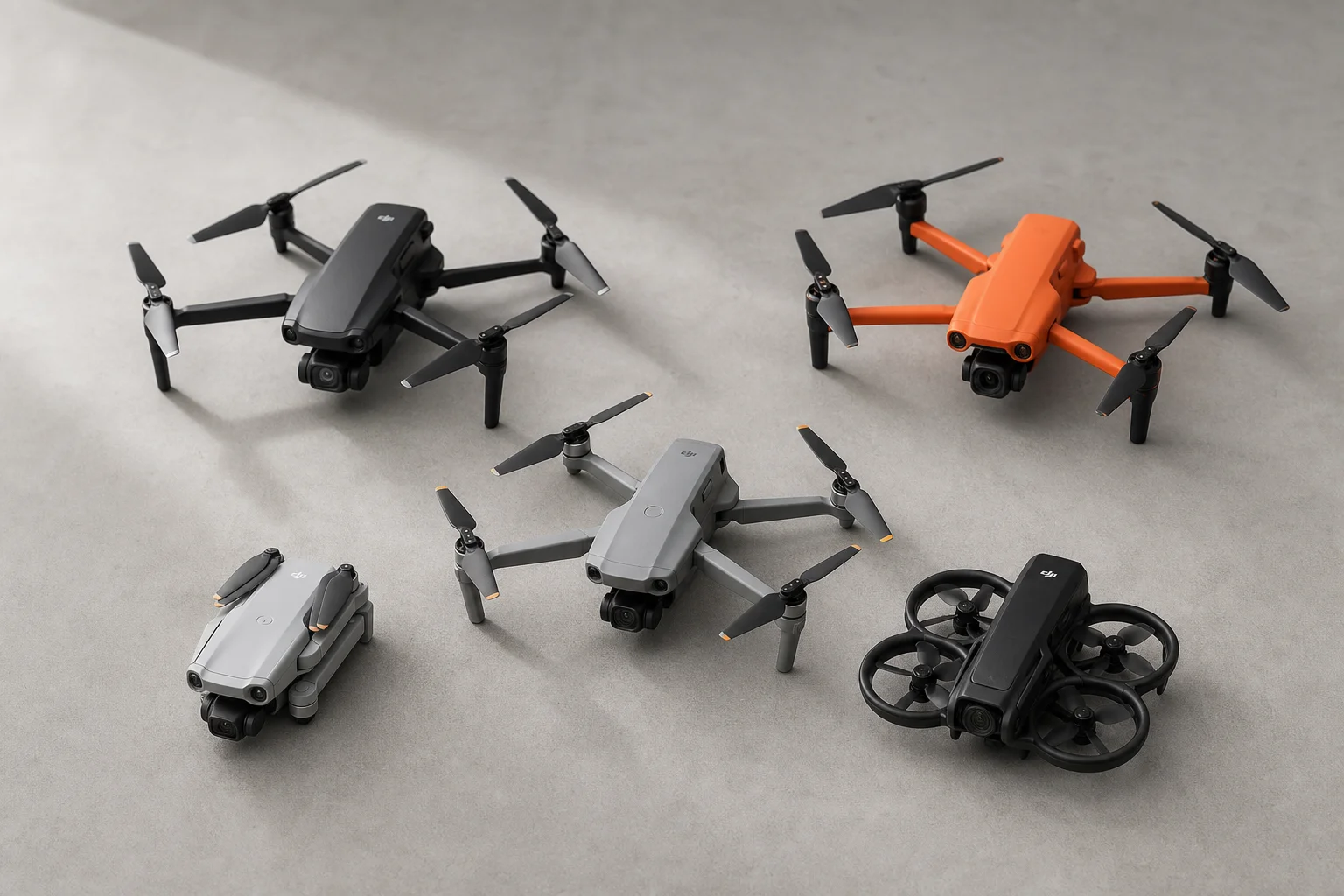
Best Budget Camera Drones Under 3000: Five Practical Options for Video and Photography
Five affordable camera drones with HD video capability and stable flight performance, each suited to different needs and budgets.
Drones
Best Budget Drones Under $200: Five Practical Options for 2026
Five budget-friendly drones with GPS, 4K cameras, and FPV capabilities. Real strengths and trade-offs to consider before buying.
Drones
Best Drone Cameras Under $500: Five Options for Different Needs
A practical guide to five drones under $500, covering portability, flight time, camera quality, and key features to help you choose.