Drones
DJI Air 3S Review: Impressive Obstacle Avoidance Put to the Test
A hands-on look at the DJI Air 3S and its new LiDAR sensor, tested through trees, open fields, and fast tracking runs.
Introduction
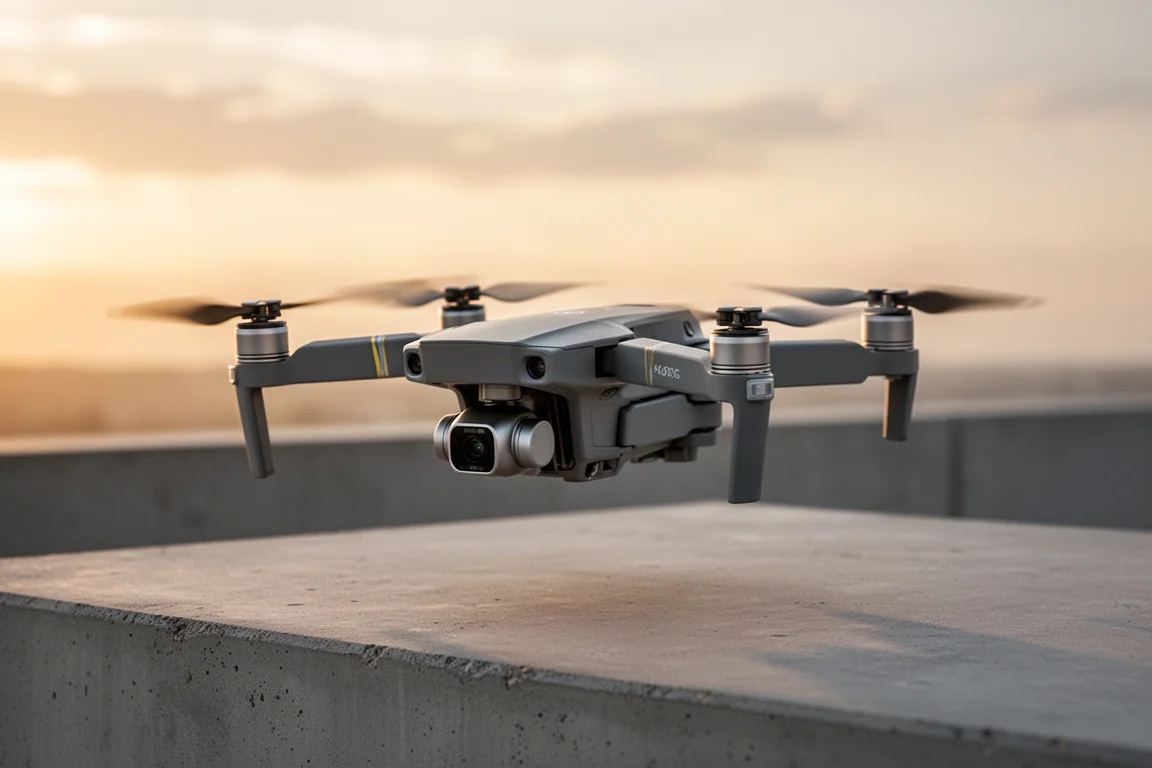
The DJI Air 3S arrives with one headline upgrade that changes how the drone behaves in exactly the situations where earlier models struggled: a new LiDAR sensor on the front. That sensor can detect objects the vision-based cameras cannot see, which matters in low light, among thin branches, and around reflective or transparent materials such as glass and certain metals. We put the drone through obstacle-dense trails, fast tracking runs, and fully autonomous flight to see how much that hardware actually delivers.
Who This Drone Is For
The Air 3S suits riders, runners, and outdoor creators who want a drone that can follow them with minimal babysitting. Its ActiveTrack keeps a subject centered while the drone handles its own camera movements, and the Spotlight mode is a quiet standout: it keeps the subject framed while the pilot controls the drone’s path, which is ideal for solo shooters working on composition. The dual-lens setup, including a 3x lens, is genuinely useful for keeping distance in open areas while still getting tight framing.
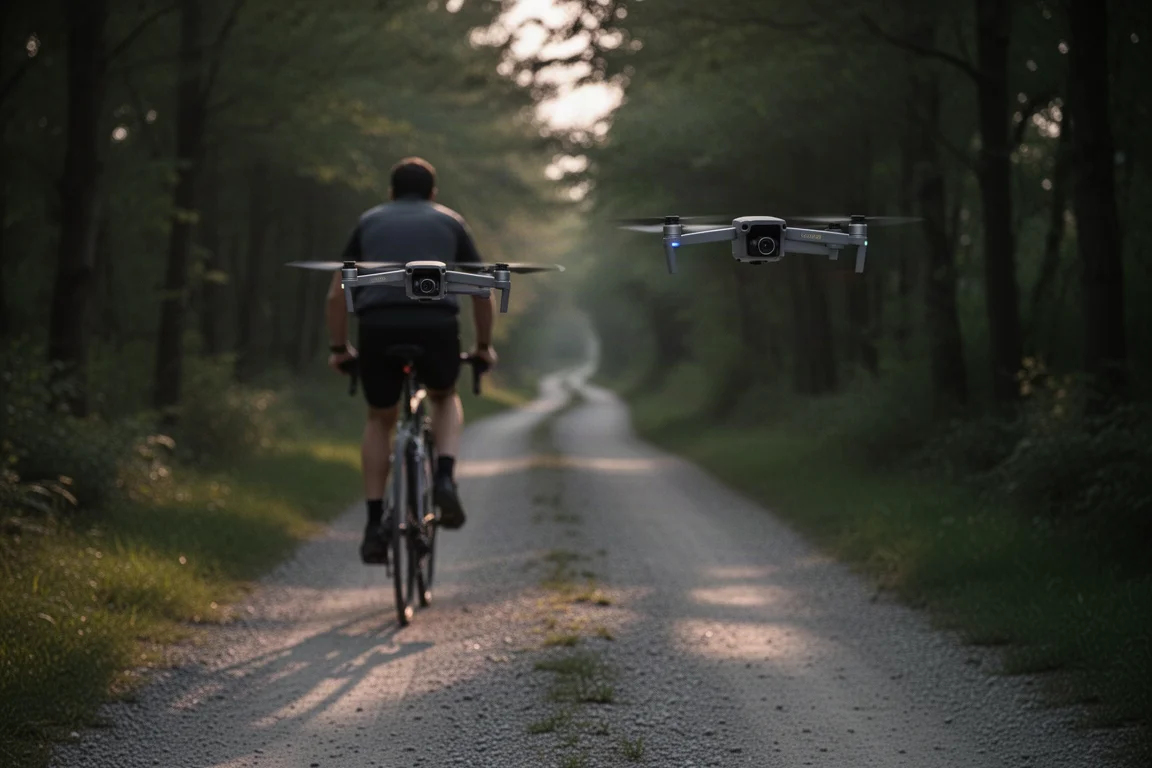
One thing to know up front: unlike smaller, cheaper options, the Air 3S requires a controller at all times. There is no phone-only or controller-free follow mode, which is a notable omission for a drone in this class.
Where It Performs Best
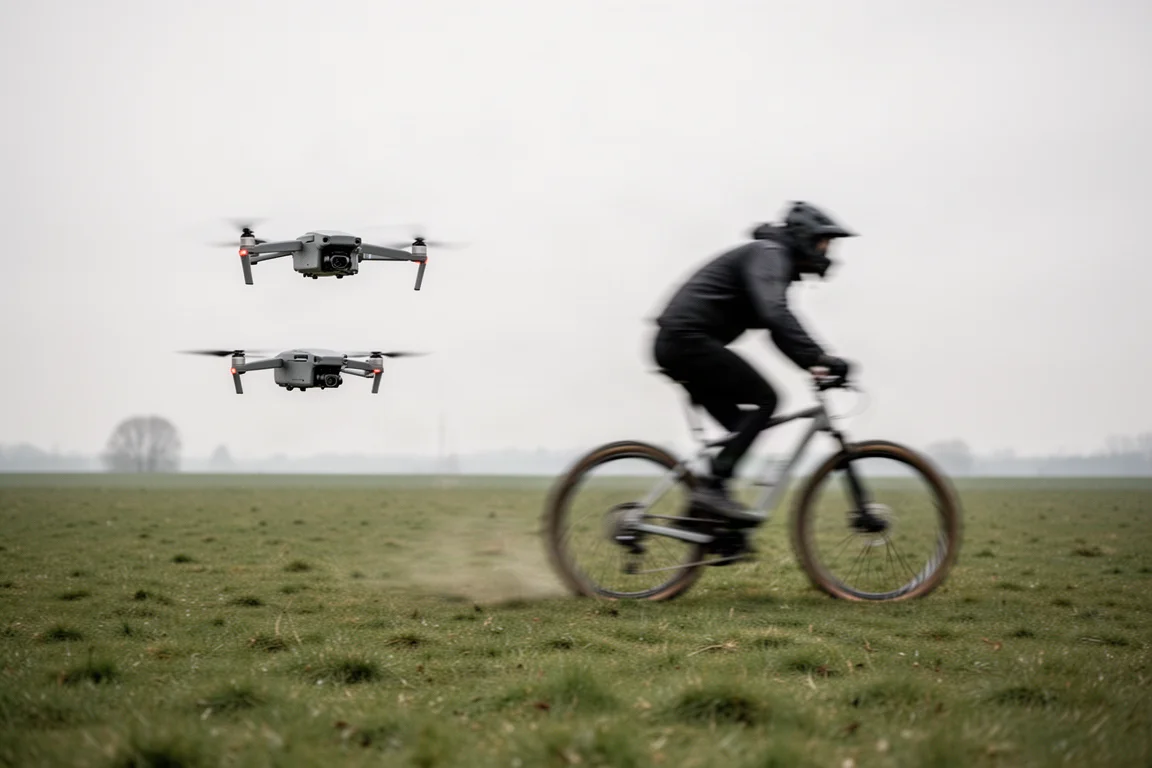
In open terrain and moderate tree cover, the Air 3S tracks well. It kept pace with a cyclist at around 35 km/h into a headwind, capturing usable footage along the way, and it tracks at a higher speed than earlier DJI drones. The new automatic angle feature, which chooses not just a shot but a composition, produced genuinely strong autonomous footage, including sunset shots from off to the side that looked deliberately framed rather than randomly captured.
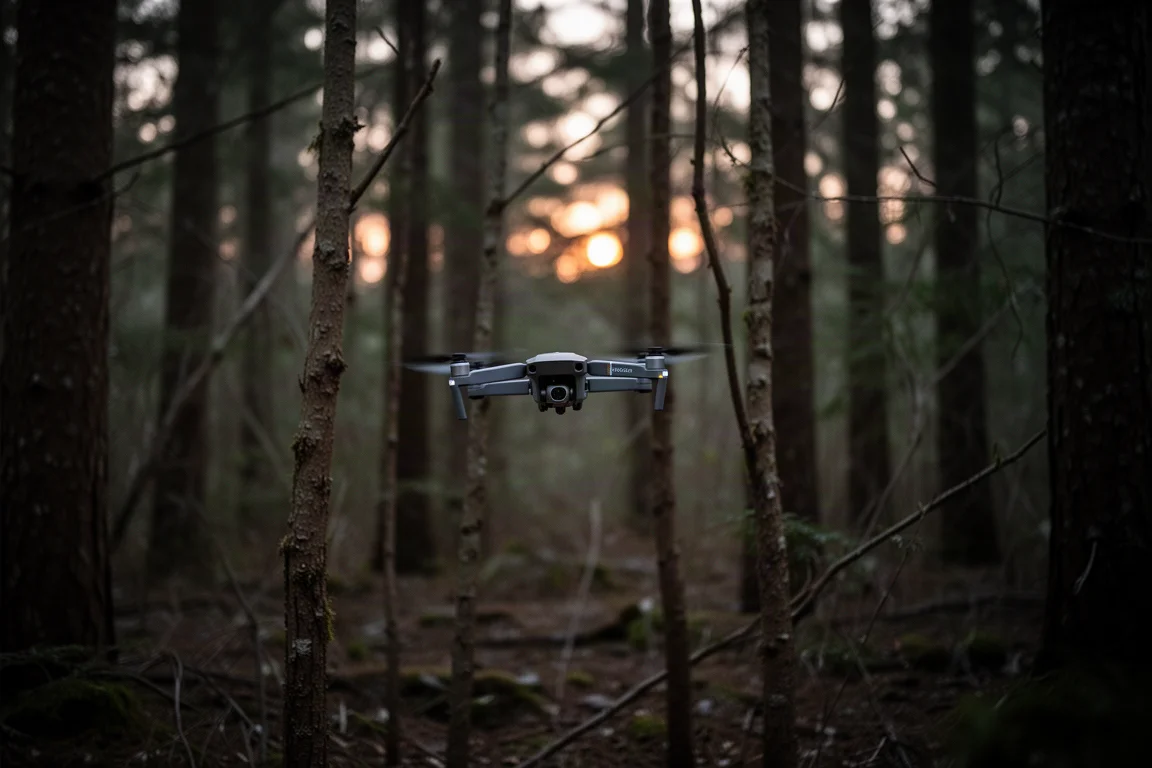
The LiDAR-equipped front sensor also showed its value in a dense forest run shortly before sunset, a scenario where earlier DJI drones would almost certainly have crashed. The drone threaded between branches, recovered from tight spots, and came out without a hard collision. It is not perfectly obedient, and it sometimes climbed when it should have stayed low, but the overall performance was impressively close to seamless.
Things to Consider Before Buying
The tracking experience is not flawless. In tighter tree tunnels the drone needed periodic intervention, and at lower altitudes near vegetation it bounced around noticeably, even though gimbal footage looked smooth. An optional lower-altitude setting helps it stay under two meters, but it still occasionally drifted upward against the pilot’s wishes. On a hard test run it finished with damaged prop tips, so expect some wear if you push it into dense terrain.
Another consideration: a beacon accessory for the Air 3S was reportedly planned but did not make the launch, with it looking more likely to arrive later the following year. Until then, the controller is mandatory. Obstacle avoidance settings also matter: switching the default Bypass action and enabling the radar map are worth doing before your first serious flight.
Buying Advice
If your main use case is following you on roads, fields, and moderate trails, the Air 3S is easy to recommend. The LiDAR sensor is a real step forward for DJI, particularly in low light and around branches, and the automatic composition feature produces footage you would be happy to publish. Adding DJI Care Refresh insurance is a sensible move if you plan to test its limits the way this drone was tested.
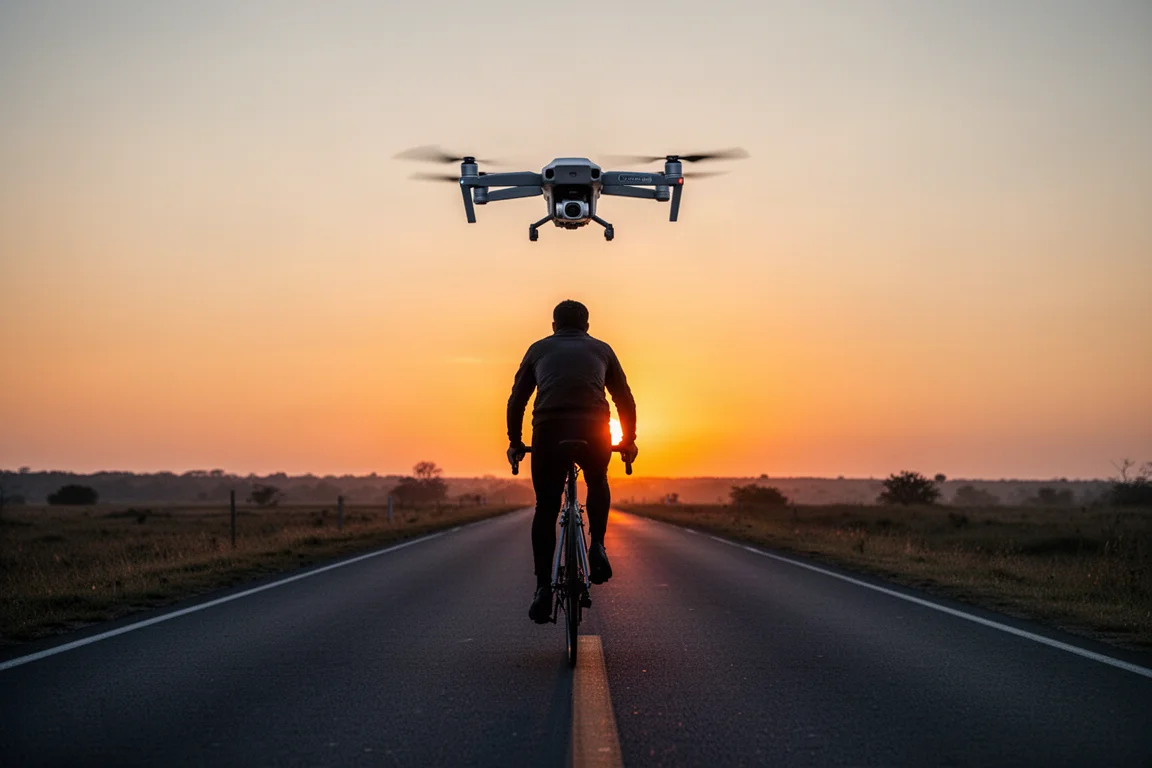
If you mainly fly in wide-open spaces, the LiDAR advantage matters less and any capable tracking drone will serve you. But if trees, dusk riding, or tricky reflective surfaces are part of your routine, the Air 3S is one of the few consumer drones that handled those conditions without ending the day as a box of parts.
Conclusion
The DJI Air 3S is a strong follow-me drone with genuinely improved obstacle avoidance, best-in-class low-light sensing for its category, and polished autonomous footage. It still needs a controller, it can be stubborn near trees, and dense forests remain a challenge, but it survived a gauntlet that would have ended most of its predecessors. For creators who ride into the sunset rather than away from it, that is a compelling package.
Product link
View more details for DJI Air 3S
This product is mentioned in the review. Check the specifications, options, and compatibility before buying.
View more details for DJI Air 3SFurther reading
Related Reviews
Drones
Best Budget Camera Drones Under 3000: Five Practical Options for Video and Photography
Five affordable camera drones with HD video capability and stable flight performance, each suited to different needs and budgets.
Drones
Best Budget Drones Under $200: Five Practical Options for 2026
Five budget-friendly drones with GPS, 4K cameras, and FPV capabilities. Real strengths and trade-offs to consider before buying.
Drones
Best Drone Cameras Under $500: Five Options for Different Needs
A practical guide to five drones under $500, covering portability, flight time, camera quality, and key features to help you choose.