Hand Tools
Disconnect Pliers Compared: Mari HS 175C, Lyle, and Budget Options
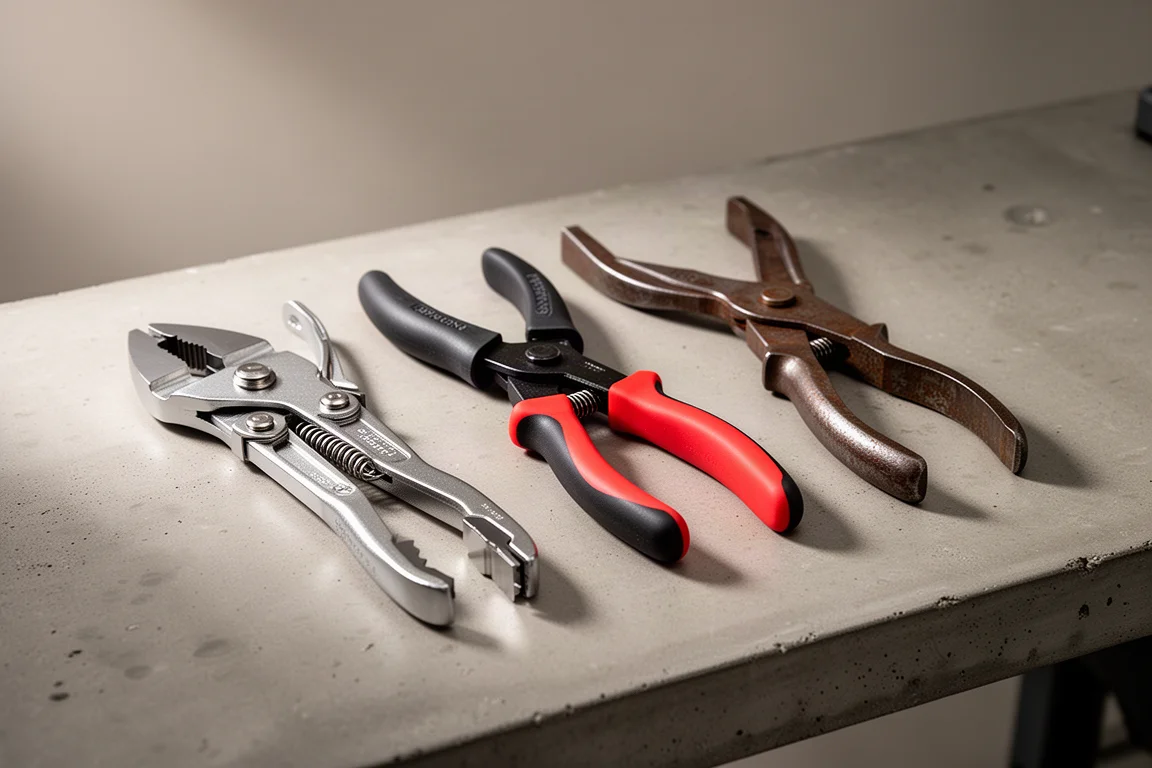
Three tiers of disconnect pliers side by side, from a premium Japanese pair to budget pairs that cost less than lunch.
Introduction
Disconnect pliers seem like the kind of tool where cheap is fine. They squeeze a connector, you pull a line off, done. But putting three tiers side by side reveals a surprising spread in fit, finish, and feel, and a genuinely interesting story about how the same basic design ends up at prices from about $2.50 to around $50.
The Premium Pick: Mari HS 175C
The Mari HS 175C is the favorite of this lineup, and for good reason. It is beautifully made Japanese-quality steel with replaceable pinch blades and a strong, positive return spring. Everything lines up, the action is smooth, and the fit and finish are exactly what you would hope for at this level.
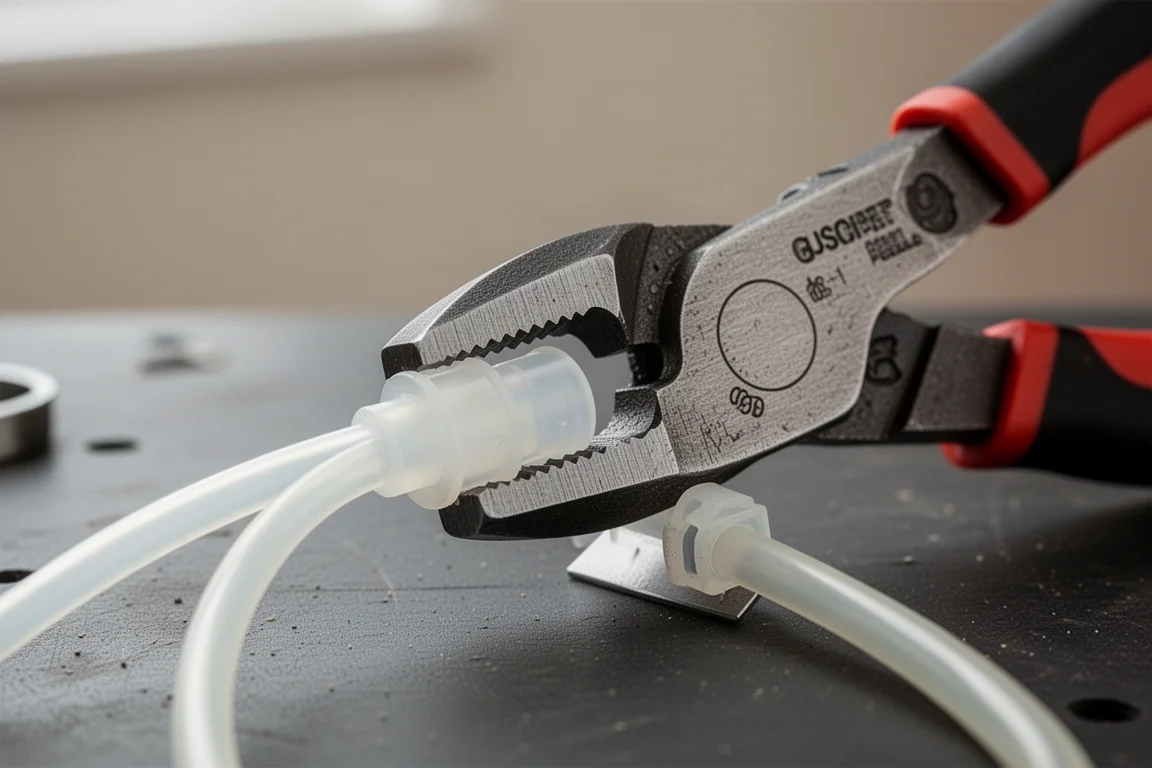
The catch is price. It typically runs about $50, around $49.60 at last check. That is a lot of money for a pair of disconnect pliers on paper, but it is one of those tools where the quality holds up every time you reach for it. If you use these pliers regularly, it is easy to call it worth it.
The Mid-Tier Pick: Lyle Disconnect Pliers
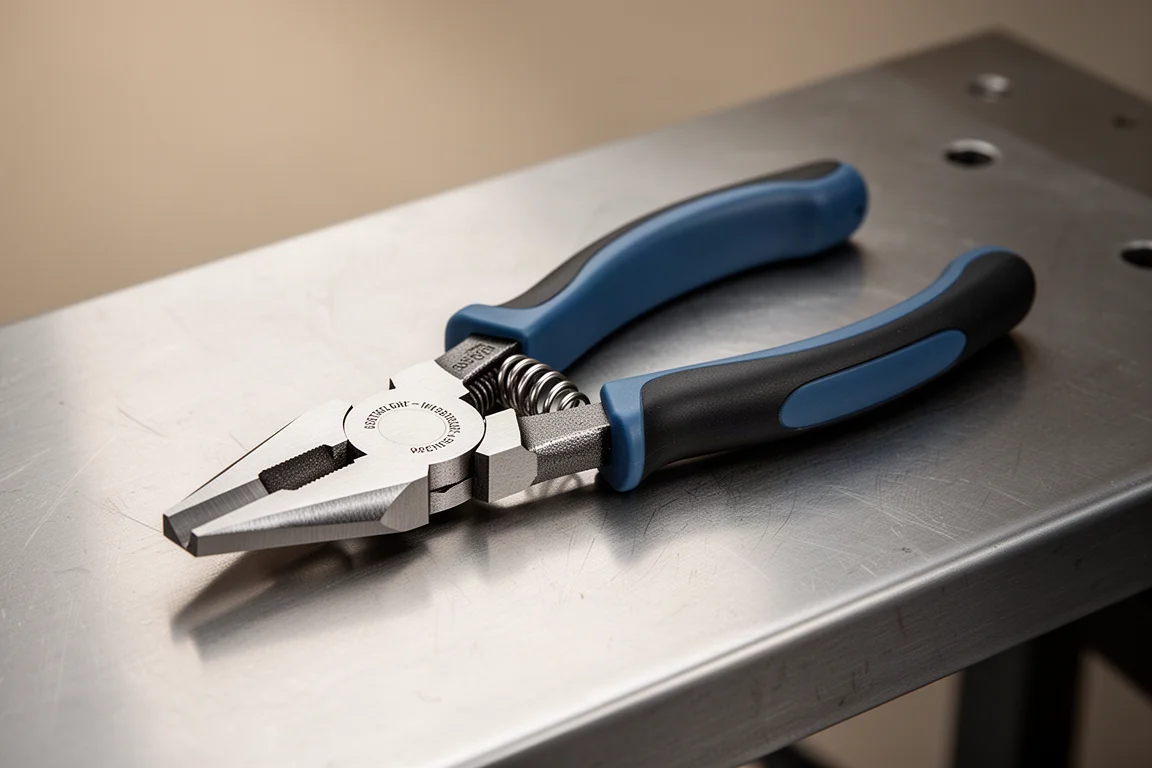
The Lyle pairs occupy a middle tier. Note that Lyle units carry no Lyle branding, just a small patent pending marking, and quality within the brand has varied over time. Earlier examples ran close to $30 each, then settled to around $23.
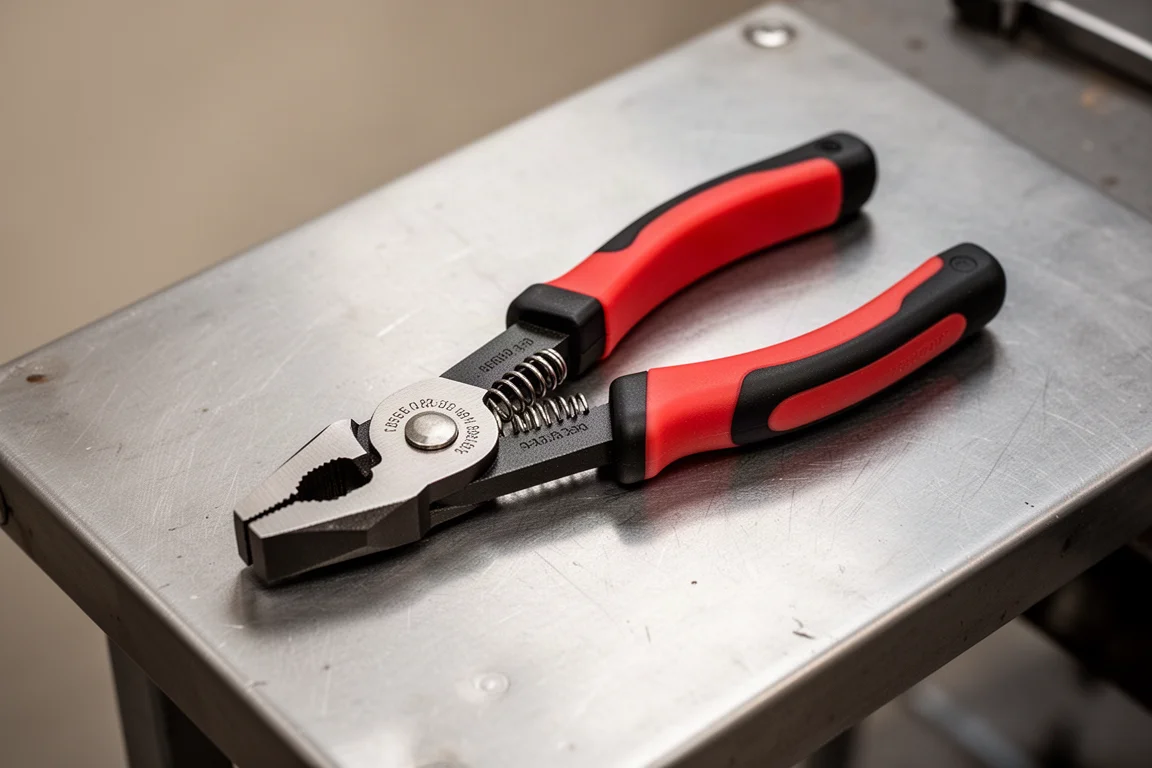
The best Lyle pairs feel noticeably nicer than the cheapest options: smooth action, cleaner grinding, and better symmetry overall. They are not at the Mari level, but they are a sensible step down for someone who wants decent quality without the premium price.
The Budget Pick: Pittsburgh and Cheap Clone Pliers
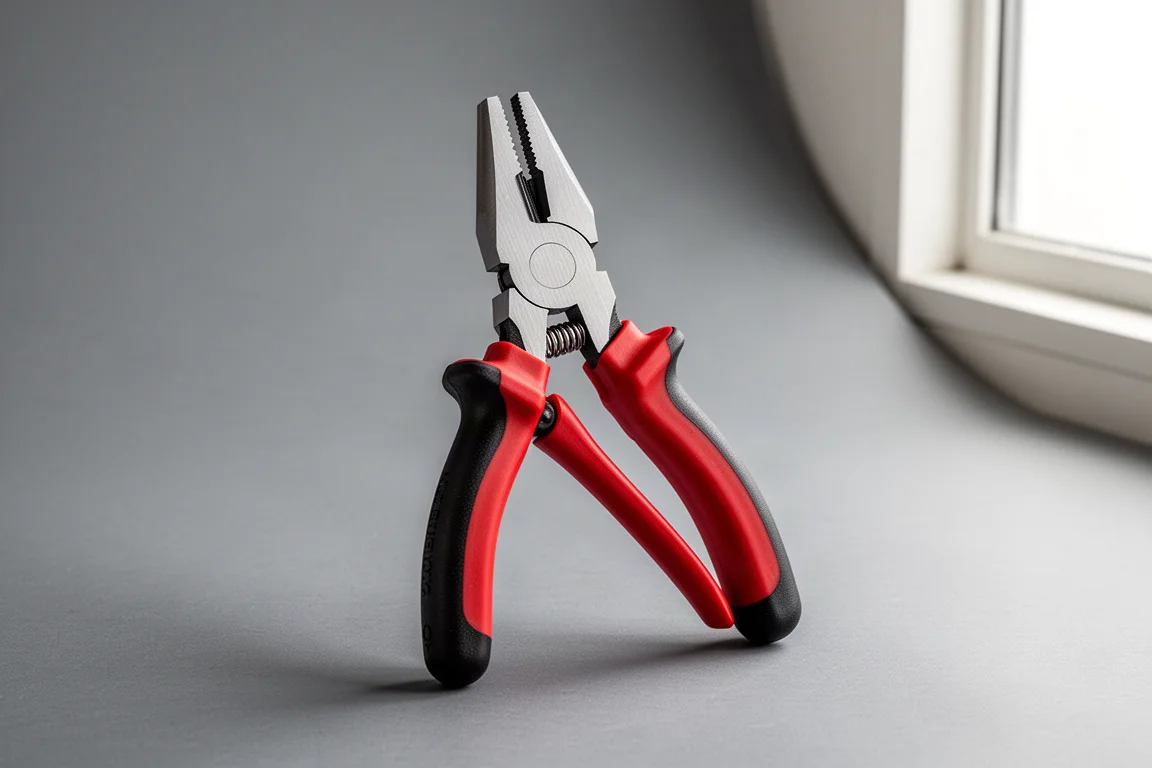
At the bottom of the range sits the budget tier. A pair picked up for $10, with current sets selling for about $5 and individual pliers for roughly $2.50 with free shipping. The Pittsburgh pairs in this comparison actually feel good in the hand, though they are closer to clamp or clip pliers than true disconnect pliers.
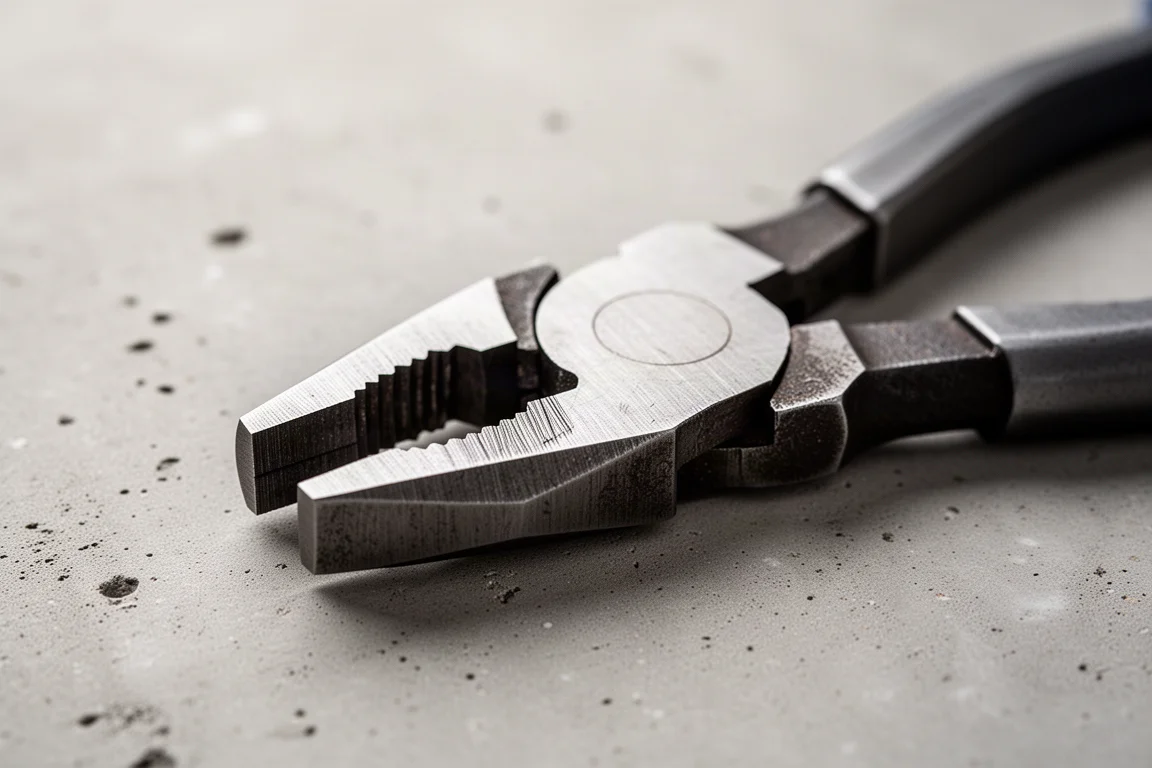
The cheapest clones are rougher. Expect visible grind marks, jaws that are not quite straight, teeth with uneven shaping, a thinner feel in both the vinyl and the overmold, and a slightly jerky action. One test pair had a sticky spring that would catch when squeezed. There is no play in the joints and things do roughly line up, but the refinement is clearly missing.
The honest takeaway: the connector probably will not know the difference. If you disconnect fuel or electrical connectors occasionally, a $5 pair may be all you ever need.
Are They All the Same Factory?
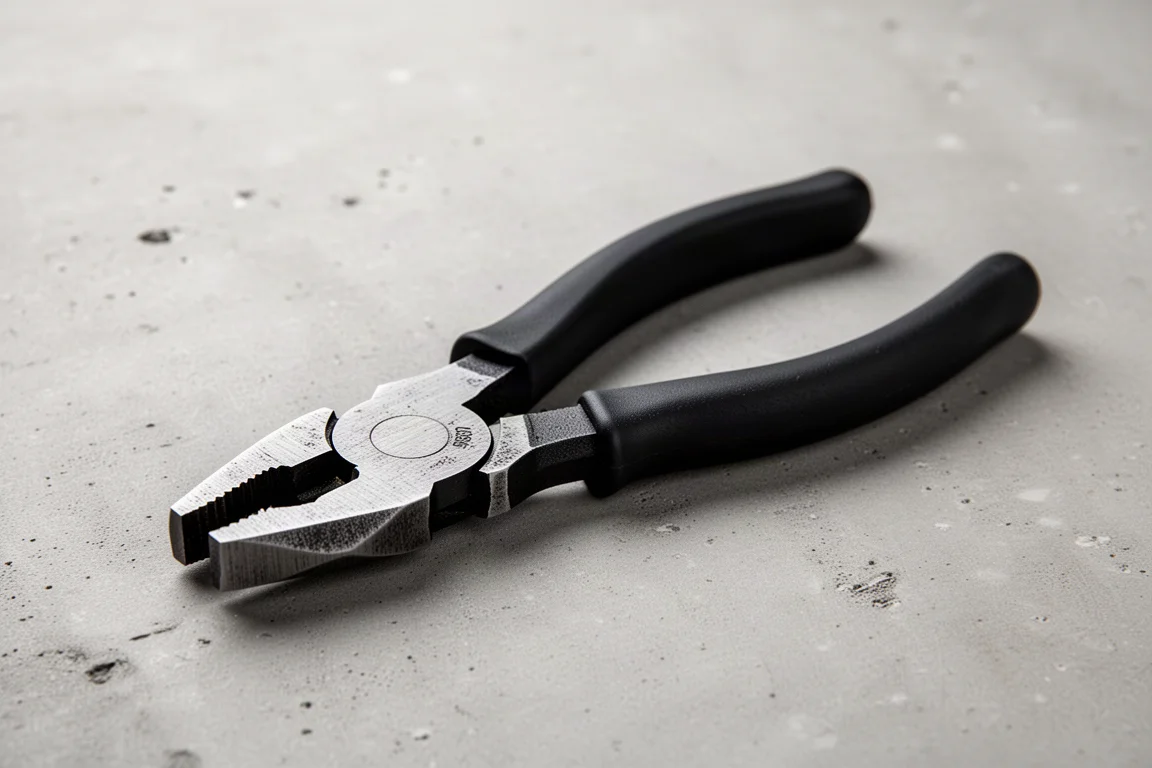
The interesting part is how similar these tiers look next to each other and how different they feel. The likely explanation is a quality grading system rather than three separate products. When a factory produces a large run, the best-made pieces get sorted into one pile, the average into another, and the rough ones into a third, with each tier then sold to different companies at different prices. This kind of tiering is common across manufacturing, from electronics to textiles.
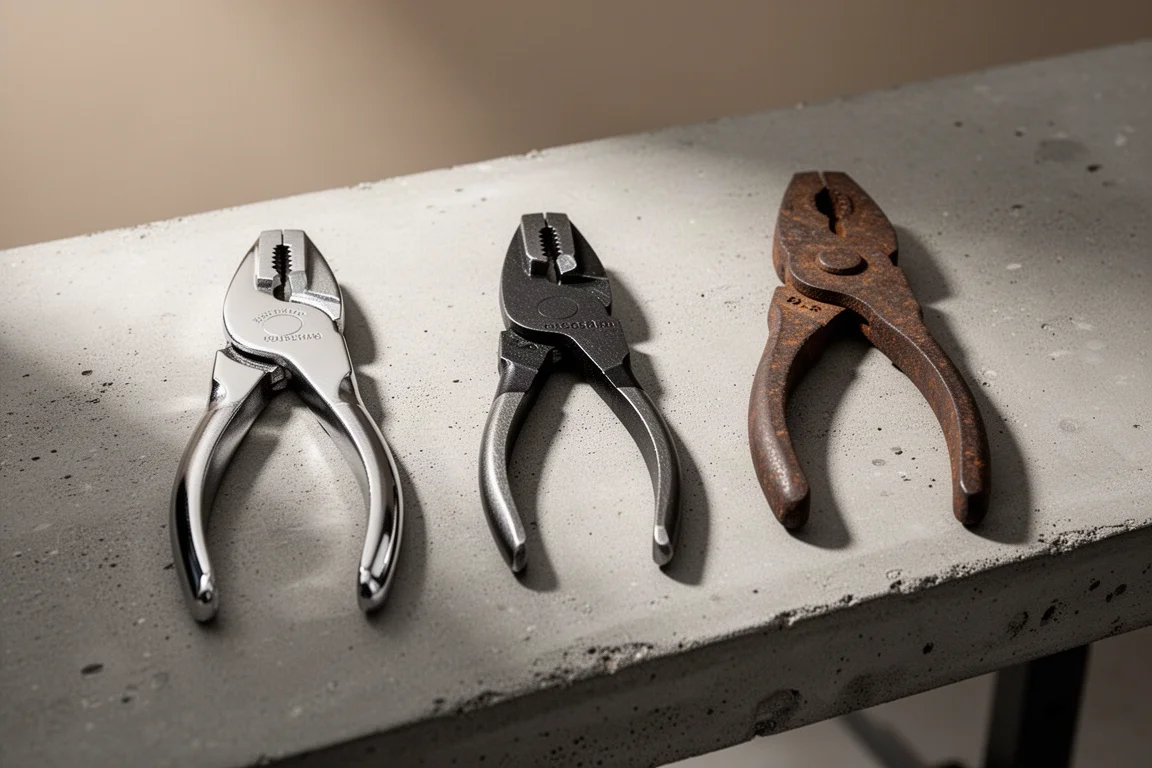
Under that theory, Lyle may do its own additional sorting or finishing work before selling the top grade, while the rougher units find a market at rock-bottom prices. As unique designs like these become more popular, expect to see more quality levels of the same basic plier sold under different brands.
Buying Advice
Choose based on how often the tool leaves the drawer. For daily professional use, the Mari HS 175C is the pair worth paying for. For occasional but careful work, a Lyle at around $23 balances cost and quality. For emergency kits, hobby boxes, or a backup pair, the $2.50 to $5 options are hard to argue with, as long as you accept the rough edges.
Conclusion
Three tiers, one basic design, and a very clear spread in quality. Spend up for the Mari if disconnect pliers earn their keep, pick Lyle for a middle ground, and grab a cheap pair when five dollars is five dollars.
Further reading
Related Reviews
Hand Tools
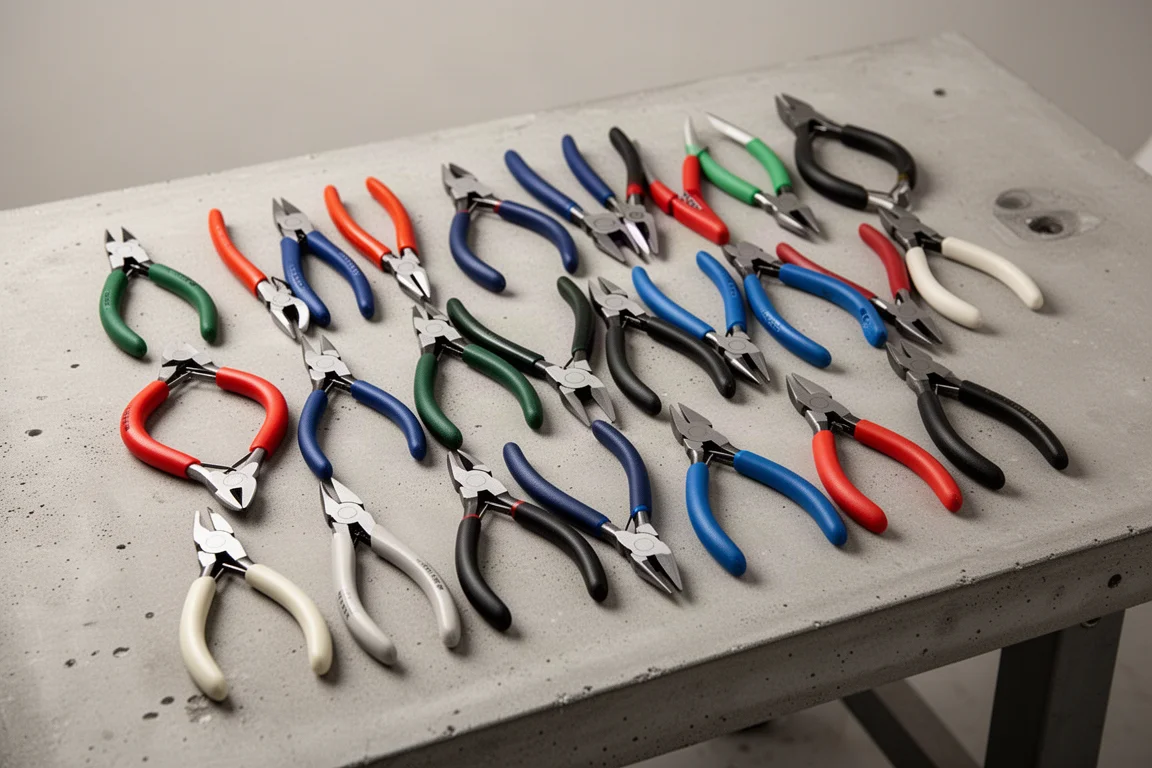
Best Diagonal Cutters 2026: 16 Pliers Tested for Cutting Power and Durability
We put 16 diagonal cutters through nail, screw, drill bit, and hex key tests to find the best value picks for your toolbox.
Hand Tools
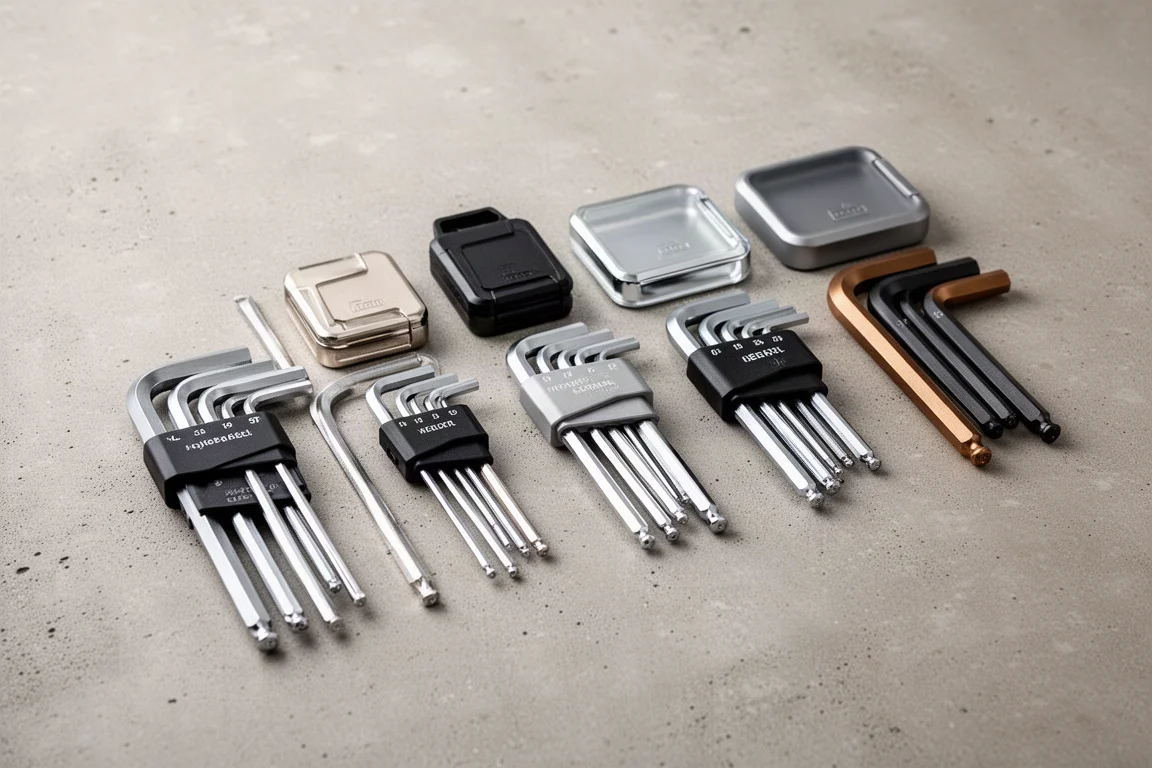
Best Hex L Key Sets 2026: Nine Sets Tested for Real-World Torque
Nine hex L key sets from budget to premium, tested for torque, fit, and durability. See which sets deliver real performance and which ones to skip.
Hand Tools
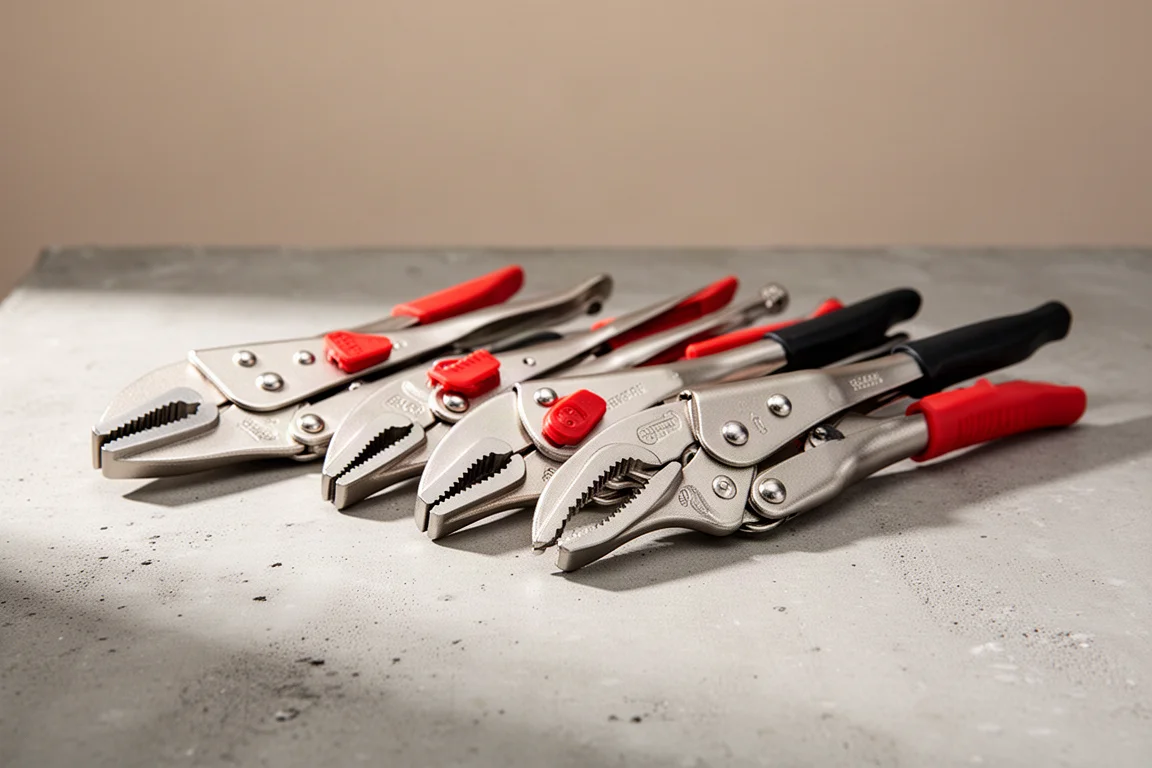
Best Locking Pliers 2026: Top Picks Tested for Grip and Durability
We tested 18 brands of 10-inch locking pliers for grip strength, jaw bite, build quality, and ease of release to find the best options for tough jobs.