Power Tool Accessories
Diablo vs Crescent Saw Blades: Cutting Performance Compared
A side-by-side look at how Diablo and Crescent saw blades hold up under tough cutting, including cutting through fasteners and abrasive materials.
Introduction
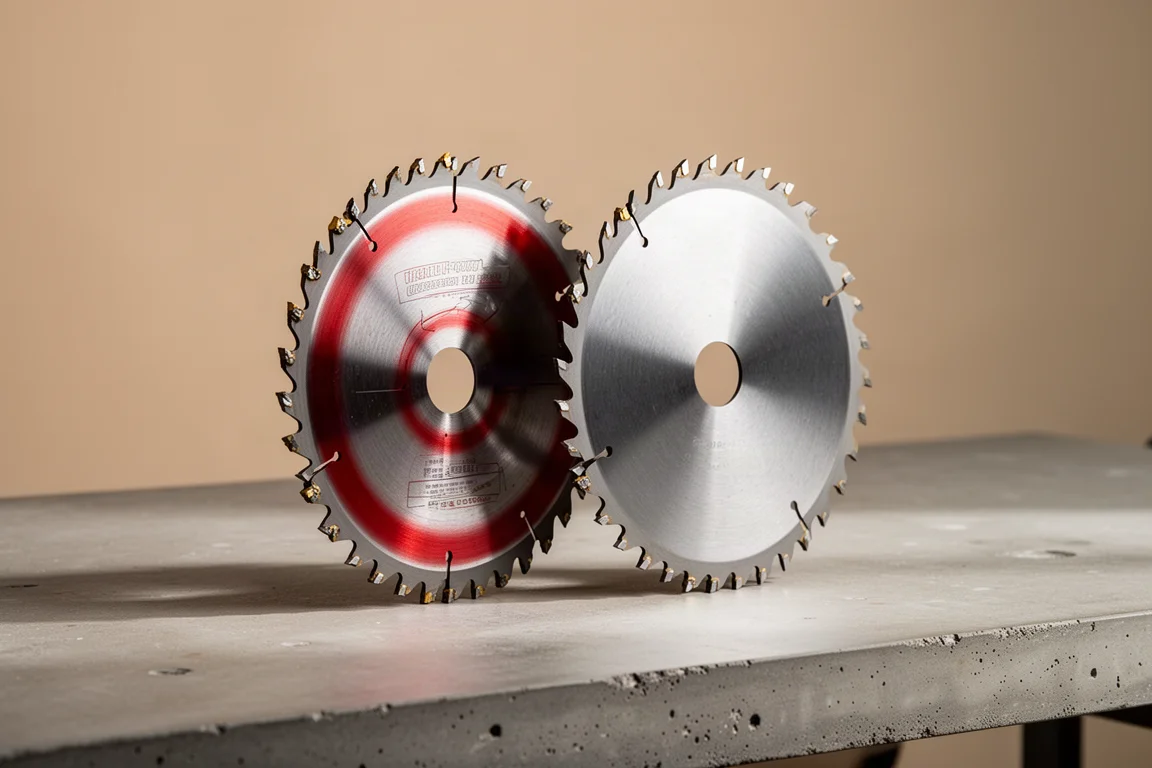
When a saw blade meets more than clean lumber, the difference between a good blade and a great one shows up fast. In demanding cutting tests, two names kept coming up: Diablo and Crescent. Both are circular saw blades aimed at general construction and demo work, but their behavior under stress turned out to be noticeably different.
This comparison breaks down what matters most: how long a blade stays sharp, how it handles nails and fasteners embedded in wood, and why results can vary from one blade to another.
Why Cutting Performance Varies
One of the biggest lessons from testing these blades is that results are not always repeatable, even with the same product. Different species of wood, corded versus cordless saws, and regional lumber differences all affect how a blade performs. A blade that slices through western fir may struggle with different East Coast stock.
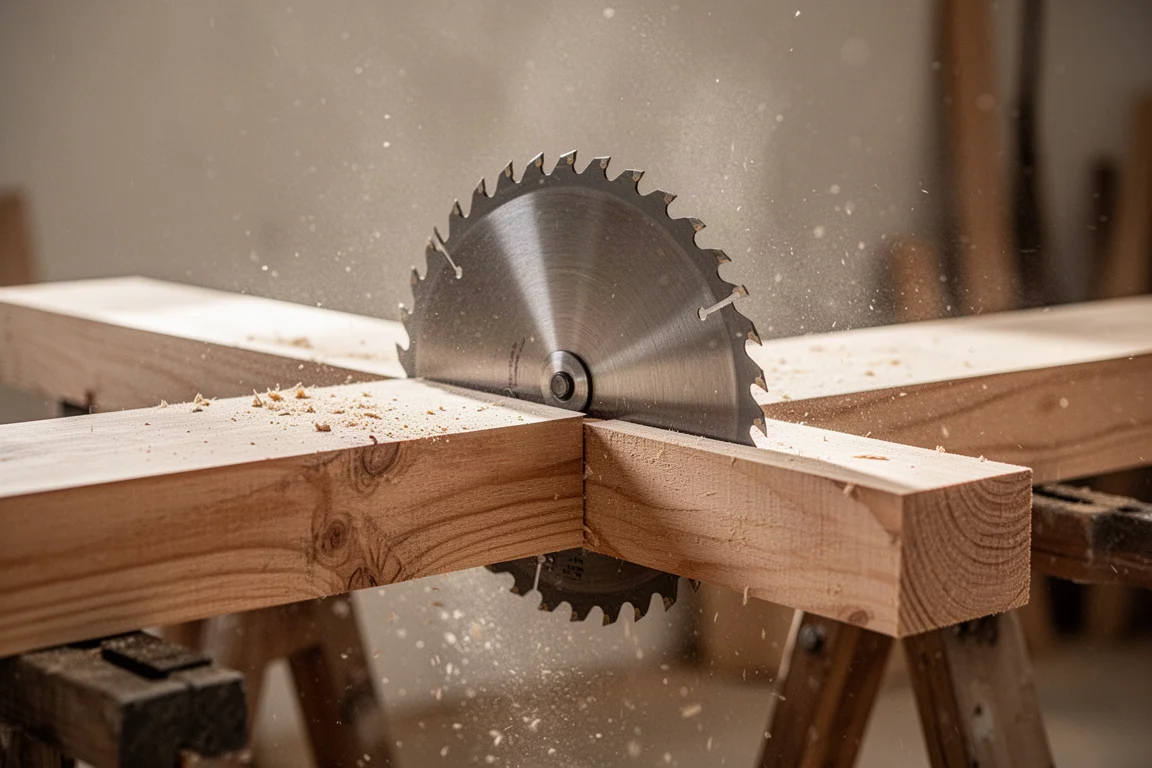
The other variable is manufacturing itself. Raw materials, carbide quality, and the brazing process all have to come together, and fluctuations in any of them can change performance from batch to batch. Some manufacturers release a version that looks great at first, only for later versions to not perform the same way.
Diablo Saw Blades
Diablo’s most significant advantage is vertical integration: the company manufactures its own carbide for its saw blades, the only blade maker in this comparison that does. That control over the raw cutting material means quality is not dependent on outside suppliers, and it helps explain why the blades kept their edge through punishing cuts.
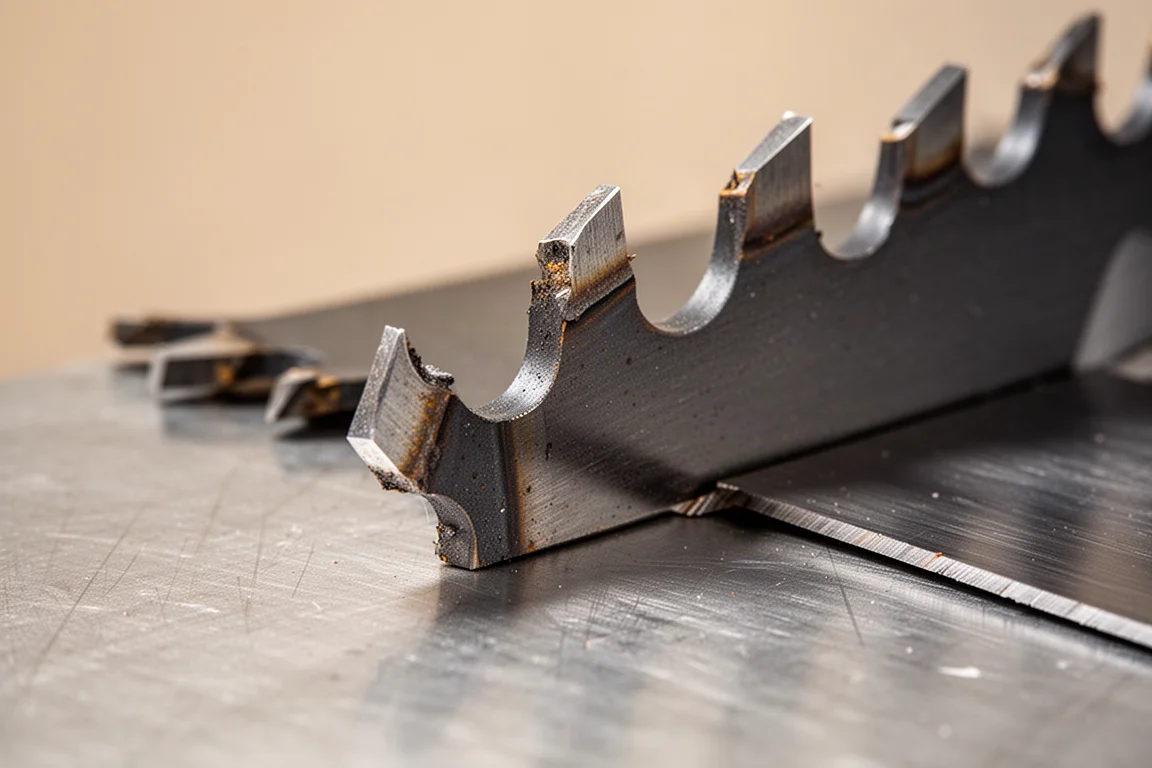
In testing, Diablo blades cut through embedded fasteners without burning the wood around them, and they delivered more clean cuts through an abrasive “nasty sandwich” of construction materials than competing blades. That said, even a well-made blade eventually dulls. Once the carbide wears down, you start to see sparks, feel more friction, and have to push harder, which leads to smoke and rougher cuts.
Diablo makes sense if you want predictable, consistent performance on tough job-site materials and are willing to pay a bit more for that reliability.
Crescent Saw Blades
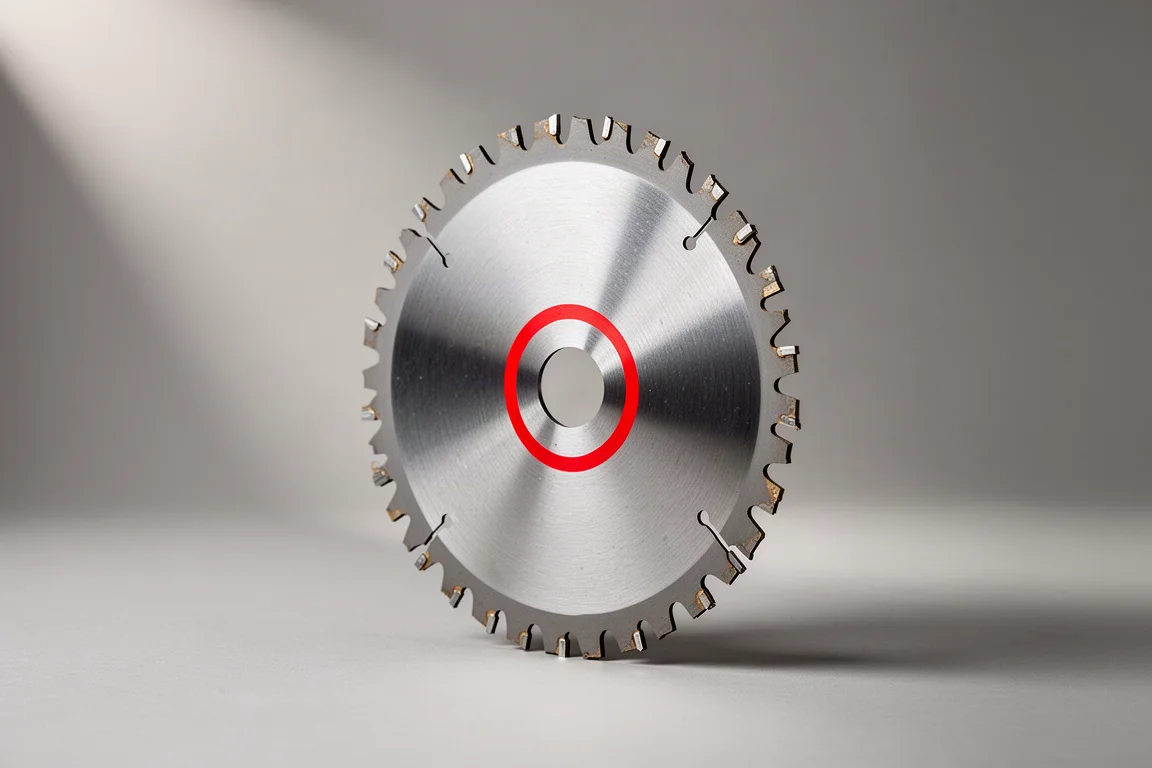
Crescent blades put up a surprisingly strong fight in the same tests, and in some runs they actually made more cuts through the abrasive material mix than the comparable Diablo blade. For a value-oriented blade, that is an encouraging result and worth taking seriously.
The catch is consistency. Results with Crescent blades varied more between tests, which points back to that same issue of manufacturing and raw material fluctuations. A blade that performs brilliantly one day may behave differently in a newer version purchased months later.

Crescent is a reasonable pick if you are buying blades for everyday cutting and want solid value, as long as you accept that batch-to-batch performance can be less predictable.
Buying Advice
Match the blade to your workload. If you regularly cut through nail-embedded lumber, old framing, or mixed demo materials, carbide quality and consistency matter more than price, and that is where Diablo’s in-house carbide production gives it a real edge. If your cutting is mostly clean lumber and you go through blades quickly, Crescent’s strong test performance makes it an appealing value option.

Whichever way you go, check the blade’s teeth regularly. Sparks, smoke, and the need to push harder are all signs the carbide is dulling and it is time to swap blades.
Conclusion
Diablo stands out for consistency and fastener-friendly cutting thanks to its self-manufactured carbide, while Crescent delivers competitive cutting performance at a value price with more variation between batches. Both are capable blades; the right choice depends on whether predictability or price is your priority.
Further reading
Related Reviews

Power Tool Accessories
Best Drill Attachments 2026: Three DeWalt Tools Worth Buying
A practical look at three DeWalt drill attachments that deliver real value, plus the sketchy options you should skip.

Power Tool Accessories
Best Drill Bits 2026: 14 Sets Tested on Mild Steel, Spring Steel, and AR500 Armor
We tested 14 drill bit sets across mild steel, spring steel, and AR500 armor plating to find the best value, speed, and durability.

Power Tool Accessories
Best Right Angle Impact Adapters 2026: Five Options Tested for Speed, Torque, and Durability
We tested five right angle impact adapters from DeWalt, Milwaukee, Warrior, Titan, and Milescraft to see which ones deliver real performance without failing early.