Power Tool Accessories
Diablo Rebar Demon: Can It Really Drill Through Rebar?
We look at how Diablo's Rebar Demon carbide bits handled a brutal test: drilling through 500 lb of steel-reinforced 4,000 PSI concrete.
Introduction
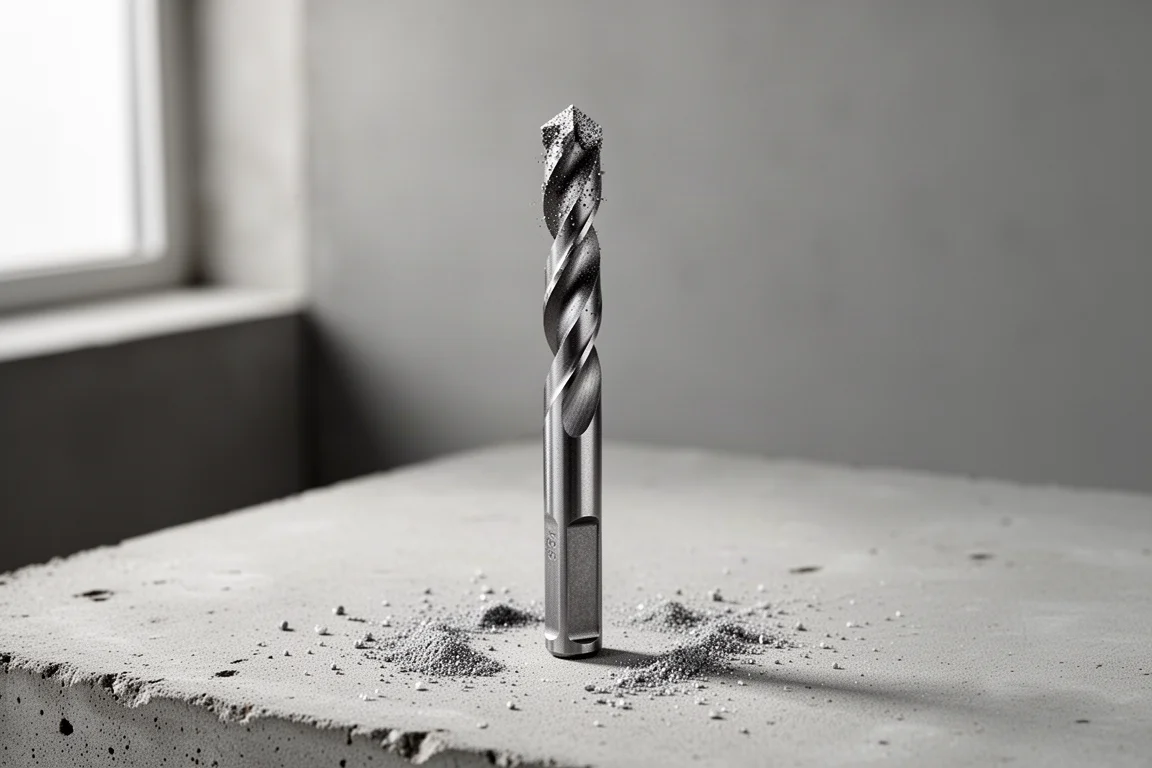
Drilling into concrete is one thing. Drilling into concrete that has steel rebar running through it is another problem entirely, and it is the scenario that stops most masonry bits cold. Diablo’s Rebar Demon line exists for exactly that situation, and a recent demonstration at World of Concrete put it in front of a demanding audience: a 500 lb block of 4,000 PSI, steel-reinforced concrete, with wire mesh and rebar running in both directions.
We worked through the practical takeaways of that test, including where the standard bits fall short, where the Rebar Demon shines, and what to expect from both the SDS Plus and SDS Max versions.
The Test Setup
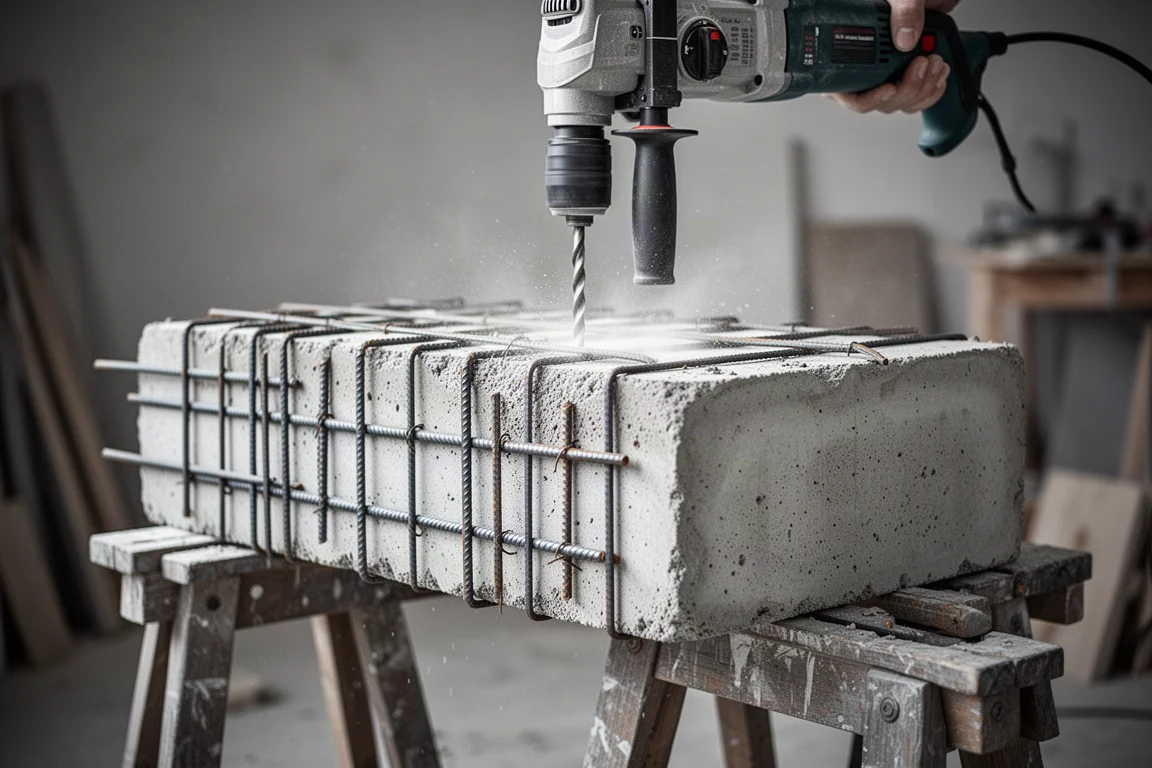
The block used for testing weighed roughly 500 lb and was rated at 4,000 PSI, reinforced with rebar running in both directions and wire inside as well. The goal was to drill down at a point where two tied pieces of rebar crossed and push straight through both. Two sawhorses rated at 1,200 lb each held the block steady.
A rotary hammer and masonry bits were the only tools on the table, which reflects the real-world constraint many contractors face: on the job, you cannot always swap in a second drill with a metal-cutting bit.
The Standard Bit: A Hard Lesson
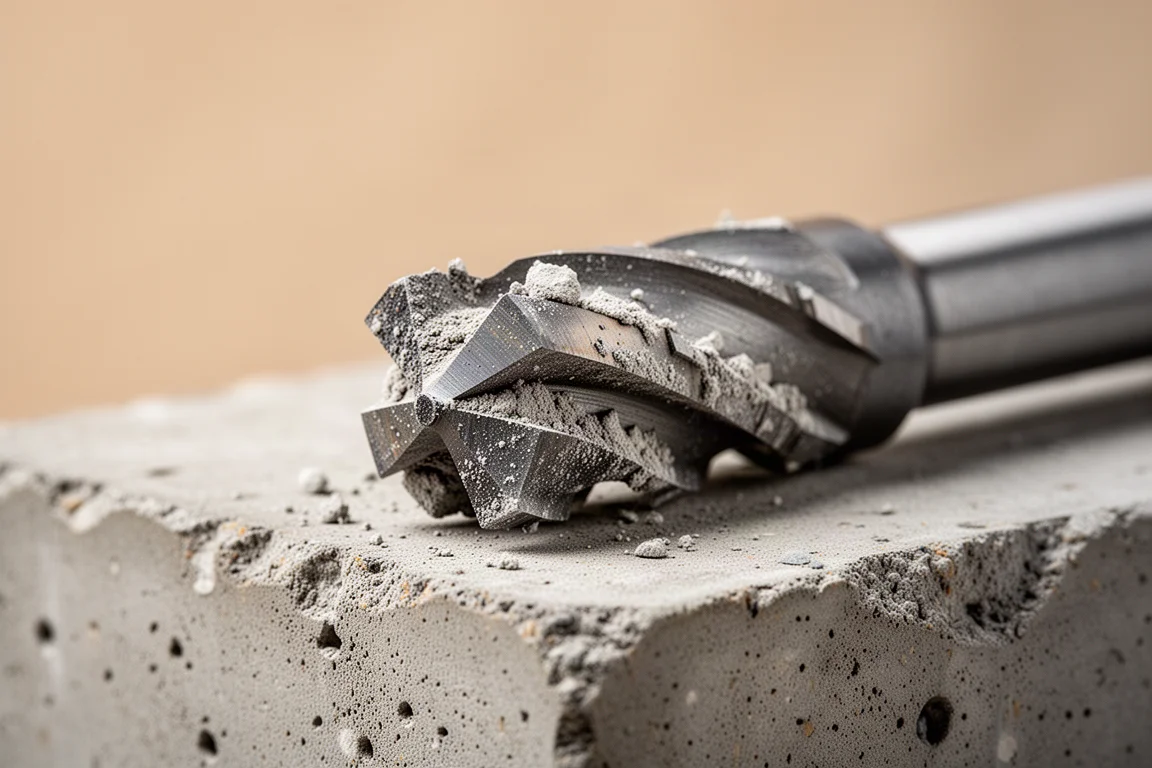
The first attempt used a 1-1/8 inch standard SDS Plus carbide masonry bit, not a rebar-specific design. It made steady progress through the concrete and the carbide held up reasonably well at first, but hitting two bars at once changed everything.
The bit eventually stalled against the rebar. The conventional workaround, as Diablo itself points out, is to stop, switch to a separate drill with a metal-cutting bit, cut through the steel, and then return to the rotary hammer to resume the concrete work. That is a real workflow cost, and it is not always possible if repositioning or extra tools are not an option.
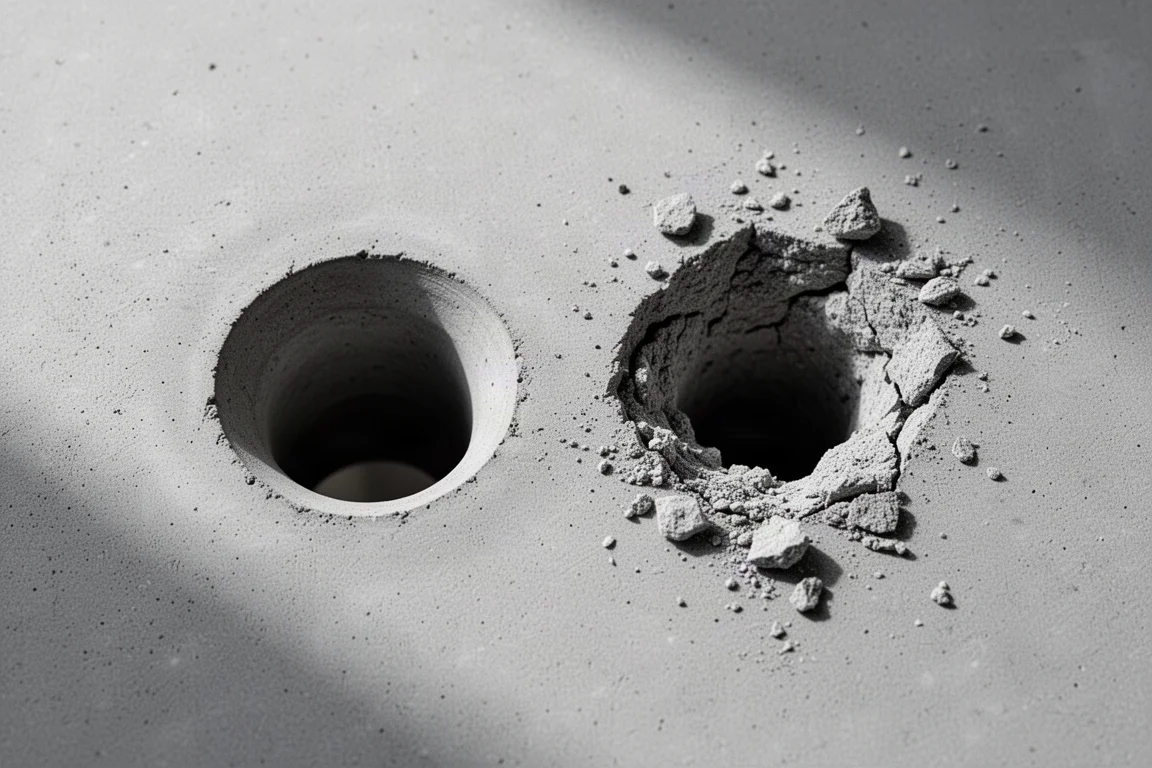
The comparison between holes was telling: after the standard bit had struggled, a hole drilled with a better-suited bit was visibly cleaner. The standard bit did damage itself in the process, and continuing to force it would risk burning out the tool long before the hole was finished.
Entering Rebar: The Rebar Demon in SDS Plus
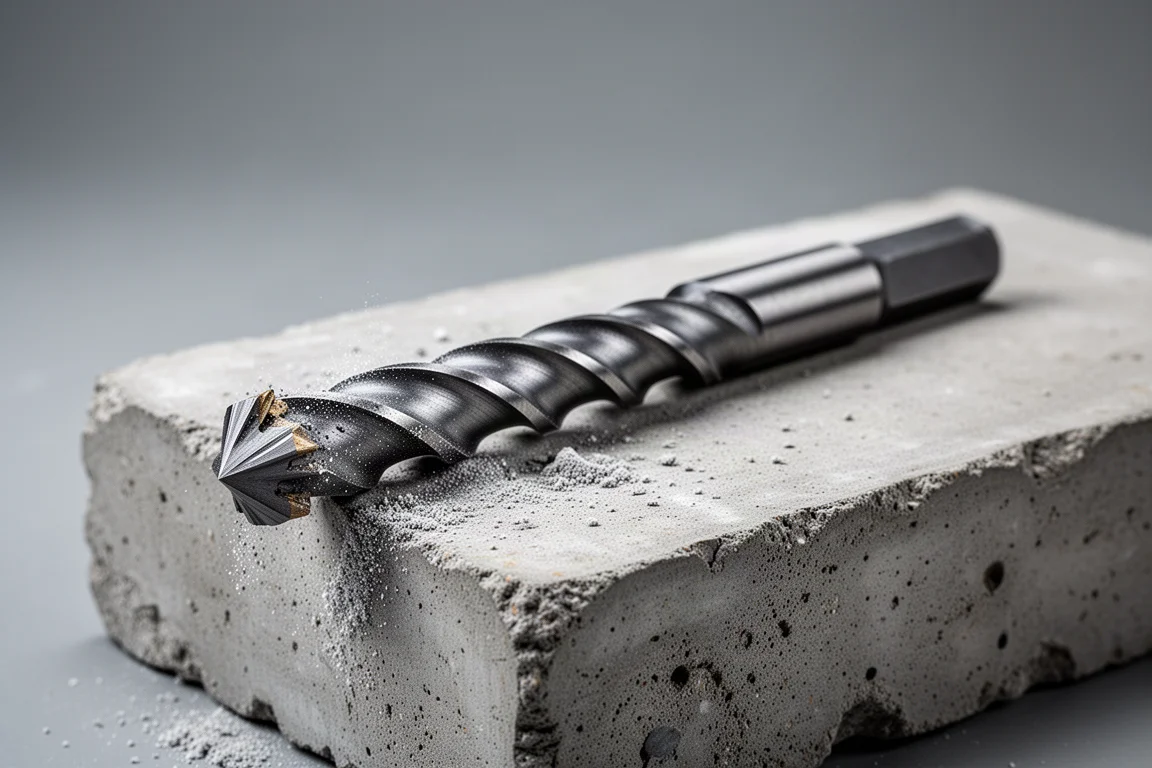
The Rebar Demon approach is different: a carbide tip designed to cut through the steel rather than stop at it. In the SDS Plus version, the bit engaged the first bar, then pushed into the second piece of rebar, effectively drilling through roughly an inch of steel at the crossing point.
The catch here was the tool, not the tip. With a bit this size, the rotary hammer was running beyond its comfortable maximum, and the limiting factor became the hammer rather than the bit. The bit still had paint on the tip after heavy work, and after eventually punching a pilot path through the metal, the carbide head remained intact.
Bigger Hammer, Bigger Bit: The SDS Max Push
Switching to the SDS Max platform with a 1-inch bit, locked into hammer mode, produced the breakthrough moment. The bit went through the rebar and completed the hole. The hole was larger in diameter and not quite as clean as the smaller bits produced, but it got through, and the carbide head was fully intact afterward.
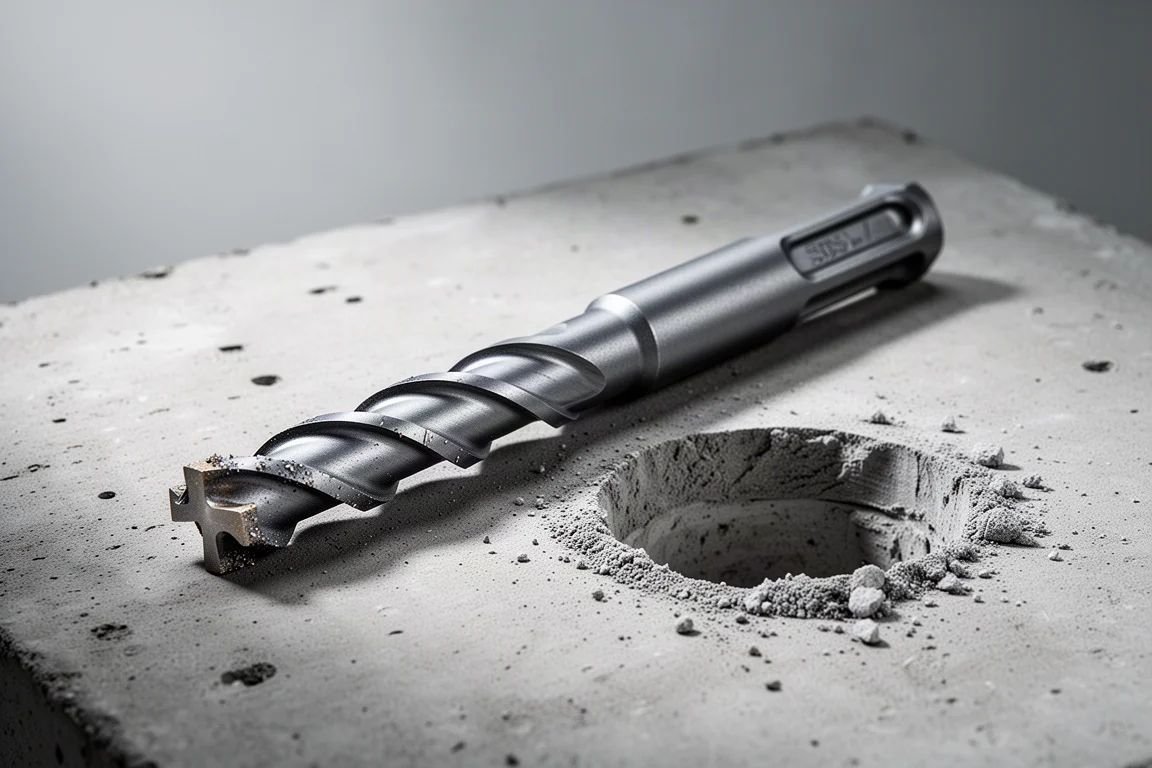
Even better, there was still plenty of life left in the bit afterward. Run back into plain masonry, it kept drilling normally, which answers the question buyers actually ask: if you hit rebar, what kind of life can you expect from your bits afterward? In this test, the answer was encouraging.
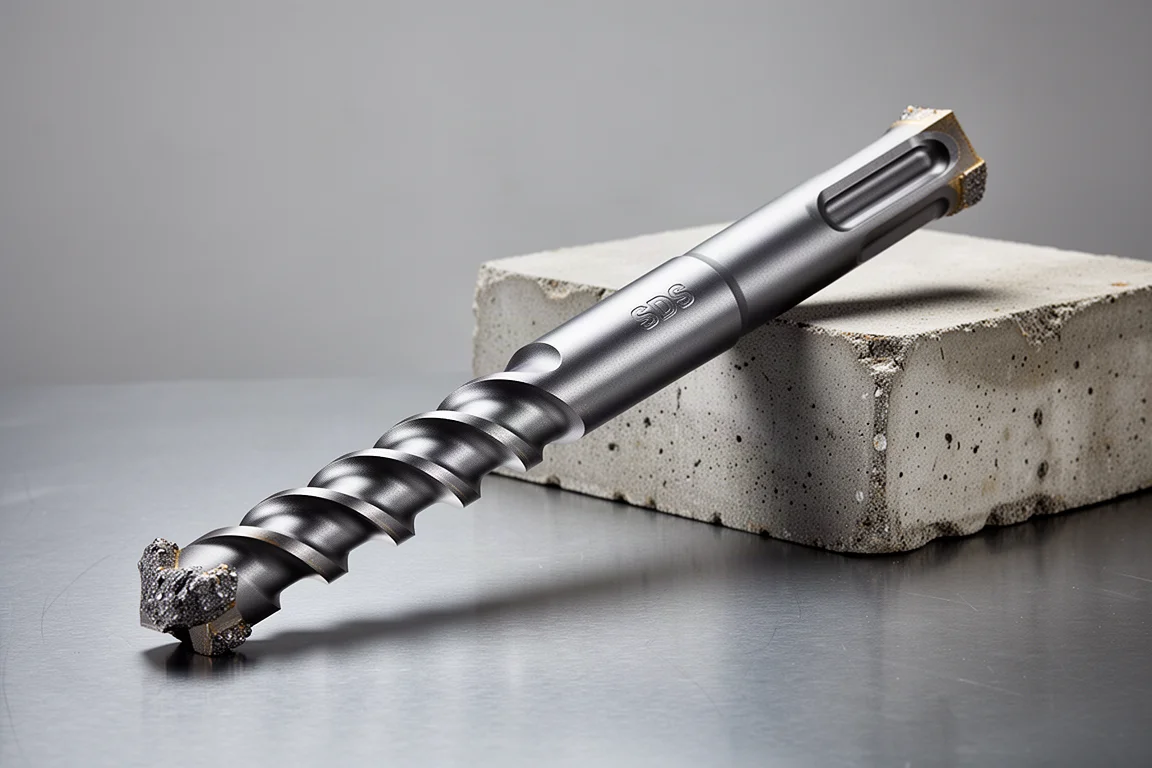
The SDS Plus Masonry Bit: Know Its Limits
For straight masonry work in walls and slabs without steel in the path, the standard SDS Plus carbide masonry bit does its job fine. The test made clear, though, that encountering rebar with a conventional bit is where the workflow breaks down: slow progress, tip damage, and the risk of overheating the tool.
Buying Advice
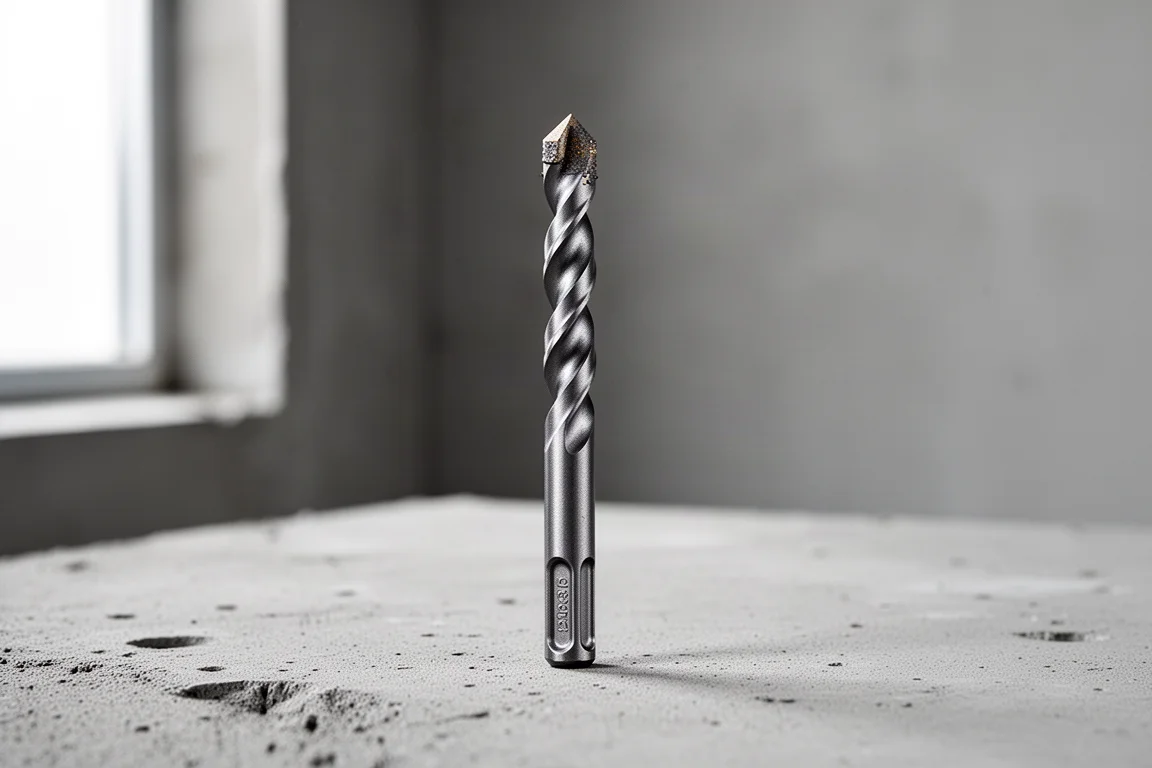
If your work regularly brings you into reinforced concrete, the Rebar Demon is the bit to reach for. The demonstration showed it cutting through rebar in multiple sizes, with the carbide head surviving the encounter and remaining usable for further masonry drilling. Match the bit platform to your hammer: SDS Plus for lighter rotary hammers, and SDS Max when you need the bigger bite, keeping in mind that a larger bit may push a smaller hammer past its limits.
If you only ever drill plain masonry, a standard carbide masonry bit remains a perfectly sensible choice and a cheaper one.
Conclusion
The result was not as spectacular as hoped at every step, but the core claim held up: the Rebar Demon made it through reinforced concrete in multiple bit sizes, with the carbide intact and drilling life to spare. For anyone whose jobs occasionally hide rebar behind the surface, that is a difference worth owning the right bit for.
Further reading
Related Reviews

Power Tool Accessories
Best Drill Attachments 2026: Three DeWalt Tools Worth Buying
A practical look at three DeWalt drill attachments that deliver real value, plus the sketchy options you should skip.

Power Tool Accessories
Best Drill Bits 2026: 14 Sets Tested on Mild Steel, Spring Steel, and AR500 Armor
We tested 14 drill bit sets across mild steel, spring steel, and AR500 armor plating to find the best value, speed, and durability.

Power Tool Accessories
Best Right Angle Impact Adapters 2026: Five Options Tested for Speed, Torque, and Durability
We tested five right angle impact adapters from DeWalt, Milwaukee, Warrior, Titan, and Milescraft to see which ones deliver real performance without failing early.