Power Tool Accessories
Diablo 4.5 Inch Metal Cutting Blade and 4 Inch Masonry Blade: A Practical Hands-On Look
Two Diablo carbide blades for angle grinders, tested through steel, pipe, angle iron, tile, and cinder block, with honest notes on speed, safety, and lifespan.
Introduction
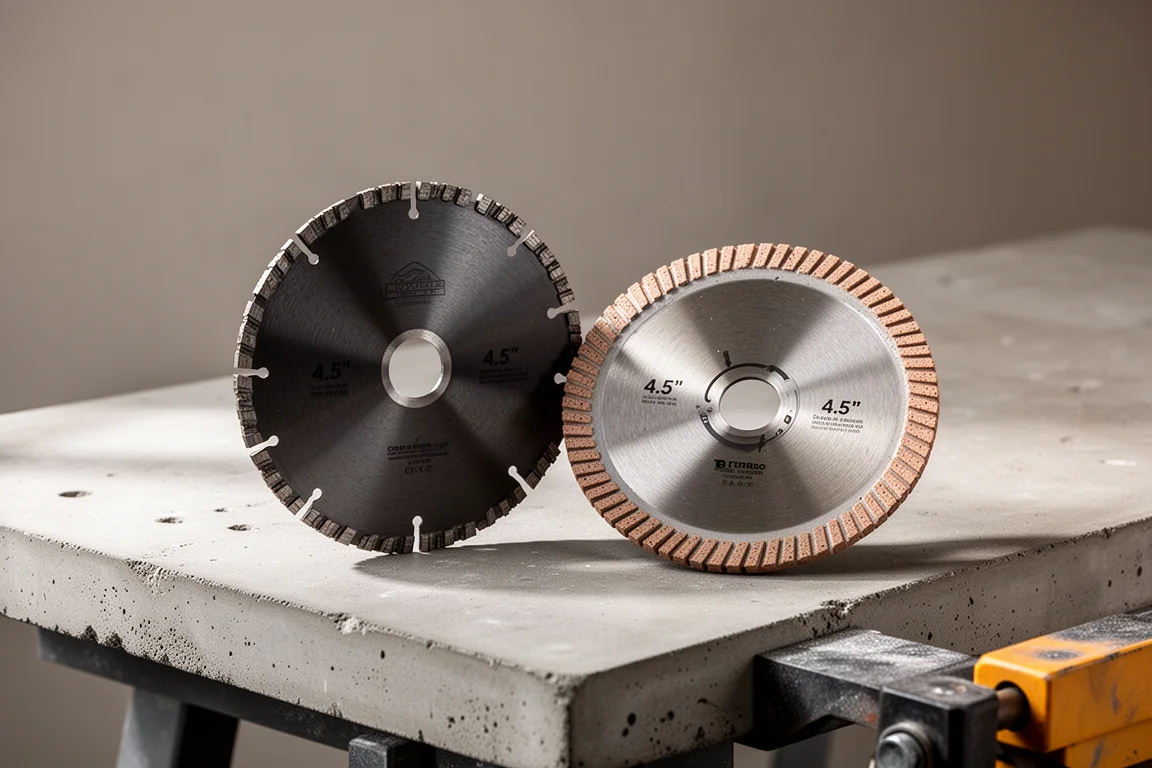
Diablo has been building a reputation for blades that behave differently from the abrasive discs most of us grew up with, and these two new options make that case pretty convincingly. One is a 4.5 inch metal cutting blade for your angle grinder, the other a 4 inch masonry blade for tile, stone, and block work. Both were put through a genuinely abusive session: steel pipe, angle iron, rebar, hideous tile, and cinder block. Here is how they held up.
The Metal Cutting Blade: Cutting Steel, Pipe, and Angle Iron
The 4.5 inch metal cutting blade is rated for 13,280 max RPM, uses a 7/8 inch arbor, and fits standard 4.5 inch angle grinders like the DeWalt 20 Volt XR used for testing. The big claim is up to 100 times longer life than a conventional abrasive disc, and the construction difference is the reason why: this is not an abrasive wheel, it is a metal-bodied blade, so it does not shatter the way thin abrasive discs can.
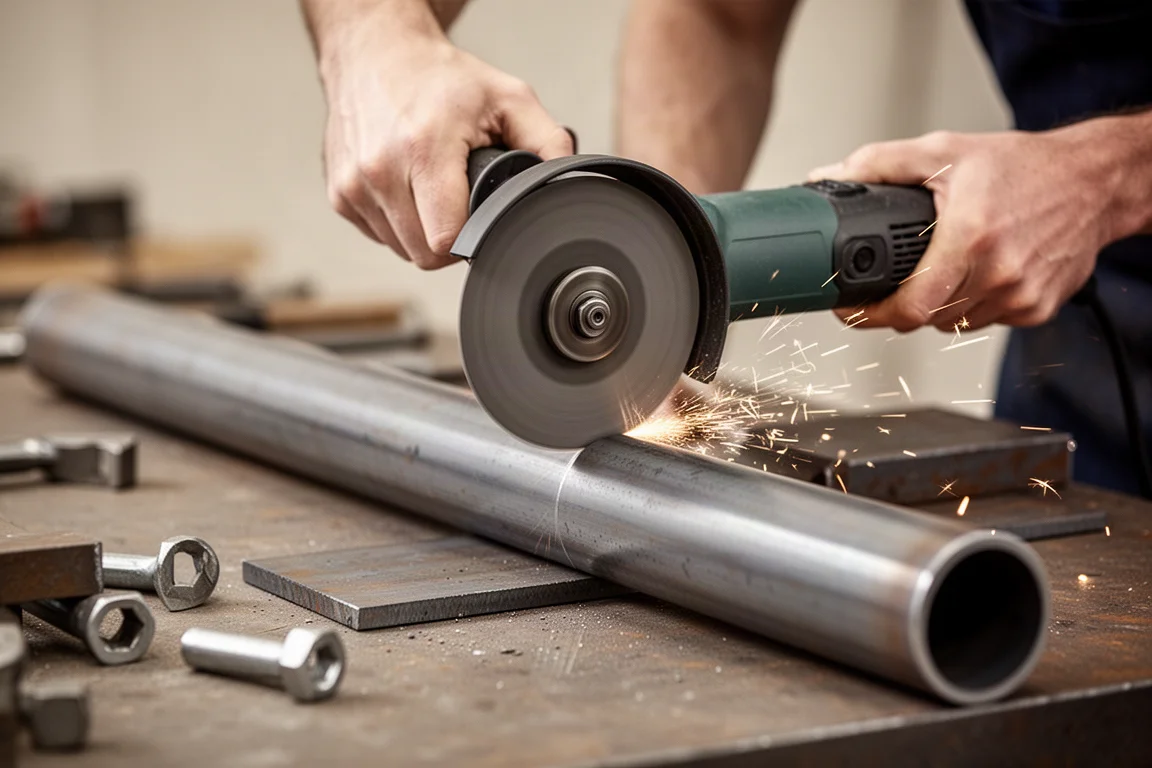
Through black pipe and angle iron, the cuts came out smooth and clean. First impressions through the early cuts: it feels a little slower than a conventional abrasive wheel, but the trade-off is confidence. With an abrasive wheel, there is always the worry it will grab or break mid-cut. With a metal-bodied blade, that worry largely disappears, and that safety margin alone changes how you work.
The Masonry Blade: Tile, Stone, and Cinder Block Performance
The 4 inch masonry blade handles granite, marble, porcelain tile, paver stones, brick, and cinder block. A 3 inch version of this blade already proved itself on a kitchen backsplash project, so the larger size has a lot to live up to. It managed ugly tile without complaint, and the dry cutting is the real headline: no water is required at all, though you will want to work outside because it makes a mess.
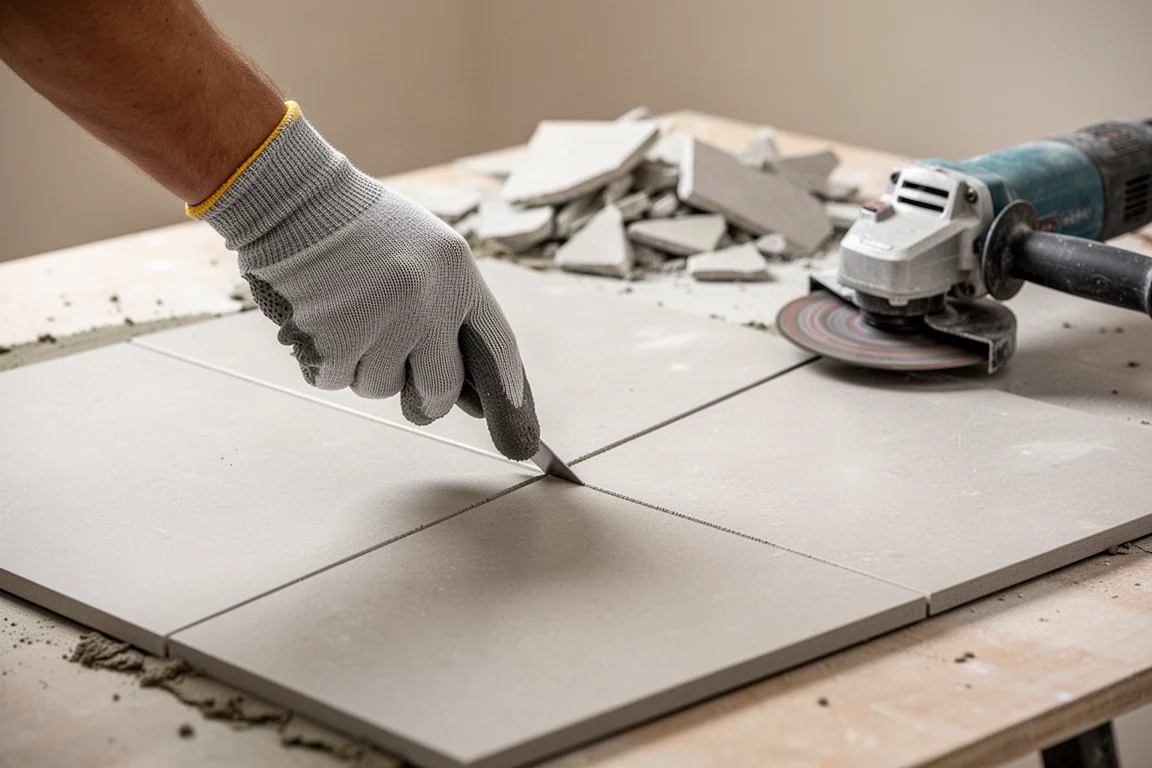
There are also clever tricks this blade unlocks. On larger floor tile, you can score a line and simply snap the tile instead of cutting all the way through. Need to cut a curve around a toilet flange? The blade handles it without an expensive wet saw. And the edge of the disc can even be used to clean up and refine a cut edge afterward.
Where the Masonry Blade Fits Into Real Projects
Cinder block was the stress test, and the blade pushed straight down through solid sections like a hot knife through butter. In practice, cinder block is demonstration territory since a larger disc would be the proper choice for that job, but if a blade can do this, pavers and landscape stone are comfortably within reach.
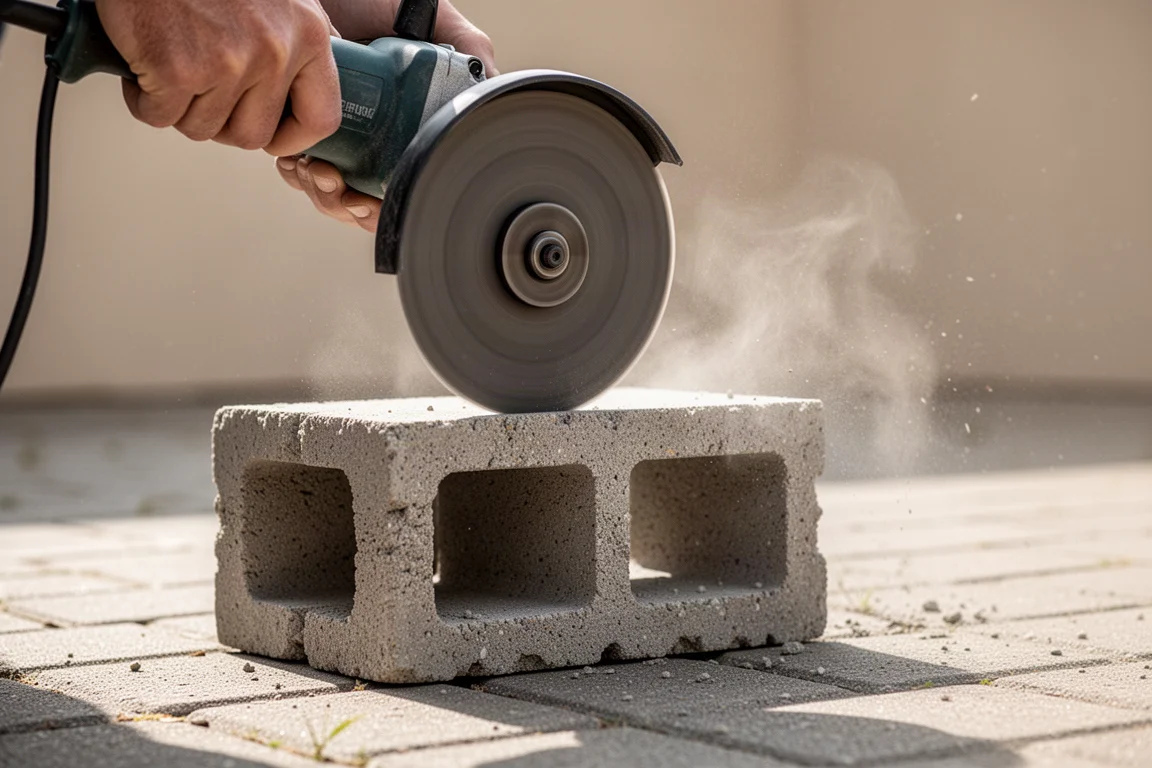
This is the blade for people doing remodeling, tile work, backsplashes, and outdoor landscaping projects who do not want to buy a bulky, expensive dedicated cutting machine. It makes tile work accessible to just about anyone with a grinder.
Buying Advice: Which One Should You Get
The metal blade is about longevity and safety: slower cuts, but dramatically longer life and far less risk of a wheel breaking on you, which easily pays for itself over time. The masonry blade is about versatility: dry cutting, scoring and snapping, curved cuts, and edge cleanups across tile, stone, and pavers. If your work is mostly steel, start with the metal blade; if you are tackling tile or outdoor hardscape, the masonry blade is the better pick, and many DIYers will eventually want both.
Conclusion
Both Diablo blades earned their keep through genuinely tough testing. The metal blade cuts slower but lasts dramatically longer and feels noticeably safer than abrasive discs, while the masonry blade makes tile, paver, and stone cutting achievable without a dedicated machine. If your grinder is a regular part of your toolkit, both are easy to recommend.
Product link
View more details for Diablo 4.5 Inch Metal Cutting Blade
This product is mentioned in the review. Check the specifications, options, and compatibility before buying.
View more details for Diablo 4.5 Inch Metal Cutting BladeFurther reading
Related Reviews

Power Tool Accessories
Best Drill Attachments 2026: Three DeWalt Tools Worth Buying
A practical look at three DeWalt drill attachments that deliver real value, plus the sketchy options you should skip.

Power Tool Accessories
Best Drill Bits 2026: 14 Sets Tested on Mild Steel, Spring Steel, and AR500 Armor
We tested 14 drill bit sets across mild steel, spring steel, and AR500 armor plating to find the best value, speed, and durability.

Power Tool Accessories
Best Right Angle Impact Adapters 2026: Five Options Tested for Speed, Torque, and Durability
We tested five right angle impact adapters from DeWalt, Milwaukee, Warrior, Titan, and Milescraft to see which ones deliver real performance without failing early.