Power Tool Accessories
Diablo Amped Demo Demon vs Milwaukee AX Nitrous Carbide: Which Demo Blade Lasts Longer?
Two carbide-tipped reciprocating demo blades go head to head through screws and wood to see which one keeps cutting.
Introduction
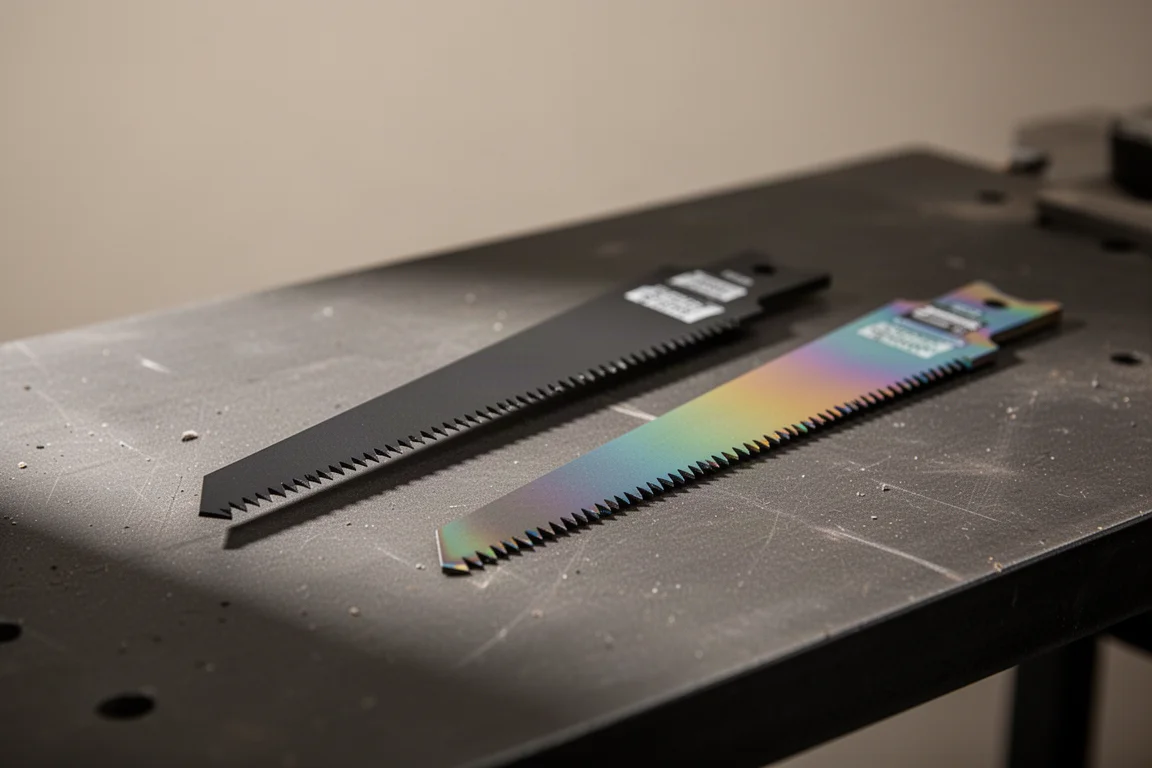
Demo blades live a brutal life. They get fed nails, screws, and gritty lumber all day, and the ones that survive longest save real money on a job site. Two carbide-tipped blades promise exactly that: the Diablo Amped Demo Demon and the Milwaukee AX Nitrous Carbide. Both are built for cutting wood that hides fasteners, but a structured comparison shows where they part ways.
How the Test Was Set Up
To keep the comparison fair, both blades ran on identical setups: two M18 Forge 12 amp hour batteries on Super Sawzall reciprocating saws, with 10 lb weights applied so neither operator added pressure. The tools and blades did all the work, removing technique as a variable.
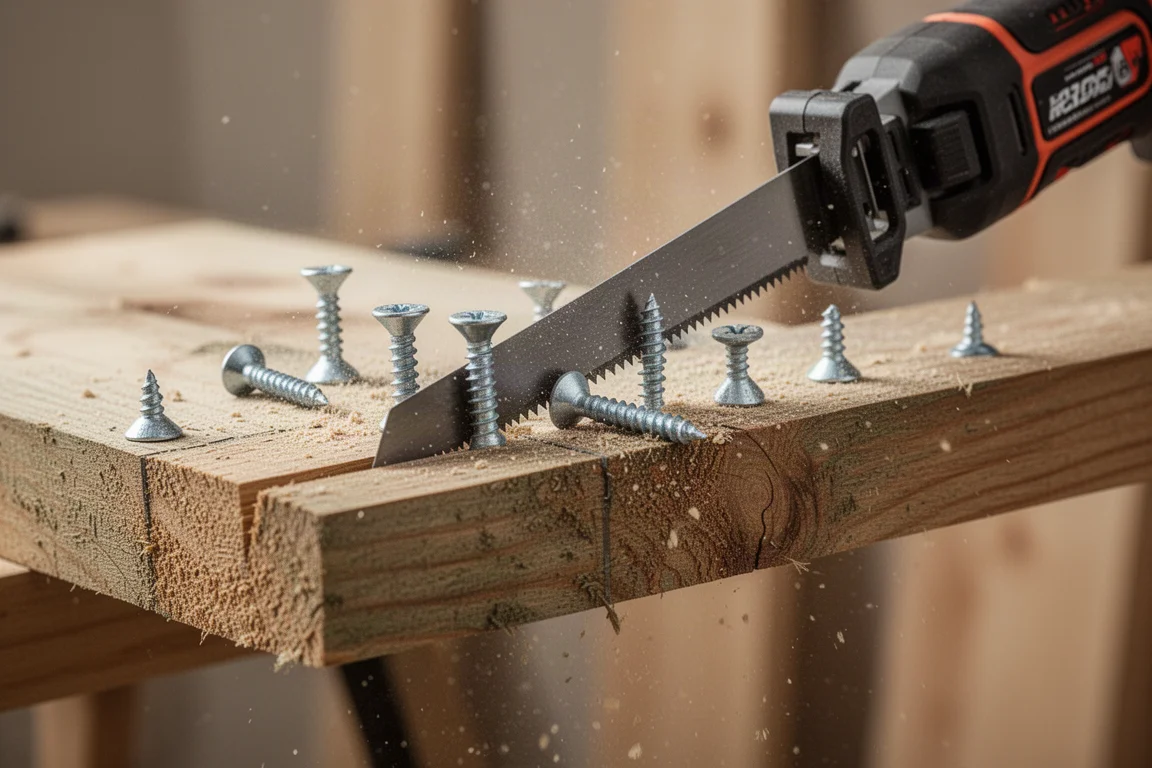
The first test was deliberately extreme: 24 deck screws on each side of the cut, using GRK number 10, 3 1/8 inch long fasteners. The blades cut straight down through the screws and then around through the wood. Nothing this punishing shows up on a typical job site, but it is a fast way to expose differences in blade longevity.
Test Two: Seven Screws in Wood
After the extreme first round, the second test reflected a more realistic scenario: two pieces of 2x lumber with seven screws per side, and the goal was simply which blade got through fastest. Each blade won one of the two runs.
With short cuts like these, wood variation plays a big role. A knot or hard section slows one blade down even when the blades themselves are evenly matched. On fresh blades, the two cut very similarly, which matters if you mostly do quick demo cuts rather than extended grinding through fasteners.
Test Three: Wood Only
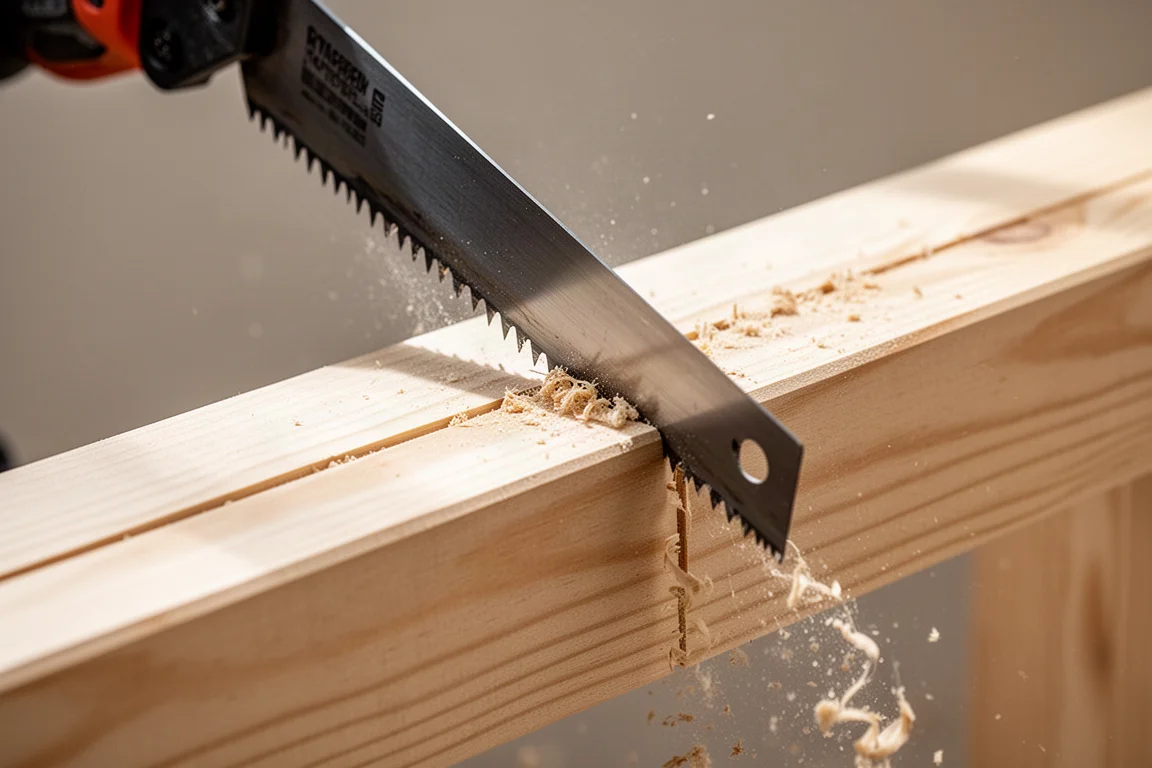
The third test removed fasteners entirely and cut plain wood, which is what these blades spend most of their working life doing. The first run was affected by a knot, so the cut was repeated around it. The result: a tie.
When the wood itself is comparable on each side, the two blades perform very similarly. Neither has a meaningful straight-line speed advantage on clean material. The differences show up only when the cutting gets abusive.
The Real Story: What the Blades Look Like Up Close
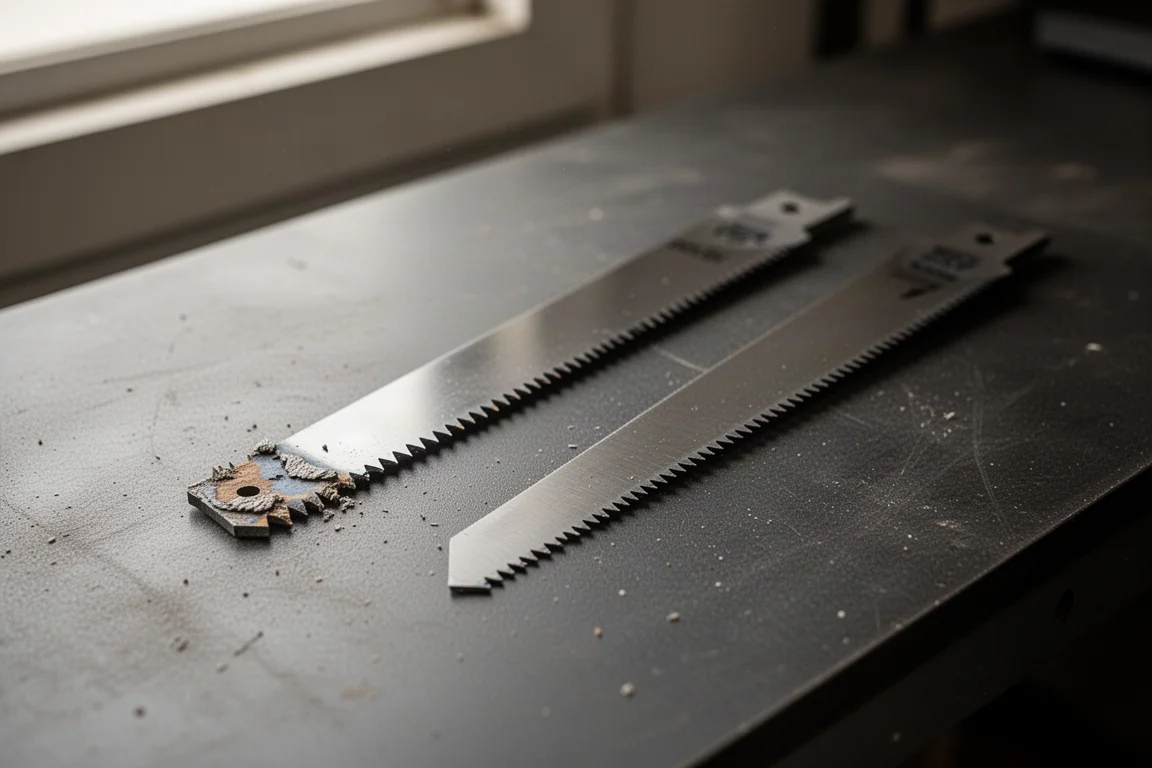
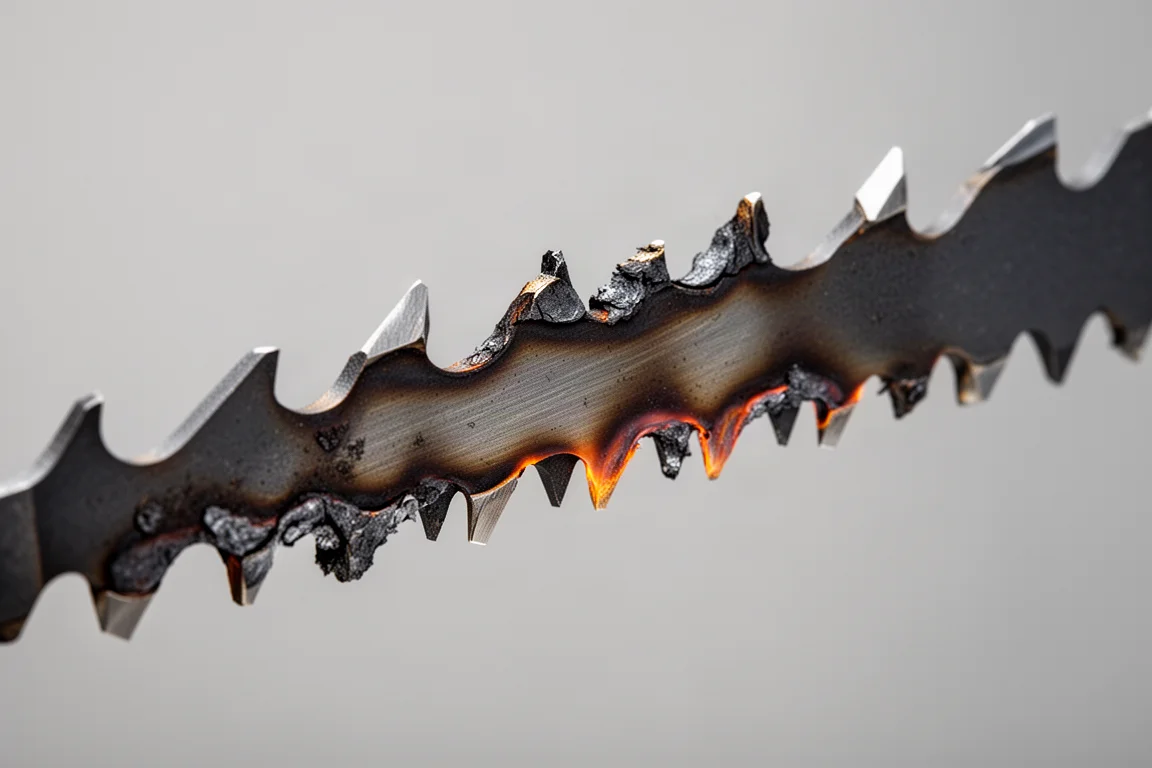
The takeaways from all three tests point in one direction: cutting performance is very similar, but longevity is not. In the extreme screw test, the Milwaukee AX blade got slower but finished the cut and still worked well afterward. The Diablo Amped Demo Demon was effectively wiped out from the start of the cut through the middle, with heavy damage in one section that stopped it early, leaving a significant portion of usable-looking blade untouched. On the aggressive test it also burned up at the tip.
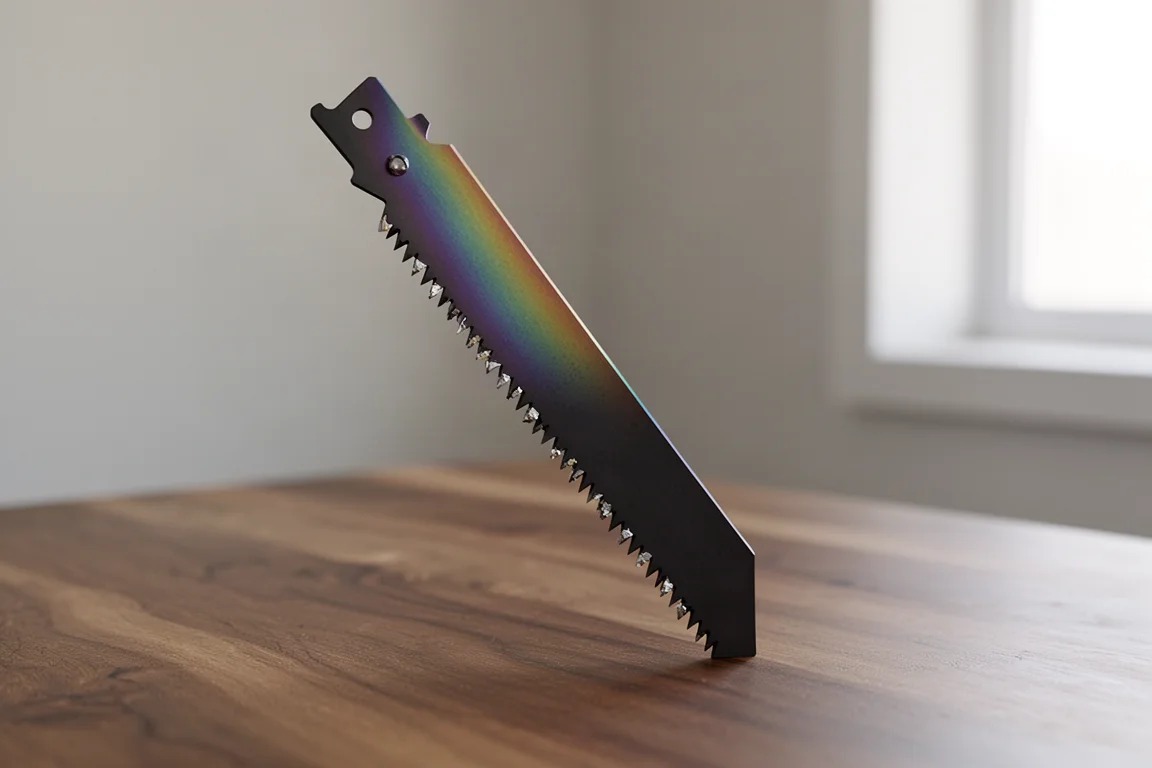
There is one cosmetic quirk worth knowing. The Milwaukee AX loses its exterior coating very quickly, shedding the rainbow-toned heat treatment shade after just a couple of cuts. That does not appear to affect cutting: blades that look thoroughly used were still cutting fine, while some Diablo blades that looked intact were actually worn out. Judge these blades by performance, not by appearance.
Buying Advice
If your demo work regularly means fighting through screws and nails, longevity is the deciding factor, and the Milwaukee AX Nitrous Carbide clearly took that category in this comparison. If your cuts are mostly shorter, real-world fastener hits or clean wood, both blades perform very similarly, so the choice comes down to how much you are willing to spend for a blade that lasts longer. Whichever you choose, expect both to handle plenty of work.
Conclusion
Three structured tests with matched saws and weighted, no-pressure cutting showed two blades that cut alike when new but age very differently under abuse. The Milwaukee AX Nitrous Carbide wins on longevity, the Diablo Amped Demo Demon keeps its coating longer but gave up ground in the extreme fastener test, and plain-wood cutting is a genuine tie. Pick based on how punishing your demo work tends to be.
Further reading
Related Reviews

Power Tool Accessories
Best Drill Attachments 2026: Three DeWalt Tools Worth Buying
A practical look at three DeWalt drill attachments that deliver real value, plus the sketchy options you should skip.

Power Tool Accessories
Best Drill Bits 2026: 14 Sets Tested on Mild Steel, Spring Steel, and AR500 Armor
We tested 14 drill bit sets across mild steel, spring steel, and AR500 armor plating to find the best value, speed, and durability.

Power Tool Accessories
Best Right Angle Impact Adapters 2026: Five Options Tested for Speed, Torque, and Durability
We tested five right angle impact adapters from DeWalt, Milwaukee, Warrior, Titan, and Milescraft to see which ones deliver real performance without failing early.