Wallets
Dex Wallet Version 2 Review: A Cascading Card Wallet in Leather and Microfiber
The Dex Wallet from Design Nest pulls all your cards up with a single tab. We look at the leather Version 2 and the microfiber version, including build quality, capacity, and cash carrying.
Introduction
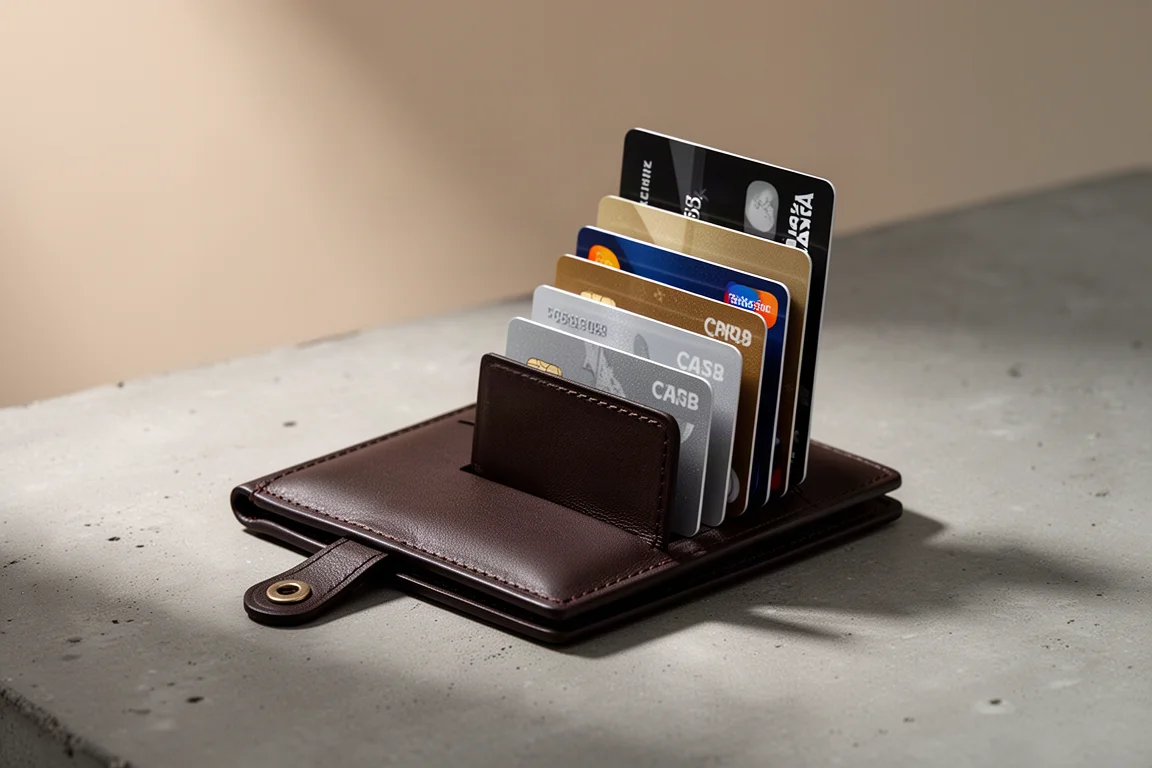
Scrolling social media turned up a wallet we had never seen before: the Dex Wallet from Design Nest, advertised as the first cascading style wallet. Instead of digging cards out of the middle of a sleeve, you pull a tab and the whole stack rises up for viewing. The idea was interesting enough that we ordered one, specifically the Version 2 in leather, to see whether the design lives up to the pitch.
What Makes the Dex Wallet Different
The core trick is the pull tab. Load up to five cards into the main compartment, pull the tab upward, and every card cascades up in a stepped display so you can see and grab whatever you need. A small magnet keeps the tab resting neatly against the wallet when it is closed, and the magnet is gentle rather than aggressive, which is arguably better for cards anyway.
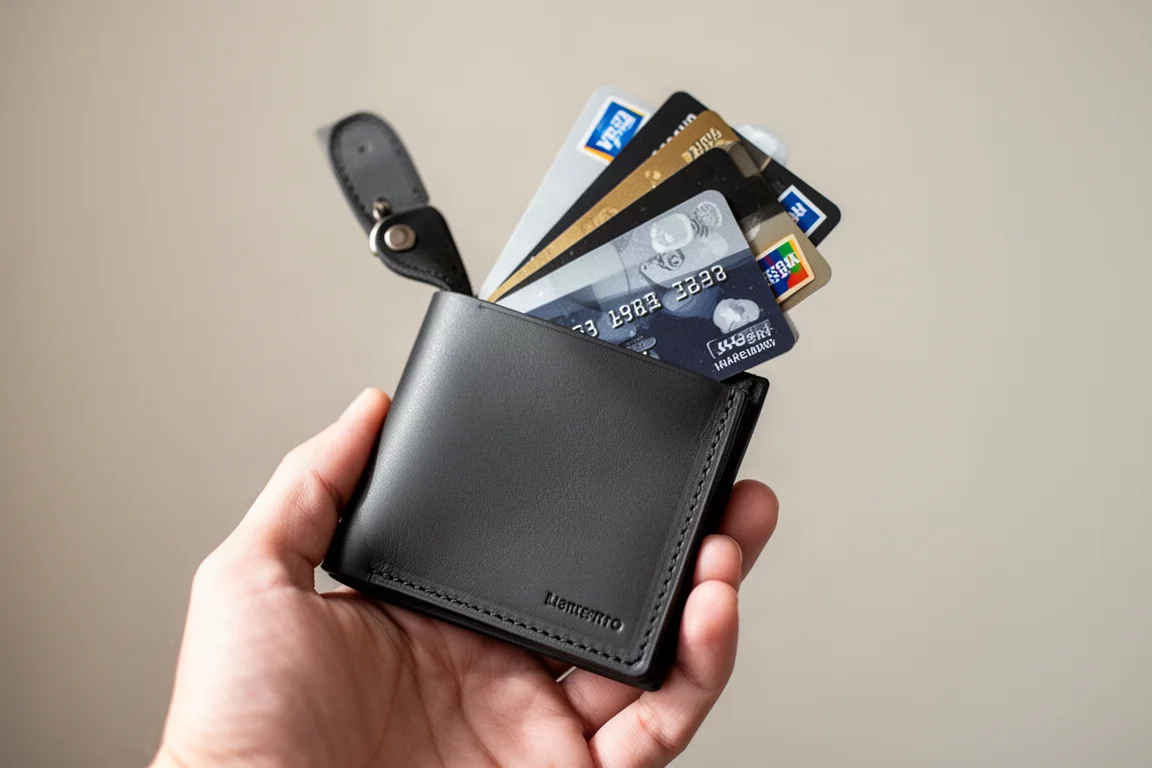
This solves a real problem that most minimalist wallets share: getting to the card buried in the middle. The front card and the quick access slot on the back are easy everywhere, but mid-stack cards usually require a fight. Here you just pull, pick, and slide the card back in. One quirk: the bottom card stays seated and does not rise with the rest, and there is only one way to load the stack.
Build Quality: Leather, Stitching, and Edges
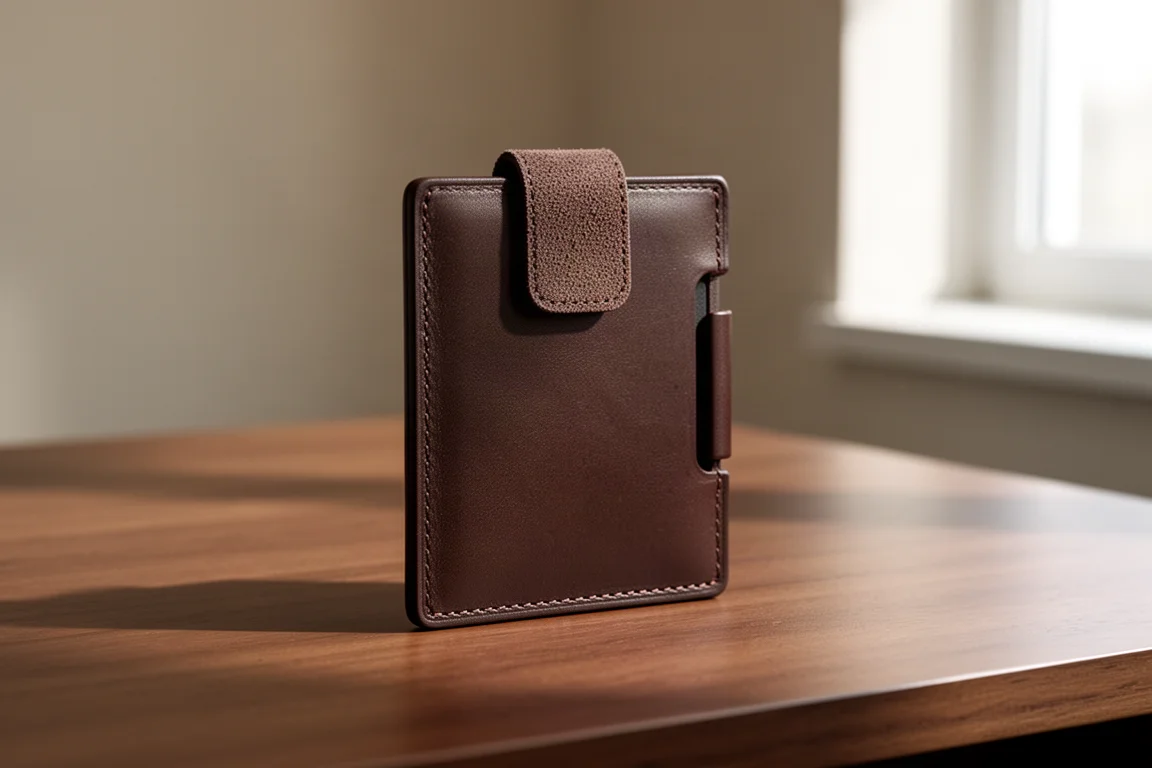
The Version 2 comes in leather, though Design Nest does not state which type of leather it is, and the website offers no sourcing information either. Based on the feel, the plasticky smell, and the uniform grain under light, it does not come across as anything beyond genuine leather, and the lack of transparency is disappointing for anyone who cares about materials.
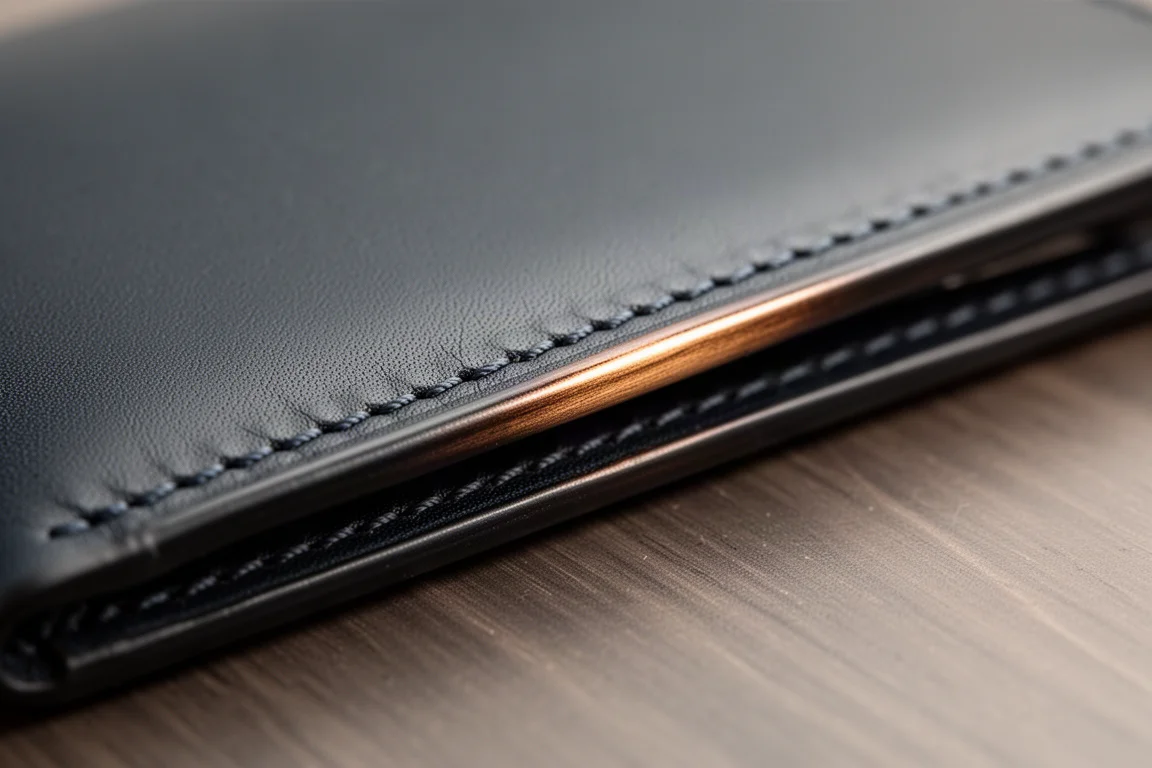
The stitching appears to be machine work rather than a hand saddle stitch, and the thread looks thin. The edges are the strong point here: nicely burnished and polished, which reads as careful finishing. The pull tab itself has a soft microfiber-like feel, and the branding is minimal, just a small stamp on the lower front.
Everyday Carry: Capacity and Pocketability
Capacity is genuinely minimal. The main cascading compartment holds five cards, and the quick access slot on the back adds one more, for six total. Without cards inside, the wallet feels a little flimsy, but loaded it holds its shape fine.
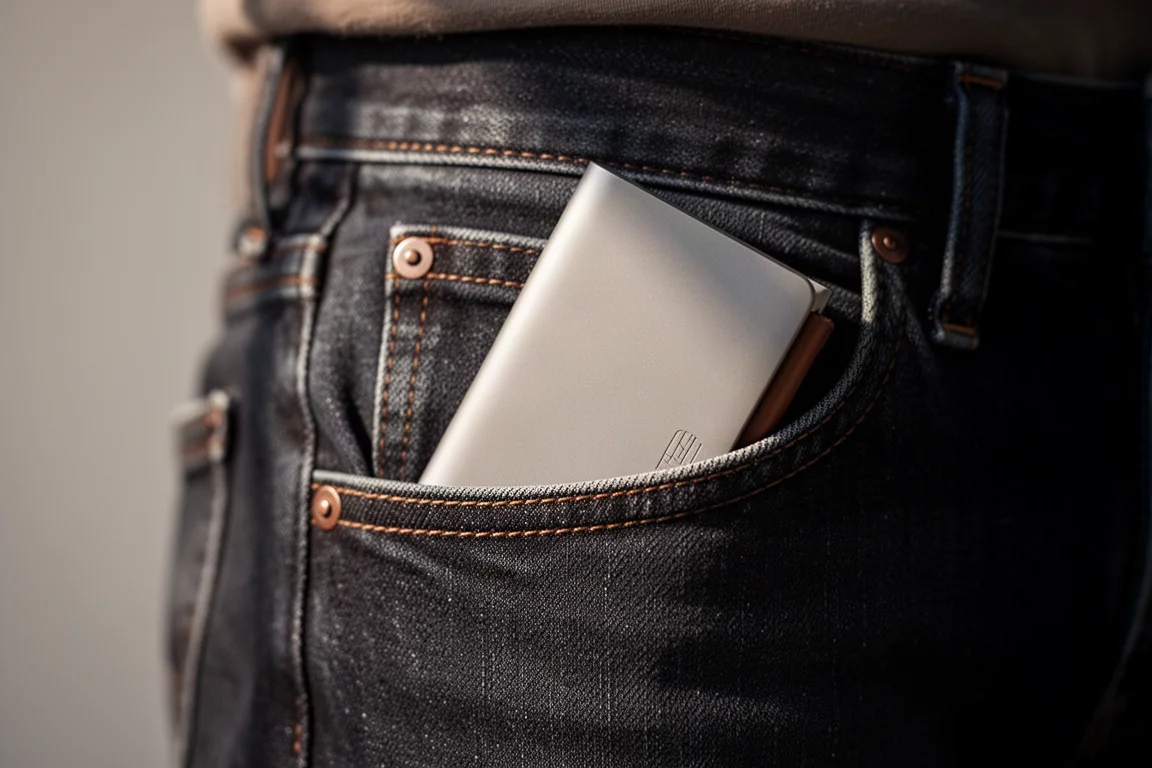
In the pocket, the low-profile shape makes it easy to forget you are carrying it. This is about as minimal as a card wallet gets, which is exactly the point for anyone tired of bulky billfolds. It is also available in several colors across both the leather and microfiber versions.
The Microfiber Version
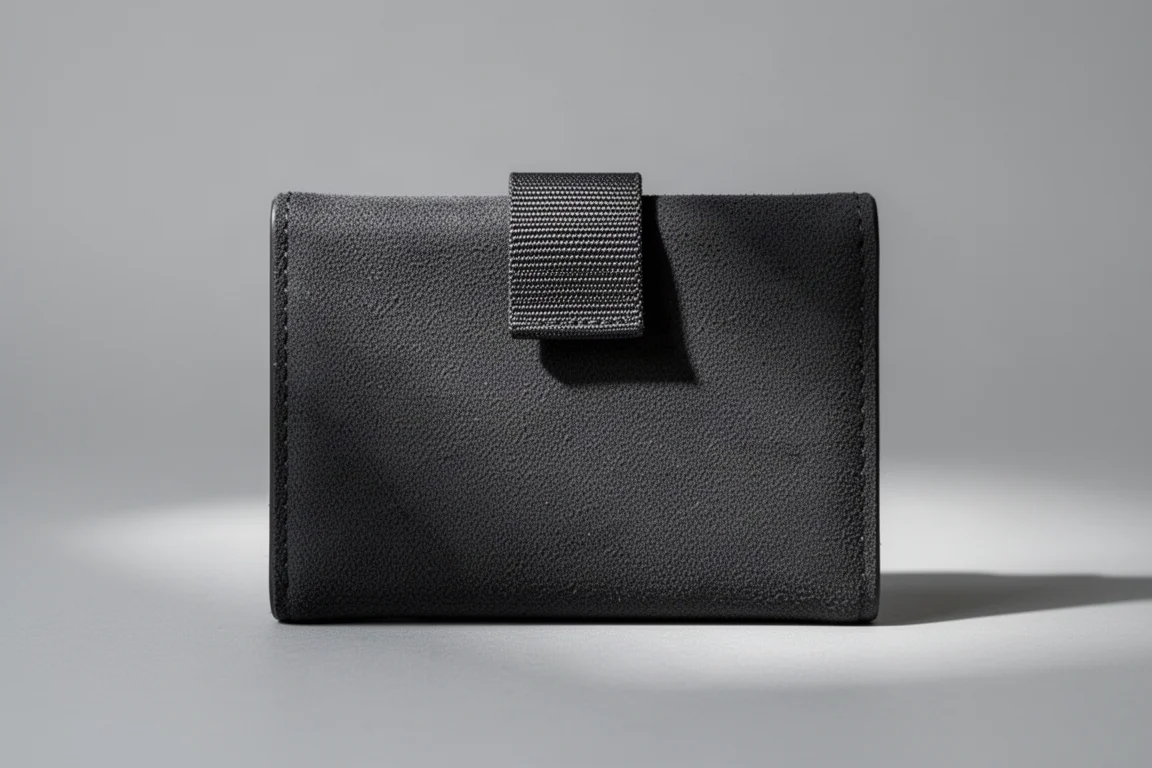
Design Nest built its reputation on microfiber wallets, and the microfiber Dex Wallet is the more affordable route into the same cascading design. Functionally it offers the same pull-tab card display, the same roughly five-card main capacity, and the same quick access slot, just in the ultra-fine microfiber material highlighted on the packaging. If you like the mechanism more than the idea of leather, this is the version to consider.
Carrying Cash: Workable but Awkward
Cash is where the design gets compromise-y. The quick access slot on the back doubles as the practical cash spot: fold a few bills into quarters and slide them in. Ten folded bills fit back there, though it gets thick.
You can technically tuck bills into the cascading portion under the tab, and they will lift with the cards, but they press against the stack and stop the cards from cascading cleanly. Worse, bills placed near the top tend to slide right out every time you pull the tab. If you carry cash regularly, stick to the rear slot.

Pricing and Versions
The leather Version 2 lists for $59.99 on the official website and was on sale for $37 at the time of purchase. The microfiber versions run cheaper at $54 normally, with a sale price of $27. Both are modest sums, and the microfiber option in particular undercuts most comparable minimalist wallets.
Should You Buy One?
Honestly, mixed feelings. The cascading design is genuinely novel, genuinely functional, and the wallet is extremely minimal and pocketable at a fair price. But the leather quality is questionable and undisclosed, capacity is capped at six cards, and cash carrying is an afterthought. For someone whose everyday carry is mostly cards and who wants quick visibility of every card at once, this could be a great fit. For cash carriers or anyone who judges wallets by materials, look elsewhere.
Conclusion
The Dex Wallet Version 2 earns points for originality: the cascading pull tab is the best answer we have seen to the buried-card problem, and the whole package stays slim and simple. It loses points on material transparency, stitching, and cash handling. At $37 for leather or $27 for microfiber, it is a low-risk experiment in a genuinely different wallet design, and for card-first carry it may well be the best wallet you have owned.
Further reading
Related Reviews

Wallets
Allett Coin Wallet Review: A Slim, High-Capacity Wallet Built for Coins
The Allett Coin Wallet combines a quiet coin slot, generous card capacity, and durable nylon construction in a slim package designed for international travel.

Wallets
ALPAKA ARK Bifold Wallet Review: A Light, Water-Resistant Card Holder
The ALPAKA ARK Bifold Wallet offers a thin, water-resistant design with five card slots and a reasonable price. Here is a closer look at what it does well.

Wallets
Bellroy Card Sleeve 2 Review: A Slim Wallet That Refines a Classic
The Bellroy Card Sleeve 2 is a slim, leather wallet with quick-access slots and a refined build. Here is how it compares to the original.