Power Tools
DeWalt XR Compact Drills Compared: DCD801B, DCD806B and the Outgoing DCD777
DeWalt's new XR compact drill driver and hammer drill promise serious power gains over the older generation. Here is how they performed in real fastener and concrete testing.
Introduction
DeWalt’s latest XR compact drill driver and hammer drill arrive with a bold claim: up to 110% more power than the outgoing models they replace. That is a big number for tools designed to live in a work bag rather than on a truck shelf, so it is worth looking at what these new units actually deliver.
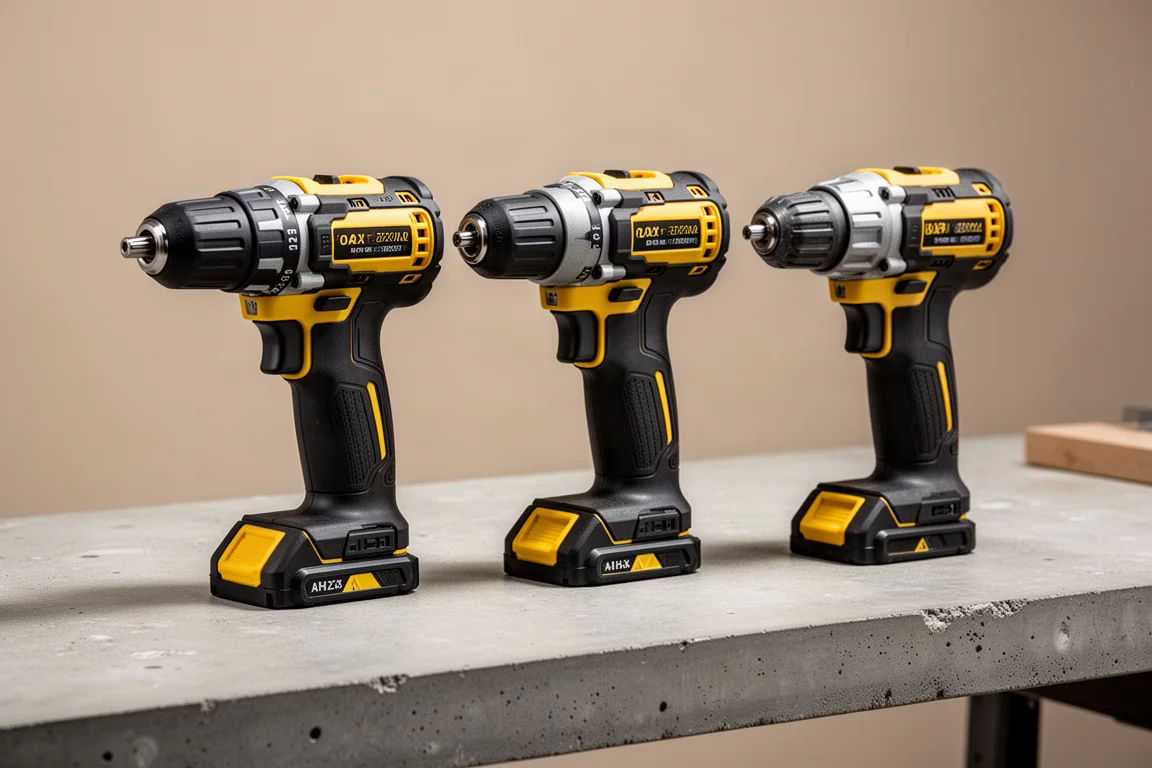
The comparison here covers three tools: the new DCD801B XR drill driver, the new DCD806B XR compact hammer drill, and the older DCD777 compact drill driver that many users still carry daily. The testing focused on real tasks: driving drywall screws, long lag fasteners, and drilling into concrete.
The New XR Line at a Glance
The DCD801B XR drill driver is rated at 1,050 max watts out, with no-load speeds of 0 to 650 rpm in speed one and 0 to 2,000 rpm in speed two. It offers two speed settings, 15 clutch settings, a metal ratcheting half-inch chuck, and a 70-lumen max light. DeWalt positions it as the most powerful 20V Max two-speed drill driver based on ratings using the matching 1.5Ah PowerStack and 5Ah XR batteries.
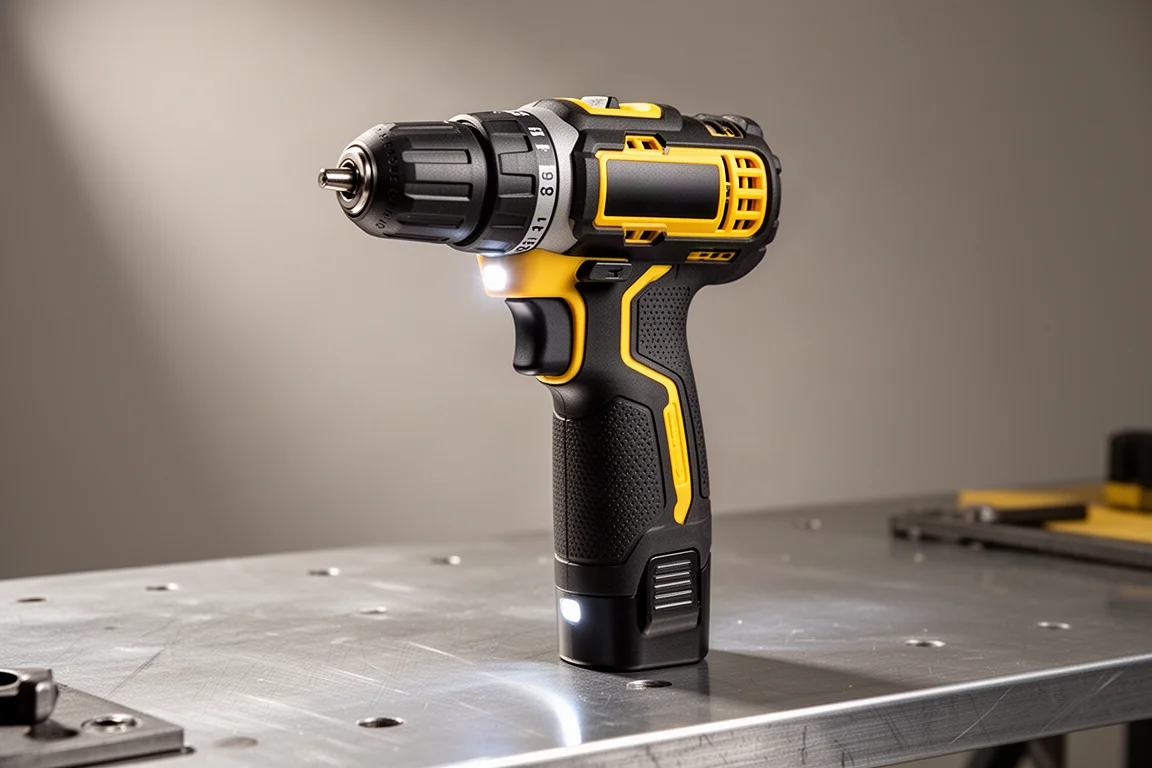
The DCD806B XR compact hammer drill shares the same 1,050 max watts out rating and two-speed gearing, adding hammer function with 0 to 11,050 bpm in speed one and 0 to 34,000 bpm in speed two. It uses 14 clutch settings and is only slightly larger and heavier than the drill driver, still keeping a compact footprint.
Both new tools include DeWalt’s Perform and Protect anti-rotation system, which detects bind-up events such as wrist-snapping kickback and cuts in with a red indicator light. They are also Tool Connect and Chip ready, useful for tracking tools across a crew.
Build Quality and Everyday Handling
The most welcome change is the switch back to metal. The older DCD777 uses a plastic chuck and a molded plastic clutch ring with grooves, while the new XR models use a metal ratcheting chuck with a plastic overmold for grip. Metal simply feels more durable and turns more smoothly.
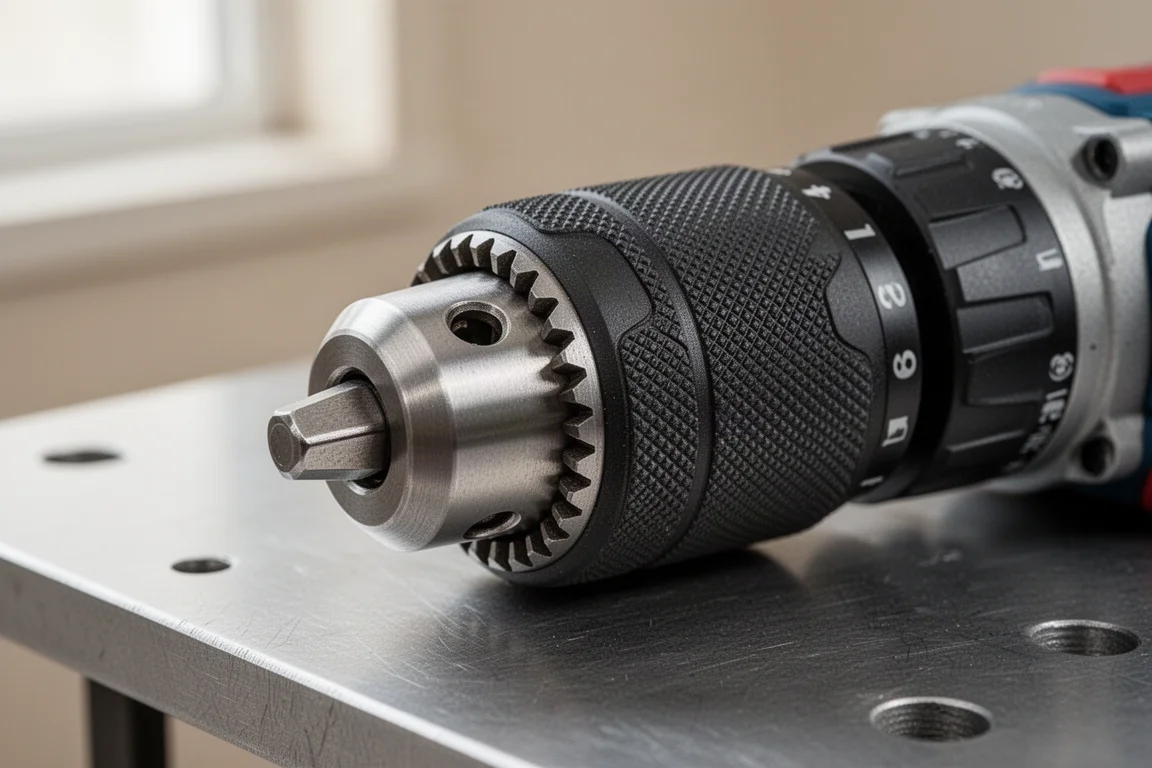
Another practical touch is the three-mode light system: on while the tool runs, a 20-minute run mode that turns the drill into a makeshift work light, and off. For cabinet installs or working under a sink, that 20-minute mode is a genuine convenience.
Fastener Driving and Clutch Control
The DCD801B handled 2-inch drywall screws smoothly in both speeds, and the fine clutch adjustment proved genuinely useful. Clutch setting one stopped a screw just short of flush, setting two landed nearly perfect, and setting three drove slightly deeper. That level of tuning matters for finish work.
Larger fasteners told a more interesting story. With 3-inch drywall screws, the drill drove one perfectly at clutch setting one, speed one, yet struggled to finish the same screw at clutch setting three, and needed setting five to repeat the result. It is an odd quirk worth knowing about if you rely on precise clutch behavior.
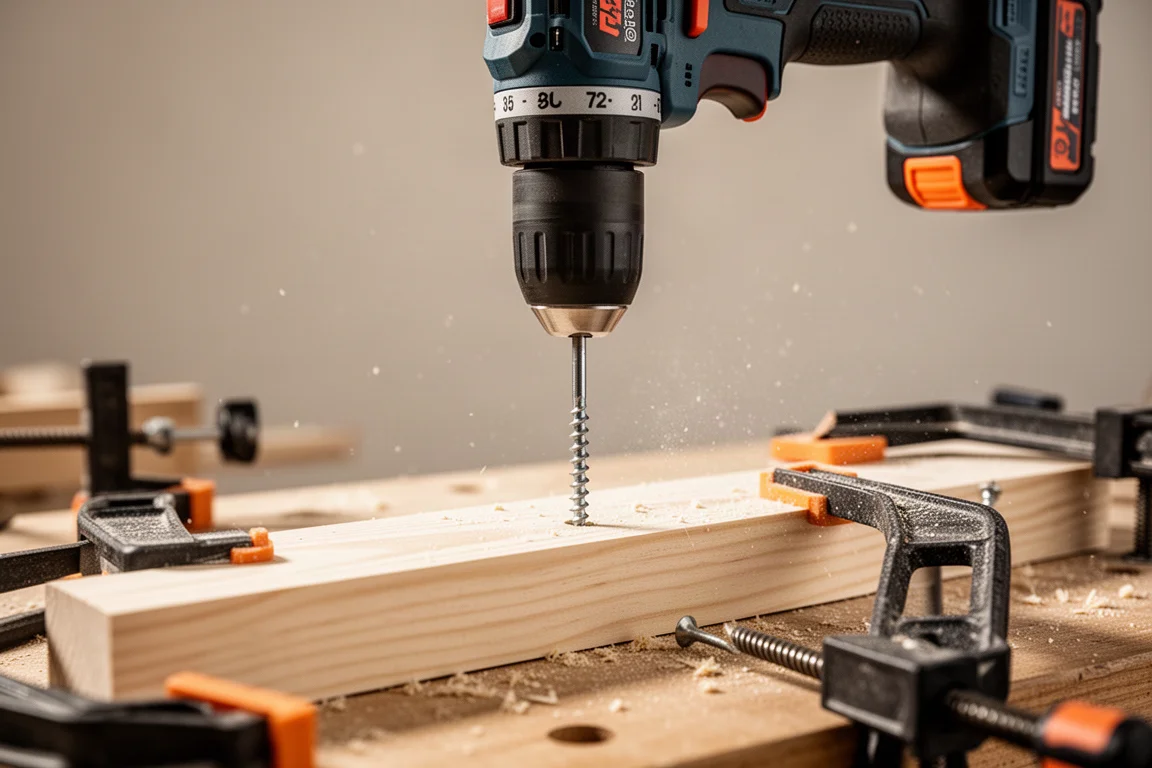
With quarter-inch by 6-inch lag screws, the drill completed the job in drill mode, speed one, with only mild cam-out at the end that did not trigger the anti-rotation system. In speed two, the anti-kick protection did engage, which is exactly what it is designed to do.
The DCD806B Hammer Drill
The DCD806B behaved much like the drill driver on wood fasteners. Clutch setting one drove a 2-inch screw perfectly flush, and the same fine-tuning pattern repeated with bigger screws, with setting five again proving the sweet spot for 4-inch drywall screws.
On quarter-inch by 6-inch lag screws, it drove cleanly in speed one with the anti-rotation kicking in right as cam-out started, and speed two produced zero kickback and very efficient driving. Battery life held up impressively too: after all the fastener driving, two battery bars remained.
Concrete Drilling Performance
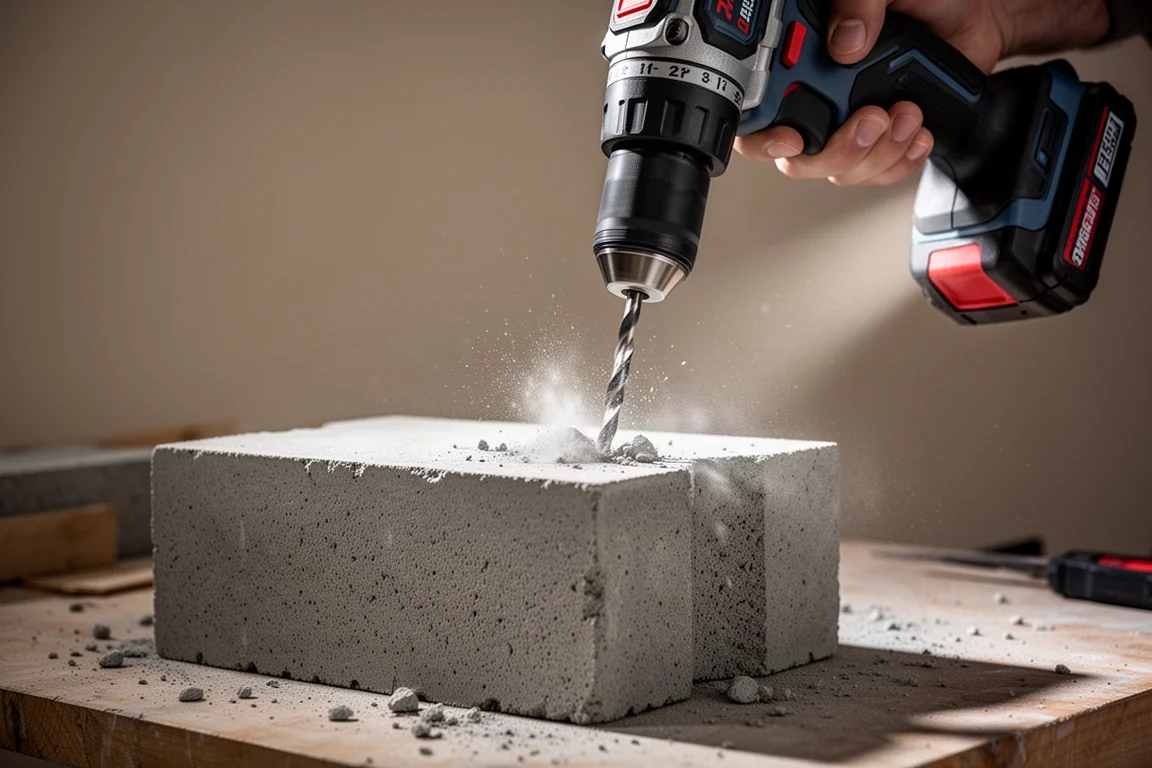
The hammer drill’s namesake function got a proper test with quarter-inch and three-eighths-inch bits through concrete. Both sizes drilled with no issue whatsoever.
For occasional anchor holes, this compact hammer drill covers a standard hammer drill’s duties well. If you spend whole days drilling concrete, an SDS rotary hammer remains the better tool, but for keeping a single compact hammer drill in the truck to save space and weight, the DCD806B gets the job done.
Head to Head With the Older DCD777
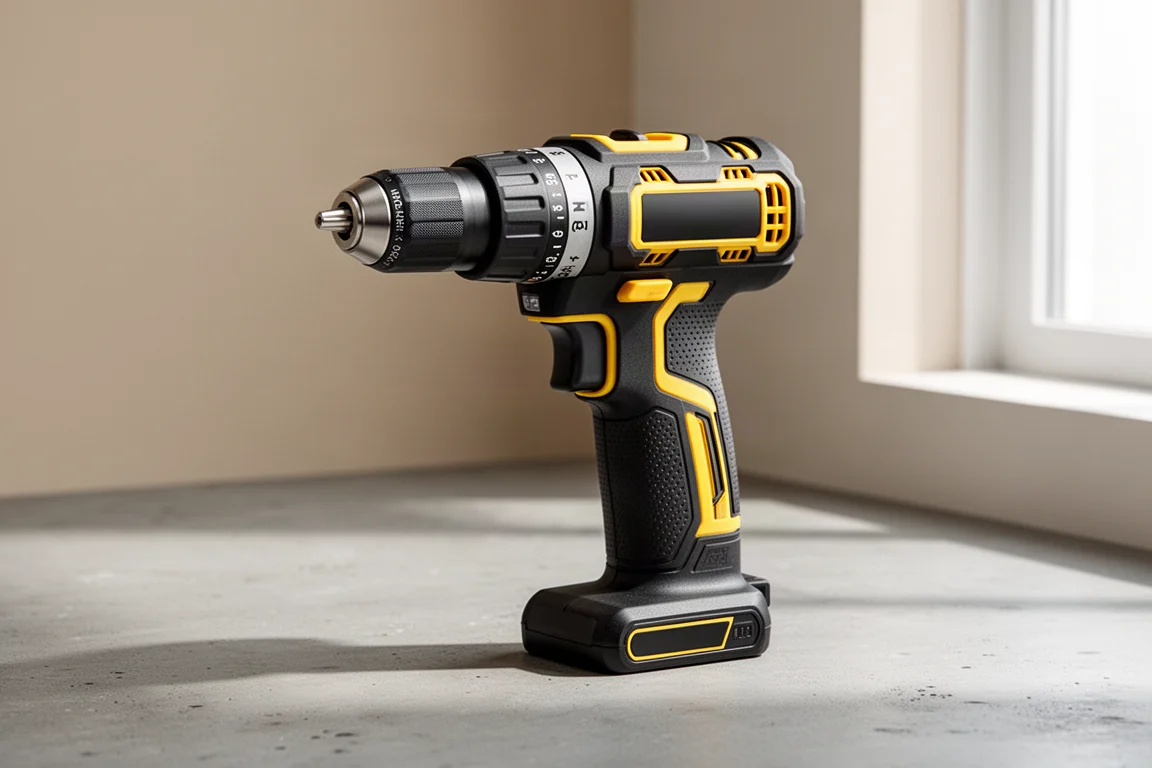
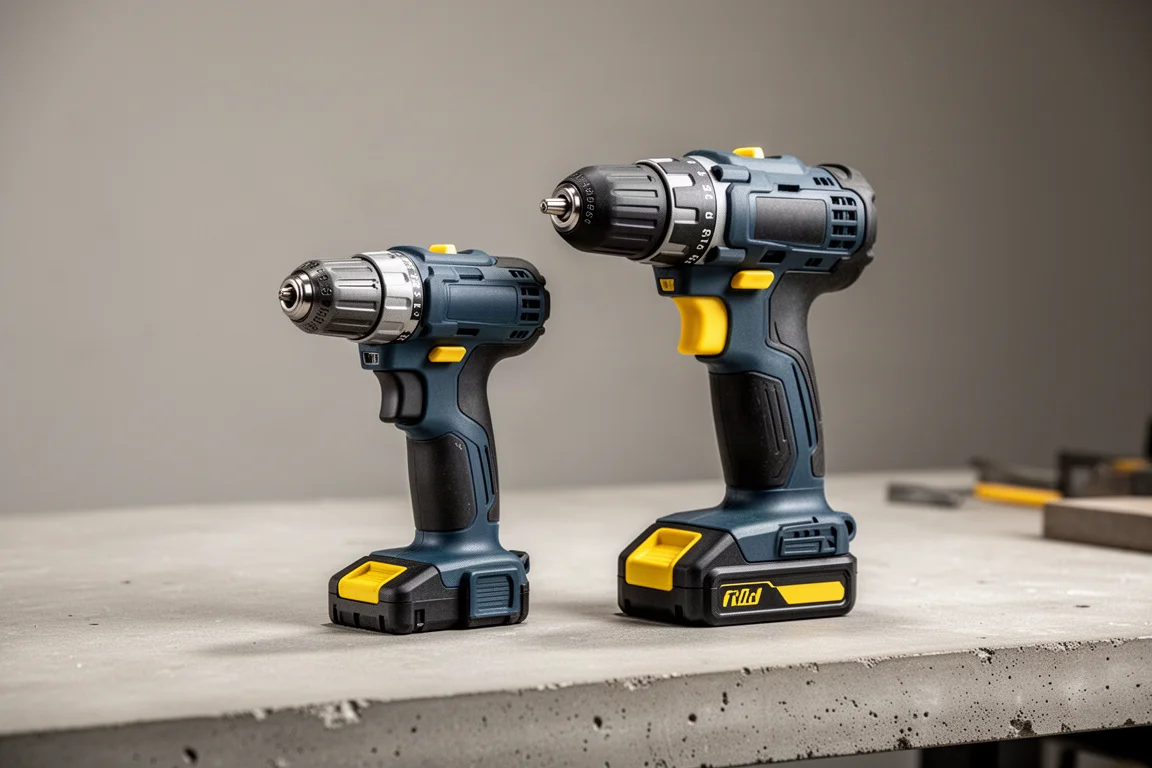
Side by side, the differences with the outgoing DCD777 are easy to see. The new DCD801B is more compact, the chuck and clutch ring are upgraded to metal, and the light system is far more capable than the old light under the base cone.
In a direct power test using matching 1.7Ah PowerStack batteries and identical quarter-inch by 6-inch lag fasteners, the new drill was noticeably faster and more powerful in speed one. Whether it hits the full 110% claim is harder to verify without measured numbers, but the performance gain in real use is clear.
Should You Upgrade?
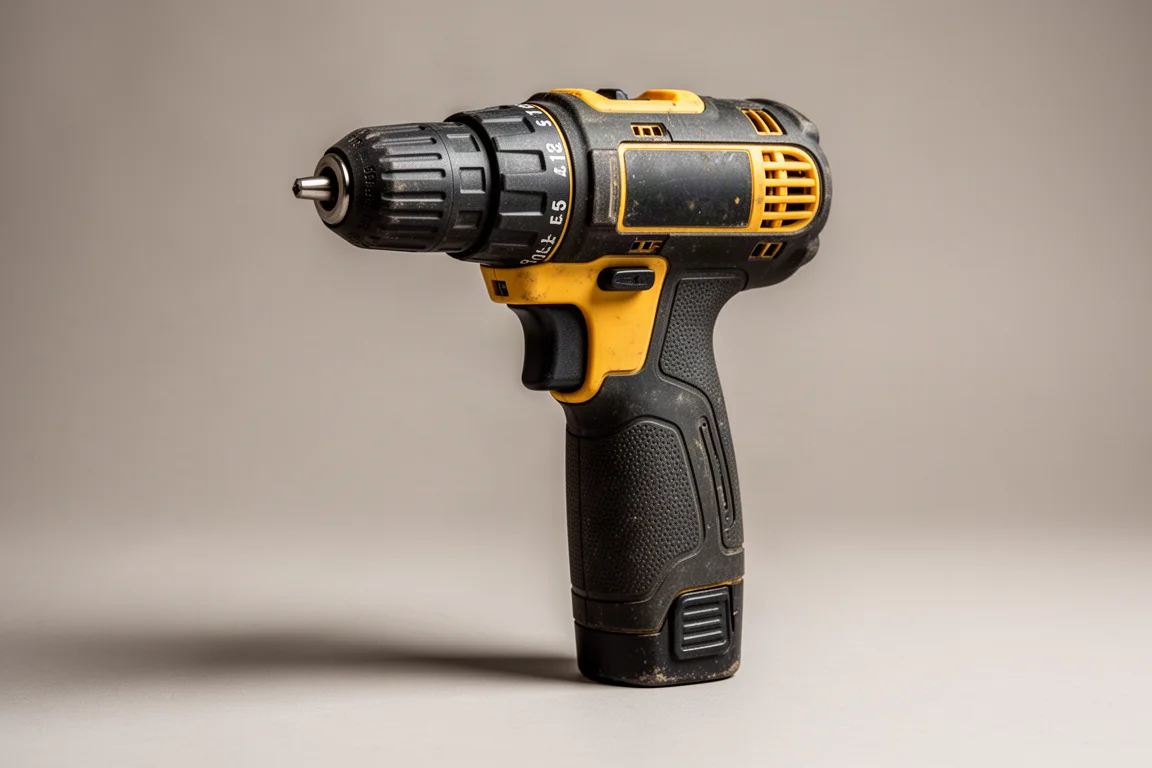
If you run older generations, they will still get jobs done. But if you want the latest power density in a compact package, along with metal chucks, anti-rotation safety, and a genuinely useful light system, the new XR line is the stronger choice. The safer path on a budget is watching for clearance pricing on the older models, which remain capable tools.
Conclusion
DeWalt’s new XR compact drill driver and hammer drill back up the power claims well enough in practical use: faster driving, strong concrete performance, and impressive battery endurance, all in a smaller, safer, better-built package. For anyone carrying a compact drill daily, the upgrade case is convincing.
Further reading
Related Reviews

Power Tools
Best 1-Inch Pistol Impact Wrenches: Three Heavy-Duty Options Compared
We compare three 1-inch pistol impact wrenches, from a budget-friendly Harbor Freight model to a premium Caterpillar unit, to help you choose the right one.

Power Tools
Best 3/4-Inch Impact Wrenches 2026: Five Contenders Compared
We compare five 3/4-inch impact wrenches across price and performance, from a budget Amazon option to Snap-on's most powerful model yet.

Power Tools
Best Budget Cordless Tools 2026: Walmart Finds That Punch Above Their Price
We tested five cordless tools from Walmart, including a high-torque impact wrench that trades blows with Milwaukee and a $35 duster that outperforms its price class.