Snow Removal
DeWalt vs Milwaukee vs Toro Battery Snow Blowers: How They Handle Wet, Heavy Snow
Three cordless snow blowers put to work in several inches of wet, packed snow. Here is where each one shines and where it struggles.
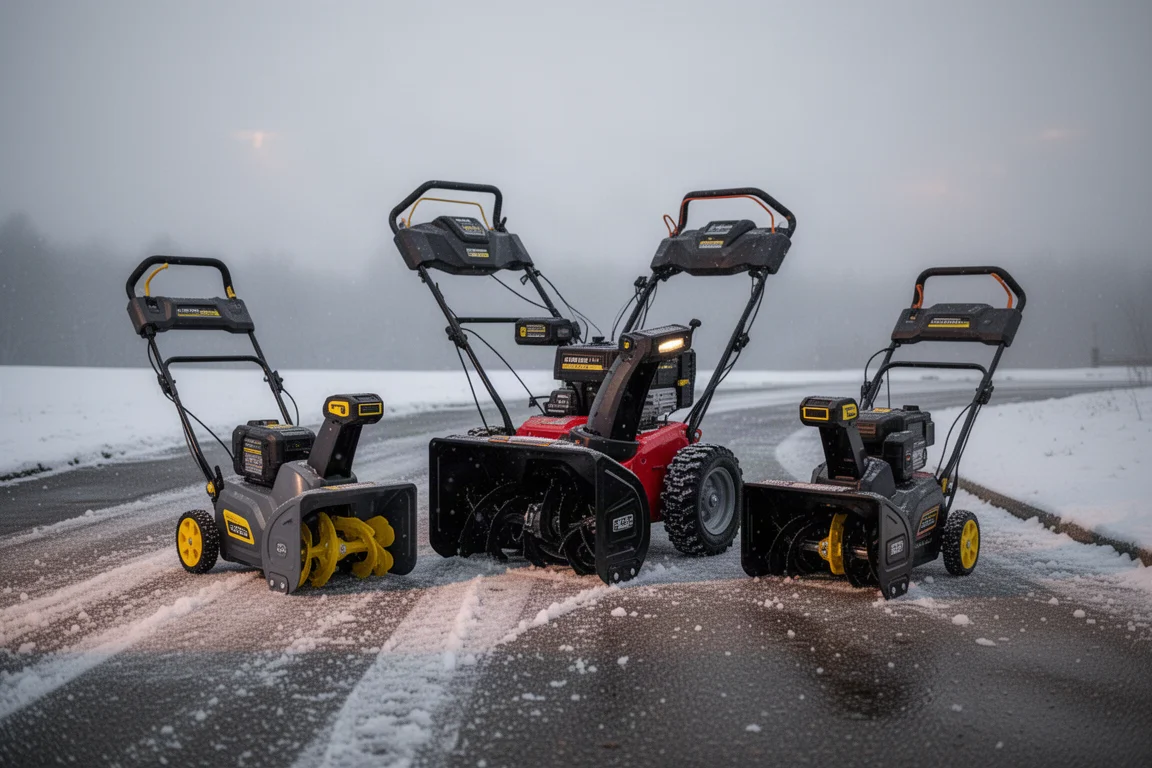
Introduction
After several back-to-back snowstorms, we put three battery snow blowers to work in genuinely difficult conditions: solid six inches of very heavy, wet snow layered over an inch or two of previously packed snowfall. The comparison covers the DeWalt cordless snow blower, the Milwaukee auger-propelled model, and the smaller Toro. These are very different machines at very different prices, and in heavy snow the differences show quickly.
The Test Conditions
This was not the light, fluffy snow any blower handles easily. The surface had been driven over, packed down, and refrozen into snowball-grade material in places. That matters because you never know what kind of snow you are going to get, and a cordless blower’s weaknesses tend to surface exactly in conditions like these.
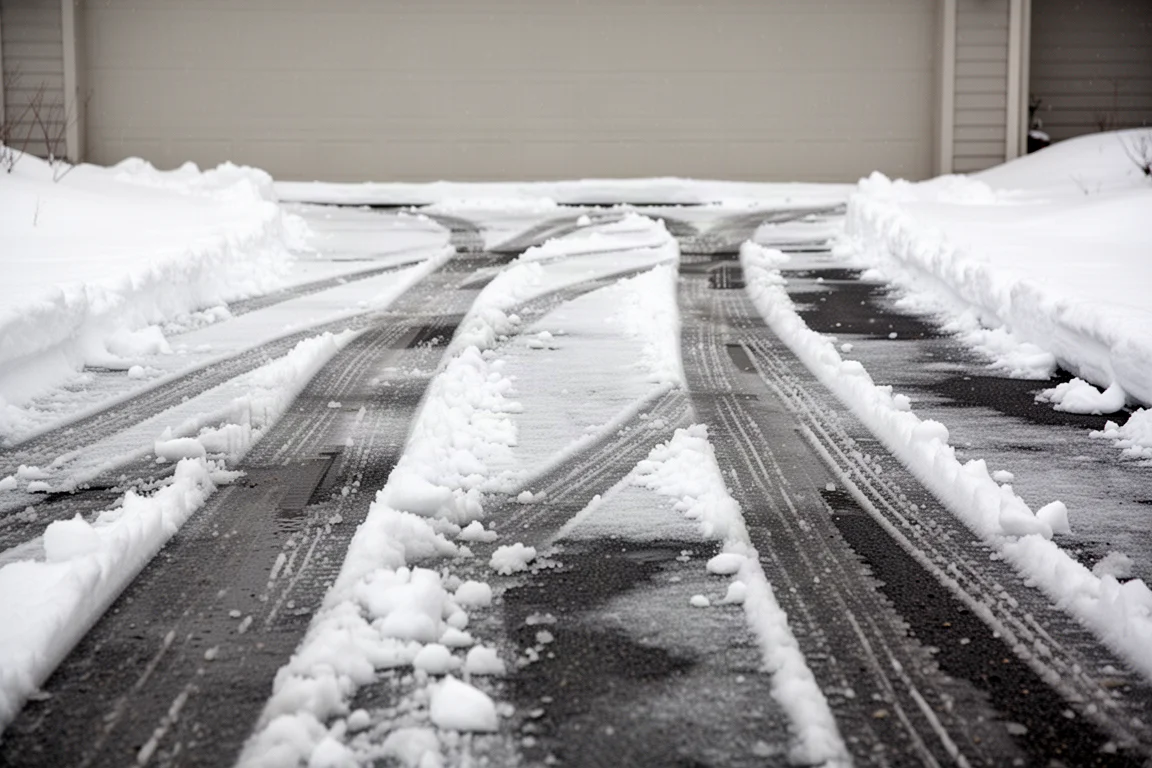
The runs were done back to back so each machine worked the same heavy, layered snow, with footprint markers used to compare throw distance.
DeWalt Cordless Snow Blower
The DeWalt is a push model: it does not propel itself, you push it. Despite that, it felt noticeably easier to use overall and is easier to pick up and load. Running on two 9Ah flex volt batteries, it was down only one bar after a full session of heavy snow work.
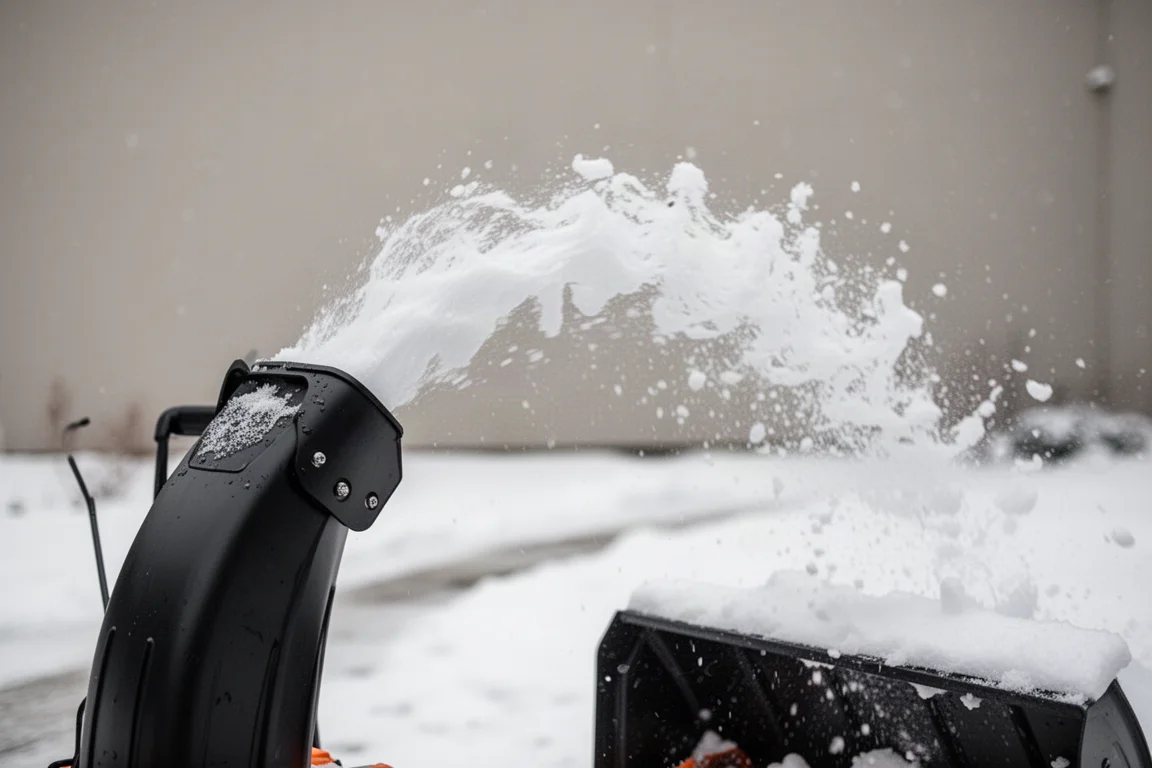
Where the DeWalt really stood out was throw distance. Its narrower chute seems to keep the snow together rather than turning it to powder, which lets it launch snow further and cleaner. In direct comparison runs, it consistently threw snow noticeably further than the Milwaukee and cleared the driveway better. It is also quieter, quiet enough to hold a conversation while working.
The adjustable chute is a highlight. It adds more parts that could break, but being able to swing the chute back and forth easily is a real convenience. It is not perfect: it does not always clean right down to the sidewalk, and a second pass helps on hard-packed snow.
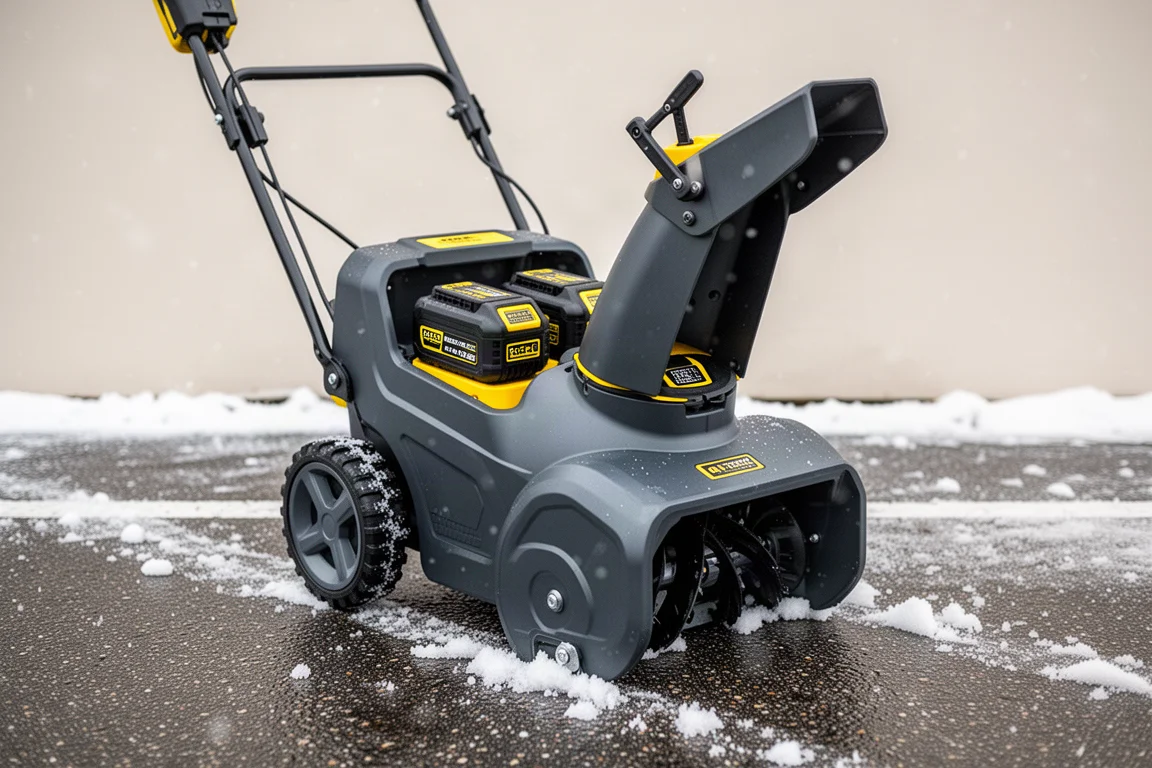
Milwaukee Auger-Propelled Snow Blower
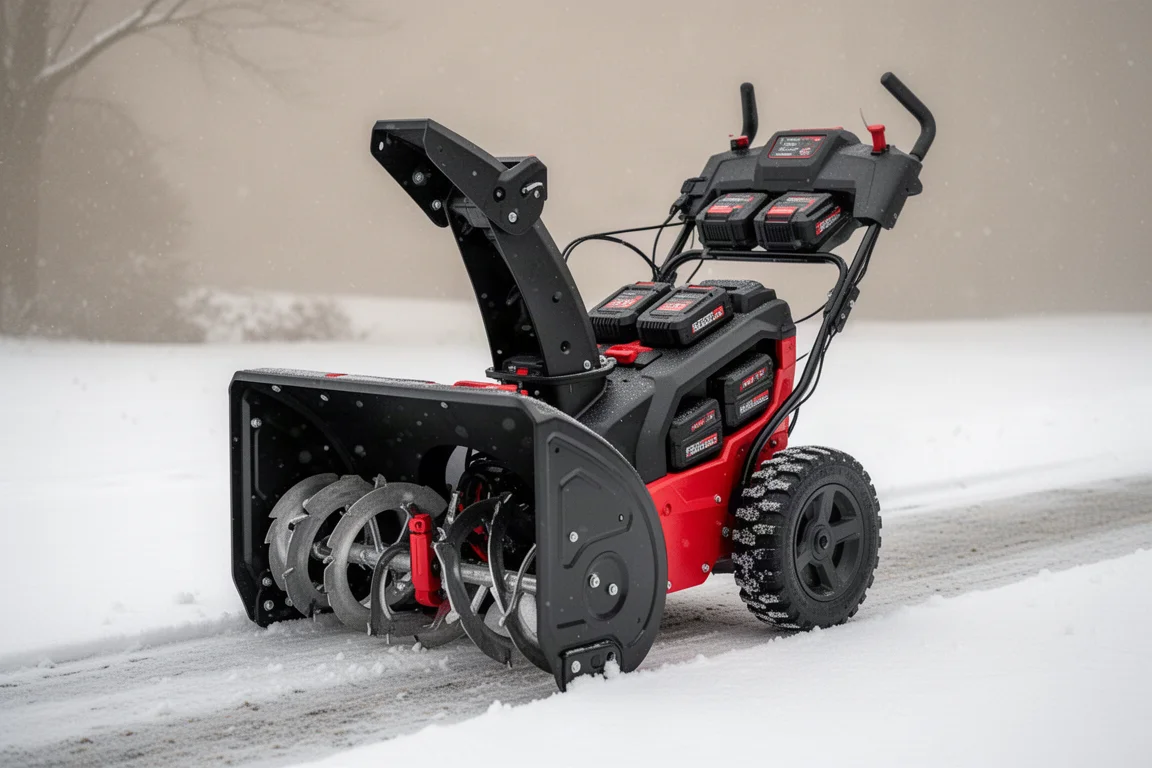
The Milwaukee takes a different approach, using its auger to pull itself forward. On paper that should reduce the effort of pushing, but in this heavy, wet, layered snow it did not work especially well. The machine needed to be leaned forward and pushed repeatedly, and on some sections it required multiple passes.
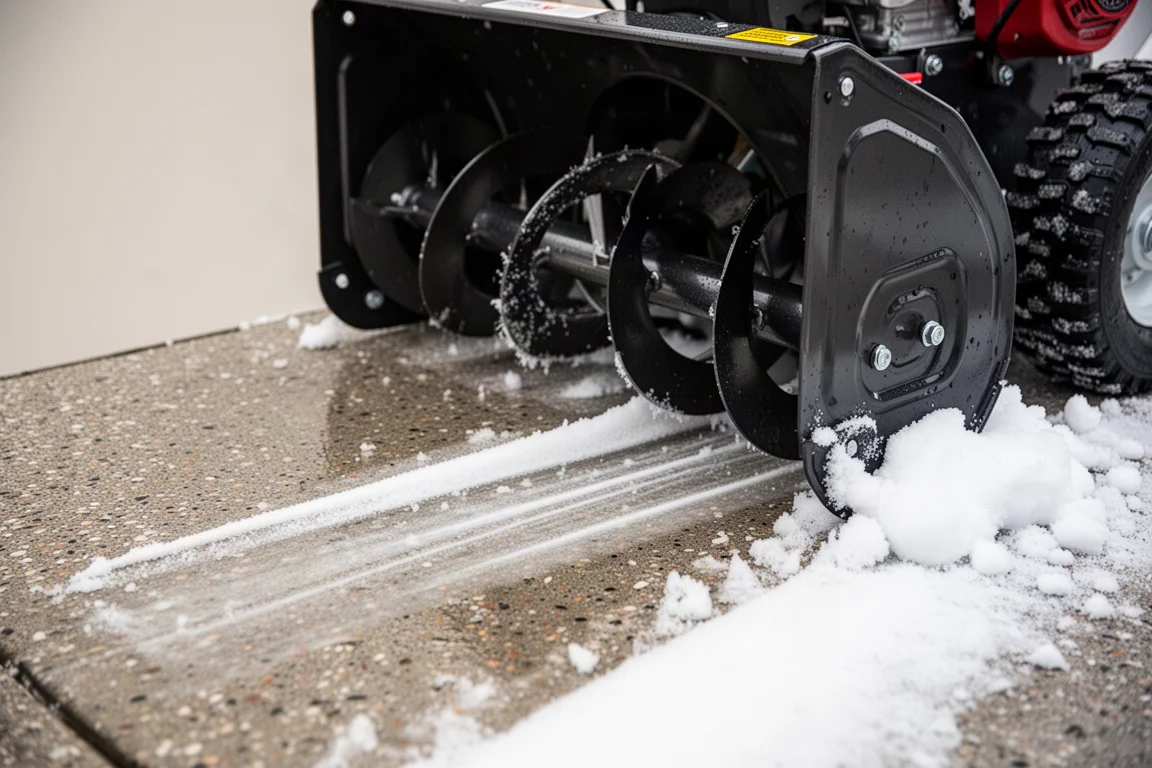
Where it earns its keep is cut depth. Lift it up after a pass and you can get down to almost bare concrete quite easily, which the DeWalt could not always match. The trade-off is a large, wide chute that turns heavy snow into powder, and powdery snow does not throw as far. The distinctive sound of the auger paddle is hard to get used to, but the machine works and there is nothing truly bad to say about it.
In testing, the Milwaukee has typically run on two 12Ah forge batteries. Adding two more batteries to run four total did not make it any more powerful: the sound did not change and the throw distance stayed the same.
Toro Snow Blower
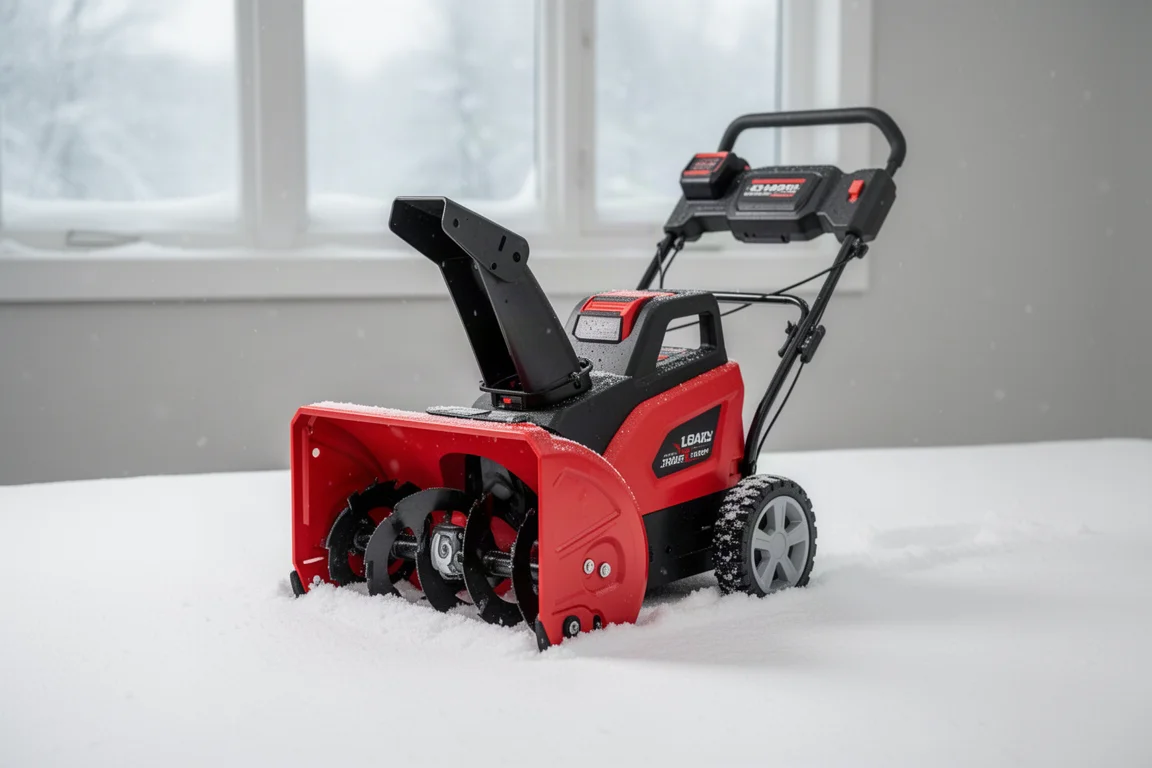
The smaller Toro has shown more raw power in earlier testing, throwing snow tremendously further than the Milwaukee. As with the DeWalt, a narrower chute appears to be the key: it keeps heavy snow together like a snowball, and a snowball flies further than powder.
Battery Life and Runtime
Battery use in this session was reasonable given the conditions. The DeWalt, running two 9Ah flex volt batteries, dropped just one bar over a long morning of plowing. The Milwaukee, on its usual two 12Ah forge batteries, ended with one set at half and the other at three quarters. Neither figure is horrible, but wet, heavy snow is genuinely demanding territory for any battery-powered machine, and some inefficiency is simply part of the deal.
Which One Should You Buy
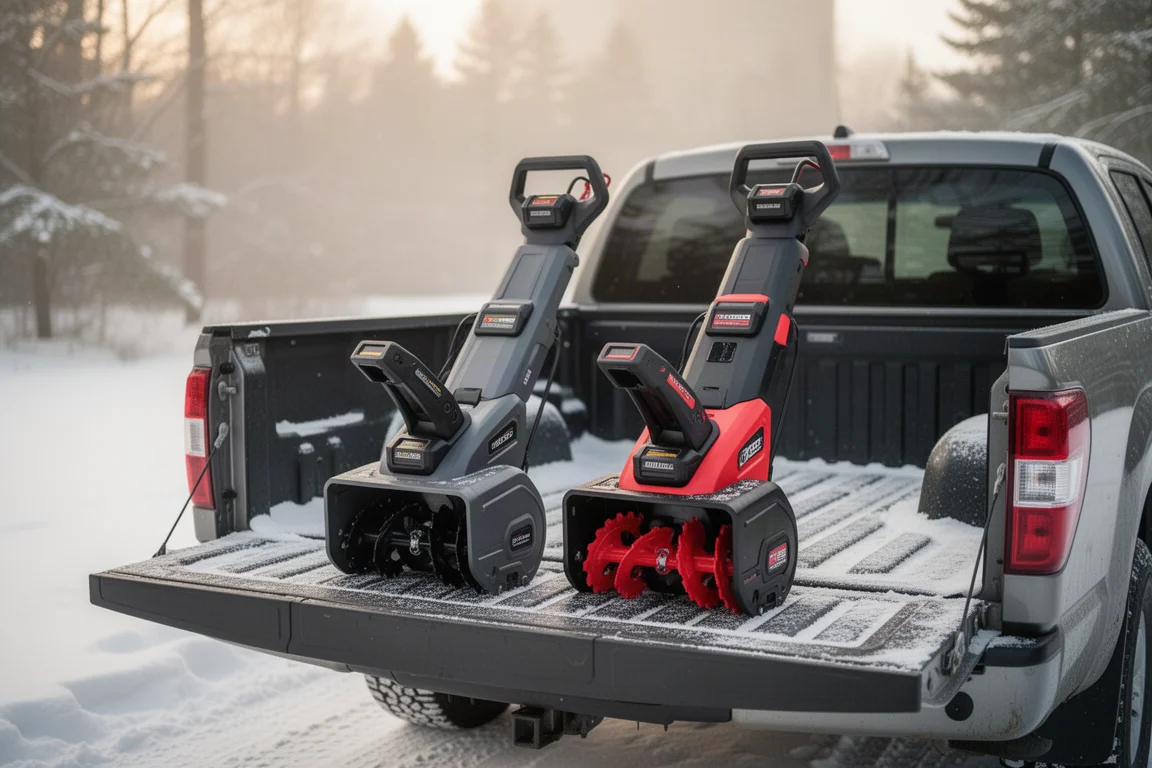
These are two different snow blowers in almost every sense: price, propulsion, and behavior. The DeWalt throws further, runs quieter, feels easier to handle, and clears the driveway better overall. The Milwaukee cleans down closer to bare concrete and is self-propelled by design, though the auger drive struggled in this snow. The Toro has proven to have more power than the Milwaukee in throw tests. The right choice likely comes down to which battery platform you are already invested in and what you want the machine to prioritize.
Conclusion
In six inches of wet, heavy, layered snow, the DeWalt threw further, cleaned better, and was easier and quieter to use, while the Milwaukee scraped deeper and occasionally fought its own auger propulsion. Both have trade-offs, and both will leave some residual snow in the worst conditions. Match the machine to your platform and your expectations, and a cordless snow blower will serve you well, just with some compromises in the heaviest snow.
Further reading
Related Reviews
Snow Removal
Best Battery Snowblowers 2026: Convenience at a Cost
Battery snowblowers from DeWalt, Ryobi, and Snow Joe alongside a gas-powered Craftsman Select, with honest trade-offs on price, durability, and battery ecosystems.
Snow Removal
Best Budget 40V Snowblowers: Greenworks, Wild Badger, and DeWalt Compared
Three 40V single stage snowblowers put side by side to see which one clears the driveway best, throws the farthest, and fits your height and budget.
Snow Removal
Craftsman Select 28 Review: A Balanced Mid-Grade Two-Stage Snow Blower
A 28-inch, 272cc two-stage gas snow blower made in the USA, with real strengths, a few setup pitfalls, and honest guidance on who it suits.