Power Tools
DeWalt vs Milwaukee: New Cordless Ratchets Put to the Test
DeWalt's new DCF510 sealed head ratchet faces off against the DCF513 Atomic, the 12V Extreme, and Milwaukee's M12 Insider and high speed ratchets, with real speed, torque, and usability results.
Introduction
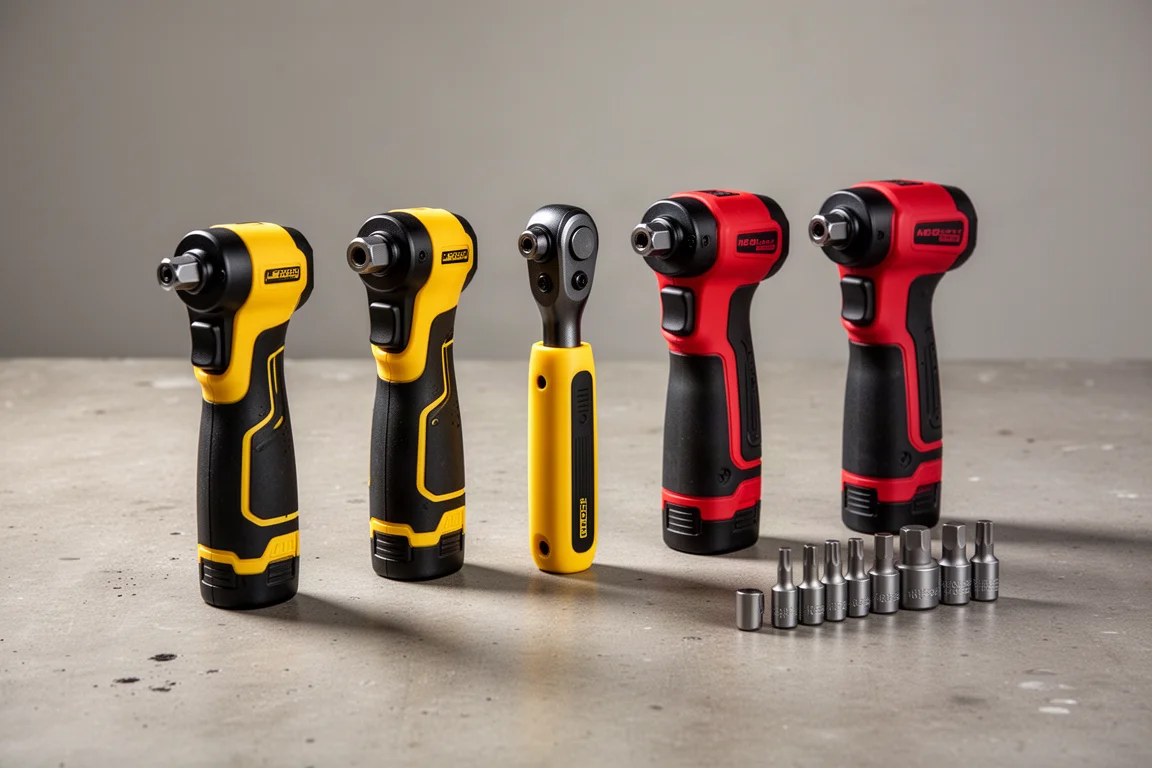
Cordless ratchets have quietly become one of the most competitive tool categories, and two new releases have raised the stakes. DeWalt’s DCF510 sealed head ratchet takes on its own 12V and 20V lineup, while Milwaukee’s M12 Insider brings a pass-through socket design to the M12 family. We ran all of them through the same series of fastener tests to see which ones are actually worth your money.
At first glance the new models look similar in intent, but they make very different trade-offs on speed, torque, access, and price. Here is how each one stacks up.
How We Compared Them
Spec sheets only tell part of the story with cordless ratchets. Free speed ratings in particular can be misleading, because some tools lose significant speed the moment they encounter thread friction. To get a fairer picture, each ratchet was run through a consistent sequence of new nylon lock nuts, which provide repeatable resistance, along with a series of torque nuts that show where a tool slows down or needs hand help.
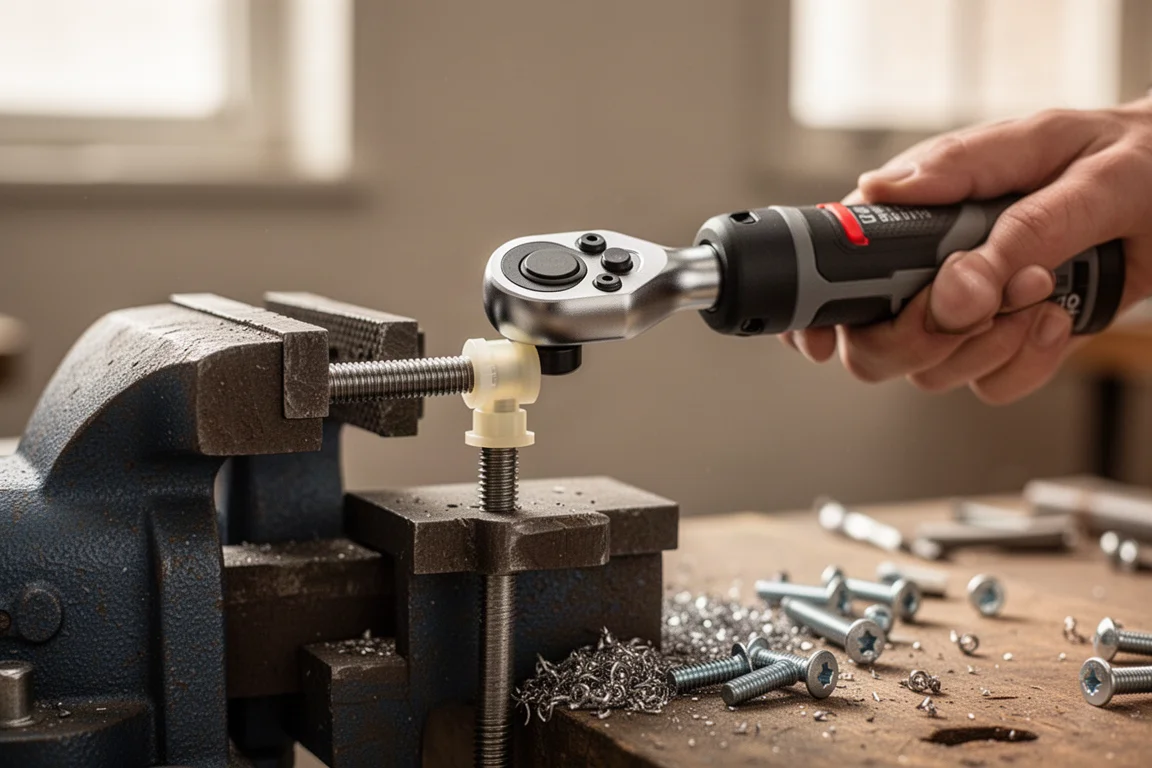
That testing style matters, because several of these tools posted numbers on paper that did not match their real-world behavior. The gap between spec and performance turned out to be the defining story of this comparison.
DeWalt DCF510 Sealed Head
The DCF510 is DeWalt’s newest ratchet, priced around $250, and it is effectively two ratchets in one: a 3/8-inch and a 1/2-inch drive, similar in concept to what Makita offers. If you genuinely need both drive sizes, that dual functionality can make the price easier to justify compared with buying two separate tools.
The specs are a clear step up from the rest of DeWalt’s line. It is rated at 300 RPM and 75 foot-pounds of torque, beating both the 12V Extreme (250 RPM, 60 ft-lbs) and the 20V Atomic (250 RPM, 70 ft-lbs). Usually a speed gain comes at the cost of torque, so claiming improvements in both is unusual. In testing it ran about 500 RPM free speed by our measurement, and more importantly, it backed that up under load.
On the gauntlet it beat the 20V Atomic overall, finishing roughly half a minute ahead. The Atomic actually pulled ahead early on smaller fasteners, where its higher threads-per-inch handling suited it, but the sealed head closed the gap on mid-size fasteners and pulled away on larger ones. The sealed head design with its more accessible forward-reverse switch also brings to mind Matco’s latest sealed head 16V model, which costs around $360.
Peak torque measured about 80 foot-pounds with the 1/2-inch anvil and 79 ft-lbs on the 3/8 drive, and it handled being pushed to a 150 foot-pound target by hand without issue and with little body flex. It is also noticeably heavier than the Milwaukee competition, even with a Power Stack battery, which is worth factoring in if you hold it overhead all day.
DeWalt DCF513 20V Atomic
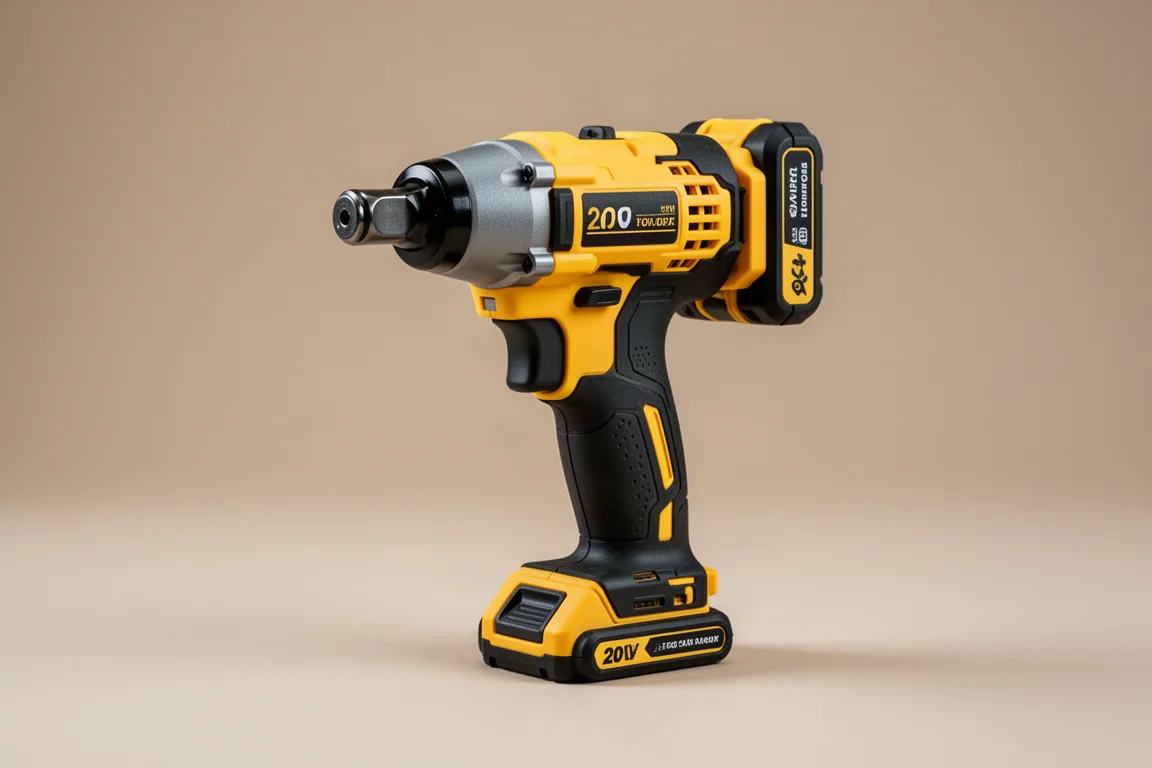
The 20V Atomic remains a strong option even after losing to its new sibling. Rated at 250 RPM and 70 foot-pounds of torque, it was quick on smaller fasteners thanks to how it tackles finer threads, and it still spun larger stuff faster than the DCF510 in the early stages of testing.
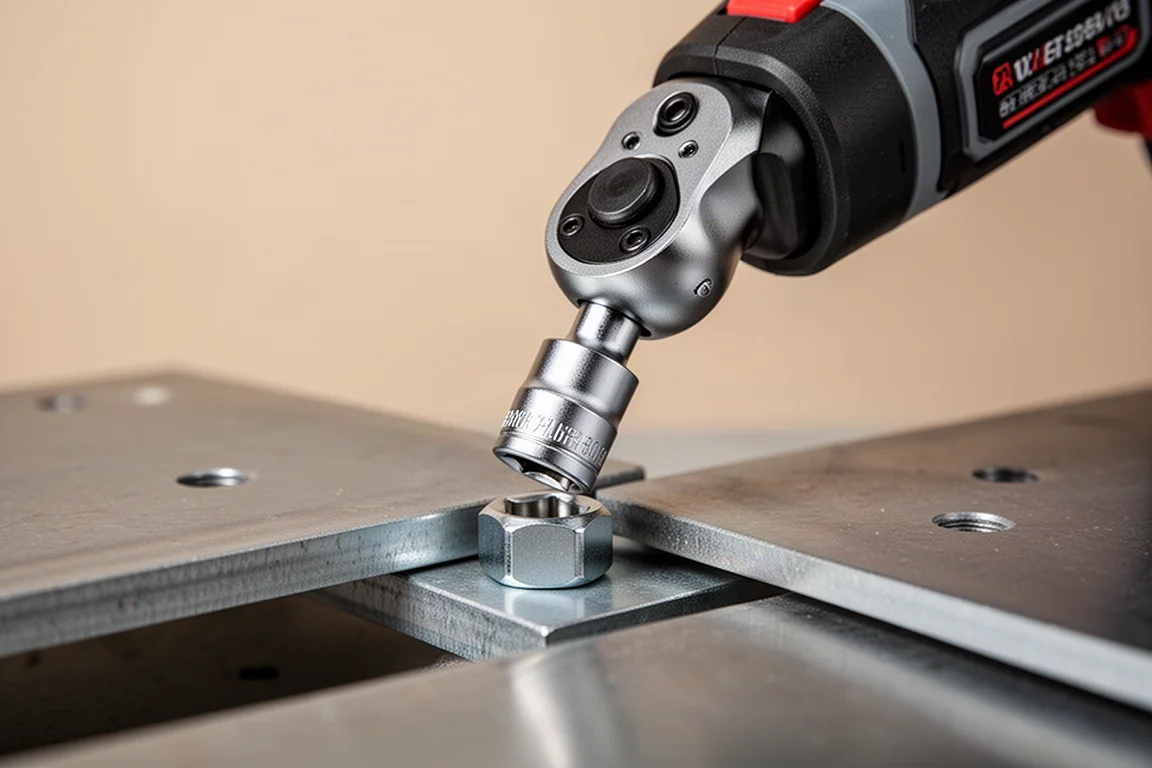
Its weakness showed up in the middle and later portions of the run, where the sealed head leapfrogged it and kept widening the gap. If you already own DeWalt 20V batteries and find the Atomic at a good price, it is still a very capable ratchet, just no longer the fastest in the family.
DeWalt 12V Extreme
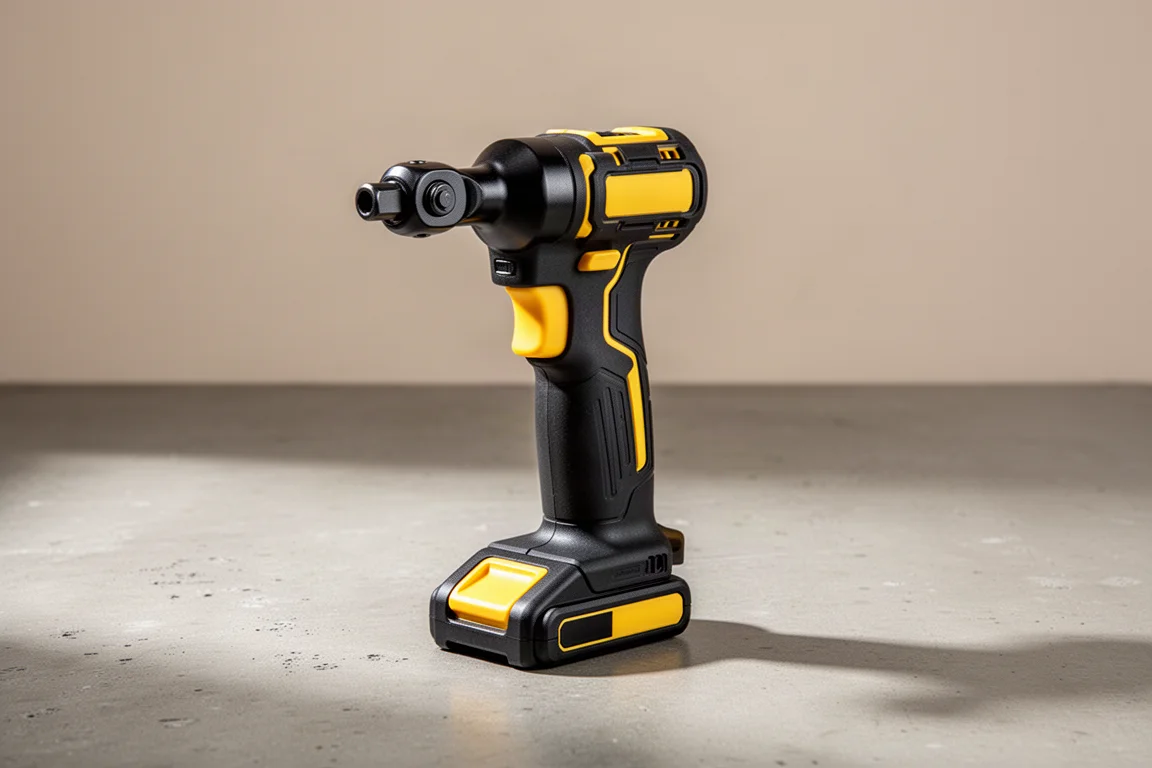
Here is the sleeper of the bunch. At roughly $110 to $130 lately, the 12V Extreme is rated at 250 RPM and 60 foot-pounds of torque, and in testing it finished just a few seconds ahead of the new $250 DCF510, which is remarkable given the price difference.
The trade-off is head thickness: the sealed head design of the DCF510 is about an eighth of an inch slimmer in head height, which matters in tight clearance work. But if you do not need that two-in-one drive flexibility and can accept the slightly thicker head, the 12V Extreme is extremely hard to ignore at this price.
Milwaukee M12 Insider Ratchet
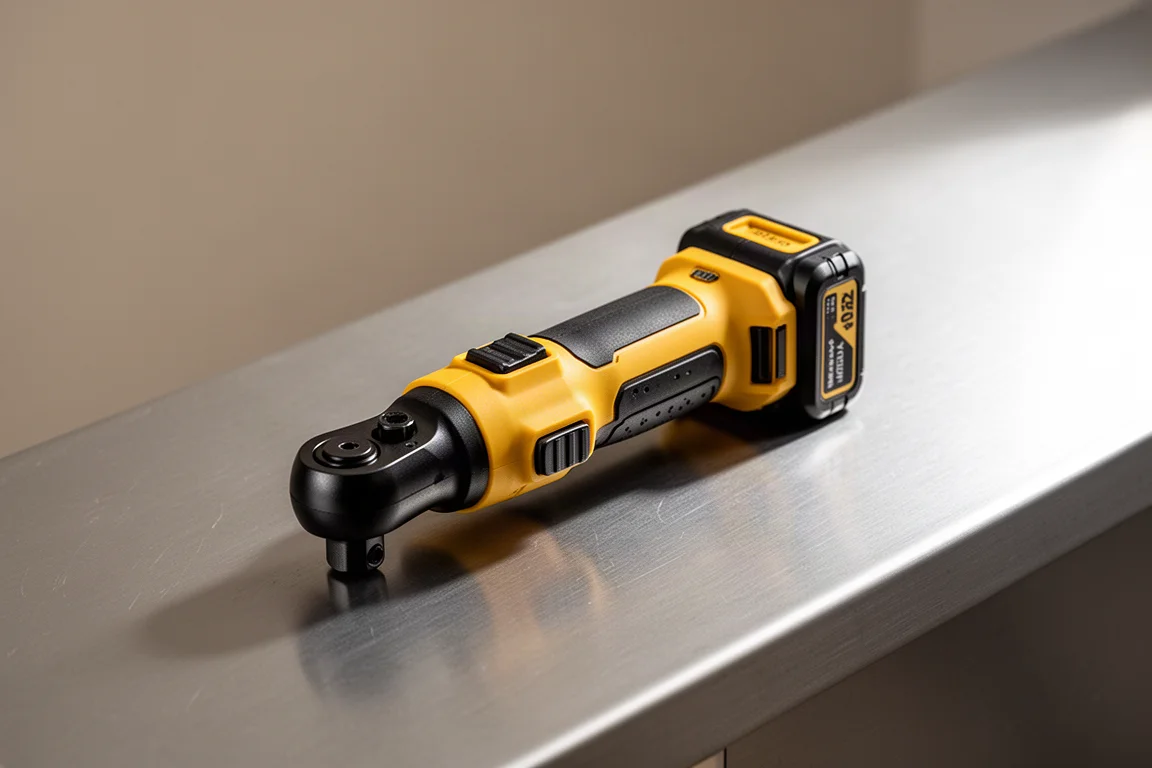
The M12 Insider is the most conceptually interesting tool here. Even as a bare tool it ships with sockets as a set, priced around $300, and its low-profile sockets slide into the tool head and act as pass-through sockets, letting the ratchet follow a hex nut all the way down the threads, up to about 15 millimeters. In tight applications that pass-through design saves at least an inch of working space in most cases and makes it much easier to sneak the tool up and over a bolt.
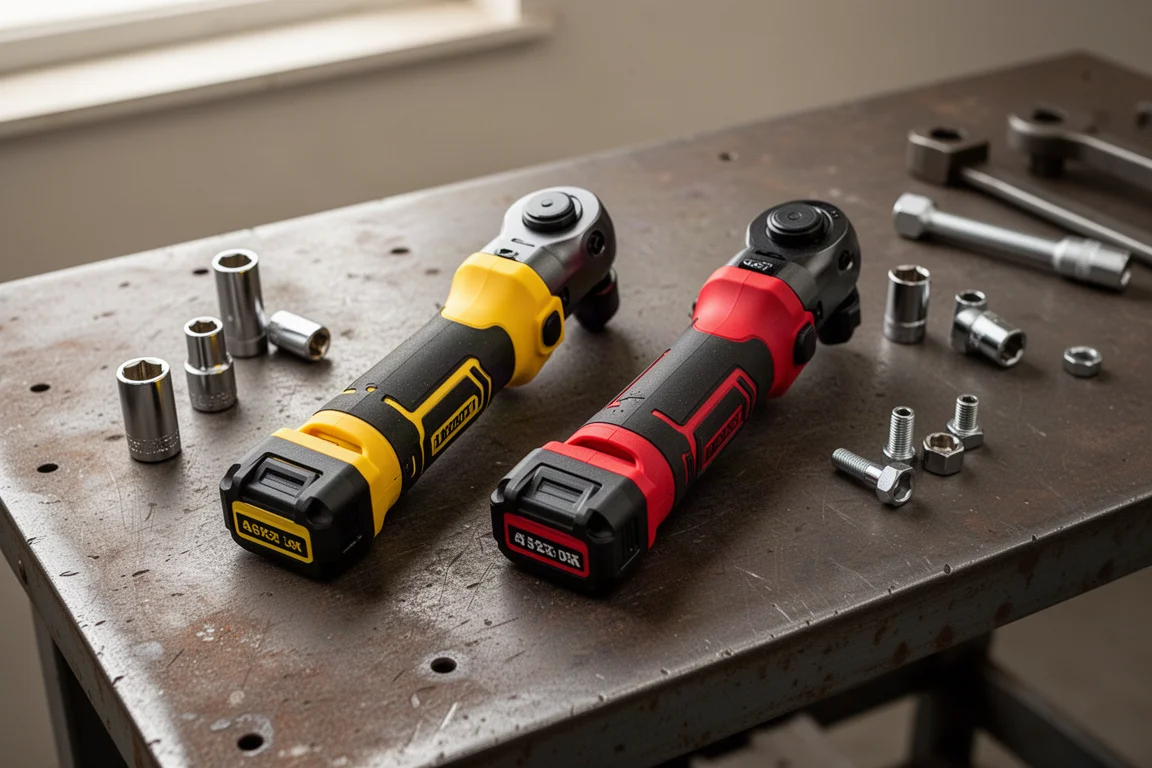
The reality is more complicated than the spec sheet, though. Not all the included sockets are pass-through style, the larger sizes are conventional, and the hex size is 14 millimeters, which makes the sockets proprietary: you cannot swap them onto other ratchets or use other common sockets with an outside hex. A $40 set of nano sockets on a ratchet you already own narrows the access advantage considerably; the difference between the Insider with its included sockets and the M12 high speed ratchet with nano sockets came down to about three millimeters, roughly 0.2 inches.
It is also like two to three ratchets in one, offering 3/8 drive, 1/4-inch, hex, and square drive options within its smaller size range. Rated torque is 60 foot-pounds at 200 RPM, giving up 100 RPM versus the high speed ratchet but gaining a lot of torque.
Where it stumbled in testing was behavior. We documented a recurring “stutter,” where the tool spins, stalls, then spins again, more often in reverse, costing as much as 11 seconds on a single fastener compared with the DeWalt. It happened consistently across repeated runs, and another owner reported the same behavior. Two further annoyances: the square drive adapters have shallow detent rings, so sockets often come off with the adapter, and the adapter can only be inserted from one side. At a $300 price point, those feel like avoidable frustrations.
Milwaukee M12 2569 High Speed Ratchet
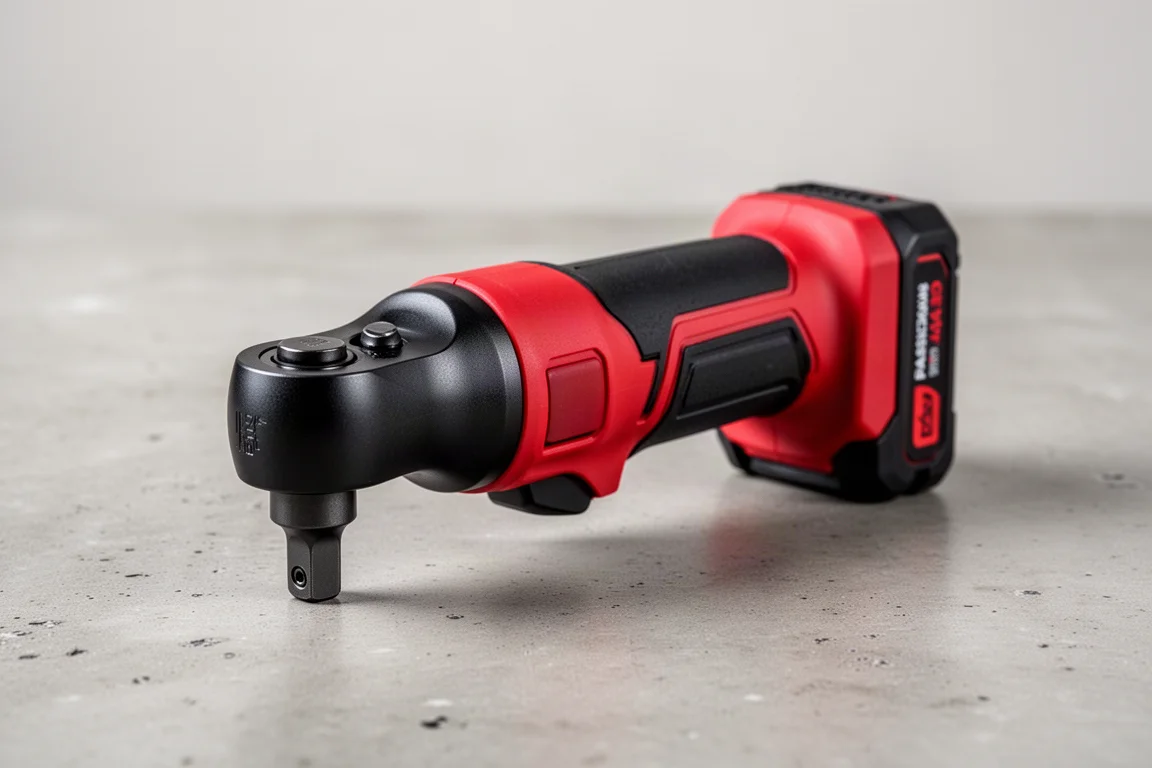
The extended reach M12 high speed ratchet remains the workhorse many people reach for first. It is rated at 300 RPM and 35 foot-pounds of torque, and in practice it is the tool that gets used most around a busy bench, even though it gets hung up or slowed down on fasteners you would not expect.
Its peak torque measured only around 29 foot-pounds, and it is the slowest of the group in the gauntlet style testing, but it wins on versatility and price. Pairing it with a $40 set of low-profile nano sockets gets you much of the Insider’s access advantage while keeping standard socket compatibility and more money in your pocket.
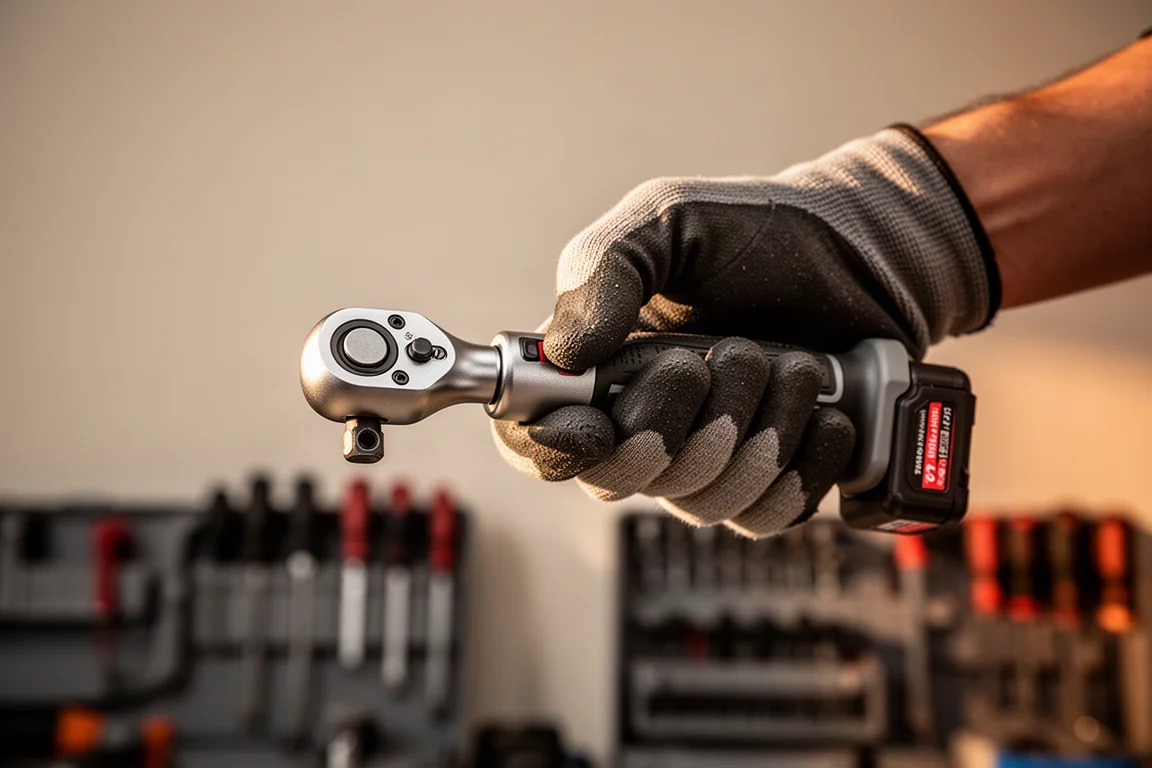
For most users who want a general-purpose M12 ratchet rather than a specialized low-clearance tool, this remains the smarter buy.
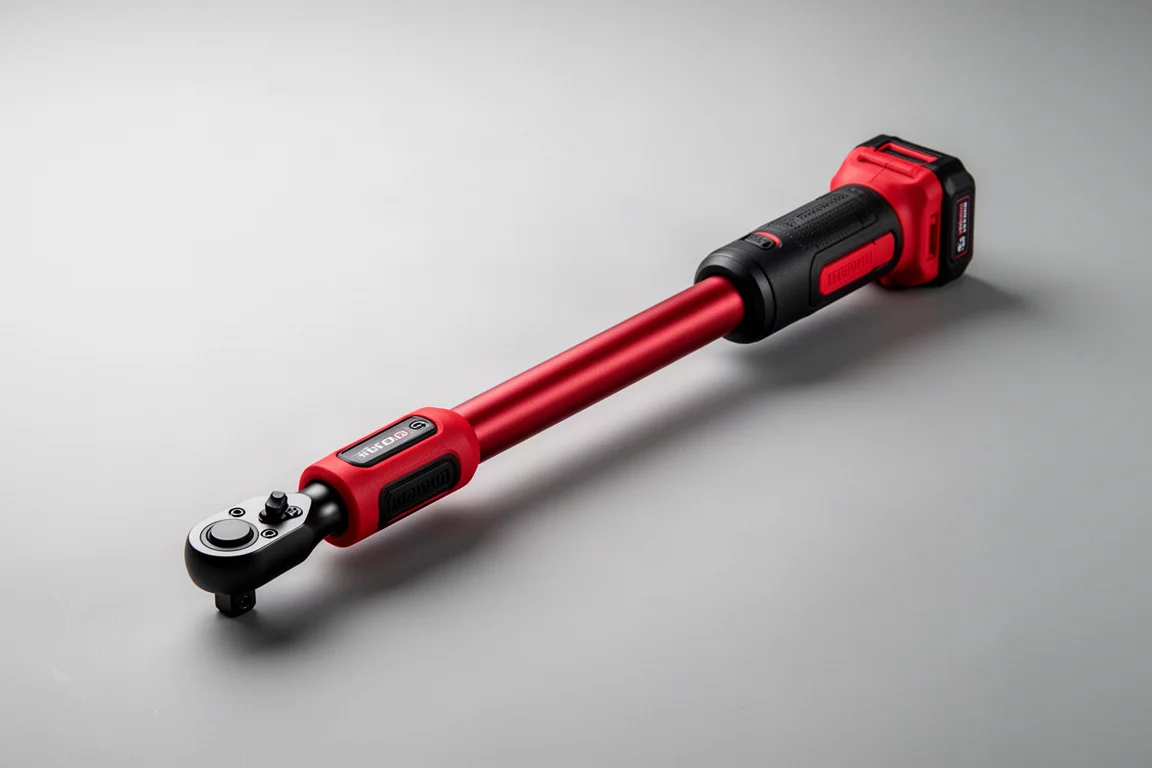
Head to Head on the Gauntlet
When the new DeWalt DCF510 and the M12 Insider went directly against each other, the DeWalt opened a lead on the first few fasteners and never let go. The Insider slowed down in the middle sizes, partly due to the stutter behavior, then caught up somewhat on larger fasteners where it excels, but the gap ended up being a full 40 seconds, with the DeWalt finishing by the time the Milwaukee was just starting on the torqued half-inch threads.
In overall scoring, which combines speed, torque, size, and value, the Insider landed close to the 20V Atomic and slightly better than the standard higher-torque M12, while the DCF510 placed fourth overall. Peak torque told a similar story: the Insider reached about 51 foot-pounds, less than the 55 of the M12 high torque it is supposed to beat on paper, while the DeWalt hit nearly 80. Peak torque is not everything on these tools, but it did not help the Milwaukee’s case here.
Torque and Build Strength
Both new tools proved stout when pushed by hand to a 150 foot-pound target, neither showing the failures some earlier competitors have suffered. The DeWalt showed little body flex under load, and the Milwaukee shrugged off hand-breaking without complaint, which is reassuring for anyone who hates grabbing a second tool to crack a fastener loose.
It is worth noting that a well-regarded competitor in this space, a certain high-speed model from another brand, breaks when run by hand at that level, so durability under hand torque is not a given in this category.
Buying Advice
If you want the fastest real-world ratchet with strong torque, a flat narrow head, and an accessible selector switch, get the DeWalt DCF510. You also get the 1/2-inch and 3/8-inch drives in one tool, and we recommend pairing it with the Power Stack battery. If you do not need the two-in-one and can accept a slightly thicker head, the 12V Extreme at around $110 to $130 is exceptional value and matched the new model’s times within seconds.
For the M12 Insider, the honest verdict is that it is an on-paper tool. The pass-through concept is genuinely useful and the low-profile design works in tight spots, but the stutter, the proprietary sockets, the partially pass-through set, and the adapter quirks kept it from coming together. The extended reach M12 high speed ratchet with a set of low-profile sockets remains more ratchet, more versatile, and less money. The Insider concept deserves a refined second generation.
Conclusion
The DeWalt DCF510 is the clear winner of this new generation: faster under load, stronger, and cleverly packaged as a two-in-one. The 12V Extreme is the value pick that almost matched it. Milwaukee’s Insider is a promising idea that is not quite finished, while the proven M12 high speed ratchet remains the practical default. Choose based on whether you need speed and torque, access in tight spaces, or simply the best tool for the money.
Further reading
Related Reviews
Power Tools
Best 1-Inch Pistol Impact Wrenches: Three Heavy-Duty Options Compared
We compare three 1-inch pistol impact wrenches, from a budget-friendly Harbor Freight model to a premium Caterpillar unit, to help you choose the right one.
Power Tools
Best 3/4-Inch Impact Wrenches 2026: Five Contenders Compared
We compare five 3/4-inch impact wrenches across price and performance, from a budget Amazon option to Snap-on's most powerful model yet.
Power Tools
Best Budget Cordless Tools 2026: Walmart Finds That Punch Above Their Price
We tested five cordless tools from Walmart, including a high-torque impact wrench that trades blows with Milwaukee and a $35 duster that outperforms its price class.