Power Tools
DeWalt vs Milwaukee 7-1/4 in. Circular Saw: Which Framing Saw Wins?
Two top-brand 7-1/4 in. circular saws go head to head in crosscut, bevel, and rip cut tests, with clear results on speed, glide, and value.
Introduction
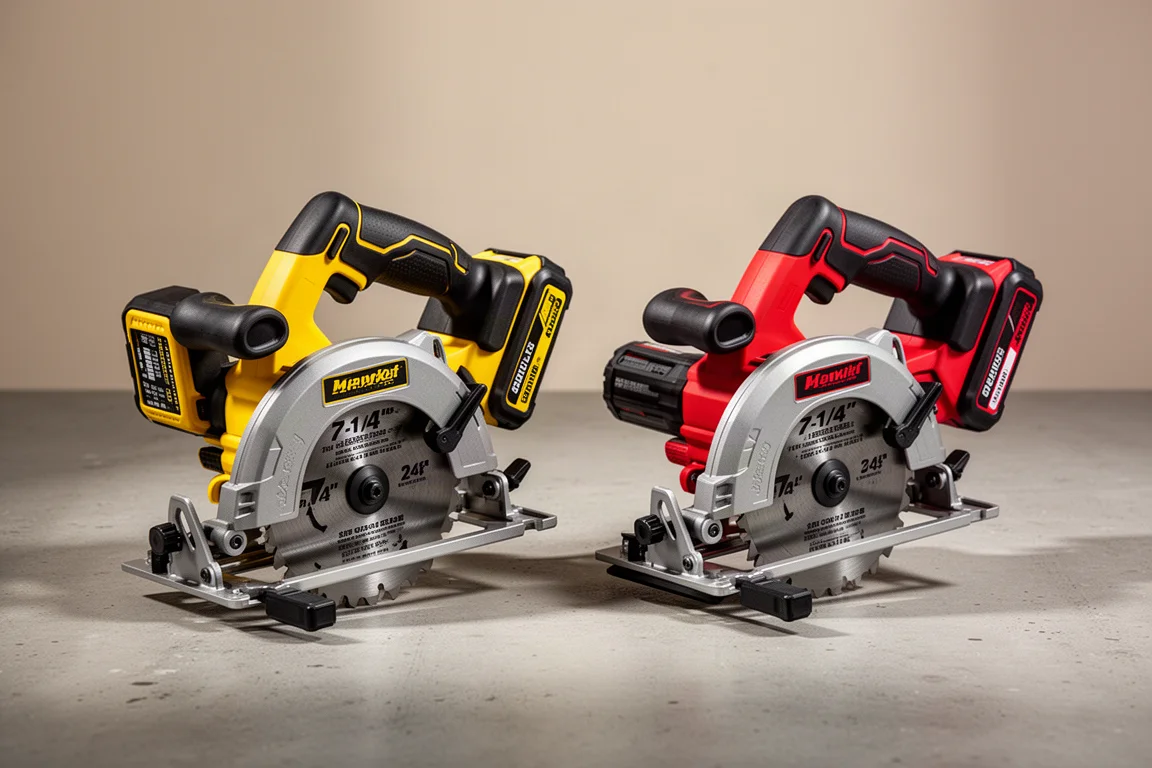
Framing circular saws are one of the most-requested head-to-head comparisons between DeWalt and Milwaukee, so we put their top 7-1/4 in. models through a structured set of cutting tests. These are the regular framing-type saws most crews reach for daily, and the goal was to find out which one is genuinely the better option.
How We Tested
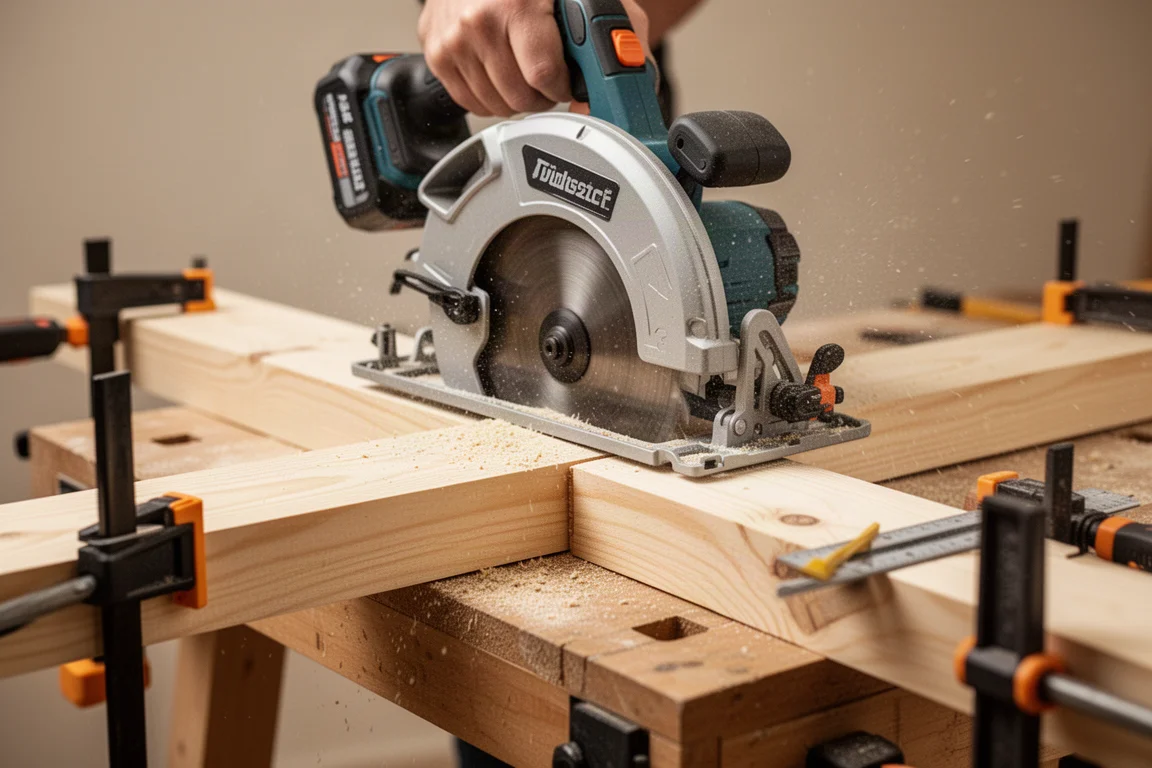
We ran three timed tests on both saws: a series of crosscuts in white pine 2x4 material, steep 45-degree bevel cuts in a thicker, harder yellow pine 2x10, and rip cuts along 3/4 in. tongue-and-groove OSB subflooring. Each saw was pushed hard rather than babied, the way tools get used on a real job site, and we re-ran tests to warm up to each tool and average out the numbers.
DeWalt 7-1/4 in. Circular Saw
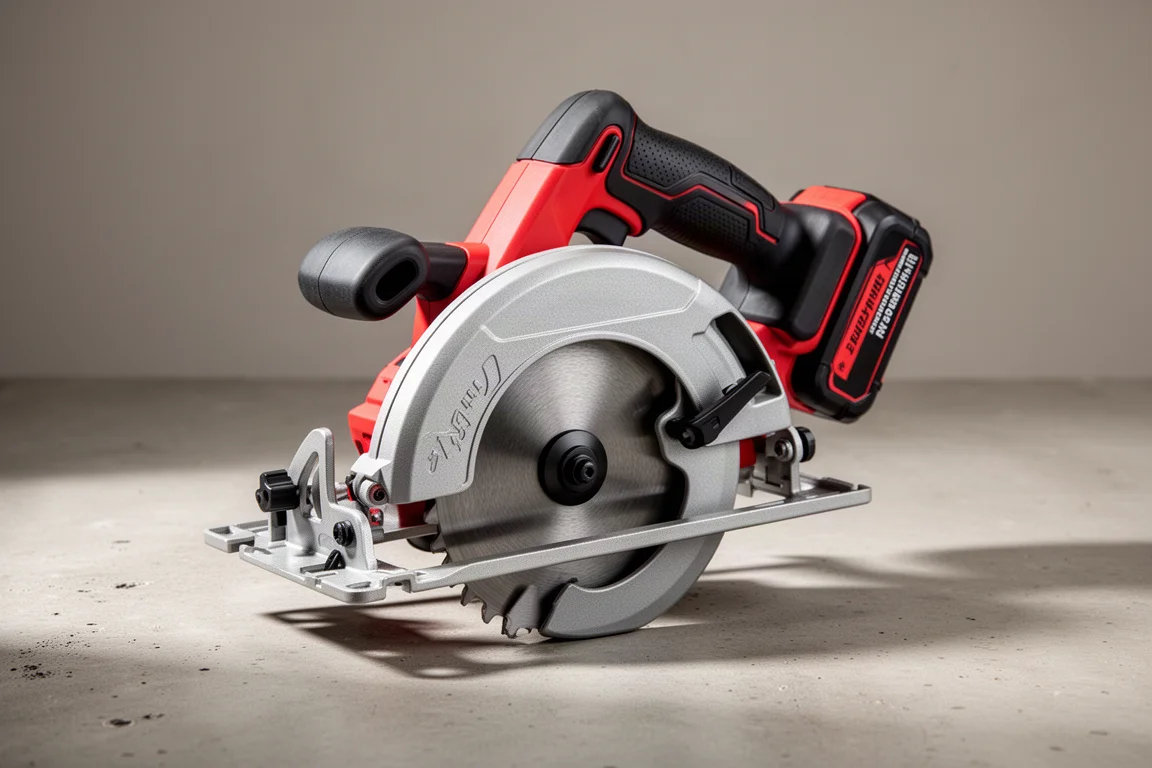
The DeWalt came out ahead in nearly every timed test. In the 2x4 crosscut series it averaged 8.32 seconds against the Milwaukee’s 10.42, and on the 45-degree bevel cuts in yellow pine 2x10 it averaged 4.12 seconds versus 6.5. It uses a bare aluminum base with a mill finish, which we found has a bit more friction against the material, but it also ships with a thinner kerf blade that removes less material per cut, which appears to be a real speed advantage.
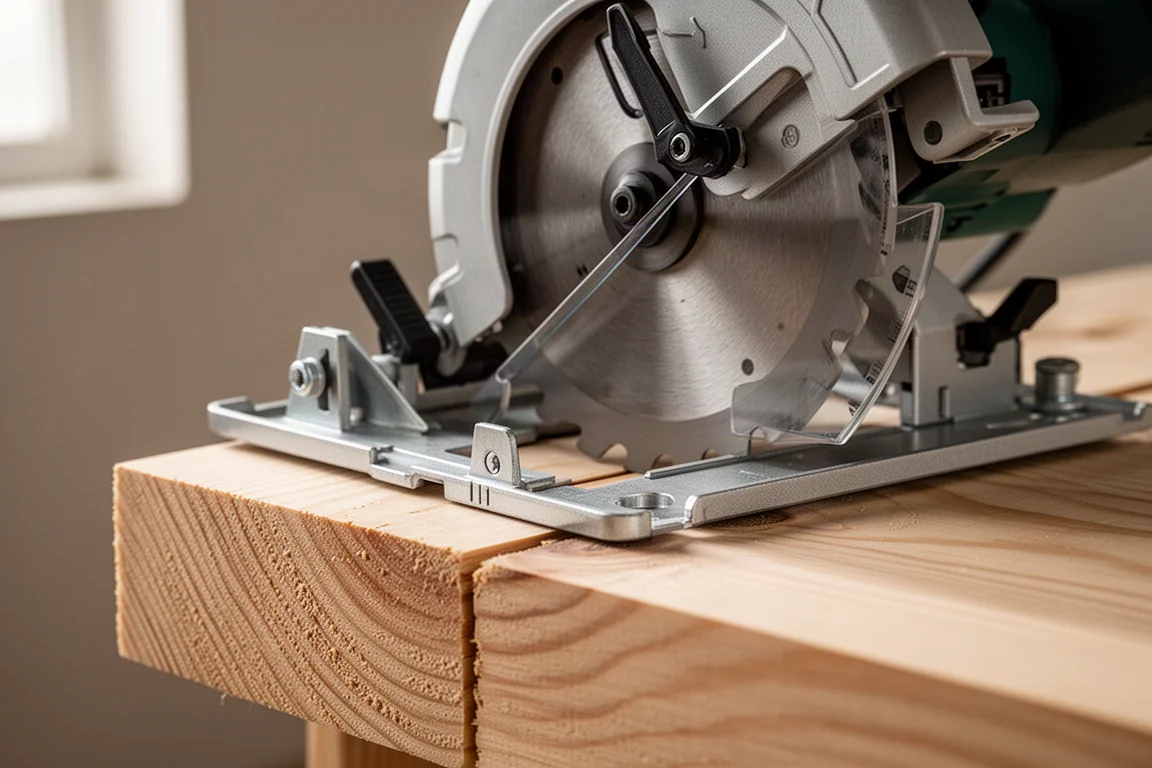
Adjustments are simple to manipulate too: the bevel lever rotates the base quickly to 45 degrees using a detent, and the saw can go all the way up to 57 degrees, with the depth adjustment just as easy to set.
Milwaukee 7-1/4 in. Circular Saw
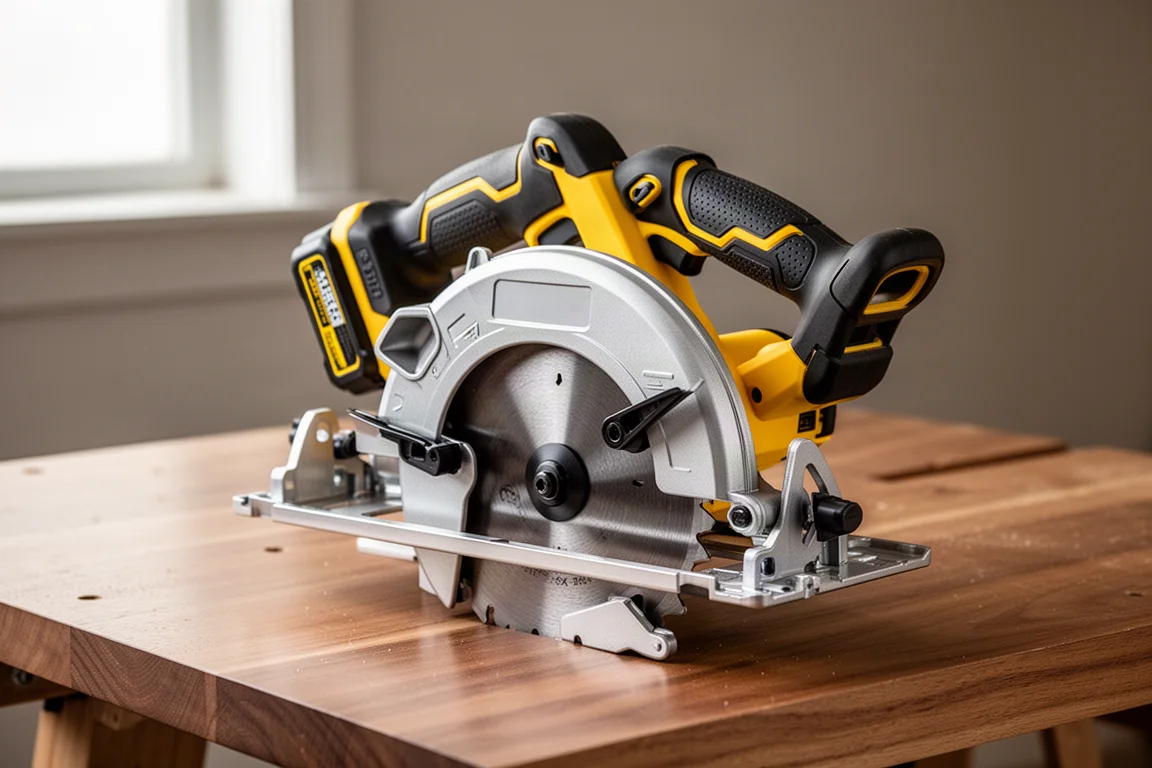
The Milwaukee is by no means a slouch, and it actually won the rip cut test, averaging 3.65 seconds against the DeWalt’s 3.73. Its magnesium base has a coating that helps it slide across sheet goods like OSB with noticeably less resistance, and that glide is where it earns back some time.
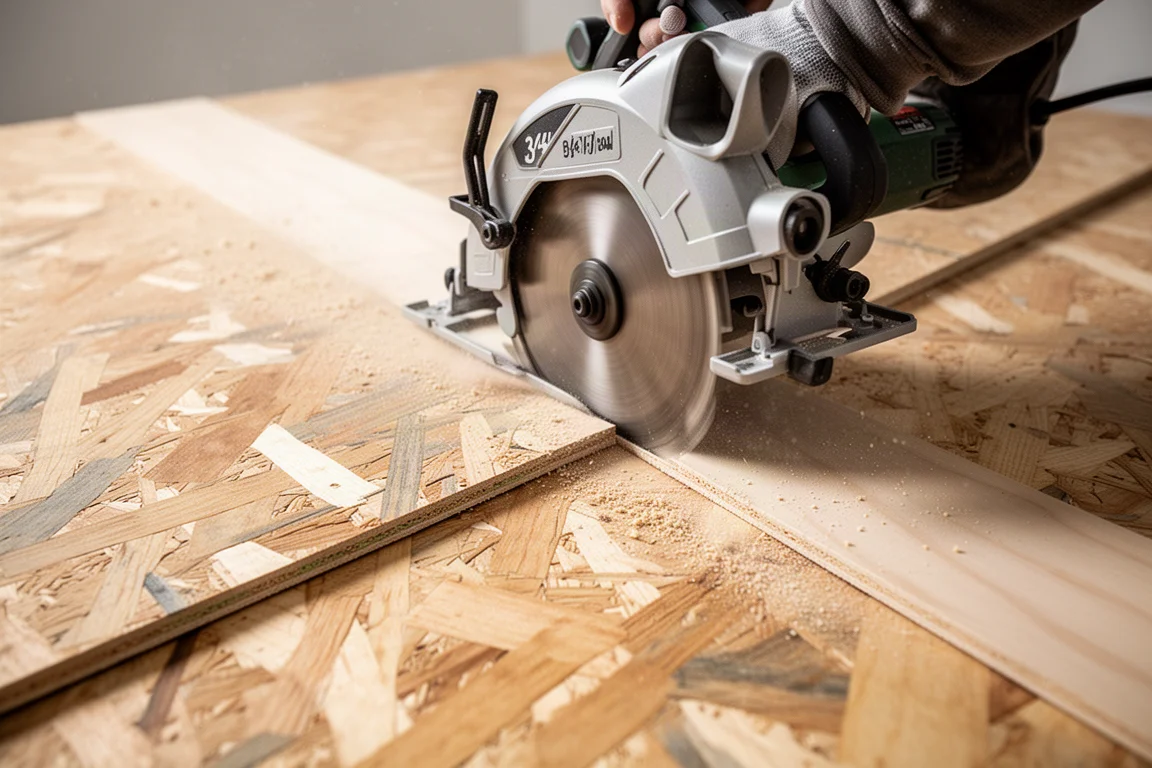
The included blade is a thick kerf design, marginally thicker than the DeWalt’s, which removes more material per cut and costs it a little speed on the other tests. On warranty, Milwaukee has the edge with 5 years versus DeWalt’s 3.
Overall Buying Advice
If raw cutting speed, ease of use, weight, and size matter most, the DeWalt is the clear winner of this comparison, dominating most tests by roughly a second to a second and a half. The Milwaukee makes sense if you want the coated base for smoother gliding on sheet goods, a longer warranty, or the included high-capacity battery to power other heavy-duty tools.
Price and Warranty
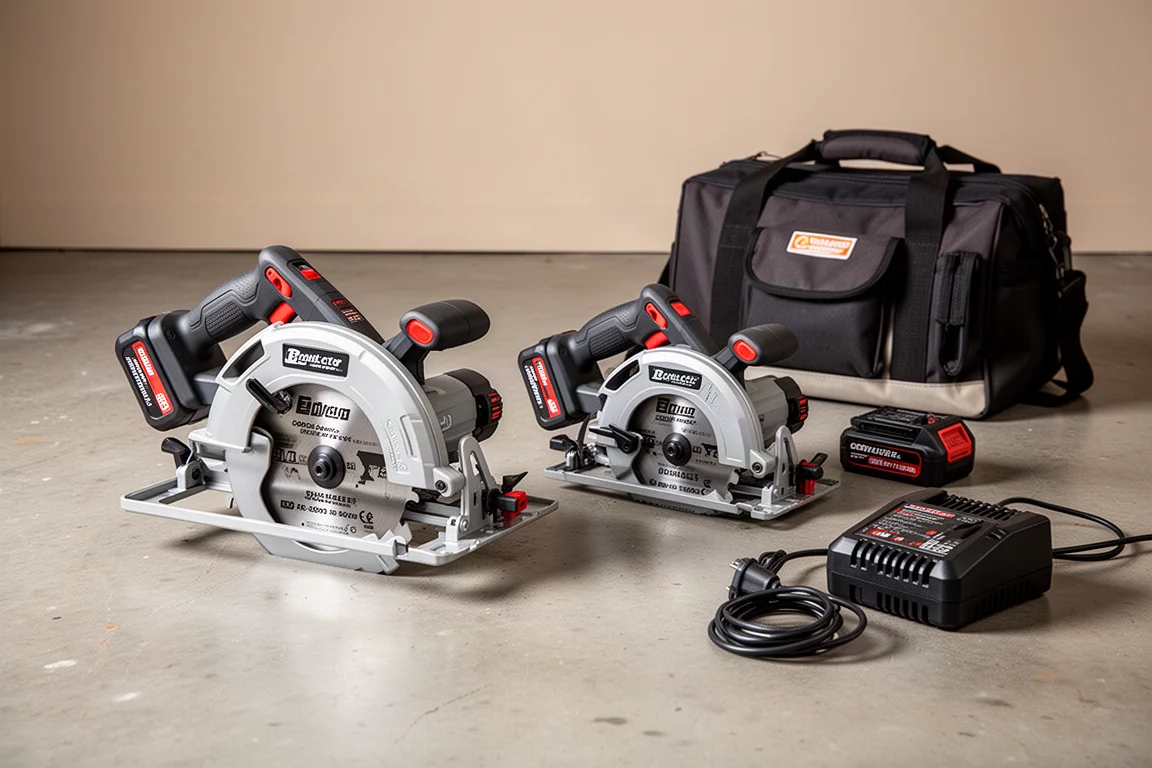
The bare tool cost is identical at $249 for both, so that alone does not decide it. The kits tell a different story: the DeWalt kit with the tool, one battery, a charger, and a bag is $349, while the Milwaukee kit is $449, about $100 more, but it includes a much larger battery that is a good solution if you have other heavy-duty tools to power.
Conclusion
Both saws are excellent framing tools, and neither is a slouch. But across crosscuts, bevels, and rip cuts, with better speed, easier handling, and a lower kit price, the DeWalt 7-1/4 in. circular saw takes the win, while the Milwaukee remains a strong pick for warranty length and battery-powered versatility.
Further reading
Related Reviews
Power Tools
Best 1-Inch Pistol Impact Wrenches: Three Heavy-Duty Options Compared
We compare three 1-inch pistol impact wrenches, from a budget-friendly Harbor Freight model to a premium Caterpillar unit, to help you choose the right one.
Power Tools
Best 3/4-Inch Impact Wrenches 2026: Five Contenders Compared
We compare five 3/4-inch impact wrenches across price and performance, from a budget Amazon option to Snap-on's most powerful model yet.
Power Tools
Best Budget Cordless Tools 2026: Walmart Finds That Punch Above Their Price
We tested five cordless tools from Walmart, including a high-torque impact wrench that trades blows with Milwaukee and a $35 duster that outperforms its price class.