Power Tools
DeWalt vs Mac Tools Impact Wrenches: Are You Paying Double for the Same Tool?
We compare two DeWalt and two Mac Tools impact wrenches on torque output, price, and practical value to find out whether the tool truck premium is worth it.
Introduction
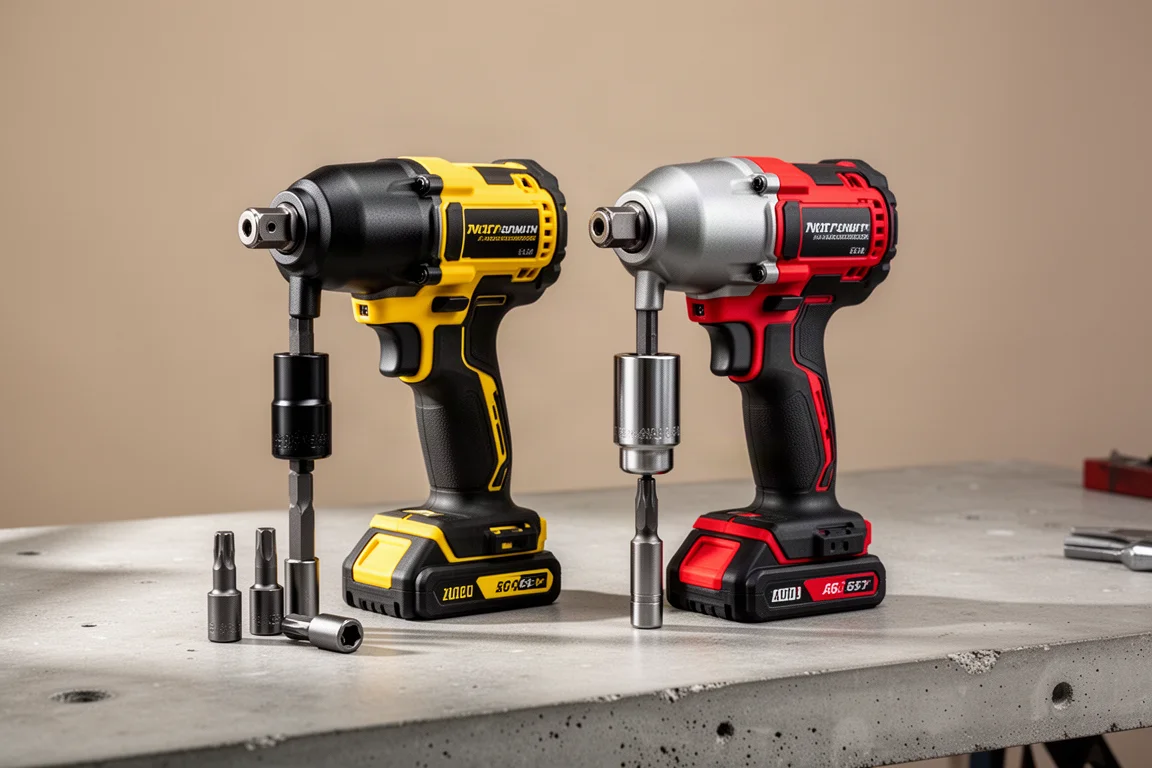
Few tool debates are as persistent as the one between DeWalt and Mac Tools impact wrenches. The two brands share the same parent company, and in several cases the tools share a platform, torque rating, length, blows-per-minute figure, and even the same battery system. The main difference on paper is price: in some cases you can pay close to double for the Mac Tools version.
To see whether that premium buys anything real, we compared four tools: the DeWalt DCF899 high torque against the Mac Tools BWP152, and the DeWalt DCF894 mid torque against the Mac Tools MCF894. The testing measured working torque, maximum torque in both forward and reverse, and performance with a larger-capacity battery.
What the Testing Showed
The high torque pair is nearly identical in every measurable spec. The two tools share the same torque rating, the same 8.8-inch length, the same blows per minute, and the same battery system, with a weight difference of only 0.2 pounds. The listed price gap is significant: roughly $220 for the DeWalt versus $360 for the Mac Tools.
On the dyno, the results were close but not perfectly symmetrical. In forward working torque, the new DeWalt DCF899 posted numbers right around or slightly above its previously tested results, and ahead of the Mac’s 441 rating. In reverse-focused maximum torque tests, the Mac Tools BWP152 consistently made more, reaching 604 versus 546 in the max run and 647 in the best-case scenario test.
One pattern worth noting: both brands’ tools can be noisy and inconsistent on a tight bolt, with run-to-run variance that can be two to two and a half times the plus-or-minus nine foot-pounds typically seen on comparable impacts. How you hold the tool matters, and reverse runs generally produced the strongest numbers from both.
Battery Size Makes the Real Difference
The clearest performance gain came not from brand choice but from battery choice. Swapping in a 6 Ah pack with 21700 cells lifted both tools noticeably.
With the larger battery, the DeWalt DCF899 climbed from 629 to 662 in its max test, finally surpassing the Mac’s earlier 647. The Mac Tools BWP152 responded even better, jumping to 696 on the same 6 Ah pack and nearly cresting the 700 foot-pound mark. Neither tool is tapped out; both clearly benefit from the higher-current cells.
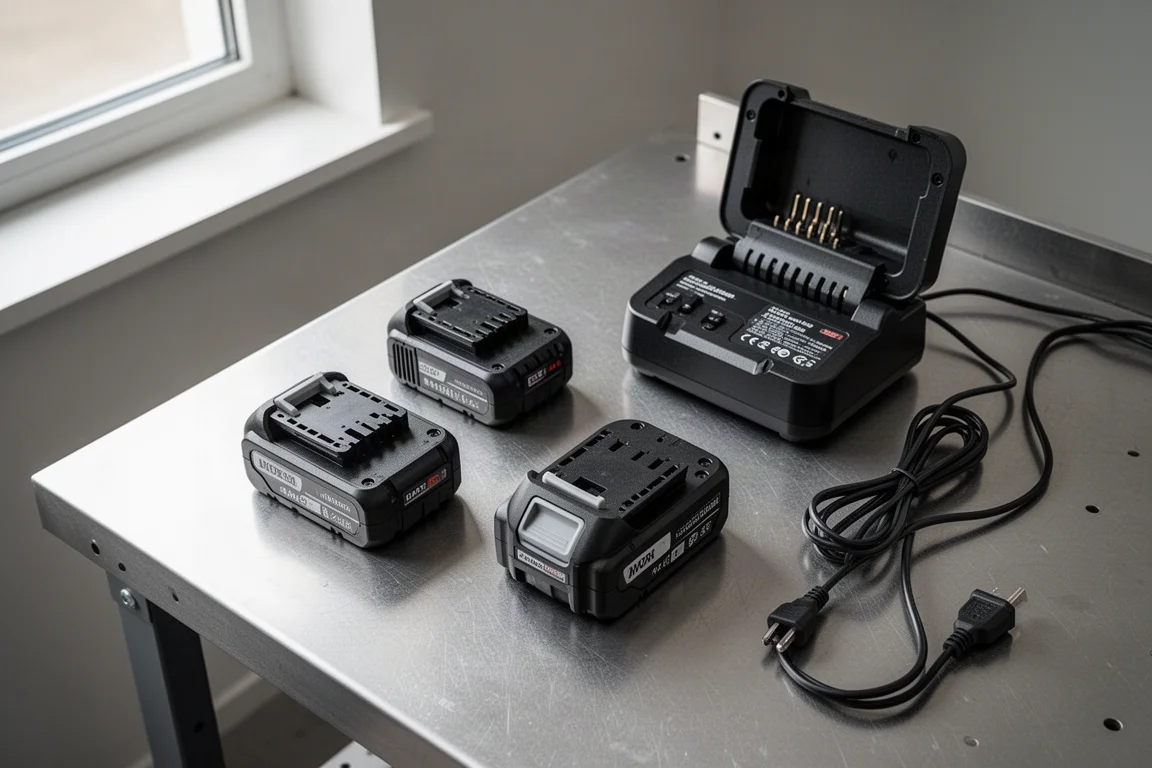
In average power ranking terms, the DeWalt moved from 485 to 507 with the bigger pack, while the Mac reached 530. The Mac took the larger gains across its runs, which supports the idea that it may be tuned slightly more for reverse, the direction mechanics use most.
The Mid-Torque Pair: DeWalt DCF894 vs Mac Tools MCF894
The mid torque comparison is where the price gap gets hardest to justify. The DeWalt DCF894 sells for around $150, while the Mac Tools MCF894 carries a $305 price tag despite being, functionally, the same tool. They weigh exactly the same, respond identically to the 6 Ah battery, and posted an oscillating set of results: the Mac made a tiny bit more in working torque, the DeWalt a little more in max torque, and the Mac slightly more in best-case runs.
Over more than 20 runs across both models, the Mac came out ahead 10 times and the DeWalt 11 times. That is as close to identical as testing gets.
There is also a marketing quirk worth knowing. DeWalt rates the DCF894 at 330 foot pounds with no breakaway figure. Mac lists the same-platform MCF894 with a 600 foot-pound breakaway torque claim, effectively advertising a number the DeWalt version simply does not print. Same model number, same performance, very different labels.
Which Ones Are Actually Worth Buying
The high torque question comes down to what you value. The DeWalt DCF899 scored 39.5 points overall to the Mac’s 27 on the ranking chart, and it costs around $140 less. The Mac BWP152 made more torque in reverse on nearly every run, which matters most for automotive work where rusted fasteners are broken loose in that direction.
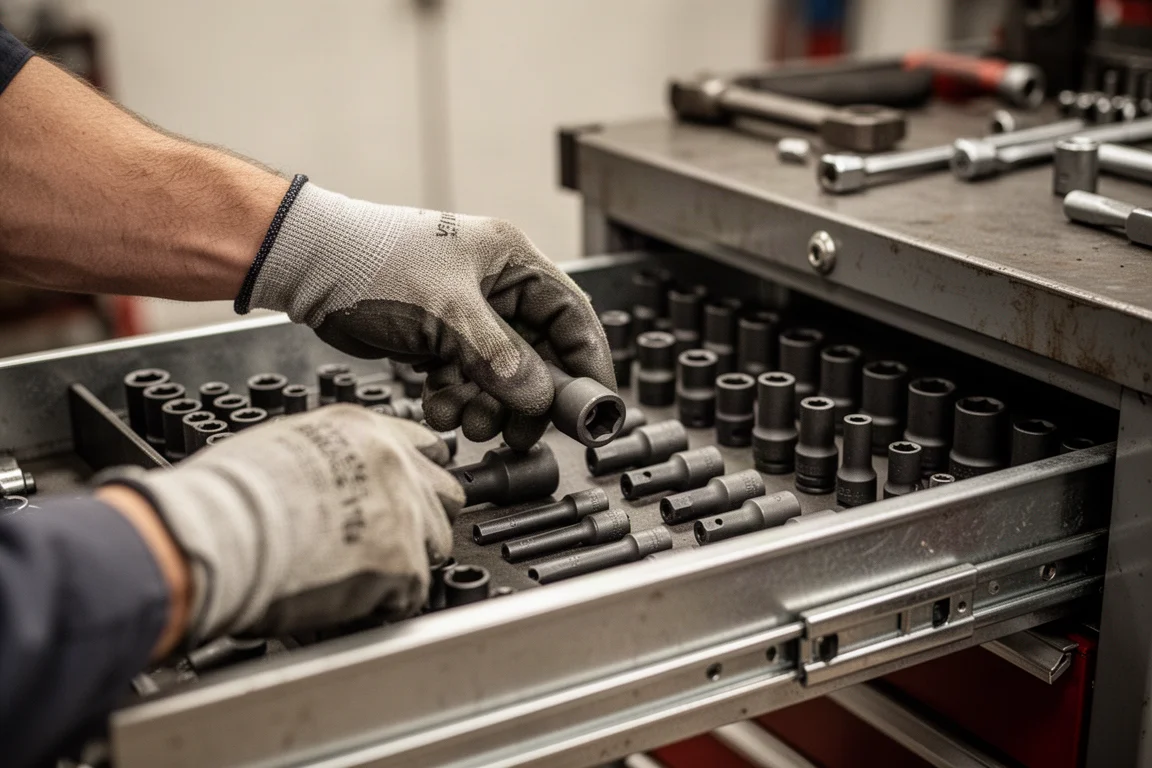
For the mid torque pair, the verdict is simpler: they are virtually identical, so paying roughly double for the Mac Tools version is hard to defend on performance alone. If you already have a relationship with your tool truck dealer and value the service and support that comes with it, that can be a legitimate reason, especially for a professional who needs a working tool to finish a job. If you are buying purely on the tool itself, the DeWalt delivers the same output for much less.
The 6 Ah 21700-cell battery is an easy recommendation for either brand. It produced significant, measurable gains on every tool tested.
Conclusion
The evidence points to a shared platform being sold under two badges. The high torque tools are close enough that the DeWalt’s lower price makes it the rational pick, with the Mac’s slight reverse bias as the only real performance argument for the premium. The mid torque pair is effectively the same tool, making the price difference the whole story. Spend the savings on a bigger battery instead; that is where the extra beans actually are.
Product link
View more details for DeWalt DCF899
This product is mentioned in the review. Check the specifications, options, and compatibility before buying.
View more details for DeWalt DCF899Further reading
Related Reviews
Power Tools
Best 1-Inch Pistol Impact Wrenches: Three Heavy-Duty Options Compared
We compare three 1-inch pistol impact wrenches, from a budget-friendly Harbor Freight model to a premium Caterpillar unit, to help you choose the right one.
Power Tools
Best 3/4-Inch Impact Wrenches 2026: Five Contenders Compared
We compare five 3/4-inch impact wrenches across price and performance, from a budget Amazon option to Snap-on's most powerful model yet.
Power Tools
Best Budget Cordless Tools 2026: Walmart Finds That Punch Above Their Price
We tested five cordless tools from Walmart, including a high-torque impact wrench that trades blows with Milwaukee and a $35 duster that outperforms its price class.