Power Tool Accessories
DeWalt 24T vs Diablo Framing Blade: Which Survives Nails and Lag Screws?
We compare two 24-tooth framing blades in a brutal nail-embedded lumber test to see whether DeWalt's doubled-life claim holds up against Diablo.
Introduction
Framing blades live hard lives. One hidden nail in reclaimed lumber or one lag screw in a patched-up stud is all it takes to chip teeth or end a blade’s career entirely. That is exactly why blade manufacturers love making bold longevity claims, and it is exactly why they deserve testing.
DeWalt’s 24-tooth framing blade claims twice the life of Diablo, a favorite among many framers. To check that claim, both blades were run through the same punishing setup: a 2x8 loaded with 26 framing nails and two quarter-inch stainless steel lag screws, cut repeatedly on a 60V FlexVolt circular saw. The results tell an interesting story about marketing claims versus real-world performance.
The DeWalt 24T Framing Blade
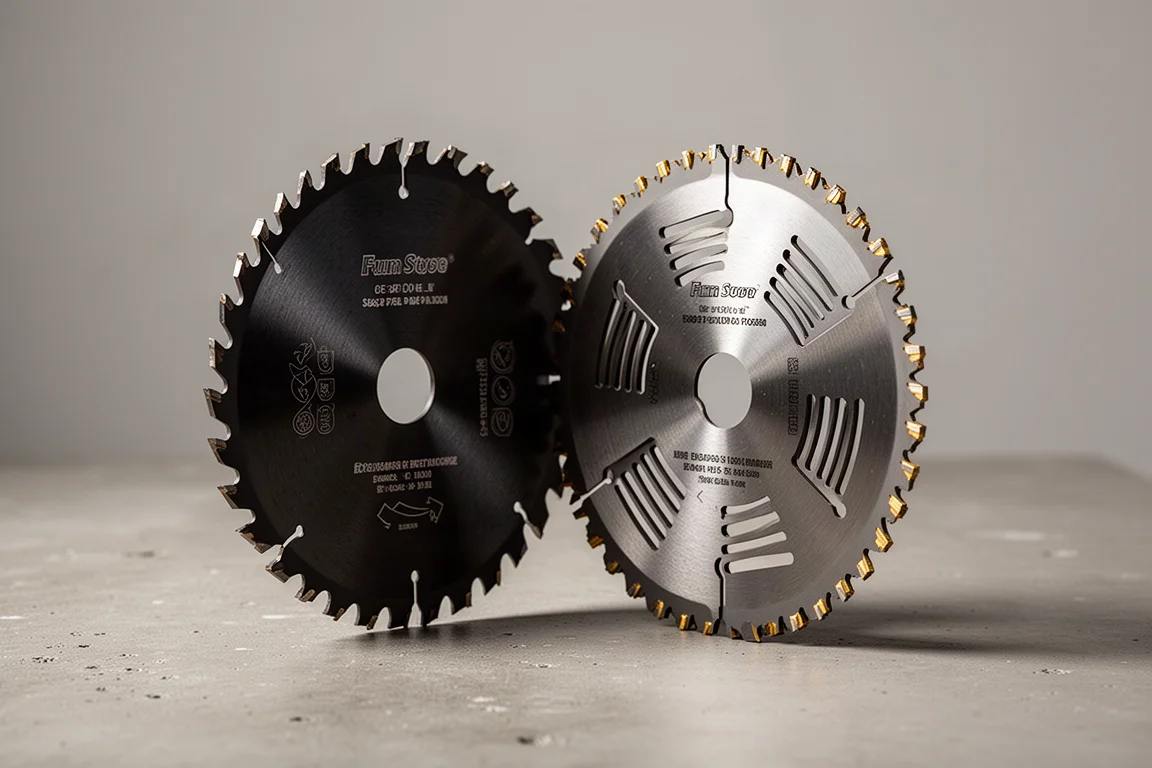
DeWalt is clearly positioning this blade as a category leader, and the doubled-life claim versus Diablo is printed right on it. On first inspection, the DeWalt actually shows less carbide on the teeth than the Diablo, which might lead you to expect the opposite result. Another difference worth noting: the DeWalt body is stamped, while the Diablo is laser cut, and stamped bodies are often said to be more likely to flex.
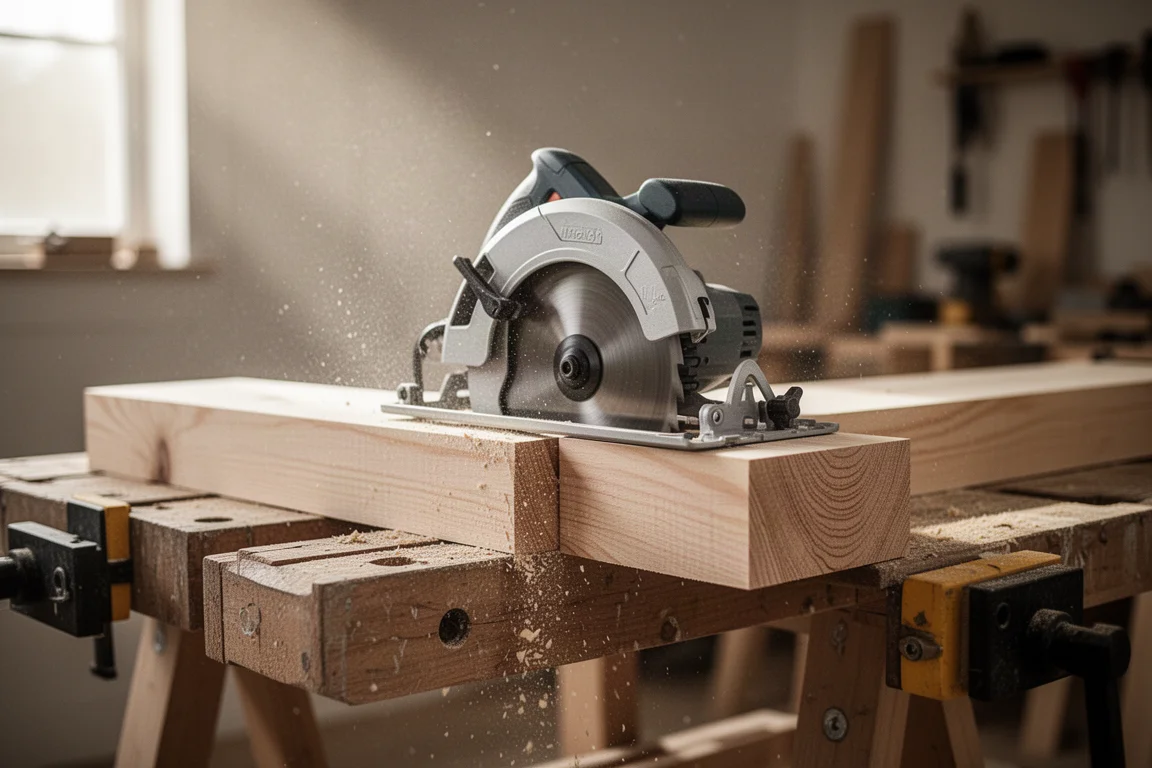
None of that stopped the first cut from being genuinely impressive. The blade went straight through 26 framing nails and both stainless lag screws without a single burn mark on the wood, and the cut felt smooth. With the 60V battery behind it, the nails were barely noticeable, with only a slight hang-up on the lag screws.
The Diablo Framing Blade
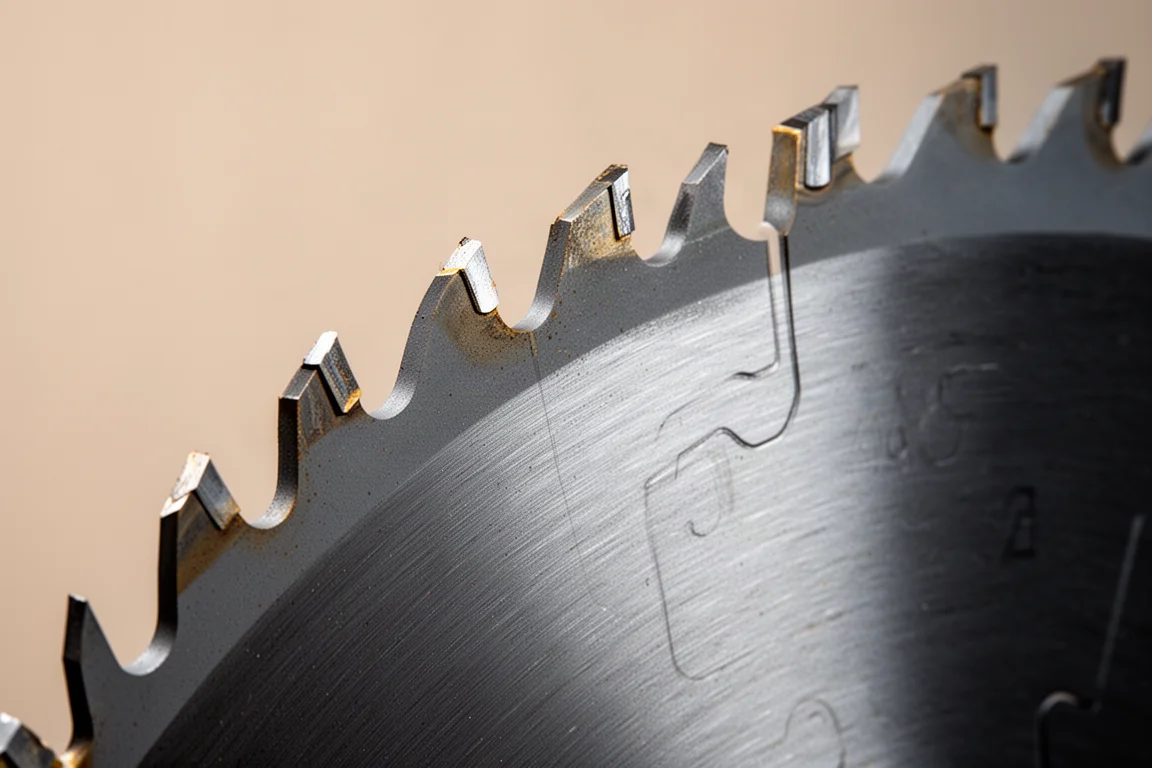
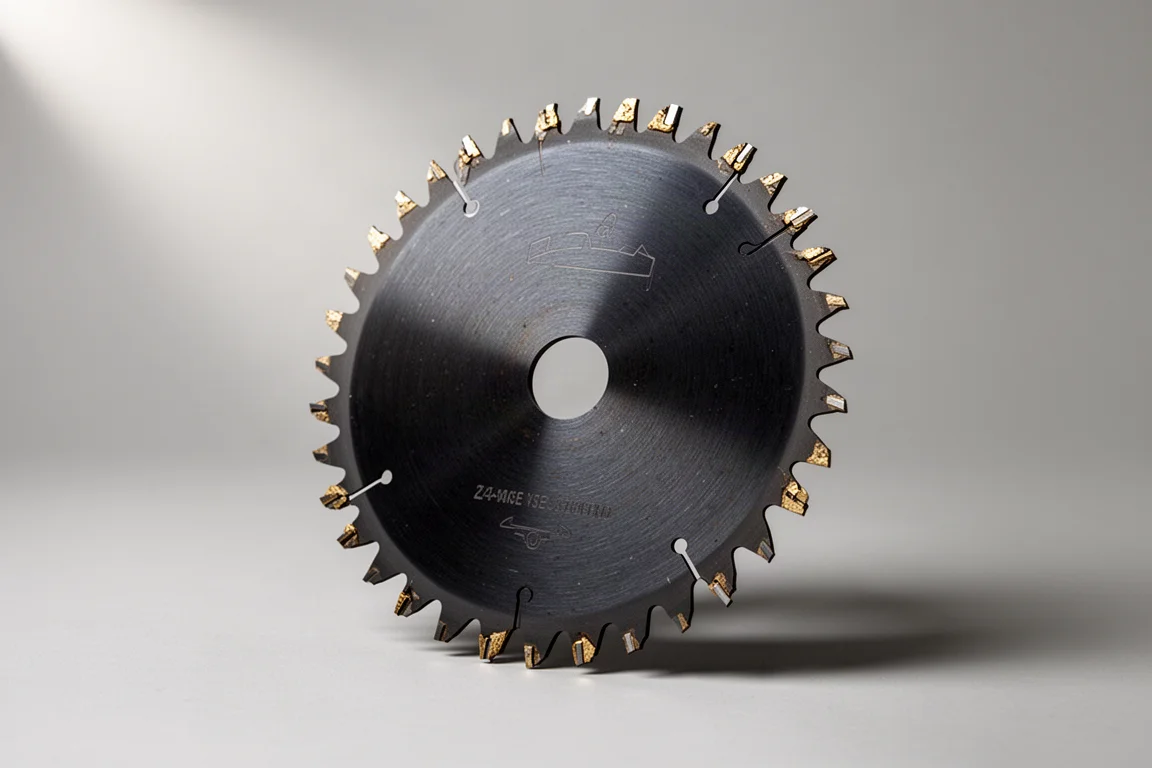
Diablo has long been a go-to framing blade, and in this identical test it delivered a remarkable result. Run through the same 26-nail, two-lag-screw setup not once, not twice, but three times, the Diablo came out the other side with no teeth broken off at all. The blade was still sharp after all three cuts.
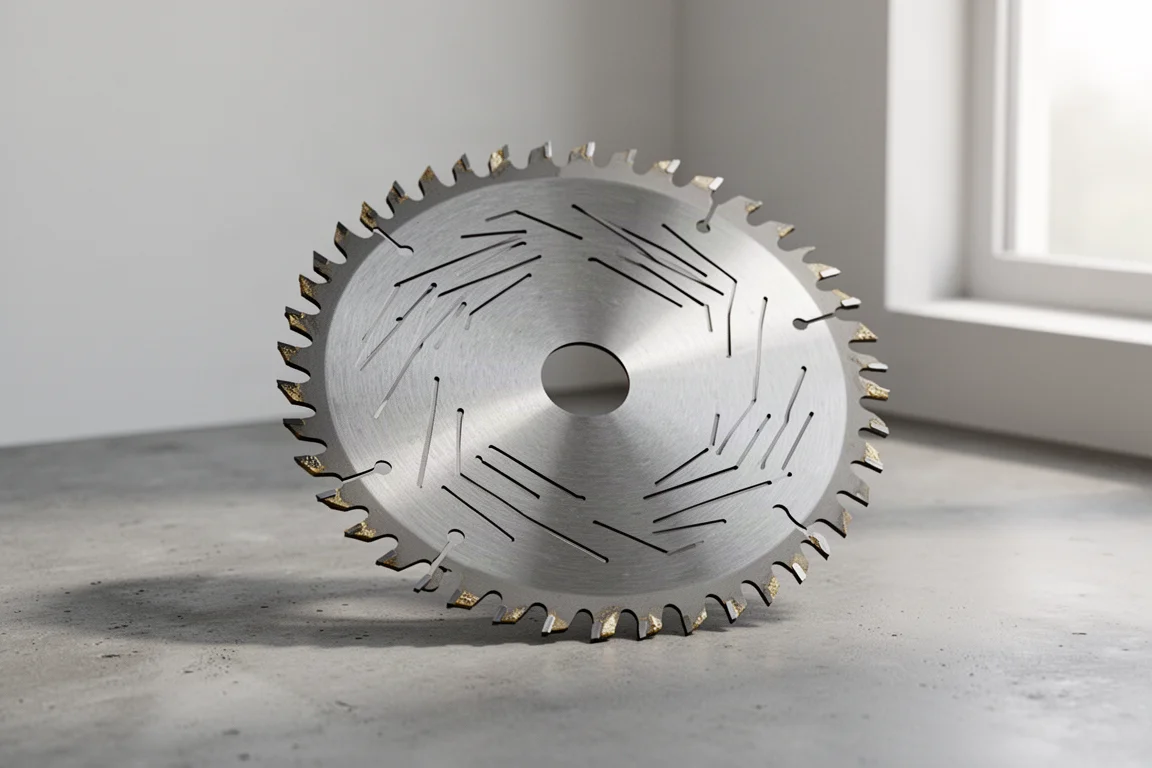
How the Test Was Run
The test setup was deliberately brutal and repeatable. A 2x8 was loaded with 26 framing nails and two quarter-inch stainless steel lag screws, then cut on a fully charged 60V FlexVolt circular saw. The concern many people have, that hitting a nail or screw with a standard 24-tooth framing blade will send shrapnel flying, was part of the test too. Neither blade exploded or threw debris; both simply cut through.
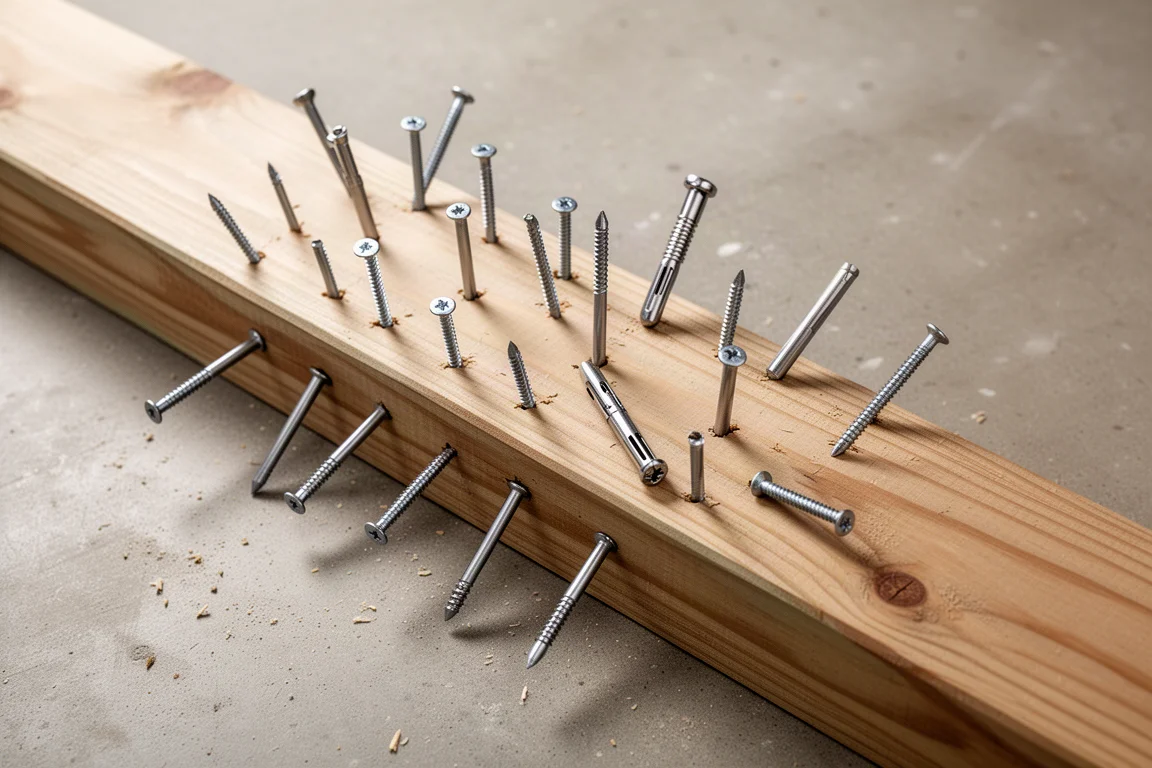
The DeWalt managed three cuts through the same obstacle-loaded board as well, which means across three passes it chewed through 78 nail crossings and six stainless lag screw crossings. That alone is worth respecting, especially considering this is a standard framing blade, not a specialty nail-cutting blade.
Verdict After Three Cuts
Here is where the claim falls apart. After those three cuts, the DeWalt was missing a significant number of teeth, with several busted and several more worn down. The Diablo, after the exact same three cuts, had not lost a single tooth. On that evidence, there is no way the DeWalt is lasting twice as long as the Diablo. In fact, the Diablo lasted noticeably longer in better shape.
That said, the DeWalt performed phenomenally for a standard framing blade. A cut or two more would still have been possible, and if your work is mostly clean lumber without embedded fasteners, the real-world life span should be substantial. There are two practical downsides to weigh: the DeWalt costs more than a standard Diablo blade, and it came out of this test with more damaged teeth. If you want to stay in the DeWalt platform and run DeWalt blades, that is a reasonable choice, but for most buyers the cheaper Diablo blade delivered both a lower price and longer life in this test. If you can find the DeWalt on sale, it is still a strong performer worth picking up.
Conclusion
The doubled-life claim does not hold up under this kind of abuse, but the DeWalt 24T framing blade is still likely the second-best blade in this class and cut cleanly through nails and screws three times over. For value and durability under fastener-strewn lumber, the Diablo remains the smarter buy; for DeWalt platform loyalists or anyone who finds it discounted, the DeWalt is a very capable alternative.
Further reading
Related Reviews

Power Tool Accessories
Best Drill Attachments 2026: Three DeWalt Tools Worth Buying
A practical look at three DeWalt drill attachments that deliver real value, plus the sketchy options you should skip.

Power Tool Accessories
Best Drill Bits 2026: 14 Sets Tested on Mild Steel, Spring Steel, and AR500 Armor
We tested 14 drill bit sets across mild steel, spring steel, and AR500 armor plating to find the best value, speed, and durability.

Power Tool Accessories
Best Right Angle Impact Adapters 2026: Five Options Tested for Speed, Torque, and Durability
We tested five right angle impact adapters from DeWalt, Milwaukee, Warrior, Titan, and Milescraft to see which ones deliver real performance without failing early.