Power Tools
DeWalt in 2026: The Standout Tools Worth Buying and the Ones to Skip
DeWalt has quietly rebuilt its lineup. From the XR drill and Atomic impacts to the FlexVolt grinder, here is what holds up, what lags behind, and what to know before buying.
Introduction
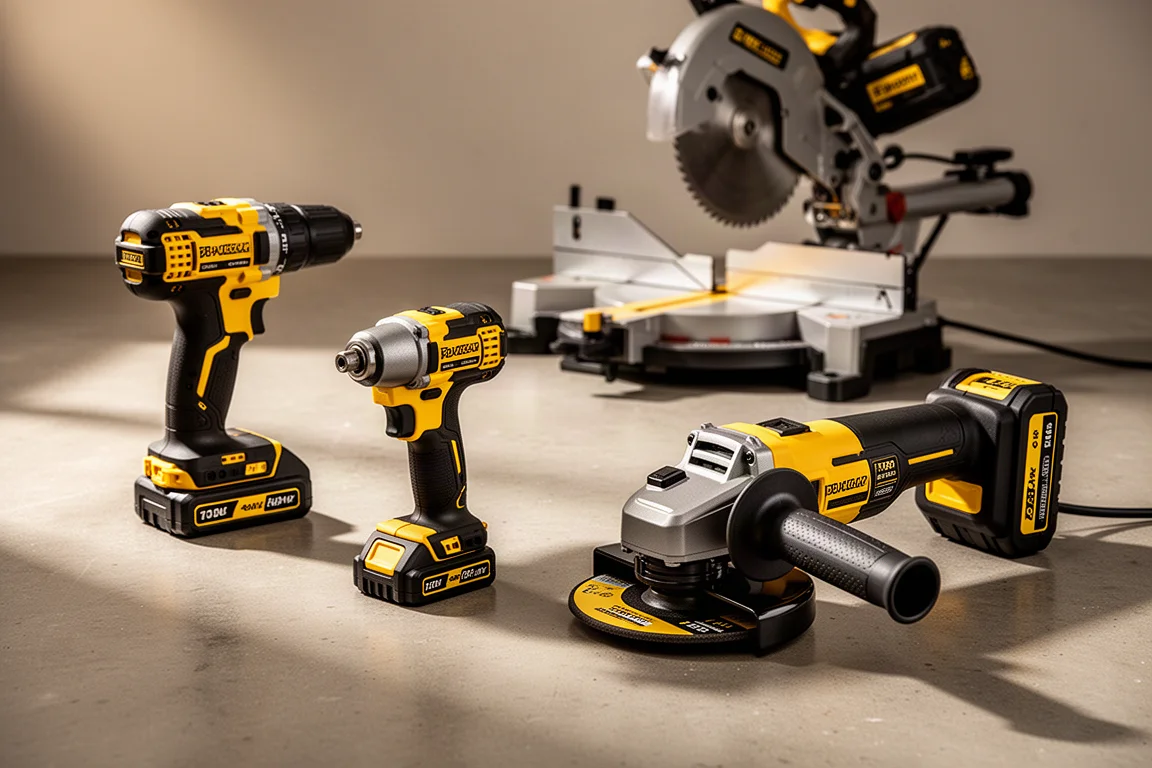
DeWalt is one of the most recognizable names in construction, and for good reason: the brand makes nearly everything a job site demands. But its recent history is more complicated than its current popularity suggests, and knowing where the lineup excels, and where it has fallen behind, makes a real difference before you spend money.
This guide walks through the brand’s backstory, the tools that justify the yellow and black reputation, and the categories where competitors have pulled ahead.
From Zombie Brand to 800-Pound Gorilla
DeWalt’s origin is unusual. The brand started more than a century ago building radial arm saws, and nothing else. The company was eventually absorbed into the Black & Decker family, which kept the name in its portfolio of brands but quietly shelved it.
Meanwhile, Black & Decker itself had drifted. Once synonymous with professional power tools, having built the first handheld drills, supported wartime manufacturing, and even made tools used in space, by the 1970s and 1980s it was better known for coffee makers, toaster ovens, and irons. Its tool quality slipped, and professionals stopped buying. So in the early 1990s, the company dusted off the dormant DeWalt name and applied it to a new line of yellow-painted power tools.
Skepticism was immediate among tradespeople who remembered Black & Decker’s decline. But the quality held up, a cordless line launched shortly after, and adoption snowballed into the market powerhouse we know today.
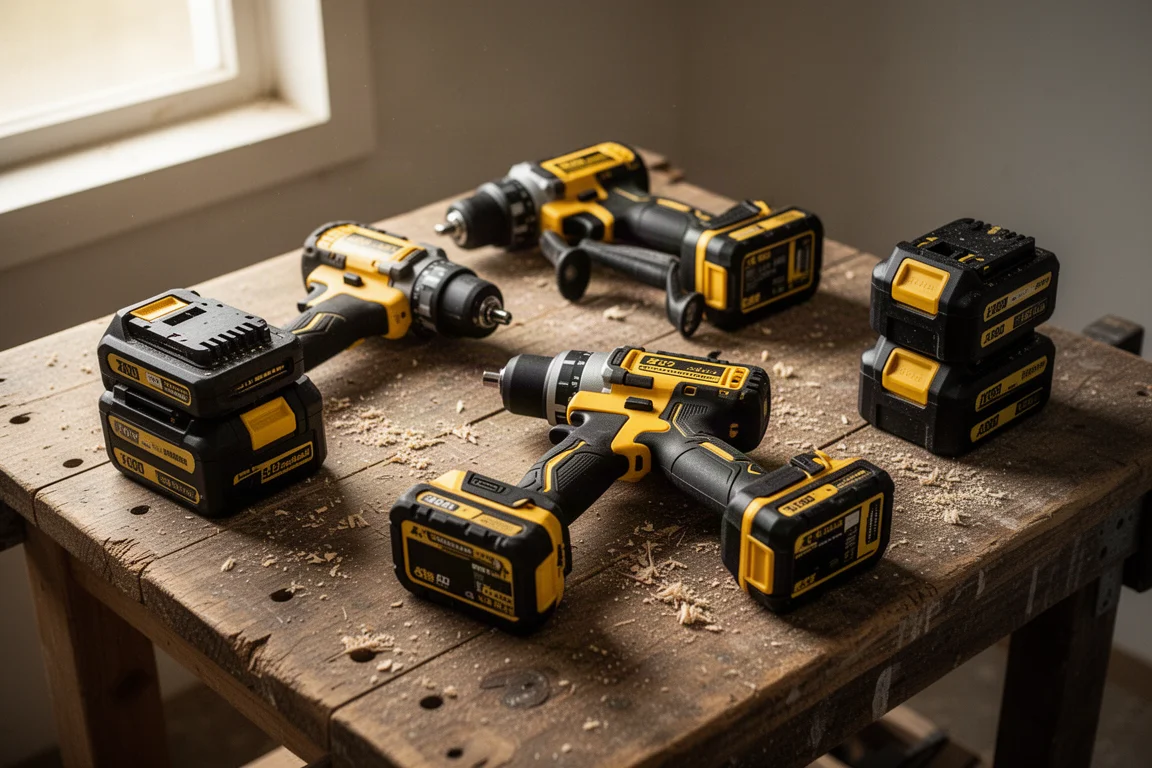
There are two persistent rumors worth addressing. First, that a competing brand is now the top-selling power tool brand in North America: that is not accurate, and the gap remains meaningful. Second, that DeWalt is being pushed out of Home Depot. That rumor has circulated for years, and while the retailer’s close relationship with a rival’s parent company makes it conceivable, most contacts decline to confirm it, and the company remains a significant seller there and is available at Lowe’s, on Amazon, and in many other retailers. Nothing suggests it is happening now.
DeWalt 20V MAX XR Drill: The Lineup’s Backbone
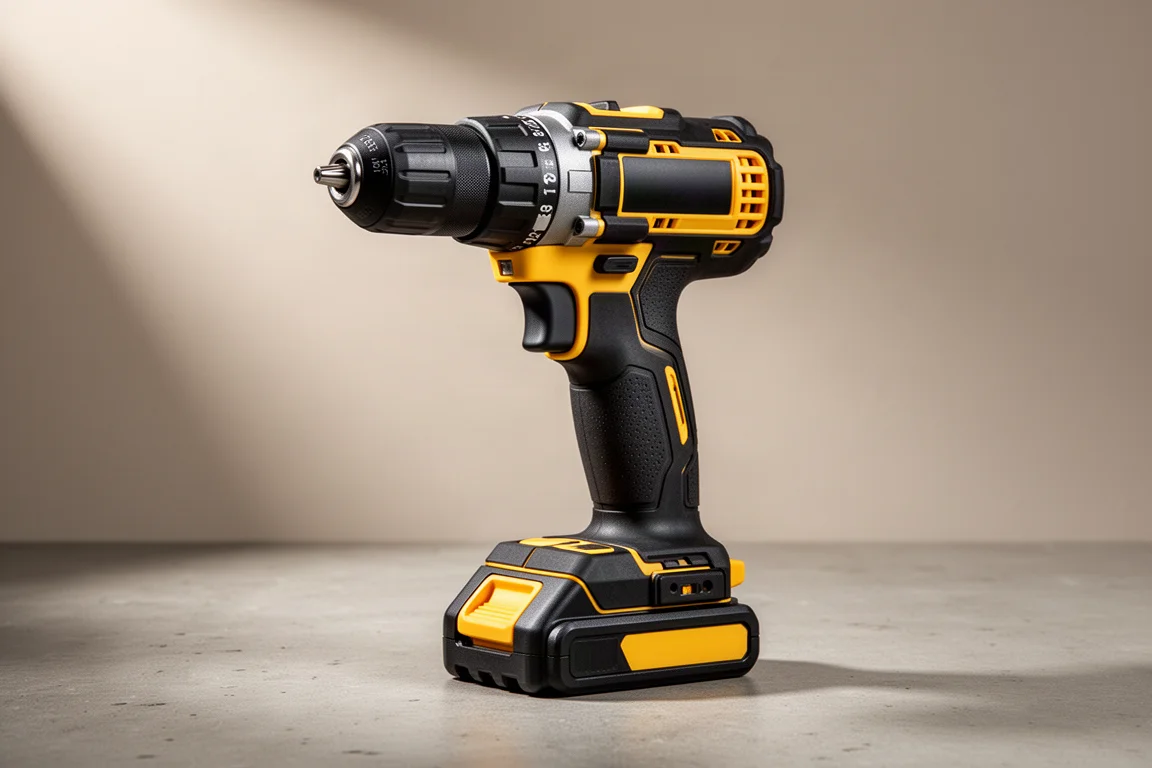
The XR drill is where DeWalt’s turnaround is easiest to feel. It sits in the fully brushless tier of the platform, the equivalent of the competition’s top-tier fuel line, and it delivers the power and refinement pros expect from a modern 20V tool.
A word of caution on the entry-level 20V MAX cordless drill: it has been sold for years at roughly $100 with two smaller 1.3Ah batteries. It is fine for light tasks like installing cabinets or occasional household assembly, but the build cuts corners on cost, and the chuck has proven flimsy in real-world use. If you want a tool that lasts, the XR tier is the safer bet.
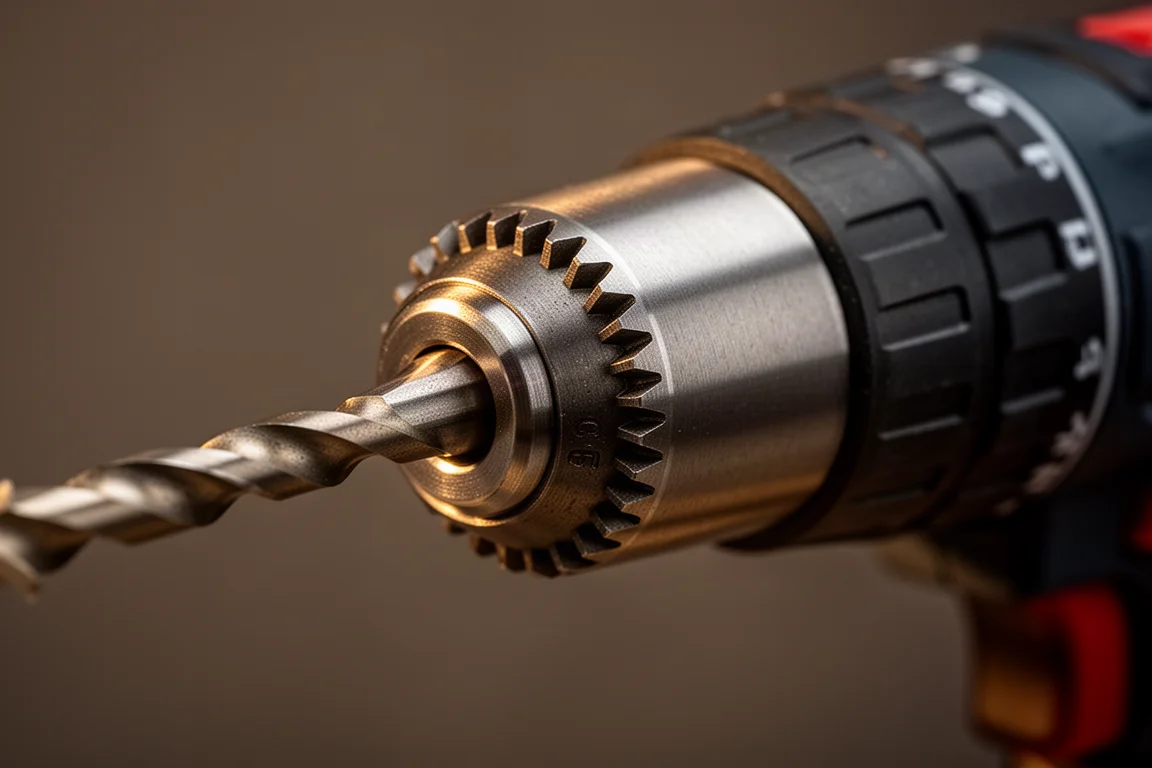
The XR platform also includes a three-speed hammer drill that has long been one of the strongest in its class, plus circular saws that can outperform most corded saws when paired with the higher-capacity batteries in the system.
DeWalt Atomic 20V Impact: Subcompact Done Right
The Atomic series is DeWalt’s answer to the subcompact trend: full 20V battery compatibility in a smaller, lighter, brushless form factor. If you love compact tools that reduce fatigue without sacrificing capability, this is the tier to look at.
Because Atomic tools share the same 20V MAX batteries as the XR line, you can mix and match across both families. That flexibility is something the closest competitor simply does not offer at this size class right now.
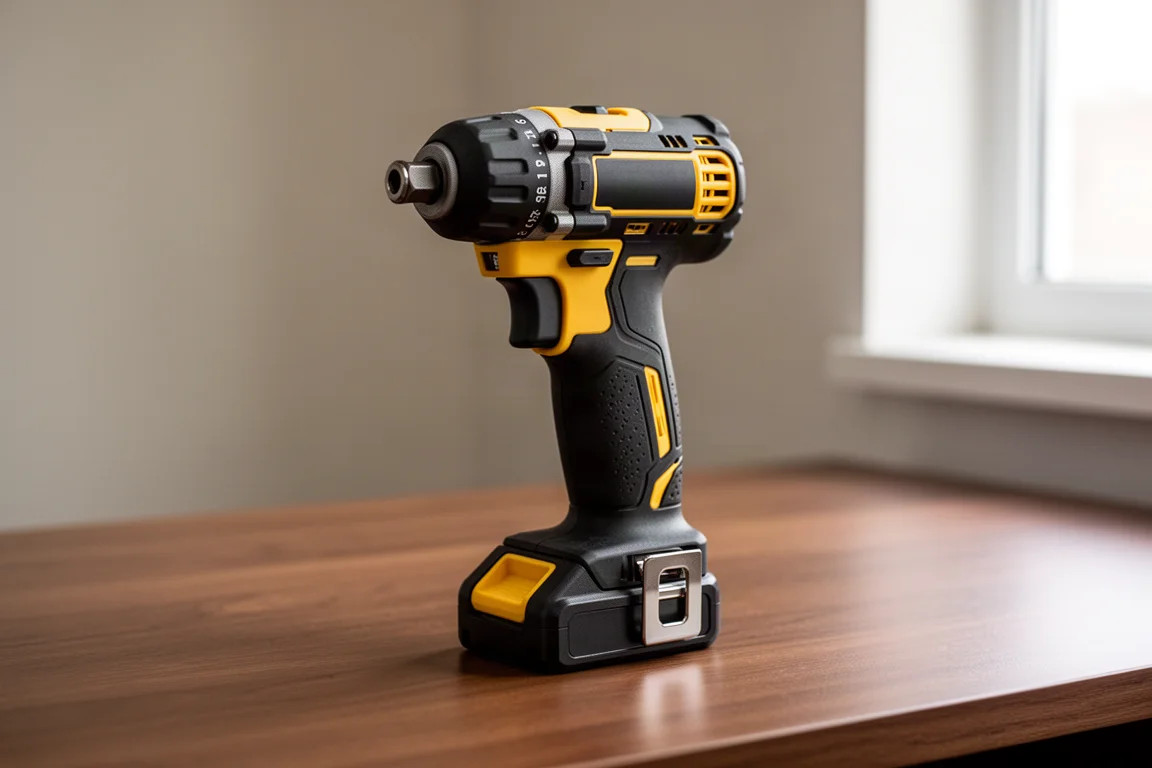
The Atomic line extends across the catalog too, including a subcompact impact and other compact tools for buyers who want the whole kit in the reduced size.
DeWalt 20V MAX XR Impact: Winning the Trench Fight
The 20V MAX XR impact driver has been a genuine standout, outperforming the closest competition at the high-end impact class and holding its own in the mid-tier as well. If impact drivers are the tools you use most, this one makes a strong case for choosing DeWalt.
DeWalt’s sealed-head ratchets have also drawn attention for doing things the competition had not thought of, and the brushless XR equivalent tier delivers performance that matches anything on the market. The battery ecosystem helps here too: standard packs, higher-capacity options, and the stacked lithium platform all feed the same tools.
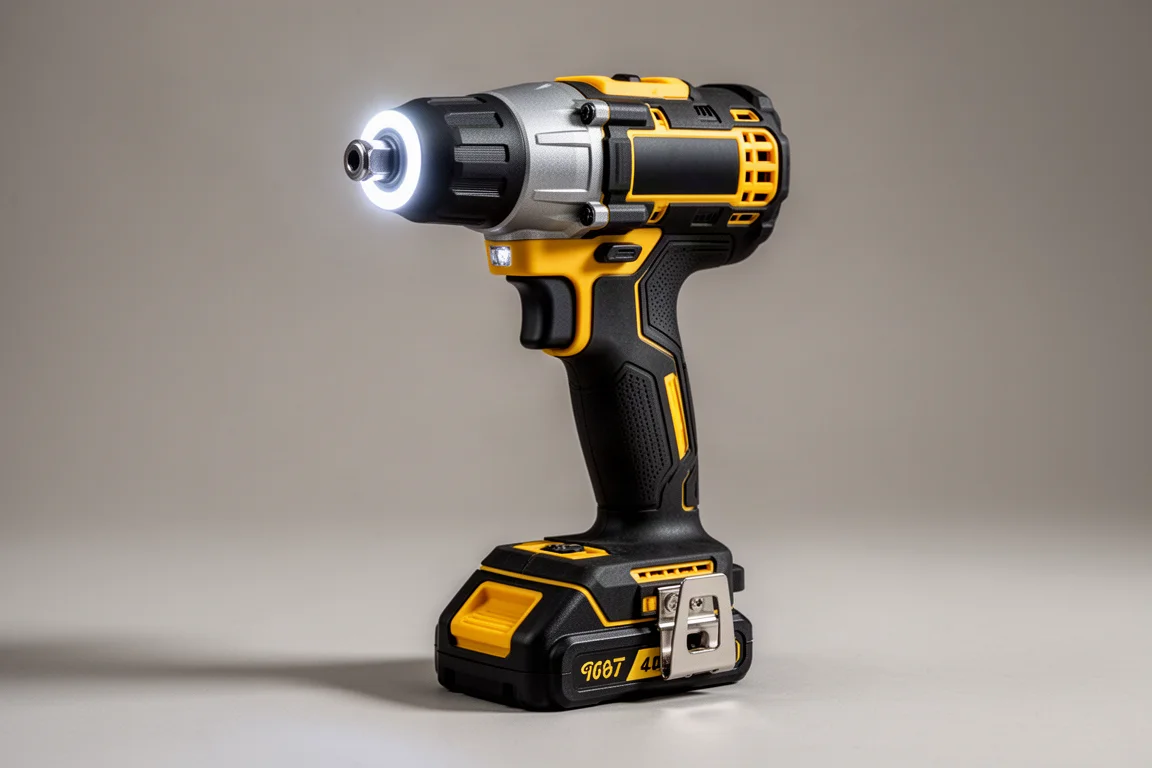
DeWalt DWS780 Miter Saw: Aging in Place
Not everything in the catalog has kept pace. The DWS780 miter saw has barely changed in years. When a budget competitor introduced a $300 alternative that started eating into its sales, DeWalt made minor updates, but the saw did not become dramatically better, and at around $550 it is hard to argue it is worth the price gap.
Buyers have noticed. More people are moving toward alternative sliding and gliding miter saws from Bosch, and other brands offering comparable performance for less money. If you need a miter saw, test the competition before defaulting to the yellow and black option.
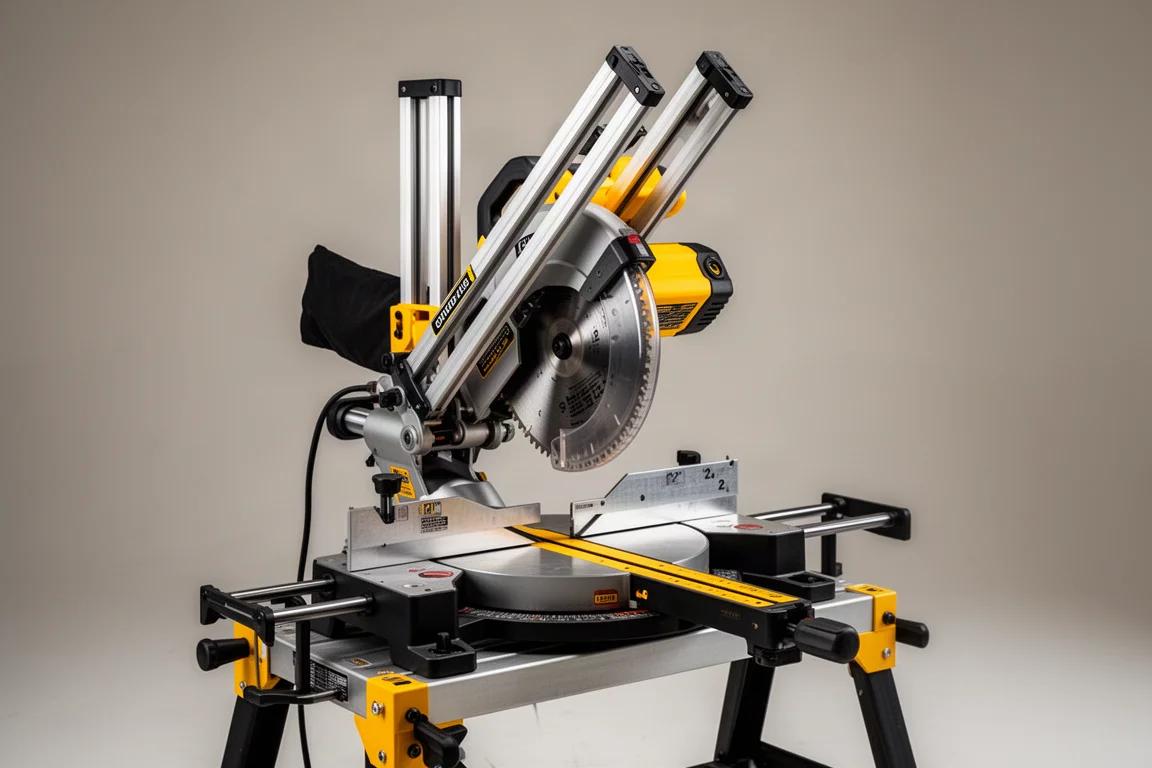
DeWalt FlexVolt 60V Grinder: The Big Boy
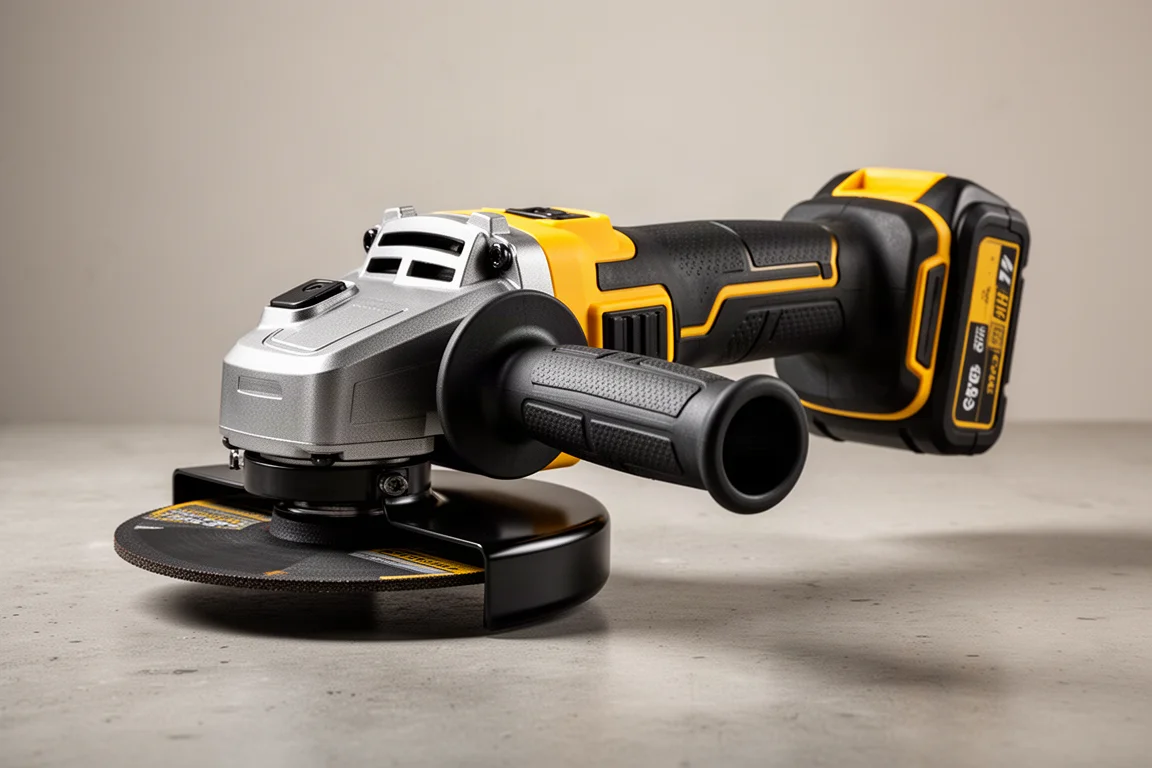
The FlexVolt system is DeWalt’s ace. Batteries that run up to 60V Max unlock corded-class power in cordless tools, and the large 60V grinder is the flagship example of what that platform makes possible. Paired with the right batteries, these tools are absolute powerhouses and a genuine reason to invest in the ecosystem.
One caveat elsewhere in the catalog: the 12V Xtreme line is brushless and genuinely good, but the selection is thin, only a handful of tools, which makes it hard to recommend over rivals’ more complete 12V ecosystems. Similarly, DeWalt’s hand tools are decent for standalone starter sets, such as a large socket set around $180 that includes three ratchets, extensions, deep and shallow sockets, and bit drivers, though the ratchet ergonomics are merely adequate.
T-Stak Storage: Good for DIY, Fading From the Lineup
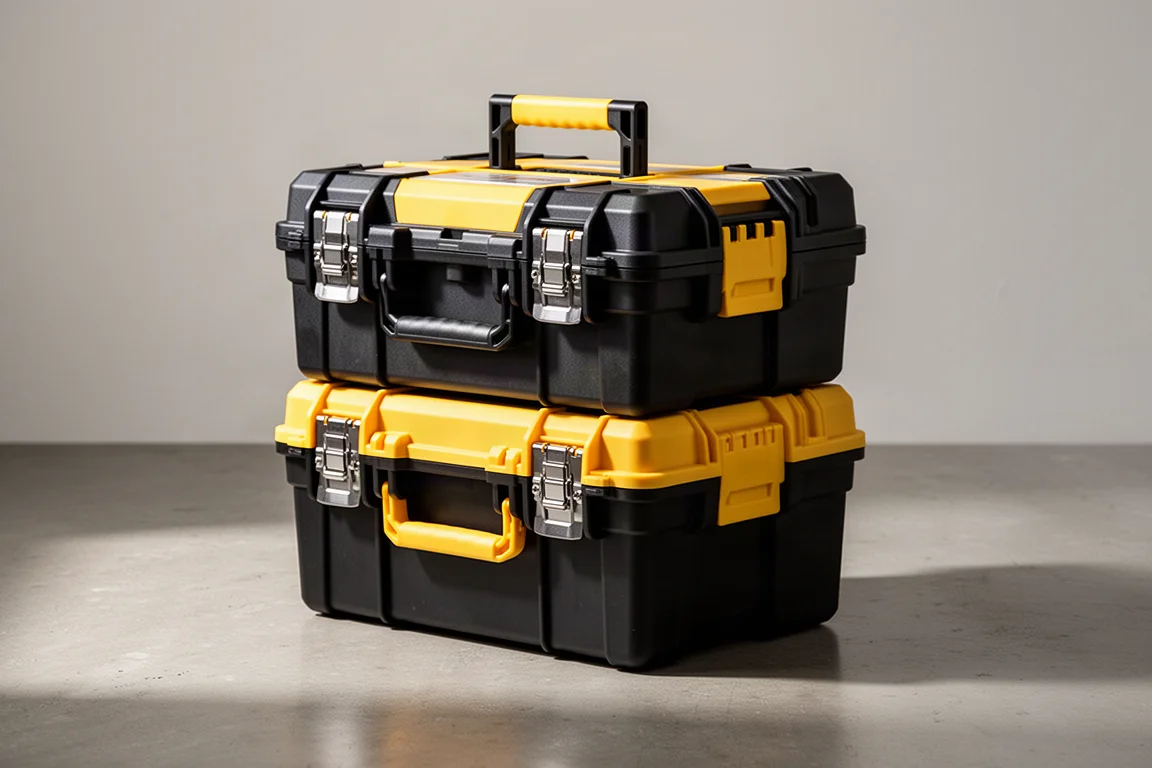
Modular storage is an area where DeWalt trails the market leader. The T-Stak system is not bad at all, and it remains a great fit for beginner DIYers who do not need the full expandability of bigger modular platforms. It is also directly compatible with the Craftsman VersaStack system, since they are the same hardware with different paint, and you can interconnect the two.
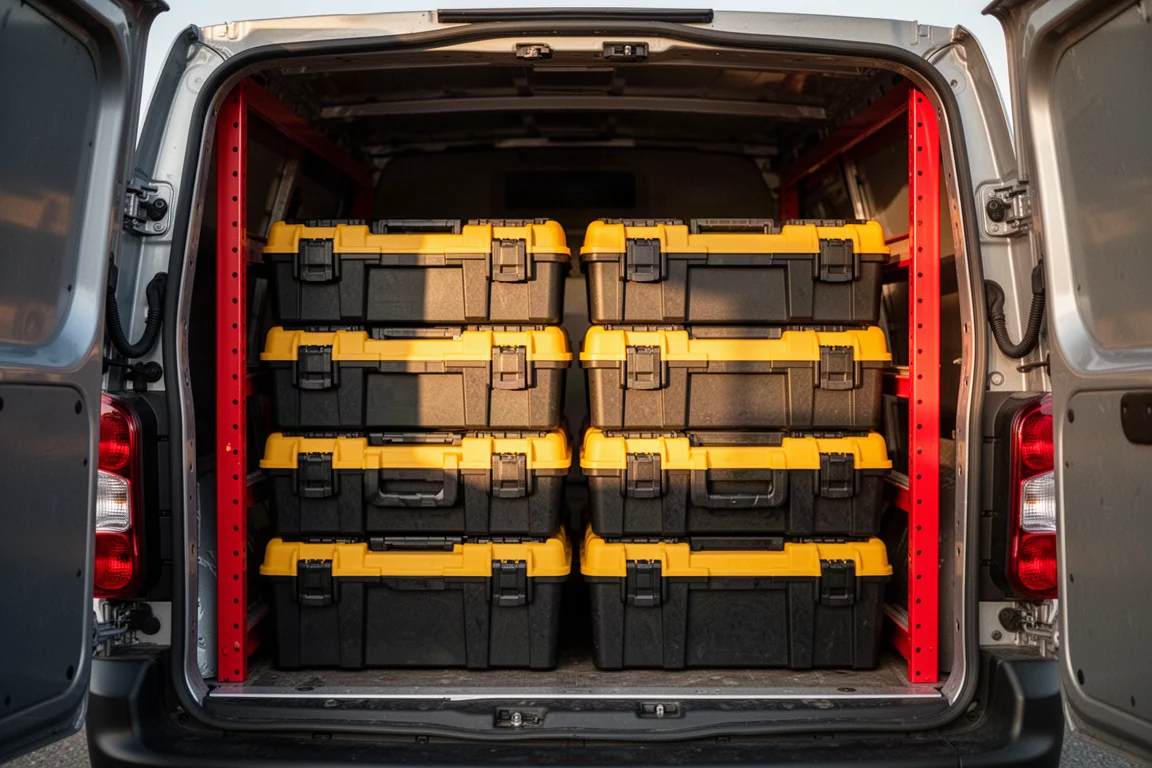
The concern is longevity: DeWalt has largely moved on from T-Stak, and even VersaStack is shifting upmarket, so these cases will get harder to find over time. If modular storage matters to you, weigh that against the more extensive accessory ecosystem of the competing system.
Overall Buying Advice
DeWalt’s strength today is its brushless XR and Atomic tiers, backed by one of the most flexible battery systems on the market, including the 60V-capable FlexVolt platform. If you are building a cordless collection around drills, impacts, saws, and grinders, the ecosystem holds up well.
The weak spots are more specific: miter saws lag the competition on value, the 12V line is too thin to anchor a collection, and modular storage trails the category leader in availability and expansion.
Conclusion
DeWalt woke up from a long stretch of complacency and rebuilt its core cordless lineup into something that genuinely competes at the top. Buy confidently in the XR, Atomic, and FlexVolt tiers; shop carefully in miter saws and storage; and ignore the exit rumors, which remain just rumors.
Further reading
Related Reviews
Power Tools
Best 1-Inch Pistol Impact Wrenches: Three Heavy-Duty Options Compared
We compare three 1-inch pistol impact wrenches, from a budget-friendly Harbor Freight model to a premium Caterpillar unit, to help you choose the right one.
Power Tools
Best 3/4-Inch Impact Wrenches 2026: Five Contenders Compared
We compare five 3/4-inch impact wrenches across price and performance, from a budget Amazon option to Snap-on's most powerful model yet.
Power Tools
Best Budget Cordless Tools 2026: Walmart Finds That Punch Above Their Price
We tested five cordless tools from Walmart, including a high-torque impact wrench that trades blows with Milwaukee and a $35 duster that outperforms its price class.